
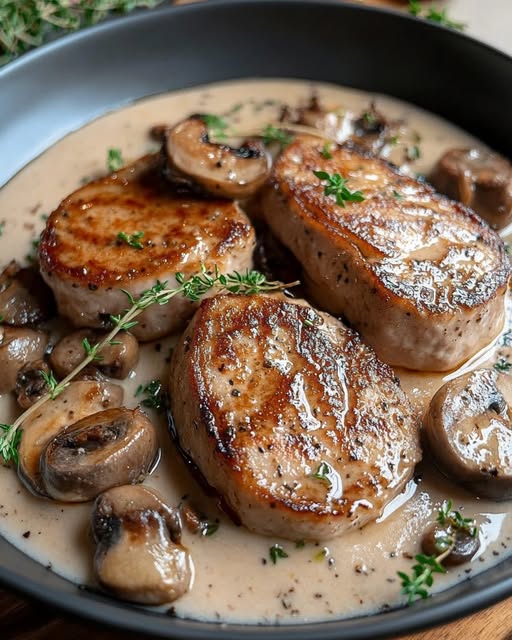
Creamy Veal Scaloppine: My Go-To French Comfort Food
There’s something magical about a dish that feels fancy but comes together in a pan in under 30 minutes. My escalopes de veau à la crème is exactly that. It reminds me of bustling French bistros, a little steam rising from the plate, and the promise of a perfectly creamy sauce. Every time I make it, my kitchen smells incredible, and my family knows dinner is going to be something special. It’s elegant simplicity, and that’s why I love sharing it with you.
A Little History of Creamy Veal Scaloppine
This dish is a classic French cream sauce recipe from the regions where dairy is plentiful. While *scaloppine* is Italian, the French took the idea and wrapped it in their velvety, rich sauces. Traditionally, veal was prized for its tenderness. The modern version, like ours, keeps that tradition but simplifies it for home cooks. You don’t need a week to prep or fancy tools. Just a good pan, fresh ingredients, and a love for cooking.
Why You’ll Fall in Love With This Creamy Veal
First, it’s easy. The steps are straightforward—dredge, sauté, simmer. Second, the flavor is sublime. The gentle veal, the sweet shallot, and that silky cream sauce create a melody of textures. It’s a quick gourmet dish that impresses guests or turns a regular Tuesday into a celebration. Plus, it’s incredibly versatile. Serve it with pasta, rice, or veggies. It always works.
When to Serve Your Creamy Veal Scaloppine
This is your secret weapon for many occasions. It’s perfect for a cozy family dinner, especially on chilly evenings. It shines at a small, intimate dinner party where you want to serve something impressive but stay relaxed. I also love making it for a special weekend lunch. It feels indulgent without being heavy. Any time you need a delicious, comforting meal that feels a bit luxurious, this is your answer.
Ingredients for Creamy Veal Scaloppine
Gathering simple, quality ingredients is key. Here’s what you need for 4 servings:
- For the Scaloppine:
- 4 veal escalopes (about 150g each)
- 2 tbsp all-purpose flour
- 2 tbsp butter
- 1 tbsp olive oil
- Salt and black pepper
- For the Cream Sauce:
- 200 ml fresh liquid cream
- 100 ml chicken broth
- 1 shallot, finely chopped
- 1 tsp old-fashioned mustard (optional)
- A pinch of nutmeg (optional)
- Fresh chopped parsley for garnish
Handy Ingredient Substitutions
Don’t stress if you’re missing something! Here are easy swaps:
- Veal: Use thin chicken breasts or pork tenderloin slices.
- Cream: Half-and-half works, but sauce will be lighter. For a richer tang, use crème fraîche.
- Chicken broth: Vegetable broth or even a splash of white wine plus water.
- Shallot: A small yellow onion finely minced is fine.
- Old-fashioned mustard: Dijon mustard adds a lovely depth.
How to Make Perfect Creamy Veal Scaloppine: Step-by-Step
Step 1: Prepare the Scaloppine
Take your veal escalopes and lay them flat on a plate. Season generously with salt and pepper on both sides. Then, lightly dust them with flour. This light coating is like a magic cape—it will give them a gorgeous golden color and help create a slight crust when they hit the pan. Don’t overdo the flour; just a gentle sprinkle is perfect. Pro tip: Pat the veal dry with a paper towel first. This helps the flour stick better and prevents steaming.
Step 2: Brown the Scaloppine
Heat the butter and olive oil in a large skillet over medium heat. The mix of both fats gives flavor and prevents the butter from burning. When the butter is melted and foamy, add the floured escalopes. Let them cook undisturbed for 2-3 minutes per side. You’ll hear a pleasant sizzle and see them turn a beautiful golden brown. Once browned, remove them to a warm plate. Don’t crowd the pan; cook in batches if needed. The goal here is color and sealing the juices, not cooking them through.
Step 3: Start the Cream Sauce Base
In the same skillet—don’t wash it!—add the chopped shallot. The pan holds all those delicious browned bits. Cook the shallot over medium-low heat until it becomes soft and translucent, about 2 minutes. It will smell sweet and aromatic. Then, pour in the chicken broth. As it bubbles, use your spoon to scrape up all those tasty bits stuck to the pan. This “deglazing” is the secret to a flavorful sauce. That golden liquid is your foundation.
Step 4: Build the Creamy Sauce
Pour the fresh cream into the skillet. If you’re using mustard and nutmeg, add them now. Stir gently to combine. Let the sauce simmer on low heat for about 5 minutes. Watch it thicken slightly and become velvety. It should coat the back of a spoon. The aroma will be rich and inviting. Chef’s tip: A low simmer is key. Boiling can cause the cream to separate or become greasy. Patience makes a silky sauce.
Step 5: Finish the Dish
Return the reserved veal escalopes to the skillet, nestling them into the sauce. Let everything heat together over low heat for 2-3 minutes. This allows the veal to finish cooking gently and soak up all the creamy sauce flavors. The veal will be tender, and the sauce will cling to it perfectly. You’re just warming and marrying everything at this point.
Step 6: Serve and Enjoy
Place a creamy veal escalope on each plate. Ladle plenty of sauce over the top. Sprinkle with fresh chopped parsley for a bright, colorful finish. This dish pairs wonderfully with steamed vegetables, fluffy rice, or buttered pasta. I love it with simple steamed green beans. Serve immediately and enjoy the comforting, gourmet taste.
Timing Your Creamy Veal Dinner
| Prep Time | Cook Time | Total Time | Servings |
|---|---|---|---|
| 10 minutes | 20 minutes | 30 minutes | 4 |
This is a true quick recipe. From start to finish, you’re looking at about half an hour. Perfect for a last-minute impressive meal.
Chef’s Secret for the Best Sauce
The absolute best trick is to use high-quality, full-fat cream. Lower-fat options can break or become watery when simmered. The rich fat content creates a stable, luxurious sauce that truly coats the veal. Also, let the sauce reduce slowly. A rushed, high-heat simmer won’t give you that perfect texture.
A Fun Fact About Veal
Veal is young beef, known for its mild flavor and tender texture. Because it’s so lean, it cooks quickly and pairs beautifully with rich sauces like our cream sauce. This combo of delicate meat and luxurious sauce is a hallmark of classic French home cooking.
Equipment You’ll Need
- A large, heavy-bottomed skillet or frying pan
- A sharp knife for chopping the shallot
- A wooden spoon or silicone spatula for stirring
- A plate for holding the cooked scaloppine
- Measuring spoons
Storing and Reheating Your Creamy Veal
Store leftovers in an airtight container in the refrigerator for up to 2 days. The cream sauce may separate a bit upon standing. To reheat, place the veal and sauce in a skillet over very low heat. Add a tiny splash of broth or water and stir gently as it warms. This helps re-emulsify the sauce. Avoid the microwave, as it can overcook the veal and make the sauce grainy.
Freezing is not recommended for this dish. Cream sauces often separate and become watery when frozen and thawed. The texture of the veal can also suffer. It’s best enjoyed fresh.
If you want to prep ahead, you can chop the shallot and measure your dry ingredients. But for the best texture and flavor, cook the dish fully just before serving.
Tips and Advice for Success
- Always taste your sauce before serving. Adjust salt and pepper at the end.
- If your sauce seems too thin, let it simmer a minute longer. If too thick, add a teaspoon of broth.
- Use a meat thermometer if unsure. Veal is best served at an internal temperature of 145°F (63°C).
- Let the veal rest for a minute after the initial browning. This keeps it juicy.
Presentation Ideas to Wow Your Guests
- Serve on a bed of creamy mashed potatoes for ultimate comfort food.
- Garnish with a twist: try a few chives or thyme sprigs instead of parsley.
- Plate with colorful veggies like roasted carrots or asparagus for contrast.
- Use a white plate to let the golden sauce and pale veal really stand out.
Healthier and Creative Recipe Variations
Love the creamy sauce idea but want to try different proteins or flavors? Here are six delicious twists:
- Creamy Chicken Scaloppine: Swap the veal for thin chicken breast cuts. Cook time is similar. It’s a more economical but just as tasty version.
- Mushroom and Herb Cream Sauce: Before adding the shallot, sauté sliced mushrooms until golden. Use thyme instead of parsley. Earthy and fantastic.
- Lemon-Cream Veal: Add the zest of one lemon and a tablespoon of juice at the end of the sauce. Bright and fresh!
- Dairy-Free “Cream” Sauce: Use a high-quality, unsweetened cashew cream or oat cream. The flavor profile changes but remains rich.
- Prosciutto-Wrapped Veal: Wrap each escalope in a slice of prosciutto before flouring and cooking. Adds a salty, cured ham flavor.
- Creamy Veal with Peas: Add a handful of fresh or frozen peas to the sauce in the last 3 minutes of cooking. Sweet pops of color and flavor.
Common Mistakes to Avoid
Mistake 1: Overcrowding the Pan
This happens when we want to cook all four escalopes at once in a standard skillet. The pan temperature drops, the veal steams instead of browns, and you get pale, less flavorful meat. To avoid it, cook in two batches if your pan isn’t huge. Give each piece its own space. This ensures that beautiful, quick sear that locks in juices. A good sear is the flavor foundation of the whole dish.
Mistake 2: Cooking the Veal Too Long
Veal is tender and lean. Cooking it for too long, especially in the second stage with the sauce, can make it tough and dry. The initial browning should be just 2-3 minutes per side. The final simmer in the sauce is just to heat through and flavor it, not to cook it from raw. Pro tip: Use a timer for the browning step. Trust it. Perfect veal should be just cooked through, not chewy.
Mistake 3: Letting the Cream Sauce Boil
A simmer and a boil are different. Boiling a cream sauce can cause it to separate, become grainy, or even develop a greasy film. Keep the heat low after adding the cream. You want gentle bubbles around the edges, not a rolling boil. A calm simmer allows the sauce to thicken smoothly and stay velvety. If it starts boiling, just pull the pan off the heat for a moment to cool it down.
Mistake 4: Skipping the Deglazing Step
Those little browned bits left after cooking the veal are packed with flavor. If you don’t deglaze the pan with the broth, you miss out on that depth. Simply adding cream to a dry pan makes a bland sauce. Always add your liquid (broth or wine) and actively scrape the pan bottom with your spoon. This simple action builds a complex, delicious sauce base.
Try These Other Delicious Main Dishes
If you enjoy tender meat in rich sauces, you might love exploring other comforting recipes. For a bold, Asian-inspired flavor, try this quick Mongolian Beef with peppers and onions. If you fancy a slow-cooked, beer-infused stew, the classic Carbonade Flamande is a Belgian masterpiece. For a rustic Italian evening, nothing beats Braised Beef with creamy Polenta. And for a tropical twist, the aromatic Coconut Braised Beef is a unique crowd-pleaser.
A Note on Quality Ingredients and Meal Prep
Using good ingredients makes a real difference in simple recipes like this. Fresh cream, a good broth, and quality veal elevate the dish from good to great. Thinking about your weekly cooking? Planning meals ahead, or meal prep, can help you organize for recipes like this one, ensuring you have everything you need for a stress-free, delicious dinner.
If this creamy veal has you craving more elegant yet simple dinners, browse our full collection of main dish recipes for more inspiration.
Frequently Asked Questions About Creamy Veal Scaloppine
Can I use chicken instead of veal?
Absolutely. Chicken breasts, sliced or pounded thin, work perfectly. They might need a minute or two longer cooking during the browning step since chicken is often thicker. Just ensure they are cooked through to 165°F (74°C) internally. The creamy sauce pairs wonderfully with chicken, creating a dish often called “Chicken Scaloppine in Cream Sauce.” It’s a fantastic and often more affordable swap that keeps the spirit of the recipe alive.
What can I substitute for the cream if I’m lactose intolerant?
For a dairy-free version, look for unsweetened, plain culinary coconut cream or a high-quality cashew cream. Their fat content mimics the richness of dairy cream. Be aware they will impart their own subtle flavor—coconut cream will add a slight tropical note. Another option is a lactose-free heavy cream, which is now available in many stores. Always simmer your substitute gently, as some non-dairy creams can also separate if boiled too vigorously.
My sauce seems too thin. How can I thicken it?
First, let it simmer a bit longer on low heat. Reduction is the natural thickener. If it’s still too thin after 5-7 minutes, you can mix a teaspoon of cornstarch with a tablespoon of cold water or broth. Stir this slurry into the simmering sauce. It will thicken within a minute. Avoid adding more flour directly to the sauce, as it can become lumpy. The key is patience—a good cream sauce thickens beautifully as it reduces.
Can I make this dish ahead of time?
You can prep components ahead, like chopping the shallot. But for the best texture and to avoid the sauce separating, I recommend cooking it fully just before serving. If you must reheat leftovers, do it slowly in a skillet with a splash of broth, as described in the storage section. The fresh, just-made version with tender veal and a silky sauce is always the gold standard for this particular recipe.
What is the best side dish to serve with this?
Simple sides that don’t compete with the creamy sauce are best. Steamed or roasted vegetables like asparagus, green beans, or carrots are excellent. Starchy bases like mashed potatoes, fluffy rice, or buttered egg noodles or pasta provide a comforting bed for the veal and sauce. A crisp green salad on the side can balance the richness. Choose what your family loves most—it’s very adaptable.
Is old-fashioned mustard necessary? What does it add?
It’s optional but highly recommended. Old-fashioned mustard (or Dijon) adds a subtle sharpness and depth that cuts through the richness of the cream. It brings a layer of complexity without being overpowering. If you don’t have it, the sauce will still be deliciously creamy, but it will miss that little tangy note that makes the dish truly special. A teaspoon is enough to make a noticeable difference.
Why use both butter and olive oil for frying?
Butter gives fantastic flavor and helps with browning. Olive oil has a higher smoke point, which means it prevents the butter from burning at medium heat. This combination allows you to cook at a good temperature without the fat turning black and bitter. It’s a classic French technique for sautéing. Using just butter risks burning; using just oil misses the buttery taste. Together, they’re perfect.
How do I know when the veal is cooked properly?
The best way is internal temperature. Veal should reach 145°F (63°C). If you don’t have a thermometer, look for visual cues: the meat should be firm to the touch and no longer pink in the center after browning and the brief simmer in sauce. Remember, veal cooks fast. Overcooking is the main enemy of tenderness. A little practice, and you’ll know just by look and feel.
Can I freeze leftovers of creamy veal scaloppine?
I don’t recommend freezing this dish. Cream sauces tend to separate and become grainy when frozen and thawed. The veal can also become tough and dry after freezing. This recipe shines as a fresh, quick-cooked meal. Enjoy it the day you make it, or keep leftovers in the fridge for up to two days and reheat gently as described earlier.
What type of veal escalope should I buy?
Look for “veal escalopes” or “veal scallops” at your butcher or supermarket. They are thin slices, usually from the leg or loin. They should be uniform in thickness, about 1/4 to 1/2 inch thick. If you see thicker pieces, you can ask the butcher to slice them thinner, or you can gently pound them at home between sheets of plastic wrap. Thin, even pieces ensure quick, even cooking and perfect texture.
Your New Favorite Comfort Meal
This creamy veal scaloppine recipe is more than just instructions. It’s a way to bring a touch of French bistro charm to your table with minimal fuss. It’s about tender meat, a silky sauce, and the happy faces around your dinner table. I’ve made it countless times for friends and family, and it never fails to feel special. So grab your pan, gather your simple ingredients, and give it a try. You might just find it becomes your secret weapon for delicious, comforting meals too. Happy cooking!
Creamy Veal Scaloppine
Ingredients
Equipment
Method
- Season the veal escalopes with salt and pepper, then lightly dust with flour.
- Heat butter and olive oil in a large skillet over medium heat and brown the escalopes for 2-3 minutes per side.
- Remove browned escalopes to a warm plate.
- In the same skillet, sauté the chopped shallot over medium-low heat until soft and translucent.
- Deglaze the pan with chicken broth, scraping up browned bits.
- Stir in the fresh cream, mustard, and nutmeg, then simmer over low heat for about 5 minutes.
- Return the veal escalopes to the skillet to warm through in the sauce for 2-3 minutes.
- Serve the escalopes topped with the creamy sauce and garnish with fresh parsley.