
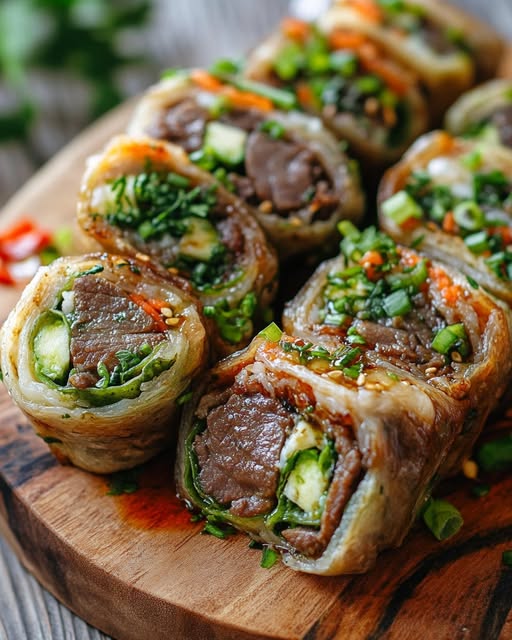
Unveiling the Magic of Taiwanese Beef Rolls
You know that feeling when you take a bite of something so perfectly balanced it makes you pause? That’s the magic of Taiwanese Beef Rolls, or niu rou juan bing. The first time I tried one at a night market stall, I was hooked. Crispy, flaky scallion pancake, tender spiced beef, fresh cucumber, and that sweet-salty hoisin hug. I spent months trying to recreate that experience at home for my family, and let me tell you, the journey was worth every delicious, messy attempt. This isn’t just a snack; it’s a portable feast of textures and flavors that will become a star in your kitchen.
A Bite of Taiwanese Street Food History
Taiwanese Beef Rolls are a beautiful story on a plate. Their roots trace back to Northern Chinese scallion pancakes and braised meat dishes brought over by migrants. Taiwan’s vibrant street food culture then worked its magic, turning these components into the handheld masterpiece we love today. Think of it as a brilliant fusion: the heartiness of a Chinese beef roll meets the convenience of a street-food wrap. From humble night market carts to fancy restaurant menus, this dish has won hearts everywhere. My version honors that tradition while keeping things doable for a busy home cook.
Why You’ll Fall in Love With This Beef Roll Recipe
This recipe is a total crowd-pleaser, and here’s why. First, the flavor contrast is unreal—crispy, savory, fresh, and sweet all in one bite. Second, you can do most of the work ahead of time! Braise the beef a day or two before, then assembly is a fun, 10-minute affair. It’s also incredibly versatile. Serve them as appetizers, a light lunch, or slice them up for a party platter that always disappears first. Trust me, your friends will ask you for this Taiwanese street food recipe.
Perfect Occasions for These Flaky Beef Rolls
- Game Day Gatherings: Slice them into pinwheels for the ultimate finger food.
- Weekend Family Lunch: A fun, interactive meal where everyone can build their own roll.
- Potluck Hero: Bring a platter and watch them vanish—you’ll be the most popular person there.
- Date Night In: Impress your partner with a restaurant-quality treat made with love.
Gathering Your Ingredients for Taiwanese Beef Rolls
For the Braised Beef:
- 700 to 900 g (1.5-2 lbs) boneless beef shank
- 2 slices ginger
- 4 cups water, plus more for blanching
- 10 g rock sugar or 2 tsp granulated sugar
- 1 small cinnamon stick
- 1 dried bay leaf
- 1 star anise
- 1 small piece dried mandarin orange peel
- 3 cloves
- 1 tsp Sichuan peppercorns
- 1 tsp white or black peppercorns
- 3 garlic cloves, smashed
- 2 scallions, cut into large pieces
- 3 tbsp light soy sauce
- 1 tbsp dark soy sauce
For Assembly:
- 6 store-bought or homemade scallion pancakes
- Neutral oil for cooking pancakes
- 1 medium cucumber, julienned
- 3 scallions, chopped
- 3 tbsp chopped cilantro
- 2-3 tbsp hoisin sauce
Clever Substitutions for Your Pantry
No beef shank? Use beef chuck or brisket for similar tenderness. Out of Sichuan peppercorns? Just use more black pepper for a different, but still delicious, spice note. If you can’t find dried mandarin peel, a small strip of fresh orange zest works in a pinch. For a cilantro-free version, use more scallions or even some mint. And for the pancakes, while homemade is amazing, good-quality frozen ones are a fantastic time-saver!
Step-by-Step Guide to Perfect Beef Rolls
Step 1: Preparing the Beef
Start by cutting your beef shank into large 4-5 inch chunks. This size is perfect for braising. Place them in a pot with the ginger slices and cover with cold water. Bringing it to a boil and letting it roll for just 30 seconds might seem quick, but it’s a crucial step! It cleans the meat, giving you a much clearer and purer braising broth later. Drain, rinse the beef pieces, and give the pot a quick clean. You’ll notice the meat already looks firmer and cleaner.
Step 2: Building the Braising Liquid
Now for the aromatic party! Return the beef to the clean pot. This is where you add all those incredible spices: the rock sugar, cinnamon, bay leaf, star anise, orange peel, cloves, and both kinds of peppercorns. The garlic and scallion pieces go in next. Finally, pour in the light and dark soy sauces. The dark soy sauce is mainly for that beautiful deep color, while the light soy brings the saltiness. The kitchen will start to smell incredible already.
Pro tip: If you have a spice bag or a piece of cheesecloth, tie all the dry whole spices (cinnamon, star anise, cloves, peppercorns) together. It makes removing them later super easy!
Step 3: The Low and Slow Braise
Pour the 4 cups of water over everything. If the beef isn’t fully submerged, add a bit more water until it’s just covered. Bring it all to a boil, then immediately reduce the heat to the gentlest simmer. Cover the pot and let it work its magic for about 1 hour. You’re aiming for tender but still slightly firm meat—it will finish softening as it cools. Let the beef cool in the broth to room temperature, then cover and refrigerate for at least 2 hours, or best, overnight. This chilling step is non-negotiable for easy, clean slicing.
Step 4: Crisping Up the Scallion Pancakes
Whether using homemade or store-bought pancakes, the goal is maximum crispiness. Heat a thin layer of neutral oil (like vegetable or avocado) in a non-stick pan over medium heat. Cook each pancake until it’s golden brown and delightfully flaky on both sides. If using frozen, follow package directions, but don’t be shy with a little extra oil for that authentic street-food crunch. Drain them on a wire rack or paper towels.
Step 5: The Grand Assembly
Take your thoroughly chilled beef and slice it as thinly as you can against the grain. This ensures every bite is melt-in-your-mouth tender. Have your julienned cucumber, chopped scallions, and cilantro ready in little bowls. Now, spread a thin, even layer of hoisin sauce on a warm pancake. Sprinkle a line of scallions and cilantro down the center, then lay a generous amount of beef slices on top. Finish with a line of refreshing cucumber.
Step 6: Rolling and Serving
Here’s the fun part! Fold the bottom edge of the pancake up over the filling, tuck it in snugly, then roll it forward tightly, like a burrito. A tight roll is the secret to keeping everything together when you bite. Once rolled, you can slice each roll in half on a sharp diagonal for a beautiful presentation. Repeat with the remaining pancakes and serve immediately while the pancakes are still crispy.
Chef’s tip: For the neatest slices, use a very sharp serrated knife and a gentle sawing motion. This prevents squishing your beautiful roll.
Your Taiwanese Beef Roll Timeline
- Prep Time: 30 minutes
- Cook Time: 1 hour 10 minutes (for braising)
- Chill Time: 2 hours (minimum) or overnight
- Assembly Time: 15 minutes
- Total Time: About 4 hours (mostly hands-off)
The Secret to the Best Beef Roll
The single biggest trick? Chilling the braised beef completely before slicing. Trying to slice warm, braised beef is a messy, shreddy nightmare. After a night in the fridge, the meat firms up beautifully, allowing you to get those perfect, paper-thin slices that are the hallmark of a great beef roll. It also gives the flavors more time to deepen and meld together.
A Little Extra Food for Thought
Did you know the scallion pancake used here is a relative of the Mandarin pancake used for Peking Duck? Both are layered and flaky, designed to hold flavorful fillings. The Taiwanese version is typically thicker and oilier, giving it that signature crispy-on-the-outside, chewy-on-the-inside texture that stands up to the juicy braised beef so well.
Equipment You’ll Need
- A medium-sized heavy-bottomed pot or Dutch oven for braising.
- A good non-stick or cast iron skillet for cooking the pancakes.
- A sharp chef’s knife for slicing the beef and vegetables.
- A mandoline (optional but helpful) for julienning the cucumber evenly.
Storing Your Taiwanese Beef Roll Creations
Store each component separately for the best results. Keep the sliced braised beef and its strained braising liquid in an airtight container in the fridge for up to 4 days. You can even freeze the beef in the liquid for up to 2 months. The cucumber, scallions, and cilantro are best prepped fresh.
The cooked scallion pancakes can be stored in the fridge for a day or two. Re-crisp them in a dry pan or toaster oven before assembling. I do not recommend assembling the rolls ahead of time, as the pancake will get soggy.
If you have leftover assembled rolls, you can try wrapping them tightly in foil and reheating in a 375°F oven for 10-15 minutes. They won’t be as perfect as fresh, but they’ll still be tasty! For more make-ahead inspiration, check out our rich Coconut Braised Beef, another dish that tastes even better the next day.
Top Tips for Beef Roll Success
- Don’t skip blanching the beef. It makes for a cleaner-tasting final dish.
- Simmer, don’t boil. A gentle braise keeps the beef tender.
- Chill the beef thoroughly. This is the key to easy, thin slicing.
- Warm your hoisin sauce slightly for easier spreading.
- Roll tightly! A loose roll will fall apart when you pick it up.
Presentation Ideas to Impress
- Slice each roll into three pieces and stand them up on a platter to show off the layers.
- Serve with small bowls of extra hoisin and a spicy chili sauce for dipping.
- Garnish the platter with extra cilantro sprigs and sesame seeds.
- For a fun twist, add very thin slices of fresh red chili for a pop of color and heat.
Six Tasty Twists on the Classic
Love the concept? Here are some delicious variations to try!
- Pork Belly Roll: Replace the beef with slices of hong shao (red-braised) pork belly for an ultra-rich version.
- Spicy Szechuan Chicken: Use shredded poached chicken tossed in a Sichuan chili oil and peanut sauce.
- Mushroom & Tofu (Veggie): Braise shiitake mushrooms and pressed tofu in the same spiced broth for a fantastic vegetarian take.
- Breakfast Roll: Fill with scrambled eggs, cheese, and a drizzle of sriracha for a fusion breakfast sandwich.
- Duck Roll: Inspired by Peking duck, use shredded roasted duck meat and add slivered green apple for crunch.
- Lamb Roll: Swap the beef for spiced braised lamb shoulder and use a mint-yogurt sauce instead of hoisin.
If you enjoy exploring flavorful braised meats, you might also love the complex spices in a classic Beef Vindaloo or the creamy comfort of Creamy Veal Scaloppine.
Common Mistakes to Avoid
Mistake 1: Not Blanching the Beef First
It’s tempting to throw the beef right into the spices, but blanching is essential. Skipping it means impurities from the meat stay in your braise. This can make the final sauce cloudy and give it a slightly “off” flavor. That quick boil and rinse ensures a clean, pure taste that lets the star anise, cinnamon, and soy really shine through.
Mistake 2: Slicing the Beef While It’s Warm
Patience is a virtue here! Slicing the beef right after braising is a recipe for shreds, not slices. The meat fibers are relaxed and will just fall apart. Letting it cool completely and then chill in the fridge firms it up. This makes slicing against the grain into those perfect, thin pieces an absolute breeze. Plan ahead—it’s worth the wait.
Mistake 3: Using a Soggy or Undercooked Pancake
The pancake is your vessel—it needs structure! An undercooked, doughy pancake will tear and become gummy. Conversely, a pancake that’s been steamed or microwaved will be limp and soggy. Cook it in enough oil over medium heat until it’s genuinely crispy and flaky. That contrasting texture against the tender beef is half the joy of eating a beef roll.
Mistake 4: Overstuffing the Roll
More filling isn’t always better. Piling on too much beef, cucumber, and herbs makes the roll impossible to close tightly. It will burst open at first bite. Use a moderate, even layer of each ingredient. You should be able to see a border of pancake around the filling before you start rolling. A neatly wrapped roll is a happy, mess-free roll.
Frequently Asked Questions
Can I make Taiwanese Beef Rolls gluten-free?
Absolutely! You can make this dish gluten-free with a few smart swaps. Use tamari or a certified gluten-free soy sauce for braising the beef. For the hoisin sauce, look for a gluten-free brand or make your own. The biggest challenge is the pancake. You’ll need to find or create a gluten-free scallion pancake recipe using a flour blend. The filling itself is naturally gluten-free with those simple adjustments, so you can still enjoy all those amazing flavors.
What cut of beef is best besides shank?
Beef shank is traditional for its flavorful tendons that melt into gelatin, but other cuts work great. Beef chuck roast is a fantastic, accessible alternative. It’s well-marbled and becomes wonderfully tender when braised. Beef brisket (the flat cut) is another excellent choice, though it can be leaner. Whichever cut you use, the key is low, slow cooking and that essential chilling step for perfect slices. For a different braised beef approach, explore our Chicken and Shallot Fricassee, which uses a similar low-and-slow technique for poultry.
How far in advance can I braise the beef?
You can braise the beef up to 3 days in advance, and it might even taste better! The flavors continue to develop as it sits in its braising liquid in the fridge. This makes it a perfect make-ahead dish for parties or busy weeks. You can also freeze the braised beef (in the liquid) for up to 2 months. Just thaw overnight in the refrigerator before slicing and assembling.
I don’t have all the whole spices. Can I use powder?
You can use ground spices in a pinch, but the result will be different. Whole spices release their flavor slowly during braising, creating a more nuanced and clear-tasting broth. Ground spices can make the broth muddy and sometimes taste a bit dusty. If you must substitute, use about 1/4 to 1/3 teaspoon of ground spice for each teaspoon of whole called for. Tie them in a cheesecloth pouch so you can remove them easily.
What can I serve with beef rolls?
Taiwanese Beef Rolls are often a standalone street food, but you can build a meal around them! Serve them with a simple hot and sour soup or a light cucumber salad. For a bigger spread, pair them with other Taiwanese favorites like minced pork rice (lu rou fan) or sesame noodles. They’re also fantastic alongside a simple stir-fried green vegetable, like bok choy with garlic.
Can I bake the scallion pancakes instead of pan-frying?
You can, but you won’t get the same classic texture. Pan-frying in oil creates essential crispiness and those flaky, separated layers. Baking tends to make them more uniformly crunchy or dry. For authenticity, stick with the pan. If you must bake, brush the pancakes generously with oil and bake on a preheated sheet at a high temperature (425°F) until golden, flipping once.
Is there a substitute for hoisin sauce?
Hoisin has a unique sweet, salty, and fermented bean flavor. In a bind, you can make a rough substitute by mixing together 2 tablespoons of soy sauce, 1 tablespoon of peanut butter or black bean paste, 1 teaspoon of honey or molasses, a pinch of garlic powder, and a dash of rice vinegar. It won’t be identical, but it will provide a similar savory-sweet role in the roll.
Why is my braised beef tough?
If your beef is tough, it likely needs more cooking time. Beef shank and chuck have a lot of connective tissue that needs time to break down into soft gelatin. Ensure the braise is at a very gentle simmer (just a few bubbles breaking the surface), not a rolling boil, and cook until a fork inserts with just a little resistance. It will continue to soften as it cools. The USDA provides great resources on safe cooking temperatures and methods, which align perfectly with the low, slow braising that makes meat tender.
Can I use pre-cooked or leftover roast beef?
You can, but the flavor profile will be different. The magic of the traditional roll comes from the beef being infused with the star anise, soy, and spice braising liquid. Plain roast beef will taste, well, plain. If using leftovers, try simmering thin slices in a small amount of the braising liquid (or a quick mix of soy, sugar, and water with a star anise) for 5-10 minutes to let it absorb some flavor.
Are Taiwanese Beef Rolls eaten hot or cold?
They are best served warm or at room temperature, with the pancake still crispy. The beef is served cold from the fridge, but it’s thinly sliced so it’s not jarring. The contrast between the warm, crispy pancake and the cool, savory beef and fresh cucumber is part of the experience. Never serve them with a cold, limp pancake—always re-crisp it before assembling.
Mastering this iconic dish is a wonderful way to bring a taste of Taipei’s lively food scene right to your table. For more main dish inspiration that brings the world to your kitchen, be sure to browse all our favorite recipes in the Main Dish category.
Your New Favorite Party Trick
There you have it! Making Taiwanese Beef Rolls at home is a project filled with love and incredibly rewarding results. The braising process fills your house with the most comforting aroma, and the final assembly is just pure fun. Remember to braise ahead, chill thoroughly, and embrace the crisp. Once you serve these up, be prepared for recipe requests. Now, go roll up some happiness!
Taiwanese Beef Rolls
Ingredients
Equipment
Method
- Cut the beef shank into 4-5 inch chunks and blanch in boiling water for 30 seconds.
- Rinse and clean the beef pieces, then return to a cleaned pot.
- Add ginger, rock sugar, spices, garlic, scallions, and both soy sauces to the pot.
- Pour in 4 cups of water, bringing it to a boil, then reduce to a gentle simmer for about 1 hour.
- Let the beef cool in the broth to room temperature, then refrigerate for at least 2 hours, ideally overnight.
- Heat neutral oil in a non-stick pan and cook each scallion pancake until golden brown and flaky.
- Slice the chilled beef thinly against the grain.
- Assemble each pancake with hoisin sauce, scallions, cilantro, beef slices, and cucumber.
- Roll up the pancakes tightly and slice them in half diagonally for serving.