
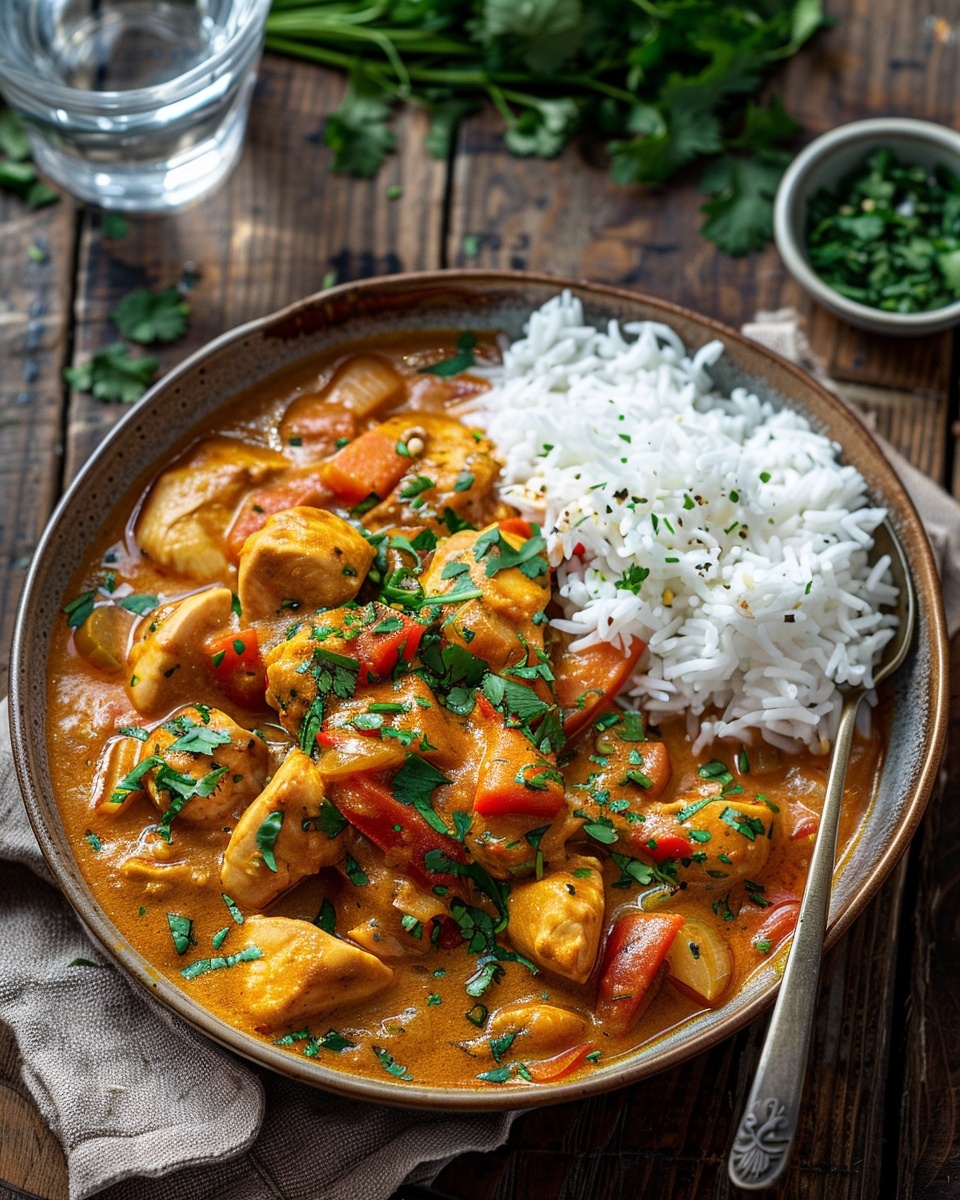
Introduction: Why Chicken Curry Is More Than Just a Meal
My grandmother’s kitchen always smelled like toasted spices on Sunday afternoons. She’d stand by the stove, stirring a pot of golden chicken curry while telling me stories about her childhood. That aroma of cumin, coriander, and turmeric mixing with tender chicken became my comfort food. It’s funny how a simple dish can hold so many memories.
Chicken curry isn’t just food. It’s a hug in a bowl. It’s what people cook when they want to show love. Whether you call it tavuk kori in Turkey or follow a traditional chicken curry tarifi, this dish brings people together across every continent.
Today, I’m going to walk you through everything you need to know about making great chicken curry. We’ll look at what makes curry special, explore different regional styles, and answer the questions I get asked most often. You’ll learn why Indian versions taste different from Japanese curry, and what makes Kerala’s chicken curry stand out. By the end, you’ll understand the secrets that turn good curry into something amazing.
This dish has traveled the world and changed along the way. From street vendors in Mumbai to home kitchens in Tokyo, everyone has their own take. That’s the beauty of it. There’s no single “right” way to make chicken curry. But there are techniques that work better than others, and I’m excited to share them with you.
Understanding Chicken Curry: More Than Just Spices and Chicken
Let me start with the basics. Chicken curry is a dish where chicken pieces simmer in a spiced sauce. The sauce usually includes onions, tomatoes, ginger, garlic, and a blend of spices. Some versions are creamy and mild. Others pack serious heat that makes your eyes water.
The sauce is where the magic happens. It can be thin and soup-like or thick enough to cling to each piece of chicken. Some cooks add yogurt for tang. Others use coconut milk for sweetness and richness. The spice blend changes based on where you are in the world.
But here’s what many people don’t know. Curry isn’t actually a traditional Indian word. British colonizers created the term to describe the spiced, saucy dishes they encountered in India. Indians call these dishes by specific names like masala, korma, or vindaloo. The word “curry” comes from the Tamil word “kari,” which means sauce.
The Rich History Behind Your Favorite Chicken Curry
The story of chicken curry stretches back thousands of years. Ancient civilizations in the Indus Valley were grinding spices and cooking meat in sauces as early as 2500 BCE. Archaeologists found mortar and pestles with traces of ginger, garlic, and turmeric at dig sites.
When traders sailed across the Indian Ocean, they carried spices with them. Arab merchants, Portuguese sailors, and British officers all played a role in spreading curry around the globe. Each culture adapted the dish to their own tastes and ingredients.
In Japan, curry arrived in the late 1800s through British naval officers. The Japanese created their own version with a thick, sweet sauce that tastes nothing like chicken curry indian style. A japanese curry recipe typically uses curry roux blocks and includes potatoes and carrots. It’s comfort food for millions of Japanese families today.
Kerala, a state on India’s southwestern coast, developed its own distinct curry tradition. Chicken curry kerala style uses coconut in nearly every dish. The region’s proximity to the ocean and spice trade routes influenced their cooking deeply. If you search for chicken curry malayalam recipes, you’ll find versions that highlight curry leaves, mustard seeds, and fresh coconut.
The cultural importance of chicken curry can’t be overstated. In India, it’s served at weddings, festivals, and family gatherings. In the UK, chicken curry has become a national favorite. People eat more curry in Britain than fish and chips. That’s remarkable when you think about it.
Different Types of Chicken Curry You Should Know
Not all chicken curries taste the same. The differences can be dramatic. Let me break down the major styles you’ll encounter.
Indian chicken curry covers a huge range. North Indian versions often use cream, butter, and tomatoes. Think butter chicken or chicken tikka masala. These are rich and mildly spiced. South Indian curries tend to be spicier and use more tamarind, curry leaves, and coconut. A proper spicy chicken curry recipe from Andhra Pradesh will test your heat tolerance.
When someone searches for chicken curry telugu recipes, they’re usually looking for that South Indian style. These curries are thinner, tangier, and pack layers of complex flavors. The spice blends include dried red chilies, fenugreek, and black pepper.
Japanese curry deserves its own category. It’s thick, slightly sweet, and much milder than Indian versions. The sauce has an almost gravy-like consistency. Japanese home cooks often serve it over rice with pickled vegetables on the side. It’s the ultimate comfort food in Japan.
Thai curry is another popular variation. These use curry pastes made from fresh herbs and chilies. Green curry, red curry, and yellow curry each have distinct flavor profiles. Thai versions always include fish sauce and palm sugar for that signature sweet-salty-spicy balance.
Caribbean curry came from Indian indentured workers who arrived in Trinidad and Jamaica in the 1800s. They adapted their recipes using local ingredients like Scotch bonnet peppers and allspice. The result is bold, fiery, and completely unique.
Here’s a quick comparison of the main styles:
| Curry Type | Key Ingredients | Heat Level | Texture |
|---|---|---|---|
| North Indian | Cream, tomatoes, garam masala | Mild to Medium | Thick and creamy |
| South Indian (Kerala) | Coconut, curry leaves, tamarind | Medium to Hot | Thin to medium |
| Japanese | Curry roux, potatoes, carrots | Mild | Very thick |
| Thai | Curry paste, coconut milk, fish sauce | Medium to Hot | Medium |
| Caribbean | Curry powder, Scotch bonnet, allspice | Hot | Medium |
I’ve tried making all these styles in my own kitchen. Each one taught me something different about how spices work together. The chicken with curry sauce that you prefer really depends on your personal taste. Some people love the rich creaminess of butter chicken. Others want the fiery kick of a vindaloo.
If you’re following a recipe from curry chicken once upon a chef or another cooking blog, pay attention to which style they’re teaching. The techniques and ingredients vary significantly. A recipe designed for Japanese curry won’t work if you’re trying to make Kerala-style curry.
My advice? Start with one style and master it before moving to another. Learn the core techniques for that particular approach. Once you understand why certain spices go together and how to build layers of flavor, you can start experimenting and creating your own versions.
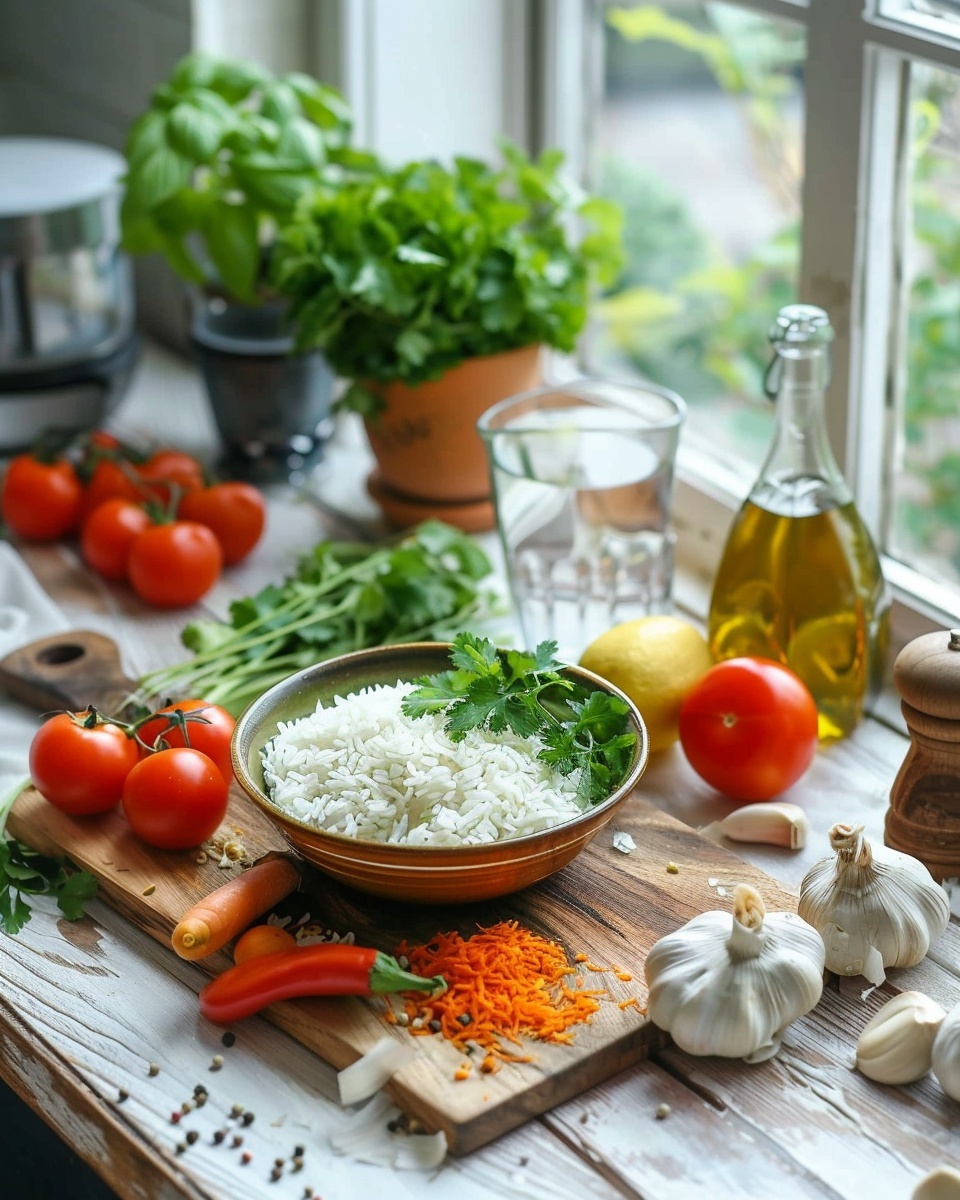


What You Need to Make Amazing Chicken Curry at Home
Now that you know the different styles, let’s get into the actual cooking part. I’m going to tell you exactly what ingredients you need and why they matter.
The foundation of any great chicken with curry sauce starts with your protein. I’ve experimented with every cut imaginable, and here’s what I’ve learned. Bone-in, skin-on chicken thighs give you the most flavor and stay tender even if you overcook them slightly. They have enough fat to keep the meat juicy while it simmers in the sauce. Chicken breasts work too, but they dry out faster. If you’re using breasts, cut them into larger pieces and watch your cooking time carefully.
Some people prefer drumsticks, which makes sense because they’re flavorful and affordable. Actually, if you’re interested in other ways to prepare drumsticks, check out these baked chicken drumsticks for a completely different cooking approach. But for curry, I usually go with thighs because they’re easier to eat and the meat falls off the bone beautifully after simmering.
For the aromatics, you absolutely need onions, ginger, and garlic. No shortcuts here. Fresh ginger makes a world of difference compared to the powdered stuff. I keep a piece of ginger root in my freezer and grate it directly into the pot while it’s still frozen. It’s easier to grate that way, believe it or not. Garlic should be minced fine or made into a paste. I usually use about three times more garlic than any recipe calls for because I’m obsessed with it.
Tomatoes form the base for most North Indian curries. You can use fresh tomatoes that you’ve chopped up, canned crushed tomatoes, or even tomato puree. Each gives a slightly different result. Fresh tomatoes add brightness but take longer to break down. Canned tomatoes are consistent year-round and save time.
Now, here’s where it gets interesting. When people ask me “what are the five spices in a curry?” I have to laugh a little. There’s no universal answer because curry isn’t one specific spice blend. But if I had to pick the five most common spices that show up in Indian-style chicken curry, I’d say: turmeric for color and earthiness, cumin for warmth, coriander for citrusy notes, garam masala for complexity, and red chili powder for heat. That combination gives you a solid foundation.
However, a proper spice cabinet for making curry should also include cardamom, cinnamon, cloves, black pepper, mustard seeds, and fenugreek. I know that sounds like a lot. You don’t need all of them for every recipe, but having them available opens up possibilities. When I first started cooking chicken curry indian style, I bought pre-made curry powder and wondered why it tasted flat. The answer is simple. Fresh whole spices that you toast and grind yourself have oils and aromatics that fade quickly once ground. Pre-made powder sitting in your cabinet for months just can’t compete.
For creamy curries, you’ll want heavy cream, yogurt, or coconut milk depending on the style you’re making. Yogurt adds tang and helps tenderize the chicken if you marinate it first. Coconut milk brings sweetness and works perfectly in chicken curry kerala style dishes. Heavy cream makes everything luxurious and rich, though it’s not traditional in most regional Indian cooking.
The oil matters more than you’d think. I use ghee when I want authentic flavor, but neutral vegetable oil works fine too. Ghee is clarified butter with the milk solids removed, and it adds a nutty richness that regular butter can’t match. You can make it at home or buy it at most grocery stores now.
Getting Your Chicken Ready the Right Way
This is where people mess up constantly. Someone asked me recently, “do you cook the chicken before putting it in curry?” The answer depends on the recipe you’re following.
In traditional methods, you don’t pre-cook the chicken separately. You brown it first in hot oil to develop flavor and color, then remove it while you build the sauce. After the sauce is ready, the chicken goes back in to simmer and cook through completely. This technique keeps the chicken from getting tough and allows it to absorb all those beautiful spice flavors.
Browning is not the same as cooking through. When I say brown the chicken, I mean get a nice golden color on the outside over high heat for maybe three to four minutes per side. The inside will still be raw at this point. That’s exactly what you want. If you cook it all the way through during this step, it’ll be overcooked and dry by the time the curry is done.
Here’s something I learned from watching my friend’s mother cook. She marinates the chicken in yogurt, ginger-garlic paste, and spices for at least thirty minutes before cooking. Sometimes overnight. The yogurt’s acidity breaks down the proteins slightly, making the meat incredibly tender. Plus, those flavors penetrate deep into the chicken rather than just sitting on the surface.
If you’re in a hurry, skip the marinating. It’s not absolutely necessary, just beneficial. What you should never skip is patting the chicken dry before browning it. Wet chicken steams instead of browns, and you lose that flavorful crust that adds depth to your final dish.
Building the Perfect Curry Sauce
The sauce is where beginners usually struggle. I’ve made every mistake possible, so let me save you some trouble.
Start by heating your oil or ghee until it shimmers. Add whole spices like cumin seeds, mustard seeds, or cinnamon sticks first. They’ll sizzle and pop, releasing their essential oils into the fat. This technique, called tempering or tadka, creates a flavor base that powder alone can’t achieve. Give it maybe thirty seconds, just until you smell that incredible aroma.
Next come the onions. This step takes patience. You want them golden brown, not pale and translucent. Properly caramelized onions add sweetness and depth that defines the whole curry. It takes at least ten to fifteen minutes over medium heat, stirring occasionally. I know recipes from curry chicken once upon a chef and other sites often say five to seven minutes, but that’s rarely enough unless you’re cranking the heat way up and risking burnt spots.
Funny enough, I used to rush this step when I was younger. My curries tasted okay but never amazing. Once I started giving onions the time they needed, everything changed. The difference is dramatic. Now I sometimes cook them for twenty minutes while I prep other ingredients or catch up on messages.
After the onions turn golden, add your ginger and garlic. Cook those for another minute or two until the raw smell disappears. Then the ground spices go in. This is important: cook the spices in the oil for a minute or two before adding liquid. Raw spice powder tastes harsh and bitter. Blooming it in hot oil mellows the flavors and creates complexity.
Now add your tomatoes. If you’re using fresh ones, let them cook down until they break apart and the mixture looks jammy. The oil should start separating from the tomato-onion mixture and pooling around the edges. That’s your signal that the base is ready. This might take another ten to fifteen minutes. Yes, making curry from scratch takes time. There’s no way around it if you want the real deal.
Once your base is ready, add water or stock to create the sauce consistency you want. This is also when you’d add coconut milk if you’re making a South Indian style curry. Bring everything to a simmer before adding your browned chicken back in.
By the way, if you enjoy cooking with different proteins and techniques, you might like this pork tenderloin guide that uses similar braising concepts in a completely different context.
Cooking Your Chicken Curry to Perfection
Let me walk you through the actual cooking process for a spicy chicken curry recipe that works every single time.
After browning your marinated chicken pieces, set them aside on a plate. In the same pot, build your sauce using the steps I just described. Once your tomato-onion-spice base is ready and you’ve added liquid, nestle those chicken pieces back into the sauce. Make sure they’re mostly submerged. Bring the whole thing to a gentle simmer, then reduce the heat to low.
Cover the pot and let it cook for about twenty-five to thirty minutes. The chicken should reach an internal temperature of 165 degrees Fahrenheit and be tender enough to pull apart easily with a fork. If you’re using bone-in pieces, you might need closer to forty minutes. Just check occasionally and add a splash of water if the sauce is getting too thick.
In the last five minutes of cooking, stir in your cream or yogurt if you’re using it. Add it off heat or on very low heat to prevent curdling. For chicken curry telugu style that’s tangier and spicier, you might skip the cream entirely and finish with fresh curry leaves and a squeeze of lime.
The final step that many people forget is the finishing spices. A sprinkle of garam masala added at the very end brightens everything up. Fresh cilantro, a drizzle of cream, or even a pat of butter can take your curry from good to restaurant-quality.
Mistakes That’ll Ruin Your Curry
After teaching dozens of people how to make curry, I’ve noticed the same errors pop up repeatedly. What are some common mistakes to avoid when making chicken curry? Let me count the ways.
First, using old spices. Ground spices lose potency fast. If your curry powder has been sitting in your cabinet for two years, throw it out and start fresh. I mark the date on my spice jars with a marker so I know when they’re getting stale. The difference between fresh and old spices is night and day.
Second, overcrowding the pan when browning chicken. If you pile all the pieces in at once, they’ll steam instead of sear. Work in batches if needed. It takes longer but produces better results. Similar to how you’d handle proteins in other dishes like turkey chili, giving each piece room to develop color matters.
Third, not cooking the onions long enough. I mentioned this earlier, but it’s worth repeating. Undercooked onions make the whole curry taste raw and harsh. Be patient.
Fourth, adding salt too early. Salt draws out moisture from vegetables and meat. If you salt your onions right away, they’ll release liquid and take forever to brown. Add salt after they’ve started to caramelize.
Fifth, skipping the marinating step entirely. Even twenty minutes in yogurt and spices makes a difference. I know we’re all busy, but this one step elevates the whole dish.
Here’s the thing about regional variations. When you’re making chicken curry malayalam style, you’re working with different ratios of coconut to tomato than you would in a North Indian recipe. Kerala-style curries often use fresh coconut paste or coconut milk as the primary liquid. They’re lighter on tomatoes and heavier on curry leaves and coconut. The spice level tends to be higher too.
I learned to make Kerala curry from a colleague who grew up in Kochi. She taught me to always crush fresh curry leaves between my fingers before adding them to release their flavor. She also insisted on using coconut oil instead of regular oil, which adds an unmistakable taste that defines South Indian cooking.
If you’re looking for a completely different meal that’s equally comforting but with Mexican flavors, these ground beef quesadillas hit the spot when you want something quick and satisfying.
The beautiful part about mastering chicken curry is that the techniques transfer. Once you understand how to layer flavors, bloom spices, and build a sauce, you can adapt the recipe endlessly. Add more chilies for heat. Include potatoes and peas for bulk. Swap chicken for lamb or vegetables. The possibilities are endless, and that’s what keeps me coming back to this dish again and again.


Serving and Enjoying Your Chicken Curry Like a Pro
Here’s what most people don’t tell you about serving curry. The dish itself might be perfect, but if you pair it with the wrong sides or serve it at the wrong temperature, the whole experience falls flat. I’ve hosted enough dinner parties to know that presentation and accompaniments matter just as much as the cooking.
The classic pairing for any chicken curry indian style is basmati rice. But not just any rice thrown in a pot. Properly cooked basmati should be fluffy, with each grain separate. I rinse my rice at least three times before cooking to remove excess starch. Then I add a bay leaf, a few cardamom pods, and maybe a cinnamon stick to the cooking water. Those subtle aromatics complement the curry without competing with it.
Naan bread is another obvious choice, and honestly, there’s nothing like tearing off a piece of warm naan and using it to scoop up curry. If you’re not making naan from scratch, store-bought works fine. Just brush it with melted butter and garlic, then warm it in the oven for a few minutes before serving. That little extra step makes it taste homemade.
For a chicken curry kerala feast, I usually serve appam or puttu alongside. Appam is a fermented rice pancake with crispy edges and a soft, fluffy center. Puttu is steamed cylinders of ground rice and coconut. Both are traditional in South India and soak up that coconut-based curry beautifully. You can find these at Indian grocery stores if you don’t want to make them yourself.
Side dishes add balance to the meal. I always include a cooling raita, which is yogurt mixed with cucumber, mint, and a pinch of cumin. The creamy coolness cuts through the heat of a spicy chicken curry recipe perfectly. A simple salad of sliced onions, tomatoes, and cucumbers dressed with lemon juice and chaat masala works too. Fresh elements brighten up the richness of the curry.
Pickles and chutneys are non-negotiable in my house. Mango pickle, lime pickle, or mint chutney add bursts of flavor between bites. They’re intense and punchy, which is exactly what you want. Just a small spoonful on the side of your plate transforms the whole experience.
Now let’s talk about garnishes. Fresh cilantro is the most common, but don’t stop there. Thinly sliced green chilies add heat and visual appeal. A swirl of cream on top makes the dish look restaurant-quality. Fried onions add crunch and sweetness. I sometimes sprinkle kasuri methi, which is dried fenugreek leaves, over the top right before serving. It adds an earthy, slightly bitter note that’s addictive.
Presentation matters more than you’d think. I serve curry in a shallow bowl rather than a deep one so people can see the beautiful color and texture. A sprinkle of color on top, whether it’s cilantro, red chili flakes, or a drizzle of cream, makes it look intentional and cared for. We eat with our eyes first, right?
What to Drink With Your Chicken Curry
Pairing drinks with curry used to confuse me until I figured out a few basic principles. You want something that either complements the spices or provides contrast to cleanse your palate.
Beer works surprisingly well with curry. The carbonation cuts through the richness, and the slight bitterness balances the spices. Indian lagers like Kingfisher or even a cold Mexican lager are my go-to choices. Avoid hoppy IPAs with really spicy curries because they amplify the heat and make everything taste more bitter.
Wine can be tricky with curry, but it’s not impossible. Off-dry Riesling is probably the best option because the slight sweetness tames the spice while the acidity keeps your palate fresh. Gewürztraminer works too, especially with milder curries. I usually skip red wines because the tannins clash with most curry spices, though a light Pinot Noir can work with less spicy versions.
Traditional Indian drinks are honestly the best match. Lassi, which is a yogurt-based drink, comes in sweet or salty versions. Sweet mango lassi is probably the most popular, but I prefer salted lassi with cumin when I’m eating spicy food. The yogurt soothes your mouth between bites. Chaas, which is basically spiced buttermilk, serves the same purpose and is incredibly refreshing.
Funny enough, my brother insists on drinking iced tea with his tavuk kori when we make the Turkish-style version. It’s not traditional, but the slight bitterness and cold temperature work for him. That’s the thing about pairing drinks. Personal preference matters more than rigid rules.
Storing Leftovers and Making Curry Ahead
Here’s some good news. Curry tastes even better the next day. The flavors have time to meld and deepen overnight. I actually prefer making curry a day ahead when I’m having people over because it reduces stress and improves the final result.
Let your curry cool completely before storing it. Hot food in a sealed container creates condensation, which can lead to spoilage. I usually let it sit out for about thirty minutes, stirring occasionally to help it cool faster. Once it’s at room temperature, transfer it to airtight containers.
In the refrigerator, curry will keep for three to four days easily. Sometimes I push it to five days if it still smells fresh. The USDA guidelines for home food preparation recommend consuming cooked poultry within three to four days, which I try to follow for food safety. Just use your judgment and trust your senses.
For longer storage, freeze it. Curry freezes beautifully for up to three months. I portion it into individual servings before freezing so I can thaw exactly what I need. Plastic containers work fine, but I prefer freezer bags because they take up less space and you can flatten them for faster thawing.
When reheating, do it slowly over low heat on the stovetop. Add a splash of water or stock because the sauce thickens as it sits. Microwaving works in a pinch, but you need to stir it every minute or so for even heating. I’ve found that reheated curry sometimes needs a refresh of flavor. A squeeze of lemon juice, a sprinkle of garam masala, or some fresh cilantro brings it back to life.
One trick I learned from meal prepping is to cook the curry but store the rice separately. Rice gets mushy and weird when you reheat it with sauce. Keeping them separate means both components stay at their best texture.
Making Curry for a Crowd
When I’m cooking chicken curry for a party or holiday gathering, I scale up the recipe differently than you might expect. You can’t just multiply everything by four and hope it works out. Large batches need adjustments.
First, spices don’t scale linearly. If you’re doubling a recipe, you might only need 1.5 times the spices. Too much spice in a huge pot can overwhelm everything. Start conservative and adjust at the end. It’s easier to add more than to fix an over-spiced curry.
Second, use a larger, heavier pot than you think you need. Crowding inhibits proper browning and even cooking. I have a massive Dutch oven that I only pull out for big gatherings, and it’s worth every penny. The thick bottom distributes heat evenly and prevents burning.
Third, give yourself extra time. A quadrupled batch takes longer to come to temperature, and the onions take longer to caramelize when there’s more volume in the pot. I usually add an extra thirty minutes to my timeline when cooking for crowds.
For special occasions, I like setting up a curry bar where guests can customize their plates. I put out different chutneys, pickles, garnishes, and side dishes so everyone can build their perfect plate. It’s interactive and fun, plus it takes pressure off me to remember everyone’s spice tolerance.
By the way, if you’re cooking for a large group and want more ideas beyond curry, check out this collection of meat and poultry dishes that work well for gatherings and can be prepared ahead of time.
Creating Your Own Signature Curry
Once you’ve made curry a few times following recipes exactly, it’s time to break free and experiment. This is where cooking becomes creative and personal. Your chicken with curry sauce doesn’t have to look or taste like anyone else’s.
Start by adjusting heat levels to match your preference. Want it milder? Cut back on the chili powder and add more cream. Want it fiery? Include fresh green chilies or double the cayenne. There’s no curry police coming to arrest you for changing things up.
Play with different proteins or add vegetables. I’ve made curry with chickpeas, paneer, shrimp, and even hard-boiled eggs. Potatoes, cauliflower, peas, and bell peppers all work beautifully. Adding vegetables bulks up the dish and makes it more nutritious.
Try swapping liquids for different effects. Use chicken stock instead of water for more depth. Replace some of the tomatoes with roasted red peppers for sweetness. Add a splash of vinegar or tamarind paste for tang. Each adjustment changes the flavor profile in interesting ways.
Experiment with finishing ingredients. A spoonful of peanut butter adds richness and body. A splash of soy sauce brings umami. Fresh lime juice brightens everything. Dark chocolate or coffee deepens complex curries. These might sound weird, but they work.
Keep notes about what you try. I have a little notebook where I jot down adjustments and whether they worked. It’s easy to forget exactly what you did when you’re improvising, and you’ll want to recreate the successes.
The confidence to experiment comes from understanding the basic structure. Once you know how to build a flavor base, bloom spices, and balance heat with richness, you can riff on that foundation endlessly. That’s when cooking stops feeling like following instructions and starts feeling like self-expression.
Making curry has taught me to trust my instincts in the kitchen. Some of my best versions came from mistakes or last-minute substitutions. Don’t be afraid to veer off script and see what happens. The worst case scenario is you learn something for next time.
So go ahead and make curry your own. Add that weird ingredient you’re curious about. Combine techniques from different regional styles. Create something that reflects your taste and the ingredients you have available. That’s exactly how all these different curry traditions developed in the first place. Home cooks experimenting, adapting, and passing down their discoveries.
Your kitchen, your rules. Make something delicious and share it with people you care about. That’s what cooking is really all about.
Frequently Asked Questions About Chicken Curry
What is the secret to a good curry?
The real secret is patience and layering flavors. Too many people rush through the steps, but proper caramelization of onions and blooming of spices in oil makes all the difference. Fresh spices matter enormously compared to old, stale powders. Another secret is finishing the curry with fresh aromatics like cilantro, a squeeze of lime, or a final sprinkle of garam masala right before serving. These last-minute additions bring brightness and complexity that distinguish great curry from mediocre curry.
Can I make chicken curry without coconut milk?
Absolutely, and many curry styles don’t use coconut milk at all. North Indian curries typically use cream, yogurt, or just tomatoes as the base. If a recipe calls for coconut milk and you don’t have it, substitute with heavy cream for richness or plain yogurt for tang. You can even use a combination of milk and a bit of butter. The flavor will be different, but it’ll still be delicious. Coconut milk is essential for authentic South Indian and Thai curries, but there’s plenty of flexibility in most recipes.
How can I make my curry thicker?
The easiest method is simmering uncovered for longer to evaporate excess liquid. Alternatively, mix a tablespoon of cornstarch or flour with cold water to make a slurry, then stir it into the simmering curry. Ground cashews or almonds blended with water create a traditional thickening paste used in many Indian restaurants. Some cooks mash a few pieces of potato right into the sauce for body. You can also increase the proportion of tomato paste or add a spoonful of coconut cream.
What’s the difference between curry powder and garam masala?
Curry powder is a British invention, a pre-mixed blend that typically includes turmeric, coriander, cumin, fenugreek, and other spices. It’s meant to be used during cooking as a base flavor. Garam masala is a traditional Indian spice blend that varies by region, usually containing warming spices like cardamom, cinnamon, cloves, and black pepper. It’s typically added at the end of cooking as a finishing touch. They’re not interchangeable, though both have their place. Garam masala is more aromatic and complex, while curry powder provides a broader, earthier foundation.
Can I use chicken breast instead of thighs?
You definitely can, though you’ll need to adjust your technique slightly. Chicken breasts are leaner and dry out more easily than thighs. Cut them into larger chunks so they don’t overcook as quickly. Reduce the simmering time by about ten minutes and check for doneness earlier. Some people brine the breasts in saltwater for thirty minutes before cooking to help them retain moisture. Marinating in yogurt helps too. The flavor will be slightly different, but plenty of people prefer the lighter texture of breast meat.
Is chicken curry spicy or mild?
That depends entirely on the recipe and regional style you’re making. Japanese curry is quite mild and even slightly sweet. British-style chicken tikka masala is typically mild to medium. South Indian curries from places like Andhra Pradesh can be extremely spicy. Caribbean curries pack serious heat too. The beautiful thing about making curry at home is you control the heat level. Start with less chili than the recipe calls for and taste as you go. You can always add more heat, but you can’t take it away.
What can I do if my curry is too spicy?
Don’t panic, because there are several fixes. Adding dairy like cream, yogurt, or coconut milk helps mellow the heat significantly. Sugar or honey can balance excessive spiciness too, just add a teaspoon at a time. Increasing the volume with more tomatoes, potatoes, or other vegetables dilutes the spice concentration. Serving the curry with cooling sides like raita or plain yogurt gives people relief between bites. Some people swear by adding a spoonful of peanut butter, which sounds odd but genuinely works.
How long does chicken curry last in the fridge?
Properly stored chicken curry keeps for three to four days in the refrigerator in an airtight container. Make sure it cools to room temperature before sealing and refrigerating to prevent condensation and bacterial growth. If you notice any off smells, discoloration, or mold, throw it out immediately. For longer storage, freeze curry for up to three months. Always reheat leftovers to at least 165 degrees Fahrenheit throughout to ensure food safety. The flavors often improve after a day, so don’t think of leftovers as inferior to freshly made curry.
Can I make curry in a slow cooker?
Yes, and it’s actually quite convenient for busy days. Brown the chicken and sauté your aromatics on the stovetop first to develop flavor, then transfer everything to the slow cooker with your spices and liquids. Cook on low for six to eight hours or high for three to four hours. The one drawback is that slow cookers don’t reduce liquid as much, so your sauce might be thinner. You can fix this by removing the lid for the last thirty minutes or transferring some liquid to a pot and reducing it on the stove. Add cream or yogurt in the final thirty minutes to prevent curdling.
What’s the best way to reheat chicken curry?
The stovetop gives the best results for reheating curry. Transfer it to a pot, add a splash of water or stock since the sauce thickens when refrigerated, and warm it gently over medium-low heat while stirring occasionally. This takes about ten minutes and ensures even heating without burning the bottom. Microwaving works if you’re in a hurry, but stir every minute and cover it loosely to prevent splattering. The texture and flavor stay better with stovetop reheating. Freshen it up with a squeeze of lime juice or fresh herbs right before serving.
Making chicken curry at home isn’t just about following a recipe. It’s about understanding the techniques, respecting the ingredients, and adding your own personality to a dish that’s been bringing people together for centuries. Start with one recipe that speaks to you, master it, then let your creativity run wild from there. Your perfect curry is waiting to be discovered.
Chicken Curry
Ingredients
Equipment
Method
- Pat the chicken dry and marinate in yogurt, ginger-garlic paste, and spices for at least 30 minutes.
- In a large pot, heat oil or ghee until shimmering.
- Add whole spices (if using) and let them sizzle for 30 seconds.
- Add chopped onions and cook until golden brown, stirring occasionally (about 10-20 minutes).
- Stir in minced garlic and grated ginger; cook for 1-2 minutes until fragrant.
- Add ground spices and cook for another minute to bloom them.
- Stir in tomatoes and cook until the mixture thickens and oil separates (about 10-15 minutes).
- Pour in water or stock to achieve desired sauce consistency, and bring to a simmer.
- Add marinated chicken pieces back to the pot; ensure they are submerged in the sauce.
- Cover and simmer for 25-30 minutes until the chicken is cooked through and tender.
- Stir in coconut milk (if using) in the last 5 minutes of cooking; finish with a sprinkle of garam masala.
- Garnish with fresh cilantro before serving.