
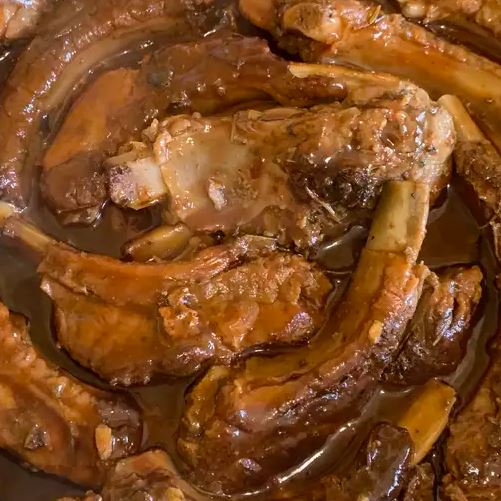
Overview of Rib Plates
Picture this: a sizzling plate of tender, juicy ribs, the aroma wafting through the air, making everyone’s mouth water. Rib plates, whether in the medical or culinary context, are truly fascinating. In the medical world, rib plates are a marvel of modern surgery, while in the kitchen, they’re a delicious treat that can bring people together. Today, we’ll dive into both worlds, exploring the history, benefits, and some tasty recipes that will make your next gathering a memorable one.
Historical Evolution of Rib Plates
The history of rib plates is quite intriguing. In the medical field, the concept of using metal plates to stabilize broken ribs dates back to the 20th century. Initially, these plates were made from stainless steel, but advancements in material science have led to the use of titanium and other lightweight, durable materials. In the culinary world, rib plates have been a staple in American and international cuisine for centuries. From the classic Southern-style barbecued ribs to the Korean-style galbi, the evolution of rib plates has been a delightful journey of flavors and techniques.
Rib Plates in Medical Context
Understanding Rib Fractures and Treatments
Rib fractures can be incredibly painful and often require medical intervention. Traditional treatments include rest, pain management, and sometimes breathing exercises. However, in more severe cases, rib plating has become a viable and effective solution. Rib plating involves surgically attaching a metal plate to the fractured rib, providing stability and promoting faster healing. This technique is especially beneficial for multiple rib fractures or those that are not healing naturally.
The Role of Rib Plating in Modern Medicine
In modern medicine, rib plating has revolutionized the treatment of rib fractures. It offers several advantages over traditional methods, including reduced pain, shorter recovery times, and improved breathing function. Patients who undergo rib plating often experience a significant improvement in their quality of life, allowing them to return to their daily activities more quickly. The procedure is typically performed by a thoracic surgeon and involves a minimally invasive approach, further minimizing the patient’s discomfort and recovery time.
Advancements in Rib Plating Techniques
Over the years, rib plating techniques have seen remarkable advancements. Innovations in surgical tools, imaging technology, and material science have made the procedure safer and more effective. For example, the use of bioresorbable plates, which dissolve over time, reduces the need for additional surgeries to remove the plates. Additionally, the advent of 3D printing has allowed for the creation of custom-fitted plates, ensuring a perfect fit and optimal healing.
Case Studies and Success Rates
Numerous case studies have demonstrated the success of rib plating in treating complex rib fractures. One notable study published in the Journal of Thoracic Surgery found that patients who underwent rib plating had a 95% success rate in achieving stable and healed ribs. These high success rates are a testament to the effectiveness of the procedure and its role in modern trauma care. While every case is unique, the overall positive outcomes highlight the importance of rib plating as a reliable and effective treatment option.
Rib Plates in Culinary Context
Introduction to Beef Plate Ribs
Beef plate ribs, also known as short ribs, are a cut of meat that comes from the lower part of the cow’s rib cage. These ribs are rich in marbling, making them incredibly flavorful and tender when cooked properly. Whether you’re a seasoned pitmaster or a weekend grill enthusiast, beef plate ribs are a must-try. Their versatility and robust flavor make them a favorite for any special occasion.
Cooking Techniques for Plate Ribs
One of the best things about beef plate ribs is the variety of cooking techniques you can use. Grilling, smoking, and oven-braising are all excellent methods to bring out the full flavor of the ribs. My personal favorite is slow smoking, which allows the meat to absorb the smoky flavors and become fall-off-the-bone tender. Pro tip: Make sure to rub the ribs with a generous amount of your favorite seasoning before cooking to add an extra layer of flavor.
Popular Recipes and Variations
There are countless recipes and variations for beef plate ribs, each with its own unique twist. A classic recipe is the slow-cooked, barbecue-style ribs, slathered in a sweet and tangy sauce. Another popular variation is the Asian-inspired soy and ginger glazed ribs, which offer a delightful balance of sweet and savory. For a spicy kick, try the Tex-Mex style ribs with a chili powder rub and a side of guacamole. The possibilities are endless, and you can always find a recipe that suits your taste buds.
Nutritional Value and Health Considerations
Beef plate ribs are not just delicious; they also offer some nutritional benefits. They are a good source of protein, iron, and zinc, essential nutrients for maintaining muscle health and supporting the immune system. However, they are also high in fat and calories, so it’s important to enjoy them in moderation. To make them a bit healthier, opt for leaner cuts and trim excess fat before cooking. A balanced diet, including foods rich in omega-3 fatty acids, such as salmon, can complement the nutritional value of beef plate ribs (source).
FAQs on Rib Plates
Medical FAQs
What is rib plating in medical terms?
Rib plating is a surgical procedure where a metal plate is attached to a fractured rib to provide stability and promote healing. It is particularly useful for complex or multiple rib fractures and can significantly reduce pain and recovery time.
How effective is rib plating in treating fractures?
Rib plating is highly effective in treating rib fractures. Studies show a 95% success rate in achieving stable and healed ribs. Patients often experience reduced pain, improved breathing, and a faster return to normal activities compared to traditional treatments.
Are there any risks associated with rib plating surgery?
Like any surgical procedure, rib plating carries some risks, including infection, bleeding, and complications from anesthesia. However, these risks are generally low, and the benefits of the procedure often outweigh the potential drawbacks. It’s important to discuss any concerns with your healthcare provider before undergoing the surgery.
Culinary FAQs
What are beef plate ribs?
Beef plate ribs, or short ribs, are a cut of meat from the lower part of the cow’s rib cage. They are known for their rich marbling and tender texture, making them a popular choice for grilling, smoking, and braising.
How do you cook beef plate ribs?
Beef plate ribs can be cooked using various methods, such as grilling, smoking, and oven-braising. Slow smoking is a popular method that results in tender, flavorful ribs. Rub the ribs with your favorite seasoning, cook them low and slow, and finish with a glaze or sauce for added flavor.
What are some popular recipes for beef plate ribs?
Popular recipes for beef plate ribs include classic barbecue-style ribs with a sweet and tangy sauce, Asian-inspired soy and ginger glazed ribs, and Tex-Mex style ribs with a chili powder rub. Each recipe offers a unique twist, and you can choose one that suits your taste preferences.
Summarizing Key Points
Whether in the medical or culinary context, rib plates play a significant role. In medicine, rib plating is a revolutionary technique that provides relief and quicker recovery for those with rib fractures. In the kitchen, beef plate ribs are a versatile and delicious cut of meat that can be prepared in numerous ways. Both aspects of rib plates offer unique benefits and continue to evolve with advancements in technology and creativity.
Future Prospects in Rib Plating Technology and Culinary Arts
The future of rib plating looks promising, with ongoing research and development in both fields. In medicine, innovations in materials and surgical techniques will likely even better outcomes for patients. In the culinary world, the exploration of new flavors and cooking methods will continue to delight food enthusiasts. Whether you’re a medical professional or a home cook, the world of rib plates is full of exciting possibilities.
For more delectable meat and poultry recipes, check out our main dish category.
Rib Plates Unveiled
Ingredients
Equipment
Method
- Preheat your grill, smoker, or oven to the desired temperature for cooking.
- Rub the beef plate ribs with a generous amount of your favorite seasoning.
- For barbecue-style ribs, apply a sweet and tangy barbecue sauce before cooking.
- For Asian-inspired ribs, mix soy sauce and fresh ginger to create a marinade and apply it to the ribs.
- If making Tex-Mex-style ribs, rub chili powder on the ribs.
- Cook the ribs using your preferred method: grill, smoke, or oven-braise, maintaining low heat for tender results.
- Monitor the cooking process until the ribs are fall-off-the-bone tender.
- Optionally, glaze the ribs with additional sauce in the last few minutes of cooking.
- Let the ribs rest before serving for enhanced flavor.