
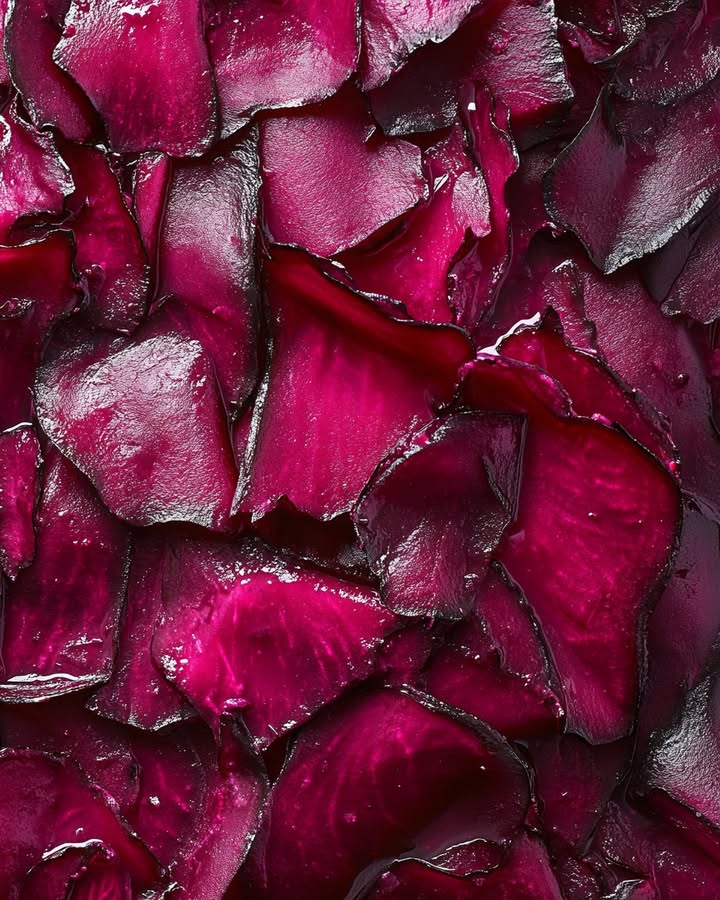
Discover the Magic of Tangy Pickled Beets
Every time I make tangy pickled beets, I’m reminded of my grandmother’s kitchen, where the air was always filled with a delightful blend of sweet and sour aromas. This recipe is not just a family favorite; it’s a crowd-pleaser at any gathering. There’s something about the vibrant color and the perfect balance of flavors that makes everyone come back for more.
A Brief History of Pickled Beets
Pickling beets has been a cherished tradition in many cultures for centuries. In Eastern Europe, particularly in Russia and Poland, pickled beets have long been a staple. The process of pickling not only preserves the beets but also enhances their natural sweetness and adds a tangy kick. Traditionally, this dish was made to last through the cold winters, but today, it’s enjoyed year-round as a refreshing and flavorful side dish.
Why You’ll Love This Recipe
Tangy pickled beets are not just a feast for the eyes; they’re a treat for your taste buds too. The combination of vinegar and sugar creates a perfectly balanced sweet and sour flavor. Plus, the recipe is incredibly easy to follow, making it a great choice for beginners and seasoned cooks alike. The best part? They’re packed with nutrients, making them a healthy addition to any meal.
Perfect Occasions to Prepare This Dish
Tangy pickled beets are versatile and can add a pop of color and flavor to any table. They’re perfect for holiday feasts, summer barbecues, or even as a simple, healthy snack. Serve them alongside our Maple-Cranberry Brussels Sprouts for a colorful and nutritious side dish combination.
Ingredients
- 8 medium fresh beets
- 1 cup vinegar
- 1/2 cup sugar
- 1-1/2 teaspoons whole cloves
- 1-1/2 teaspoons whole allspice
- 1/2 teaspoon salt
Substitution Options
- If you don’t have red beets, try using golden or Chioggia beets for a different twist.
- For those who prefer less sugar, you can reduce the amount or use a sugar substitute.
- Feel free to experiment with other spices like cinnamon or nutmeg for a unique flavor.
Preparation Section
Step 1: Clean and Prepare the Beets
Start by washing the beets thoroughly under running water. Trim the stems and roots, making sure to remove any dirt and debris. The beets should be clean and ready to cook.
Step 2: Boil the Beets
In a large pot, bring water to a boil and carefully add the cleaned beets. Cook them for about 30 minutes, or until they are tender when pierced with a fork. The beets will take on a deep, rich color as they cook, filling your kitchen with a comforting, earthy aroma.
Step 3: Cool and Peel the Beets
Once the beets are cooked, remove them from the pot and let them cool for a few minutes. When they are cool enough to handle, gently peel off the skins. The skins should come off easily, revealing the smooth, vibrant flesh underneath.
Step 4: Slice or Cube the Beets
Cut the beets into slices or cubes, depending on your preference. Slicing them gives you a classic pickled beet look, while cubing them can be perfect for adding to salads or as a quick snack.
Step 5: Prepare the Pickling Liquid
In a separate saucepan, combine the vinegar, sugar, cloves, allspice, and salt. Bring the mixture to a simmer, stirring until the sugar has completely dissolved. The liquid should be fragrant and slightly thickened, creating the perfect base for your pickled beets.
Step 6: Add the Beets to the Pickling Liquid
Gently add the sliced or cubed beets to the pickling liquid, making sure they are fully submerged. The beets will start to soak up the flavors, turning a beautiful, deep magenta color. Pro tip: Use a spoon to press the beets down into the liquid to ensure they are evenly coated.
Step 7: Cool and Store the Pickled Beets
Allow the mixture to cool at room temperature. Once cooled, transfer the beets and the pickling liquid to clean jars. Seal the jars and refrigerate for at least 24 hours before serving. The longer they sit, the more flavorful they become!
Timing
- Prep Time: 30 minutes
- Cooking Time: 30 minutes
- Resting Time: 24 hours (in the refrigerator)
- Total Time: 1 hour and 30 minutes plus 24 hours resting time
Chef’s Secret
To enhance the flavor of your tangy pickled beets, add a slice of fresh ginger to the pickling liquid. This subtle addition brings a warm, zesty note to the overall taste, making the beets even more delicious.
Extra Info
Did you know that beets are not just tasty but also loaded with essential nutrients? They are a great source of fiber, folate, and manganese. Check out the nutrient reference values for more details on why beets are a nutritional powerhouse.
Necessary Equipment
- A large pot for boiling the beets
- A sharp knife and cutting board
- A saucepan for the pickling liquid
- Clean jars with lids for storage
Storage
Store your tangy pickled beets in the refrigerator in airtight containers. They will keep well for up to 3 weeks, and the flavor will continue to develop over time. Make sure the beets are fully submerged in the pickling liquid to maintain their freshness and flavor.
For optimal storage, use glass jars with a tight seal. This prevents air from entering and keeps the beets crisp and flavorful. If you notice any mold or an off smell, discard the contents immediately.
These pickled beets are a great make-ahead dish. Prepare them a few days in advance for a holiday meal or a special occasion. They add a burst of color and flavor to any spread and can be a lifesaver when you need a quick and tasty side dish.
Tips and Advice
- Use gloves when peeling and slicing the beets to avoid staining your hands.
- For a spicier version, add a pinch of red pepper flakes or a sliced chili pepper to the pickling liquid.
- Experiment with different herbs like dill or thyme to create unique flavor profiles.
Presentation Tips
- Serve the beets on a bed of arugula or mixed greens for a fresh, colorful salad.
- Add a sprinkle of crumbled feta cheese or goat cheese for a creamy, tangy contrast.
- Arrange the beets in a decorative pattern on a platter and garnish with fresh herbs and lemon wedges.
Healthier Alternative Recipes
Here are some healthier variations of the tangy pickled beets recipe:
- Reduced Sugar Pickled Beets: Use a sugar substitute or reduce the amount of sugar to cut down on calories while keeping the same tangy flavor.
- Apple Cider Vinegar Pickled Beets: Swap out the regular vinegar for apple cider vinegar for a sweeter, milder taste and added health benefits.
- Balsamic Vinegar Pickled Beets: Use balsamic vinegar for a richer, more complex flavor. This works especially well with roasted garlic and a touch of honey.
- Honey-Lime Pickled Beets: Replace the sugar with honey and add a squeeze of lime for a sweet and tangy twist.
- Lemon Herb Pickled Beets: Add freshly squeezed lemon juice and a mix of fresh herbs like rosemary and thyme for a fresh, zesty flavor. Pair it with our Lemon Herb Couscous for a delightful, light meal.
- Spicy Pickled Beets: Add a pinch of cayenne pepper or a sliced jalapeño for a spicy kick. Serve it alongside our Mediterranean Chickpea Delight for a bold, flavorful spread.
Common Mistakes to Avoid
Mistake 1: Overcooking the Beets
Beets can quickly become mushy if overcooked. To avoid this, set a timer for 30 minutes and check the beets with a fork. They should be tender but still firm. Overcooked beets lose their vibrant color and texture, which can ruin the final product.
Mistake 2: Not Submerging the Beets Completely
Make sure the beets are fully submerged in the pickling liquid. If they are not, they may not pickle evenly, resulting in some parts being overly tangy and others not pickled at all. Use a weight or a smaller jar to keep the beets submerged.
Mistake 3: Using Too Much Salt
While salt is essential for flavor, too much can overpower the other ingredients. Start with a small amount and taste the pickling liquid before adding the beets. You can always add more salt, but it’s harder to fix if you go overboard.
Mistake 4: Not Letting Them Rest Long Enough
The flavors in tangy pickled beets develop over time, so it’s important to let them rest in the refrigerator for at least 24 hours. Eating them too soon can result in a bland, unbalanced flavor. Patience is key here!
Mistake 5: Using Old Spices
Fresh spices make a big difference in the flavor of your pickled beets. Old, stale spices can make the beets taste flat and unappealing. Make sure to use fresh, high-quality cloves and allspice for the best results.
FAQ
How long do pickled beets last?
Tangy pickled beets can last up to 3 weeks when stored in the refrigerator in airtight containers. The longer they sit, the more flavorful they become. Just make sure the beets are fully submerged in the pickling liquid to maintain their freshness.
Can I use different types of vinegar?
Absolutely! While white vinegar is traditional, you can use apple cider vinegar, balsamic vinegar, or even red wine vinegar for a unique twist. Each type of vinegar will give the beets a slightly different flavor profile.
What can I do with leftover pickling liquid?
Leftover pickling liquid can be used in various ways. You can use it as a marinade for grilled vegetables, add it to salad dressings, or even use it to pickle other vegetables like carrots or onions. It’s a versatile and flavorful ingredient.
Can I use canned beets instead of fresh ones?
While you can use canned beets, the texture and flavor won’t be as good as using fresh beets. Canned beets are already cooked and may be too soft, leading to a less appealing texture. Fresh beets provide the best flavor and crunch.
Are pickled beets healthy?
Yes, pickled beets are a healthy choice. Beets are packed with nutrients like fiber, folate, and manganese. The pickling process helps preserve these nutrients, and the low-calorie, natural ingredients make it a great option for those watching their diet. For more information, check out the nutrient reference values.
Can I add other spices to the pickling liquid?
Definitely! Feel free to add other spices like cinnamon, star anise, or even a bit of fresh ginger for a unique flavor. Experimenting with different spices can help you find your perfect combination. Just remember to start with a little and adjust to taste.
How do I prevent the beets from staining my hands?
To avoid staining your hands, wear gloves when handling the beets. If you don’t have gloves, you can also use a paper towel or a piece of plastic wrap to protect your skin. Beets can be quite messy, so taking precautions is a good idea.
Can I use sugar substitutes in the pickling liquid?
Yes, you can use sugar substitutes like stevia, honey, or maple syrup in place of sugar. Just keep in mind that the flavor and consistency might be slightly different. Start with a small amount and adjust to taste.
Can I freeze pickled beets?
Freezing pickled beets is not recommended, as the freezing process can alter the texture and flavor. For the best results, store them in the refrigerator. If you need to store them for a longer period, consider making a new batch when needed.
What are some serving suggestions for pickled beets?
Tangy pickled beets are versatile and can be served in many ways. You can add them to salads, serve them as a side dish, or even use them as a topping for sandwiches and burgers. They also pair well with our Turmeric Roasted Cauliflower for a colorful and nutritious meal.
Next time you’re looking for a delicious and easy side dish, try out this tangy pickled beets recipe. It’s a perfect addition to any meal and a surefire way to impress your family and friends. For more fantastic side dish ideas, check out our side dish category.
Tangy Pickled Beets
Ingredients
Equipment
Method
- Wash the beets thoroughly under running water and trim the stems and roots.
- In a large pot, bring water to a boil and add the cleaned beets. Cook for about 30 minutes until tender.
- Remove the cooked beets and let them cool for a few minutes. Peel off the skins.
- Cut the beets into slices or cubes based on your preference.
- In a separate saucepan, combine vinegar, sugar, cloves, allspice, and salt. Bring to a simmer, stirring until the sugar dissolves.
- Add the sliced or cubed beets to the pickling liquid, ensuring they are fully submerged.
- Allow the mixture to cool at room temperature. Transfer to clean jars, seal, and refrigerate for at least 24 hours before serving.