
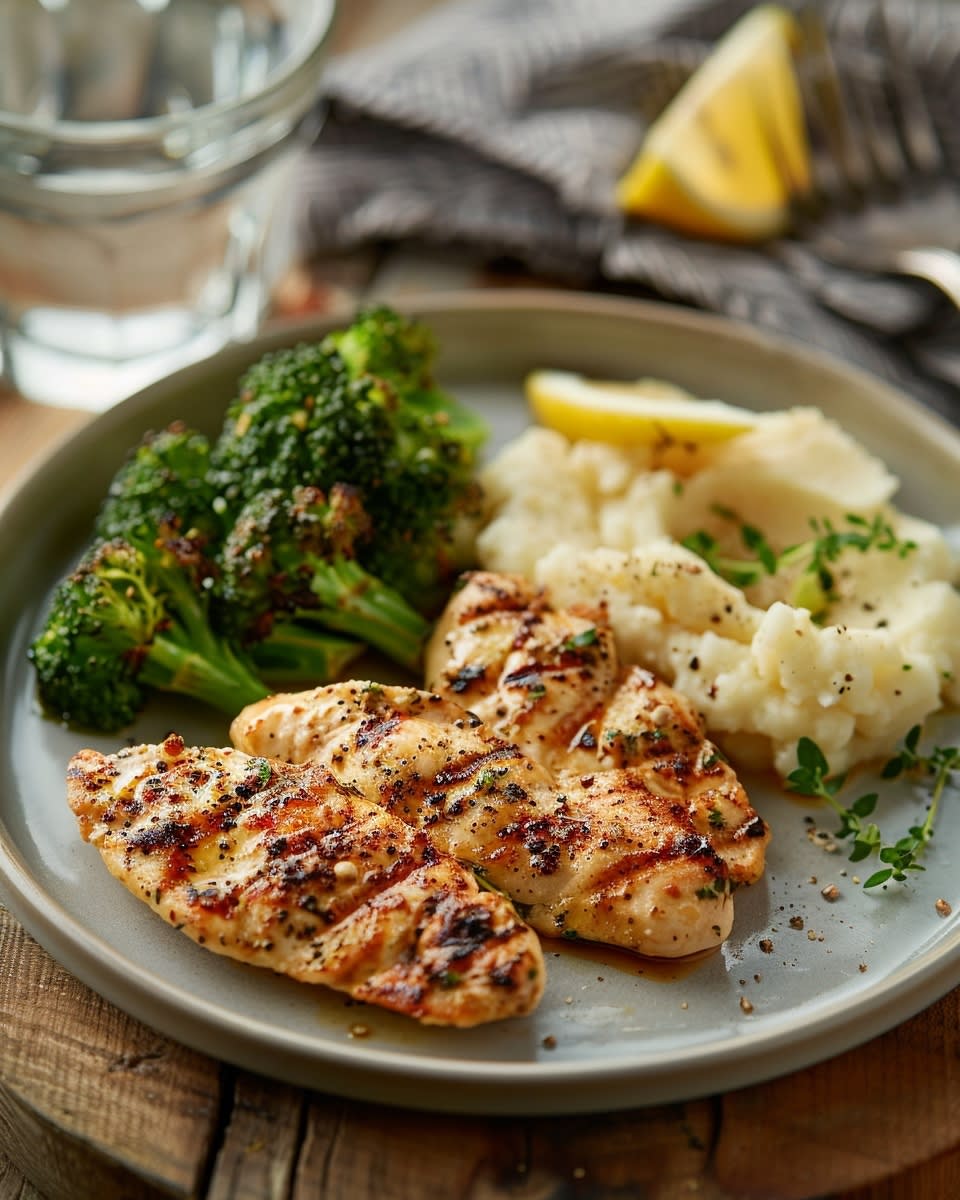
Last weekend, I fired up my grill and made the same dish I’ve been cooking every summer for the past five years. My neighbor caught a whiff and literally walked over to ask what smelled so good. That’s the power of a perfectly grilled lemon pepper chicken breast. The aroma alone can stop people in their tracks.
I’m thrilled to share my favorite summer recipe with you today. This grilled lemon pepper chicken breast has saved me on countless busy weeknights and impressed guests at more backyard parties than I can count. It’s simple, it’s fresh, and it never fails to deliver.
Why do I love this dish so much? First, it takes less than 30 minutes from start to finish if you prep ahead. Second, the bright citrus flavor paired with bold pepper creates a taste that feels fancy but requires zero culinary school training. Third, it’s incredibly versatile. Serve it on salads, slice it for sandwiches, or just eat it straight off the grill with your favorite sides.
You’ll love this recipe too because it doesn’t require fancy equipment or hard-to-find ingredients. Everything you need is probably sitting in your kitchen right now. Plus, grilled chicken with lemon pepper seasoning works for almost any eating style. It’s naturally low-carb, high-protein, and full of flavor without heavy sauces or extra calories.
In this article, I’ll walk you through everything you need to know. We’ll cover the essential ingredients, show you how to make an amazing marinade, discuss the best grilling techniques, and answer common questions like how long to grill lemon pepper chicken and how to keep it moist and juicy. By the end, you’ll have a go-to recipe that becomes your signature dish.
Ingredients for the Perfect Grilled Lemon Pepper Chicken Breast
Great cooking starts with great ingredients. For this grilled lemon pepper chicken breast, you don’t need a long shopping list. Here’s what you’ll need:
Essential Ingredients for the Chicken Breast
- Boneless, skinless chicken breasts (4 pieces, about 6-8 ounces each)
- Fresh lemon juice (from 2-3 lemons)
- Lemon zest (from 1 lemon)
- Freshly cracked black pepper (2-3 tablespoons)
- Olive oil (1/4 cup)
- Garlic (3-4 cloves, minced)
- Salt (1 teaspoon, or to taste)
- Fresh herbs (optional: thyme, oregano, or parsley)
The beauty of this recipe is its simplicity. You’re not drowning the chicken in complicated sauces. Instead, you’re letting quality ingredients shine through.
What Makes the Grilled Lemon Pepper Chicken Marinade Special
My marinade stands out because it balances acid, fat, and seasoning perfectly. The lemon juice tenderizes the meat while adding brightness. The olive oil carries flavors and helps the chicken stay moist on the grill. The black pepper provides a gentle heat that doesn’t overpower.
I always use fresh lemon juice, never bottled. The difference is remarkable. Fresh juice has a clean, vibrant taste that bottled versions can’t match. The same goes for the pepper. Pre-ground pepper loses its punch quickly. Crack whole peppercorns right before making your marinade for maximum flavor.
The garlic adds depth and a savory note that rounds out the citrus. Some people skip it, but I think it’s essential. It creates a more complete flavor profile that makes the dish memorable.
If you want to experiment with a lemon pepper bbq sauce variation, you can add a tablespoon of honey or brown sugar to the marinade. This creates a slightly sweet glaze when grilled. I’ve also seen versions inspired by cheddars lemon pepper chicken recipe that include a touch of butter for extra richness.
Tips for Choosing the Best Chicken Breasts
Not all chicken breasts are created equal. Here’s what I look for at the store:
Size matters. Choose chicken breasts that are similar in size and thickness. This ensures even cooking. If you end up with breasts of different sizes, the smaller ones will dry out while the larger ones finish cooking.
Look for color. Fresh chicken should be pink with no gray spots. The surface should look moist but not slimy. If it smells off at all, skip it.
Consider organic or free-range. I notice a difference in both flavor and texture with higher-quality chicken. The meat tends to be more tender and flavorful. It costs more, but for a simple recipe like this where chicken is the star, it’s worth it.
Avoid pre-marinated options. Those injected solutions often contain salt and fillers that affect how your marinade works. Start with plain chicken breasts for best results.
One trick I use: If your chicken breasts are thick and uneven, pound them to an even thickness. Place each breast between plastic wrap and gently pound with a meat mallet or rolling pin. Aim for about 3/4 inch thickness throughout. This step makes a huge difference in cooking time and juiciness.
How to Make a Simple Yet Delicious Grilled Lemon Pepper Chicken Seasoning
While the marinade does most of the heavy lifting, I also like to make a dry lemon pepper chicken seasoning for extra flavor. Here’s my quick recipe:
- 3 tablespoons cracked black pepper
- 2 tablespoons lemon zest (dried works great here)
- 1 tablespoon garlic powder
- 1 tablespoon onion powder
- 2 teaspoons salt
- 1 teaspoon dried thyme
Mix everything together and store it in an airtight container. This lemon pepper chicken seasoning keeps for months and works great on wings too. If you want to try grilled lemon pepper chicken wings, this dry rub is perfect. Just coat the wings, let them sit for 20 minutes, and grill over medium heat.
I keep a jar of this seasoning in my pantry at all times. It’s become my secret weapon for quick weeknight dinners.
Preparing the Marinade
Making the grilled lemon pepper chicken marinade takes about five minutes. Here’s my step-by-step process:
Step 1: Grab a medium bowl and squeeze your fresh lemons. You want about 1/3 cup of juice. Remove any seeds that fall in.
Step 2: Add the lemon zest. I use a microplane grater for this. Just the yellow part, not the white pith underneath. The pith tastes bitter.
Step 3: Pour in the olive oil and whisk together with the lemon juice. The mixture won’t fully combine, but that’s fine. You want them mixed enough to coat the chicken evenly.
Step 4: Add your minced garlic, cracked black pepper, and salt. Whisk again.
Step 5: If using fresh herbs, chop them finely and stir them in now. I love adding fresh thyme in the summer when my garden is producing.
That’s it! Your marinade is ready. Pour it into a large zip-top bag or shallow dish.
How Long to Let the Chicken Marinate for Maximum Flavor
Timing is important with marinades. Too little time and you won’t get enough flavor. Too much time and the acid can make the texture mushy.
For this grilled lemon chicken recipe, I recommend 2 to 4 hours of marinating time. This gives the lemon juice enough time to tenderize the meat and the flavors enough time to penetrate.
In a pinch, even 30 minutes helps. I’ve done this when I forgot to prep ahead, and it still tastes good. But if you want the full flavor experience, plan for at least 2 hours.
Can you marinate overnight? Yes, but don’t go longer than 8 hours. After that, the texture starts to break down too much from the acid. I tried a 24-hour marinade once and the chicken came out mushy on the outside. Lesson learned.
Place your chicken in the marinade and turn the pieces to coat all sides. If using a bag, squeeze out extra air and seal it tight. Put it in the refrigerator, not on the counter. Turn the bag once or twice during marinating so all sides get equal exposure.
Variations: Adding a Twist with Different Flavor Profiles
Once you master the basic recipe, try these variations:
Spicy version: Add red pepper flakes or cayenne pepper to your marinade. Start with 1/2 teaspoon and adjust to your heat preference.
Sweet and tangy: Mix in 2 tablespoons of honey or maple syrup. This creates a lemon pepper bbq sauce effect when it caramelizes on the grill.
Mediterranean style: Add chopped fresh rosemary, oregano, and a splash of white wine to the marinade.
Restaurant-inspired: The cheddars lemon pepper chicken recipe includes butter basted over the chicken while grilling. Try brushing melted butter mixed with lemon juice on the chicken during the last few minutes of cooking.
Each variation keeps the core lemon pepper flavor while adding a unique twist. My family requests different versions depending on what we’re serving alongside the chicken.


Grilling Techniques for Juicy and Tasty Chicken
Now that your chicken has soaked up all those beautiful flavors, it’s time to talk about the actual grilling. This is where a lot of people mess up, honestly. I’ve seen too many friends turn perfectly marinated chicken into dried-out hockey pucks because they rushed this part or cranked the heat too high.
How to Prepare Your Grill for the Perfect Grilled Lemon Pepper Chicken
Setting up your grill correctly makes all the difference. I learned this the hard way after years of inconsistent results.
First, clean your grill grates. Seriously, don’t skip this. Leftover char from last week’s burgers will stick to your chicken and leave weird flavors. I use a wire brush while the grates are still slightly warm. Takes two minutes and prevents so many problems.
Next, we’re going for a two-zone fire. This technique changed my grilling game completely. Here’s what I do: if you’re using a gas grill, turn one side to medium-high heat and leave the other side on low or off entirely. For charcoal, pile your coals on one side of the grill and leave the other side empty.
Why bother with two zones? Because chicken breasts are tricky. They need enough heat to get those gorgeous grill marks and develop flavor, but not so much that the outside burns before the inside cooks through. The hot zone gives you the sear. The cooler zone lets you finish cooking without burning.
Oil your grates right before cooking. I fold a paper towel, dip it in vegetable oil, and use tongs to rub it over the hot grates. This prevents sticking and helps create those restaurant-quality grill marks everyone loves.
Your grill should be around 400-425°F on the hot side and about 300°F on the cool side. I keep a grill thermometer handy because my built-in gauge isn’t always accurate. Twenty bucks well spent.
How to Keep Chicken Breast Moist When Grilling: My Top Tips
Dry chicken is the enemy. Nobody wants to chew through meat that tastes like cardboard. Here are my tried-and-true methods for keeping grilled chicken with lemon pepper seasoning juicy every single time.
Don’t overcook it. I know this sounds obvious, but it’s the number one mistake. Chicken breasts continue cooking after you take them off the grill because of residual heat. Pull them a few degrees before they hit the target temperature.
Start with room temperature chicken. Take your marinated chicken out of the fridge about 20 minutes before grilling. Cold chicken straight from the refrigerator cooks unevenly. The outside overcooks while waiting for the inside to catch up.
Don’t flip constantly. I see people flipping their chicken every 30 seconds like they’re making pancakes. Wrong move. Let each side develop a nice crust before flipping. This usually takes about 6-7 minutes per side on the hot zone.
Here’s a trick I picked up from a chef friend: after searing both sides, move the chicken to the cool zone and close the lid. This creates an oven-like environment that cooks the chicken through gently. The indirect heat works wonders.
Let it rest after cooking. This might be the most important tip I can give you. When you pull the chicken off the grill, put it on a clean plate and tent it loosely with foil. Wait at least 5 minutes before cutting into it. During this time, the juices redistribute throughout the meat instead of running out all over your cutting board.
I also brush a little extra olive oil or melted butter on the chicken right after it comes off the grill. This adds moisture and makes the surface glisten beautifully. Similar to what I do when making smoky BBQ chicken drumsticks, that final brush of fat makes a noticeable difference.
Grilling Time: How Long to Grill Lemon Pepper Chicken for the Best Results
The question everyone asks: how long to grill lemon pepper chicken? The answer is frustratingly vague because it depends on several factors.
For standard chicken breasts about 6-8 ounces and 3/4 inch thick, I follow this timeline: 6-7 minutes per side on the hot zone for searing, then 5-8 minutes on the cool zone with the lid closed. Total cooking time runs 17-23 minutes.
Thicker breasts take longer. Thinner ones cook faster. This is why getting uniform thickness matters so much. When I pound my chicken to an even thickness beforehand, I can count on consistent timing every time.
Environmental factors play a role too. Grilling on a windy day or in cold weather adds time because your grill loses heat. On a hot summer evening, things cook faster. I’ve grilled this recipe in January and in July, and the difference is noticeable.
One thing I never do: press down on the chicken with my spatula. I see people doing this constantly, and it drives me crazy. When you press down, you’re literally squeezing the juices out of the meat. Just let it cook undisturbed.
By the way, if you’re making grilled lemon pepper chicken wings instead of breasts, the timing changes. Wings cook faster, usually 20-25 minutes total over medium heat, flipping every 5 minutes or so. They’re more forgiving than breasts because the dark meat doesn’t dry out as easily.
How to Check if the Chicken is Fully Cooked
Food safety matters. Nobody wants to serve undercooked chicken. But you also don’t want to overcook it while being paranoid.
The gold standard is using an instant-read thermometer. Insert it into the thickest part of the breast, making sure you’re not touching bone if there is any. You want 165°F. That’s the USDA-recommended safe temperature for chicken.
I actually pull my chicken at 160°F because it will rise another 5 degrees during resting. This prevents overcooking while still being completely safe to eat.
Don’t have a thermometer? Check the juices. Pierce the thickest part with a knife. If the juices run clear, it’s done. If they’re pink or bloody, it needs more time. The meat should also feel firm to the touch, not squishy.
Another visual cue: cut into the thickest part. The meat should be opaque white throughout with no pink areas. If you see any translucent or pink sections, back on the grill it goes.
Funny enough, I’ve found that slightly underdone chicken on the grill finishes cooking perfectly during the rest period. So when in doubt, pull it early rather than late. You can always put it back on if needed, but you can’t un-dry overcooked chicken.
Serving Suggestions
You’ve grilled the perfect lemon pepper chicken breast. Now what? Let’s talk about turning this into a complete meal and making the most of any leftovers.
Classic Sides That Complement Grilled Lemon Pepper Chicken
The bright, citrusy flavor of this grilled lemon chicken pairs beautifully with certain sides. Here are my go-to combinations that never disappoint.
Grilled vegetables are my first choice. I toss asparagus, zucchini, and bell peppers with olive oil and throw them on the grill alongside the chicken. Everything finishes at the same time, and the smoky char complements the lemon pepper perfectly. Plus, minimal cleanup.
Rice pilaf or couscous works wonderfully because the grains soak up any juices from the chicken. I make a simple lemon rice by cooking rice in chicken broth with extra lemon zest stirred in at the end. The flavors echo each other nicely.
Fresh salads keep things light for summer dinners. A Greek salad with tomatoes, cucumbers, feta, and olives matches the Mediterranean vibe. Or just do a simple arugula salad with shaved parmesan and a lemon vinaigrette.
For cookouts when I’m feeding a crowd, I’ll also make BBQ bacon cheeseburger sliders for variety. Having both chicken and beef options keeps everyone happy.
Roasted potatoes are another winner. I cut baby potatoes in half, toss them with olive oil and herbs, and roast them in the oven while the chicken grills. Crispy outside, fluffy inside, and they complement without competing with the chicken’s flavor.
How to Make a Zesty Lemon Pepper BBQ Sauce
Sometimes I want to take things up a notch with a homemade lemon pepper bbq sauce. This sauce works great brushed on during the last few minutes of grilling or served on the side for dipping.
Combine one cup of your favorite BBQ sauce with the juice of one lemon, two tablespoons of lemon zest, and one tablespoon of cracked black pepper. Add a teaspoon of garlic powder and a pinch of cayenne if you want heat. Whisk it together and warm it gently on the stove or in the microwave.
The lemon pepper bbq sauce has this amazing sweet-tangy-spicy thing going on. It’s bold enough to stand up to grilled meat but doesn’t hide the chicken’s natural flavor. I’ve used it on BBQ pulled chicken sandwiches too, and it’s fantastic.
When brushing sauce on the grill, wait until the last 3-4 minutes of cooking. BBQ sauce contains sugar that burns easily. If you apply it too early, you’ll end up with a bitter, charred mess instead of a glossy glaze.
Creative Ways to Use Leftover Grilled Lemon Pepper Chicken Wings
Leftovers are a blessing in my house, not a burden. Cold grilled chicken opens up so many possibilities.
Chicken salad is the obvious choice. Dice the chicken, mix it with mayo, diced celery, and grapes. The lemon pepper chicken seasoning adds flavor without needing extra spices. Serve it on croissants or over greens.
Tacos or wraps work great. Slice the chicken, warm it up, and stuff it into tortillas with avocado, salsa, and shredded cheese. The lemon pepper flavor plays surprisingly well with Mexican-inspired toppings.
Pasta dishes are another favorite. Toss sliced chicken with pasta, olive oil, cherry tomatoes, fresh basil, and parmesan. The lemony chicken doesn’t need heavy cream sauce—just good olive oil and fresh ingredients.
Grain bowls have become my weekday lunch staple. Layer quinoa or brown rice with the sliced chicken, roasted vegetables, hummus, and a drizzle of tahini. Meal prep dream right there.
If you have grilled lemon pepper chicken wings specifically, they’re amazing as an appetizer later in the week. Just reheat them and serve with ranch or blue cheese. They’re actually one of my favorite grilling projects, similar to how I approach sweet and spicy grilled shrimp skewers for variety at parties.
How to Store and Reheat Leftovers for Another Meal
Proper storage keeps your chicken safe and tasty. Let the chicken cool to room temperature first, but don’t leave it out for more than two hours. Food safety matters, especially with poultry.
Store the chicken in an airtight container in the refrigerator. It’ll keep for 3-4 days. I like to slice it before storing if I know I’ll be using it for salads or sandwiches. Saves time later.
For longer storage, freeze it. Wrap each piece individually in plastic wrap, then put them all in a freezer bag. Squeeze out as much air as possible. Properly frozen grilled chicken lasts up to three months. Label the bag with the date so you don’t forget about it.
Reheating requires some care because you don’t want to dry out the chicken further. My preferred method is the oven. Preheat to 350°F, place the chicken in a baking dish with a splash of chicken broth or water, cover with foil, and heat for 15-20 minutes until warmed through.
The microwave works in a pinch. Put the chicken on a microwave-safe plate, cover it with a damp paper towel, and heat in 30-second intervals until warm. The damp towel creates steam that prevents drying.
Honestly though, I prefer using leftover grilled chicken cold in most applications. It’s already cooked perfectly, and eating it cold in salads or wraps preserves that moisture you worked so hard to achieve.


Health Benefits and Considerations
Let me be honest with you—I didn’t always think about the health side of what I was grilling. For years, I just cooked what tasted good. But after my doctor gave me a gentle nudge about cholesterol levels a few years back, I started paying more attention to what ends up on my plate. Turns out, this grilled lemon pepper chicken breast isn’t just delicious. It’s actually one of the healthier things you can make.
Can I Eat Grilled Chicken with Diabetes? Exploring the Health Benefits
My uncle has type 2 diabetes, and he asks me about every recipe I share. So when he tried my grilled chicken with lemon pepper seasoning at a family cookout, his first question was whether it fit into his meal plan. The answer? Absolutely yes.
Grilled chicken breast is actually a fantastic protein choice for people managing diabetes. Here’s why. First, it’s extremely low in carbohydrates. A typical 6-ounce serving has zero carbs, which means it won’t spike blood sugar levels the way starchy foods do. This makes it perfect for maintaining stable glucose levels throughout the day.
Second, the high protein content helps with satiety. When you feel fuller longer, you’re less likely to snack on things that might mess with your blood sugar. Protein also slows down digestion, which prevents rapid rises in glucose after meals. My uncle noticed he felt satisfied for hours after eating this chicken, unlike when he’d eat pasta or bread-heavy meals.
The lemon pepper marinade doesn’t add sugar or unhealthy fats either. We’re using olive oil, which is heart-healthy, and fresh lemon juice, which has virtually no impact on blood sugar. If you’re tempted to add a lemon pepper bbq sauce, just watch for added sugars in commercial versions. Making your own lets you control exactly what goes in.
One thing to mention: portion control still matters. A reasonable serving is about 4-6 ounces of cooked chicken. Pair it with non-starchy vegetables and a small portion of whole grains if your meal plan allows, and you’ve got a balanced, diabetes-friendly plate.
How to Cook Chicken for Fatty Liver: Tips for a Healthier Option
My friend recently got diagnosed with fatty liver disease, and her doctor told her to clean up her diet significantly. She called me in a panic asking what she could still eat that actually tasted good. I immediately thought of this recipe.
Fatty liver disease requires reducing unhealthy fats and avoiding fried foods. Grilled chicken is perfect because it doesn’t require battering, breading, or deep frying. The cooking method itself—grilling—lets excess fat drip away rather than being reabsorbed into the meat.
When preparing chicken for someone with fatty liver concerns, skip the skin. We’re already using skinless breasts in this recipe, which is ideal. Chicken skin contains saturated fat that you don’t need. The marinade keeps the meat moist without it.
Keep your marinade lean too. I use olive oil, which contains beneficial monounsaturated fats, but I don’t go overboard. A quarter cup for four chicken breasts is plenty. The lemon juice, garlic, and pepper provide tons of flavor without adding problematic fats.
Another tip: avoid charring the chicken. While a little char adds flavor, heavily blackened areas can create compounds that stress the liver. This is where that two-zone grilling method really shines. You get flavor and color without burning.
Pair your grilled lemon chicken with plenty of vegetables and whole grains. The fiber helps support liver health and aids digestion. My friend now makes this recipe weekly and says it’s helped her stick to her eating plan because she doesn’t feel deprived.
Nutritional Value of Grilled Lemon Pepper Chicken Breast
Let’s talk numbers for a second. Understanding what you’re actually eating helps you make better choices. Here’s what you’re getting in a typical 6-ounce serving of this grilled lemon pepper chicken breast:
- Calories: Approximately 260-280 calories (depending on marinade absorption)
- Protein: About 50-54 grams
- Fat: 6-8 grams (mostly from olive oil)
- Carbohydrates: Less than 2 grams
- Fiber: Trace amounts
- Sodium: 300-400mg (controllable based on salt added)
That protein content is impressive. For context, most adults need about 50-70 grams of protein daily, and this single serving gets you most of the way there. Protein supports muscle maintenance, immune function, and helps keep you feeling full. According to guidance on energy intake and nutritional balance, adequate protein is essential for maintaining healthy body composition and metabolic function.
The fat content is reasonable and comes from healthy sources. Olive oil provides monounsaturated fats that actually support heart health. You’re not getting the saturated fats found in fried chicken or cream-based sauces.
Chicken breast is also rich in B vitamins, particularly niacin and B6, which help your body convert food into energy. It provides minerals like selenium, which supports thyroid function and acts as an antioxidant. You also get phosphorus for bone health.
The lemon pepper chicken seasoning adds antioxidants from the lemon zest and black pepper without adding significant calories. Black pepper contains piperine, a compound that may enhance nutrient absorption and has anti-inflammatory properties. Pretty cool for something so simple.
Why This Dish Is a Great Choice for a Balanced Diet
Here’s the thing about healthy eating—it only works if you can stick with it. I’ve tried those restrictive diets where you eat plain steamed chicken and brown rice for weeks. Miserable. You know what happens? You quit and order pizza.
This grilled lemon pepper chicken breast succeeds because it delivers real flavor while checking all the nutritional boxes. It’s high in protein and low in carbs, making it suitable for various eating approaches—keto, low-carb, Mediterranean, or just balanced eating.
The recipe is naturally gluten-free and dairy-free (unless you add butter), so it works for people with common food sensitivities. I’ve served it to friends with celiac disease and lactose intolerance without any modifications needed.
It’s also incredibly versatile for meal planning. Make a big batch on Sunday, and you’ve got protein ready for lunches all week. Slice it for salads, dice it for grain bowls, or eat it as is with different sides. This flexibility helps you avoid food boredom, which is a diet killer.
The cooking method matters too. Grilling doesn’t require heavy oils or butter like pan-frying does. You’re not breading and deep-frying like with traditional fried chicken. The preparation keeps things light without sacrificing satisfaction. If you’re looking for more ways to eat well without feeling restricted, exploring different BBQ and grilling recipes can keep your meal rotation exciting and healthy.
Another benefit I’ve noticed: this dish helps you crowd out less healthy options. When you’re looking forward to eating something this good, you’re less tempted by drive-through chicken nuggets or processed frozen meals. Good food that tastes great makes healthy eating sustainable.
I should mention that this recipe scales beautifully for different calorie needs. Need more calories? Add a larger portion or include calorie-dense sides like quinoa or avocado. Trying to cut back? Keep your portion to 4 ounces and load up on vegetables. The chicken itself remains nutritionally sound either way.
If you’re just starting to focus on healthier eating, this recipe is an excellent gateway. It proves that nutritious food doesn’t have to be bland or boring. Once people realize they can eat well and enjoy it, they start making better choices across the board. That was certainly true for me.
I hope this recipe becomes part of your regular rotation. It’s given me confidence in the kitchen and peace of mind knowing I’m feeding my family something that’s both delicious and genuinely good for them. Give it a try this weekend—your taste buds and your body will thank you.
Frequently Asked Questions
How long to grill lemon pepper chicken?
For standard chicken breasts about 3/4 inch thick, plan on 6-7 minutes per side on medium-high heat for searing, then another 5-8 minutes on the cooler side with the lid closed. Total time runs about 17-23 minutes depending on thickness. Always use a meat thermometer to check for 165°F internal temperature. Chicken wings take about 20-25 minutes total over medium heat with more frequent flipping.
Can I eat grilled chicken with diabetes?
Absolutely! Grilled chicken breast is an excellent choice for people with diabetes. It contains zero carbohydrates, so it won’t spike blood sugar levels. The high protein content helps you feel full longer and slows digestion, preventing rapid glucose rises. Stick to reasonable portions of 4-6 ounces and pair with non-starchy vegetables for a balanced, diabetes-friendly meal. Just watch out for sugary sauces or marinades.
How do you keep chicken breast moist when grilling?
Start with chicken at room temperature, not straight from the fridge. Use a marinade with both acid and fat to tenderize and add moisture. Don’t flip constantly—let each side develop a crust before turning. Pull the chicken at 160°F and let it rest for 5 minutes so juices redistribute. Use a two-zone fire to avoid burning the outside while the inside finishes cooking.
How to cook chicken for fatty liver?
Grilling is perfect for fatty liver dietary needs because it doesn’t require unhealthy fats or frying. Use skinless chicken breasts and a lean marinade with minimal oil. Avoid charring the meat heavily, as blackened areas can create compounds that stress the liver. Pair the chicken with plenty of vegetables and whole grains to support liver health. Skip butter bastes and heavy sauces that add unnecessary saturated fat.
Can I use bottled lemon juice instead of fresh?
You can, but I really don’t recommend it. Fresh lemon juice has a bright, clean flavor that bottled versions just can’t match. Bottled juice often contains preservatives that affect the taste. If you’re in a pinch and must use bottled, reduce the amount slightly since it can taste more acidic. But honestly, squeezing two fresh lemons takes maybe two minutes and makes a noticeable difference in the final dish.
What if I don’t have a grill?
No problem! You can make this recipe using a grill pan on your stovetop or bake it in the oven. For the grill pan, heat it over medium-high and cook 6-7 minutes per side. For the oven, preheat to 425°F and bake for 20-25 minutes until the internal temperature reaches 165°F. You won’t get the same smoky flavor, but the lemon pepper seasoning still tastes fantastic.
Can I marinate the chicken for longer than overnight?
I don’t recommend going longer than 8 hours. The acid in the lemon juice starts breaking down the protein structure too much after that point, and you’ll end up with mushy texture on the outside of the chicken. Two to four hours is the sweet spot for maximum flavor and perfect texture. If you need to prep further ahead, mix the marinade and store it separately, then combine with chicken the day you plan to cook.
Is this recipe kid-friendly?
Most kids love it! The lemon pepper flavor is bold but not overwhelming or spicy. If you’re cooking for very young kids who are picky about pepper, you can reduce the black pepper amount by half. The chicken stays moist and tender, which kids prefer over dry meat. I’ve served this at countless family gatherings, and kids consistently ask for seconds.
Can I freeze the marinated chicken?
Yes, this is actually a brilliant meal-prep strategy. Put the raw chicken and marinade together in a freezer bag, squeeze out the air, and freeze for up to three months. When you’re ready to cook, thaw it in the refrigerator overnight. As it thaws, the chicken marinates simultaneously. Just make sure to cook it within 24 hours of thawing for food safety.
What’s the best way to get even grill marks?
Clean, well-oiled grates are essential. Place the chicken on the grill at a 45-degree angle to the grates. After about 3-4 minutes, rotate it 90 degrees without flipping. This creates that crosshatch pattern you see at restaurants. Then flip and repeat on the other side. Don’t move the chicken around constantly—let it sit still so the marks can develop properly.
Ingredients
Equipment
Method
- Presser les citrons frais dans un bol moyen, en retirant les pépins.
- Ajouter le zeste de citron dans le bol.
- Verser l'huile d'olive et fouetter avec le jus de citron.
- Ajouter l'ail haché, le poivre noir et le sel au mélange.
- Si vous utilisez des herbes fraîches, les hacher et les incorporer.
- Verser la marinade dans un grand sac en plastique refermable ou un plat peu profond.
- Ajouter les poitrines de poulet, en les retournant pour les enrober. Sceller le sac (ou couvrir le plat) et réfrigérer pendant 2 à 4 heures.
- Préchauffer le grill à feu moyen-vif d'un côté et à feu doux de l'autre (feu à deux zones).
- Nettoyer et huiler les grilles du grill.
- Retirer le poulet de la marinade et le placer sur le côté chaud du grill pendant 6-7 minutes.
- Retourner le poulet et saisir l'autre côté pendant 6-7 minutes supplémentaires.
- Déplacer le poulet sur le côté frais du grill, fermer le couvercle et cuire pendant 5-8 minutes supplémentaires.
- Vérifier la cuisson avec un thermomètre à viande (doit atteindre 74°C).
- Retirer du grill et laisser reposer le poulet pendant 5 minutes avant de le trancher.