
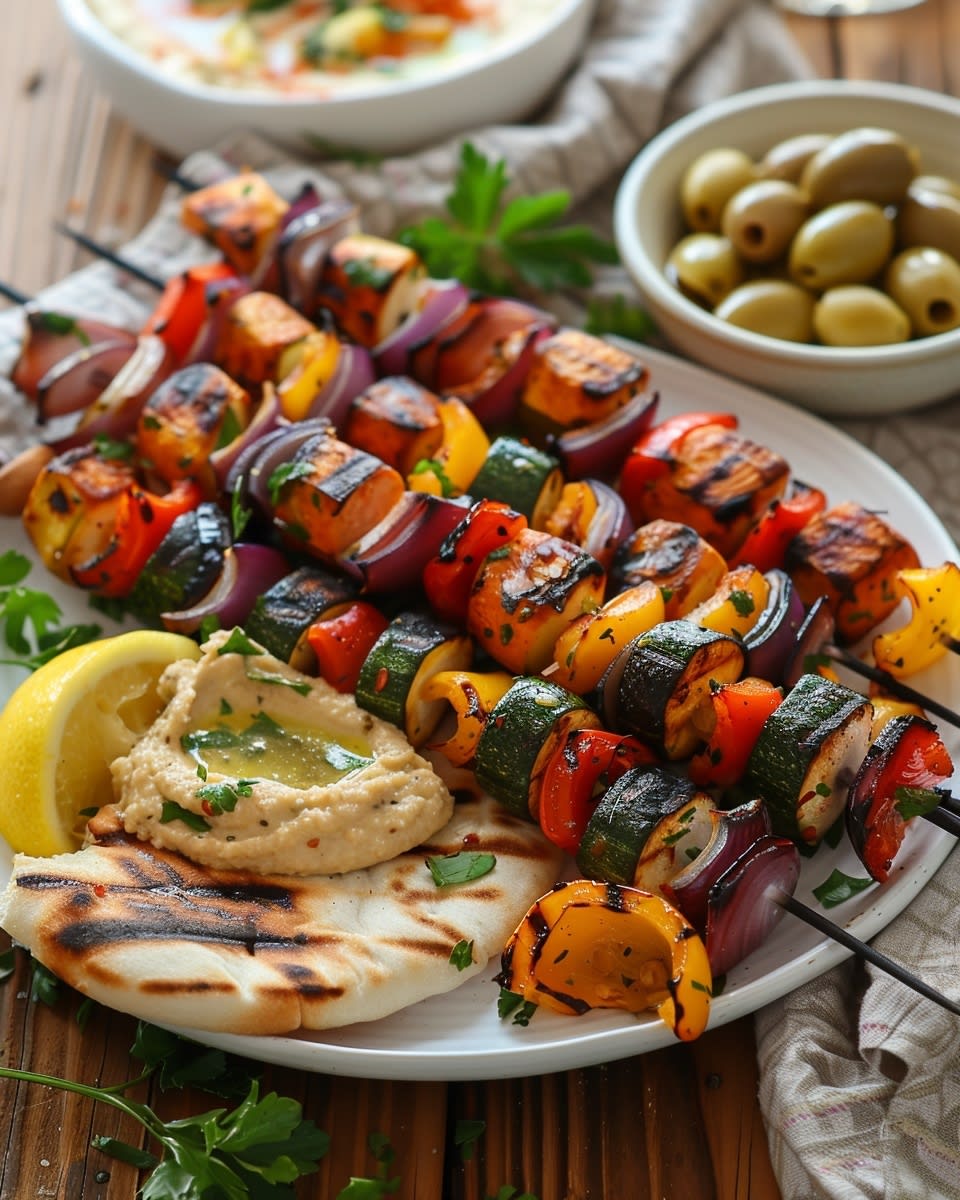
Introduction
Last summer, I stood in my backyard with a plateful of sad, limp vegetables that had been sitting in my fridge way too long. I was about to toss them when my neighbor called over the fence, “Hey, throw those on some skewers and grill them!” That simple suggestion changed everything. Those forgotten veggies turned into the star of our dinner party, and everyone kept asking for the recipe. The funny part? I didn’t even have a recipe back then.
Welcome to my kitchen, where we’re going to explore Grilled Mediterranean Veggie Skewers together. These colorful skewers have become my go-to recipe whenever I need something quick, healthy, and impressive. Perfect for a summer evening or a healthy side dish, these skewers are packed with flavor and nutrition. I’ll share my favorite recipes, tips, and tricks to make your veggie skewers a hit at your next gathering.
Here’s what I love most about this recipe. You can prep everything in under 20 minutes. The actual grilling takes maybe 10 to 12 minutes. That means you’re looking at a half-hour commitment from start to finish. Compare that to most elaborate dinner recipes, and you’ll see why I make these at least twice a week during grilling season.
The Mediterranean approach to these skewers brings something special to the table. We’re talking bright flavors like lemon, garlic, and herbs that make even the simplest vegetables taste incredible. I grew up eating plain steamed broccoli, which honestly turned me off vegetables for years. Then I discovered what a little olive oil and the right seasonings could do. It was like meeting vegetables for the first time all over again.
Why Grilled Mediterranean Veggie Skewers Are a Fantastic Choice
Let’s talk about why Grilled Mediterranean Veggie Skewers are a fantastic choice for any meal. They’re not just delicious. They’re also a great way to get more veggies into your diet without feeling like you’re eating rabbit food. My kids used to pick around vegetables on their plates. Now they actually request these skewers. Something about food on a stick makes it automatically more fun to eat.
The health benefits are real and noticeable. Each skewer gives you a rainbow of nutrients. Red peppers pack vitamin C. Zucchini brings potassium and fiber. Mushrooms add B vitamins and selenium. Cherry tomatoes deliver lycopene. When you grill these vegetables, you’re not drowning them in heavy sauces or deep-frying them. The natural sugars caramelize on the grill, creating that sweet and smoky flavor we all crave.
I started making these when my doctor suggested I eat more plant-based meals. I wasn’t ready to give up meat entirely, but I needed options that felt satisfying. These skewers solved that problem. They’re hearty enough to serve as a main dish with some quinoa or couscous on the side. Or they work beautifully alongside grilled chicken or fish when you want a lighter protein portion.
The versatility factor is huge. You can customize these skewers to suit different tastes and dietary needs. My sister is gluten-free, my brother-in-law hates mushrooms, and my nephew won’t touch anything green. Guess what? I can make skewers that work for everyone. Just swap out what you don’t like for something you do. That’s the beauty of this recipe.
Money-wise, these skewers are budget-friendly too. You’re using seasonal vegetables, which cost less than meat per pound. I usually spend around $8 to $10 on vegetables, and that feeds six people easily. Add a few dollars for olive oil and spices you probably already have, and you’ve got an affordable meal that looks and tastes fancy.
The Magic of Mediterranean Flavors
Mediterranean cooking isn’t complicated. It’s about using fresh ingredients and simple preparations that let natural flavors shine. When I make veggie skewers, I stick to this philosophy. Olive oil forms the base. Fresh lemon juice adds brightness. Garlic brings depth. Oregano, basil, or thyme add that herbaceous note that screams Mediterranean.
One thing I learned the hard way: quality matters with olive oil. I used to buy the cheapest bottle at the store. The difference between that and a decent extra virgin olive oil is night and day. You don’t need the $40 imported stuff, but spending a few extra dollars on a mid-range bottle improves your skewers dramatically.
The key is balancing flavors. You want acid from the lemon, fat from the olive oil, savory notes from garlic and herbs, and a pinch of salt to bring everything together. I usually add a tiny bit of black pepper too. Some people like red pepper flakes for heat. Play around and find what works for your taste buds.
Should I marinate veggie skewers before grilling? This is probably the question I get asked most. My answer is yes, but you don’t need hours. Even 15 minutes makes a difference. The vegetables soak up those flavors and become more than just grilled vegetables. They become something you actually crave.
I’ve tried marinating for different times to see what works best. Thirty minutes to an hour is the sweet spot for most vegetables. Less than that, and you don’t get enough flavor penetration. More than two hours, and some vegetables start breaking down and getting mushy. Mushrooms especially get weird if you marinate them too long.
Choosing Your Vegetables
What vegetables are good for kabobs on the grill? I get this question from beginners all the time. The simple answer is: pick vegetables that hold up to heat and won’t fall apart. You want firm vegetables that can handle 10 to 12 minutes on a hot grill without turning to mush.
My standard lineup includes bell peppers, zucchini, red onions, cherry tomatoes, and mushrooms. These five create a beautiful color mix and complement each other perfectly. Red and yellow bell peppers add sweetness. Zucchini stays firm and soaks up marinade beautifully. Red onions caramelize into candy-like pieces. Cherry tomatoes burst with juice. Mushrooms get meaty and satisfying.
Here are some other vegetables that work great:
- Eggplant (cut into thick chunks so it doesn’t get too soft)
- Yellow squash (similar texture to zucchini)
- Thick asparagus spears (thin ones fall through the grill grates)
- Small whole potatoes (parboil them first for 5 minutes)
- Corn on the cob pieces (cut into 2-inch rounds)
- Red cabbage wedges (they get crispy edges)
- Cauliflower florets (surprisingly amazing when grilled)
What are some unique veggie skewer ideas? Once you master the basics, you can get creative. I’ve made Greek-style skewers with chunks of halloumi cheese between the vegetables. The cheese gets golden and slightly crispy on the outside while staying soft inside. I’ve also tried adding marinated artichoke hearts, which are incredible when grilled.
For a twist, try adding fresh pineapple chunks. I know it sounds weird with Mediterranean flavors, but the sweetness works surprisingly well with savory herbs and garlic. My friend from Hawaii taught me that trick, and now I do it whenever I want something a bit different.
Brussels sprouts are another unique option. Cut them in half so they lie flat on the skewer. They get these crispy, almost burnt edges that are addictive. Just make sure to secure them well because they can spin on the skewer.


Picking the Perfect Vegetables for Your Skewers
Now that you’ve got some creative ideas swirling around, let’s get practical about choosing vegetables that won’t disappoint you halfway through grilling. I remember one disastrous cookout where I used super ripe tomatoes that literally disintegrated on the grill. My carefully assembled skewers turned into a tomato sauce disaster. Live and learn, right?
When I’m at the farmer’s market or grocery store, I have a mental checklist. First thing: firmness. I gently squeeze vegetables to make sure they have some resistance. A bell pepper should feel heavy for its size and have tight, smooth skin. Zucchini should be firm from end to end without any soft spots. Mushrooms should bounce back when you press them lightly. If anything feels mushy or overly soft, skip it.
Color tells you a lot too. Bright, vibrant colors usually mean fresher produce. Dull or faded vegetables have been sitting around too long. I look for bell peppers with glossy, unblemished skin. Deep green zucchini without yellowing. Cherry tomatoes that are uniformly colored without weird pale spots. Red onions with papery dry skins and no sprouting.
Size matters more than you’d think. Medium-sized vegetables work best because they cook at similar rates. Huge zucchini take forever and tend to be watery and bland inside. Tiny ones cook too fast and shrivel up. I aim for zucchini that are about 6 to 8 inches long and maybe 1.5 inches in diameter. Bell peppers should be medium-sized, not those giant ones that look like they’re on steroids.
Here’s something I wish someone had told me earlier: buy vegetables that are in season. Sounds obvious, but it makes a massive difference. Summer squash in July tastes completely different from the stuff flown in from Chile in February. Plus, seasonal vegetables cost less and support local farmers when possible. Win-win situation.
For cherry tomatoes, I specifically look for campari or cocktail varieties. They’re slightly larger than regular cherry tomatoes and hold up better on the grill. Regular cherry tomatoes can work, but they’re more likely to burst and make a mess. Grape tomatoes are another solid choice because their thicker skin prevents them from turning to mush.
Mushrooms deserve special attention. Button mushrooms work fine, but I prefer cremini or baby bella mushrooms for their meatier texture and deeper flavor. Portobello caps cut into chunks are fantastic too. Just make sure whatever mushrooms you choose are fresh and firm, not slimy or with dark spots that indicate they’re past their prime.
Cutting and Prepping Your Vegetables the Smart Way
Knife skills aren’t my strongest suit. I’m not some chef who can dice an onion in twelve seconds while blindfolded. But over time, I’ve figured out what works for veggie skewers that cook evenly without falling apart.
The golden rule is consistency. Everything needs to be roughly the same size. I aim for 1 to 1.5-inch pieces across the board. Why? Because a massive chunk of bell pepper next to a thin slice of zucchini means one will be charred while the other is barely cooked. Not ideal.
For bell peppers, I cut off the top and bottom, then slice down one side to open it up. Remove all the seeds and white membrane. Then cut into roughly square pieces. I try to make them thick enough that they won’t flop around but not so thick that they take forever to soften.
Zucchini is straightforward. Chop off both ends, then slice into thick rounds about 3/4 to 1 inch thick. Some people cut them into half-moons if the zucchini is really wide, but I prefer full rounds because they stay on the skewer better and look nicer. Similar technique for yellow squash if you’re using it.
Red onions need a specific approach. Cut them into quarters first, then separate the layers into large pieces. I usually get two or three skewer-sized pieces from each quarter. The key is keeping at least two layers together so they don’t fall apart into individual rings on the grill.
Mushrooms are dead simple. If they’re small button or cremini mushrooms, leave them whole. If you’ve got larger ones, cut them in half or into thick slices. I used to make the mistake of slicing mushrooms thin like for a salad. They shrink dramatically when grilled, so you need substantial pieces to start with.
Cherry tomatoes don’t need cutting at all. Just rinse them and they’re ready. Same with whole garlic cloves if you want to add those, which by the way become sweet and mild when grilled. Speaking of garlic, similar to what I do with garlic butter on grilled lobster, those roasted cloves add incredible depth to your skewers.
One trick I picked up from a cooking class: after cutting everything, lay your pieces out on a cutting board to check sizes. They should all be similar. If something looks way bigger or smaller, adjust it. This five-second check saves you from unevenly cooked skewers later.
The Marinade Situation Explained
Alright, let’s settle this once and for all. Should I marinate veggie skewers before grilling? Yes, absolutely, without question. But it’s not just about dumping vegetables in liquid and hoping for the best.
Marinating serves two purposes. First, it adds flavor that penetrates beyond just the surface. Second, the oil in the marinade helps prevent sticking and promotes those beautiful grill marks we all want. Vegetables don’t have natural fat like meat does, so they need that oil coating to caramelize properly.
The benefits go beyond just taste. A good marinade can enhance the natural sweetness of vegetables. It can add complexity through herbs and spices. It can introduce acidity that brightens everything up. When I skip marinating, my skewers taste flat and boring. When I take the time to marinate, even for just twenty minutes, the difference is dramatic.
My go-to marinade is stupidly simple. In a large bowl, I whisk together a quarter cup of olive oil, juice from one lemon, three minced garlic cloves, a tablespoon of dried oregano, half a teaspoon of salt, and a quarter teaspoon of black pepper. That’s it. Five ingredients you probably have right now.
Sometimes I switch it up with fresh herbs instead of dried. Chopped fresh basil and thyme work beautifully. Fresh herbs are more delicate, so I use more—maybe two tablespoons total of mixed chopped herbs. The flavor is brighter and more pronounced compared to dried.
For a different vibe, I make a balsamic version. Same base of olive oil, but I replace the lemon juice with balsamic vinegar and add a teaspoon of Dijon mustard. The mustard acts as an emulsifier and adds a subtle tang. This version pairs amazingly with mushrooms and red onions.
Here’s my process: cut all the vegetables first, then make the marinade in a big bowl. Add the vegetables directly to the marinade and toss everything with your hands or a big spoon. Make sure every piece gets coated. Then I either let it sit on the counter for 30 minutes or stick it in the fridge for up to 2 hours if I’m prepping ahead.
The timing matters. Thirty minutes is the minimum for any real flavor absorption. An hour is better. Two hours is about the maximum before mushrooms start getting spongy and zucchini starts releasing too much water. I’ve never found a benefit to marinating longer than that. Overnight marinating like you might do for meat? Complete overkill for vegetables.
One mistake I used to make was marinating vegetables already on the skewers. Don’t do this. It’s way harder to coat everything evenly, and you waste marinade. Always marinate loose vegetables in a bowl, then thread them onto skewers afterward. The process goes faster and you get better coverage.
Temperature-wise, room temperature marinating works fine for under an hour. If I’m going longer, I refrigerate to be safe. Just remember to take them out 10 to 15 minutes before grilling so they’re not ice cold when they hit the grill. Cold vegetables on a hot grill steam instead of sear, which isn’t what we want.
By the way, if you’re feeling adventurous with marinades, the same principles apply to other grilled favorites. The techniques I use for these Mediterranean veggie skewers work great for dishes like honey sriracha chicken wings or even grilled steak tacos, just with adjusted marinating times for the protein.
Getting Technical with Marinade Application
This might sound over-the-top, but there are actually better and worse ways to apply marinade to your vegetables. I didn’t think it mattered much until I tested different methods side by side.
Method one is the bowl toss, which I already mentioned. This works great for most situations. You get decent coverage, and it’s quick and easy. The downside is you might lose some marinade at the bottom of the bowl that never makes it onto the vegetables.
Method two is the bag shake. Put your cut vegetables and marinade in a large zip-top bag, seal it, and shake everything around for a minute. Then let it sit with occasional shaking. This uses less marinade and ensures more even coating. The vegetables tumble around and every surface gets covered. I use this method when I’m making a double batch because my bowls aren’t big enough.
Method three is painting. Sounds weird, but hear me out. Thread your vegetables onto skewers first, then use a basting brush to paint marinade on all sides. This takes longer but gives you precise control. I only do this when I’m making skewers for someone with specific dietary restrictions and I need to keep their batch separate.
Whatever method you choose, don’t throw away leftover marinade that’s been sitting with raw vegetables. Either brush it on during grilling or discard it. Food safety basics. That said, you can make extra marinade specifically for basting during cooking. Just keep the basting marinade separate from the soaking marinade.
One more thing about timing that I learned the hard way. Don’t thread vegetables onto skewers until right before grilling if they’ve been marinating for a while. The pieces get slippery and hard to work with. Drain them slightly, then assemble your skewers. Much easier to handle. If you’re looking for other ways to use your grill for different proteins alongside these skewers, BBQ chicken quesadillas make an excellent companion dish that uses similar grilling techniques.


Seasoning Magic for Your Mediterranean Veggie Skewers
What seasoning is good for vegetable kabobs? This question comes up constantly, and honestly, the answer is simpler than most people think. The Mediterranean pantry gives us everything we need without getting complicated or expensive.
Start with dried oregano. It’s the backbone of Mediterranean cooking and works incredibly well with grilled vegetables. I use about a tablespoon for every quarter cup of olive oil. The earthy, slightly peppery flavor complements every vegetable I’ve ever tried. Greek oregano is slightly more potent than the regular stuff, so if you find it at a specialty store, grab it.
Garlic powder or fresh minced garlic both work beautifully. Fresh garlic gives you a sharper, more pronounced flavor. Garlic powder offers a milder, more evenly distributed taste. I usually go with fresh because I love that punch of garlic when you bite into a piece of zucchini. Three to four cloves minced for a full batch of skewers hits the spot.
Here’s my essential seasoning lineup:
- Dried oregano (the Mediterranean classic)
- Fresh or dried basil (sweet and aromatic)
- Thyme (earthy and subtle)
- Rosemary (strong, so use sparingly)
- Smoked paprika (adds depth without heat)
- Cumin (warm and slightly nutty)
- Za’atar (if you want authentic Middle Eastern flavor)
- Red pepper flakes (for those who like heat)
I rotate through different combinations depending on my mood. Sometimes I go heavy on the oregano and basil for an Italian vibe. Other times I add cumin and smoked paprika for a slightly North African twist. The vegetables don’t care what you call it. They just taste amazing either way.
One discovery that changed my seasoning game was za’atar. It’s a Middle Eastern spice blend with dried thyme, sesame seeds, and sumac. The tangy, nutty flavor is incredible on grilled vegetables. I mix about two tablespoons into my marinade, and people always ask what that mysterious delicious flavor is. You can find za’atar at Middle Eastern markets or online pretty easily these days.
Fresh herbs deserve special mention. Chopped fresh parsley or cilantro added right after grilling transforms the entire dish. The bright, fresh flavor cuts through the richness of the olive oil and the smokiness from the grill. I keep a handful of parsley ready to sprinkle over the skewers the moment they come off the grill. Game changer.
Salt and pepper seem obvious, but timing matters. I add salt to the marinade so it has time to penetrate the vegetables. But I also keep coarse sea salt or flaky salt nearby to sprinkle on right before serving. That final hit of salt on the surface makes everything pop. Black pepper I usually add both to the marinade and as a finishing touch.
Here’s something I learned from my Greek neighbor: a little cinnamon. I know it sounds weird on vegetables, but a tiny pinch mixed with cumin and paprika adds this warm complexity that’s hard to identify but impossible to forget. We’re talking maybe an eighth of a teaspoon for a whole batch. Too much and your vegetables taste like dessert, which is not the goal.
Different vegetables respond to seasonings differently. Mushrooms soak up everything like little flavor sponges, so they can handle bolder seasonings. Bell peppers are naturally sweet, so they pair beautifully with acidic and herby flavors. Zucchini is mild and takes on whatever you give it. Onions benefit from sweet spices like cumin or coriander that complement their natural sugars.
The order of application matters too. Oil-soluble spices like paprika and cumin need to be mixed with the olive oil to bloom properly. Water-soluble seasonings can go either in the marinade or sprinkled on afterward. I’m not a chemist, but I’ve noticed that mixing dried herbs into oil and letting them sit for five minutes before adding vegetables makes a difference in flavor intensity.
Grilling Techniques That Actually Work
Grilling seems straightforward until you’re standing there with raw skewers wondering why the outside is burning while the inside stays crunchy. I’ve burned enough vegetables to share what actually works without the fancy culinary school explanations.
Temperature control is everything. I preheat my grill to medium-high, which is around 375 to 400 degrees Fahrenheit. Too hot and your vegetables char before cooking through. Too cool and they steam instead of getting those gorgeous grill marks. I hold my hand about six inches above the grates. If I can keep it there for three to four seconds before it gets too hot, that’s the right temperature.
Oil the grill grates right before adding skewers. I fold up a paper towel, dip it in vegetable oil, and use tongs to rub it across the grates. This creates a non-stick surface that prevents your carefully marinated vegetables from ripping apart when you try to flip them. Do this every time. No exceptions.
Spacing matters more than you’d think. Don’t crowd the grill. Leave space between skewers so heat can circulate. I used to pack them in tight trying to cook everything at once, and they steamed instead of grilled. Now I work in batches if needed. The first batch stays warm while I grill the second. Everyone’s happy.
The flip strategy I use is simple: four-sided rotation. Most vegetables have multiple sides to grill. I start with one side down for three minutes, then rotate a quarter turn. Three more minutes, another quarter turn. By the time I’ve rotated through all four sides, everything is cooked through with beautiful marks all around. Total grill time runs about ten to twelve minutes.
Don’t walk away from the grill. I mean it. Vegetables go from perfect to burnt faster than you think. I keep a cold beer or iced tea nearby and just hang out watching those skewers. It’s actually pretty relaxing once you stop treating it like a chore and start treating it like hangout time with good smells.
Basting during cooking adds extra flavor and prevents drying out. I keep reserved marinade in a small bowl with a brush nearby. Every time I flip the skewers, I give them a quick brush of marinade. This builds up layers of flavor and keeps everything moist. Just remember to use fresh marinade for basting, not the stuff that raw vegetables were sitting in.
The doneness test is visual and tactile. Vegetables should have char marks but still have some resistance when you poke them with a fork. Bell peppers get slightly blistered and softened. Zucchini develops grill marks and feels tender but not mushy. Cherry tomatoes blister and maybe burst a little. Onions turn golden and translucent around the edges. If everything looks limp and falling apart, you’ve gone too far.
Resting might sound weird for vegetables, but giving them two to three minutes off the grill before serving helps. The residual heat finishes cooking the centers while the outside stays crispy. I transfer finished skewers to a platter and loosely cover with foil while I finish any remaining batches.
By the way, these grilling fundamentals apply to way more than just vegetables. If you’re expanding your grilling repertoire beyond veggie skewers, you’ll find tons of helpful techniques in other BBQ and grilling recipes that use similar temperature control and timing strategies.
Creative Twists on Classic Veggie Skewers
Once you’ve mastered the basic Mediterranean veggie skewers, it’s time to get a little wild. I’m talking about combinations that sound strange until you taste them and realize they’re genius.
Last fall, I made autumn harvest skewers with butternut squash, Brussels sprouts, and apple chunks. The apples caramelize on the grill and add this sweet-tart element that’s unexpected. I brushed them with a maple-balsamic glaze during the last few minutes of cooking. Everyone at my Thanksgiving dinner asked for the recipe, even though I basically made it up on the spot.
For spring, try asparagus, radishes, and snap peas. The radishes mellow out on the grill and get slightly sweet. Snap peas stay crispy and bright green. Asparagus becomes tender with crispy tips. I use a lemon-dill marinade for this combination, and it tastes like spring in vegetable form.
Summer obviously offers the most options since that’s peak vegetable season. But here’s something different: grilled stone fruit mixed with your vegetables. Peach halves, nectarine quarters, or thick plum slices alongside bell peppers and red onions create this sweet-savory situation that’s incredible. The fruit sugars caramelize and provide an interesting contrast to the savory herbs.
Winter calls for heartier vegetables. I make skewers with parsnips, carrots, and sweet potato chunks. These need parboiling for about five minutes before grilling since they’re denser than summer vegetables. After parboiling and cooling, I marinate them with warming spices like cumin, coriander, and cinnamon, then grill as usual. Super satisfying when you want something substantial.
Protein additions change the whole dynamic. Grilled halloumi cheese between vegetables creates a vegetarian main dish that even meat-lovers enjoy. The cheese gets these crispy golden edges while staying creamy inside. Cubed firm tofu marinated in soy sauce and ginger works beautifully too. I press the tofu first to remove excess moisture, then marinate for at least an hour.
For parties, I do rainbow skewers where each skewer features vegetables of one color. All-red skewers with tomatoes, red peppers, and red onions. All-green with zucchini, asparagus, and Brussels sprouts. All-yellow with yellow squash, yellow peppers, and golden beets. They look stunning on a platter and make for great photos if you’re into that.
Funny enough, breakfast skewers have become a thing in my house. I grill tomatoes, mushrooms, and small potato chunks, then serve them with scrambled eggs. The smoky grilled vegetables make a regular breakfast feel special. My husband requests this every weekend now.
Here’s an idea I stole from a restaurant: dessert vegetable skewers. Before you say that’s weird, hear me out. Grilled sweet potato rounds with a honey-cinnamon glaze, served warm with a scoop of vanilla ice cream. The hot-cold contrast is amazing, and technically sweet potatoes are vegetables even though they taste like dessert.
Presentation Ideas That Impress Without Extra Work
Let’s be honest. Food that looks good tastes better. It’s psychology or something. I’m not saying you need to be an Instagram food stylist, but a few simple tricks make your grilled veggie skewers look restaurant-quality.
Platter choice matters. White platters make colors pop. I have this large white rectangular platter I use for skewers every single time. The bright vegetables against the white background look incredible. If you don’t have white, any neutral color works. Just avoid busy patterns that compete with your food.
Arrange skewers in a single layer, slightly overlapping. Don’t pile them up. You want people to see the beautiful grill marks and the variety of vegetables. I usually create two rows going lengthwise across the platter with maybe six to eight skewers per row.
Fresh herb garnish right before serving makes everything look professionally done. Whole basil leaves, chopped parsley, or cilantro sprigs scattered over the top add color and signal freshness. I keep the herbs in ice water while grilling so they’re extra perky when I’m ready to garnish.
Lemon wedges aren’t just for function. They’re decorative. I cut thick lemon wedges and tuck them between skewers or at the corners of the platter. People can squeeze extra juice over their serving, and the yellow adds visual interest.
A drizzle of extra virgin olive oil right before serving makes everything glisten and look more appetizing. I use my nice finishing olive oil for this, the one that actually tastes like olives and has that peppery bite. Just a thin stream zigzagged over the skewers elevates the whole presentation.
Microgreens or edible flowers sound fancy, but they’re not that hard to find anymore. A small handful of pea shoots or nasturtium flowers scattered over the skewers makes them look like something from a high-end restaurant. The fancy grocery stores usually have these near the herbs.
For parties, I set up a “skewer bar” where guests can customize their own. I grill plain vegetables on skewers and set out three or four different sauces: tzatziki, romesco, tahini, and a spicy harissa. People love the interactive element, and it takes pressure off me to guess what everyone wants.
Lighting matters if you’re serving outdoors. String lights or candles make everything look magical. I’m not kidding. The same skewers that look okay in harsh overhead kitchen lighting look incredible in warm, soft outdoor lighting at dusk.
Final Thoughts on Mastering Your Veggie Game
Here’s what I want you to take away from all this. Grilled Mediterranean veggie skewers aren’t just a side dish or a consolation prize for people who don’t eat meat. They’re legitimately delicious food that happens to be healthy, affordable, and pretty easy once you get the hang of it. According to the CDC’s guidance on nutrition, incorporating more vegetables through home cooking is one of the most effective ways to improve your overall diet quality.
Don’t be scared to experiment. The worst that happens is you make skewers that aren’t your favorite, and even those are usually totally edible. I’ve had plenty of combinations that didn’t blow my mind, but I’ve never made skewers that were genuinely bad. Vegetables, olive oil, and fire are pretty forgiving.
Start with the basics I’ve outlined here, then branch out. Try one new vegetable each time. Test different marinade variations. Play with seasonings you’ve never used before. That’s how you develop your own signature style that your friends and family will request over and over.
The beauty of this recipe is its flexibility. Dietary restrictions? No problem. Budget tight? These are cheap. Short on time? They’re quick. Want to impress someone? They look fancy. Need to use up random vegetables? Perfect solution. Not many recipes check all those boxes.
So grab some vegetables, fire up your grill, and give it a shot. The first batch might not be perfect. Mine definitely wasn’t. But I promise you’ll get better with each attempt, and pretty soon you’ll be the person everyone asks to bring vegetables to the cookout.
Frequently Asked Questions About Grilled Veggie Skewers
Should I marinate veggie skewers before grilling?
Yes, marinating makes a significant difference in flavor. Even just 30 minutes in a simple olive oil, lemon, and herb marinade transforms plain vegetables into something crave-worthy. The marinade helps vegetables caramelize better on the grill and prevents them from drying out. I recommend marinating for 30 minutes to 2 hours for best results. Longer than that and some vegetables like mushrooms can get mushy.
What vegetables are good for kabobs on the grill?
The best vegetables for grilling are ones that hold their shape under heat. Bell peppers, zucchini, red onions, cherry tomatoes, and mushrooms are my go-to choices. Other great options include eggplant, yellow squash, asparagus, and small potatoes that have been parboiled. Avoid delicate vegetables like leafy greens or anything that’s overripe and soft. The key is choosing vegetables with similar cooking times so everything finishes together.
What are some unique veggie skewer ideas?
Get creative by adding grilled fruit like pineapple, peaches, or nectarines for sweet-savory contrast. Halloumi cheese cubes between vegetables create a satisfying vegetarian main dish. Seasonal variations work beautifully—try butternut squash and Brussels sprouts in fall, or asparagus and radishes in spring. Rainbow-colored skewers where each one features vegetables of a single color make stunning party presentations. Don’t be afraid to experiment with unexpected combinations.
What seasoning is good for vegetable kabobs?
Mediterranean herbs like oregano, basil, and thyme are classic choices that complement almost any vegetable. Garlic, whether fresh or powdered, is essential for depth. I also love smoked paprika for smokiness without heat, cumin for warmth, and za’atar for an authentic Middle Eastern flavor. Red pepper flakes add heat if you want it. Fresh herbs like parsley or cilantro sprinkled on after grilling add brightness. Mix and match based on your preference.
How long do I grill veggie skewers?
Most vegetable skewers need 10 to 12 minutes total on a medium-high grill. I rotate them every 3 minutes to get even cooking and grill marks on all sides. The exact timing depends on how thick you cut your vegetables and how hot your grill runs. You’ll know they’re done when vegetables are tender with visible char marks but not falling apart. Cherry tomatoes should be blistered, peppers softened, and zucchini tender but still holding its shape.
Can I make veggie skewers in the oven?
Absolutely! Use the broiler setting for the closest thing to grilling. Place marinated skewers on a baking sheet lined with foil, then broil about 6 inches from the heat source. Rotate every 3 to 4 minutes for even cooking, total time about 12 to 15 minutes. You won’t get quite the same smoky flavor as outdoor grilling, but you’ll still get nice caramelization. This works great in winter when outdoor grilling isn’t practical.
Do I need to soak wooden skewers?
Yes, soak wooden or bamboo skewers in water for at least 30 minutes before grilling. This prevents them from catching fire on the grill. I usually soak mine for an hour while my vegetables are marinating. Metal skewers don’t need soaking and are reusable, making them more economical long-term. The downside is metal conducts heat and gets very hot. If using metal, warn guests to let them cool before touching.
How do I prevent vegetables from spinning on the skewers?
Use flat-sided pieces rather than round ones when possible, or use two parallel skewers instead of one. Threading vegetables so they lay flat against each other also helps. For round items like cherry tomatoes or mushrooms, make sure they fit snugly between other vegetables. Double-skewering creates a stable base that prevents spinning when you try to flip them. This takes a bit more time but makes grilling much easier.
Can I prep veggie skewers ahead of time?
You can cut vegetables and make marinade up to a day ahead, storing them separately in the refrigerator. I don’t recommend threading vegetables onto skewers more than a few hours before grilling because they release moisture and can get soggy. The best approach is to marinate loose vegetables for up to 2 hours, then thread them onto skewers right before you’re ready to grill. This keeps everything fresh and makes assembly easier.
What should I serve with grilled veggie skewers?
These skewers pair beautifully with quinoa, couscous, or rice pilaf as a base. Tzatziki, hummus, or tahini sauce on the side adds protein and creaminess. For a complete meal, serve them with grilled chicken, fish, or lamb. A fresh Greek salad and warm pita bread round out a Mediterranean feast. They’re also perfect alongside other grilled items at barbecues. The versatility means you can match them to whatever else you’re serving.
Ingredients
Equipment
Method
- Préchauffez le grill à feu moyen-vif (375 à 400 °F).
- Coupez les légumes en morceaux uniformes, d'environ 1 à 1,5 pouces chacun.
- Dans un grand bol, fouettez ensemble l'huile d'olive, le jus de citron, l'ail haché, l'origan, le sel et le poivre noir pour préparer la marinade.
- Ajoutez les morceaux de légumes à la marinade et mélangez jusqu'à ce qu'ils soient bien enrobés.
- Laissez mariner les légumes pendant au moins 30 minutes ou jusqu'à 2 heures.
- Enfilez les légumes marinés sur des brochettes, en alternant les types pour une présentation colorée.
- Enduisez les grilles du grill d'huile avec un essuie-tout imbibé d'huile végétale.
- Placez les brochettes sur le grill préchauffé, en laissant de l'espace entre elles.
- Grillez les brochettes pendant 10 à 12 minutes, en les retournant toutes les 3 minutes pour une cuisson uniforme.
- Une fois grillées, retirez les brochettes et laissez-les reposer pendant 2 à 3 minutes avant de servir.