
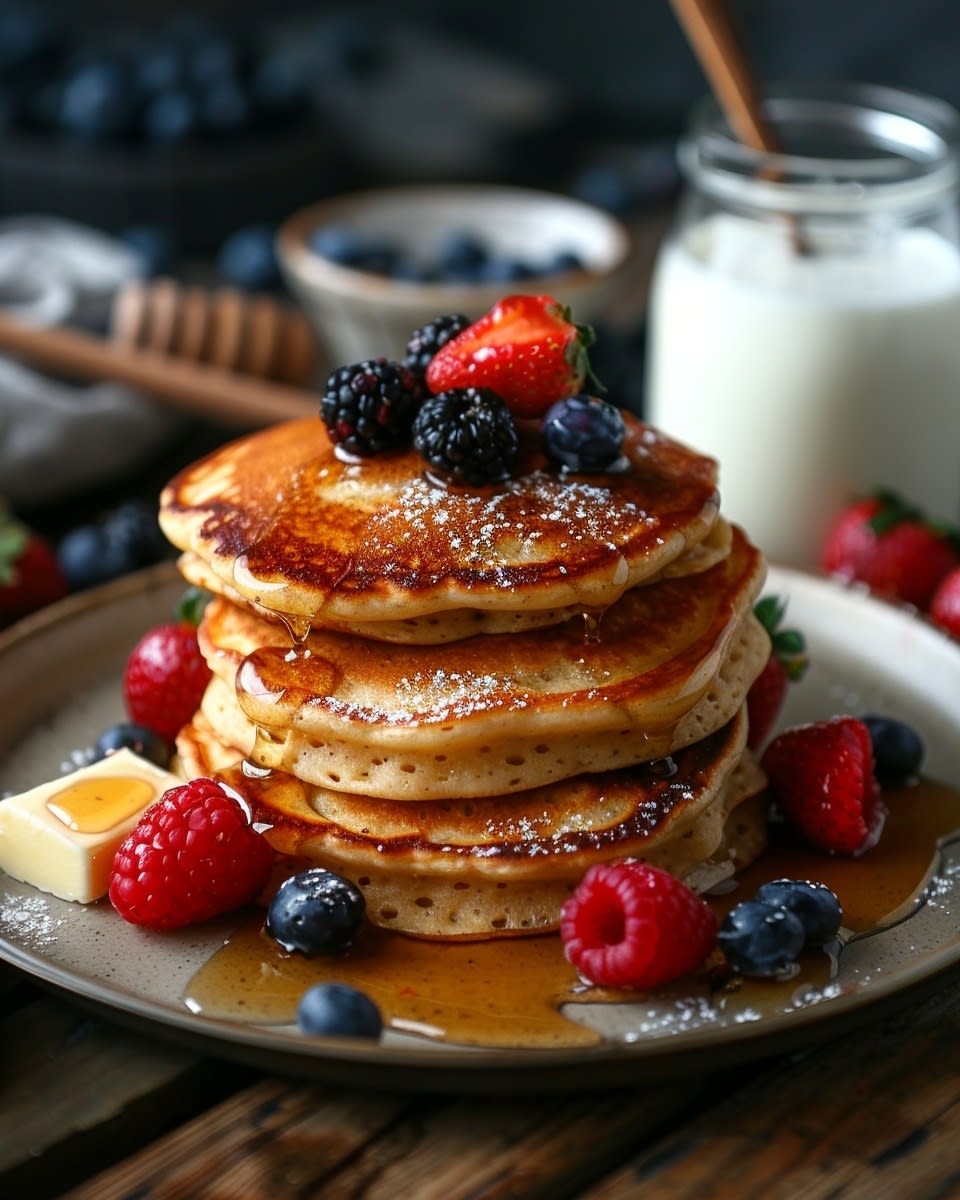
Why I Fell in Love with Protein Cottage Cheese Pancakes
Last Saturday morning, I stood in my kitchen staring at an almost-empty fridge. I needed breakfast fast, but I also wanted something filling that wouldn’t leave me hungry by 10 AM. That’s when I spotted the cottage cheese container hiding behind the milk. I’d been seeing cottage cheese pancakes all over social media, and I finally decided to give them a try. Thirty minutes later, I was completely hooked. These protein cottage cheese pancakes changed my entire breakfast routine.
I’m not exaggerating when I say these pancakes are a game changer for busy mornings. They’re fluffy, satisfying, and packed with protein. Best of all, they’re so simple that even on my most chaotic mornings, I can whip up a batch without breaking a sweat.
The beauty of these pancakes goes beyond just taste. They solve so many breakfast problems at once. Need more protein? Check. Want something that keeps you full until lunch? Done. Looking for a recipe that doesn’t require a million ingredients? You got it.
What Makes Protein Cottage Cheese Pancakes So Special?
Let me share why these pancakes deserve a permanent spot in your breakfast rotation. First, the protein content is impressive. A typical serving gives you anywhere from 15 to 25 grams of protein depending on your recipe. That’s more than most protein bars, and it tastes infinitely better.
The cottage cheese creates an incredibly fluffy cottage cheese pancake texture that regular pancakes can’t match. I was skeptical at first because I thought they’d taste too “cheesy” or have a weird texture. Boy, was I wrong. When you blend the cottage cheese, it transforms into a smooth base that makes the pancakes light and airy.
These pancakes also adapt to whatever you have in your pantry. Running low on flour? Make protein cottage cheese pancakes no flour. Don’t like bananas? Try protein cottage cheese pancakes no banana. Want extra fiber? Go for protein cottage cheese pancakes with oats. Prefer a cleaner recipe? Choose protein cottage cheese pancakes no oats. The flexibility is amazing.
The Health Benefits That Made Me a Believer
I’ve tried dozens of trendy breakfast recipes over the years. Most of them either taste like cardboard or leave me starving an hour later. These healthy cottage cheese pancakes are different because they actually deliver on their promises.
The high protein content keeps your blood sugar stable. You won’t experience that mid-morning crash that sends you running to the vending machine. I used to get so hungry before lunch that I’d snack constantly. Since switching to these pancakes, my energy levels stay consistent all morning.
Cottage cheese also provides calcium, which most of us don’t get enough of in our diets. One serving of these pancakes can give you a significant portion of your daily calcium needs. Your bones will thank you, and so will your muscles after those tough workouts.
The best part? These protein cottage cheese pancakes healthy options don’t feel like diet food. They’re genuinely satisfying and taste like a treat. My kids don’t even realize they’re eating something nutritious. They just know they love them.
Why Cottage Cheese Works So Well in Pancakes
I’ll be honest. When I first heard about putting cottage cheese in pancakes, I thought it sounded weird. But there’s actual science behind why it works so well.
Cottage cheese has a mild flavor that disappears when mixed with other ingredients. It adds moisture without making the pancakes soggy. The curds break down completely when you blend them, creating a smooth batter that cooks beautifully.
The protein in cottage cheese also helps the pancakes hold together. You can make 2 ingredient cottage cheese pancakes with just eggs and cottage cheese because the protein structure is strong enough to bind everything. No flour needed if you don’t want it.
I’ve experimented with different types of cottage cheese too. Full-fat creates richer pancakes, while low-fat versions work great if you’re watching calories. Both taste delicious, so pick whatever fits your goals.
The Versatility That Saves My Mornings
Some mornings I have all the time in the world. Other days, I’m rushing around like a tornado trying to get everyone out the door. These pancakes work for both scenarios.
When I’m in a hurry, I make the simplest version possible. Cottage cheese pancakes 3 ingredients recipes are my go-to on these chaotic mornings. Just cottage cheese, eggs, and a pinch of baking powder. Blend, cook, done. Total time from start to finish? About 10 minutes.
On lazy weekend mornings, I get creative. I’ll add cinnamon, vanilla extract, or even a scoop of protein powder for extra nutrition. Sometimes I throw in blueberries or chocolate chips. The base recipe is so forgiving that you can customize it however you want.
You can also prep the batter the night before. I store it in the fridge and cook fresh pancakes in the morning. This trick saves me at least five minutes, which matters when I’m trying to get three kids ready for school.
Who Should Try These Pancakes?
Honestly? Everyone. But these pancakes are especially perfect if you:
- Want to increase your protein intake without drinking shakes
- Need a filling breakfast that won’t spike your blood sugar
- Are looking for a family-friendly recipe that kids actually enjoy
- Follow a gluten-free diet (when made without flour)
- Exercise regularly and need good muscle recovery food
- Want to meal prep breakfast for the week
- Are tired of boring egg breakfasts
- Need something easy to make with basic ingredients
I’ve served these to picky eaters, fitness enthusiasts, and even my skeptical father-in-law who claims to hate “health food.” They all went back for seconds.
What You’ll Love Most About This Recipe
After making these pancakes dozens of times, I’ve identified what makes them truly special. The texture surprises everyone. They’re not dense like protein pancakes often are. They’re actually light and fluffy, just like traditional pancakes should be.
The flavor is another winner. You get that classic pancake taste without the heavy, carb-loaded feeling afterward. Top them with fresh fruit and a drizzle of maple syrup, and you’ve got a restaurant-quality breakfast at home.
The nutrition facts speak for themselves. More protein, fewer empty carbs, and plenty of vitamins and minerals. You’re starting your day with real food that fuels your body properly.
But here’s what I love most: these pancakes make healthy eating effortless. You don’t have to sacrifice taste or spend hours in the kitchen. You just need a few minutes and some basic ingredients. That’s the kind of healthy eating that actually sticks.


Building Your Perfect Protein Cottage Cheese Pancakes Recipe
Now that you understand why these pancakes are worth making, let’s talk about the actual ingredients you’ll need. The beautiful thing about this recipe is how flexible it is based on what’s already sitting in your kitchen.
I remember the first time I made these, I kept second-guessing myself because the ingredient list seemed too simple. We’re so trained to think that healthy recipes need exotic ingredients or complicated steps. But trust me on this one—simple really does work better here.
The Basic Building Blocks for Success
At its core, you need cottage cheese and eggs. That’s it. Everything else is just extra credit. I typically use about one cup of cottage cheese to three eggs as my starting point. This ratio creates pancakes that hold together perfectly without being too dense or too runny.
I always add a splash of vanilla extract because it makes everything taste better. About half a teaspoon does the trick. It covers up any lingering cottage cheese flavor that might sneak through, though honestly, I rarely notice it even without vanilla.
Here’s something nobody tells you: the type of cottage cheese matters more than you’d think. Small curd blends smoother than large curd, which means fewer lumps in your batter. I learned this the hard way after spending ten minutes trying to blend out stubborn chunks. Now I just buy small curd and save myself the frustration.
Creating Your Protein Cottage Cheese Pancakes With Oats
When I want heartier pancakes that stick with me even longer, I throw in some oats. About a third cup of rolled oats works perfectly with the basic recipe. Just toss them in the blender with everything else and let it run until the oats break down into a flour-like consistency.
The oats add a slightly nutty flavor that I absolutely love. They also boost the fiber content, which is great for digestion. My husband prefers this version because he says it feels more like “real” pancakes. I think he just likes that they’re a bit thicker and more filling.
One quick tip I discovered by accident: let the batter sit for five minutes after blending if you’re using oats. The oats absorb some of the liquid and the pancakes cook more evenly. I stumbled onto this trick one morning when my daughter called me away mid-cooking, and the second batch turned out even better than the first.
Making Protein Cottage Cheese Pancakes No Oats
Some people can’t do oats or just don’t like them. No problem. Swap in almond flour or coconut flour instead. Here’s where things get slightly tricky though—coconut flour is super absorbent, so you need way less of it. I use about two tablespoons of coconut flour versus a third cup of almond flour.
Almond flour creates a tender, almost cake-like texture that melts in your mouth. My best friend is obsessed with the almond flour version. She says it reminds her of pancakes from this fancy brunch place we used to go to in college, which is high praise coming from her.
Coconut flour gives a subtle tropical hint that pairs amazingly with fresh berries on top. I make these when I’m craving something different from my usual routine. Sometimes I’ll even add a pinch of cinnamon to play up those warm flavors. Kind of like how glazed wings balance sweet and spicy, these pancakes balance texture and taste perfectly.
The Ultimate Protein Cottage Cheese Pancakes No Flour Option
Going completely flour-free was a game changer for my sister, who has celiac disease. She’d been missing pancakes for years because gluten-free versions always tasted like cardboard to her. These protein cottage cheese pancakes no flour recipes brought pancakes back into her life.
Without any flour at all, you’re relying entirely on the eggs and cottage cheese proteins to hold everything together. The trick here is cooking them low and slow. Medium-low heat works best. If you rush it with high heat, they’ll fall apart when you try to flip them.
I also make these slightly smaller than my regular pancakes—about three inches across instead of four or five. The smaller size makes flipping way easier, and honestly, they look cuter on the plate. My kids call them “silver dollar pancakes” and fight over who gets more.
Simplifying with Cottage Cheese Pancakes 3 Ingredients
When I’m genuinely short on time but still want something satisfying, I make the three-ingredient version. Cottage cheese, eggs, and one ripe banana. That’s it. The banana adds natural sweetness so you don’t even need syrup if you don’t want it.
The banana also helps bind everything together, which is pretty cool from a food science perspective. Plus it gives you that classic pancake flavor without any actual pancake mix. I mash the banana really well before adding the other ingredients, or sometimes I just throw everything in the blender and let it do the work.
My mom makes these for my nephew who’s the pickiest eater on the planet. He won’t touch regular cottage cheese, but he devours these pancakes. She doesn’t tell him what’s in them, and he’s never asked. Sometimes what they don’t know really does help them.
Going Minimal with 2 Ingredient Cottage Cheese Pancakes
For the absolute minimalists out there, yes, you can make pancakes with just cottage cheese and eggs. I won’t lie—these are definitely more delicate than versions with add-ins. But they work surprisingly well if you handle them gently.
I use a higher ratio of cottage cheese for this version—about one and a quarter cups to three eggs. This gives enough structure to actually flip them without disaster. Cook them on the lowest heat your patience will allow, and use a really good non-stick pan or plenty of butter.
These are perfect for meal prep too. I make a big batch on Sunday, freeze them with parchment paper between each pancake, and toast them during the week. Just like you’d prep quesadillas ahead for quick meals, these pancakes reheat beautifully.
Skipping Bananas in Your Protein Cottage Cheese Pancakes No Banana
Listen, I get it. Not everyone likes bananas. My oldest daughter gags at even the smell of them. For her, I make protein cottage cheese pancakes no banana with applesauce instead. About a quarter cup of unsweetened applesauce gives you similar moisture and binding without the banana flavor.
You could also add a tablespoon of honey or maple syrup to the batter for sweetness without fruit. Just remember that this adds sugar, so adjust your toppings accordingly. I find that a tiny drizzle goes a long way.
The Simple Process for Fluffy Cottage Cheese Pancakes
Okay, let’s actually make these things. First, throw all your ingredients into a blender. I cannot stress enough how much better a blender works than trying to whisk by hand. You want that cottage cheese completely smooth with zero lumps. Blend for about thirty seconds until it looks like regular pancake batter.
Heat your pan over medium heat—not high, not low, right in the middle. I use a non-stick pan because I’m lazy and hate scrubbing stuck-on pancakes. Add a small pat of butter or a spray of cooking oil. Let it get hot but not smoking.
Pour about a quarter cup of batter for each pancake. Here’s where patience becomes your best friend. You’ll see little bubbles start forming on the surface after about two minutes. Wait until those bubbles pop and leave little holes, and the edges look slightly dry. Then flip.
The second side cooks faster, usually just a minute or so until golden brown. I stack them on a plate and cover with a clean kitchen towel to keep them warm while I finish the batch. This trick keeps them soft instead of getting rubbery.
By the way, these pancakes don’t puff up quite as much as traditional ones, so don’t panic if they seem flatter. That’s totally normal. They’re denser because of all that protein, but still wonderfully fluffy in their own way.
Topping Ideas That Make Everything Better
Fresh berries are my go-to because they add natural sweetness without much sugar. Strawberries, blueberries, raspberries—whatever’s on sale at the store that week. Sometimes I’ll warm the berries in the microwave for thirty seconds to make a quick compote.
A dollop of Greek yogurt on top adds even more protein and creates this amazing creamy contrast with the warm pancakes. My husband drizzles a tiny bit of honey over his yogurt and swears it’s better than any restaurant breakfast. Much like how toppings transform simple tacos, the right additions elevate these pancakes to something special.
Nut butter is another winner. Almond butter, peanut butter, even cashew butter all work great. I spread it on while the pancakes are still hot so it gets all melty and delicious. Add some sliced bananas on top and you’ve got something that tastes like dessert but fuels you like a proper breakfast.
For something different, try savory toppings. I know it sounds weird, but these pancakes work surprisingly well with cream cheese and smoked salmon. Or skip the vanilla in the batter and top them with avocado and a fried egg. Kind of like switching up expected flavor combinations, savory cottage cheese pancakes are legitimately delicious.
The possibilities really are endless once you nail down your favorite base recipe. Start simple, get comfortable with the technique, then experiment like crazy. That’s how I ended up with about fifteen different variations that I rotate through depending on my mood and what’s in my pantry.


Understanding the Serious Health Benefits of Protein Cottage Cheese Pancakes
Let’s get into the real meat of why these pancakes aren’t just tasty—they’re actually doing your body a huge favor. I used to think that anything this easy couldn’t possibly be that nutritious. Turns out, I was completely wrong about that assumption.
The protein content alone is reason enough to make these part of your routine. Depending on how you make them, you’re looking at anywhere from 20 to 30 grams of protein per serving. That’s roughly the same amount you’d get from a chicken breast, except you’re eating fluffy pancakes instead of plain grilled meat for breakfast. Your muscles need protein to repair themselves after workouts, and honestly, even if you’re just chasing kids around all day like I do, you’re breaking down muscle tissue that needs rebuilding.
Here’s something interesting I learned from my nutritionist friend: protein keeps you fuller longer because it takes more energy to digest than carbs do. Your body actually burns calories just processing the protein. It’s like getting a tiny metabolic boost with every bite. No wonder I stopped reaching for mid-morning snacks once I started eating these regularly.
Why the Low-Carb Aspect Changed My Energy Levels
I never thought I’d be someone who cared about carb counts. But after experiencing the difference firsthand, I’m a believer. Traditional pancakes loaded with white flour send your blood sugar on a rollercoaster ride. You get that initial rush, then crash hard about an hour later.
These protein cottage cheese pancakes healthy versions keep your blood sugar steady. The combination of protein and moderate carbs means your body processes everything more slowly. I used to get shaky and irritable before lunch. Now? I sail through my morning meetings without even thinking about food.
For anyone following keto or low-carb eating, the no-flour versions are absolute gold. You can have actual pancakes without destroying your macros for the day. My brother does strict keto and he was thrilled when I shared this recipe with him. He’d been eating eggs every single morning for eight months straight and was ready to lose his mind from boredom.
The Calcium Bonus Nobody Talks About Enough
Funny enough, calcium was never something I paid attention to until my doctor mentioned my levels were low at my last checkup. She suggested I eat more dairy, and that’s when I realized these pancakes were secretly helping me hit my calcium goals without even trying.
One cup of cottage cheese contains about 140 milligrams of calcium, which is roughly 14% of what you need daily. Might not sound like much, but when you consider most of us are running around calcium deficient, every bit helps. Strong bones aren’t just important when you’re older—they matter now too.
My mom started making these after she was diagnosed with early osteopenia. Her doctor was pleased at her next appointment because her numbers had improved. She credits these pancakes along with her other diet changes. I’m not saying pancakes will cure bone problems, but they definitely contribute to better bone health when you eat them consistently.
The Vitamin and Mineral Profile That Surprised Me
Beyond just protein and calcium, cottage cheese brings a whole lineup of nutrients to the table. B vitamins for energy metabolism. Phosphorus for healthy teeth and bones. Selenium for immune function. It’s like a multivitamin disguised as breakfast.
When you add eggs to the mix, you’re also getting vitamin D, vitamin A, and more B vitamins. Eggs are basically nature’s multivitamin. Together with cottage cheese, you’ve got a nutritional powerhouse that doesn’t taste like you’re trying to be healthy.
I used to take a million supplements every morning because my diet was so unbalanced. Once I started eating more nutrient-dense foods like these healthy cottage cheese pancakes, I actually needed fewer pills. My naturopath was impressed at how much my blood work improved just from eating real food instead of relying on synthetic vitamins.
Pro Tips for Making Your Best Batch Every Time
Alright, let me share some hard-won wisdom from my many pancake-making sessions. First up: your pan temperature matters way more than you think. I ruined so many batches by cooking them too hot. The outside would burn before the inside cooked through, leaving me with crispy edges and raw middles. Not appetizing.
Medium heat is your friend here. I know it feels slow, but trust the process. Let your pan heat up for a solid two minutes before adding any batter. I test mine by flicking a tiny drop of water on the surface—if it sizzles gently, you’re good to go. If it evaporates instantly, turn down the heat.
A non-stick pan makes your life about ten times easier. I fought this for weeks because I wanted to use my fancy cast iron skillet. Sure, cast iron works, but you need way more oil or butter, and even then, they stick sometimes. Save yourself the frustration and just use non-stick. Your spatula will thank you.
Adjusting Batter Consistency Like a Pro
Here’s something nobody warned me about when I started making these: the batter thickens as it sits. If you mix everything up and then get distracted by your phone or a child or literally anything else, you’ll come back to find your batter has turned into sludge.
Keep a small container of milk nearby while you cook. Whole milk, almond milk, oat milk—whatever you have works fine. Add it one tablespoon at a time if your batter gets too thick. You want it to pour smoothly but not be watery. Think somewhere between regular pancake batter and yogurt in terms of consistency.
By the way, letting the batter rest for about five minutes after blending actually helps. The ingredients marry together better, and any air bubbles from blending have time to settle. I noticed my pancakes came out fluffier after I started doing this. Just don’t let it rest for twenty minutes or you’ll need to add liquid to thin it back out.
The Flipping Technique That Changed Everything
I’m not exaggerating when I say learning to flip these properly was a game changer. These pancakes are more delicate than regular flour-based ones, especially the 2 ingredient cottage cheese pancakes version. You can’t just violently flip them like you’re in a cooking show.
Wait until you see those bubbles forming and popping on the surface. The edges should look set and slightly dry. Then slide your spatula all the way under the pancake—like completely under, not just halfway. Lift it quickly but flip it gently. Think confident but controlled movements.
If a pancake breaks while flipping, don’t panic. Just call it a “rustic” pancake and move on with your life. I’ve served plenty of broken pancakes to my family and nobody has ever complained. They taste exactly the same whether they’re perfectly round or look like abstract art.
Serving Them Fresh Makes All the Difference
These pancakes are absolutely best right off the griddle. The texture changes as they cool down—they get denser and a bit rubbery if you let them sit too long. I learned this the hard way when I made a huge batch for a brunch party and made them an hour early. They were still good, but definitely not as amazing as when they’re fresh.
If you’re cooking for a crowd, keep a warm oven going at about 200 degrees. Stack the finished pancakes on an oven-safe plate and pop them in there while you cook the rest. Cover them loosely with foil so they don’t dry out. This keeps them warm and relatively fluffy until everyone’s ready to eat.
For meal prep though, don’t worry too much about this. When you’re reheating them later in the toaster or microwave, they’ll soften up again. Just know that day-of is always slightly better in terms of texture.
Portion Control Tips That Actually Work
Something I had to figure out was how many pancakes actually constitute a proper serving. Because let me tell you, I could easily eat eight of these if nobody stopped me. They’re just that good. But part of healthy eating is understanding what a reasonable portion looks like. The CDC has some helpful guidance on portion control that applies to all meals, not just pancakes.
I aim for about three medium pancakes per person, which is roughly one cup of batter total. This gives you all the nutritional benefits without overdoing calories. Pair them with some fruit or a side of turkey bacon if you need more food, but three pancakes usually does the trick.
My kids always want more, but I’ve learned that if I serve them with enough protein-rich toppings like Greek yogurt or nut butter, three pancakes really is plenty. They stay full until lunchtime without any complaints, which is my ultimate measure of whether breakfast worked.
Storage and Reheating Strategies That Save Time
I make double batches now because these store so well. Let them cool completely, then stack them with small squares of parchment paper between each one. This prevents them from sticking together in the fridge or freezer. I can grab one or two on busy mornings and have breakfast ready in ninety seconds.
For refrigerator storage, they last about four days in an airtight container. I pop them in the toaster on medium heat and they come out almost as good as fresh. The toaster actually gives them slightly crispy edges that I kind of love.
Frozen pancakes keep for up to three months. I thaw them in the microwave for thirty seconds, then finish them in the toaster for the best texture. Sometimes I don’t even thaw them first—just straight from freezer to toaster works fine too, though it takes a bit longer.
If you’re constantly browsing for new ways to elevate your morning routine, you’ll find tons of inspiration in other breakfast and brunch recipes that pair perfectly with these protein-packed pancakes.
Making These Work for Different Dietary Needs
One thing I love about this recipe is how easily it adapts. My friend is lactose intolerant, so she uses lactose-free cottage cheese and it works perfectly. The texture and taste are identical. Another friend is vegan and experimenting with tofu-based versions, which I haven’t tried yet but sounds intriguing.
For people watching their sodium intake, choose low-sodium cottage cheese. Regular cottage cheese can have quite a bit of salt, which surprised me when I actually looked at the label. The low-sodium versions taste exactly the same to me, so it’s an easy swap.
If you’re dealing with egg allergies, these get trickier since eggs provide so much of the binding structure. I’ve seen recipes using flax eggs, but I haven’t personally tested them enough to vouch for them. That might be my next kitchen experiment actually.
The point is, don’t feel like you can’t make these work for your specific situation. Where there’s a will, there’s usually a way to modify a recipe to fit your needs. Half the fun is experimenting until you nail your perfect version.
Give these protein cottage cheese pancakes a shot this weekend. Start with whichever version sounds most appealing to you, and don’t stress about making them perfect on your first try. They’ll still taste delicious even if they’re not Instagram-worthy. And who knows? You might just find your new favorite breakfast that you’ll be making for years to come.
Frequently Asked Questions About Protein Cottage Cheese Pancakes
Can I make these pancakes without oats?
Absolutely! The protein cottage cheese pancakes no oats version works beautifully with almond flour or coconut flour as substitutes. Use about a third cup of almond flour or just two tablespoons of coconut flour since it’s much more absorbent. You can also skip any flour alternative entirely and just use eggs and cottage cheese for a completely grain-free option. I’ve made all these versions and they’re equally delicious, just with slightly different textures. Pick whatever works best for your dietary preferences or what you have in your pantry.
Are these pancakes suitable for a gluten-free diet?
Yes, these are perfect for gluten-free eating, especially the protein cottage cheese pancakes no flour versions that use only eggs and cottage cheese. Even when you add oats, as long as you buy certified gluten-free oats, you’re still good to go. I make these regularly for my sister who has celiac disease and she’s never had any issues. Just double-check that all your ingredients are certified gluten-free if cross-contamination is a concern for you. These have become her absolute favorite pancakes after years of disappointing gluten-free alternatives.
How many calories are in a serving of protein cottage cheese pancakes?
It varies depending on which version you make, but generally you’re looking at about 200 to 300 calories for a three-pancake serving. The simpler versions with just eggs and cottage cheese land closer to 200 calories, while versions with added flour, oats, or nut butter can reach 300 calories or slightly more. That’s still incredibly reasonable for a filling, protein-packed breakfast. For comparison, a typical stack of restaurant pancakes can easily hit 600 to 800 calories before you even add syrup and butter.
Can I add fruits to the batter?
Definitely! Fresh or frozen berries work wonderfully mixed right into the batter. I usually add about a half cup of blueberries or chopped strawberries. Frozen berries work just as well as fresh—don’t bother thawing them first, just toss them in frozen. The only thing to watch is that berries add moisture, so your batter might be slightly thinner and take a bit longer to cook. I sometimes reduce the liquid by a tablespoon or two if I’m adding a lot of fruit to compensate.
Are these pancakes kid-friendly?
Yes! Kids absolutely love these fluffy cottage cheese pancakes because they taste just like regular pancakes. My three kids devour them and have no idea they’re packed with protein and nutrients. The texture is soft and mild, which appeals to even picky eaters. I’ve found that letting kids add their own toppings makes them even more excited about eating them. My youngest likes to make silly faces with berries and banana slices on top, which keeps him entertained while eating something nutritious.
How do I prevent the pancakes from sticking to the pan?
A good non-stick pan is your best defense against sticking. I also use a small amount of butter or cooking spray before each batch. Make sure your pan is properly heated before adding batter—it should be hot enough that a drop of water sizzles gently but doesn’t evaporate instantly. If your pancakes are still sticking, you might be trying to flip them too early. Wait until those bubbles form and the edges look set before attempting to flip. Patience really is key with these.
Can I make the batter ahead of time?
You can definitely make the batter the night before and store it in the fridge in an airtight container. It’ll thicken up overnight, so just add a splash of milk in the morning to thin it back to the right consistency. I do this regularly on school mornings to save time. The batter keeps well for about 24 hours, though I wouldn’t push it much beyond that. Give it a quick stir before using it because some separation might occur while it sits.
What’s the best way to reheat leftover pancakes?
The toaster is my go-to method for reheating these. It gives them a slightly crispy exterior while warming them through, and it only takes about a minute. If you’re reheating frozen pancakes, you can microwave them for 30 seconds first to thaw, then pop them in the toaster. The microwave alone works in a pinch, but they come out softer and sometimes a bit rubbery. I’ve also warmed them in a 350-degree oven for about 5 minutes when I’m reheating a bunch at once for the whole family.
Do these pancakes taste like cottage cheese?
Not at all! This was my biggest worry when I first tried them, but the cottage cheese flavor completely disappears once you blend it with the eggs and other ingredients. The vanilla extract helps mask any lingering dairy taste, though I honestly don’t notice any cheese flavor even without it. Everyone I’ve served these to has been shocked when I tell them the secret ingredient. They just taste like delicious, fluffy pancakes. Even people who claim to hate cottage cheese end up loving these.
Can I double or triple the recipe for meal prep?
Absolutely! I double the recipe almost every time I make these now. The batter blends up just as easily in larger quantities, and having extra pancakes in the freezer is a lifesaver on chaotic mornings. I usually don’t go beyond tripling the recipe only because my blender can’t handle more than that at once, but there’s no reason you couldn’t make multiple batches. Just make sure you have enough storage containers and parchment paper for separating them before freezing. They store beautifully and maintain their quality for up to three months in the freezer.
Ingredients
Equipment
Method
- Mélanger le fromage cottage, les œufs et l'extrait de vanille (si utilisé) dans un mixeur jusqu'à obtention d'un mélange lisse.
- Si vous utilisez, ajouter la poudre à lever et mélanger brièvement jusqu'à ce qu'elle soit combinée.
- Chauffer une poêle antiadhésive à feu moyen et ajouter un peu de beurre ou d'huile de cuisson.
- Verser environ ¼ de tasse de pâte dans la poêle pour chaque pancake.
- Cuire pendant environ 2 minutes, ou jusqu'à ce que des bulles se forment à la surface et que les bords semblent secs.
- Retourner délicatement le pancake et cuire encore une minute, jusqu'à ce qu'il soit doré.
- Garder les pancakes cuits au chaud dans un four si vous en cuisinez plusieurs.