
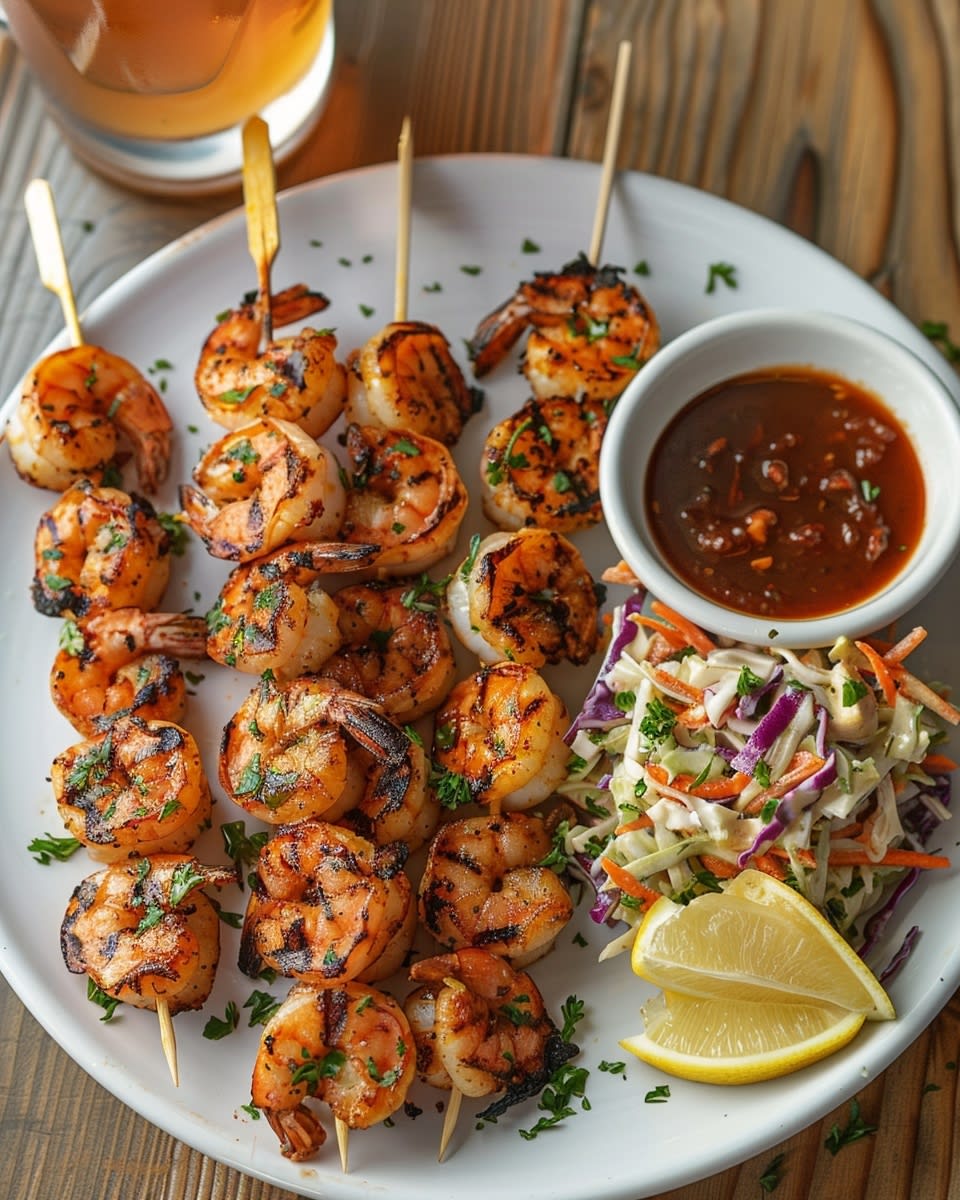
Last summer, I served these sweet and spicy grilled shrimp skewers at a backyard party. My neighbor took one bite and actually closed his eyes. When he opened them, he said it was the best thing he’d eaten all month. That’s the power of the right balance between heat and sweetness on perfectly grilled shrimp.
Welcome to my kitchen! Today, I’m excited to share with you a recipe that’s close to my heart: sweet and spicy grilled shrimp skewers. This dish is not just a treat for the taste buds but also a delightful way to bring some zing to your summer grilling. The combination of caramelized sweetness and bold spice creates something magical on the grill.
I love this recipe because it’s simple but impressive. You can have these skewers ready in under 30 minutes, yet everyone will think you spent hours in the kitchen. They work perfectly as an appetizer or main course. I’ve served them at casual weeknight dinners and fancy gatherings. Every single time, people ask for the recipe. The sweet and spicy flavor combination appeals to almost everyone, even picky eaters in my family.
The Basics of Sweet and Spicy Grilled Shrimp Skewers
What makes sweet and spicy grilled shrimp skewers so special? It’s all about the contrast. The shrimp gets slightly charred on the grill, which adds a smoky depth. Then you have the sweet elements that caramelize and create these crispy, candy-like edges. The spice cuts through all that sweetness and wakes up your taste buds. It’s a flavor party that keeps you reaching for another skewer.
The beauty of this spicy grilled shrimp recipe is its flexibility. You can adjust the heat level to match your crowd. Got someone who can’t handle spice? Dial it back. Have a friend who lives for heat? Crank it up. The sweet and spicy shrimp sauce sticks to every curve of the shrimp, creating perfect flavor in every bite.
If you’ve ever tried a spicy grilled shrimp bobby flay recipe, you know that restaurant-quality flavor is possible at home. My version draws inspiration from asian sweet and spicy shrimp but with a twist that makes it perfect for the grill. Some people prefer a sweet and spicy shrimp stir fry, but grilling adds that irreplaceable smoky char that you just can’t get in a pan.
The key ingredients work together like a well-rehearsed band. Fresh shrimp is your star performer. Then you need something sweet, which could be honey, brown sugar, or even maple syrup. The spice comes from various sources like red pepper flakes, cayenne, or fresh chilies. I also add garlic and ginger for depth. A splash of soy sauce brings saltiness and that savory base that ties everything together.
The preparation process is straightforward. You make a marinade or sauce with your sweet and spicy elements. Toss the shrimp in it. Thread them onto skewers. Grill them for just a few minutes per side. The shrimp cook quickly, which means you’re never far from eating. This quick cooking time also means you can make these even on busy weeknights.
Choosing the Right Shrimp
Picking the right shrimp makes a huge difference in your final dish. I learned this the hard way when I used tiny shrimp that fell through my grill grates. Not fun. Now I stick to medium to jumbo sizes. For skewers, I prefer 16-20 count or 21-25 count per pound. These sizes are big enough to stay on the skewer and develop a nice char without overcooking.
Size matters when you’re grilling. Larger shrimp give you more room for error. They won’t turn rubbery as quickly as small ones. Plus, they look more impressive on the plate. Jumbo shrimp work great if you’re making these as a main course. Medium shrimp are perfect for appetizers.
Freshness is critical with any seafood. Fresh shrimp should smell like the ocean, clean and slightly briny. They should never smell fishy or like ammonia. If you’re buying frozen shrimp, which is perfectly fine, look for ones without ice crystals in the bag. Ice crystals mean they’ve been thawed and refrozen. The texture won’t be as good.
I check the color too. Good shrimp have a translucent gray-green or pink color depending on the variety. Avoid any with black spots or discoloration. The flesh should look firm and glossy, not mushy or dull.
Now let’s talk about the shell question. Should you use spicy grilled shrimp with shell on or peel them first? Both options have their place. Shrimp with shells on protect the meat from direct heat. This gives you juicier shrimp that’s harder to overcook. The shells also add flavor during grilling. Some people love peeling their shrimp at the table. It makes the meal more interactive and casual.
The downside of shells is that your marinade can’t penetrate the meat as well. Your guests also need to work for their food, which isn’t always ideal. At a fancy dinner party, I go with peeled shrimp. At a casual cookout, I sometimes leave the shells on.
My usual approach is a compromise. I peel the shrimp but leave the tail on. This gives you a handle to hold while eating. The meat gets fully exposed to the marinade and the grill. You still get that visual appeal of the whole shrimp. For cajun grilled shrimp or any heavily spiced version, peeled shrimp lets those spices coat every bit of the meat.
Cleaning and preparing shrimp is simple once you know the steps. If your shrimp are frozen, thaw them in the fridge overnight or run them under cold water for quick thawing. Never use hot water because it starts cooking the shrimp unevenly.
To peel shrimp, grab the legs and pull them off. The shell usually comes with them. Pinch the tail and gently pull the body out. If you’re leaving tails on for presentation, stop before removing that last segment. Next comes deveining. That dark line running down the back is the digestive tract. It’s not harmful, but it can be gritty and doesn’t look appetizing.
Use a small knife to make a shallow cut along the back of the shrimp. Pull out that dark vein with the tip of your knife or your fingers. Rinse the shrimp under cold water. Pat them completely dry with paper towels. Wet shrimp won’t absorb your marinade well and they won’t get that nice char on the grill.
Once your shrimp are prepped, keep them cold until you’re ready to marinate. I usually prep my shrimp right before making the sweet and spicy shrimp sauce. This keeps everything fresh and limits the time the raw shrimp sits around.


Crafting the Perfect Sweet and Spicy Sauce
Now that your shrimp are prepped and ready, let’s talk about the real star of this show: the sweet and spicy shrimp sauce.
Here’s the thing about balance. A great sweet and spicy sauce isn’t just sweet with some heat tossed in as an afterthought. It’s a conversation between flavors where neither side dominates. I’ve tasted versions where the sweetness overwhelms everything else and you might as well be eating candy. I’ve also had versions that are just brutal heat with no relief. Neither works. What you want is that back-and-forth dance where the sweetness hits first, then the heat builds, and they play off each other in a way that makes you want another bite immediately.
The foundation of my sweet and spicy shrimp recipe starts with honey. I prefer it over white sugar because honey brings this floral complexity that regular sugar just doesn’t have. Brown sugar works too if you want a deeper molasses flavor, but honey is my go-to. You’ll need about a quarter cup for a pound of shrimp. That sounds like a lot, but remember it’s getting diluted with other ingredients.
Next comes soy sauce, which might seem like an odd choice if you’re thinking American-style barbecue. But trust me on this one. Soy sauce adds saltiness, sure, but it also brings this savory depth called umami that makes everything taste richer. I use about three tablespoons. If you’re watching sodium, go with low-sodium soy sauce. You can always add salt later, but you can’t take it away.
For the spice element, I combine chili flakes with a bit of cayenne pepper. The chili flakes give you visible heat, which looks great on the finished shrimp. Cayenne distributes more evenly and provides that underlying warmth. Start with a teaspoon of chili flakes and half a teaspoon of cayenne. You can adjust from there. I also add fresh minced garlic, about four cloves, and a tablespoon of freshly grated ginger. These aromatics make the sauce smell incredible while it’s cooking.
A splash of rice vinegar, maybe two tablespoons, cuts through the richness and adds brightness. Some lime juice works too if you don’t have rice vinegar. Finally, I whisk in a tablespoon of sesame oil at the end. This adds a nutty aroma that takes the whole thing up a notch. Similar to how I approach the marinade for my grilled honey garlic chicken skewers, building layers of flavor is what creates that restaurant-quality taste.
Making the sauce takes maybe five minutes. Combine your honey, soy sauce, rice vinegar, garlic, ginger, chili flakes, and cayenne in a small saucepan. Heat it over medium until it starts to bubble gently. Let it simmer for about two minutes. The sauce will thicken slightly and the raw garlic flavor will mellow out. Turn off the heat and stir in the sesame oil. That’s it. Let it cool for a few minutes before tossing with your shrimp.
By the way, you can make a bigger batch of this sauce and keep it in the fridge for up to a week. I sometimes double or triple the recipe because it’s fantastic on other proteins too. Try it on chicken wings or pork chops. Actually, speaking of pork, this sauce would be an interesting twist on something like smoked BBQ pulled pork if you’re feeling adventurous.
Now about variations. The asian sweet and spicy shrimp version I just described is my standard approach, but you can absolutely go in a different direction. For a cajun grilled shrimp style, swap out the soy sauce for Worcestershire sauce. Replace the ginger with smoked paprika. Add some dried oregano and thyme. Keep the honey for sweetness but use hot sauce instead of chili flakes for that Louisiana-style heat. You’ll get a completely different flavor profile that’s equally delicious.
I’ve also done a tropical version with pineapple juice, brown sugar, and habanero peppers. The fruit sweetness plays beautifully against the floral heat of habaneros. That one’s killer at summer parties. You could even try a Korean-inspired version with gochujang paste and a bit of sugar. The possibilities really are endless once you understand the basic formula of sweet plus heat plus acid plus aromatics.
Preparing the Shrimp Skewers
Marinating time is where people often mess up. With shrimp, less is more. These aren’t tough cuts of meat that need hours to break down. Shrimp are delicate. If you leave them in an acidic marinade too long, they start to cook chemically, similar to ceviche. The texture gets mushy and weird. For this sweet and spicy shrimp recipe, I marinate for fifteen to thirty minutes max. That’s enough time for the flavors to penetrate without compromising texture.
Put your cleaned shrimp in a bowl and pour about two-thirds of your cooled sauce over them. Toss everything together until each shrimp is coated. Cover the bowl with plastic wrap and stick it in the fridge. Set a timer so you don’t forget about them. While the shrimp are marinating, you can prep your grill and get your skewers ready.
Speaking of skewers, you’ve got two options: bamboo or metal. Bamboo skewers are cheap and disposable, which is nice for parties. The downside is they burn on the grill. If you go with bamboo, soak them in water for at least thirty minutes before using. This helps prevent burning, though they’ll still char a bit. Metal skewers don’t burn and they conduct heat, which can help cook the shrimp from the inside. They’re also reusable, which is better for the environment. I have a set of flat metal skewers that I love because the shrimp don’t spin around when you flip them.
Funny enough, the way you thread shrimp onto skewers actually matters for even cooking. Don’t just poke the skewer through once. That creates a C-shape that cooks unevenly. Instead, thread the skewer through the thick part near the tail, then again through the thinner part near the head. This straightens out the shrimp and gives you two points of contact. Everything cooks evenly and the shrimp won’t spin when you try to flip them.
Leave a tiny bit of space between each shrimp on the skewer. If they’re packed too tightly, the sides that touch won’t get that nice char. I usually fit about five or six medium-large shrimp per skewer. Don’t overcrowd. You want heat to circulate around each piece. The same principle applies whether you’re making these or preparing smoky BBQ chicken drumsticks on the grill.
Once your skewers are assembled, set them on a plate or tray. Brush them with a little extra marinade. You can also season them with a pinch of salt and black pepper at this point, though the soy sauce in the marinade usually provides enough salt.
Pre-grill prep is where many people skip steps and then wonder why their food sticks or cooks unevenly. First, your grill needs to be clean. Old crud from previous grilling sessions will make your shrimp stick. Use a grill brush to scrape down the grates while they’re heating up. The heat makes old food easier to remove.
Preheating is crucial. You want your grill screaming hot for shrimp. We’re talking about 450 to 500 degrees Fahrenheit. At this temperature, the shrimp get that beautiful char and caramelization quickly without overcooking. I heat my grill for at least ten to fifteen minutes before cooking. If you’re using charcoal, wait until the coals are covered with white ash. For gas grills, set all burners to high and close the lid while it preheats.
Right before you put the shrimp on, oil the grill grates. I fold up a paper towel, grab it with long tongs, dip it in vegetable oil, and rub it across the grates. Do this carefully because oil can cause flare-ups. This thin layer of oil creates a non-stick surface. Some people oil the shrimp instead of the grill. That works too, but I find oiling the grates gives me better results.
Keep your reserved sauce nearby. You’ll want it for basting during cooking and for serving alongside the finished skewers. The combination of proper marinating, careful skewer assembly, and correct grill prep sets you up for success. These steps might seem fussy, but they’re what separate okay grilled shrimp from the kind that makes people ask for seconds. Much like preparing BBQ bacon cheeseburger sliders, the prep work makes all the difference in the final result.


Grilling Techniques for Perfect Results
Alright, your grill is hot, your shrimp are marinated and skewered, and you’re ready to cook. This is where the magic happens, but also where things can go wrong fast. Shrimp cook incredibly quickly. We’re talking minutes, not tens of minutes. The difference between perfect and rubbery is literally thirty seconds. No pressure, right?
Place your skewers on the hottest part of the grill. You should hear an immediate sizzle. That’s what you want. If you don’t hear that sound, your grill isn’t hot enough. Close the lid? I actually don’t for shrimp. They cook so fast that I want to watch them the whole time. Closing the lid can lead to overcooking before you realize what’s happened.
For a proper spicy grilled shrimp recipe, getting that char is everything. The char isn’t just about looks, though those grill marks are gorgeous. It’s about flavor. That slightly burned, caramelized edge where the sugars in your marinade meet intense heat creates this incredible depth. To get good char, resist the urge to move the shrimp around. Let them sit undisturbed for about two to three minutes on the first side. You’ll see the edges start to turn pink and opaque. The underside should have visible grill marks.
Here’s where people panic and flip too early. Wait until you can easily slide a spatula or tongs under the shrimp. If they’re sticking, they’re not ready to flip. When they’ve developed enough char, they’ll release naturally from the grates. Flip each skewer carefully. You want to maintain those beautiful marks you just created.
The second side needs less time than the first, usually about two minutes. While the second side cooks, this is when I brush on extra sauce. The heat will caramelize that fresh layer of sweet and spicy shrimp sauce and create this glossy, sticky coating. Don’t do this too early or the sugars will burn and taste bitter.
Timing is everything with shrimp. I’ve made the mistake of walking away to grab a drink and coming back to find my shrimp had gone from perfect to overcooked. Now I set a timer on my phone. For medium to large shrimp, figure on four to five minutes total cooking time. Jumbo shrimp might need six minutes. Small shrimp could be done in three. Every grill is different, so these are guidelines, not absolutes.
Checking for doneness is straightforward once you know what to look for. Raw shrimp are gray and translucent. As they cook, they turn pink and opaque. The shape changes too. Raw shrimp are relatively straight. Cooked shrimp curl into a loose C-shape. When they curl into a tight O-shape, you’ve gone too far. They’re overcooked and will be tough. Pull them off when they’re in that relaxed C-shape and still have a little translucency in the very center. They’ll finish cooking from residual heat after you remove them from the grill.
Another indicator is firmness. Raw shrimp are soft and squishy. Perfectly cooked shrimp are firm but still have some give when you press them. Overcooked shrimp feel hard and rubbery. After you’ve made these a few times, you’ll be able to tell just by touch.
The biggest mistake I see people make is leaving shrimp on the grill too long because they’re worried about undercooking. I get it. Nobody wants to serve raw seafood. But honestly, shrimp cook so fast that undercooking is harder to do than overcooking. Trust the visual cues. Pink and opaque with a C-shape means they’re done. Get them off the heat.
One trick I learned from watching a spicy grilled shrimp bobby flay segment years ago is the ice bath technique. If you’re cooking for a crowd and need to grill multiple batches, you can slightly undercook the first batch, shock them in ice water to stop the cooking, then give them a quick reheat on the grill when you’re ready to serve everything together. This keeps them juicy and prevents that second round from becoming overcooked rubber bands.
Temperature matters beyond just how hot your grill is. If your shrimp are ice cold from the fridge when they hit the grill, they’ll cook unevenly. The outside will char before the inside is done. I take my marinated shrimp out of the fridge about ten minutes before grilling. They come up to a cooler room temperature, which promotes even cooking. According to the dietary guidelines for safe food handling, you shouldn’t leave raw seafood out for more than two hours total, but ten to fifteen minutes is perfectly safe and makes a real difference in cooking quality.
Now let’s talk about what happens after they come off the grill. Don’t just throw them on a plate and serve immediately. Let them rest for a minute or two. This gives the juices time to redistribute. I place the skewers on a serving platter and brush them with any remaining sauce that hasn’t touched raw shrimp. A squeeze of fresh lime juice right before serving brightens everything up.
Serving Suggestions
Sweet and spicy grilled shrimp skewers are versatile enough to serve as an appetizer or a main course. As an appetizer, I usually plan on two to three skewers per person. For a main course, figure four to five skewers per person depending on the size of your shrimp.
Side dishes should complement the bold flavors without competing. I love serving these with coconut rice. The subtle sweetness and creamy texture balance the heat beautifully. Cook jasmine rice in a mixture of coconut milk and water. Add a pinch of salt. The result is this lightly sweet, fragrant rice that soaks up any extra sauce that drips off the shrimp.
A simple cucumber salad works great too. Slice cucumbers thin, toss them with rice vinegar, a tiny bit of sugar, sesame seeds, and a pinch of salt. The cool, crisp cucumber provides relief from the spice while the vinegar echoes the tangy notes in your marinade. I’ve served this combination dozens of times and it always works.
Grilled vegetables are another solid choice. Zucchini, bell peppers, and red onions all take well to the grill and their slight char matches the shrimp. Cut them into large pieces, toss with olive oil and salt, and grill them alongside your shrimp skewers. You can even thread them on separate skewers if you want everything to match.
For something heartier, consider fried rice or lo mein noodles. The asian sweet and spicy shrimp flavors pair naturally with these dishes. Actually, if you make extra shrimp, you can chop them up and toss them into a sweet and spicy shrimp stir fry the next day for leftovers. Waste not, want not.
Don’t forget about bread. A crusty baguette or some grilled flatbread is perfect for soaking up the sauce. I’ve even put these shrimp on slider buns with some coleslaw for a casual sandwich situation. The possibilities really open up once you start thinking creatively.
For drinks, something cold and slightly sweet works best. An ice-cold beer, especially a light lager or wheat beer, cuts through the richness. If you prefer cocktails, a margarita or mojito complements the flavors nicely. Even a simple glass of iced tea with lemon is refreshing alongside the heat.
Presentation matters more than people think. I arrange the skewers on a large platter in a single layer so each one looks appetizing. Garnish with chopped cilantro, sliced green onions, or sesame seeds. A few lime wedges scattered around give people the option to add extra citrus. If you have any extra sauce, serve it in a small bowl on the side for dipping. Some people love extra sauce and some don’t, so having it available keeps everyone happy.
By the way, if you’re building a whole grilling menu and looking for other crowd-pleasers, you might want to check out more ideas in the BBQ and grilling section for inspiration on what else to throw on those hot grates.
One last thing about serving these skewers: they’re best enjoyed hot off the grill. The texture changes as they cool. They’re still good at room temperature, but that just-grilled warmth with the caramelized edges is peak deliciousness. If you’re hosting, time your grilling so these come off right before you want to eat. Your guests can nibble on other things while you’re at the grill, then you bring out the hot skewers and everyone gets excited.
These sweet and spicy grilled shrimp skewers have become one of my most-requested recipes for good reason. They’re quick enough for a weeknight but impressive enough for company. The flavor combination satisfies multiple taste preferences at once. And honestly, there’s something about food on a stick that just makes people happy. Whether you stick with the asian-inspired version I’ve outlined or adapt it with cajun grilled shrimp spices, you’re going to end up with something delicious. The techniques are the same regardless of which flavor direction you choose. Hot grill, quick cooking, don’t walk away, and pull them off before you think you need to. Follow those rules and you’ll nail it every time.
Frequently Asked Questions
Can I use different types of shrimp for this recipe?
Absolutely, you can use whatever shrimp you have access to. Wild-caught gulf shrimp have amazing flavor but can be pricey. Farm-raised shrimp from responsible sources work great too. Tiger shrimp, white shrimp, pink shrimp—they all take to this marinade beautifully. The key is size, not variety. Stick with medium to jumbo sizes for skewers so they don’t fall through the grill grates. Fresh or frozen both work as long as the frozen ones are properly thawed and dried before marinating.
How do I make the sauce less spicy?
Dialing back the heat is easy. Start by cutting the cayenne pepper in half or leaving it out entirely. Reduce the chili flakes to half a teaspoon or use milder chili powder instead. You can also increase the honey or add a tablespoon of ketchup, which adds sweetness and tomato flavor that mellows everything out. Another trick is adding a splash of coconut milk to the sauce, which tames the heat while adding richness. Taste as you go and adjust until you hit the right balance for your preference.
What are some good side dishes to serve with sweet and spicy grilled shrimp skewers?
Coconut rice is my top choice because it complements the flavors perfectly. A fresh cucumber salad with rice vinegar adds cool crunch. Grilled vegetables like zucchini, bell peppers, and asparagus work great. Asian-style coleslaw with a ginger dressing is refreshing. For something heartier, try fried rice, lo mein noodles, or even a simple green salad with sesame dressing. Cornbread or grilled flatbread is perfect for soaking up extra sauce. The goal is something that either balances the heat or complements the sweet and spicy profile without overwhelming it.
Is it better to use wooden or metal skewers?
Both have advantages. Metal skewers don’t burn, they last forever, and they conduct heat which can help cook food from the inside. Flat metal skewers keep food from spinning when you flip them. Bamboo skewers are cheap, disposable, and great for parties where you don’t want to worry about collecting them afterward. If you use bamboo, soak them in water for at least thirty minutes before grilling to prevent burning. I own both and choose based on the situation. For casual weeknight cooking, I grab my metal ones. For big parties, I use bamboo for convenience.
How can I make this recipe more kid-friendly?
Kids often struggle with spicy food, so adjust the heat level down significantly. Leave out the cayenne and reduce chili flakes to just a pinch for color. Increase the honey to make it sweeter, which most kids love. You can make two batches—one spicy for adults and one mild for kids. Let children help thread the shrimp on skewers, which gets them excited about eating what they helped make. Serve with familiar sides like rice or buttered noodles. You might even skip the sauce for the kids’ portions and just brush the shrimp with a little butter, garlic, and honey.
Can I bake these instead of grilling?
Yes, you can absolutely bake these if you don’t have a grill or the weather isn’t cooperating. Preheat your oven to 425 degrees Fahrenheit. Arrange the skewers on a baking sheet lined with foil or parchment paper. Bake for about eight to ten minutes, flipping halfway through, until the shrimp are pink and opaque. You won’t get the same smoky char, but the flavors will still be delicious. For a closer approximation of grilled flavor, turn on your broiler for the last two minutes to caramelize the sauce. Just watch them closely so they don’t burn.
How long do leftovers last?
Cooked shrimp keep in the fridge for up to three days in an airtight container. The texture won’t be quite as good reheated, but they’re still tasty. I sometimes eat leftover shrimp cold in a salad or wrap. If you want to reheat them, use a skillet over medium heat for just a minute or two until warmed through. Don’t microwave them because that makes shrimp rubbery. You can also chop up leftover shrimp and toss them into fried rice or pasta. I don’t recommend freezing cooked shrimp because the texture suffers significantly when thawed.
Can I prep these ahead of time?
You can definitely prep components ahead. Make the sauce up to a week in advance and store it in the fridge. Clean and devein the shrimp the day before and keep them refrigerated. Thread them onto skewers the morning of your cookout and keep them covered in the fridge. Don’t marinate them more than thirty minutes before grilling though, or the acid will start breaking down the texture. If you need everything ready hours in advance, keep the shrimp and sauce separate until shortly before cooking. This way you get maximum flavor without compromising texture.
What if I don’t have a grill?
No grill, no problem. A grill pan on your stovetop works surprisingly well. Heat it over high heat until smoking hot, then cook the skewers the same way you would on an outdoor grill. You’ll get grill marks and some caramelization. A regular skillet works too, though you won’t get the same charred effect. Another option is a countertop electric grill. Even your oven’s broiler can work in a pinch. The flavor will be slightly different without that outdoor grill smoke, but the sweet and spicy sauce carries so much flavor that they’ll still be delicious.
Can I use this sauce on other proteins?
This sweet and spicy shrimp sauce is incredibly versatile. It’s fantastic on chicken thighs or wings. Pork chops take to it beautifully. I’ve even used it on salmon with great results. Tofu works for a vegetarian option—just press it well and marinate longer since tofu can handle extended marinating time. The sauce is also great as a stir-fry sauce for vegetables. Really, any protein that benefits from sweet and spicy flavors will work. Just adjust cooking times based on what you’re making since different proteins have different requirements.
Fire up that grill and give these sweet and spicy grilled shrimp skewers a try this weekend. You’ll be amazed at how something so simple can taste so incredible, and your friends and family will definitely be asking you to make them again.
Ingredients
Equipment
Method
- Décongeler les crevettes sous l'eau froide si elles sont congelées, puis les nettoyer et les déveiner.
- Dans une petite casserole, mélanger le miel, la sauce soja, le vinaigre de riz, l'ail, le gingembre, les flocons de piment et le poivre de Cayenne.
- Chauffez la sauce à feu moyen jusqu'à ce qu'elle frémisse doucement, puis laissez mijoter pendant 2 minutes.
- Incorporer l'huile de sésame et laisser refroidir la sauce pendant quelques minutes.
- Placer les crevettes nettoyées dans un bol et les mélanger avec deux tiers de la sauce refroidie.
- Couvrir et mariner les crevettes au réfrigérateur pendant 15 à 30 minutes.
- Préchauffer le gril à 450-500°F (nettoyer les grilles et les huiler).
- Enfiler les crevettes sur des brochettes, en veillant à ce qu'elles soient espacées pour une cuisson uniforme.
- Placer les brochettes sur le gril sans retourner immédiatement ; laisser cuire pendant 2-3 minutes.
- Retourner les brochettes avec précaution et badigeonner avec la sauce restante ; cuire encore 2 minutes jusqu'à ce que les crevettes soient opaques et roses.
- Retirer du gril, laisser reposer une minute, et servir avec la sauce restante.