
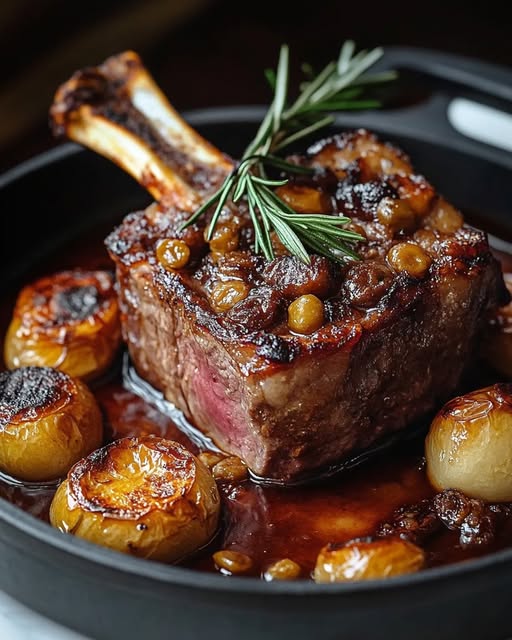
Oven-Braised Beef Shank: Your New Favorite Cozy Dinner
Let me tell you about the day I discovered the magic of oven-braised beef shank. It was a chilly Sunday, and I wanted something that felt like a warm hug. I had these funny-looking cuts of meat in the fridge—my butcher called them “souris” or “beef shanks.” Three hours later, my kitchen smelled like a French bistro, and the meat was so tender it fell right off the bone. My family went silent, in that wonderful, totally-focused-on-eating way. That’s the power of this dish. It’s not just cooking; it’s a little bit of kitchen alchemy.
The Humble History of Braised Beef Shank
This recipe comes from a wonderful tradition of “nose-to-tail” cooking, where no part of the animal is wasted. The shank is a hard-working muscle from the leg, so it’s tough. But clever cooks long ago figured out that slow, gentle cooking in a bit of liquid transforms it into something luxurious. In France, where it’s called “Souris de Bœuf” (literally “beef mouse” because of its shape!), it’s a classic of home cooking and rustic bistros. My version sticks to that rustic spirit—garlic, herbs, and time do all the work.
Why You’ll Fall in Love With This Braised Beef
You’ll love this because it’s forgiving and impressive. Forget about fancy techniques. You just brown the meat and let the oven do the rest. The reward is incredible: meat so tender you can cut it with a spoon, bathed in a rich, aromatic sauce. It fills your home with the most comforting smell. It’s also surprisingly affordable for a cut that eats like a luxury. This is the recipe you make when you want a “wow” with minimal fuss.
The Perfect Moments for Braised Beef Shank
This dish is your secret weapon for making moments special. It’s perfect for a leisurely Sunday family supper. It’s a star at casual dinner parties because you do all the work ahead of time. Want to impress your in-laws? This is your go-to. It’s also my favorite for holiday meals when I want something different from turkey or ham. Just pop it in the oven, enjoy your guests, and serve a masterpiece.
What You’ll Need for Your Oven-Braised Beef
Gathering simple, quality ingredients is the first step to success. Here’s your shopping list for 4 happy people:
- 4 beef shanks (about 1 inch thick)
- 8 whole garlic cloves, unpeeled
- 3 tablespoons olive oil
- 1 large sprig of fresh rosemary
- 2 large sprigs of fresh thyme
- 1 cup chicken or beef broth
- 1/2 cup water (or dry white wine for extra flavor)
- Salt and black pepper
- 1 tablespoon honey (optional, for a sweet touch)
No Worries! Easy Ingredient Swaps
Don’t stress if you’re missing something. Cooking is about adaptability!
- No fresh herbs? Use 1 teaspoon each of dried rosemary and thyme.
- Out of broth? Just use 1.5 cups of water with an extra pinch of salt.
- Don’t like garlic? Use a whole peeled onion, quartered.
- Skip the honey? It adds a lovely depth, but the dish is still fantastic without it.
Let’s Cook! Step-by-Step to Perfect Oven-Braised Beef Shank
Put on some music, pour yourself a drink, and let’s get started. This is the fun part.
Step 1: Wake Up Your Oven
First things first, preheat your oven to 300°F (150°C). This low and slow temperature is the absolute key to tender beef shank. It’s not a race. We’re going to gently coax the toughness out of the meat over several hours. While it warms up, take your beef shanks out of the fridge. Letting them sit for 15 minutes takes the chill off and helps them brown beautifully.
Step 2: Give the Beef Shank a Golden Tan
Pat the shanks completely dry with paper towels. This is crucial for browning, not steaming! Generously rub them all over with salt and pepper. Heat the olive oil in a large, heavy oven-safe pot or Dutch oven over medium-high heat. When the oil shimmers, add the shanks. You should hear a happy sizzle. Don’t crowd them. Let them cook untouched for 4-5 minutes per side until you get a deep, crusty, brown sear. This flavor is the foundation of your entire sauce. Pro tip: Use tongs to sear the edges too!
Step 3: Build Your Flavor Base
Once the shanks are beautifully browned, remove them to a plate. Don’t clean the pot! Those browned bits are flavor gold. Toss in the whole garlic cloves, rosemary, and thyme. They’ll sizzle and immediately smell amazing. Now, nestle the beef shanks back in on top of this aromatic bed. Pour in the broth and water (or wine). The liquid should come about halfway up the sides of the meat. Drizzle the optional honey over the top for a subtle sweet glaze.
Step 4: The Long, Slow, Magical Braise
Cover the pot tightly with its lid or a double layer of heavy-duty aluminum foil. Carefully place it in your preheated oven. Now, walk away for 3 hours. Seriously, just let it be. The magic happens now as the collagen melts into gelatin. About halfway through, you can peek and spoon some of the cooking juices over the top. For extra color, remove the lid, increase the oven temp to 350°F (180°C), and cook for the final 30 minutes uncovered.
Step 5: The Grand Finale
Carefully remove the pot from the oven. See how the meat has shrunk back from the bone? That’s a sign of perfection. Using tongs, transfer the shanks to a warm platter. Tent them loosely with foil and let them rest for 10 minutes. This allows the juices to settle back into the meat. Meanwhile, you can skim any excess fat from the surface of the sauce if you like. Serve each shank with plenty of that incredible garlic-herb jus poured right over the top.
Planning Your Time: It’s Mostly Hands-Off!
Don’t let the clock scare you. This is active cooking for you, passive cooking for the oven.
- Prep Time: 15 minutes
- Cook Time: 3 hours 30 minutes
- Resting Time: 10 minutes
- Total Time: About 3 hours 55 minutes
My Secret Chef’s Tip
For an incredibly rich, restaurant-style sauce, after removing the meat, strain the cooking juices into a saucepan. Simmer it on the stovetop until it reduces and thickens slightly. Whisk in a small pat of cold butter at the end for a silky, glossy finish. It’s a game-changer!
A Fun Fact About Your Dinner
That amazing, sticky, tender texture comes from a protein called collagen. Through the long, moist heat of braising, it breaks down into gelatin. This is what gives the meat its “fall-off-the-bone” quality and makes the sauce so luxuriously mouth-coating. It’s edible science magic!
Gear You’ll Need
You don’t need fancy equipment, just a few basics:
- A large, heavy-bottomed Dutch oven or oven-safe pot with a tight-fitting lid.
- Tongs for handling the meat.
- A wooden spoon or spatula.
- Measuring cups and spoons.
Storing Your Delicious Leftovers
Let the braised beef shank and sauce cool completely to room temperature. Transfer them to an airtight container. The fatty sauce actually helps preserve the meat. It will keep beautifully in the refrigerator for up to 4 days.
This dish freezes exceptionally well. Portion the meat and sauce into freezer-safe bags or containers. Squeeze out all the air, label it, and freeze. It will be good for up to 3 months. The flavors often deepen and improve after a day in the fridge!
To reheat, thaw overnight in the fridge if frozen. Warm gently in a covered saucepan over low heat on the stovetop, adding a splash of water or broth if the sauce seems too thick. You can also reheat it in the microwave, covered, using short bursts and stirring in between.
My Best Tips for Success
- Dry the meat: Always pat your shanks dry before seasoning. Moisture is the enemy of a good sear.
- Don’t rush the brown: A proper sear takes time. Wait until the meat releases easily from the pot before flipping.
- Low and slow is law: Resist the urge to crank up the oven. High heat will make the meat tough and dry.
- Rest is best: Letting the meat rest after cooking ensures every bite is juicy.
Make It Look Fancy on the Plate
Presentation makes the meal even more special. Try these ideas:
- Serve on a bed of creamy mashed potatoes or soft polenta to soak up the sauce.
- Place the shank on a white plate and spoon the glossy sauce around it. Garnish with a fresh sprig of the herb you used.
- Add vibrant color with a side of simple steamed green beans or glazed carrots.
- For a rustic touch, serve it right in the Dutch oven at the table.
6 Tasty Ways to Mix It Up
Love this method? Here are other ways to use it:
- Italian-Style Braised Beef Shank (Osso Buco): Swap the herbs for a “gremolata” mix. Use white wine, canned tomatoes, and add a bay leaf. Garnish with lemon zest and parsley.
- Asian-Inspired Braised Shank: Use soy sauce, star anise, a chunk of ginger, and a bit of brown sugar in the braising liquid instead of herbs. Serve with rice and bok choy.
- Red Wine & Mushroom Braise: Replace all the liquid with a full-bodied red wine like Cabernet. Add a handful of sliced cremini mushrooms in the last hour of cooking.
- Smoky & Spicy Chipotle Shank: Add 1-2 chopped chipotle peppers in adobo sauce to the pot. Use orange juice for half the liquid. It’s incredible in tacos the next day.
- Lighter Lemon & Herb Braise: For a brighter flavor, use all chicken broth, add strips of lemon zest, and fresh tarragon. It’s wonderfully spring-like.
- Hearty Root Vegetable Stew: Add chunks of carrot, parsnip, and potato to the pot around the shank during the last 1.5 hours of cooking for a complete one-pot meal.
Common Mistakes to Avoid With Oven-Braised Beef Shank
Avoiding these simple pitfalls will guarantee a perfect result every single time.
Skipping the Sear
This is the biggest flavor robber. That deep brown crust, called the Maillard reaction, creates hundreds of new, delicious flavor compounds. If you just dump the raw meat into liquid, it will taste boiled and bland. Take the time to get a good, dark sear on all sides. It builds the foundation for your entire sauce.
Using the Wrong Pot
A thin, flimsy pot will cause the heat to be uneven. The bottom might burn while the top doesn’t cook properly. You need a heavy, oven-safe pot like a Dutch oven. Its thick walls distribute heat gently and evenly, which is essential for the long braising process. It also holds moisture in beautifully.
Cooking at Too High a Temperature
Impatience is the enemy of braised beef shank. High heat will cause the muscle fibers to contract violently and squeeze out all their moisture, leaving you with tough, dry, stringy meat. The collagen needs a low, gentle heat over a long time to melt properly. Trust the process and keep that oven at a low 300°F.
Not Letting the Meat Rest
You’ve been so patient for hours, don’t ruin it now! Cutting into the shank right out of the oven will cause all the precious juices to run out onto the plate, not stay in the meat. Let it rest on a warm platter, tented with foil, for at least 10 minutes. This allows the fibers to relax and reabsorb the juices, ensuring every bite is succulent.
Over-Salting the Braising Liquid
The liquid reduces significantly during the long cooking time. If you salt it as if it were a soup, it will become way too salty by the end. Season the meat well before searing, but go easy on the salt in the braising liquid. You can always adjust the seasoning at the very end, after you’ve tasted the reduced sauce.
Your Oven-Braised Beef Shank Questions, Answered
Can I make oven-braised beef shank ahead of time?
Absolutely, and it might even taste better! Braised dishes are fantastic for making ahead. Let it cool completely, then store it covered in the refrigerator for up to two days. The flavors have more time to meld and deepen. When you’re ready to serve, gently reheat it on the stovetop over low heat until warmed through. You may need to add a small splash of broth or water if the sauce has thickened too much in the fridge.
What’s the best side dish to serve with beef shank?
You want something that can soak up that incredible sauce. Creamy mashed potatoes are a classic and perfect pairing. Buttery polenta or soft egg noodles work wonderfully too. For something lighter, try a fluffy pile of couscous or a crusty piece of bread. Don’t forget a simple green vegetable, like steamed broccoli or a crisp salad, to balance the richness of the meat.
My sauce is too thin. How can I thicken it?
No problem! After removing the meat, place the pot with the juices on the stovetop over medium-high heat. Let it simmer, uncovered, for 5-10 minutes. It will reduce and thicken naturally. For a quicker, more controlled thickener, mix a tablespoon of cornstarch with two tablespoons of cold water. Whisk this slurry into the simmering sauce and cook for a minute until it thickens.
Can I use a slow cooker instead of the oven?
Yes, you can adapt this for a slow cooker. Follow the steps to sear the meat and garlic in a skillet first—this step is still important for flavor. Then, transfer everything to your slow cooker. Cook on LOW for 7-8 hours or on HIGH for 4-5 hours. The meat should be extremely tender and pulling away from the bone. The sauce may be thinner, so you might want to reduce it on the stovetop afterwards.
Is beef shank the same as osso buco?
They are very similar and both come from the shank. Osso Buco is an Italian dish traditionally made with cross-cut veal shanks, which include the marrow-filled bone in the center. Beef shank is often cut as a larger, thicker piece from the same area. The cooking method for both is almost identical—a long, slow braise. You can use this exact recipe for veal shanks to make Osso Buco.
Why is my braised beef shank tough?
If your beef shank is tough, it simply hasn’t cooked long enough. The shank is a very tough cut full of connective tissue. That tissue needs sufficient time in moist heat to break down into soft, luscious gelatin. Don’t worry—you can’t really “overcook” it in a braise in the same way you can a steak. If it’s tough, just put it back in the pot, add a bit more liquid if needed, and continue cooking until it yields to a fork.
Can I substitute another cut of beef?
For this specific slow-braising method, you need a tough, collagen-rich cut. Good alternatives are chuck roast (cut into large chunks), short ribs, or brisket. Avoid lean cuts like sirloin or tenderloin—they will become dry and stringy with this long cooking time. The magic only happens with the right, inexpensive, hard-working cuts of meat.
Do I have to peel the garlic?
Not at all! Leaving the garlic cloves “en chemise” (in their shirt, or unpeeled) is a great trick. The skin protects the garlic from burning and turning bitter during the long cook. By the end, the cloves inside are soft, sweet, and mellow. You can squeeze the cooked garlic out of its skin directly onto bread or mash it into the sauce. It’s a delicious bonus.
What does “confit” mean in this context?
Traditionally, “confit” refers to slow-cooking something submerged in fat (like duck confit). In modern cooking, the term is sometimes used more loosely for any slow, low-temperature cooking method that results in a very tender, flavorful product. Here, we’re braising the beef shank in a small amount of flavorful liquid. It’s not a true confit, but it delivers that same incredibly tender, “confit”-like texture.
Can I cook this on the stovetop instead of in the oven?
You can, but the oven is better. Oven heat surrounds the pot evenly, preventing hot spots that could cause the bottom to burn during a 3-hour cook. If you must use the stovetop, use the absolute lowest possible heat, ensure you have a heavy pot with a tight-fitting lid, and check it often to make sure it’s at a bare, gentle simmer, not a boil. The oven is more hands-off and reliable.
Ready to Enjoy Your Creation
So there you have it—your guide to making the most incredible, melt-in-your-mouth oven-braised beef shank. It’s a recipe that looks fancy but is built on simple principles: a good sear, a few aromatics, and the gift of time. It’s the kind of meal that creates memories around the dinner table. I hope you and your loved ones enjoy it as much as my family does. Now, go preheat that oven and get ready for some seriously happy eaters!
Oven-Braised Beef Shank
Ingredients
Equipment
Method
- Preheat your oven to 300°F (150°C).
- Let the beef shanks sit out for 15 minutes, then pat them dry with paper towels and season with salt and pepper.
- Heat olive oil in a large, heavy oven-safe pot or Dutch oven over medium-high heat.
- Sear the beef shanks, 4-5 minutes per side, until browned, then remove to a plate.
- In the same pot, add the garlic cloves, rosemary, and thyme to infuse flavors.
- Return the beef shanks to the pot and pour in the broth and water (or wine), ensuring the liquid reaches halfway up the meat.
- Drizzle honey over the shanks if using, and cover the pot tightly.
- Place the pot in the oven for 3 hours, checking halfway through to spoon some of the juices over the meat.
- For the last 30 minutes, increase the oven temperature to 350°F (180°C) and uncover the pot.
- After 3.5 hours, remove the pot from the oven, let the shanks rest for 10 minutes, then serve with the garlic-herb jus.