
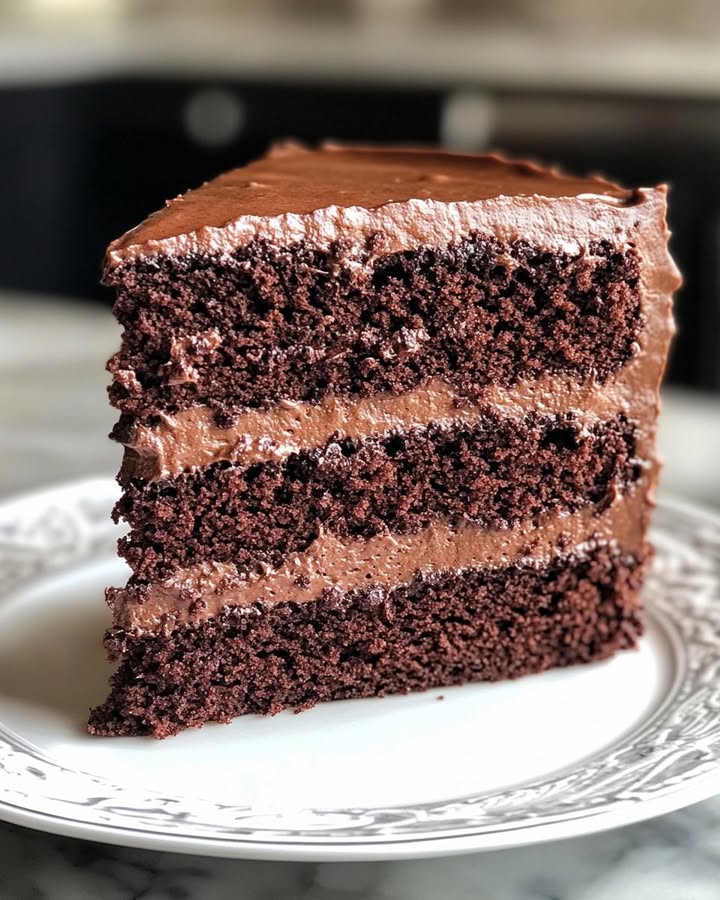
The Chocolate Cake That Tastes Like a Hug
Let me tell you a secret. For years, I chased the perfect homemade chocolate cake. I wanted that cloud-soft texture, the deep, rich flavor that makes you close your eyes on the first bite. You know, the kind that makes your kid’s birthday party the talk of the playground. After more experiments than I care to admit (some edible, some… well), I finally cracked the code. This recipe? It’s my ultimate victory cake. It’s impossibly fluffy, deeply chocolatey, and slathered in a frosting so good you’ll want to eat it with a spoon. Consider this your new go-to recipe for every celebration and “I need chocolate” moment.
A Little Slice of Chocolate History
Chocolate cake has been making days better for centuries! While early versions were dense and more like a pudding, the real game-changer was the invention of baking powder and soda in the 1800s. That’s when cakes could finally get that light, airy rise we all love. My version is a nod to the modern classic—a “devil’s food” style cake that gets its tender crumb and intense flavor from cocoa and a surprising ingredient: hot coffee. Don’t worry, it won’t taste like coffee! It just makes the chocolate sing louder. It’s the magic trick that turns a good cake into a legendary fluffy birthday sponge.
Why You’ll Fall in Love With This Chocolate Cake
You’ll love this because it works. Every. Single. Time. It’s not fussy. The batter comes together in two bowls, and the result is a cake that’s moist for days. The frosting is a dream—creamy, not too sweet, with a lovely tang from sour cream. It’s the perfect balance. This isn’t just a cake; it’s your new reliable friend for bake sales, birthdays, and “just because” Tuesdays. It’s the only chocolate cake recipe I ever use now, and my family wouldn’t have it any other way.
Perfect Occasions for This Fluffy Delight
This cake is your culinary superhero, ready for any event! Obviously, it’s the star of any birthday celebration. But don’t stop there. It’s perfect for potlucks, anniversary dinners, holiday gatherings, or as a “welcome to the neighborhood” gift. I’ve even been known to bake one just because it’s Saturday. A slice with afternoon coffee is a little moment of pure joy. Any day can be a cake day with this recipe in your back pocket.
Gathering Your Ingredients
Here’s your grocery list for chocolate happiness. Having everything measured and ready (the French call it mise en place) makes baking feel like a breeze.
Dry Ingredients:
- 1 3/4 cups all-purpose flour
- 2 cups granulated sugar
- 3/4 cup cocoa powder (I use natural, unsweetened)
- 2 tsp baking soda
- 1 tsp baking powder
- 1 tsp salt
Wet Ingredients:
- 1 cup buttermilk or half-and-half
- 1/2 cup vegetable oil
- 2 large eggs, at room temperature
- 1 tsp vanilla extract
- 1 cup hot coffee (freshly brewed or instant is fine)
For the Dreamy Frosting:
- 6 ounces semisweet chocolate, chopped
- 1 cup unsalted butter, room temperature
- 3 cups powdered sugar, sifted
- 1 pinch salt
- 1 tsp vanilla extract
- 1/2 cup sour cream
No Stress Substitutions
Out of something? Don’t panic! Baking is flexible.
- Buttermilk: Make your own! Add 1 tablespoon of lemon juice or white vinegar to 1 cup of milk. Let it sit for 5 minutes until it curdles.
- Coffee: If you totally avoid caffeine, use hot water instead. The cake will still be delicious.
- Sour Cream (in frosting): Full-fat plain yogurt is a great stand-in.
- Cocoa Powder: Dutch-processed will work, but the color and flavor will be slightly milder.
Crafting Your Fluffy Birthday Sponge: Step-by-Step
Step 1: Preheat & Prep
First, get your oven roaring to 350°F (175°C). This gives it time to reach the perfect, even temperature. Now, show your cake pans some love. Grease them generously with butter or baking spray. Then, line the bottoms with a circle of parchment paper. This little step is your insurance policy for a clean release. No more cakes stuck in the pan! Trust me on this.
Step 2: Whisk the Dry Team
Grab your biggest mixing bowl. Add the flour, sugar, cocoa powder, baking soda, baking powder, and salt. Take a whisk and stir it all together for a good 30 seconds. You’re not just mixing; you’re aerating the flour and making sure every bit of baking soda is evenly distributed. This ensures your cake rises beautifully and bakes uniformly. You’ll see the cocoa dust mixing into the flour, creating a lovely chocolatey cloud.
Pro tip: Sifting your cocoa powder can help break up any lumps for an extra-smooth batter.
Step 3: Unite the Wet Team
In a smaller bowl or large measuring cup, whisk together the buttermilk, vegetable oil, eggs, and vanilla. Watch as the golden yolks blend into the pale buttermilk, creating a smooth, creamy liquid. The oil will make it glossy. This mixture will feel rich and promise good things for your cake’s texture. Room temperature eggs blend in much more smoothly, so plan ahead!
Step 4: The Grand Batter Merge
Here’s where the magic starts. Pour the wet ingredients into the bowl of dry ingredients. Use a spatula or whisk and mix gently until they are *just* combined. Don’t overmix! A few small lumps are perfectly fine. Now, carefully pour in that cup of hot coffee. The batter will become thin and surprisingly liquid. This is exactly right! That thin batter is the secret to an incredibly moist and fluffy chocolate sponge.
Step 5: Bake to Perfection
Carefully divide the thin, dark batter between your two prepared pans. They should be about half full. Slide them into the center of your preheated oven. Now, the hard part: resist the urge to open the door for at least 30 minutes. Bake for 35-40 minutes, until a toothpick poked into the center comes out with just a few moist crumbs attached. Your kitchen will smell like a bakery heaven.
Step 6: Cool With Patience
When the cakes are done, place the pans on a wire rack and let them cool for at least 15 minutes. This lets the structure set. Then, run a knife around the edges, place the rack on top, and flip! The cakes should release easily. Peel off the parchment paper and let them cool completely. Do not frost a warm cake! You’ll create a melty, crumbly mess. I sometimes pop them in the fridge for 30 minutes to speed things up.
Step 7: Whip Up the Frosting
While the cakes cool, make the frosting. Melt the chopped chocolate and let it cool slightly. In your stand mixer, beat the room-temperature butter until it’s pale and fluffy—about 3 minutes. Gradually add the sifted powdered sugar, pinch of salt, and vanilla. Beat until smooth. In another bowl, stir the cooled chocolate into the sour cream. Then, add this chocolate mixture to the butter mixture. Beat it all together until it’s silky and dreamy. If it seems too soft, a quick 15-minute chill in the fridge will firm it up perfectly.
Step 8: Frost Your Masterpiece
Place one cake layer on your serving plate. Spread a generous dollop of frosting over the top. Add the second layer. For a clean look, do a crumb coat: spread a very thin layer of frosting all over the cake to trap any loose crumbs. Chill for 15 minutes. Then, pile on the rest of the frosting and swirl it into beautiful peaks with your spatula. You did it!
Chef’s tip: For gorgeous, sharp frosting edges, dip your offset spatula in hot water, wipe it dry, and then smooth the frosting. The warm metal makes it glide like butter.
Your Baking Timeline
- Prep Time: 25 minutes
- Cook Time: 35 minutes
- Cooling Time: 1 hour (very important!)
- Frosting Time: 20 minutes
- Total Time: About 2 hours, 20 minutes
The Secret Ingredient Isn’t in the Bowl
My number one chef’s secret? Use a kitchen scale. Measuring flour by scooping with a cup can pack in too much, leading to a dense cake. If you can, weigh your flour (1 cup is about 125 grams). It’s the single best way to guarantee consistent, perfect results every single time. It transformed my baking.
A Fun Chocolate Fact
Did you know the cocoa bean’s scientific name, Theobroma cacao, literally means “food of the gods”? I think that’s pretty fitting for this cake. We’ve been enjoying chocolate for over 3,000 years, and I can’t think of a more divine way to eat it than in a fluffy, frosted layer cake.
Equipment You’ll Need
You don’t need fancy gear! Here’s the basics:
- Two 8-inch round cake pans
- Parchment paper
- Mixing bowls (large and medium)
- Whisk and spatula
- Stand mixer or hand mixer (for frosting)
- Wire cooling rack
- Measuring cups and spoons (or a kitchen scale!)
Storing Your Cake for Lasting Freshness
To keep your cake tasting fresh, store it in an airtight cake carrier or under a cake dome at room temperature for up to 3 days. The frosting acts as a seal, keeping the sponge wonderfully moist.
If you need to store it longer, you can refrigerate it for up to 5 days. Let it sit out for 30 minutes before serving to let the frosting soften up to its creamy best. The chill can firm it up a bit.
You can also freeze this cake beautifully! Wrap unfrosted cake layers tightly in plastic wrap and then foil. Freeze for up to 3 months. Thaw overnight in the fridge before frosting. You can also freeze individual slices for a quick sweet treat.
My Best Tips & Advice
- Room temp is key: Butter, eggs, and sour cream blend best when not cold from the fridge.
- Don’t overmix the batter after adding the flour. Mix until just combined to avoid a tough cake.
- Always test for doneness with a toothpick or skewer. Oven temperatures can vary.
- If your cakes dome a lot in the center, you can trim them flat with a serrated knife for a perfectly even stack.
Presentation Ideas to Wow Your Guests
- Press chocolate shavings or sprinkles onto the sides of the frosted cake.
- Top with fresh raspberries, strawberries, or a dusting of edible gold glitter.
- Drizzle with melted chocolate or caramel sauce just before serving.
- For a rustic look, use a spoon to create decorative swoops and swirls in the frosting.
Healthier & Fun Variations
Love to mix it up? Try one of these delicious twists on the classic.
- Gluten-Free Chocolate Cake: Swap the all-purpose flour for a 1-to-1 gluten-free flour blend. Be sure your baking powder and soda are GF certified.
- Vegan Chocolate Cake: Use plant-based milk + vinegar for buttermilk, flax eggs (1 tbsp ground flax + 3 tbsp water per egg), and vegan butter. The coffee and oil keep it moist.
- Chocolate Peppermint Cake: Add 1/2 tsp peppermint extract to the cake batter and frosting. Crush candy canes on top for a festive look.
- Chocolate Orange Cake: Add the zest of one orange to the batter and use orange extract instead of vanilla in the frosting. A stunning flavor combo.
- Mocha Latte Cake: Boost the coffee flavor! Add 1 tbsp instant espresso powder to the dry ingredients and use it in the frosting too.
- Single-Layer Sheet Cake: Pour all the batter into a greased 9×13 inch pan. Bake for 35-45 minutes. Frost right in the pan for easy serving—perfect for potlucks!
Common Mistakes to Avoid
Mistake 1: Using Cold Ingredients
This is a big one! Adding cold eggs or buttermilk to your batter can cause it to clump and not emulsify properly with the oil. This can result in a dense, greasy cake that doesn’t rise well. Always plan ahead and let your eggs, buttermilk, and butter for frosting sit out for at least 30 minutes before you start baking. You’ll notice the difference in the smooth, cohesive batter you create.
Mistake 2: Overmixing the Batter
Once you add the flour to the wet ingredients, a little gluten develops. That’s good—it gives structure. But if you mix too vigorously or too long, you develop too much gluten. This turns your dreamy fluffy sponge into a tough, chewy cake. Mix just until you no longer see streaks of dry flour. A few small lumps are absolutely fine and will bake out. Gentle folding is your friend here.
Mistake 3: Frosting a Warm Cake
The excitement to finish is real, but patience is key. Frosting a cake that is even slightly warm is a recipe for disaster. The heat will melt the butter in the frosting, making it slide right off. It also pulls up tons of crumbs, creating a messy, grainy-looking finish. Let your layers cool completely on a wire rack. To speed it up, you can even chill them in the fridge for a bit. A cool cake means smooth, beautiful frosting.
Mistake 4: Incorrectly Measuring Flour
Scooping your measuring cup directly into the flour bag packs it down tight. You end up with way more flour than the recipe intends. This extra flour absorbs moisture, leading to a dry, crumbly cake instead of a moist one. The right way? Spoon the flour lightly into your measuring cup until it’s heaping, then level it off with a knife. For perfect results every time, use a kitchen scale.
Frequently Asked Questions
Can I make this cake ahead of time?
Absolutely! You can bake the cake layers up to two days in advance. Let them cool completely, then wrap each layer tightly in plastic wrap and store at room temperature. You can also freeze them for up to 3 months. The frosting can be made 2-3 days ahead and stored in an airtight container in the fridge. Just let it come to room temperature and re-whip it with your mixer for a minute before using. Assembling the cake the day before serving is fine—just store it covered in a cool place.
I don’t have buttermilk. What can I use?
No problem! This is a common issue. You can easily make a great buttermilk substitute. For this recipe, take 1 cup of regular milk (whole or 2% work best) and add 1 tablespoon of either lemon juice or white vinegar. Stir it and let it sit for 5-10 minutes. It will look curdled and thick—that’s perfect! Now you have “soured milk” that works just like buttermilk in the recipe. It provides the same acidity that reacts with the baking soda for a great rise.
Why add hot coffee? Will my cake taste like coffee?
This is the magic trick! The hot coffee does not make your cake taste like coffee. Instead, it enhances and intensifies the flavor of the chocolate, making it taste richer and deeper. It also helps to “bloom” the cocoa powder, releasing its full flavor. The heat also helps create that thin batter which leads to an exceptionally moist crumb. If you are strongly opposed, you can use hot water, but the chocolate flavor won’t be quite as robust.
How do I get my cakes to bake evenly and not dome?
A slight dome is normal, but a big one can be tricky to stack. First, make sure your oven is properly preheated. An oven that’s too hot can cause the edges to set too fast, forcing the center to rise dramatically. You can also try using cake strips—fabric strips you soak in water and wrap around the outside of the pan. They insulate the edges so the whole cake bakes at the same rate. If a dome forms, just use a serrated knife to carefully slice it off flat after the cake has cooled.
My frosting is too runny/thick. How can I fix it?
Frosting can be sensitive to temperature. If it’s too runny, it’s likely too warm. Just pop the whole bowl into the refrigerator for 15-20 minutes, then re-whip it. If it’s too thick and difficult to spread, it might be too cold or have too much sugar. You can add a tiny splash of milk, cream, or even more sour cream, one teaspoon at a time, while mixing until it reaches a spreadable consistency.
Can I turn this into cupcakes?
Yes, this batter makes fantastic cupcakes! Line your muffin tin with paper liners. Fill each liner about 2/3 full. Bake at the same temperature (350°F) for about 18-22 minutes, or until a toothpick comes out clean. This recipe should make about 24-28 standard cupcakes. Let them cool completely before frosting with the same delicious chocolate frosting.
What’s the best cocoa powder to use?
I recommend using a natural, unsweetened cocoa powder for this recipe (like Hershey’s). It reacts perfectly with the baking soda in the recipe. Dutch-processed cocoa has been treated to neutralize its acids, so it doesn’t react the same way with baking soda. If you only have Dutch-process, your cake might not rise as well. Stick with natural cocoa for the best, most reliable results and that classic chocolate cake flavor.
How do I prevent crumbs when frosting?
The secret is a “crumb coat.” This is a very thin, initial layer of frosting that you spread all over the assembled cake. Don’t worry about how it looks—it will be messy and you’ll see crumbs. That’s the point! It traps all those loose crumbs in this first layer. Then, chill the cake for 15-20 minutes to set this coat. After that, you can apply your final, thick, beautiful layer of frosting. The crumbs will be locked in, giving you a perfectly smooth finish.
Can I use a different type of pan?
You can! For a 9×13 inch sheet cake, bake for 35-45 minutes. For three 8-inch layers, reduce the baking time to about 25-30 minutes. Just keep an eye on it and use the toothpick test. If using a Bundt pan, make sure to grease and flour it incredibly well, and bake for about 45-55 minutes. The baking time always depends on the depth and material of your pan, so start checking a little early.
Is the nutrition information per slice?
Yes, the nutrition estimate (around 498 calories, etc.) is for one slice, assuming you cut the two-layer cake into 12 generous slices. Remember, this is a celebratory dessert! If you want to make lighter portions, you can easily cut 16 smaller slices. The information is an estimate based on the specific ingredients used; using different brands or substitutions will change the values slightly.
Ready to Bake Some Joy?
And there you have it—my heart and soul poured into one chocolate cake recipe. This isn’t just a list of instructions; it’s a tried-and-true path to creating something truly special. A cake that’s meant to be shared, to celebrate, or simply to make an ordinary day feel like a party. I’ve given you all my tips, secrets, and answers so you can bake with confidence. So preheat that oven, gather your ingredients, and get ready to make something wonderful. I can’t wait for you to taste it. Happy baking!
Fluffy Birthday Sponge
Ingredients
Equipment
Method
- Preheat your oven to 350°F (175°C). Grease two 8-inch round cake pans with butter or baking spray and line the bottoms with parchment paper.
- In a large mixing bowl, whisk together the flour, sugar, cocoa powder, baking soda, baking powder, and salt for about 30 seconds.
- In a smaller bowl, whisk the buttermilk, vegetable oil, eggs, and vanilla until smooth.
- Pour the wet ingredients into the dry ingredients and mix gently until just combined. Add the hot coffee and mix until the batter is thin and well combined.
- Divide the batter evenly between the prepared pans. Bake for 35-40 minutes, or until a toothpick inserted in the center comes out with a few moist crumbs.
- After baking, let the cakes cool in the pans for at least 15 minutes. Then, run a knife around the edges, invert them onto a wire rack to cool completely, and remove the parchment paper.
- For the frosting, melt the chopped chocolate and allow it to cool slightly. In a stand mixer, beat the butter until pale and fluffy, then gradually mix in the powdered sugar, pinch of salt, and vanilla until smooth.
- Stir in the cooled chocolate with the sour cream. Mix until silky and creamy.
- Place one layer of cake on a serving plate and spread frosting over it. Add the second layer and apply a crumb coat. Chill for 15 minutes, then frost with the remaining frosting.