
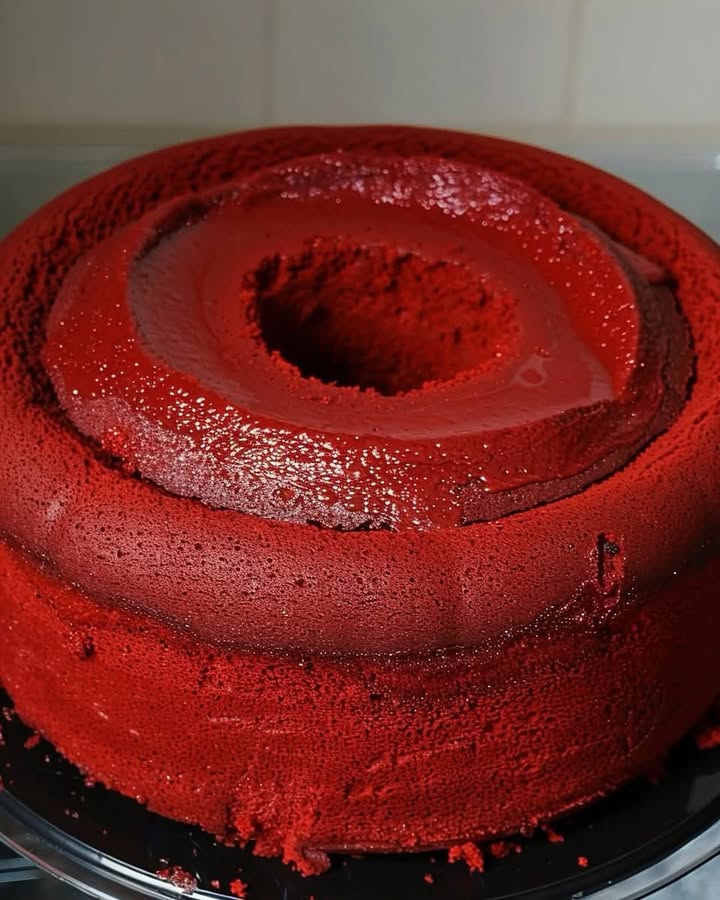
Have you ever baked something so beautiful that it stops everyone in their tracks? I mean, you bring it to the table and there’s this collective gasp—followed by total silence. That’s my experience every single time I make this classic red velvet cake, which my family lovingly calls Nding. It’s soft, impossibly spongy, and has that intense, love-at-first-sight red color. This isn’t just a cake; it’s a showstopper with a heart of gold. And trust me, with my tried-and-true recipe, you can create that same magic in your own kitchen.
A Slice of History: Where Did This “Nding” Come From?
The story of red velvet cake is a delicious tangle of fact and folklore. Some say it started in the elegant hotels of New York City, while others swear it’s a classic from the American South. The name “Nding” is a sweet, personal nickname in my circle. It might be our funny twist on saying “Red Ding” or just a cozy shorthand for the cake we love. Traditionally, that famous red hue came from a chemical reaction between natural cocoa powder (which contains anthocyanin) and acidic ingredients like buttermilk and vinegar. Today, we use a bit of food coloring for that dramatic, consistent crimson. My version honors the past but ensures a perfectly tender, moist crumb every single time.
Why You’ll Adore This Red Velvet Recipe
This recipe is a keeper for so many reasons! First, the flavor is perfectly balanced—it’s not just a chocolate cake. It’s a subtle, almost mysterious cocoa flavor with a very slight tang from the buttermilk and vinegar. The texture is where it truly shines: that soft, velvety crumb that melts in your mouth. Plus, it’s surprisingly straightforward. I’ve tested the method over a dozen times to make sure even a baking newbie can get brilliant results. And let’s be honest, that stunning red color is an instant mood-lifter and guarantees smiles all around.
Perfect Occasions to Bake Your Red Velvet Bliss
This cake isn’t just for holidays! It’s perfect for:
- Valentine’s Day: The ultimate edible love letter.
- Birthdays: A vibrant alternative to the usual chocolate or vanilla.
- Potlucks & Gatherings: It travels well and feeds a crowd.
- “Just Because” Days: Sometimes, you just need a slice of red velvet bliss to make a Tuesday feel special.
Gathering Your Ingredients for Red Velvet Success
Precision is key in baking. Here’s what you’ll need for your Nding masterpiece:
For the Cake:
- 1 ½ cups (3 sticks) unsalted butter, softened
- 2 cups granulated sugar
- 6 large eggs, at room temperature
- 2 teaspoons pure vanilla extract
- 1 tablespoon distilled white vinegar
- 2 cups cake flour, sifted
- ¼ cup unsweetened cocoa powder
- 1 teaspoon baking soda
- ½ teaspoon salt
- 1 cup buttermilk, at room temperature
- 1 ounce (2 tablespoons) liquid or gel red food coloring
For the Cream Cheese Glaze (Optional but Highly Recommended!):
- 4 oz cream cheese, softened
- 1 cup powdered sugar
- 2-3 tablespoons milk or cream
- ½ teaspoon vanilla extract
Handy Substitutions for Your Pantry
Don’t panic if you’re missing something! Here are easy swaps:
- Cake Flour: For every cup, use 1 cup all-purpose flour MINUS 2 tablespoons, and replace those 2 tablespoons with cornstarch. Sift together.
- Buttermilk: Place 1 tablespoon of white vinegar or lemon juice in a measuring cup. Add enough regular milk to make 1 cup. Stir and let sit for 5 minutes.
- Food Coloring: Gel color is more concentrated and gives a deeper red without thinning the batter. If you only have liquid, you may need a bit more.
- Dairy-Free: Use plant-based butter and milk (for the buttermilk substitute) and a vegan cream cheese alternative.
Crafting Your Red Velvet Masterpiece: Step-by-Step
Step 1: Prep Your Pan and Oven
First things first, position a rack in the center of your oven and preheat it to 325°F (163°C). This lower temperature is crucial for baking such a large, dense cake evenly without drying it out. Take your 12-cup tube pan (or Bundt pan) and generously grease every nook and cranny with butter or baking spray. Then, dust it lightly with flour, tapping out the excess. This double step is your insurance policy for a perfect, clean release later. Pro tip: For extra safety, you can use a baking spray that already has flour in it.
Step 2: Cream the Butter and Sugar
In the bowl of a stand mixer fitted with the paddle attachment, add your softened butter and granulated sugar. Beat on medium-high speed for a full 5 to 6 minutes. Don’t rush this! You want the mixture to become extremely pale, fluffy, and almost like a soft whipped cream. This process incorporates air, which is a primary leavening agent for your cake. You’ll know it’s ready when it’s noticeably lighter in color and texture.
Step 3: Incorporate Eggs and Flavorings
With the mixer on low, add your room-temperature eggs one at a time. Let each egg fully blend into the batter before adding the next. This prevents the mixture from curdling and ensures a smooth, emulsified base. After the last egg is in, scrape down the bowl. Then, add the vanilla extract and that tablespoon of white vinegar. The vinegar might seem odd, but it’s a star player. It reacts with the baking soda for lift and enhances the red color.
Step 4: Whisk the Dry Ingredients
In a separate medium bowl, whisk together your sifted cake flour, cocoa powder, baking soda, and salt. Whisking them by hand for a good 30 seconds does two important things: it combines everything thoroughly, and it aerates the mixture one more time. This helps create that tender, delicate crumb we’re after. Set this bowl aside for a moment.
Step 5: Create the Red Buttermilk
This is the fun part! In a large liquid measuring cup or small bowl, pour your room-temperature buttermilk. Now, add the full 2 tablespoons of red food coloring. Stir vigorously with a fork or small whisk until the buttermilk turns a deep, shocking crimson. It will look almost like fruit punch! This method ensures the color distributes evenly throughout the batter later.
Step 6: Combine Wet and Dry Ingredients
Time to bring it all together. With your mixer on its lowest speed, add about one-third of the dry flour mixture to the butter bowl. Mix just until it’s almost combined. Then, pour in half of the bright red buttermilk. Mix gently. Repeat: another third of flour, the rest of the buttermilk, and finally the last of the flour. Stop mixing as soon as you no longer see dry streaks of flour. A few small lumps are okay! Overmixing is the enemy of a tender cake.
Step 7: Bake to Perfection
Carefully pour the gorgeous, thick red batter into your prepared pan. Smooth the top with a spatula. Gently tap the pan on the counter a couple of times to release any large air bubbles. Place it in the center of your preheated oven. Bake for 75 to 85 minutes. Start checking for doneness at the 70-minute mark by inserting a long wooden skewer or thin knife. It should come out with just a few moist crumbs attached, not wet batter. The top will spring back lightly when touched.
Step 8: Cool and Unmold
Once baked, place the hot pan on a wire rack. This is the most important patience-testing step: let the cake cool in the pan for exactly 15 minutes—set a timer! This allows the structure to set. If you unmold it too soon, it can crack or break. After 15 minutes, run a thin, flexible knife around the center tube and the outer edge. Invert the pan onto the rack. The cake should release with a satisfying *plop*. Let it cool completely before glazing.
Step 9: Whip Up the Glaze (If Using)
For the optional but heavenly glaze, beat the softened cream cheese in a bowl until smooth. Gradually sift in the powdered sugar to avoid lumps. Add the vanilla and 2 tablespoons of milk or cream. Whisk until you have a thick but pourable consistency. Add the last tablespoon of liquid only if needed. Drizzle or pour this luscious glaze over your completely cooled cake. Watch as it drips beautifully down the sides—pure red velvet bliss.
Your Red Velvet Timeline
Prep Time: 30 minutes
Cook Time: 75-85 minutes
Cooling Time: 2 hours (patience is a virtue!)
Total Time: About 3.5 hours start to finish
Chef’s Secret: The Room Temperature Rule
My number one secret for a perfect, non-dense cake? Room temperature ingredients are non-negotiable. Butter, eggs, and buttermilk must all lose their chill. Cold ingredients don’t emulsify properly, leading to a curdled-looking batter and a denser final texture. To quickly warm eggs, place them in a bowl of warm (not hot) water for 10 minutes. For buttermilk, just microwave it in a glass for 10-15 seconds until it’s no longer cold.
A Fun Fact: The Original Red
That iconic red wasn’t always from a bottle! Before modern food coloring, the reddish tint came from a cool bit of food science. The natural cocoa powder used back then reacted with the acidic buttermilk and vinegar. This chemical reaction subtly highlighted the red pigments (anthocyanins) already in the cocoa. So, while our version gets its vibrant color from dye, we’re still honoring the original acidic ingredients that give red velvet its unique, tangy flavor profile.
Necessary Equipment
- 12-cup Tube Pan (or Bundt pan)
- Stand Mixer or Hand Mixer
- Large and Medium Mixing Bowls
- Whisk
- Sifter or Fine-Mesh Sieve
- Rubber Spatula
- Wire Cooling Rack
- Wooden Skewer or Cake Tester
Storing Your Red Velvet Creation
If your cake is glazed with cream cheese frosting, it must be stored in the refrigerator. Cream cheese is dairy and can spoil at room temperature. Place the cake in a cake carrier or loosely cover it with plastic wrap. It will stay fresh and moist for up to 5 days in the fridge. The cold can dry out cake slightly, so let slices sit at room temperature for 20 minutes before serving for the best texture and flavor.
For an unglazed cake or one with a simple powdered sugar glaze, you can store it at room temperature. Make sure it’s in an airtight container or well-wrapped in plastic wrap. It will keep beautifully on the counter for 2-3 days. A cake dome is perfect for this, as it protects it from dust and keeps it soft.
Yes, you can freeze red velvet cake! Wrap the completely cooled, unglazed cake (or individual slices) tightly in two layers of plastic wrap, then in aluminum foil. Freeze for up to 3 months. Thaw overnight in the refrigerator, then bring to room temperature before glazing and serving. This is a fantastic way to have a homemade dessert ready for any surprise guests.
My Top Tips for Baking Bliss
- Sift That Flour: Don’t skip sifting the cake flour and cocoa. It prevents lumps and makes the crumb extra fine.
- Don’t Peek: Resist opening the oven door during the first hour of baking. Sudden temperature drops can cause the cake to fall.
- Grease Generously: Be thorough with greasing and flouring your pan, especially all the grooves of a Bundt pan.
- Use Gel Color: For the most vibrant red without altering batter consistency, gel food coloring is the gold standard.
- Cool Completely: A warm cake will melt the glaze into a puddle. Let it cool fully for pretty, defined drips.
Presentation Ideas That Wow
- Dust the glazed cake with a light snowfall of extra powdered sugar or even edible gold dust.
- Arrange a ring of fresh raspberries, strawberries, or even edible red flowers around the base.
- Serve each slice with a dollop of freshly whipped cream or a scoop of vanilla bean ice cream.
- For a party, bake the batter in a sheet pan and cut out heart-shaped individual cakes.
Healthier & Fun Variations to Try
Love the classic but want to mix it up? Here are six delicious twists:
- Beetroot Red Velvet: Replace half the food coloring with pureed, cooked beets. You get a gorgeous natural red and an extra hint of earthy sweetness.
- Gluten-Free Red Velvet: Swap the cake flour for a 1-to-1 gluten-free all-purpose flour blend. Ensure your other ingredients are gluten-free certified.
- Red Velvet Cupcakes: Divide the batter into lined muffin tins. Bake at 350°F for 18-22 minutes. Top with a swirl of cream cheese frosting.
- Mini Bundt Cakes: Use a mini Bundt pan for adorable individual servings. Perfect for holiday place settings or a party dessert table.
- Red Velvet Cake Pops: Crumble leftover cake, mix with a little frosting, roll into balls, and dip in chocolate. A fun, no-waste project with kids.
- Red Velvet Cheesecake Swirl: Layer half the red velvet batter in a springform pan. Dollop with plain cheesecake batter, then top with remaining red velvet. Swirl with a knife and bake for a stunning marbled dessert.
Common Mistakes to Avoid for Baking Success
Mistake 1: Using Cold Ingredients
This is the biggest culprit for a dense, heavy cake. Cold butter won’t cream properly with sugar. Cold eggs and buttermilk can cause the batter to curdle or “break,” looking lumpy and separated. This uneven emulsion leads to poor texture. How to avoid it: Plan ahead! Take your butter, eggs, and buttermilk out of the fridge at least an hour before you start baking. If you forget, use the quick warm water bath for eggs and a short microwave zap for buttermilk.
Mistake 2: Overmixing the Batter
Once you add the flour, your mixing should be gentle and minimal. Overmixing develops the gluten in the flour. This makes the cake tough, chewy, and can cause large tunnels or holes inside. We want a tender, velvety crumb, not bread! How to avoid it: Switch to the lowest speed on your mixer for the final combining stage. Mix only until you see the last streak of flour disappear into the red batter. It’s okay if a few tiny lumps remain.
Mistake 3: Not Testing for Doneness Properly
Relying only on time or the spring-back test can lead to an underbaked or overbaked cake. An underbaked cake will sink and be gummy in the middle. An overbaked cake will be dry. How to avoid it: Use a reliable doneness tester. A long wooden skewer or a thin, sharp knife inserted near the center should come out with a few moist crumbs clinging to it. If it comes out with wet batter, it needs more time. If it comes out completely clean, it’s likely overdone.
Mistake 4: Trying to Unmold the Cake Too Soon
The excitement to see your creation is real! But flipping a piping hot cake out of the pan is a recipe for disaster. The cake’s structure hasn’t set yet, and it can crack, break, or stubbornly stick to the pan. How to avoid it: Be patient. Let the cake cool in its pan, sitting on a wire rack, for exactly 15 minutes. This lets it firm up just enough to hold its shape while still being slightly warm and flexible for an easy release.
Mistake 5: Skimping on the Food Coloring
Using too little dye will result in a brownish-pink cake rather than a vibrant, celebratory red. It might taste great, but it loses that classic “wow” factor. How to avoid it: Don’t be shy! Use a full 1-2 ounces (2-4 tablespoons) of liquid coloring or 1-2 teaspoons of high-quality gel paste. Gel color is more concentrated, so you use less and don’t add extra liquid to the batter, making it my preferred choice.
Your Red Velvet Questions, Answered
Can I make this cake without a tube or Bundt pan?
Absolutely! You can bake this batter in two standard 9-inch round cake pans. Just make sure to grease and flour them well (and you can line the bottoms with parchment paper for extra safety). The baking time will be much shorter—start checking at 25-30 minutes. You’ll then have perfect layers for a traditional layer cake with cream cheese frosting in the middle and all over. A 9×13-inch rectangular pan also works great for a sheet cake style; bake for about 40-50 minutes.
Why is there vinegar in a cake? Does it make it taste sour?
Great question! The vinegar serves two important purposes, and you won’t taste it at all. First, it’s an acid that reacts with the baking soda (a base). This chemical reaction creates lots of little air bubbles, which helps the cake rise and become beautifully light and spongy. Second, the acidic environment actually helps enhance and stabilize that brilliant red color from the food dye. So, it’s a behind-the-scenes hero for both texture and looks.
My red color turns out more brown or orange. What did I do wrong?
This is usually due to the type of cocoa powder or an old food coloring. Using “Dutch-processed” cocoa (which is alkalinized) can react differently and mute the red. Always use natural, non-alkalized cocoa powder for this recipe. Also, liquid food coloring can fade with high heat or over time. For the most stable, vibrant red, invest in a high-quality gel or paste food coloring. They are more concentrated and heat-stable, giving you that iconic, bold color.
Can I make the cream cheese glaze ahead of time?
Yes, you can! Prepare the glaze and store it in an airtight container in the refrigerator for up to 3 days. It will thicken up significantly when cold. When you’re ready to use it, let it come to room temperature for about 30 minutes, then give it a good stir or a quick re-whisk. If it seems too thick to drizzle, you can add a tiny splash more milk or cream to get it back to the right consistency. It’s best to glaze the cake the day you plan to serve it for the freshest look and texture.
How do I get my cake out of a detailed Bundt pan without breaking?
Detailed pans can be tricky. The key is in the prep and the patience. First, be extremely thorough when greasing. Use a pastry brush or paper towel to get melted butter or baking spray into every single groove and crevice. Then, dust with flour and tap out all the excess. After baking, let it cool for that full 15 minutes—no less. Then, place your serving plate upside-down on top of the pan. Using oven mitts, firmly hold the plate and pan together and flip it over in one confident motion. Give the pan a gentle shake. If it doesn’t release, tap it lightly on the counter. Sometimes, letting it cool a few more minutes can help.
Is there a way to make this recipe with less sugar?
Reducing sugar in baking can be tricky because sugar doesn’t just add sweetness; it contributes to moisture, texture, and browning. I don’t recommend reducing it by more than ¼ cup in this recipe, or it can affect the cake’s tenderness and shelf life. For a more significant reduction, you’d need to experiment with sugar substitutes designed for baking, like monk fruit or erythritol blends. Follow the substitution ratios on the package, but know the texture and browning may be slightly different.
Why did my cake rise and then sink in the middle?
A sunken cake is often a sign of underbaking or too much leavening. The center wasn’t fully set, so it collapsed as it cooled. It can also happen if you opened the oven door too early or frequently, causing a sudden drop in temperature. Ensure your oven is properly preheated and use an oven thermometer to check its accuracy. Make sure your baking soda is fresh (not expired). And most importantly, use the skewer test to confirm it’s truly baked through before taking it out.
My glaze is too runny/thick. How can I fix it?
Glaze consistency is easy to fix! If it’s too runny and just slides off the cake, you likely added too much milk. Thicken it by sifting in a bit more powdered sugar, a tablespoon at a time, until it coats the back of a spoon. If it’s too thick and won’t drizzle, it needs more liquid. Add more milk or cream just a teaspoon at a time, whisking well after each addition, until it reaches a smooth, pourable consistency. Always adjust in tiny increments.
Can I freeze the finished, glazed cake?
I do not recommend freezing a cake that already has the cream cheese glaze on it. The glaze can become watery and separate when thawed, looking unattractive. The best method is to freeze the plain, unglazed cake. Wrap it very well as described in the storage section. When ready to serve, thaw it overnight in the fridge, then bring it to room temperature. Prepare your fresh glaze and pour it over the thawed cake right before you’re ready to wow your guests.
What’s the difference between red velvet cake and chocolate cake?
While they look somewhat similar, they are distinctly different! A classic chocolate cake relies on a significant amount of cocoa for its primary chocolate flavor. Red velvet cake uses only a small amount of cocoa for a very subtle, background chocolate note. The star flavors of red velvet come from the combination of buttermilk, vinegar, and vanilla, giving it that unique, slightly tangy taste. And of course, there’s that signature vibrant red color that chocolate cake doesn’t have. The texture also differs—red velvet is famously velvety, fine-crumbed, and moist.
Final Thoughts from My Kitchen to Yours
Baking this Nding red velvet cake is like sharing a piece of joy. It’s a project that fills your kitchen with anticipation and ends with a stunning, delicious reward. Remember, baking is part science and part love. Measure carefully, follow the steps, but don’t forget to pour in your own happiness as you mix. Whether it’s for a grand celebration or a simple family dinner, this cake promises to create a beautiful, tasty memory. So, tie on your apron, put on some fun music, and get ready to bake something truly special. You’ve got this!
Cheesy Garlic Bliss
Ingredients
Equipment
Method
- Preheat your oven to 325°F (163°C) and grease and flour a 12-cup tube pan (or Bundt pan).
- In a stand mixer, beat butter and sugar on medium-high for 5-6 minutes until pale and fluffy.
- Add eggs one at a time, mixing well after each addition, then add vanilla extract and vinegar.
- In a separate bowl, whisk together cake flour, cocoa powder, baking soda, and salt.
- In a measuring cup, combine buttermilk and red food coloring; stir until fully mixed.
- Gradually add dry ingredients to the butter mixture, alternating with the buttermilk mixture, mixing until just combined.
- Pour the batter into the prepared pan and smooth the top; bake for 75-85 minutes, checking for doneness with a skewer.
- Allow the cake to cool in the pan for 15 minutes before inverting onto a wire rack to cool completely.
- For the glaze, beat cream cheese until smooth, then gradually add powdered sugar, vanilla, and milk until desired consistency is reached; glaze the cooled cake.