
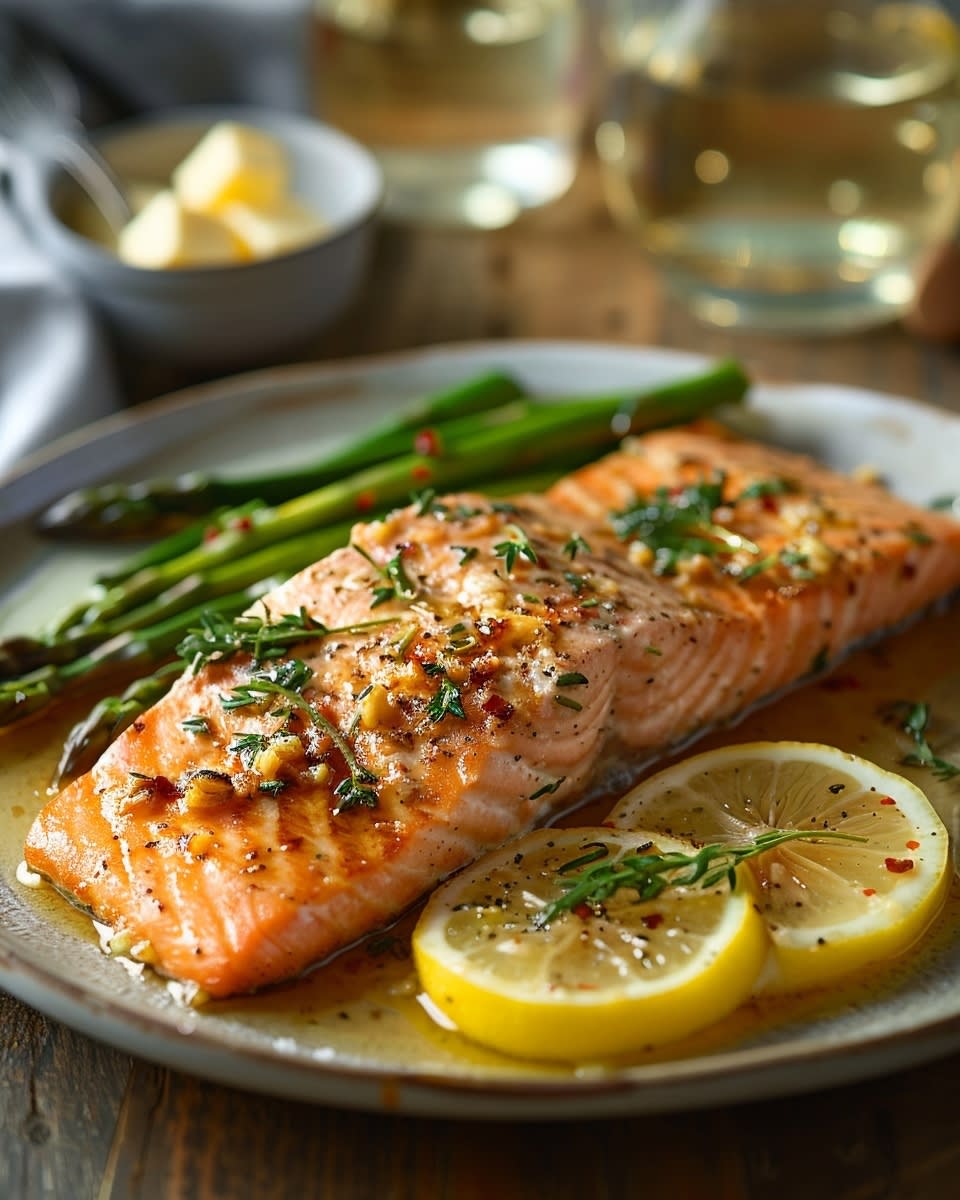
Garlic Lemon Baked Salmon: A Simple Recipe That Will Change Your Dinner Game
I’ll never forget the first time I made salmon at home. I was terrified of messing it up because I’d only ever ordered it at restaurants. But then I discovered this garlic lemon baked salmon recipe, and everything changed. It was so easy that I actually laughed at myself for waiting so long to try it. Now it’s my go-to meal when I want something special without spending hours in the kitchen.
Here’s the thing about salmon: it sounds fancy, but it’s one of the most forgiving fish you can cook. You don’t need culinary school training or expensive equipment. You just need good ingredients and about 20 minutes. This baked salmon with lemon recipe proves that simple cooking can taste incredible.
I love this recipe for three big reasons. First, it’s healthy without tasting like diet food. Second, it works for everything from a quiet Tuesday dinner to a dinner party with friends. Third, and this is the best part, cleanup is a breeze. When you’re juggling work, family, and everything else life throws at you, easy cleanup matters just as much as great taste.
Today I’m going to walk you through exactly how I make this dish. We’ll cover the ingredients you need, how to prep everything, my favorite cooking tips, and some fun ways to change things up. Whether you’re trying salmon recipes for the first time or you’re looking for a new favorite, this one delivers every single time.
Ingredients You’ll Need for Perfect Lemon Garlic Butter Salmon Baked
Let’s talk about what goes into this dish. The ingredient list is short, which I love. You probably have most of these items in your kitchen already. Here’s what you need:
- Fresh salmon fillets (about 6 ounces per person)
- Fresh garlic cloves (4 to 5 cloves, minced)
- Lemons (2 lemons for juice and zest)
- Butter or olive oil (3 tablespoons)
- Salt and pepper (to taste)
- Optional fresh herbs like parsley or dill (for garnish and extra flavor)
That’s it. Seven ingredients maximum, and three of them are just salt, pepper, and herbs. No weird specialty items you’ll use once and never touch again. Just real food that works together beautifully.
Why These Ingredients Create Magic Together
The combination of garlic, lemon, and butter isn’t random. These three ingredients have been paired with fish for centuries because they just work. Let me explain why.
Salmon has a rich, slightly fatty texture that can handle bold flavors. The lemon garlic salmon marinade approach brings brightness that cuts through that richness without overpowering the fish. When you add lemon juice and zest, you get two different types of citrus flavor. The juice provides tangy acidity, while the zest adds concentrated lemon oil that smells amazing.
Garlic brings warmth and depth. When it bakes with the salmon, it mellows out and becomes sweet instead of sharp. I used to think raw garlic was too strong for fish, but baked garlic is completely different. It adds this savory quality that makes the whole dish feel more substantial.
Butter ties everything together. It helps the garlic and lemon coat the salmon evenly. As it melts in the oven, it creates a light sauce that keeps the fish moist. If you prefer olive oil, that works great too. Olive oil gives you a slightly different flavor profile that’s more Mediterranean. I switch between the two depending on my mood.
The salt and pepper might seem basic, but they’re crucial. They enhance all the other flavors without adding their own. I season more generously than I used to because I learned that under-seasoned fish tastes flat no matter how good your other ingredients are.
Fresh herbs are optional, but I recommend them. Parsley adds a fresh, clean taste. Dill gives you that classic seafood restaurant vibe. Sometimes I use both. Sometimes I skip them entirely. The dish works either way.
Choosing Your Salmon: What to Look For
Not all salmon is created equal, and picking good fillets makes a real difference. When I’m at the store or fish counter, I look for a few specific things.
The color should be vibrant. Whether you’re buying Atlantic salmon (which is usually farm-raised) or wild-caught varieties like sockeye or king salmon, the flesh should look bright and fresh. Dull, brown-tinged salmon is old. Pass on it.
The fish should smell like the ocean, not fishy. I know that sounds weird, but truly fresh fish has a clean, mild scent. If it smells strong or off, don’t buy it. Your garlic lemon baked salmon will only be as good as the salmon you start with.
Look at the texture too. The flesh should be firm and bounce back when you touch it gently. If it looks mushy or has gaps between the muscle fibers, it’s not fresh.
I usually buy fillets that are about an inch thick at the thickest part. This size cooks evenly in the oven. Super thin fillets overcook too fast. Really thick pieces take forever and might dry out on the outside before the center is done.
Skin-on or skinless both work for this recipe. I actually prefer skin-on because the skin helps hold the fillet together and adds extra flavor. Plus, if you get the skin crispy, some people love eating it. But if you’re not a fan, skinless fillets are perfectly fine.
Fresh vs. Frozen: An Honest Take
Let’s address the fresh versus frozen debate. Everyone says fresh is better, but frozen salmon can be excellent if it’s handled properly. Most salmon is flash-frozen on the boat right after it’s caught. This actually preserves the quality better than “fresh” fish that’s been sitting around for days.
If you buy frozen salmon, thaw it slowly in the refrigerator overnight. Don’t rush it with hot water or the microwave. Slow thawing keeps the texture intact. Once it’s thawed, treat it exactly like fresh salmon.
The main advantage of fresh salmon is convenience. You can cook it the same day you buy it. But don’t let the lack of fresh fish stop you from making this baked salmon with lemon recipe. Good frozen salmon beats mediocre fresh salmon every time.
Getting Your Lemons and Garlic Ready
Prepping your lemons correctly makes a difference in the final flavor. I zest the lemons before I juice them because it’s way easier. Use a microplane or the small holes on a box grater. You want just the yellow part of the peel, not the white pith underneath. The pith tastes bitter.
For juicing, roll the lemons on the counter with your palm before cutting them. This breaks up the membranes inside and you’ll get more juice. I usually get about 3 tablespoons of juice from one medium lemon.
Garlic prep is simple but important. I mince my garlic pretty fine because large chunks can burn in the oven. If you have a garlic press, use it. If not, chop the garlic as small as you can with a knife. Some people use pre-minced garlic from a jar, and while that’s not my first choice, it works in a pinch. Fresh always tastes better though.
One trick I learned from my mom: if you hate garlic smell on your hands, rub them on stainless steel under cold water after chopping. It sounds crazy but it actually works. Your faucet or sink will do the job.


Preparing Your Salmon for the Best Lemon Garlic Experience
Now that your ingredients are ready, let’s get that salmon prepped and marinated. This part is where the magic really starts to happen.
First things first, you need to clean and pat dry your salmon fillets. Even if you bought them from a nice fish counter, give them a quick rinse under cold water. Sometimes there are tiny bone fragments or scales that got missed. After rinsing, pat the fillets completely dry with paper towels. And I mean really dry. This step matters more than you might think.
Here’s why the drying is crucial. Moisture on the surface of the fish prevents the marinade from sticking properly. It also creates steam in the oven, which can make your salmon taste poached instead of baked. I learned this the hard way after making watery, bland salmon a few times when I was first starting out. Once I started drying the fillets thoroughly, everything improved.
While you’re drying the salmon, check for any remaining pin bones. Run your fingers along the center of the fillet from the thick end toward the thin end. You’ll feel small bones sticking up if they’re still there. Pull them out with tweezers or clean pliers. It takes maybe thirty seconds and saves your dinner guests from an unpleasant surprise.
Creating the Perfect Lemon Garlic Salmon Marinade
Making the marinade is stupidly simple, but technique matters. I melt my butter first, either in the microwave for about twenty seconds or in a small saucepan on low heat. You want it fully liquid but not hot. Hot butter will start cooking the garlic too early.
In a small bowl, combine the melted butter with your minced garlic, lemon juice, and lemon zest. Add a good pinch of salt and several grinds of black pepper. I whisk everything together with a fork until it’s well combined. The mixture should smell absolutely incredible at this point. If it doesn’t make you want to eat it with a spoon, add more lemon or garlic according to your preference.
Some people like adding honey to create a honey lemon garlic salmon variation. Honestly, it’s delicious. The honey adds a subtle sweetness that caramelizes beautifully in the oven. If you want to try it, stir in about one tablespoon of honey to the marinade. It won’t make the dish taste dessert-sweet, just balanced and complex. Kind of like how I sometimes add a touch of maple syrup to my roasted vegetable buddha bowl for depth of flavor.
The consistency should be fairly thin and pourable. If it seems too thick, add a splash more lemon juice or a tiny bit of olive oil. If it’s too thin, that’s fine too. There’s no wrong answer here as long as everything’s mixed together.
Marinating Time: How Long Is Long Enough?
This is where people get confused, and I get it. Some recipes say marinate for hours. Others say just brush it on right before cooking. After making this recipe probably a hundred times, here’s what I’ve learned works best.
For this lemon garlic salmon marinade, I recommend fifteen to thirty minutes. That’s the sweet spot. The acid in the lemon juice will start to break down the proteins in the salmon if you leave it too long, making the texture mushy. But you need at least fifteen minutes for the flavors to really penetrate the fish.
Place your salmon fillets in a shallow dish or on a rimmed baking sheet. Pour the marinade over them, making sure each piece is well coated. I like to spoon some of the marinade specifically over the top so the garlic pieces stick to the fish. Then I just leave it on the counter while I prep my side dishes. No need to refrigerate for such a short marinating time.
If you’re meal prepping and want to marinate ahead of time, keep it to a maximum of one hour in the fridge. Any longer and you’re risking texture issues. I’ve done same-day meal prep where I marinate the salmon in the morning and cook it at night, and it turned out fine, but the texture was definitely better with shorter marinating times.
By the way, save some of that marinade before it touches the raw fish. You can drizzle it over the cooked salmon for extra flavor or use it to dress a simple side salad. Just make sure any marinade that touched raw fish gets cooked thoroughly or tossed out. Food safety first, always.
Different Cooking Methods for Your Garlic Lemon Salmon
Here’s where this recipe gets really flexible. You can cook this salmon multiple ways depending on what equipment you have and what texture you’re going for. Let me break down the three methods I use most often.
Baking in the oven is my default method because it’s the most hands-off. Preheat your oven to 400 degrees Fahrenheit. Line a baking sheet with parchment paper or aluminum foil for easy cleanup. Place your marinated salmon fillets on the sheet, skin-side down if they have skin. Bake for twelve to fifteen minutes, depending on thickness. The fish is done when it flakes easily with a fork and reaches an internal temperature of 145 degrees. I usually check around the twelve-minute mark because I’d rather add time than overcook it. Overcooked salmon is dry and disappointing, and nobody wants that.
The oven method gives you evenly cooked fish with a tender, moist texture. It won’t have crispy skin, but the flavor is consistently excellent. This is the method I use when I’m making salmon for guests or when I’m also preparing side dishes that need oven attention. Everything can cook at once, which is efficient. Similar to how I coordinate oven space when making my healthy turkey and sweet potato skillet alongside roasted vegetables.
If you want to keep your salmon extra moist and create a self-basting situation, try the baked lemon salmon in foil method. Place each fillet on a piece of foil, add the marinade, then fold the foil into a sealed packet. Bake at the same temperature for about the same time. The steam trapped inside the foil keeps everything incredibly moist. When you open those packets at the table, the aroma that escapes is just phenomenal.
Pan-frying is my go-to when I want crispy skin and more color on the fish. For lemon garlic salmon pan fried, heat a tablespoon of olive oil or butter in a large skillet over medium-high heat. Pat the salmon dry one more time, even though you marinated it. Place it skin-side down in the hot pan. Don’t move it. Just let it sit there for about five minutes until the skin is crispy and golden. Then carefully flip it and cook for another three to four minutes on the other side.
The trick with pan-frying is not messing with the fish too much. Salmon is delicate and will fall apart if you flip it repeatedly. I use a thin metal spatula to flip, and I do it confidently in one smooth motion. Hesitating is when things break apart. Add the marinade to the pan during the last minute of cooking, letting it bubble and reduce slightly into a glaze.
Pan-frying gives you restaurant-quality results with that gorgeous crispy texture. The downside is you have to watch it more carefully and it’s harder to cook multiple pieces at once unless you have a huge skillet. But for date night or when I’m just cooking for myself? Pan-frying wins every time.
The lemon garlic salmon air fryer method is something I discovered recently and it’s become my weeknight hero. Preheat your air fryer to 390 degrees Fahrenheit. Place the marinated salmon in the basket, skin-side down if there’s skin. Cook for seven to nine minutes depending on thickness. Check it at seven minutes. The air fryer gives you a texture that’s somewhere between baked and pan-fried, with slightly crispy edges and a moist center.
I love the air fryer method when I’m in a rush or when it’s too hot to turn on the oven. It’s also great for portion control since I can cook just one or two fillets without heating up my entire kitchen. The cleanup is minimal, which matters when you’re tired after work and just want good food fast.
Funny enough, all three methods work with the same marinade and produce slightly different but equally delicious results. Choose based on your schedule, your equipment, and your texture preference. There’s no wrong choice here.
One more thing about cooking methods. If you’re planning to use your salmon in lemon garlic salmon pasta, I’d recommend baking or pan-frying and then breaking the cooked salmon into chunks to toss with your pasta. The air fryer works too, but the slightly drier texture from air frying can make the fish feel less integrated with the pasta. I usually cook pasta like penne or linguine, toss it with some of the reserved marinade, add the salmon chunks, and maybe throw in some spinach or cherry tomatoes. It turns the salmon into a completely different meal that feels special enough for company, kind of like transforming leftover proteins into my greek yogurt chicken salad or adding roasted salmon to my quinoa black bean burrito bowl for extra protein.
Whatever cooking method you choose, the key is not to overthink it. Pick one, follow the times I gave you, and trust the process. Your garlic lemon baked salmon will turn out great regardless of which path you take.

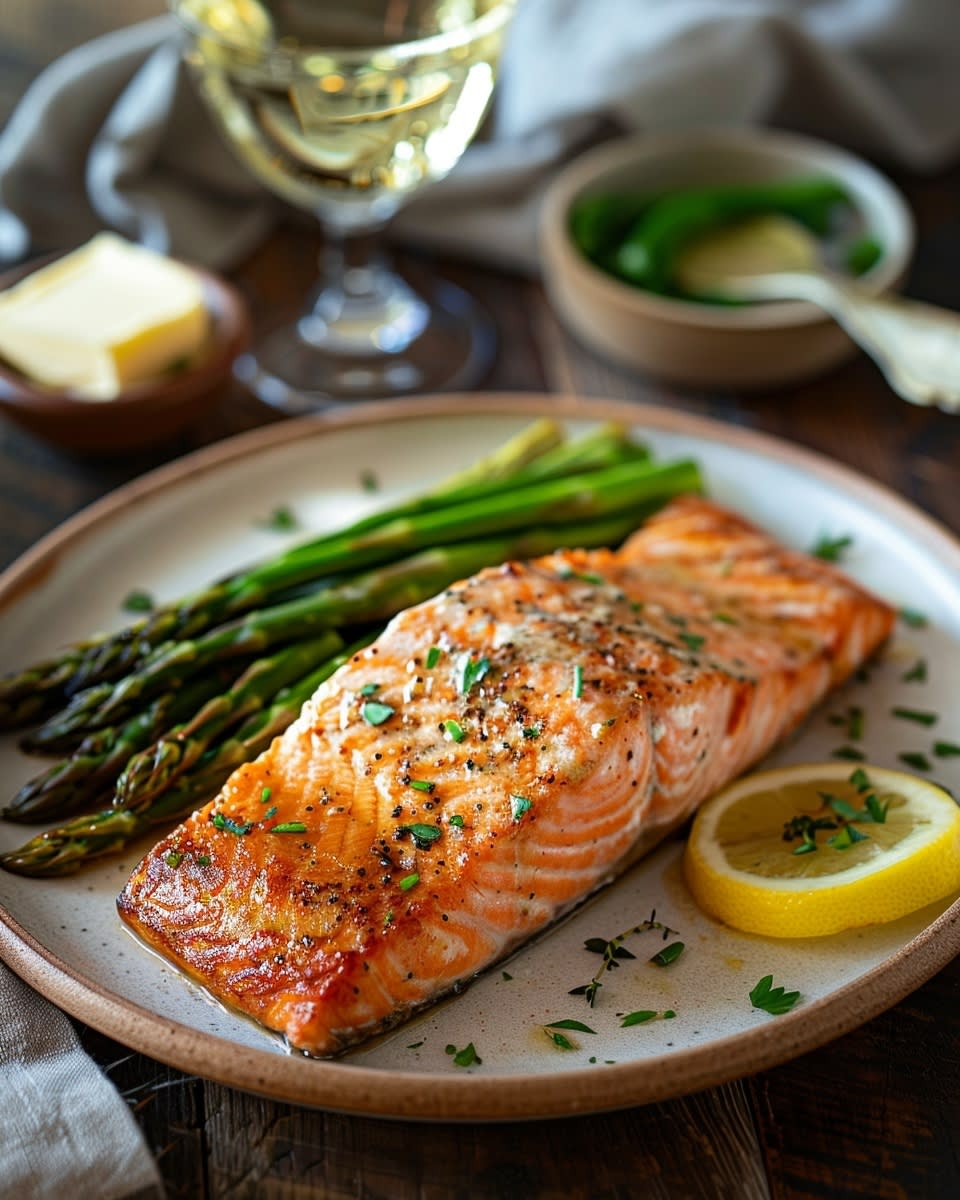

Cooking and Serving Tips for Your Perfect Garlic Lemon Baked Salmon
Alright, your salmon is marinated and you’ve chosen your cooking method. Now let’s talk about the details that separate okay salmon from absolutely incredible salmon. These little tips might seem minor, but they make a real difference.
How to Know When Your Salmon Is Perfectly Cooked
This is probably the question I get asked most often. How do you know when it’s done? Overcooked salmon is dry and chalky. Undercooked salmon is, well, not safe to eat. There’s a sweet spot in the middle, and finding it is easier than you think.
The most reliable way is using an instant-read thermometer. Stick it into the thickest part of the fillet. You’re looking for 145 degrees Fahrenheit. That’s the FDA-recommended safe temperature. But here’s my honest take on this. I usually pull my salmon at around 140 degrees because it’ll continue cooking a bit after you remove it from heat. That carryover cooking brings it right to perfect without drying it out.
If you don’t have a thermometer, don’t stress. Use the flake test instead. Gently press a fork into the thickest part of the salmon and twist slightly. If the fish flakes easily and the layers separate, it’s done. The flesh should be opaque throughout with maybe just a slightly translucent center if you like it medium. I prefer mine just barely opaque all the way through.
Another visual cue is the white stuff that sometimes appears on the surface. That’s albumin, a protein that gets pushed out as the fish cooks. A little bit is totally normal and doesn’t mean anything’s wrong. But if you see lots of it, your heat might be too high or you’re overcooking it. Lower heat and gentler cooking produce less albumin.
Color changes matter too. Raw salmon is bright and almost translucent. As it cooks, it becomes more opaque and the color lightens slightly. When you see that transformation mostly complete but with just a hint of that darker raw color in the very center, you’re in the zone. Pull it off the heat right then.
Here’s something I learned the hard way. Different parts of the fillet cook at different rates. The thin tail end will always finish before the thick part near the head. If you’re cooking a whole side of salmon, you might need to remove the thinner sections early or fold them under to even things out. For individual fillets, try to get pieces that are similar in thickness so everything finishes at the same time.
Why Resting Your Salmon Actually Matters
People rest steaks all the time, but hardly anyone talks about resting fish. I didn’t know this was a thing until a chef friend mentioned it to me a few years ago. Now I do it every time and the results are noticeably better.
After you remove your garlic lemon baked salmon from the oven or pan, just let it sit for about three to five minutes before serving. That’s it. During this time, the juices that got pushed to the center during cooking redistribute throughout the fillet. The texture becomes more even and the fish stays moister when you cut into it.
I usually tent the salmon loosely with aluminum foil during the rest. This keeps it warm without trapping so much steam that it overcooks. The foil also catches any drips if you’re resting it on the same pan you cooked it on, which I often do because I’m lazy about dishes.
The resting time is perfect for finishing up your side dishes, setting the table, or pouring drinks. It builds in a natural pause that makes the whole cooking process feel less frantic. And honestly, those few minutes of anticipation while the salmon rests make everything taste better when you finally dig in.
Garnishing and Serving Your Beautiful Creation
Presentation matters more than I used to think it did. When food looks good, it actually tastes better because we eat with our eyes first. Lucky for us, salmon is naturally gorgeous, so we don’t have to do much.
I always finish my baked salmon with lemon with fresh herbs right before serving. Chopped parsley scattered over the top adds a pop of bright green color and fresh flavor. Dill is another classic choice that makes the whole dish feel more elegant. Sometimes I use both. Sometimes I add thinly sliced green onions for a sharper bite. Fresh herbs make everything look intentional and restaurant-quality.
Lemon wedges on the side are non-negotiable for me. Even though the salmon already has lemon in the marinade, having extra lemon to squeeze over the cooked fish at the table is perfect. Some people want more citrus than others, so letting everyone customize their own portion is thoughtful. Plus, those yellow wedges just make the plate look prettier.
If you went with the baked lemon salmon in foil method, you can actually serve it right in the opened foil packet. It’s rustic and impressive at the same time. The foil contains all those delicious juices that pooled during cooking, and you can spoon them over the fish as a natural sauce. When I have company over, people always comment on how cool the foil presentation looks.
A drizzle of melted butter or good olive oil right before serving adds shine and richness. I keep a small dish of melted butter with a bit of extra garlic mixed in for people who want to add more. It takes thirty seconds to prepare and makes the meal feel special.
Plating matters too, even for a casual dinner. I usually place the salmon slightly off-center on the plate with the side dishes arranged around it. A little height makes everything look more professional. Stack your roasted vegetables instead of spreading them flat. Pile your quinoa into a small mound. These tiny visual tricks transform a regular dinner into something that feels like an occasion.
Fun Variations to Keep Things Interesting
As much as I love the classic version of this recipe, sometimes you want to switch things up. Here are the variations I make most often when I’m feeling creative or just need to use up ingredients I have around.
Honey Lemon Garlic Salmon: Sweet Meets Savory
I mentioned this earlier, but let me go deeper because honey lemon garlic salmon deserves its own spotlight. Adding honey creates this beautiful caramelization on the edges of the fish. The sugars in the honey brown in the oven, giving you these slightly crispy, sweet spots that contrast perfectly with the tangy lemon and savory garlic.
Use about one to two tablespoons of honey mixed into your regular marinade. I prefer using a mild honey like clover or wildflower because strong honey can overpower the other flavors. The sweetness is subtle, not dessert-level. It just rounds everything out and adds complexity.
This version is especially good when you’re serving people who claim they don’t like fish. The honey makes it more approachable and less “fishy” tasting. I’ve converted several fish skeptics with this exact variation. By the way, the honey version pairs beautifully with roasted sweet potatoes or butternut squash. The sweetness theme carries through the whole meal in a really satisfying way.
If you’re watching your sugar intake, you can use just a teaspoon of honey for a hint of sweetness without much impact on the nutritional profile. The salmon itself is already loaded with dietary antioxidants and omega-3s, so it’s fundamentally a healthy choice no matter how you flavor it.
Lemon Garlic Salmon Pasta: A Complete Meal Solution
When I want to stretch my salmon further or create a more substantial meal, I turn it into lemon garlic salmon pasta. This transforms four salmon fillets into dinner for six or eight people, which is great for budget-conscious weeks or when unexpected guests show up.
Cook your salmon using any method you prefer, then break it into large chunks. Meanwhile, cook about a pound of pasta. I like linguine or fettuccine for this, but really any shape works. Reserve about a cup of pasta water before draining.
In the same pan you cooked your salmon in (if you pan-fried it) or in a large skillet, add some of that reserved marinade or make a quick fresh batch. Toss in the cooked pasta with a splash of pasta water to create a light sauce. Add the salmon chunks, some baby spinach, and maybe halved cherry tomatoes. Everything wilts and warms together in about two minutes.
The pasta water is key because it helps the marinade coat the pasta instead of just sliding off. The starch in the water acts like a binder. This is one of those cooking secrets that sounds weird but works every single time. Top with parmesan cheese and more fresh herbs. Suddenly you’ve got this impressive one-pan meal that looks like you spent way more effort on it than you actually did.
I make this version at least twice a month because my family loves it and it’s so filling. One of my kids who normally complains about vegetables will actually eat the spinach when it’s mixed with pasta and salmon. Victories where you can find them, right?
Perfect Side Dishes to Round Out Your Meal
Salmon is rich and flavorful, so I like pairing it with lighter, fresher sides that don’t compete. Here are my go-to combinations that never disappoint.
Roasted vegetables are probably my most frequent choice. Asparagus is classic for a reason. The earthy flavor and slight bitterness balance the richness of the salmon perfectly. I toss asparagus with olive oil, salt, and pepper, then roast at 400 degrees for about twelve minutes. It cooks in almost the same time as the salmon, so they finish together.
Broccoli or Brussels sprouts also work great, especially if you roast them until they get crispy edges. That caramelization adds another layer of flavor to the meal. Funny enough, my favorite vegetable pairing is actually roasted zucchini and bell peppers tossed with a little balsamic vinegar. The acidity echoes the lemon in the salmon.
For grains, quinoa is my top pick because it’s light and fluffy without being heavy. I cook it in vegetable or chicken broth instead of water for extra flavor. Sometimes I stir in some of the lemon zest or chopped herbs to tie it to the salmon. Rice works too, but I find quinoa more interesting texturally.
A fresh salad brings brightness that cuts through the richness. I keep it simple with mixed greens, cucumber, cherry tomatoes, and a light vinaigrette. Something with lemon juice in the dressing continues the citrus theme without overwhelming anything. I actually make a lot of the recipes from our collection of healthy recipes as sides because they complement the salmon without stealing the show.
Potatoes are always a crowd-pleaser if you want something more substantial. Roasted baby potatoes with rosemary, or even a simple mashed potato situation, both work. The starchy comfort of potatoes provides nice contrast to the lean protein of the fish.
Sometimes I just serve the salmon with crusty bread and a simple green salad. That’s it. The bread soaks up the garlicky lemon butter, which is honestly one of the best parts of the whole meal. Don’t overthink the sides. Whatever sounds good to you will probably work.
One last thought about serving this dish. Whether you’re making it for a quiet Tuesday night or a dinner party, the same recipe works for both situations. That versatility is part of why I return to this garlic lemon baked salmon recipe over and over. It’s fancy enough to impress but simple enough to not stress you out. And in my book, that’s the definition of a perfect recipe.
I hope this recipe becomes a regular in your kitchen like it is in mine. The beauty of cooking is that once you master the basics, you can adapt and experiment endlessly. Try the classic version first, then play around with the variations. Add your own twists. Make it yours. That’s when cooking stops being just about following instructions and starts being actually fun. Trust me on this. You’ve got this.
Frequently Asked Questions About Garlic Lemon Baked Salmon
How do I make the lemon garlic marinade?
Melt three tablespoons of butter and mix it with four to five cloves of minced garlic, the juice of two lemons, and about a tablespoon of lemon zest. Add salt and pepper to taste, then whisk everything together until well combined. The marinade should be fairly thin and pourable. You can prepare this up to a day ahead and store it in the refrigerator, just bring it to room temperature before using it on your salmon. Some people like adding a tablespoon of honey for sweetness or fresh herbs like dill and parsley for extra flavor.
Can I use other types of fish for this recipe?
Absolutely! This marinade works beautifully with other firm fish like halibut, cod, or sea bass. You might need to adjust cooking times depending on the thickness and density of the fish you choose. Thicker, meatier fish like swordfish or tuna steaks also work well with these flavors. Delicate fish like tilapia or sole can work too, but reduce the marinating time to about ten minutes since the acid can break down softer fish more quickly. The key is matching your cooking time to the specific fish you’re using and checking for doneness early.
Is this dish suitable for a special diet?
Yes, this recipe is naturally gluten-free and can easily be adapted for various dietary needs. If you’re following a dairy-free or paleo diet, simply substitute the butter with olive oil or avocado oil. The dish is also keto-friendly and low-carb since salmon is high in protein and healthy fats with no carbohydrates. For those watching sodium intake, reduce or omit the added salt and use fresh lemon juice generously for flavor instead. The recipe is also Whole30 compliant if you use oil instead of butter and skip the honey variation.
How long can I store leftover cooked salmon?
Cooked salmon will keep in an airtight container in the refrigerator for up to three days. Make sure to let it cool to room temperature before storing to prevent excess moisture buildup. I usually place a paper towel in the container to absorb any liquid that might accumulate. Reheat gently in a 275-degree oven for about ten minutes, or enjoy it cold on top of salads or in grain bowls. You can also freeze cooked salmon for up to three months, though the texture might be slightly softer after thawing. Defrost overnight in the refrigerator before reheating.
What if my salmon has skin on it?
Skin-on salmon is actually great for this recipe because the skin helps hold the fillet together during cooking and adds flavor. Place the salmon skin-side down on your baking sheet or in your pan, and the skin will protect the flesh from direct heat. If you’re baking, the skin won’t get crispy, but it will still taste good and some people enjoy eating it. For crispy skin, use the pan-frying method and start skin-side down in a hot pan with oil. Press down gently with a spatula for the first minute to prevent curling. After cooking, you can easily remove the skin if you prefer not to eat it.
Can I make this recipe without fresh garlic?
While fresh garlic definitely tastes best, you can use garlic powder in a pinch. Substitute about half a teaspoon of garlic powder for each clove of fresh garlic the recipe calls for. The flavor will be milder and less complex, but it still works. Pre-minced garlic from a jar is another option that’s closer to fresh than powder. Use about half a teaspoon of jarred minced garlic per fresh clove. If you use jarred garlic, you might want to add slightly more than the fresh equivalent since the flavor is a bit less intense. Just avoid garlic salt as a substitute since it’ll throw off the seasoning balance.
My salmon turned out dry. What did I do wrong?
Dry salmon usually means it was overcooked or the heat was too high. Salmon cooks quickly, and even an extra minute or two can take it from perfect to dry. Try reducing your cooking time by a couple of minutes next time and check for doneness early. Using a thermometer helps tremendously because guessing is where people usually go wrong. Also make sure you’re not skipping the marinating step, as the butter or oil in the marinade helps keep the fish moist. Starting with thicker fillets also helps since they’re more forgiving and less likely to overcook. Finally, remember to let the fish rest for a few minutes after cooking so the juices redistribute throughout.
Can I prep this ahead for meal planning?
Yes! You can prepare the marinade up to two days in advance and store it in an airtight container in the refrigerator. You can also marinate the salmon up to one hour before cooking, though I prefer shorter marinating times for the best texture. For full meal prep, you can cook the salmon completely, let it cool, and store it in portioned containers for up to three days. It reheats well or can be eaten cold in salads and bowls. I don’t recommend freezing raw marinated salmon because the texture suffers, but you can freeze the marinade separately and thaw it when needed.
What’s the best way to reheat leftover salmon?
The gentlest reheating method is in a low oven, around 275 degrees, for about ten to twelve minutes until just warmed through. Cover the salmon loosely with foil to prevent it from drying out. You can also reheat it in the microwave on fifty percent power in thirty-second intervals, checking frequently to avoid overcooking. Honestly though, I often eat leftover salmon cold because reheating can dry it out no matter how careful you are. Cold salmon is delicious flaked over salads, mixed into pasta salads, or even in a breakfast scramble with eggs. Room temperature salmon on toast with avocado is one of my favorite quick lunches.
Do I need to remove the white stuff that appears on the salmon?
That white substance is albumin, a protein that naturally occurs in salmon and gets pushed to the surface as the fish cooks. It’s completely harmless and safe to eat, though it doesn’t look particularly appetizing. If you want to minimize it, cook your salmon at a lower temperature for a longer time rather than high heat quickly. You can also gently wipe it away with a paper towel after cooking if the appearance bothers you. Brining your salmon in a saltwater solution for about ten minutes before cooking can also reduce albumin, though I rarely bother with this step. The albumin doesn’t affect the taste at all, so don’t stress about it too much.
Ingredients
Equipment
Method
- Préchauffez votre four à 400 degrés Fahrenheit.
- Nettoyez et séchez vos filets de saumon.
- Vérifiez et retirez les arêtes de vos filets.
- Zestez et pressez les citrons, en veillant à récupérer tout le jus dans un bol.
- Hachez finement les gousses d'ail.
- Faites fondre le beurre dans un petit bol (environ vingt secondes au micro-ondes) et laissez-le refroidir légèrement.
- Dans un bol moyen, combinez le beurre fondu, l'ail, le jus de citron, le zeste de citron, le sel et le poivre.
- Fouettez la marinade jusqu'à ce qu'elle soit bien combinée.
- Placez les filets de saumon dans un plat et versez la marinade sur eux, en veillant à bien les enrober.
- Laissez mijoter le saumon à température ambiante pendant 15 à 30 minutes.
- Tapissez une plaque de cuisson de papier sulfurisé ou d'aluminium pour un nettoyage facile.
- Disposez le saumon mariné sur la plaque de cuisson, peau vers le bas si applicable.
- Enfournez pendant 12 à 15 minutes, en vérifiant la cuisson à la marque de 12 minutes.
- Retirez le saumon lorsqu'il se défait facilement avec une fourchette et atteint une température interne de 145 degrés Fahrenheit.
- Laissez le saumon reposer pendant 3 à 5 minutes avant de servir.
- Garnissez avec des herbes fraîches et servez avec des quartiers de citron sur le côté.