
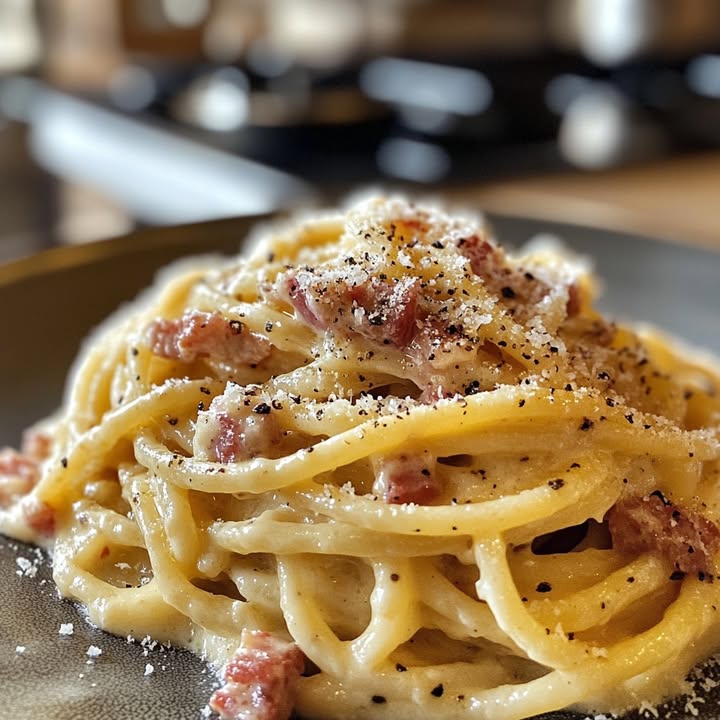
A Classic Carbonara Pasta That Brings Everyone to the Table
Picture this: a cozy kitchen filled with the aroma of sizzling guanciale and a bubbling pot of al dente spaghetti. That’s the essence of a Classic Carbonara Pasta, a dish that’s as comforting as it is delicious. This family recipe has been a staple in my home for years, and I’m excited to share it with you.
History or Background of the Recipe: A Taste of Tradition
Carbonara is a Roman dish that dates back to the 1940s. It’s said to have originated with coal miners (carbonari in Italian) who used ingredients like eggs, cheese, and cured pork to make a hearty, satisfying meal. Today, it’s a beloved classic, and each family has its own twist. My version is a blend of traditional flavors with a touch of modern simplicity, making it perfect for any weeknight or special occasion.
Why You’ll Love This Classic Carbonara Pasta
This recipe is a winner for several reasons. The rich, creamy sauce made from eggs and Parmesan coats the pasta beautifully, and the crispy guanciale adds a punch of flavor. Plus, it’s surprisingly easy to make, requiring just a few key ingredients and steps. Whether you’re a seasoned chef or a cooking novice, this dish is sure to impress.
Perfect Occasions to Prepare This Classic Carbonara Pasta
This versatile dish is perfect for a variety of occasions. Serve it at a casual family dinner, spice up a date night, or even whip it up for a quick lunch. The best part? It’s a crowd-pleaser, and everyone always asks for seconds!
Ingredients for Classic Carbonara Pasta
- 300 g of spaghetti
- 100 g of guanciale
- 2 egg yolks
- 50 g of grated Parmesan cheese
- 1 garlic clove
- Salt and black pepper
Substitution Options
If you can’t find guanciale, you can use pancetta or bacon. For a vegetarian option, try using sautéed mushrooms. If you’re out of Parmesan, Pecorino Romano works well too. The key is to use high-quality ingredients to bring out the best flavors.
Preparation Section
Step 1: Cook the Spaghetti
Start by bringing a large pot of salted water to a boil. Add your spaghetti and cook until al dente, about 8-10 minutes. As the pasta cooks, give it an occasional stir to prevent sticking. The water should be generously salted, almost like seawater, to infuse the pasta with flavor.
Step 2: Fry the Guanciale
In a large skillet, add the diced guanciale and cook over medium heat. Stir occasionally until it turns a beautiful golden brown and releases its rich, savory aroma. This should take about 5-6 minutes. Pro tip: Don’t let it get too crispy; you want it to be slightly chewy for the best texture.
Step 3: Mix the Egg and Cheese
In a mixing bowl, whisk together the egg yolks, Parmesan cheese, a pinch of salt, and some freshly ground black pepper. This mixture will create a creamy, luscious sauce. Make sure to whisk until the mixture is smooth and well combined.
Step 4: Combine the Pasta and Guanciale
Once the pasta is cooked, drain it but reserve a cup of the pasta water. Add the spaghetti to the skillet with the guanciale and toss to coat the pasta in the rendered fat. The pasta should be glossy and well-coated. If it seems a bit dry, add a splash of the reserved pasta water.
Step 5: Add the Egg and Cheese Mixture
Turn off the heat and quickly pour the egg and cheese mixture over the pasta. Use tongs to gently toss the pasta, ensuring the sauce coats the spaghetti evenly. The residual heat from the pasta and the skillet will gently cook the eggs, creating a silky, creamy sauce. Pro tip: Work quickly to prevent the eggs from scrambling.
Step 6: Plate and Serve
Dish out the carbonara into warm bowls and finish with a little extra Parmesan and a generous grinding of black pepper. Serve immediately while it’s nice and hot. The first bite is always the best—creamy, rich, and full of flavor!
Timing
Preparation Time: 10 minutes
Cooking Time: 15 minutes
Total Time: 25 minutes
Chef’s Secret: The Perfect Creaminess
The key to a perfect carbonara is in the technique. To achieve the ideal creamy texture, make sure to temper the egg and cheese mixture with a bit of the pasta water before adding it to the pasta. This helps to emulsify the sauce and prevents the eggs from curdling.
Extra Info: A Little Bit of History
Did you know that traditional carbonara never includes cream? The creaminess comes from the combination of eggs and cheese, which creates a silky, rich sauce. It’s a testament to the simplicity and genius of Italian cuisine.
Necessary Equipment
- Large pot for boiling pasta
- Large skillet for frying guanciale
- Mixing bowl for the egg and cheese mixture
- Tongs for tossing the pasta
- Measuring cups and spoons
Storage
If you end up with leftovers, store the carbonara in an airtight container in the refrigerator. It will keep for up to 3 days. When reheating, add a splash of water or chicken broth to help revive the sauce. The pasta might not be as creamy, but it will still be delicious.
For long-term storage, you can freeze the carbonara, but it’s not recommended. The eggs and cheese can separate, and the texture may not be as good when thawed. It’s best to enjoy this dish fresh and straight from the stovetop.
Tips and Advice
To make the sauce even creamier, you can add a tablespoon of butter to the egg and cheese mixture. This small addition can make a big difference in the final texture. Also, don’t be afraid to season with plenty of black pepper. The heat and depth of pepper really bring out the flavors of the other ingredients.
Presentation Tips
- Garnish with a sprinkle of chopped parsley for a pop of color.
- Add a few shaved pieces of Parmesan on top for a rustic look.
- Use a wide, shallow bowl to showcase the creamy, twirled pasta.
Healthier Alternative Recipes
For those looking to lighten up their carbonara, here are six delicious variations:
- Zucchini Noodles Carbonara: Swap the spaghetti for spiralized zucchini noodles for a low-carb, gluten-free option. The zoodles add a fresh, light texture while keeping the rich, creamy sauce.
- Spicy Carbonara: Add a kick by incorporating some red pepper flakes into the guanciale as it fries. This gives the dish a spicy, smoky flavor that’s perfect for those who love a bit of heat.
- Vegetarian Carbonara: Replace the guanciale with crispy, pan-fried mushrooms. The earthy, meaty flavor of mushrooms complements the creamy sauce perfectly. Try shiitake or oyster mushrooms for the best results.
- Whole Wheat Carbonara: Use whole wheat spaghetti instead of regular pasta. This adds more fiber and nutrients to the dish, making it a healthier choice without compromising on taste.
- Egg White Carbonara: Substitute the egg yolks with egg whites to reduce the cholesterol content. While the sauce won’t be as creamy, it will still be delicious and a bit lighter.
- Low-Fat Carbonara: Use a lower-fat cheese like reduced-fat Parmesan and a small amount of olive oil instead of butter. This keeps the richness while reducing the overall fat content.
- Bring a large pot of salted water to a boil and cook spaghetti until al dente (8-10 minutes).
- In a large skillet, cook diced guanciale over medium heat until golden brown (5-6 minutes).
- In a mixing bowl, whisk together egg yolks, Parmesan cheese, a pinch of salt, and black pepper until smooth.
- Drain the spaghetti, reserving a cup of pasta water, and add it to the skillet with guanciale, tossing to coat.
- Turn off the heat, pour the egg and cheese mixture over the pasta, and toss gently to create a creamy sauce.
- Serve immediately, garnishing with extra Parmesan and black pepper.
If you’re looking for more pasta inspiration, check out these creamy sun-dried tomato pasta, spicy Thai peanut noodles, chicken bacon ranch pasta, and one-pot cheesy taco pasta. Each one is a hit in my household!
Common Mistakes to Avoid
Mistake 1: Overcooking the Pasta
Overcooking the pasta can make it mushy and unappetizing. Make sure to follow the package instructions and aim for al dente, which means the pasta should have a slight bite to it. Test it a minute or two before the suggested cooking time to ensure it’s just right.
Mistake 2: Not Using Enough Pasta Water
The pasta water is crucial for achieving the perfect consistency in the sauce. It helps to emulsify the eggs and cheese, creating a smooth, creamy texture. Always reserve a cup of the pasta water and add it to the sauce as needed. Start with a little and adjust based on the consistency.
Mistake 3: Scrambled Eggs in the Sauce
One of the most common mistakes is not tempering the egg and cheese mixture properly, leading to scrambled eggs in the sauce. To avoid this, remove the skillet from the heat before adding the egg mixture. Toss the pasta quickly and continuously to distribute the heat evenly. This gentle method ensures the eggs thicken without curdling.
Mistake 4: Not Using Fresh Ingredients
The quality of the ingredients makes a huge difference in the final dish. Use fresh, high-quality eggs, real Parmesan cheese (not the pre-grated kind), and the best guanciale or pancetta you can find. These ingredients will elevate the flavors and make your carbonara truly special.
Mistake 5: Skimping on the Black Pepper
Black pepper is a key ingredient in carbonara, and it’s not just for garnish. The heat and depth of the pepper enhance the flavors of the sauce. Don’t be shy with the pepper; grind it fresh and add it generously both to the egg mixture and as a finishing touch.
FAQ
What is the origin of Carbonara?
Carbonara is believed to have originated in Rome during the 20th century. Some say it was created by coal miners (carbonari in Italian), while others attribute it to American soldiers who brought bacon and eggs to Italy. Regardless of its exact origins, it’s now a beloved Roman dish enjoyed worldwide.
Can I use different types of pasta for Carbonara?
Yes, you can use various types of pasta for carbonara. Spaghetti is the most traditional, but you can also use rigatoni, fettuccine, or even penne. Just make sure the pasta has a good surface area to hold the sauce. Thicker pastas like pappardelle or tagliatelle work well too.
What is the best way to reheat leftover Carbonara?
To reheat leftover carbonara, add a splash of water or chicken broth to the pasta to help revive the sauce. Heat it gently in a skillet over low heat, stirring frequently. Avoid using high heat, as it can cause the eggs to curdle. Another option is to microwave it in short intervals, stirring between each interval.
Can I make Carbonara without guanciale?
Yes, you can make carbonara without guanciale. Pancetta or bacon are great substitutes. For a vegetarian version, use sautéed mushrooms, which add a rich, umami flavor. The key is to choose an ingredient that provides a similar texture and depth of flavor.
How do I make the sauce creamy without using cream?
The creamy texture in classic carbonara comes from the combination of egg yolks and Parmesan cheese. The key is to temper the egg mixture with a bit of the pasta water before adding it to the pasta. This helps to emulsify the sauce and create a smooth, creamy texture without the need for cream.
Is Carbonara a healthy dish?
While carbonara is delicious, it’s not typically considered a health food. It’s high in calories, fat, and cholesterol due to the eggs, cheese, and guanciale. However, you can make it healthier by using whole grain pasta, low-fat cheese, and egg whites. Adding vegetables like spinach or bell peppers can also boost the nutritional value.
Can I use pre-grated Parmesan for Carbonara?
It’s best to use freshly grated Parmesan cheese for carbonara. Pre-grated Parmesan often contains additives that can affect the texture and flavor of the sauce. Freshly grated Parmesan melts better and has a more robust, authentic flavor. If you must use pre-grated, opt for a good quality brand with minimal additives.
How can I make the dish spicier?
To make carbonara spicier, add red pepper flakes to the guanciale as it fries. You can also mix in a pinch of cayenne pepper or a dash of hot sauce to the egg and cheese mixture. Start with a small amount and adjust to your taste preference. The heat will complement the rich, creamy sauce nicely.
Can I add vegetables to the Carbonara?
Yes, you can add vegetables to carbonara for extra nutrition and flavor. Spinach, broccoli, bell peppers, and mushrooms are great options. Sauté the vegetables in the same skillet as the guanciale and add them to the pasta along with the sauce. This will give your carbonara a colorful, nutritious boost.
How many calories are in a serving of Carbonara?
A typical serving of carbonara contains around 650 calories, 30 grams of protein, and 24 grams of fat. These numbers can vary depending on the specific ingredients and portion sizes. For a healthier version, consider using whole grain pasta, low-fat cheese, and leaner cuts of meat.
Whether you’re a fan of classic recipes or enjoy experimenting with new flavors, this Classic Carbonara Pasta is a must-try. It’s simple, delicious, and sure to become a favorite in your home. Happy cooking!