
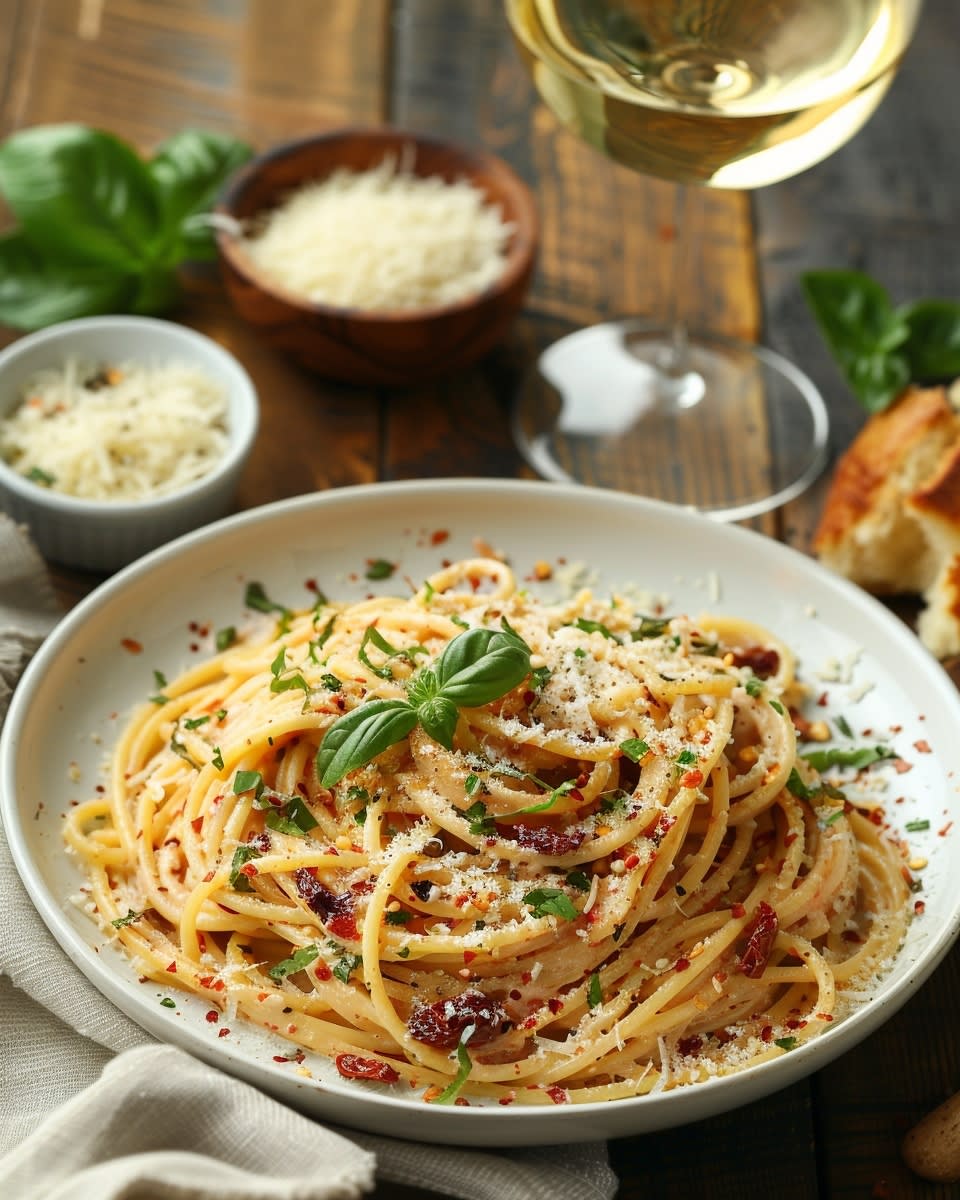
Introduction: My Love Affair with Sun-Dried Tomato Cream Pasta
I still remember the first time I tasted sun-dried tomato cream pasta at a small Italian restaurant in my neighborhood. One bite and I was hooked. The creamy sauce with those chewy, tangy tomato pieces created something magical on my plate. I knew right then I had to learn how to make it at home.
That was five years ago, and I’ve been perfecting this recipe ever since. Now I’m excited to share everything I’ve learned with you. This isn’t just another pasta recipe you’ll make once and forget. This is the kind of dish that becomes part of your regular dinner rotation because it’s so darn good.
What makes this sun-dried tomato cream pasta special? It hits every flavor note you could want. You get the richness from the cream, the tang from those beautiful tomatoes, and a savory depth that makes each bite better than the last. Plus, it comes together in about 30 minutes, which means you can have restaurant-quality pasta on your table on a busy weeknight.
I’m not just going to give you a basic recipe and send you on your way. I want to share all my tips, tricks, and variations so you can make this dish your own. Whether you want to add protein, swap ingredients, or adjust the flavors, I’ve got you covered.
Why Sun-Dried Tomatoes Transform Any Pasta Dish
Let me tell you why sun-dried tomatoes are my secret weapon in the kitchen. These little flavor bombs pack such an intense punch that a small amount goes a long way. When you dry tomatoes in the sun or in special dehydrators, all the water evaporates and leaves behind pure, concentrated tomato goodness.
Think about it this way: fresh tomatoes are great, but they’re mostly water. Sun-dried tomatoes are all flavor and no filler. That concentrated taste means you get a bold tomato presence in your pasta without making the sauce watery or thin. The texture is chewy and slightly sweet, which creates an amazing contrast with the smooth, creamy sauce.
I learned this lesson the hard way when I tried making this pasta with fresh tomatoes instead. The sauce turned out bland and watery. No amount of seasoning could fix it. But when I switched back to sun-dried tomatoes, everything clicked into place. The depth of flavor was exactly what the dish needed.
Here’s something else I love about sun-dried tomatoes: they bring a slight sweetness that balances out the richness of the cream. You get this beautiful harmony where no single flavor dominates. Everything just works together.
The Health Benefits That Make Me Feel Good About This Indulgent Dish
Now, I know what you’re thinking. Cream pasta doesn’t exactly sound like health food. But hear me out. The sun-dried tomatoes in this recipe actually bring some serious nutritional benefits to the table.
Sun-dried tomatoes are loaded with antioxidants, especially lycopene. This powerful compound has been studied for its potential to support heart health and protect your cells from damage. And here’s the cool part: drying tomatoes actually concentrates the lycopene, making sun-dried versions even more beneficial than fresh ones.
They’re also packed with vitamins. You get a good dose of vitamin C, which supports your immune system, and vitamin K, which helps with bone health. Plus, they contain iron, which many of us don’t get enough of in our diets.
I’m not saying this sun-dried tomato cream pasta is a superfood salad. But knowing that I’m adding something nutritious to an indulgent dish makes me feel better about enjoying it. Balance is what matters, right?
Another benefit: sun-dried tomatoes contain fiber. This helps slow down digestion and keeps you feeling satisfied longer. I’ve noticed that when I eat this pasta, I stay full for hours. It’s not one of those meals where you’re hungry again 30 minutes later.
Oil-Packed vs. Dry: Choosing Your Sun-Dried Tomatoes
When you head to the store, you’ll see two types of sun-dried tomatoes: ones packed in oil and dry ones in bags. Both work for this recipe, but they each have their place.
I usually go for oil-packed sun-dried tomatoes because they’re ready to use right out of the jar. They’re soft, flavorful, and the oil they come in is infused with all that tomato goodness. I actually save that oil and use it for cooking. It adds another layer of flavor to the dish.
Dry sun-dried tomatoes need to be rehydrated before you use them. You soak them in hot water for about 20 minutes until they soften up. This method works great if you want to control how much oil goes into your dish. The soaking liquid also becomes a flavorful addition you can use in the sauce.
Here’s my honest take: if you’re making this recipe for the first time, get the oil-packed ones. They’re easier to work with and you’ll get great results right away. Once you’re comfortable with the recipe, experiment with the dry ones if you want.
One more tip: check the ingredient list on jarred sun-dried tomatoes. Some brands add herbs and spices to the oil, which can be delicious. Others keep it simple with just tomatoes and olive oil. Both work fine, but knowing what’s in there helps you adjust your seasoning.
How Sun-Dried Tomatoes Elevate the Creamy Sauce
The magic happens when those tangy, slightly sweet tomatoes meet the rich cream sauce. The acid in the tomatoes cuts through the heaviness of the cream and creates balance. Without that brightness, cream sauce can feel too rich and one-dimensional.
I’ve made plenty of cream-based pasta dishes, and the ones that always get the best reactions are those with an acidic component. Sun-dried tomatoes do this job perfectly. They add complexity without making the sauce taste sour or sharp.
The texture contrast is another winner. You get the silky smooth sauce coating your pasta, then you bite into a piece of chewy sun-dried tomato. It keeps things interesting from the first bite to the last.
When I serve this sun-dried tomato cream pasta to guests, they always ask what makes it taste so special. The answer is that balance between creamy and tangy. It’s restaurant-quality flavor that you can easily create at home.
The best part? Those sun-dried tomatoes infuse the entire sauce with their flavor. You’re not just tasting them when you bite into a piece. Every single bite of pasta is touched by that concentrated tomato essence. That’s what makes this dish so crave-worthy and memorable.


Everything You Need to Make the Best Sun-Dried Tomato Pasta
Now that you understand why this dish works so well, let’s talk about what goes into your shopping cart. I’ve learned through trial and error that ingredient quality makes a huge difference here. You don’t need fancy gourmet stuff for most items, but a few smart choices will take your pasta from good to absolutely incredible.
First up, the pasta itself. I typically use penne or rigatoni because those tube shapes catch the creamy sauce beautifully. The ridges and hollow centers trap all that goodness. But honestly? I’ve made this with just about every pasta shape in my pantry. Farfalle works great, spaghetti is lovely, even shells do the job. Use what you have or what you love. That’s the beauty of this recipe.
For the cream component, I reach for heavy whipping cream. Some recipes call for half-and-half, but I find it doesn’t create the same luxurious texture. Heavy cream gives you that restaurant-quality silkiness. You’ll need about one cup, maybe a bit more if you like your sauce extra creamy. I’ve tried making lighter versions with milk, and they just don’t hit the same way. Save the milk for another day.
The sun-dried tomatoes are obviously our star ingredient. I grab an 8-ounce jar of the oil-packed variety. That’s usually the perfect amount for a pound of pasta. Sometimes I throw in an extra handful because I’m obsessed with them. The oil in the jar becomes part of your cooking fat, so don’t dump it out.
Here’s where things get interesting. You need fresh garlic, and I mean really fresh. Not the pre-minced stuff in a jar. Trust me on this. Fresh garlic cloves that you mince yourself bring an aromatic quality that the jarred version just can’t match. I use about four or five cloves, but I’m a garlic fanatic. Start with three if you’re more moderate.
Fresh basil is my herb of choice here. A handful of basil leaves torn up and stirred into the finished pasta adds brightness and a pop of color. If you can’t find fresh basil, dried Italian seasoning works in a pinch. But fresh really is better. I keep a basil plant on my windowsill specifically for recipes like this. By the way, if you’re growing herbs at home, basil is one of the easiest to maintain.
Parmesan cheese is non-negotiable. And please, I’m begging you, get the real stuff. Buy a chunk of Parmigiano-Reggiano and grate it yourself. Those green canisters of pre-grated cheese have their place, but this isn’t it. Fresh Parmesan melts into the sauce beautifully and adds a nutty, salty depth that makes everything sing. You’ll need about half a cup, grated.
For seasoning, keep it simple. Salt for the pasta water, black pepper for the sauce, and a pinch of red pepper flakes if you like a little heat. I always add the red pepper because I love that subtle warmth, but it’s totally optional. Some crushed red pepper gives this dish a gentle kick without making it spicy. Similar to how I approach my spicy Thai peanut noodles, it’s about finding that perfect heat level for your taste.
One ingredient people often overlook: pasta cooking water. This isn’t technically something you buy, but it’s absolutely essential. That starchy water becomes your secret weapon for getting the sauce consistency just right. I always reserve at least a cup before draining my pasta.
Optional additions that I love: a splash of white wine for deglazing the pan, some spinach for extra greens, or grilled chicken if you want protein. These aren’t required, but they’re nice ways to customize the dish. I’ve made versions with all kinds of additions, much like how versatile chicken bacon ranch pasta can be with different proteins.
My Foolproof Method for Perfect Creamy Tomato Pasta
Alright, let’s cook this thing. I’m going to walk you through exactly how I make this pasta every single time. These steps might seem detailed, but once you’ve done it once, it becomes second nature.
Start by bringing a large pot of water to a rolling boil. And I mean large. You want plenty of room for your pasta to move around. Here’s something I learned from an Italian friend: your pasta water should taste like the sea. Add a generous amount of salt, probably more than you think you need. This is your only chance to season the pasta itself from the inside out.
Once that water is boiling like crazy, add your pasta. Give it a good stir right away so nothing sticks together. Set a timer for two minutes less than the package directions say. We’re going for al dente here. The pasta will finish cooking in the sauce, so you don’t want it fully done at this stage.
While the pasta cooks, grab your largest skillet. I use a 12-inch pan because it gives me room to toss everything together later. Put it over medium heat and add about two tablespoons of that flavored oil from your sun-dried tomato jar. Let it heat up for a minute.
Mince your garlic and have it ready. Here’s a little trick: I chop my sun-dried tomatoes into smaller pieces before they go in the pan. Some people like big chunks, but I prefer them cut up so you get that flavor in every bite. Totally up to you though.
When your oil is shimmering, toss in the garlic. Watch it carefully. You want it fragrant and just barely golden, which takes about 30 seconds. Don’t walk away from the stove here. Garlic goes from perfect to burnt in about two seconds, and burnt garlic is bitter and gross.
The moment your garlic looks good, add those chopped sun-dried tomatoes. Stir them around for another minute or so. This step builds the flavor foundation for your entire sauce. The tomatoes will release their oils and start to caramelize slightly on the edges. Your kitchen will smell absolutely amazing right about now.
If you’re adding red pepper flakes, this is when they go in. Let them toast for just a few seconds to wake up their heat. Then pour in your heavy cream. Funny enough, the first time I made this, I added the cream too early and it kind of separated. Now I know to let those aromatics develop first.
Once the cream is in, reduce your heat to medium-low. You want gentle bubbles, not a rolling boil. Let the cream simmer and reduce slightly while your pasta finishes cooking. Stir it occasionally. The sauce will thicken as it cooks, and those tomatoes will infuse every drop with their flavor.
Right before your pasta is done, grab a coffee mug and scoop out about a cup and a half of that starchy pasta water. Set it aside. This is liquid gold for adjusting your sauce later. I cannot stress enough how important this step is. I’ve watched friends drain their pasta completely and then wonder why their sauce won’t come together right.
Drain your pasta but don’t rinse it. That starch clinging to the noodles helps the sauce stick. Here’s what I do next: I add the drained pasta directly to the skillet with the cream sauce. Some people do it the other way around, pouring sauce over pasta in a bowl, but combining them in the pan lets the pasta absorb flavor as it finishes cooking.
Crank the heat back up to medium and toss everything together. Add your grated Parmesan and keep tossing. The cheese will melt into the sauce and make it even creamier. If the sauce looks too thick, start adding that reserved pasta water a little at a time. I usually need about half a cup, but it varies.
The sauce should coat the pasta glossily without pooling at the bottom of the pan. That’s the consistency you’re after. It takes a minute or two of tossing and adding water in small splashes to get it just right. This technique works for so many pasta dishes, kind of like how I bring together one-pot cheesy taco pasta where everything melds in one pan.
Taste your pasta at this point. Does it need more salt? More pepper? A squeeze of lemon juice for brightness? This is your chance to make it perfect. I always taste before serving because every batch of tomatoes is slightly different in saltiness.
Turn off the heat and tear up your fresh basil leaves right over the pan. Toss them through one final time. The residual heat will wilt them slightly and release their aroma. That fresh basil on top of the rich creamy sauce is what takes this from a weeknight dinner to something special.
If you’re adding protein like grilled chicken or shrimp, stir it in right at the end just to warm it through. I’ve topped this with everything from garlic butter steak slices to simple sautéed shrimp. Both work beautifully with the creamy tomato base.
Serve immediately while everything is hot and the sauce is at its creamiest. I like to plate it in wide shallow bowls with an extra sprinkle of Parmesan and a basil leaf on top. Maybe crack some more black pepper over everything if you’re feeling fancy. The whole process from start to finish takes about 25 to 30 minutes, which is pretty incredible for something that tastes this good.


Creative Ways to Customize Your Sun-Dried Tomato Cream Pasta
Here’s the thing about recipes: once you master the basic version, the real fun begins. This creamy sun-dried tomato pasta is like a blank canvas that welcomes all kinds of creative additions. I’ve experimented with so many variations over the years, and honestly, I’ve never had a bad one. Some combinations just make sense together.
Let me share some of my favorite ways to switch things up. Sometimes I’m in the mood for something hearty with protein, other times I want to sneak in extra vegetables. The beauty of this dish is that it adapts beautifully to whatever you’re craving or whatever’s hanging out in your fridge.
Adding Protein for a Heartier Meal
Grilled chicken is probably the most popular addition to this pasta, and for good reason. I like to season chicken breasts with salt, pepper, and a little Italian seasoning, then grill them until they’re nice and juicy. Let the chicken rest for a few minutes before slicing it into strips. Those strips get laid right on top of the pasta, or you can dice them up and stir them through. Either way, you’re adding lean protein that makes this dish feel more complete.
Shrimp is another winner. I usually go for medium or large shrimp because they have better texture. Peel and devein them, then sauté them in a little garlic butter until they turn pink. The whole process takes maybe four minutes. Sometimes I cook the shrimp right in the same pan before I start the sauce, then set them aside and add them back at the end. The shrimp pick up all those delicious flavors from the sun-dried tomatoes, and it’s just fantastic.
Italian sausage brings a whole different vibe to this pasta. I’m talking about the good stuff, either sweet or spicy Italian sausage removed from the casings. Brown it in your skillet first, breaking it up into crumbles as it cooks. The fat that renders out becomes part of your sauce base, which adds incredible depth. My husband actually prefers this version over all the others. He says the sausage and sun-dried tomatoes were meant to be together.
For a vegetarian protein option, white beans work surprisingly well. I drain and rinse a can of cannellini beans and toss them in during the last few minutes of cooking. They’re creamy, mild, and they bulk up the dish without changing the flavor profile. Plus, beans add fiber and keep you full longer. It’s a smart choice if you’re trying to make the meal more substantial without adding meat.
Veggie-Loaded Versions That Don’t Sacrifice Flavor
Spinach is my go-to vegetable addition. I grab a few big handfuls of fresh baby spinach and stir it into the sauce right at the end. The heat wilts it down in seconds, and suddenly you’ve got greens in your pasta without any extra effort. The spinach doesn’t overpower the dish at all. It just adds color, nutrients, and a slight earthiness that complements the tangy tomatoes.
Roasted red peppers are another favorite. You can buy them in a jar right next to the sun-dried tomatoes. Slice them into strips and add them to the sauce. They bring a sweet, smoky flavor that plays really nicely with the cream. I discovered this combination by accident when I was trying to use up ingredients before a vacation, and now I make it on purpose all the time.
Mushrooms belong in this pasta if you ask me. Slice up some baby bellas or cremini mushrooms and sauté them with the garlic at the beginning. They release their moisture, get golden and caramelized, and add an earthy, umami quality to the dish. My kids usually aren’t mushroom fans, but they eat them in this pasta without complaint. Something about the creamy sauce makes everything more appealing.
Cherry tomatoes might seem redundant since we already have sun-dried tomatoes, but hear me out. Halve some cherry tomatoes and throw them in during the last couple minutes of cooking. They burst slightly and release their juices, creating little pockets of fresh tomato flavor that contrast beautifully with the concentrated dried ones. It’s like getting two different tomato experiences in one dish.
Zucchini is great if you’re looking to stretch the meal and add more vegetables. I cut zucchini into half-moons and sauté it with the garlic. It soaks up the sauce like a sponge and adds a nice textural element. During summer when zucchini is everywhere, this is my favorite way to use it up. You could even spiralize it and mix zucchini noodles with regular pasta for a lighter version.
Herb and Cheese Variations to Try
While basil is traditional and delicious, don’t be afraid to experiment with other herbs. Fresh thyme adds an earthy, slightly minty note that’s wonderful with the cream sauce. I strip the leaves from a few sprigs and stir them in. Oregano works too, though I use it sparingly because it’s pretty potent. A little goes a long way.
Arugula as a finishing touch is something I picked up from a restaurant. They tossed a handful of peppery arugula on top of the hot pasta right before serving. The heat wilts it slightly but it still has some bite. That peppery kick adds another dimension to the dish and makes it feel more sophisticated somehow.
Cheese variations can totally change the character of this pasta. While Parmesan is my standard, I’ve made versions with pecorino romano for a sharper, saltier flavor. Goat cheese is interesting too. Crumble some on top and let it melt slightly into the hot pasta. It adds tanginess that amps up the brightness of the sun-dried tomatoes. Mascarpone makes the sauce even silkier and more luxurious if you’re really going for decadence.
Making It Lighter Without Losing the Good Stuff
Sometimes you want the flavors of this pasta but need to lighten it up a bit. I get it. Here are some tweaks that actually work without turning the dish into diet food that nobody wants to eat.
You can swap half the heavy cream for Greek yogurt. Stir the yogurt in at the very end after you’ve turned off the heat, so it doesn’t curdle. This cuts some calories and fat while adding protein. The sauce won’t be quite as rich, but it’s still really satisfying. The tanginess of Greek yogurt actually enhances the sun-dried tomatoes.
Using whole wheat pasta adds fiber and makes the dish more filling. I won’t lie and say it tastes exactly the same as regular pasta, because it doesn’t. It’s nuttier and has more texture. But once it’s coated in that creamy sauce, the difference is pretty minimal. My kids don’t even notice when I use whole wheat pasta in this recipe.
Cauliflower cream is a trick I learned from a friend who’s dairy-free. You steam cauliflower until it’s super soft, then blend it with some of the pasta cooking water, garlic, and nutritional yeast. It creates a creamy sauce that’s surprisingly similar to the real thing. Add your sun-dried tomatoes to that base and you’ve got a lighter version that’s still packed with flavor. Understanding basic cooking fundamentals like how to create cream-like textures from vegetables opens up so many possibilities for healthier versions of your favorite dishes.
International Twists on the Classic Recipe
I love taking this Italian-inspired dish and giving it flavors from other cuisines. Adding a spoonful of pesto transforms it completely. You get that bright basil punch along with the richness of pine nuts and extra garlic. It’s like a sun-dried tomato pesto cream pasta hybrid, and it’s absolutely delicious.
Kalamata olives bring a Greek vibe to the pasta. Chop them up and stir them in with the sun-dried tomatoes. The briny, salty flavor pairs beautifully with the cream. Add some feta cheese and fresh dill, and you’ve got something that feels entirely different while still honoring the original recipe.
A splash of balsamic vinegar at the end adds a sweet-tart complexity that I really enjoy. Just a tablespoon is enough. It darkens the sauce slightly and gives it depth. This works especially well if you’ve added mushrooms or roasted vegetables to the mix.
For a spicy kick beyond just red pepper flakes, I sometimes add a spoonful of calabrian chili paste. This stuff is magic. It’s got fruity heat that doesn’t just burn your mouth. It enhances all the other flavors in the dish. You can find it at Italian markets or online, and a little jar lasts forever because you only need a small amount.
Seasonal Ingredient Swaps
In spring, I love adding asparagus to this pasta. Cut the asparagus into bite-sized pieces and blanch them in the pasta water during the last few minutes of cooking. They stay crisp-tender and bright green. The slight grassiness of asparagus works really well with the rich sauce.
Fall calls for butternut squash. I roast cubes of butternut squash with olive oil and sage until they’re caramelized and tender. Those sweet, earthy cubes get stirred into the pasta and they’re incredible. It makes the dish feel cozy and perfect for cooler weather.
Summer is all about fresh corn. Cut the kernels off a few ears of corn and sauté them until they’re slightly charred. The sweetness of fresh corn balances the tangy tomatoes perfectly. Add some fresh basil and maybe some diced tomatoes, and you’ve got a summer celebration on a plate.
These variations mean you can make this pasta year-round and never get bored. The basic formula stays the same, but the additions keep it interesting. By the way, this approach works with so many pasta dishes. Once you understand how flavors work together, you can customize almost anything. If you’re looking for more inspiration on how to transform classic pasta recipes into something uniquely yours, exploring different pasta and noodles recipes can spark all kinds of creative ideas for your next meal.
I hope these ideas inspire you to make this recipe your own. Start with the basic version until you’re comfortable with it, then branch out. Try one variation at a time so you can really taste how each addition changes the dish. Before you know it, you’ll have a whole repertoire of sun-dried tomato cream pasta variations that suit different moods, seasons, and occasions. That’s when cooking gets really exciting, when you’re not just following recipes but creating your own delicious versions based on what you love.
Frequently Asked Questions About Sun-Dried Tomato Cream Pasta
What type of pasta works best with sun-dried tomato cream sauce?
Short pasta shapes like penne, rigatoni, and farfalle work beautifully because they catch the creamy sauce in their ridges and hollows. That said, I’ve made this with spaghetti, linguine, and even shells with great results. The sauce is forgiving and coats any pasta shape well. My personal favorite is rigatoni because those tubes trap the sauce and little pieces of sun-dried tomato perfectly. Choose what you have on hand or what your family prefers, and you’ll be happy with the results.
Can I use regular tomatoes instead of sun-dried ones?
You technically can, but the dish will taste completely different and honestly, not as good. Fresh tomatoes contain too much water and lack the concentrated flavor that makes this recipe special. If you’re in a pinch, you could use tomato paste for intensity, but it won’t give you that chewy texture or tangy sweetness. Sun-dried tomatoes are really what make this dish unique. They’re not expensive and they last forever in your pantry, so I’d recommend keeping a jar on hand specifically for recipes like this.
How do I store leftover sun-dried tomato cream pasta?
Store leftovers in an airtight container in the refrigerator for up to three days. The sauce will thicken as it cools, which is totally normal. When you reheat it, add a splash of milk, cream, or pasta water to loosen it back up. I usually reheat individual portions in the microwave with a little extra liquid stirred in. You can also reheat it gently on the stovetop over low heat, stirring frequently. The flavors actually develop more overnight, so day-two pasta is sometimes even better than freshly made.
Is this dish suitable for vegetarians?
Absolutely, the basic recipe is completely vegetarian. It contains cream and Parmesan cheese, but no meat or fish. If you want to make it vegan, you’d need to swap the cream for cashew cream or coconut cream, and use nutritional yeast or vegan parmesan instead of regular cheese. I’ve tried the vegan version and while it’s different, it’s still delicious. The sun-dried tomatoes carry so much flavor that the dish works even with dairy substitutes.
Can I make this dish ahead of time?
I don’t recommend making the complete dish too far in advance because cream sauces can separate when reheated. However, you can prep components ahead of time. Chop your sun-dried tomatoes, mince your garlic, and grate your cheese the night before. You could even make the sauce earlier in the day and refrigerate it, then cook fresh pasta and combine them right before serving. If you absolutely need to make it completely ahead, undercook the pasta slightly and store everything separately, then combine and reheat gently with extra liquid when you’re ready to eat.
How can I make the sauce less creamy?
Use less cream and add more pasta cooking water to thin out the sauce. You could also mix half cream with half milk for a lighter consistency. Another option is to use only half a cup of cream and rely more on the starchy pasta water and Parmesan to create the sauce. The result will be less rich but still flavorful. You could also add more sun-dried tomatoes and their oil to compensate for the reduced cream, which keeps the sauce substantial without as much dairy.
What are some good side dishes to serve with this pasta?
Since this pasta is rich and creamy, I like to serve it with light, fresh sides. A simple green salad with lemon vinaigrette cuts through the richness perfectly. Garlic bread is classic and always welcome, though it makes the meal quite filling. Roasted broccoli or green beans add color and vegetables without competing with the pasta. A Caesar salad works wonderfully too. For a complete Italian-style meal, start with a caprese salad and finish with some fresh fruit. Keep the sides simple so the pasta remains the star.
Can I freeze sun-dried tomato cream pasta?
Cream-based sauces don’t typically freeze well because they can separate and become grainy when thawed. If you really need to freeze it, slightly undercook the pasta and use less cream in the sauce. Store it in freezer-safe containers for up to two months. When you’re ready to eat it, thaw it overnight in the refrigerator and reheat gently on the stovetop, stirring in fresh cream or milk to bring the sauce back together. Honestly though, this recipe comes together so quickly that I’d rather make it fresh than deal with freezing and reheating cream sauce.
How do I prevent the cream sauce from curdling?
The key is moderate heat and patience. Never let your cream sauce come to a hard boil. Keep it at a gentle simmer and stir it occasionally. If you’re adding acidic ingredients like wine or lemon juice, add them carefully and stir constantly. Make sure your heat isn’t too high when you combine the pasta with the sauce. If your sauce does start to look grainy or separated, remove it from heat immediately and whisk in a little cold cream or a splash of pasta water while stirring vigorously. Usually, this will bring it back together.
What’s the best way to reheat this pasta without drying it out?
The microwave actually works great if you do it right. Put your pasta in a microwave-safe bowl and add a couple tablespoons of water, milk, or cream. Cover it loosely with a damp paper towel and microwave in 30-second intervals, stirring between each one. On the stovetop, use a pan over medium-low heat with added liquid, stirring frequently until it’s heated through. Whatever method you choose, adding extra moisture is the secret. The pasta absorbs liquid as it sits in the fridge, so you need to add some back during reheating to restore that creamy consistency.
This sun-dried tomato cream pasta has become one of those reliable recipes I turn to again and again, whether I’m cooking for myself on a Tuesday night or entertaining friends on the weekend. The basic recipe is a keeper on its own, but knowing you can customize it in endless ways means you’ll never get bored. Give it a try, make it your own, and I bet it’ll become a regular in your kitchen too.
Ingredients
Equipment
Method
- Porter une grande casserole d'eau à ébullition et ajouter une généreuse quantité de sel.
- Ajouter les pâtes à l'eau bouillante et cuire 2 minutes de moins que les instructions sur l'emballage pour obtenir une cuisson al dente.
- Pendant que les pâtes cuisent, chauffer 2 cuillères à soupe d'huile du pot de tomates séchées dans une grande poêle à feu moyen.
- Émincer l'ail et hacher les tomates séchées en morceaux plus petits.
- Ajouter l'ail émincé dans la poêle et faire sauter jusqu'à ce qu'il soit parfumé et à peine doré, environ 30 secondes.
- Ajouter les tomates séchées hachées et faire sauter pendant encore une minute.
- Si vous utilisez, ajouter les flocons de piment rouge et les faire légèrement rôtir.
- Verser la crème épaisse et réduire le feu à moyen-doux. Laisser mijoter et réduire légèrement.
- Réserver environ 1.5 tasse d'eau de cuisson des pâtes avant de les égoutter.
- Égoutter les pâtes, puis les ajouter directement dans la poêle avec la sauce, sans les rincer.
- Mélanger les pâtes avec la sauce et ajouter le fromage Parmigiano, en mélangeant jusqu'à ce qu'il soit fondu et bien combiné.
- Si la sauce est trop épaisse, ajouter progressivement l'eau de cuisson réservée pour obtenir la consistance désirée.
- Goûter et ajuster l'assaisonnement avec du sel, du poivre ou un filet de citron si nécessaire.
- Incorporer les feuilles de basilic frais déchirées juste avant de servir.
- Servir immédiatement, décoré de fromage Parmigiano supplémentaire et de basilic.