
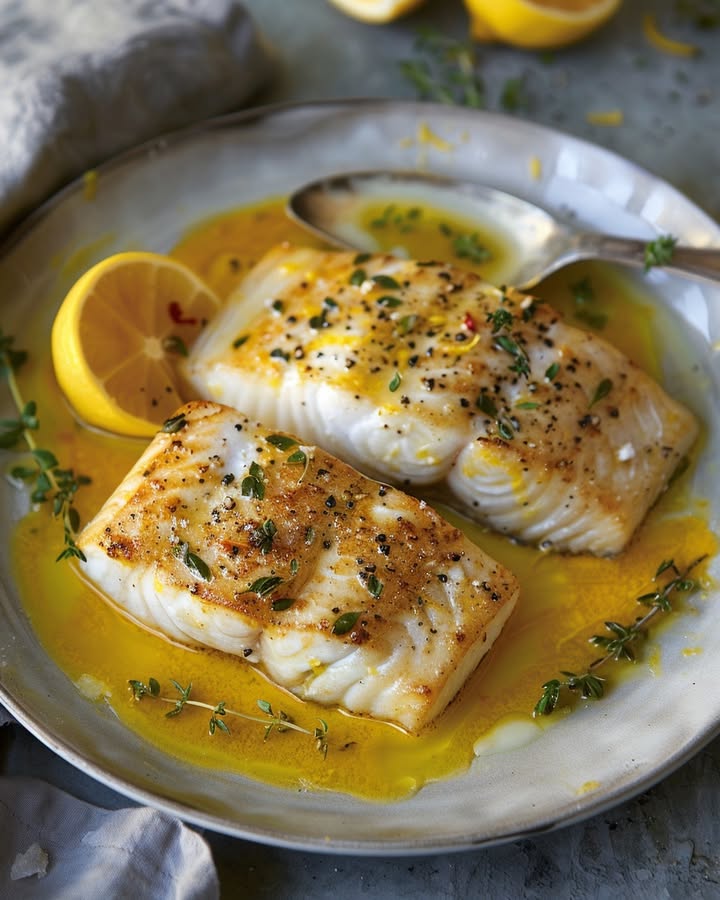
Why This Lemon Butter Fish is a Must-Try
There’s nothing quite like the zesty, buttery goodness of a well-made Lemon Butter Fish. It’s one of those simple yet show-stopping dishes that always wins over my family and friends. The crispy pan-fried fish with that luscious, golden sauce—oh, it’s a match made in heaven! Let me tell you, this recipe is a true keeper.
A Brief History of Lemon Butter Fish
While I can’t trace the exact origins of Lemon Butter Fish, I can tell you that it has been a classic in many coastal cuisines for generations. From the Mediterranean to the coasts of the United States, this dish has evolved into a beloved staple. Traditionally, it was a way to use up fresh fish and simple pantry staples, but today, it’s a go-to for its delicious simplicity and crowd-pleasing flavor.
Why You’ll Love This Recipe
This Lemon Butter Fish is a standout for several reasons. First, the combination of tangy lemon and rich, nutty browned butter is just divine. Plus, the recipe is incredibly straightforward, making it perfect for both weeknights and special occasions. The crispy, flaky fish with a drizzle of that velvety sauce—trust me, it’s a winner!
Perfect Occasions to Prepare This Recipe
Whether you’re hosting a casual dinner party, celebrating a special occasion, or simply looking for a satisfying meal, Lemon Butter Fish fits the bill. It’s elegant enough for formal gatherings and easy enough for a quick weeknight dinner. Serve it with a side of steamed veggies or a light salad, and you’ve got a complete, delightful meal.
Ingredients
Lemon Butter Sauce:
- 60 g / 4 tbsp unsalted butter, cut into pieces
- 1 tbsp fresh lemon juice
- Salt and finely ground pepper
Crispy Pan-Fried Fish:
- 2 thin white fish fillets (120-150g / 4-5 oz each), skinless and boneless (Bream is recommended)
- Salt and pepper
- 2 tbsp white flour
- 2 tbsp oil (canola oil recommended)
Serving:
- Lemon wedges
- Finely chopped parsley (optional)
Substitution Options
If you can’t find Bream, any white fish will work well. Cod, tilapia, or even catfish are great alternatives. For the butter, you can use salted butter but be sure to adjust the added salt. If you don’t have fresh lemon juice, bottled lemon juice can be used, though the flavor might be slightly different.
Preparation Section
Step 1: Make the Lemon Butter Sauce
Place the butter in a light-colored saucepan or small skillet over medium heat. Melt the butter and let it cook, whisking or stirring occasionally. When the butter turns golden brown and smells nutty (about 3 minutes), remove from the stove immediately and pour into a small bowl. Add the lemon juice and a pinch of salt and pepper. Stir, then taste once it has cooled slightly. Adjust the lemon/salt to taste. Set aside. The sauce will stay pourable for 20-30 minutes. See notes for storing.
Step 2: Prepare the Fish
Pat the fish dry using paper towels. Sprinkle with salt and pepper, then coat lightly with flour. Use your fingers to spread the flour evenly. Shake off any excess flour. This step is crucial for achieving a crispy exterior on the fish.
Step 3: Cook the Fish
Heat the oil in a non-stick skillet over high heat. When the oil is shimmering and faint wisps of smoke are visible, add the fish. Cook for 1.5 minutes until golden and crispy on the edges, then turn and cook the other side for another 1.5 minutes. If you have thicker fillets, you may need to cook them a bit longer. Remove immediately onto serving plates.
Step 4: Serve
Drizzle each fillet with about 1 tbsp of the sauce, avoiding the dark specks settled at the bottom of the bowl. Garnish with parsley, and serve with lemon wedges on the side. The vibrant colors and fresh flavors make this dish a feast for the eyes and the palate.
Chef’s Tip
For an extra burst of flavor, add a small amount of finely grated garlic to the butter as it melts. This adds a subtle, savory note that complements the lemon and butter beautifully.
Timing
Prep Time: 10 minutes
Cooking Time: 10 minutes
Total Time: 20 minutes
Chef’s Secret
One of my favorite tricks is to add a splash of white wine to the sauce after browning the butter. This not only enhances the flavor but also helps to deglaze the pan, picking up all those delicious browned bits. Give it a try; it’s a game-changer!
Extra Info
Did you know that lemons are not just for flavor? They’re packed with vitamin C and antioxidants, making them a nutritious addition to your diet. Plus, the bright, citrusy aroma is a mood booster in itself!
Necessary Equipment
- Light-colored saucepan or small skillet
- Non-stick skillet
- Small bowl
- Paper towels
- Spatula
Storage
The lemon butter sauce can be stored in an airtight container in the refrigerator for up to 5 days. Reheat gently in a small saucepan before serving. The cooked fish is best enjoyed fresh, but if you have leftovers, store them in an airtight container in the fridge for up to 2 days. Reheat in the oven or microwave, but be aware that the fish may lose some of its crispiness.
For the best results, prepare the sauce and fish just before serving. This ensures the fish stays crispy, and the sauce remains creamy and flavorful. If you need to make ahead, consider preparing the sauce and storing it separately, then cooking the fish right before serving.
Tips and Advice
- Make sure the fish is thoroughly patted dry before coating with flour. This helps achieve a nice, crispy crust.
- Don’t overcrowd the pan when cooking the fish. This can cause the fish to steam rather than fry, resulting in a less crispy texture.
- Use a non-stick skillet for the best results. A well-seasoned cast-iron pan can also work, but it may require a bit more oil.
Presentation Tips
- Garnish with fresh herbs like parsley or dill for a pop of color.
- Add a few slices of fresh lemon on the side for a decorative touch.
- Pair the fish with a colorful side dish, such as a mixed green salad or steamed vegetables, to make the plate visually appealing.
Healthier Alternative Recipes
- Baked Cod: For a healthier twist, try baking the cod instead of frying. Check out this Baked Cod recipe for a lighter option.
- Garlic Butter Shrimp: Swap the fish for shrimp and keep the lemon butter goodness. Here’s a Garlic Butter Shrimp recipe that’s equally delicious.
- Grilled Salmon Fillets: Grilled salmon is a fantastic alternative. The Grilled Salmon Fillets recipe offers a heart-healthy option with a smoky flavor.
- Miso Glazed Salmon with Bok Choy: For a fusion of flavors, try this Miso Glazed Salmon with Bok Choy. It’s a unique and tasty way to enjoy salmon.
- Herb-Crusted Halibut: Another healthy and flavorful option is herb-crusted halibut. It’s a bit more complex but totally worth the effort.
- Steamed Sea Bass with Soy Ginger Sauce: For a light and refreshing option, try steaming the sea bass and serving it with a soy ginger sauce. It’s a low-calorie, high-flavor choice.
Common Mistakes to Avoid
Mistake 1: Overcooking the Fish
Overcooking is a common mistake that can turn a perfectly good fish into a rubbery, unappetizing mess. To avoid this, keep a close eye on the fish and follow the cooking times carefully. A good rule of thumb is to cook the fish for 8-10 minutes per inch of thickness. If you’re unsure, check the fish with a fork; it should flake easily and be opaque in the center.
Mistake 2: Not Browning the Butter Enough
Browning the butter is key to getting that nutty, rich flavor. If you don’t let the butter brown long enough, you’ll miss out on this depth of flavor. Watch the butter closely and stir or whisk as it melts. As soon as it turns a golden brown and starts to smell nutty, it’s ready. Don’t let it burn, or the sauce will have a bitter taste.
Mistake 3: Overcrowding the Pan
Overcrowding the pan can lead to a soggy, steamed fish instead of a crispy, pan-fried one. Make sure to use a large enough pan so that the fish isn’t touching. If you need to, cook the fish in batches. This will ensure that each piece gets a nice, crispy crust.
Mistake 4: Using Stale Herbs
Fresh herbs, like parsley, add a burst of freshness and color to the dish. If you use stale or old herbs, they won’t have the same impact. Make sure to use fresh, vibrant herbs to garnish your fish for the best flavor and presentation.
Mistake 5: Not Patting the Fish Dry
Patting the fish dry with paper towels is crucial for getting a crispy exterior. If the fish is wet, the flour won’t adhere properly, and the fish will steam instead of fry. Take a few extra seconds to pat the fish dry, and you’ll be rewarded with a perfectly crispy result.
FAQ
Can I use a different type of fish for this recipe?
Yes, you can use any white fish for this recipe. Cod, tilapia, and catfish are all great alternatives. Just make sure the fish is skinless and boneless for the best results.
What can I substitute for fresh lemon juice?
While fresh lemon juice is ideal, you can use bottled lemon juice as a substitute. However, the flavor might be slightly different, so adjust to taste.
How do I store leftover lemon butter fish?
Store leftover fish in an airtight container in the refrigerator for up to 2 days. Reheat in the oven or microwave, but the fish may lose some of its crispiness. The lemon butter sauce can be stored separately in the fridge for up to 5 days.
Can I make the lemon butter sauce ahead of time?
Yes, you can make the lemon butter sauce ahead of time and store it in the refrigerator for up to 5 days. Reheat gently in a small saucepan before serving.
Is there a way to make this recipe healthier?
To make the recipe healthier, you can bake the fish instead of frying. You can also use a high-fiber diet approach by adding more vegetables and whole grains to your meal. For example, serve the fish with a side of steamed broccoli and quinoa for a nutritious and balanced meal. For more information on high fiber diets, check out this article.
What’s the best way to reheat the lemon butter sauce?
The best way to reheat the lemon butter sauce is in a small saucepan over low heat. Stir frequently to prevent it from burning. You can also microwave it in short intervals, stirring between each, until it reaches the desired temperature.
Can I use olive oil instead of canola oil?
Yes, you can use olive oil instead of canola oil, but keep in mind that olive oil has a lower smoke point and may start to smoke quicker. Use it in moderation and be prepared to adjust the heat as needed.
What if I don’t have unsalted butter?
If you only have salted butter, you can use it but be sure to reduce the amount of added salt. Taste and adjust the seasoning after adding the lemon juice to get the right balance of flavors.
How do I know when the fish is done?
The fish is done when it flakes easily with a fork and is opaque in the center. This usually takes about 1.5 minutes per side for thin fillets. If your fillets are thicker, you may need to increase the cooking time slightly.
Can I use a different type of flour for coating the fish?
Yes, you can use a different type of flour, such as whole wheat or gluten-free flour, to coat the fish. Just keep in mind that the texture and flavor may be slightly different.
For more delicious and easy-to-make seafood recipes, head over to the seafood section of our site. You’ll find a variety of options to suit every taste and occasion.
Conclusion
Whether you’re a seasoned home cook or just starting out, this Lemon Butter Fish is a recipe you’ll want to add to your repertoire. Its simplicity, incredible flavor, and versatility make it a go-to for any night of the week. So, gather your ingredients, roll up your sleeves, and get ready to impress your family and friends with this delectable dish. Happy cooking!
Lemon Butter Fish
Ingredients
Equipment
Method
- Place the butter in a light-colored saucepan or small skillet over medium heat. Melt the butter and let it cook until golden brown and nutty (about 3 minutes), then remove from heat and pour into a small bowl. Add lemon juice, salt, and pepper, stir, and set aside.
- Pat the fish dry with paper towels and sprinkle with salt and pepper. Coat lightly with flour and shake off excess flour.
- Heat oil in a non-stick skillet over high heat. When the oil is shimmering, add the fish and cook for 1.5 minutes until golden and crispy, then turn and cook the other side for another 1.5 minutes. Remove to serving plates.
- Drizzle each fillet with about 1 tbsp of lemon butter sauce, garnish with parsley, and serve with lemon wedges.