
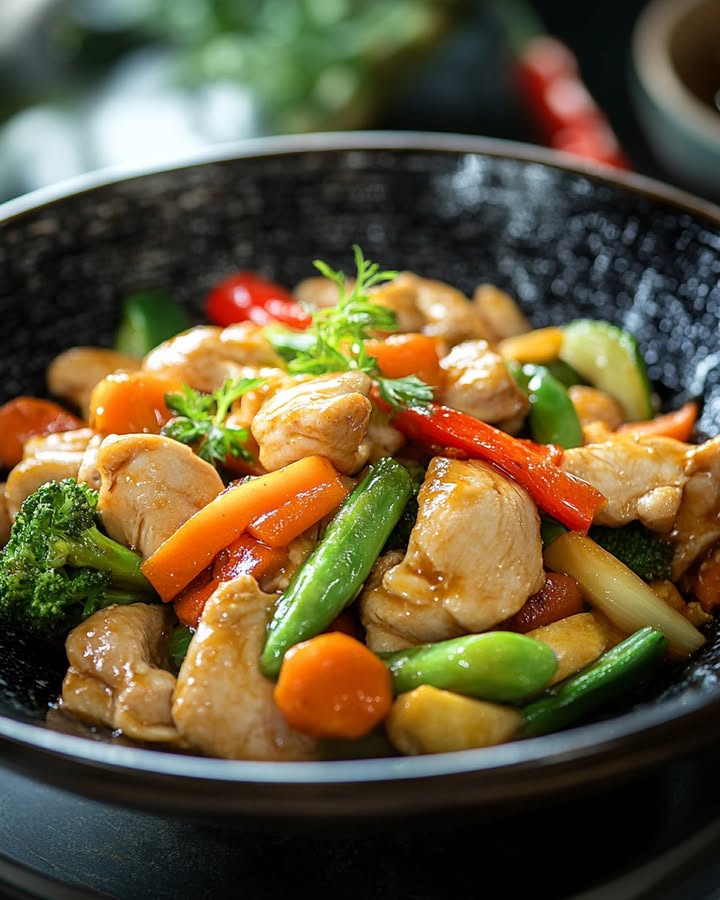
A Simple Chicken Vegetable Stir Fry That Saved My Weeknight Dinner Routine
I have a confession. For years, I thought stir-fries were complicated. All that chopping and fast-paced tossing? It seemed too much for a tired Tuesday. Then I discovered this Chicken with Mixed Vegetable Stir Fry. It changed everything. It’s not just a meal; it’s a colorful, quick, and happy solution to the “what’s for dinner?” panic. I now make it so often my family teases me, but they always cheer when the sizzle starts from the kitchen.
The Story Behind Chicken Vegetable Stir Fry
Stir-frying is a centuries-old Chinese cooking method. It’s clever. High heat, a quick cook, and ingredients tossed together to keep their flavor and crunch. My version is a modern, home-cook friendly take. I blend the traditional “velvetting” technique for tender chicken with a rainbow of veggies from my local market. It’s less about strict tradition and more about making a healthy, delicious plate that everyone at my table loves.
Why You’ll Absolutely Love This Chicken and Veggie Stir Fry
Here’s the real magic of this recipe. It’s a total crowd-pleaser but feels light. You get juicy, tender chicken coated in a glossy, savory-sweet sauce. The vegetables stay bright and crisp. It’s a complete meal in one pan. Plus, it’s flexible. Use whatever veggies you have. It’s forgiving, fast, and always delivers. I love it because it makes eating well feel easy and fun.
Perfect Occasions for This Stir Fry
This dish is your culinary Swiss Army knife. It’s perfect for hectic weeknights when time is short. It’s also great for casual weekend lunches with friends. I’ve even doubled the batch for a simple, healthy potluck contribution. It travels well! And because it’s so colorful, it makes a lovely, light meal after a heavy holiday weekend.
Gathering Your Ingredients for Chicken Vegetable Stir Fry
Here’s what you’ll need for this flavor-packed dish. I recommend prepping everything before you start cooking. That’s the stir-fry way!
- For the Chicken Marinade: 1 lb boneless chicken breast, 2 tbsp water, 1 tbsp Shaoxing wine, ½ tsp salt, ½ tsp baking soda, 2 tsp cornstarch, 1 tbsp oil.
- For the Stir Fry Sauce: 3 tbsp soy sauce, 3 tbsp water, 1 tbsp sugar, ½ tsp chicken bouillon powder (optional), ½ tsp dark soy sauce (optional), 1 tsp cornstarch, 1 tsp toasted sesame oil.
- For the Stir Fry: 4 cups mixed vegetables (like broccoli, carrots, bell pepper, zucchini), 3 cloves minced garlic, 1 tsp minced ginger, 2 tbsp cooking oil.
Easy Substitutions for Your Stir Fry
Don’t stress if you’re missing something. Here are easy swaps:
- Shaoxing Wine: Use dry sherry or a splash of rice vinegar.
- Chicken: Thin sliced chicken thighs work too.
- Soy Sauce: For a gluten-free version, use tamari.
- Vegetables: Any quick-cooking veg works! Snap peas, cauliflower florets, or baby corn.
- Sugar: Honey or maple syrup give a nice flavor twist.
Let’s Cook! Step-by-Step Chicken Vegetable Stir Fry Instructions
Step 1: Marinate the Chicken
Start by slicing your chicken breast into thin, bite-sized pieces. In a bowl, mix the chicken with water, Shaoxing wine, salt, and baking soda. Massage it gently until the liquid is mostly absorbed. This hydrates the meat. Now add the cornstarch. It will create a smooth, protective coating. Finally, drizzle in the oil and mix. This keeps the pieces separate when cooking. Let it sit for at least 10 minutes. This “velvetting” step is the secret to incredibly tender stir fry chicken.
Step 2: Prepare Your Amazing Sauce
While the chicken rests, make the sauce. In a small bowl, combine the soy sauce, water, sugar, and any optional powders. Whisk in the cornstarch until it’s completely smooth with no lumps. Then stir in that magical toasted sesame oil. You’ll get a dark, fragrant liquid that will transform into a glossy, clinging sauce. Set this bowl aside near your stove. Having it ready is key for the fast-paced stir fry dance coming up.
Step 3: Blanch the Vegetables to Perfect Crispness
Bring a pot of water to a rolling boil. We’ll blanch the veggies to lock in color and texture. Add the hardest vegetables first, like carrots and broccoli. After a minute, add the softer ones like bell pepper and snow peas. Cook just until they’re vibrant and tender-crisp, about 2-3 minutes total. Immediately drain them. They should be bright and cheerful, ready for their final toss in the pan. Pro tip: Don’t overcook here! We want crunch.
Step 4: Cook the Chicken and Create the Stir Fry
Heat oil in a large wok or skillet over medium-high heat. Add your marinated chicken. Spread it out and let it cook undisturbed for a minute until the bottom is golden. Flip and cook the other side. The chicken should be just cooked through, not dry. Remove it to a plate. In the same pan, add the garlic and ginger. They’ll sizzle and release an incredible aroma in seconds. Pour in your prepared sauce. Stir constantly as it bubbles and thickens into a shiny, beautiful glaze.
Step 5: The Grand Finale – Bringing It All Together
Now for the fun part! Add the cooked chicken back into the glossy sauce. Toss and stir until every piece is perfectly coated. That sauce is the star. Finally, add your blanched vegetables. Give everything a few good tosses until the sauce clings to the veggies and everything is hot and harmonious. Your Chicken Vegetable Stir Fry is ready! Chef’s tip: Toss the chicken in the sauce first before adding veggies. It ensures every chicken piece gets saucy love.
Timing Your Perfect Chicken Stir Fry
The beauty is how quick this is! Here’s a simple breakdown:
- Prep Time (chopping, marinating, sauce making): 15 minutes
- Cooking Time (blanching, stir-frying): 10 minutes
- Total Time: About 25 minutes
My Little Stir Fry Secret
The secret is in the marinade. That tiny bit of baking soda is a game-changer. It tenderizes the chicken in a way salt alone can’t. It keeps the meat juicy even under high heat. Don’t skip it! It’s the difference between good chicken and melt-in-your-mouth chicken.
A Fun Fact About Stir Fry
The term “stir fry” comes from the Chinese chao, meaning “to stir” and “to fry.” It’s a method designed for efficiency and flavor preservation, using high heat and constant motion. It’s why your veggies stay so bright and full of life in this dish!
Equipment You’ll Need
You don’t need fancy tools. A few basics will do:
- A large wok or a wide, deep skillet (for good tossing space)
- A good chef’s knife and cutting board
- A pot for blanching vegetables
- Measuring spoons and bowls for mixing
Storing Your Leftover Chicken Stir Fry
Store leftovers in an airtight container in the fridge. They will keep well for up to 4 days. The sauce may separate a bit, but the flavors remain delicious.
When reheating, you can use the microwave for convenience. For better texture, reheat in a pan over medium heat. Stir gently until hot throughout.
Note that the vegetables will soften a little after storage. They won’t be as crisp as the first day, but the dish will still be tasty and satisfying.
Helpful Tips for a Foolproof Stir Fry
- Cut all vegetables to similar, bite-sized pieces for even cooking.
- Have everything prepped and ready before you turn on the stove. Stir-frying is fast!
- Don’t crowd the pan when cooking the chicken. Cook in batches if needed for perfect browning.
- Adjust the sauce sweetness or saltiness to your taste after you combine everything.
Presentation Ideas to Make It Pretty
A beautiful dish is a happy dish. Serve your Chicken Stir Fry in a shallow, wide bowl to show off the colors. Garnish with a sprinkle of sesame seeds or chopped green onion. For a family dinner, serve it directly from the wok at the table with steamed rice on the side. The contrast of the white rice with the colorful stir fry is lovely.
Try These 6 Healthy Chicken Stir Fry Variations
Once you master the basic Chicken Vegetable Stir Fry, try these fun twists:
- Spicy Thai Style: Add red curry paste and a splash of coconut milk to the sauce, with basil for garnish.
- Teriyaki Twist: Swap the sauce for a mix of soy sauce, mirin, and more sugar for a classic Japanese flavor.
- Ginger-Scallion Focus: Double the ginger and add lots of sliced scallions for a sharp, aromatic kick.
- Cashew Chicken: Stir in roasted cashews at the end for crunch and rich flavor.
- Low-Carb Version: Skip the sugar in the sauce and use cauliflower rice as a base instead of regular rice.
- Extra Veggie Power: Use only vegetables and swap chicken for tofu or chickpeas for a plant-based feast.
If you enjoy chicken dishes that are packed with flavor yet easy to make, you might also love our Spicy Honey Lime Chicken Thighs for a sweet and fiery kick. For a comforting, one-pot wonder, our One-Pot Lemon Herb Chicken and Orzo is a family favorite. When you crave something creamy and indulgent, try this Creamy Garlic Butter Chicken and Rice Skillet. And for a fresh, Mediterranean-inspired bowl, check out this vibrant Mediterranean Chicken and Couscous Bowl.
Common Mistakes to Avoid in Your Chicken Stir Fry
Mistake 1: Overcrowding the Pan
This is the biggest stir-fry sin. Adding all the chicken or veggies at once lowers the pan temperature drastically. Instead of a quick, hot sear, you get a slow steam. The ingredients become soggy and lose their texture. Always cook in batches if your pan isn’t huge. Give each piece space to sizzle properly.
Mistake 2: Skipping the Blanching Step for Vegetables
Trying to cook raw, hard vegetables like carrots and broccoli directly in the stir-fry pan often leads to undercooked veggies or overcooked chicken. The high-heat stir-fry time is too short for them to soften. Blanching them first ensures they are perfectly tender-crisp and ready to just warm up in the final toss. It’s a crucial step for balance.
Mistake 3: Using Old, Clumpy Cornstarch in the Sauce
If you don’t whisk the cornstarch into the sauce liquids thoroughly before adding it to the pan, you’ll get lumpy, uneven sauce. The cornstarch must be fully dissolved in the cool liquid. Take an extra moment to whisk it until completely smooth. This guarantees a silky, glossy sauce that coats everything evenly.
Mistake 4: Overcooking the Chicken After Marinating
The velvetting marinade makes chicken very tender. But it’s fragile. If you cook it too long, it can still become dry and rubbery. Cook just until the pink color disappears and the pieces feel firm. Remove it from the pan immediately. It will finish warming up when you toss it back in the sauce.
Nutrition and Quality in Your Stir Fry
This Chicken Vegetable Stir Fry is a fantastic way to enjoy a balanced meal. The chicken provides high-quality protein to help build and repair muscle. For more information on selecting and understanding high-quality protein-rich foods, trusted resources can offer great guidance. Pairing it with a variety of vegetables adds fiber, vitamins, and color to your plate, making it a wholesome choice for any day.
This Chicken with Mixed Vegetable Stir Fry is one of my go-to main dish recipes because it’s so reliably good and adaptable to whatever I have in the fridge.
Your Chicken Stir Fry Questions Answered
Can I use frozen vegetables for this stir fry?
Yes, you can use frozen vegetables. It’s a convenient option. However, I recommend thawing them first and patting them dry to remove excess water. Frozen veggies often release more water when cooked. This can make your stir fry sauce watery. If you use them directly from frozen, you might need to cook them a bit longer in the pan to evaporate the extra moisture. For best texture, fresh vegetables are superior, but frozen mix works in a pinch.
What can I use if I don’t have a wok?
A wok is ideal but not required. Any large, wide skillet will work perfectly. The key is having a pan with enough surface area. A cast iron skillet or a large non-stick frying pan are great substitutes. Make sure it can handle medium-high heat. The shape is different, but the function is the same: to cook quickly over high heat with room to toss your ingredients.
How can I make this stir fry less salty?
If you are sensitive to salt, there are easy adjustments. First, use a “lite” or lower-sodium soy sauce. Second, you can reduce the amount of soy sauce in the recipe by a tablespoon and add a bit more water. Finally, skip the optional chicken bouillon powder, as it adds saltiness. Taste your sauce before adding it and adjust. You can also balance saltiness with a tiny extra pinch of sugar.
Is the baking soda in the marinade necessary?
The baking soda is highly recommended for the best texture. It’s a natural tenderizer that changes the pH on the chicken’s surface. This helps it stay incredibly juicy and soft, even when cooked quickly over high heat. If you absolutely cannot use it, just use the rest of the marinade. The chicken will be okay, but it won’t have that signature “velveted,” super-tender bite that makes this recipe special.
Can I make this recipe ahead of time?
You can prep components ahead to save time. Marinate the chicken and keep it in the fridge overnight. Chop all your vegetables and store them in bags in the fridge. Make the sauce and keep it in a closed jar. Then, when ready to cook, just blanch your veggies and stir-fry. The actual cooking must be done fresh for the best texture. Fully cooked stir fry reheats well but is best enjoyed immediately.
What’s the best rice to serve with this stir fry?
Simple steamed white or brown rice is the classic pairing. Jasmine or basmati rice adds a lovely fragrance. For a lighter option, cauliflower rice works wonderfully and keeps the meal low-carb. Sometimes I even serve it over quinoa for extra protein. The stir fry is saucy and flavorful, so it goes well with any grain that can soak up that delicious sauce.
My sauce didn’t thicken. What went wrong?
If your sauce remains thin, two things likely happened. First, the cornstarch might not have been fully dissolved before adding. Always whisk it until smooth. Second, the sauce might not have reached a full boil in the pan. Cornstarch needs to cook and bubble to activate its thickening power. Keep the sauce on medium heat and stir until you see it visibly thicken and become glossy, which usually takes a minute or two.
Can I add other proteins like shrimp or beef?
Absolutely! This recipe framework works with many proteins. For shrimp, marinate them briefly (without baking soda) and cook very quickly. For beef, use thin slices like flank steak and a similar marinade. Adjust cooking times based on the protein. The sauce and vegetable method remain the same. It’s a versatile blueprint for any quick stir fry.
How do I know when my vegetables are blanched correctly?
The vegetables should be vibrant in color and tender-crisp to the bite. Think of the texture of a perfectly cooked carrot in a salad – not raw and hard, but not soft and mushy. Test a piece by tasting it after 2 minutes in the boiling water. It should have lost its raw edge but still have a pleasant crunch. Immediately drain and rinse with cold water to stop the cooking if needed.
Why is toasted sesame oil used only at the end of the sauce?
Toasted sesame oil has a strong, nutty flavor and a low smoke point. It’s not meant for high-heat cooking. Adding it to the sauce mixture at the end preserves its distinct aroma. If you cook it over high heat, it can burn and taste bitter. Its role is as a finishing flavor bomb, not a cooking oil. That’s why we mix it into the sauce away from the heat.
A Final Word on This Family Favorite
This Chicken with Mixed Vegetable Stir Fry recipe is more than just instructions. It’s a path to a reliable, healthy, and utterly delicious dinner. It has saved my sanity on busy nights and brought smiles to my dinner table. I hope it becomes a trusted friend in your kitchen too. Give it a try, play with the veggies, and make it your own. Happy stir-frying!
Chicken Vegetable Stir-Fry
Ingredients
Equipment
Method
- Slice chicken breast into thin, bite-sized pieces and mix with marinade ingredients; let sit for at least 10 minutes.
- In a small bowl, mix sauce ingredients together until smooth; set aside.
- Blanch vegetables by boiling them for 2-3 minutes until tender-crisp; then drain.
- Heat oil in a large wok or skillet and cook marinated chicken until just cooked through; remove from pan.
- In the same pan, sauté garlic and ginger, then add prepared sauce until it bubbles and thickens.
- Return cooked chicken to pan, toss with sauce, then add blanched vegetables; stir until hot and evenly coated.