
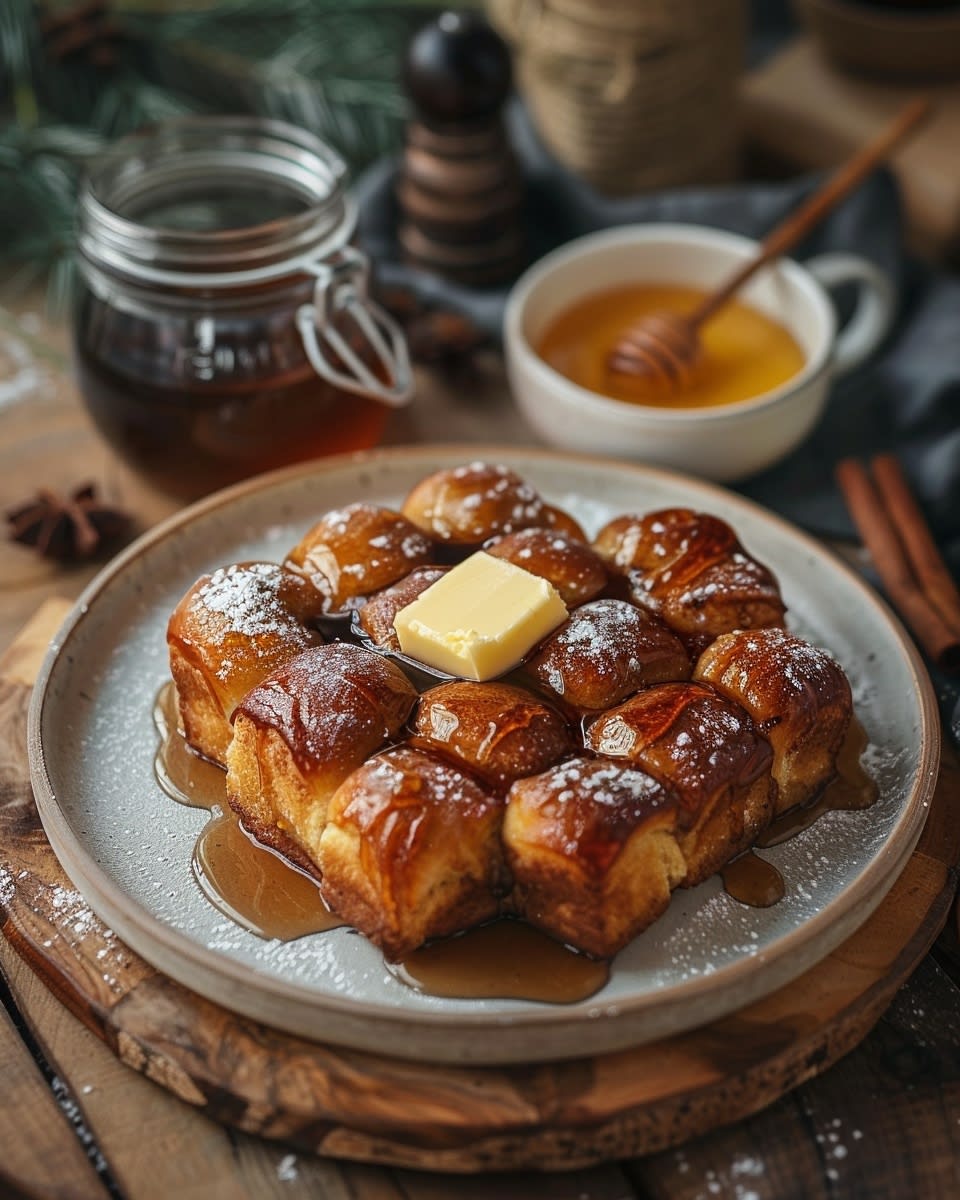
A Sweet Treat That Brings Everyone Together
Last Sunday morning, I woke up to the smell of cinnamon and sugar wafting through my house. My sister had surprised us with a warm pan of cinnamon roll monkey bread, and I swear the entire family appeared in the kitchen within minutes. There’s something magical about this dessert that makes people gather around the table with eager smiles and outstretched hands.
If you’ve never tried cinnamon roll monkey bread, you’re in for a real treat. This pull-apart delight takes everything you love about classic cinnamon rolls and combines it with the fun, shareable nature of traditional monkey bread. The result? A gooey, sweet, utterly irresistible dessert that gets demolished faster than you can say “pass me another piece.”
This recipe shines at special occasions like holiday mornings, birthday brunches, or family gatherings. But honestly, you don’t need an excuse to make it. A lazy Saturday morning or a cozy Sunday afternoon works just fine. I’ve brought this to potlucks, served it at baby showers, and made it just because Tuesday felt like it needed something special.
The best part? You can make cinnamon roll monkey bread dozens of different ways. Bake it in the oven for that classic golden-brown finish. Toss it in your crockpot when you want to free up oven space. Add caramel for extra richness, throw in some apples for a fruity twist, or mix in pecans for added crunch. The options go on and on.
What is Cinnamon Roll Monkey Bread?
Let me break this down for anyone new to this amazing creation. Cinnamon roll monkey bread is basically bite-sized pieces of dough coated in cinnamon sugar, stacked together in a pan, and baked until everything melds into one glorious, pull-apart masterpiece. Think of it as cinnamon rolls that decided to become more social and easier to share.
Traditional monkey bread uses plain biscuit dough. This version kicks things up by using actual cinnamon roll dough or adding all those classic cinnamon roll flavors. You get that signature swirl of cinnamon, the sweet glaze dripping down the sides, and that soft, pillowy texture we all crave.
The beauty lies in how you eat it. No knife needed, no plates required (though I recommend them). Everyone just reaches in and pulls off chunks of warm, cinnamon-coated goodness. It’s interactive dining at its finest.
Monkey bread itself has been around in American kitchens since the 1950s. Some food historians say it got its name because eating it resembles how monkeys pick at their food with their fingers. Others claim it’s because the finished product looks like a cluster of monkey puzzle tree seeds. Whatever the origin, this dessert became a staple at church potlucks and family gatherings across the USA.
The cinnamon roll variation gained popularity more recently as home bakers started experimenting with shortcuts and flavor combinations. Pillsbury canned cinnamon rolls made the recipe even more accessible. Now you can find versions everywhere from food blogs to restaurant brunch menus.
At its core, you need just a few key ingredients: dough (whether from scratch or canned cinnamon rolls), butter, cinnamon, and sugar. Many recipes add brown sugar for deeper flavor and a cream cheese glaze to mimic traditional cinnamon roll icing. The preparation is simple: cut dough into pieces, coat them in your cinnamon-sugar mixture, stack them in a bundt pan, pour melted butter over the top, and bake.
What makes this dessert special is the texture contrast. The outside pieces get slightly crispy and caramelized. The inside stays soft and gooey. Every bite delivers that perfect mix of textures that keeps you reaching for more.
How to Bake Cinnamon Roll Monkey Bread
Making cinnamon roll monkey bread bake is easier than you might think. I’m going to walk you through the basic method that works every single time.
Step 1: Prep Your Pan
Start by greasing a bundt pan really well. I mean really well. Use butter or non-stick spray and get into every nook and cranny. This step makes the difference between your bread sliding out perfectly and sticking in chunks. Trust me on this one.
Step 2: Prepare Your Dough
If you’re using canned cinnamon rolls, pop open those tubes and cut each roll into quarters. You want roughly equal pieces so everything cooks evenly. Making cinnamon roll monkey bread from scratch? Cut your dough into one to two-inch pieces.
Step 3: Create Your Coating
Mix together granulated sugar and cinnamon in a large bowl. I typically use a ratio of half a cup of sugar to one tablespoon of cinnamon, but adjust based on your taste. Some people like it really cinnamony, others prefer it sweeter.
Step 4: Coat and Stack
Toss your dough pieces in the cinnamon-sugar mixture. Make sure each piece gets fully coated. Then layer them in your prepared bundt pan. You don’t need to arrange them perfectly. Random placement actually creates better pockets for the butter and sugar to seep into.
Step 5: Add the Magic Sauce
Melt butter and mix it with brown sugar. Pour this mixture evenly over your stacked dough pieces. This creates that irresistible caramel-like coating as it bakes. For caramel cinnamon roll monkey bread, add a few tablespoons of caramel sauce to this mixture.
Step 6: Bake to Perfection
Bake at 350 degrees Fahrenheit for 30 to 40 minutes. Your kitchen will smell absolutely incredible. The bread is done when the top turns golden brown and a toothpick inserted comes out without raw dough clinging to it.
Step 7: The Critical Cool Down
Let the bread cool in the pan for about five minutes. No longer or it might stick. No shorter or it might fall apart. Then flip it onto a serving plate and watch everyone’s eyes light up.
Tips for Perfect Results:
- Use room temperature ingredients when possible. Cold butter doesn’t distribute as evenly.
- Don’t skip greasing the pan. This is where most problems happen.
- Layer in any mix-ins like pecans or apples between dough pieces for even distribution.
- Check for doneness around the 30-minute mark. Oven temperatures vary.
- Serve warm for the best gooey texture. It’s still good at room temperature but loses some magic.
Quality ingredients matter here. Real butter beats margarine every time. Good cinnamon (Ceylon or Vietnamese) provides better flavor than the generic stuff that’s been sitting in your pantry for three years. Fresh dough, whether homemade or high-quality canned, makes a noticeable difference in texture.
Want to try a cinnamon roll monkey bread casserole? Use a 9×13 inch baking dish instead of a bundt pan. This version bakes flatter and creates more crispy edges, which some people prefer. It also makes serving at potlucks easier since you can scoop portions right from the dish.
The casserole method works great when you’re feeding a crowd. You can even prep it the night before, cover it with plastic wrap, refrigerate it, and bake it fresh in the morning. Just add about ten extra minutes to the baking time if you’re starting from cold.

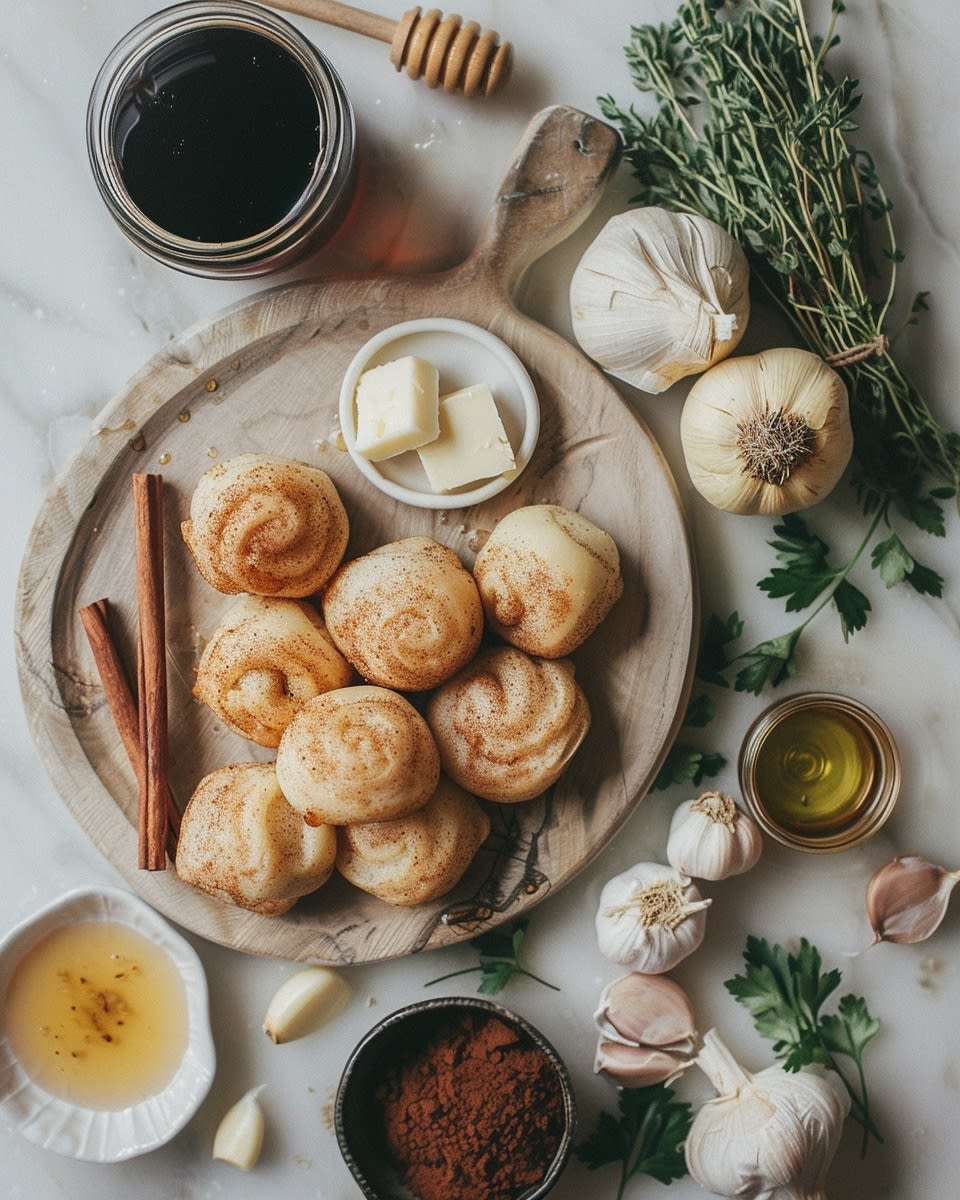

Cinnamon Roll Monkey Bread in the Crockpot
Now, if you’re anything like me and your oven is already occupied during holiday gatherings, let me tell you about my absolute favorite discovery: cinnamon roll monkey bread crockpot style. I stumbled onto this method one Thanksgiving when my oven was stuffed with turkey and side dishes, and I needed to figure out how to make dessert without any oven space.
The crockpot method is honestly a game-changer. First off, it frees up your oven completely. Second, the slow, gentle heat creates this incredibly moist texture that’s different from the oven version but equally delicious. The edges don’t get quite as crispy, but the trade-off is that everything stays pillowy soft with this amazing steamed quality that melts in your mouth.
Here’s what you do: grease your crockpot insert like your life depends on it. Seriously, use cooking spray and then butter on top of that. Prepare your dough pieces exactly like you would for the oven method, coating them in cinnamon and sugar. Layer them in the crockpot instead of a bundt pan. Pour your melted butter and brown sugar mixture over the top. Then here’s the important part: place a clean kitchen towel under the lid before you close it. This catches condensation and prevents your monkey bread from getting soggy on top.
Cook on high for about two to three hours. Your exact time will depend on your crockpot model. I’ve got an older one that runs hot, so mine finishes closer to two hours. My sister’s fancy new model takes the full three hours. You’ll know it’s done when the dough pieces look cooked through and aren’t doughy in the center anymore.
The convenience factor here is unreal, especially for busy households. You can prep everything the night before, keep it in the fridge, then dump it in the crockpot in the morning. By the time you’ve had coffee and gotten dressed, breakfast is ready. I’ve done this countless times on Christmas morning when I want something special but don’t want to spend the whole morning in the kitchen.
One tip: let it cool for about ten minutes in the crockpot before attempting to flip it out. Run a butter knife around the edges first. Sometimes I just serve it straight from the crockpot with a big spoon. Nobody’s judging, and it stays warmer longer that way. If you’re heading to a potluck, you can actually transport it right in the crockpot and plug it in when you get there to keep it warm.
The crockpot method also works beautifully if you’re making this with kids. There’s no hot oven to worry about, and they can help layer the dough pieces without any safety concerns. My nephew made his first monkey bread in the crockpot when he was seven, and he still talks about it.
Variations and Flavors
Okay, so once you’ve mastered the basic version, it’s time to get creative. Trust me, the variations are where this dessert really shines.
Let’s start with caramel cinnamon roll monkey bread because this version is absolutely ridiculous in the best way possible. Instead of just using brown sugar in your butter mixture, add half a cup of caramel sauce. You can use store-bought or homemade, whatever you’ve got. As it bakes, this creates these incredible pockets of gooey caramel that stick to everything. I made this for my mom’s birthday last year, and she literally asked me to make it again the next weekend. It’s that good.
For an extra caramel punch, drizzle more caramel sauce over the top after you flip it out of the pan. Some people sprinkle sea salt on top too, going for that salted caramel vibe. Not gonna lie, that’s pretty spectacular. The sweet and salty combination works beautifully here, especially if you’re serving it alongside coffee.
Then there’s cinnamon roll monkey bread with apples, which is basically autumn in a pan. Peel and dice two medium apples into small chunks. Toss them with a little lemon juice to keep them from browning. Layer the apple pieces between your dough pieces as you’re stacking them in the pan. The apples soften as everything bakes, creating these sweet, tender bits throughout. I like using Granny Smith apples because the tartness balances out all that sugar, but Honeycrisp works great too if you prefer things sweeter.
You can take the apple version even further by adding a handful of raisins or dried cranberries. My aunt does this and swears by it. I’m not a huge raisin fan myself, but I’ve tried the cranberry version and it adds this nice tang that cuts through the richness. Some folks add a splash of apple juice or apple cider to the butter mixture instead of just melting plain butter. That intensifies the apple flavor throughout.
Here’s something fun: cinnamon roll monkey bread muffins. Instead of one big pan, divide everything into a greased muffin tin. Cut your dough into smaller pieces, coat them in cinnamon sugar, and stack about three or four pieces per muffin cup. Drizzle a little of the butter mixture over each cup. These bake faster, usually around fifteen to twenty minutes, and they’re perfect for portion control or for packing in lunchboxes. My kids love these because they each get their own personal monkey bread. No fighting, no arguing about who got the bigger piece.
The muffin version also freezes beautifully. Make a big batch on Sunday, freeze them individually, and then you’ve got quick breakfasts for the whole week. Just pop one in the microwave for thirty seconds and you’re good to go. This has saved me on rushed school mornings more times than I can count, similar to how this quick garlic butter pasta has rescued my dinner plans on crazy evenings.
Want to try a cinnamon roll monkey bread loaf? Use a standard loaf pan instead of a bundt pan. This version slices beautifully, making it easier to serve at more formal brunches. The loaf shape also works better if you’re gifting monkey bread to neighbors or friends. Wrap it in cellophane with a ribbon and you’ve got an impressive homemade gift that looks like you spent way more effort than you actually did.
The loaf method takes slightly longer to bake since the dough is packed more densely. Plan for forty to fifty minutes in the oven. Check the center with a toothpick to make sure it’s cooked through. I sometimes make two loaves at once, keeping one for us and gifting the other.
Now let’s talk about monkey bread with cinnamon rolls and pecans. Pecans add this amazing buttery crunch that contrasts perfectly with the soft dough. Toast your pecans first in a dry skillet for a few minutes. This brings out their natural oils and intensifies the flavor. Chop them roughly and layer them between the dough pieces. You’ll want about a cup of pecans for a standard bundt pan recipe. Some people mix the pecans right into the cinnamon sugar coating, which works too.
I’ve also experimented with walnuts, which work nicely but have a slightly more bitter flavor. Almonds are good if you slice them thin. My friend even tried adding crushed graham crackers between the layers, which created this interesting cheesecake-adjacent flavor that was surprisingly good. The texture combinations reminded me of the layering technique I use in this creamy pasta dish, where different elements create something better together.
Funny enough, you can combine multiple variations too. Apple and pecan together? Amazing. Caramel and pecan? Even better. I once made a version with apples, pecans, and a cream cheese glaze that people still bring up at family gatherings. Don’t be afraid to experiment with whatever sounds good to you.
Making Cinnamon Roll Monkey Bread from Scratch
Alright, let’s get into cinnamon roll monkey bread from scratch. Yes, canned cinnamon rolls are convenient and perfectly acceptable. But there’s something incredibly satisfying about making everything from scratch. The dough tastes fresher, you control exactly what goes into it, and honestly, it’s not that much harder than using canned dough.
For the dough, you’ll need warm milk, yeast, sugar, butter, eggs, flour, and salt. Basic bread ingredients that you probably already have. Start by warming your milk to about 110 degrees Fahrenheit. Too hot and you’ll kill the yeast. Too cold and it won’t activate properly. Mix in your yeast with a tablespoon of sugar and let it sit for about five minutes until it gets foamy. That foam means your yeast is alive and ready to work.
In a large bowl, mix four cups of flour with a quarter cup of sugar and a teaspoon of salt. Make a well in the center and pour in your yeast mixture, two beaten eggs, and four tablespoons of melted butter. Stir everything together until it forms a shaggy dough. Then turn it out onto a floured surface and knead for about eight to ten minutes. You want the dough smooth and elastic. It’s a bit of a workout but therapeutic in its own way.
Place your dough in a greased bowl, cover it with a clean towel, and let it rise in a warm spot for about an hour or until it doubles in size. I usually stick mine in the oven with just the light on. That provides just enough warmth without being too hot. While the dough rises, you can prepare your cinnamon sugar mixture and get your pan ready.
Once your dough has risen, punch it down to release the air. This is the fun part. Roll it out into a large rectangle, about half an inch thick. Brush the surface with softened butter, then sprinkle generously with a mixture of brown sugar and cinnamon. You can add a pinch of nutmeg or cardamom here if you want extra warmth in the flavor, similar to how layering spices works in rich chocolate desserts.
Now instead of rolling it up like traditional cinnamon rolls, cut the dough into one to two-inch squares. Toss these squares in additional cinnamon sugar and layer them in your prepared bundt pan. Pour melted butter mixed with brown sugar over the top, just like the easier method. Let the assembled monkey bread rise for another twenty minutes before baking. This second rise ensures everything stays light and fluffy.
Bake at 350 degrees for thirty-five to forty-five minutes. The homemade version takes slightly longer than using canned dough because the dough is denser and needs more time to cook through completely. Your kitchen will smell absolutely incredible during this time. I’m talking wake-up-the-whole-neighborhood levels of amazing.
The satisfaction of making everything from scratch is real. There’s something about knowing you created this entire dessert with your own hands. Plus, homemade dough has this tender, melt-in-your-mouth quality that canned versions can’t quite match. The flavor is richer, the texture is softer, and you can adjust the sweetness to your exact preference.
I make scratch monkey bread probably three or four times a year, usually for special occasions when I’ve got the extra time. Is it more work than the canned version? Absolutely. But the results speak for themselves. People can taste the difference, even if they can’t quite put their finger on what makes it better. It’s the same principle as making homemade pasta sauce versus jarred – both work, but one just tastes more special.
One last thing about the scratch method: you can make the dough ahead and refrigerate it overnight after the first rise. This actually develops even better flavor as the dough slowly ferments in the fridge. In the morning, just take it out, let it come to room temperature for about thirty minutes, then proceed with cutting, coating, and assembling. This spread-out timeline makes the scratch method much more manageable for busy schedules.



Cinnamon Roll Monkey Bread Muffins and Loaves
Let me tell you about the day I discovered how perfect cinnamon roll monkey bread muffins are for solving real-life problems. My daughter had a bake sale at school, and I needed something that traveled well, looked impressive, and could be eaten without utensils. These muffins checked every single box. Parents were literally asking for the recipe while kids were still stuffing their faces.
The genius of the muffin format is portion control without any of the guilt-trip feelings. Each person gets their own little bundle of cinnamon heaven. No awkward moments where someone pulls off a huge chunk while someone else gets stuck with a tiny piece. Everything’s fair and equal, which matters more than you’d think at family gatherings.
Making the muffin version requires just a slight adjustment to your technique. Grease a standard twelve-cup muffin tin really well. I use cupcake liners sometimes, but honestly, they can stick to the sugary coating and make eating messier. A good coating of butter or cooking spray works better. Cut your dough pieces smaller than you would for a bundt pan, maybe half-inch to one-inch chunks. You want pieces small enough that three or four will fit comfortably in each muffin cup.
Coat your dough pieces in the cinnamon sugar mixture just like usual. Stack about four to five pieces per muffin cup, pressing them down gently. Here’s where it gets slightly different: instead of pouring a big puddle of butter mixture over everything, drizzle about a tablespoon over each individual muffin cup. This ensures every muffin gets an equal amount of that buttery, sugary goodness that makes everything magical.
Baking time drops significantly with muffins. Check them around the fifteen-minute mark. They’re done when the tops turn golden brown and spring back slightly when you press them. Let them cool in the pan for just a few minutes before removing them. Any longer and the sugar mixture hardens like cement. I learned this the hard way and spent twenty minutes digging muffins out of a tin with a butter knife.
The cinnamon roll monkey bread loaf format offers different advantages. A loaf pan creates this beautiful, sliceable version that works perfectly for more structured events. I made a loaf for my book club last month, and the clean slices made serving with coffee so much easier than everyone pulling chunks off a bundt shape. It felt slightly more sophisticated while still delivering all the gooey deliciousness we crave.
For a loaf, use a standard nine-by-five-inch loaf pan. Grease it thoroughly, maybe even line the bottom with parchment paper for extra insurance. Prepare your dough pieces the same way, coating them in cinnamon sugar. Layer them in the loaf pan somewhat randomly, pouring the butter mixture between layers as you go. This helps everything bind together into a cohesive loaf that won’t fall apart when you slice it.
Loaves need about forty to forty-five minutes in a 350-degree oven. The dough is packed more tightly in a loaf pan compared to a bundt, so it takes longer for the heat to penetrate all the way through. Use the toothpick test in the center to check for doneness. If it comes out clean or with just a few moist crumbs, you’re good. Raw dough sticking to it means give it another five minutes.
Here’s a serving idea that changed my breakfast game: prep the muffin version on Sunday night, bake them Monday morning, and you’ve got grab-and-go breakfasts for the entire week. My teenagers actually eat breakfast now because these muffins are easy to grab on the way out the door. I wrap them individually in plastic wrap and they reheat beautifully in the microwave for twenty to thirty seconds.
The loaf version works wonderfully for brunch gatherings. Slice it, arrange the slices on a pretty platter, and watch them disappear. I like serving loaf slices alongside fresh fruit and coffee for a balanced brunch spread. The presentation looks effortless but impressive, which is basically my goal for any entertaining situation.
Both muffins and loaves freeze exceptionally well. Make a double batch, freeze half, and you’ve got emergency dessert or breakfast options ready whenever you need them. Wrap muffins individually or wrap the whole loaf tightly in plastic wrap then aluminum foil. They’ll keep in the freezer for up to three months. Thaw overnight in the fridge or at room temperature for a few hours, then warm them up before serving.
One trick I’ve discovered with the muffin format: add a cream cheese filling. Mix softened cream cheese with a bit of powdered sugar, maybe a splash of vanilla extract. Drop a small dollop in the center of each muffin cup before adding your final layer of dough pieces. As everything bakes, you get this surprise pocket of tangy cream cheese that balances out all the sweetness perfectly. My mother-in-law about died when she bit into one of these. In a good way.
The loaf format also lends itself well to gifting. Wrap a cooled loaf in cellophane, tie it with a ribbon, and attach a little card with reheating instructions. I’ve given these as hostess gifts, teacher appreciation presents, and neighbor thank-yous. They look homemade and special without requiring professional baking skills.
Frequently Asked Questions
Q: Can I make cinnamon roll monkey bread ahead of time?
Absolutely, and this is one of my favorite time-saving tricks. Assemble the entire thing the night before, cover it tightly with plastic wrap, and stick it in the fridge. In the morning, take it out, let it sit at room temperature for about fifteen to twenty minutes while your oven preheats, then bake as directed. You’ll need to add maybe five to ten extra minutes to the baking time since you’re starting with cold dough. This method works beautifully for holiday mornings when you want something special but don’t want to wake up at dawn to start baking.
Q: How do I store leftover cinnamon roll monkey bread?
If you somehow have leftovers (which is rare in my house), store them in an airtight container at room temperature for up to two days. For longer storage, refrigerate for up to five days or freeze for up to three months. When you’re ready to eat refrigerated or frozen portions, warm them in the microwave for twenty to thirty seconds per serving. This brings back that fresh-baked texture and melts the sugar coating beautifully. According to FDA guidelines on shelf life, baked goods with dairy components like butter should be consumed within a few days at room temperature or properly refrigerated to maintain quality and safety.
Q: Can I use pre-made cinnamon rolls for this recipe?
Yes, definitely. Canned refrigerated cinnamon rolls are actually what most people use, and they work perfectly. Just pop open the tubes, cut each roll into quarters, and proceed with the recipe. The convenience factor makes this dessert accessible even on busy weeknights. I keep a few tubes of cinnamon rolls in my fridge specifically for last-minute monkey bread emergencies. Some brands come with icing packets that you can drizzle over the finished bread for extra decadence.
Q: Is there a gluten-free version of cinnamon roll monkey bread?
You can absolutely make this gluten-free by using gluten-free dough. Several brands now make gluten-free refrigerated biscuit or cinnamon roll dough that works great for this recipe. If you’re making it from scratch, use your favorite gluten-free flour blend designed for yeast breads. The texture might be slightly different, a bit more crumbly perhaps, but the flavor remains delicious. I’ve served gluten-free versions at parties and honestly, most people couldn’t tell the difference once everything was coated in cinnamon sugar and butter.
Q: How can I make the cinnamon roll monkey bread less sweet?
I get it, sometimes the sweetness level can be overwhelming. Reduce the amount of sugar in your cinnamon coating by about a third. Use unsalted butter so you can add a pinch of salt to balance the sweetness. Skip the glaze or use a lighter drizzle. Adding tart ingredients like apples or cranberries also cuts through the sugar nicely. Another trick is to serve it with something tangy like Greek yogurt or cream cheese on the side, which balances each bite perfectly.
Q: Can I add other flavors to the cinnamon roll monkey bread?
Oh, the flavor possibilities are endless. Mix in chocolate chips, butterscotch chips, or white chocolate chunks between the dough layers. Add a teaspoon of vanilla extract or almond extract to your butter mixture. Sprinkle in some orange zest for a citrus twist. I’ve even added a tablespoon of instant espresso powder to the cinnamon sugar for a coffee-flavored version that adults absolutely loved. Pumpkin pie spice works great in fall instead of just plain cinnamon. Experiment with whatever sounds good to you.
Q: Why did my monkey bread stick to the pan?
This is the most common problem people face, and it usually comes down to not greasing the pan enough. Use way more butter or cooking spray than seems reasonable. Get into every groove of that bundt pan. Also, timing matters when you flip it. Wait about five minutes after removing it from the oven, but no longer than ten. Too soon and it falls apart, too late and the sugar hardens like glue. Running a butter knife around the edges before flipping helps release any stuck spots.
Q: Can I double the recipe for a crowd?
Yes, but use two separate pans rather than trying to cram everything into one giant pan. Doubling the recipe in a single pan results in uneven cooking with raw dough in the center and overdone edges. Two bundt pans or one bundt plus a casserole dish works perfectly. Everything bakes more evenly, and you can serve one while keeping the other warm. I’ve made four batches at once for a church potluck, using multiple pans, and it worked great.
Q: What’s the best pan for making monkey bread?
A classic bundt pan is traditional and creates that gorgeous presentation everyone loves. A ten-inch bundt with a twelve-cup capacity works perfectly for most recipes. That said, tube pans, casserole dishes, loaf pans, and muffin tins all work great depending on your needs. Non-stick pans make your life easier, but even regular pans work fine with proper greasing. I’ve successfully made monkey bread in just about every pan shape imaginable when I’ve been desperate and creative.
Q: How do I reheat monkey bread without drying it out?
Microwave individual servings for twenty to thirty seconds. For larger portions, wrap them in aluminum foil and warm in a 300-degree oven for about ten minutes. The foil traps moisture and prevents drying. You can sprinkle a few drops of water over the top before reheating to add extra moisture. Avoid high heat, which creates tough, dried-out dough. Gentle, slow reheating brings back that fresh-baked texture without sacrificing moisture.
If you’ve enjoyed exploring all these variations and techniques, you’ll find plenty more inspiration in our collection of sweet treats and dessert recipes that bring the same comfort and joy to your table.
Look, at the end of the day, cinnamon roll monkey bread is one of those recipes that just makes people happy. Whether you’re making it in a bundt pan on a quiet Sunday morning or prepping muffins for the week ahead, there’s something deeply satisfying about pulling apart those warm, cinnamon-coated pieces. Don’t stress about making it perfect. Even when it sticks to the pan a little or comes out slightly lopsided, it still tastes incredible. Grab whichever variation sounds good to you, gather your people, and enjoy every gooey, delicious bite together.
Ingredients
Equipment
Method
- Graissez généreusement un moule à bundt avec du beurre ou un spray antiadhésif.
- Coupez les roulés à la cannelle en quartiers (ou en morceaux d'un à deux pouces pour la pâte maison).
- Dans un grand bol, mélangez le sucre granulé et la cannelle.
- Enrobez les morceaux de pâte dans le mélange de sucre et de cannelle jusqu'à ce qu'ils soient complètement enrobés.
- Disposez les morceaux de pâte enrobés dans le moule à bundt graissé.
- Faites fondre le beurre et mélangez-le avec le sucre brun, puis versez-le sur les morceaux de pâte empilés.
- Faites cuire à 350°F pendant 30 à 40 minutes jusqu'à ce que ce soit doré.
- Laissez refroidir dans le moule pendant 5 minutes avant de le retourner sur une assiette de service.