
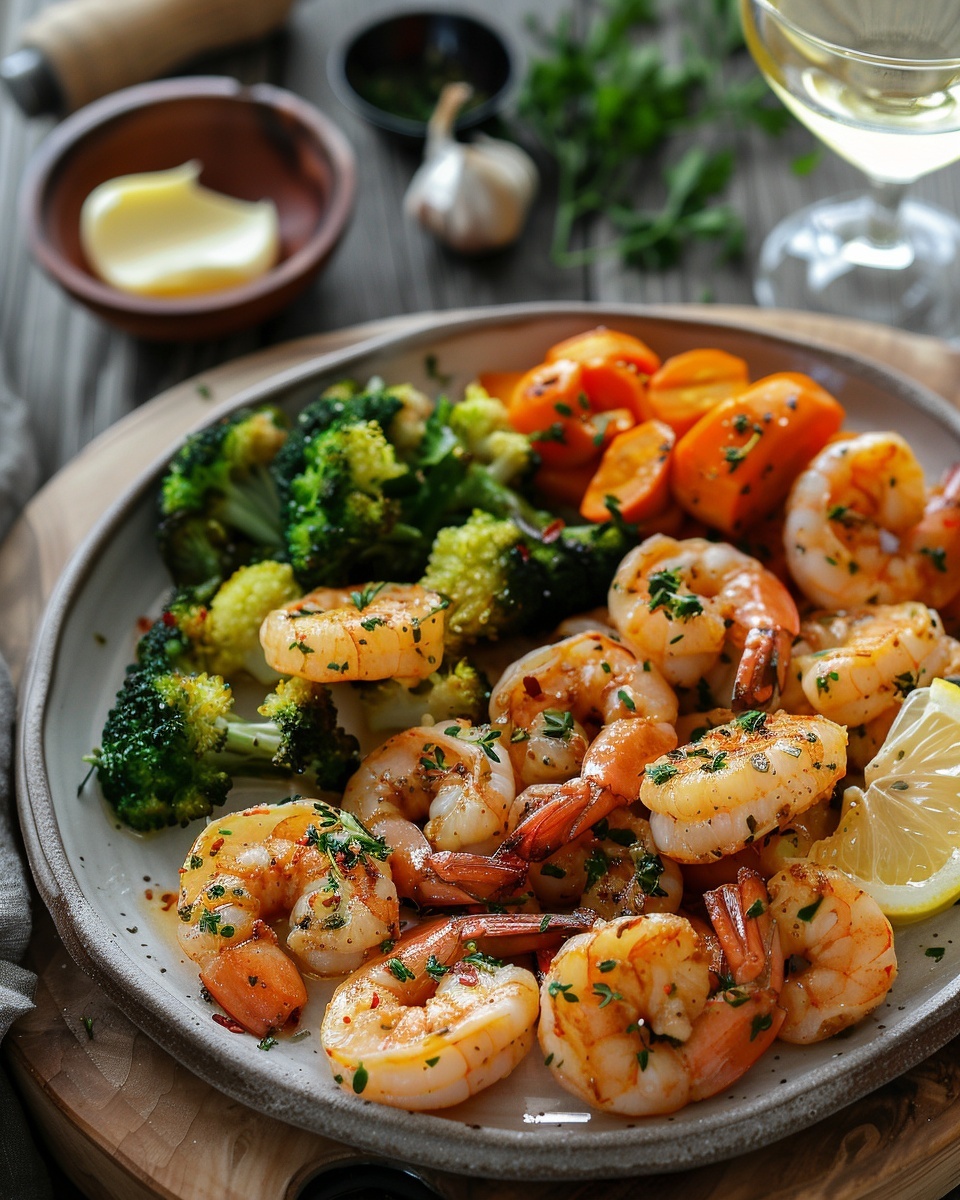
I still remember the first time I made garlic butter shrimp in my tiny apartment kitchen. The smell was so amazing that my neighbor knocked on my door to ask what I was cooking. That’s the power of this dish. It takes just a few simple ingredients and about 10 minutes to create something that smells like you’ve been cooking all day.
Welcome to my kitchen! Today, I’m super excited to share with you a recipe that’s close to my heart: garlic butter shrimp. It’s not just any dish. It’s a flavor-packed, easy-to-make meal that can be enjoyed in many different ways. You can serve it over pasta, with rice, on its own, or even tucked into tacos. The options are endless.
Whether you’re looking for a quick weeknight dinner or a special treat, this garlic butter shrimp is sure to delight your taste buds and impress your guests. I’ve made this recipe for busy Tuesday nights when I needed something fast. I’ve also served it at dinner parties where people asked for the recipe before they even finished eating. That’s how good it is.
In this article, we’ll explore various ways to prepare and serve garlic butter shrimp, from baked to grilled, and even how to pair it with pasta, rice, and more. We’ll also talk about how to avoid common mistakes that can ruin your shrimp. Let’s dive in!
How to Make Garlic Butter Shrimp
The beauty of this recipe is its simplicity. You don’t need fancy equipment or hard-to-find ingredients. Most of what you need is probably already in your kitchen right now. Let me walk you through the basic method that forms the foundation for all the variations we’ll discuss later.
Start by gathering your ingredients: fresh shrimp, garlic, butter, and some basic seasonings. For one pound of shrimp, you’ll need about 4-6 cloves of garlic and 4 tablespoons of butter. I know that sounds like a lot of butter, but trust me on this. That’s where all the rich flavor comes from. You can also add salt, black pepper, red pepper flakes if you want some heat, and fresh parsley for color.
Clean and devein the shrimp if necessary, then pat them dry. This step is crucial for getting that perfect texture. When shrimp are wet, they steam instead of getting that nice golden color. I use paper towels and really press down to remove as much moisture as possible. It makes a huge difference in the final result.
Here’s something many people don’t know: you can make garlic butter shrimp with shell on or off. Leaving the shells on adds more flavor, but it’s messier to eat. I usually remove them for weeknight dinners and leave them on when I’m making grilled garlic butter shrimp for outdoor gatherings. The shells protect the meat from drying out on the grill.
Mince the garlic finely. The key here is to use fresh garlic, as it provides the best flavor. I can’t stress this enough. Pre-minced garlic from a jar just doesn’t compare. It lacks that sharp, pungent flavor that makes this dish special. I usually mince mine by hand with a sharp knife, but a garlic press works too.
In a large skillet, melt the butter over medium heat. Don’t rush this part by turning the heat too high. Butter can burn quickly, and burned butter tastes bitter. Once the butter is melted and starts to foam slightly, you’re ready for the next step.
Add the minced garlic and sauté until fragrant but not browned. This will infuse the butter with a rich, garlicky flavor. You’re looking for about 30-60 seconds here. Your kitchen will start to smell incredible. The garlic should turn slightly golden but not brown. Brown garlic tastes harsh and can overpower the delicate shrimp flavor.
This is one of the common mistakes in garlic butter that people make. They either don’t cook the garlic enough, which leaves it too raw and sharp, or they burn it, which makes it bitter. You want that sweet spot where the garlic is fragrant and slightly softened but still light in color.
Add the shrimp to the skillet and cook until they turn pink and opaque, which usually takes about 2-3 minutes per side. Be careful not to overcook them, as they can become tough and rubbery. Shrimp cook fast. Really fast. The moment they turn from gray to pink and start to curl into a C shape, they’re done.
If your shrimp curl into a tight O shape, you’ve gone too far. They’ll still be edible but not as tender as they could be. I learned this the hard way when I was first learning how to pan fry shrimp with garlic and butter. I kept walking away from the stove, and by the time I came back, my shrimp were like little rubber bands.
For a spicy garlic butter shrimp version, add red pepper flakes or cayenne pepper along with the garlic. Start with just a pinch. You can always add more, but you can’t take it back. I like to add about 1/4 teaspoon of red pepper flakes for a gentle heat that doesn’t overpower the other flavors.
If you’re making lemon garlic butter shrimp, squeeze fresh lemon juice over the shrimp during the last minute of cooking. The acidity brightens up the rich butter and adds a fresh, zesty note. I use about half a lemon for one pound of shrimp. You can also add lemon zest for extra flavor.
Season with salt and pepper to taste. Remember that butter already contains salt, so go easy at first. You can always add more at the end. I usually add just a few grinds of black pepper and a small pinch of salt.
The whole cooking process takes less than 10 minutes from start to finish. That’s what makes this one of the best shrimp recipes easy enough for beginners but delicious enough for experienced cooks. I’ve made this recipe hundreds of times, and it never gets old.
Once your shrimp are cooked, remove them from the heat immediately. The residual heat in the pan will continue cooking them, so don’t let them sit there. Transfer them to a serving plate right away.
If you’re watching your intake, you might wonder about garlic butter shrimp calories. A typical serving has about 250-300 calories, depending on how much butter you use. For a healthy garlic butter shrimp option, you can reduce the butter and add olive oil instead. Use 2 tablespoons of butter and 2 tablespoons of olive oil. You’ll still get great flavor with less saturated fat.
This basic technique is the best way to cook garlic shrimp in my opinion. It’s simple, fast, and produces consistent results every time. Once you master this method, you can branch out into all the variations we’ll cover next.


Variations of Garlic Butter Shrimp
Now that you’ve got the basic technique down, let’s talk about all the fun ways you can switch things up. The beauty of garlic butter shrimp is that it’s like a blank canvas. You can take it in so many different directions depending on your mood, who you’re cooking for, or what equipment you have available.
Baked Garlic Butter Shrimp
Here’s the thing about cooking shrimp on the stovetop. You have to stand there and watch them. You can’t really walk away to set the table or help your kids with homework or answer a work email. That’s where baked garlic butter shrimp becomes your best friend.
Last month, I had twelve people coming for dinner, and I knew I couldn’t stand at the stove flipping shrimp for that many guests. So I turned to the oven method, and honestly, it saved me. While the shrimp were baking, I finished making a crisp garden salad and got everything plated beautifully.
Start by preheating your oven to 400°F. That temperature is hot enough to cook the shrimp quickly but not so hot that the butter burns. In a small saucepan, melt your butter with the minced garlic over low heat. Let it get nice and fragrant, just like we talked about before. You want that garlic to soften and release its oils into the butter.
Arrange your cleaned, dried shrimp in a single layer in a baking dish. This is important. Don’t pile them on top of each other, or they’ll steam instead of roast. I use a 9×13 inch baking dish for about a pound and a half of shrimp. Pour that gorgeous garlic butter mixture right over the top, making sure every shrimp gets coated. Add your seasonings, maybe some red pepper flakes if you’re feeling adventurous, and a squeeze of lemon juice.
Pop it in the oven for 8 to 10 minutes. The exact time depends on the size of your shrimp. Jumbo shrimp might need the full 10 minutes, while medium ones could be done in 8. You’ll know they’re ready when they’re pink and curled into that C shape we discussed earlier.
The best part? You can prepare everything ahead of time. Arrange the shrimp in the dish, make your garlic butter, and keep it all in the fridge. When guests arrive, you just pour the butter over and bake. It looks impressive, tastes amazing, and requires almost no effort from you during the actual dinner time.
Spicy Garlic Butter Shrimp
My husband thinks regular garlic butter shrimp is too mild. He wants everything to have a kick. So I started experimenting with spicy garlic butter shrimp, and now it’s actually my preferred version most nights.
The key is finding the right balance. You want heat that complements the sweet shrimp and rich butter without making people reach for water every two seconds. I’ve found that red pepper flakes work better than cayenne because they give you little bursts of heat instead of one overwhelming spicy note throughout the whole dish.
For one pound of shrimp, start with about half a teaspoon of red pepper flakes. Add them right when you add the garlic to the butter. This gives the flakes time to infuse the butter with their heat. If you want it spicier, you can always sprinkle more on top before serving. I’ve also tried adding a dash of hot sauce at the end, which gives a different kind of heat plus a little tanginess.
Funny enough, serving spicy shrimp with something cool and refreshing makes the whole meal more interesting. A tangy orzo salad with feta works beautifully because the creamy cheese and lemon dressing calm down the heat. You could also go with a simple cucumber salad dressed with rice vinegar and a touch of sugar. That sweet-sour-cool combination against spicy-rich shrimp is pretty much perfect.
One trick I learned from a chef friend: add a tiny bit of honey to your spicy garlic butter. Just maybe half a teaspoon. It sounds weird, but it rounds out the heat and brings forward the natural sweetness in the shrimp. Don’t skip this if you’re making the spicy version. It makes such a difference.
Grilled Garlic Butter Shrimp
Summer barbecues and grilled garlic butter shrimp go together like peanut butter and jelly. There’s something about that smoky char combined with buttery garlic that just screams outdoor cooking. Plus, it keeps your kitchen cool when it’s hot outside, which is always a win.
Threading shrimp onto skewers is easier if you soak wooden skewers in water for at least 30 minutes first. This prevents them from burning on the grill. I learned this the hard way after setting several skewers on fire and losing half my dinner to the flames. Not my proudest cooking moment, let me tell you.
You want to leave the shells on for grilling if possible, or at least leave the tail section attached. The shells protect the delicate meat from the direct heat and help keep everything moist. They also add flavor. Yes, it’s messier to eat, but that’s part of the fun at a casual cookout. Just put out plenty of napkins and maybe some finger bowls with lemon water.
Make your garlic butter mixture and brush it generously on the shrimp before they go on the grill. Then brush them again while they’re cooking. And maybe one more time when you take them off. You really can’t use too much garlic butter here. The high heat causes some of it to drip off, so you need extra to get that full flavor.
Grill over medium-high heat for about 2 to 3 minutes per side. Watch them carefully because they cook fast and there’s nothing worse than overcooked shrimp. The shells should turn pink and slightly charred in spots, and you’ll see those beautiful grill marks. If you’re also making grilled salmon for guests who don’t eat shellfish, you can cook them at the same time since they need similar temperatures.
The smoke from the grill brings out the natural sweetness in the shrimp in a way that stovetop cooking just can’t match. It adds this extra layer of complexity that makes people think you worked way harder than you actually did.
Pairing Garlic Butter Shrimp with Other Dishes
Once you’ve mastered making the shrimp itself, the next question is always: what do I serve with it? By the way, this is where things get really fun because garlic butter shrimp is incredibly versatile.
Garlic Butter Shrimp Pasta
If I had to pick one way to serve garlic butter shrimp for the rest of my life, garlic butter shrimp pasta would be it. No question. It’s comfort food that somehow also feels fancy enough for special occasions.
The trick is using good pasta and not overcooking it. I prefer linguine or fettuccine because the long strands catch that buttery sauce perfectly, but honestly, any pasta works. Cook it until it’s just al dente, which means it still has a little bite to it. Remember to save about a cup of the pasta cooking water before you drain it. That starchy water is liquid gold for bringing your sauce together.
While your pasta is cooking, make your shrimp exactly as we discussed earlier. When the shrimp are done, remove them from the pan temporarily and add your drained pasta right into that same skillet with all the garlic butter. Toss everything together, adding some of that reserved pasta water a little at a time until you get a silky sauce that coats the noodles.
Add the shrimp back in and toss gently. Finish with freshly grated Parmesan cheese and chopped parsley. The cheese adds a salty, nutty flavor that complements the sweet shrimp and rich butter. The parsley isn’t just for looks. It adds a fresh, slightly peppery note that cuts through all that richness.
I sometimes throw in some halved cherry tomatoes at the end too. They add a pop of color and a little acidity that brightens the whole dish. Or if I’m feeling extra, I’ll add a splash of white wine to the garlic butter before adding the shrimp. It creates this incredible sauce that’s worth every calorie.
This pasta dish pairs wonderfully with something light on the side. A simple fresh salad with a tangy dressing balances out the richness of the pasta and makes the whole meal feel complete without being too heavy. You could also serve some crusty bread for soaking up every last drop of that garlic butter sauce. Because wasting that sauce should be illegal.


Garlic Butter Shrimp and Rice
Here’s what I love about garlic butter shrimp and rice: it’s the kind of meal that feels like a warm hug after a long day. There’s something deeply comforting about tender shrimp nestled on top of fluffy white rice, all soaked in that golden garlic butter sauce.
Rice is brilliant with this dish because it acts like a sponge for all that incredible sauce. Every grain gets coated in butter and garlic, and honestly, sometimes I think the rice tastes just as good as the shrimp itself. I usually make jasmine rice because it has a slightly sweet, floral aroma that works beautifully with the savory shrimp, but regular long-grain white rice is perfectly fine too.
Cook your rice however you normally do. I use a rice cooker because I’m lazy and it turns out perfect every single time without me having to think about it. While the rice is cooking, prepare your shrimp using the basic method we covered earlier. The timing works out nicely because both take about the same amount of time.
When everything’s ready, spoon that hot rice into shallow bowls and arrange the shrimp on top. Then, and this is the important part, drizzle all that garlic butter from the pan right over everything. Don’t leave any behind. That sauce is where the magic lives.
Now, if you want to take this up a notch, add some vegetables to the mix. I like to throw in sliced bell peppers and onions. Cut them into strips and add them to the pan right after you cook the garlic but before you add the shrimp. Let them soften for about three minutes, then proceed with adding the shrimp as usual. The peppers add a sweet crunch and beautiful color, while the onions bring a mild sharpness that balances the rich butter.
Sometimes I’ll also stir in some frozen peas during the last minute of cooking. They add a pop of green and a little sweetness. Plus, it makes me feel slightly less guilty about eating all that butter because hey, there are vegetables involved now.
My mom used to make something similar when I was growing up, except she’d add a beaten egg at the end and stir everything together to make a kind of fried rice situation. It’s not traditional, but it’s delicious and turns this into an even more complete meal. The egg adds protein and creates these little golden ribbons throughout the rice.
Lemon Garlic Butter Shrimp
If regular garlic butter shrimp is comfort food, then lemon garlic butter shrimp is comfort food that went on vacation to the Mediterranean and came back glowing.
The addition of lemon completely transforms the dish. That bright, acidic zing cuts through the richness of the butter and makes everything taste lighter and fresher. It’s the version I make most often during summer when I want something flavorful but not too heavy.
Add the lemon juice right at the end of cooking, after the shrimp have turned pink. I use about half a large lemon for one pound of shrimp, but taste as you go. Different lemons have different levels of acidity. Some are super tart and some are milder. You want enough to brighten the dish without making it taste like you’re drinking lemonade.
A trick I picked up from a restaurant chef: add lemon zest too. Use a microplane to grate the yellow part of the peel right into the pan. The zest has all these aromatic oils that smell incredible and add a depth that juice alone can’t provide. Just be careful not to get any of the white pith underneath because that’s bitter.
This version is particularly good with light, fresh sides. Steamed green beans are perfect. I toss mine with a tiny bit of butter, salt, and pepper. Nothing fancy. The simplicity lets the shrimp shine while adding some green vegetables to make your plate look prettier and more balanced.
You could also serve it with a light salad. Something with mixed greens, maybe some cherry tomatoes, cucumber, and a simple vinaigrette. The cool, crisp salad against the warm, lemony shrimp is a textural contrast that makes every bite interesting.
Last week I made this for my sister who’s always trying to eat healthier, and she couldn’t believe how light and fresh it tasted while still being satisfying. She expected heavy restaurant food and got something that felt almost spa-like. That’s the power of lemon, friends.
Common Mistakes and Tips
After making this dish probably a thousand times over the years, I’ve learned what works and what definitely doesn’t. Let me save you from some of the disasters I’ve experienced.
The biggest mistake people make is overcooking the shrimp. I’ve said this before, but it bears repeating because I see it happen all the time. Shrimp go from perfectly tender to rubber ball in about thirty seconds. You have to watch them like a hawk. The moment they turn pink and curl into that C shape, get them off the heat. Remember, they’ll continue cooking from residual heat even after you remove them from the pan.
Set a timer if you need to. I’m serious. When I first started cooking, I’d get distracted checking my phone or talking to someone, and suddenly my beautiful shrimp were little pink erasers. Now I set a timer for two minutes, and when it goes off, I check them. If they’re not quite done, I give them another minute. But that timer keeps me from wandering off and forgetting about them.
Another common mistake is using too much garlic. I know, I know. How can there be too much garlic? But trust me, there can be. Garlic is supposed to enhance the sweet, delicate flavor of the shrimp, not beat it into submission. I’ve had garlic butter shrimp where all I could taste was garlic, and it was unpleasant. The shrimp flavor completely disappeared.
Start with four cloves for one pound of shrimp. You can always add more next time if you want, but you can’t take it back once you’ve added too much. Also, make sure you’re not burning the garlic. Burned garlic tastes acrid and bitter and will ruin the whole dish. Keep the heat at medium and watch it carefully.
On the flip side, don’t skimp on the butter. I’ve seen recipes that try to make this “healthy” by cutting the butter down to one tablespoon. Look, if you want a truly healthy meal, maybe garlic butter shrimp isn’t the right choice. The butter is what creates that luxurious, silky sauce that makes this dish special. Without enough butter, you just have dry shrimp with some garlic on them.
Use at least three tablespoons of butter for one pound of shrimp. Four tablespoons is better. The butter not only adds flavor but also creates the sauce that coats everything beautifully. If you’re really concerned about calories, it’s better to eat a smaller portion of the real thing than to eat a larger portion of a sad, butter-less version that doesn’t even taste good.
Here’s a tip that might seem obvious but apparently isn’t: use fresh shrimp whenever possible. Frozen shrimp can work, but you need to thaw them properly. Don’t just run hot water over them or microwave them. Put them in the fridge overnight to thaw slowly. If you forgot and need them now, put them in a bowl of cold water for about twenty minutes. Pat them very dry before cooking.
Fresh shrimp have a sweet, ocean smell. If they smell fishy or like ammonia, they’re not fresh. Don’t use them. Bad shrimp will make the whole dish taste off no matter how much garlic butter you use.
Season at the right time. Add your salt and pepper after you’ve cooked the garlic but before you add the shrimp. This way the seasonings get incorporated into the butter and distribute evenly. If you season at the end, you get uneven pockets of salt and pepper.
Don’t crowd the pan. This is huge. If you pile too many shrimp into a small pan, they’ll steam instead of searing. You won’t get that nice golden color on them. Use a large skillet, and if you’re cooking more than a pound and a half of shrimp, do it in batches. It’s worth the extra few minutes.
One more thing: have all your ingredients ready before you start cooking. This is called mise en place in fancy cooking terms, but basically it just means getting your stuff together. Mince your garlic, measure your butter, clean your shrimp, and have everything within arm’s reach. Once you start cooking, things move fast. You don’t want to be scrambling to find the butter while your garlic burns.
By the way, if you’re experimenting with different seafood preparations, there are so many wonderful seafood recipes that use similar simple techniques with garlic, butter, and fresh ingredients.
FAQ
How do you pan fry shrimp with garlic and butter?
Pan frying shrimp with garlic and butter is straightforward once you know the steps. Start by melting butter in a large skillet over medium heat, then add minced garlic and cook for about 30-60 seconds until fragrant but not browned. Add your cleaned, dried shrimp in a single layer and cook for about 2-3 minutes per side until they turn pink and opaque. The key is not to overcrowd the pan and to remove the shrimp immediately once they’re done to prevent overcooking. Season with salt, pepper, and fresh lemon juice if desired.
What is the best way to cook garlic shrimp?
The best way really depends on your situation and preferences, but I find that pan-searing gives you the most control and the best texture. It allows you to get a nice golden color on the shrimp while keeping them tender inside. That said, baking is excellent when you’re cooking for a crowd because you can do larger quantities at once without standing at the stove. Grilling is perfect for summer gatherings because it adds a smoky flavor that you can’t get indoors. Each method has its place, but for everyday cooking, I always come back to the skillet method.
How many calories are in garlic butter shrimp?
A typical serving of garlic butter shrimp contains about 250-300 calories, though this can vary based on how much butter you use. Most of those calories come from the butter rather than the shrimp itself, since shrimp are naturally low in calories and high in protein. If you want more specific calorie content information for different preparations, you can check nutritional databases. Using less butter and more olive oil can reduce the calories while still keeping good flavor. Remember that serving size matters too, so a smaller portion with pasta or rice will have fewer calories than eating a large amount on its own.
Can you make garlic butter shrimp with shell-on shrimp?
Absolutely, and in many cases it’s actually better. Cooking shrimp with the shells on adds extra flavor to the dish and helps protect the delicate meat from overcooking. The shells also contain natural compounds that enhance the overall taste. This method is especially good for grilled garlic butter shrimp because the shells act as a barrier against the high direct heat. The downside is that they’re messier to eat, so save this approach for casual meals where people don’t mind getting their hands dirty. Just provide plenty of napkins and maybe some finger bowls.
Are there any healthy variations of garlic butter shrimp?
Yes, you can definitely make healthier versions without sacrificing too much flavor. Replace half the butter with olive oil to reduce saturated fat while maintaining richness. Use more garlic, fresh herbs like parsley and basil, and lemon juice to boost flavor without adding calories. Serve the shrimp over cauliflower rice instead of regular rice, or pair it with lots of vegetables like zucchini noodles, roasted broccoli, or a big fresh salad. The shrimp themselves are already healthy, being high in protein and low in calories, so it’s really just about moderating the butter.
What type of shrimp should I buy for this recipe?
I recommend buying large or jumbo shrimp, which are usually labeled as 21-25 count or 16-20 count per pound. These sizes are easier to work with and less likely to overcook than smaller shrimp. Fresh is always better than frozen if you can get it, but good quality frozen shrimp work perfectly fine. Look for shrimp that are firm, translucent, and have a mild ocean smell. Avoid any that smell fishy or have black spots. If you’re concerned about sustainability, look for wild-caught or responsibly farmed shrimp with certifications.
Can I make garlic butter shrimp ahead of time?
Honestly, this isn’t a great dish to make ahead because shrimp don’t reheat well and tend to get rubbery. However, you can do the prep work in advance. Clean and devein your shrimp, mince the garlic, measure out your butter and seasonings, and store everything separately in the fridge. When you’re ready to cook, it’ll only take about ten minutes from start to finish. If you absolutely must make it ahead, undercook the shrimp slightly and store them in the garlic butter sauce, then reheat very gently over low heat for just a minute or two.
What can I substitute for butter in this recipe?
If you can’t or don’t want to use butter, olive oil is your best substitute. It won’t give you exactly the same rich, creamy flavor, but it still tastes delicious and is healthier. Use about the same amount as you would butter. Ghee is another excellent option that gives you a butter-like flavor with a higher smoke point, making it less likely to burn. Some people use a combination of olive oil and a small amount of butter to get the best of both worlds. Avoid using margarine or other butter substitutes, as they don’t provide the same flavor or texture.
Why are my shrimp tough and rubbery?
This almost always means you’ve overcooked them. Shrimp cook incredibly fast, usually in just 2-3 minutes per side depending on their size. The moment they turn from gray to pink and curl into a C shape, they’re done. If they curl into a tight O shape, you’ve gone too far. High heat can also make them tough, so stick to medium heat and watch them carefully. Another less common cause is using old or previously frozen and thawed shrimp that were mishandled, so always start with the freshest shrimp you can find.
Can I use pre-minced garlic from a jar?
You can, but I really don’t recommend it. Jarred minced garlic lacks the sharp, pungent flavor of fresh garlic because it’s been sitting in preservatives. It often tastes slightly bitter or metallic and doesn’t give you that amazing aroma that fresh garlic provides when it hits the hot butter. Fresh garlic only takes a minute to peel and mince, and the difference in flavor is dramatic. If you’re really pressed for time, those tubes of pre-minced garlic in the refrigerated section are slightly better than jarred, but fresh is still best.
There you have it. Everything I’ve learned from years of making garlic butter shrimp in my own kitchen. The wonderful thing about this recipe is that once you understand the basic technique, you can adapt it endlessly to suit your taste, your schedule, and whoever you’re feeding. Don’t be afraid to experiment and make it your own.