
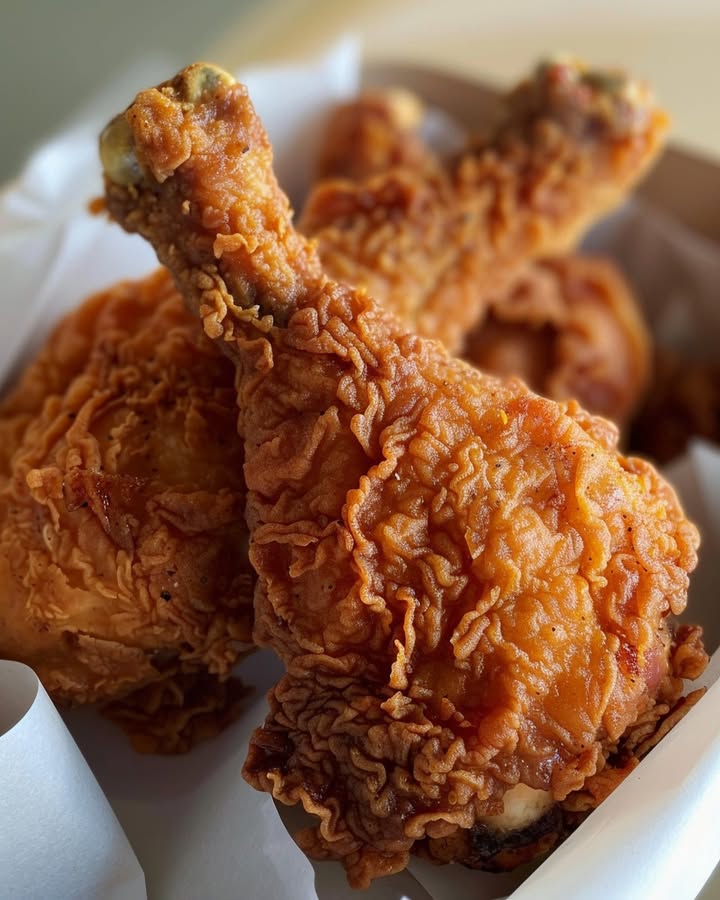
The Ultimate Comfort Food: Chicken Fried Chicken That’s Crispy Goodness
You know that feeling when you need a hug, but from a plate? That’s chicken fried chicken for you. It’s the crispy, golden, gravy-smothered hero of comfort food that turns any ordinary Tuesday into a celebration. My family literally cheers when they see me pulling out the cast iron skillet for this. And after years of trial, I’ve finally perfected a recipe that gives you that iconic crunchy crust every single time.
A Little Story Behind This Southern Star
While chicken fried steak (beef) gets a lot of the glory, chicken fried chicken is its delightful, juicy cousin. The idea is simple: take a tender piece of chicken and treat it like you would that classic Southern steak—pounded thin, dipped in seasoned buttermilk, coated in a crispy crust, and fried to golden perfection. It’s a humble dish born from resourcefulness, turning simple ingredients into something spectacular. My version adds a sneaky touch of hot sauce to the buttermilk for a flavor that sings.
Why You’ll Fall in Love With This Recipe
First, the crunch. Oh, the crunch! That magical combination of baking powder and soda in the flour creates a texture that’s light yet shatteringly crisp. Second, it’s surprisingly simple. You don’t need any fancy skills, just a little patience for frying. And third, that creamy peppery gravy made from the pan drippings? It’s liquid gold that ties the whole comforting meal together.
Perfect Occasions for Chicken Fried Chicken
This is your secret weapon for Sunday family dinners, potlucks where you want to be the star, or a comforting weekend treat after a long week. It’s a guaranteed crowd-pleaser that feels special but is totally approachable. I love making a big batch for game day; it disappears faster than you can say “more gravy, please!”
Ingredients for Your Crispy Masterpiece
Let’s gather everything you need. Using simple, quality ingredients makes all the difference here.
- For the Chicken:
- 6-8 thin sliced chicken breasts
- 2 cups all-purpose flour
- 2 tsp baking powder
- 1 tsp baking soda
- 1 tsp salt
- 1 tsp black pepper
- 1 tsp garlic powder
- 1 1/2 cups buttermilk
- 1 large egg
- 1 tbsp hot sauce (like Texas Pete or Frank’s)
- Oil for frying (vegetable, canola, or peanut oil)
- For the Gravy:
- 1/4 cup reserved oil from frying
- 1/3 cup all-purpose flour
- 2 cups milk (whole or 2%)
- Salt and pepper to taste
Handy Substitutions for What You Have
No buttermilk? No problem! Make your own by adding 1 tablespoon of lemon juice or white vinegar to 1 1/2 cups of regular milk. Let it sit for 5 minutes until it curdles. Out of hot sauce? A teaspoon of paprika or cayenne pepper will add a nice kick. For a gluten-free version, use a 1:1 gluten-free flour blend. And if you’re out of baking powder, you can omit it, but your crust won’t be quite as puffy and light.
Let’s Get Cooking: Step-by-Step Instructions
Step 1: Heat Your Oil
Pour your chosen oil into a heavy-bottomed skillet, Dutch oven, or deep fryer until it’s about 1 1/2 to 2 inches deep. Turn the heat to medium-high and bring the oil to 325°F (163°C). Use a candy or deep-fry thermometer for accuracy. You’ll hear a gentle sizzle when the oil is ready. This temperature is key—too hot and the outside burns before the chicken cooks through; too cool and the crust gets greasy.
Step 2: Mix Your Dredging Stations
In one large, shallow bowl, whisk together the 2 cups of flour, baking powder, baking soda, salt, pepper, and garlic powder. The baking agents are my secret for an extra-crispy, almost bubbly crust. In a second bowl, whisk the buttermilk, egg, and hot sauce until smooth and pale yellow. This tangy bath tenderizes the chicken and adds a subtle background warmth. Set the bowls side-by-side in an assembly line for easy dipping.
Step 3: Dredge and Double-Dip the Chicken
Take a chicken breast and dredge it thoroughly in the flour mixture. Shake off any excess. Next, dunk it into the buttermilk mixture, letting the excess drip back into the bowl. Finally, give it one more coating in the flour, pressing the mixture firmly onto the chicken to form a thick, shaggy layer. This double-dip method creates that iconic, craggy crust that holds onto gravy beautifully. Place each coated piece on a wire rack while you finish the rest.
Chef’s tip: Let the coated chicken rest on the rack for about 5-10 minutes before frying. This helps the coating adhere better and prevents it from sliding off in the oil.
Step 4: Fry to Golden Perfection
Gently lower 2-3 chicken pieces into the hot oil using tongs. Don’t overcrowd the pan, or the oil temperature will drop. Fry for 3-5 minutes per side. You’ll see the crust transform into a deep, glorious golden brown. The chicken should float slightly when done. An internal thermometer should read 165°F (74°C). Transfer the fried chicken to a paper towel-lined plate or a clean wire rack to drain. Keep warm in a low oven while you fry the remaining pieces and make the gravy.
Step 5: Whip Up the Creamy Pan Gravy
Carefully scoop out 1/4 cup of the hot frying oil and add it to a clean saucepan over medium heat. Whisk in the 1/3 cup of flour. It will foam and bubble, cooking out the raw flour taste for about a minute. This is your roux—the magic thickener. Slowly pour in the milk while whisking constantly. Keep whisking until the gravy is smooth and thick enough to coat the back of a spoon. Season generously with salt and pepper. Taste it! This is your chance to make it just right.
Important Timings for Your Meal
| Prep Time | Cook Time | Total Time | Serves |
|---|---|---|---|
| 20 minutes | 20 minutes | 40 minutes | 6-8 people |
Note: Times may vary slightly based on your fryer size and number of batches.
The Chef’s Secret: The Resting Period
My biggest trick is to let the coated chicken rest for 5-10 minutes after the final flour dredge. This lets the buttermilk and flour hydrate and bind together, creating a sturdier coating that won’t fall off in the fryer. It’s a simple pause that makes a world of difference in your final crunch.
Extra Info: The “Buttermilk Magic”
Buttermilk isn’t just for flavor. Its acidity works to gently break down proteins in the chicken, resulting in incredibly tender meat. It also helps the flour coating cling on for dear life during the frying process. It’s the unsung hero of Southern fried foods!
Necessary Kitchen Equipment
You likely have most of this already! A large, heavy skillet or Dutch oven (cast iron is ideal), a deep-fry thermometer, two shallow bowls for dredging, a wire rack for draining, tongs, a whisk for the gravy, and a meat thermometer to ensure perfect doneness.
Storing Your Chicken Fried Chicken
For best quality, eat chicken fried chicken immediately. However, if you have leftovers, let them cool completely. Store the chicken and gravy in separate airtight containers in the refrigerator for up to 3 days.
To reheat, the oven is your friend. Preheat to 350°F (175°C). Place the chicken on a wire rack over a baking sheet and warm for 10-15 minutes, or until heated through and crisp. This method helps keep the crust from getting soggy. Reheat the gravy gently in a saucepan over low heat, adding a splash of milk if it’s too thick.
Freezing is possible but will affect the texture. Freeze cooled, unfried coated chicken pieces on a parchment-lined tray, then transfer to a freezer bag. Fry directly from frozen, adding a few extra minutes to the cooking time. I don’t recommend freezing the gravy, as dairy-based gravies can separate when thawed.
Tips and Advice for Frying Success
- Oil Temperature is King: Keep that thermometer handy and adjust heat between batches.
- Go Thin: If your chicken isn’t pre-sliced, place it between plastic wrap and pound it to an even 1/2-inch thickness for even cooking.
- Season Liberally: Taste your flour mixture and gravy. Don’t be shy with the salt and pepper!
- Gravy Too Thick or Thin? Thin it with more milk. Thicken it by simmering a bit longer or whisking in a slurry of 1 tbsp flour and 2 tbsp milk.
Presentation Tips for a Stunning Plate
Serve your masterpiece on a warm plate. Place the crispy chicken slightly off-center. Ladel that creamy white gravy right over the top, letting some pool on the plate. Add a colorful side like buttery corn or steamed green beans. A sprinkle of fresh chopped parsley or chives adds a pop of green. For a fun family-style meal, pile the chicken high on a platter and serve the gravy in a warm gravy boat on the side.
Healthier & Fun Variations to Try
Love the flavors but want to mix it up? Here are six delicious twists:
- Oven-Baked “Fried” Chicken: Coat as directed, then place on a wire rack over a baking sheet. Spray lightly with cooking oil and bake at 400°F (200°C) for 20-25 minutes.
- Spicy Nashville Hot Style: After frying, whisk 2-3 tbsp of the hot frying oil with 1 tbsp cayenne pepper and 1 tsp brown sugar. Brush this sauce over the hot chicken.
- Herb-Crusted: Add 2 tsp of dried herbs (like thyme, oregano, and sage) to the flour mixture for a fragrant twist.
- Panko Crunch: Replace half the final flour dredge with panko breadcrumbs for an extra shattery, Japanese-inspired texture.
- Gluten-Free: Use a certified GF all-purpose flour blend and ensure your baking powder is GF.
- Country Fried Steak Version: Swap the chicken for cube steaks! The process is identical, creating the classic comfort dish, Chicken Fried Steak.
Common Mistakes to Avoid
Mistake 1: Skipping the Thermometer
Guessing your oil temperature is the fastest way to greasy or burnt chicken. Without a thermometer, the oil is often too cool, causing the crust to absorb excess oil before it crisps. Too hot, and the outside blackens while the inside stays raw. Invest in a simple clip-on deep-fry thermometer. Keep the oil steady at 325°F for that perfect golden crust and juicy interior.
Mistake 2: Overcrowding the Pan
It’s tempting to fry all the chicken at once, but adding too many pieces causes the oil temperature to plummet. This results in soggy, oil-logged crust. Fry in small batches, giving each piece plenty of room to float and bubble. This maintains the oil heat and ensures every piece is perfectly crisp. Patience is your secret ingredient here.
Mistake 3: Moving the Chicken Too Soon
When you first add the chicken to the oil, the crust needs time to set. If you immediately start poking or turning it, the coating can tear and fall off. Gently place the chicken in the oil and leave it alone for at least 2-3 minutes. You’ll know it’s ready to flip when the edges look golden and the coating feels firm. Use sturdy tongs for a confident, single flip.
Mistake 4: Not Seasoning the Flour or Gravy Enough
Chicken fried chicken relies on well-seasoned layers. Bland flour makes a bland crust. Underseasoned gravy is just white sauce. Taste as you go! Season your flour mixture aggressively. When making the gravy, remember you’re seasoning for the whole dish—start with 1/2 tsp each of salt and pepper, then adjust after it thickens. A pro tip: a dash of garlic powder in the gravy is divine.
Frequently Asked Questions
Can I use chicken thighs instead of breasts?
Absolutely! Boneless, skinless chicken thighs are a fantastic choice. They are naturally more flavorful and juicy. Just be sure to pound them to an even thickness for consistent cooking. They may need an extra minute or two in the oil due to their higher fat content. The rich flavor of thighs pairs wonderfully with the crispy coating and creamy gravy.
What’s the best oil for frying chicken fried chicken?
You want an oil with a high smoke point and neutral flavor. Vegetable oil, canola oil, and peanut oil are all excellent choices. Avoid olive oil, as it has a lower smoke point and a distinct flavor that can overpower the dish. Peanut oil is a favorite for many Southern cooks because it fries up crisp and doesn’t absorb strong flavors. Make sure you have enough to maintain about 2 inches of depth in your pan.
How can I keep the fried chicken warm and crisp while making gravy?
The best method is to use your oven. Preheat it to 200°F (95°C). Place the fried chicken on a wire rack set over a baking sheet. This setup allows air to circulate all around the chicken, preventing the bottom from steaming and getting soggy. The low oven will keep it piping hot without further cooking it while you whisk up that perfect pan gravy for serving.
My gravy turned out lumpy. How can I fix it?
Lumps happen if the milk is added too fast or without constant whisking. Don’t worry, it’s fixable! For small lumps, simply strain the gravy through a fine-mesh sieve into a clean pot. For larger lumps, an immersion blender or regular blender will smooth it out perfectly. Be careful with hot liquids in a blender—vent the lid and cover with a towel. Return the smooth gravy to the stove to reheat.
Is there a way to make this recipe ahead of time?
Yes, you can do some prep ahead. You can mix your dry flour mixture and store it in a bag. You can also mix the buttermilk, egg, and hot sauce and keep it chilled. For best results, coat and fry the chicken the day you plan to serve it. You can fry it a few hours ahead and re-crisp in a 350°F oven for 10 minutes. The gravy is best made fresh but can be reheated gently.
Why do I need both baking powder and baking soda in the flour?
This is the science trick for an incredible crust! Baking soda reacts with the acidic buttermilk, creating tiny bubbles that make the coating light and airy. Baking powder provides a second lift when it hits the heat of the oil. Together, they create that delightfully crispy, bubbly, and shaggy texture that’s the hallmark of great fried chicken, instead of a dense, hard shell.
Can I make this dish without deep frying?
You can achieve a similar result by pan-frying with less oil. Use a heavy skillet with about 1/2 inch of oil. Cook the chicken for 4-5 minutes per side, adjusting heat to keep it golden. You can also try the oven-baked method mentioned in the variations. The crust won’t be exactly the same as deep-frying, but it will still be delicious and satisfy that comfort food craving with less oil.
What if I don’t have a meat thermometer?
If you don’t have a thermometer, use the cut-and-peek method as a last resort. Cut into the thickest part of one piece of chicken. The juices should run clear, not pink, and the meat should be white throughout with no translucent areas. Remember, this lets steam escape and can dry the chicken slightly. Investing in a simple digital meat thermometer is the best way to guarantee perfect, juicy chicken every time.
How can I make a thicker or thinner gravy?
Gravy thickness is easy to control. For thicker gravy, let it simmer a bit longer to reduce, or make a slurry. Mix 1 tablespoon of flour with 2 tablespoons of cold milk until smooth, then whisk it into the simmering gravy. For thinner gravy, simply whisk in more milk, a few tablespoons at a time, until it reaches your desired consistency. Always adjust seasoning after changing the thickness.
What are some other great side dishes besides the classics?
While mashed potatoes and green beans are perfect, don’t stop there! Creamy coleslaw adds a cool, crunchy contrast. Sweet cornbread soaks up gravy wonderfully. For a lighter option, a simple arugula salad with a lemon vinaigrette cuts through the richness. Or, try it with some smoky collard greens or a tangy tomato cucumber salad. The possibilities are endless for creating your perfect comfort meal plate.
I love exploring different ways to enjoy bold flavors like garlic and steak. If you’re a fan, you might also enjoy my recipes for a hearty Garlic Steak Tortellini or a decadent Creamy Garlic Steak Pasta. Both are weeknight favorites in my house! For more cheesy comfort, my Easy Chocolate Brigadeirão is the ultimate dessert. And if you crave spice, this Creamy Cajun Linguine never disappoints.
When buying ingredients for this or any recipe, considering sustainable food choices can benefit both your health and the environment. Looking for more hearty dinner ideas? You’ll find tons of inspiration in our full collection of main dish recipes.
Final Thoughts on This Family Favorite
There you have it—my tried-and-true path to crispy, juicy chicken fried chicken. This dish is more than just food; it’s a warm, delicious experience that brings people together around the table. Don’t be intimidated by the frying. With a little care and these tips, you’ll master it in no time. So grab your skillet, make that gravy, and get ready for the best kind of comfort. Your family will thank you, I promise! Now, who’s ready for seconds?
Garlic Butter Steak
Ingredients
Equipment
Method
- Heat oil in a skillet to 325°F (163°C).
- In one bowl, mix flour, baking powder, baking soda, salt, pepper, and garlic powder.
- In a second bowl, whisk buttermilk, egg, and hot sauce.
- Dredge chicken in flour, then dip in buttermilk, and coat in flour again.
- Let coated chicken rest for 5-10 minutes.
- Fry chicken in hot oil for 3-5 minutes per side until golden brown.
- Remove chicken and drain on paper towels.
- For gravy, scoop 1/4 cup frying oil into a saucepan and whisk in 1/3 cup flour.
- Gradually add milk while whisking until smooth; season with salt and pepper.