
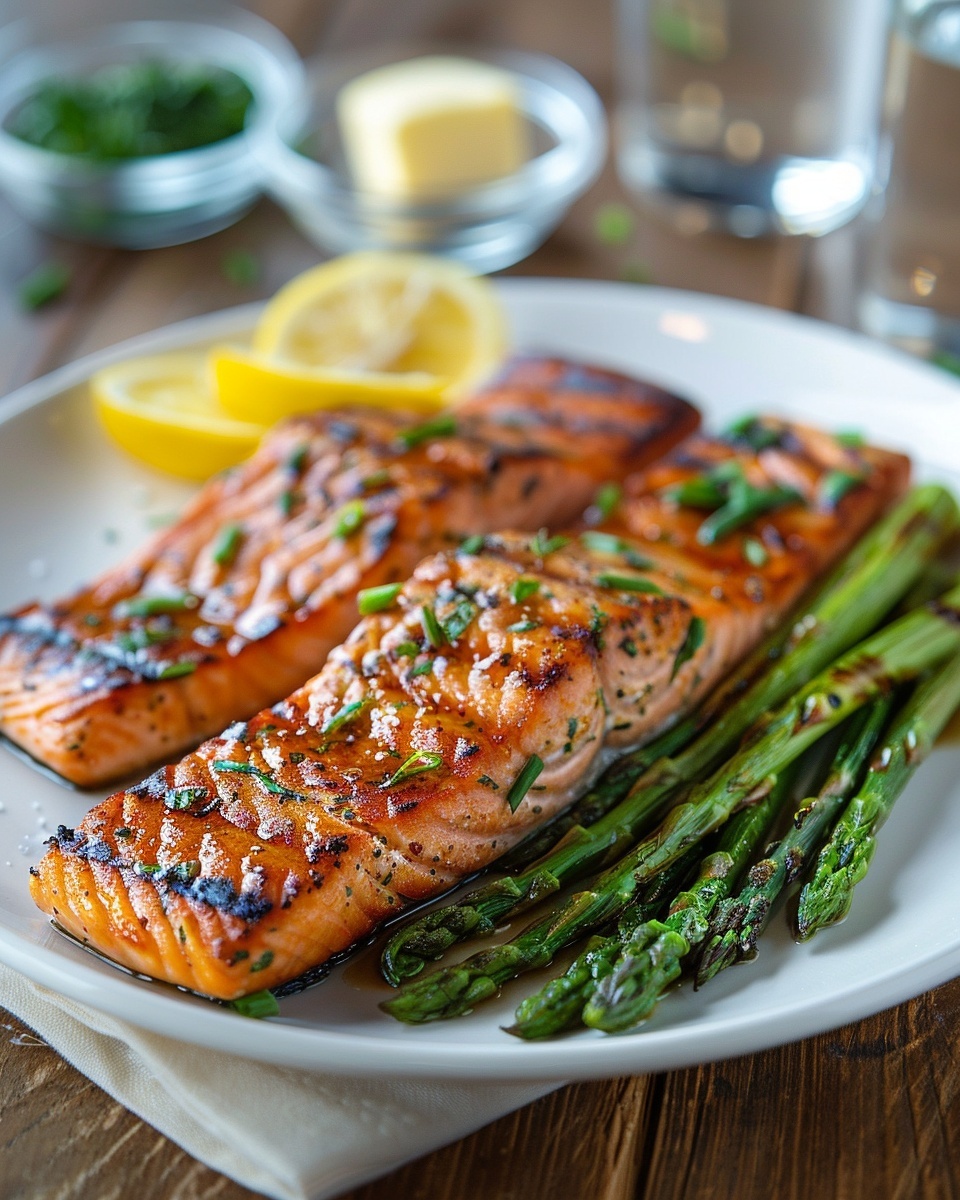
Introduction: My Love Affair with Grilled Salmon Fillets
I’ll never forget the first time I grilled salmon fillets at a beach cookout. The fish stuck to the grates, fell apart when I tried to flip it, and I ended up serving something that looked more like fish flakes than dinner. My friends were kind, but I was embarrassed. That disaster pushed me to learn everything about grilling salmon the right way. Now, years later, grilling salmon is one of my absolute favorite things to cook outdoors.
Welcome to my guide on how to make delicious grilled salmon fillets! I’ll share some of my favorite tips and recipes for simple grilled salmon, healthy options, and even some award winning grilled salmon recipes that have won over my toughest critics (including my mother-in-law). Whether you’re a grilling novice or a seasoned chef, this guide will help you master the art of grilling salmon. I promise it’s easier than you think, and the results are always impressive.
The secret to great grilled salmon isn’t complicated equipment or fancy ingredients. You just need to understand a few basic techniques and avoid common mistakes. Once you get the hang of it, you’ll be grilling perfect salmon every single time.
Why Grilled Salmon Fillets?
Grilled salmon sits at the top of my go-to dinner list for good reason. It’s one of those rare foods that checks every box: healthy, delicious, quick, and impressive enough for company. Let me tell you why I keep coming back to it week after week.
First, salmon is packed with nutrients your body actually needs. Healthy grilled salmon recipes give you omega-3 fatty acids, protein, vitamin D, and B vitamins. These nutrients support heart health, brain function, and help fight inflammation. When you grill salmon instead of frying it, you keep all those benefits without adding extra fat or calories.
The flavor is another huge win. Grilling gives salmon a smoky, slightly charred taste that you can’t get from baking or pan-frying. The high heat caramelizes the outside while keeping the inside moist and tender. Even people who claim they don’t like fish often change their minds after trying properly grilled salmon.
Salmon works with almost any flavor profile you can imagine. I’ve made Asian-style salmon with ginger and soy sauce, Mediterranean versions with lemon and herbs, and Cajun-spiced fillets that pack serious heat. The fish takes on marinades beautifully but also tastes amazing with just salt, pepper, and a squeeze of lemon.
Here’s what I love most about grilling salmon: the cleanup is minimal. When you use grilled salmon in foil, you basically eliminate scrubbing pans. I line my grill grates with foil, cook the salmon, then toss the foil when I’m done. Dinner is ready in 15 minutes, and I’m not stuck at the sink for 30 minutes afterward.
The versatility extends to cooking methods too. You can grill salmon directly on the grates for those beautiful grill marks. You can wrap it in foil packets with vegetables for a complete meal. You can even use a cedar plank for extra flavor. Each method gives you slightly different results, so you’ll never get bored.
How to Prepare Grilled Salmon Fillets
Getting your salmon ready for the grill starts at the store or fish counter. I always look for fillets that are bright in color with firm flesh. Fresh salmon shouldn’t smell fishy. It should smell clean, almost like the ocean. If it smells strong or off, walk away.
You have choices when buying salmon. Wild-caught salmon tends to be leaner with a more pronounced flavor. Farm-raised salmon is fattier and milder. Both grill beautifully, so pick what fits your budget and taste. I usually grab whatever looks freshest that day.
Thickness matters more than most people realize. I aim for fillets that are about one inch thick. Thinner pieces cook too fast and dry out. Thicker cuts give you more control and are harder to overcook. If your fillets vary in thickness, you can fold the thinner tail section under itself to even things out.
Before you start seasoning, pat your salmon dry with paper towels. This step is critical. Moisture on the surface creates steam instead of allowing a good sear. I learned this the hard way after making mushy salmon more times than I’d like to admit.
Basic Marinating and Seasoning Steps
The beauty of salmon is that it doesn’t need much to taste incredible. For the simple grilled salmon approach, I just brush the fillets with olive oil, then add salt and pepper. That’s it. The fish is naturally flavorful, and the grill does the rest of the work.
When I want more flavor, I turn to marinades. A grilled salmon marinade should have three elements: fat (like oil), acid (like lemon juice or vinegar), and seasonings. The fat helps the salmon stay moist, the acid brightens the flavor, and the seasonings add depth.
Here’s my go-to marinade formula that I use at least twice a month:
- 1/4 cup olive oil
- 2 tablespoons fresh lemon juice
- 2 cloves minced garlic
- 1 tablespoon soy sauce
- 1 teaspoon honey
- Salt and black pepper to taste
Mix everything together and pour it over your salmon. Let it sit for 15 to 30 minutes at room temperature. Don’t marinate longer than an hour because the acid will start to cook the fish and change its texture.
For those who love Asian flavors, grilled salmon in foil soy sauce is a winner. I combine soy sauce, brown sugar, ginger, and sesame oil. The foil keeps all those flavors locked in and creates a slightly steamed texture that’s different from direct grilling.
My Favorite Grilled Salmon Rub
Sometimes I skip the marinade completely and use a dry rub instead. A grilled salmon rub creates an amazing crust and adds concentrated flavor without any waiting time. You just sprinkle it on right before grilling.
This is the best grilled salmon recipe ever in my book, and it starts with this simple rub:
- 1 tablespoon brown sugar
- 1 teaspoon smoked paprika
- 1 teaspoon garlic powder
- 1/2 teaspoon black pepper
- 1/2 teaspoon salt
- 1/4 teaspoon cayenne pepper (optional)
Mix these spices together in a small bowl. Brush your salmon with a thin layer of oil, then press the rub onto both sides. The brown sugar caramelizes on the grill and creates this sweet, smoky crust that people go crazy for.
The grilled salmon recipe lemon version is another favorite. I combine lemon zest, dried thyme, garlic powder, salt, and pepper. After grilling, I squeeze fresh lemon juice over the top. It’s bright, fresh, and perfect for summer dinners.
Tips on How to Grill Salmon Without Skin
Many people ask me about how to grill salmon without skin. The skin actually helps protect the fish and keeps it from sticking, but I get it. Some folks just don’t like skin, and that’s fine.
If you’re grilling skinless salmon, oil is your best friend. Brush the grill grates with oil before heating them up. Then brush the salmon itself with more oil. This creates a barrier between the fish and the metal.
Start with a clean grill. Leftover bits from previous cooking sessions will grab onto your salmon. I use a grill brush to scrub the grates, then wipe them with an oiled paper towel held with tongs.
Temperature control matters even more with skinless fillets. You want medium-high heat, not blazing hot. If your grill is too hot, the salmon will stick instantly. Give the grill time to reach the right temperature before adding your fish.
Consider using a grill basket or grilling on foil if you’re nervous about skinless salmon sticking. There’s no shame in using tools that make your life easier. I’ve grilled hundreds of salmon fillets, and I still use foil sometimes when I want zero stress.
Let the salmon cook undisturbed. Don’t poke it, prod it, or try to move it around. When the fish is ready to flip, it will release from the grates naturally. If you try to flip it too early, you’ll tear the fillet apart.


Grilled Salmon in Foil: A No-Fuss Method
Now that you know the prep basics, let me share my favorite lazy-day technique. When I’ve had a long week and just can’t deal with scrubbing grill grates, I turn to the foil method. This approach has saved my sanity more times than I can count.
The beauty of grilled salmon in foil is how it changes the cooking environment completely. Instead of direct heat hitting the fish, you’re creating a little steam packet that cooks the salmon gently from all sides. The moisture stays trapped inside, so you end up with incredibly tender fish that practically melts when you take a bite.
Cleanup becomes laughably easy. You pull the foil packet off the grill, open it carefully to avoid the steam, and serve. When everyone’s done eating, you crumple up the foil and toss it. No soaking pans, no scraping stuck-on bits. I’ve made this on camping trips where washing dishes meant heating water over a fire, and it was a total lifesaver.
Here’s the thing about foil packets: they’re incredibly forgiving. If your grill temperature isn’t perfectly calibrated or you’re cooking on a less-than-ideal portable grill, the foil protects the salmon from burning or drying out. I’ve made perfect salmon on everything from a fancy gas grill to a rusty old charcoal setup at my uncle’s cabin.
Grilled Salmon in Foil with Soy Sauce Recipe
This grilled salmon in foil soy sauce recipe is hands-down my most-requested dish at potlucks. People always ask for the recipe, thinking it’s some complicated Asian fusion thing. Then I tell them it takes about five minutes to prep, and they don’t believe me.
For this recipe, you’ll need four salmon fillets about six ounces each. Tear off four pieces of heavy-duty aluminum foil, each about 12 inches long. If you only have regular foil, double it up so it doesn’t tear.
The sauce is where the magic happens. In a small bowl, whisk together a quarter cup of soy sauce (I use low-sodium), two tablespoons of honey, one tablespoon of sesame oil, two minced garlic cloves, and about a teaspoon of grated fresh ginger. If you like heat, add some red pepper flakes or a drizzle of sriracha.
Place each salmon fillet in the center of a foil piece. Spoon the sauce over each fillet generously. Then here’s a trick I learned from my neighbor who’s an actual chef: add thin slices of lemon on top and throw in some sliced green onions. The lemon brightens everything up, and the green onions add this perfect little crunch.
Now for the wrapping technique. Bring the long sides of the foil up to meet in the middle, then fold them over twice to seal. Fold the short ends up and over to create a sealed packet. You want it tight enough to trap steam but with a little air space inside so the heat can circulate around the fish.
Preheat your grill to medium-high, around 400 degrees if your grill has a thermometer. Place the foil packets directly on the grates, close the lid, and let them cook for about 12 to 15 minutes. The exact time depends on how thick your fillets are. A one-inch thick fillet usually takes right around 13 minutes for me.
Funny enough, you can check doneness without opening the packet. Just press gently on top with tongs. If the salmon feels firm with just a little give, it’s done. If it’s still really soft and squishy, give it another couple minutes.
When you open these packets at the table, the smell that comes out is absolutely incredible. The soy sauce caramelizes slightly, the honey adds sweetness, and everything mingles with the natural richness of the salmon. I like serving this alongside a fresh orzo feta salad for a complete meal that feels fancy but requires minimal effort.
The health benefits of this method deserve mention. Because you’re steaming the salmon in its own juices mixed with the marinade, you’re not adding any extra fats beyond what’s in the fish itself. The nutrients stay locked in rather than dripping away through grill grates. Omega-3s, vitamin D, all that good stuff stays right where you want it.
Best Grilled Salmon Recipes
After years of experimenting, I’ve landed on a handful of recipes that I return to over and over. These aren’t just good; they’re the kind of recipes that make people scrape their plates and immediately ask when you’re making it again.
Classic Lemon Herb Grilled Salmon
This grilled salmon recipe lemon version is what I make when I want something light and bright. It’s perfect for those summer evenings when you want flavor without heaviness.
Start with four salmon fillets. Mix together three tablespoons of olive oil, the zest of two lemons, juice from one lemon, two tablespoons of chopped fresh dill (or one tablespoon dried if that’s what you have), two minced garlic cloves, and salt and pepper. Pour this over the salmon and let it hang out for 20 minutes.
Oil your grill grates well, then preheat to medium-high. Place the salmon skin-side down if it has skin, or presentation-side up if it doesn’t. Close the lid and cook for about six minutes without touching it. I know it’s tempting to peek, but resist.
After six minutes, carefully slide a thin spatula under the salmon. If it releases easily, flip it. If it’s still stuck, give it another minute. Cook the second side for four to five minutes until the salmon flakes easily with a fork but still has a slightly translucent center.
The finished product has this beautiful golden color with bits of caramelized lemon zest and garlic. The dill adds this fresh, almost grassy note that cuts through the richness of the fish perfectly. I’ve served this to people who claim they hate fish, and they’ve changed their minds on the spot.
By the way, this pairs wonderfully with something crisp and fresh on the side. A spinach strawberry salad creates this amazing sweet-savory contrast that makes the whole plate sing.
Award-Winning Brown Sugar Glazed Salmon
This recipe won first place at my neighborhood cookoff three years ago, and I still haven’t let my competitive neighbor forget it. It’s what I consider one of those award winning grilled salmon recipes that sounds simple but delivers restaurant-quality results.
The glaze is the star. Combine a third cup of brown sugar, three tablespoons of soy sauce, two tablespoons of melted butter, one tablespoon of Dijon mustard, and two minced garlic cloves. Whisk it until the sugar dissolves completely.
Here’s where this recipe differs from others: you don’t marinate the salmon ahead. Instead, you brush the glaze on while grilling, building up layers of flavor. It’s more like basting than marinating.
Get your grill to medium heat, around 375 degrees. Place the salmon on the grill and immediately brush it with some glaze. After three minutes, brush on more glaze. After another three minutes, carefully flip the salmon and brush the cooked side. Keep brushing every couple minutes until the salmon is cooked through, usually about 12 minutes total.
The result is this gorgeous mahogany-colored fillet with a sticky-sweet glaze that’s balanced by the salty soy sauce and tangy mustard. The edges get slightly crispy while the inside stays moist. People literally ask me to make this for their birthday dinners.
Mediterranean Grilled Salmon with Herbs and Olives
When I want to feel like I’m eating dinner on a Greek island instead of my suburban backyard, I make this version. It’s one of those healthy grilled salmon recipes that doesn’t feel like diet food at all.
Create a grilled salmon marinade using a quarter cup of olive oil, three tablespoons of lemon juice, one tablespoon of red wine vinegar, two teaspoons of dried oregano, one teaspoon of dried basil, minced garlic, salt, and black pepper. Pour this over your salmon and refrigerate for 30 minutes.
While the salmon marinates, chop up some kalamata olives, cherry tomatoes, red onion, and fresh parsley. Mix these together with a drizzle of olive oil and a pinch of salt. This becomes your topping.
Grill the salmon using the same technique as the lemon herb version. When it comes off the grill, immediately spoon that olive-tomato mixture over the top. The heat from the fish warms the tomatoes slightly and releases their juices, creating this amazing sauce that pools around the salmon.
This dish screams summer to me. The briny olives, sweet tomatoes, and aromatic herbs transform the salmon into something special. It’s substantial enough to feel satisfying but light enough that you don’t feel weighed down afterward. A garden fresh salad on the side keeps the Mediterranean theme going strong.
Spicy Chipotle Lime Salmon
Here’s my go-to when I need something with serious flavor punch. This combines smoky, spicy, and tangy in a way that makes your taste buds wake up and pay attention.
Blend together two chipotle peppers in adobo sauce (the canned kind), juice from two limes, three tablespoons of olive oil, two tablespoons of honey, one teaspoon of cumin, and salt. This creates a thick, intensely flavored paste that serves as both marinade and finishing sauce.
Spread half the mixture on your salmon and let it marinate for 15 minutes. Don’t go longer because the acid from the lime and the heat from the chipotles are pretty aggressive. Reserve the other half for after cooking.
Grill at medium-high heat, being careful because the sugars in the honey can burn if your grill is too hot. Cook for about five minutes per side, depending on thickness. When the salmon comes off the grill, drizzle it with that reserved sauce.
The smokiness from the chipotle peppers complements the natural smokiness from grilling in this really cool way where the flavors amplify each other. The lime cuts through all that richness and heat, keeping everything balanced. Fair warning though: this one has some kick. If you’re sensitive to spice, use just one chipotle pepper instead of two.
This particular recipe has become my signature dish for game day gatherings. I’ll serve it alongside a hearty taco salad to keep the Southwestern vibe consistent. People always go back for seconds, even the folks who usually skip fish at parties.


Common Mistakes When Grilling Salmon and How to Avoid Them
Let me save you from some painful lessons I learned the hard way. Over the years, I’ve made every salmon grilling mistake you can imagine. I’ve turned beautiful fillets into dry hockey pucks. I’ve had salmon stick so badly to the grates that half of it stayed behind when I tried to flip it. I once served guests salmon that was raw in the middle and burned on the outside. Not my finest moment.
The good news is that once you know what to watch out for, these problems are totally avoidable. Most grilling disasters come from just a handful of repeated errors that are actually easy to fix once someone points them out.
Mistake #1: Not Preheating the Grill Properly
This might be the biggest rookie mistake I see, and honestly, I still catch myself rushing this step when I’m hungry. You throw salmon on a grill that isn’t hot enough, and it just sits there steaming instead of searing. The fish sticks, it doesn’t develop those nice grill marks, and the texture comes out all wrong.
Your grill needs at least 10 to 15 minutes to preheat properly. For gas grills, turn all burners to high and close the lid. For charcoal, wait until the coals are covered with white ash and you can hold your hand about six inches above the grate for only three to four seconds before it gets too hot.
I set a timer now because I used to think the grill was ready way before it actually was. Those extra minutes make all the difference between salmon that releases beautifully and salmon that tears apart when you try to move it.
Mistake #2: Overcooking the Salmon
Here’s the thing about salmon: it goes from perfectly done to overcooked in about 90 seconds. I’m not exaggerating. The window is incredibly small, which is why so many people end up with dry, chalky fish even when they’re being careful.
The USDA recommends cooking fish to 145 degrees Fahrenheit, but between you and me, I pull my salmon off at 135 to 140 degrees. It continues cooking from residual heat after you remove it from the grill. This technique, called carryover cooking, means your salmon ends up at the perfect temperature without drying out.
Invest in an instant-read thermometer if you don’t have one already. I resisted buying one for years because I thought I could just tell by looking, and honestly, that stubbornness cost me a lot of ruined dinners. Now I stick the thermometer in the thickest part of the fillet, and when it hits 135 degrees, off it comes.
Visual cues help too. The salmon should be opaque throughout but still have a slightly darker, more translucent center. If you gently press on it, there should be some give. If it feels firm all the way through, you’ve probably gone too far.
Mistake #3: Trying to Flip Too Early
This one drives me crazy because I see people make this mistake at every cookout I attend. They put the salmon down, then immediately start poking at it, trying to flip it after two minutes, and wondering why it’s sticking like crazy.
When salmon hits the hot grill grates, proteins in the fish bond to the metal. As it cooks, those proteins eventually release naturally. If you try to flip before that happens, you’re fighting chemistry itself. The salmon will tear, stick, and fall apart.
My rule is simple: don’t touch the salmon for at least four to five minutes on the first side. Just walk away. Go make a salad, pour yourself a drink, do literally anything except mess with that fish. When it’s ready to flip, you’ll be able to slide a spatula underneath easily. If it’s still grabbing the grates, it needs more time.
The flip itself requires confidence. I use a wide, thin spatula, slide it all the way under the fillet in one smooth motion, then flip quickly and decisively. Hesitation is your enemy here. Commit to the flip, and the salmon will cooperate.
Mistake #4: Using a Dirty Grill
I’ll admit this one out of pure embarrassment: I used to skip cleaning my grill between uses. I thought that buildup added flavor or something ridiculous like that. Then I learned that old food particles create uneven heat and give your salmon off flavors. Plus, they make sticking a million times worse.
Now I scrub the grates with a grill brush while they’re still hot from preheating. The heat loosens everything, making it easier to clean. After brushing, I take a paper towel, fold it up, soak it with vegetable oil, grab it with tongs, and rub it all over the grates. This creates a non-stick surface that makes grilling salmon so much easier.
If you’re dealing with really stubborn buildup, heat the grill on high for 15 minutes with the lid closed. Everything will carbonize, and you can brush it away. Start each grilling session with clean grates, and you’ll avoid so many problems.
Mistake #5: Choosing the Wrong Temperature
People either grill salmon over raging inferno heat or barely-there warmth, and both extremes cause problems. Too hot, and the outside burns before the inside cooks. Too cool, and you get that mushy, steamed texture nobody wants.
Medium-high heat is the sweet spot for grilled salmon fillets. On a gas grill, that’s usually around 375 to 400 degrees. On charcoal, you want coals that are hot but not glowing bright orange. You should be able to hold your hand six inches above the grate for about four seconds before pulling away.
I sometimes create two-zone heat on my grill, especially if I’m cooking different-sized fillets. Bank the coals to one side on a charcoal grill, or turn off one burner on a gas grill. Start the salmon on the hot side to get those grill marks, then move it to the cooler side to finish cooking through. This gives you way more control.
Mistake #6: Skipping the Oil
Even on a perfectly preheated, properly cleaned grill, salmon can stick if there’s not enough oil involved. Some people worry about adding fat and skip this step, especially when they’re making healthy grilled salmon recipes. But a thin coating of oil is essential for preventing sticking and helping the fish develop that beautiful golden crust.
I brush oil directly on the salmon rather than just on the grates. Both is actually ideal. Use an oil with a high smoke point like avocado oil, grapeseed oil, or regular vegetable oil. Olive oil works but can smoke a bit at higher temperatures.
The oil doesn’t add significant calories when you’re using just a light coating. If you’re curious about specifics on nutrition, you can check out nutrition facts for various oils, but we’re talking about maybe a teaspoon per fillet, which is pretty minimal in the grand scheme of things.
Mistake #7: Not Letting Salmon Rest
This mistake doesn’t ruin your salmon, but it does make it less than perfect. When you pull fish off the grill, those juices are all agitated and moving around from the heat. If you cut into it immediately, they run right out onto the plate.
Let your salmon rest for three to five minutes after grilling. Just tent it loosely with foil and give it a few minutes to chill out. The juices redistribute throughout the fish, and when you cut into it, they stay put instead of flooding everywhere. The texture improves too, becoming more firm and cohesive.
I use this resting time to finish my sides, set the table, or add final garnishes. It’s not dead time. You’re still moving toward dinner, just letting the salmon do its thing.
Mistake #8: Forgetting About Thickness Variations
Salmon fillets aren’t uniform. The tail end is thinner than the center, which means it cooks faster. I used to just throw everything on the grill and hope for the best, which meant the thin parts were always overcooked by the time the thick parts were done.
Now I fold that thin tail portion under itself before grilling. This creates a more even thickness across the whole fillet. You can also cut the fillet into more uniform portions before grilling, though I usually don’t bother with that unless I’m serving a crowd and want everything to look identical.
Another trick is to position thinner pieces toward the cooler parts of your grill if you’ve set up two-zone heat. Let the thicker pieces get the full heat treatment while protecting the delicate areas.
The Temperature and Timing Balance
Getting the timing right with salmon takes practice, but there are some reliable guidelines. A one-inch thick fillet typically takes 10 to 12 minutes total on a properly preheated grill at medium-high heat. You’re looking at about six minutes on the first side and four to five on the second side.
Thicker fillets obviously need more time. A inch-and-a-half thick piece might need 14 to 16 minutes total. Thinner pieces can be done in eight minutes. The only way to know for sure is to use that thermometer I mentioned earlier.
Weather affects timing too, which surprised me when I first started grilling year-round. On a cold winter day, your grill loses heat faster, and everything takes longer. On a blazing summer afternoon, things cook quicker. Stay flexible and pay attention to the actual temperature and visual cues rather than just watching the clock.
By the way, if you’re looking for more ways to work with seafood and expand your grilling repertoire beyond salmon, I’ve collected a bunch of seafood recipes that use similar techniques. Once you master salmon, you’ll find that other fish become way less intimidating.
Remember that practice makes all the difference. My first dozen attempts at grilling salmon were pretty rough, but now I can do it without even thinking about it. You’ll get there too if you stick with it and learn from the mistakes instead of getting discouraged by them.
Frequently Asked Questions
How long should salmon be cooked on a grill?
For a standard one-inch thick salmon fillet, you’re looking at 10 to 12 minutes total on a preheated grill at medium-high heat. I usually do about six minutes on the first side and four to five minutes on the second side. The exact timing depends on thickness and your grill’s actual temperature. Use an instant-read thermometer and pull the salmon when it hits 135 to 140 degrees internally. Remember that carryover cooking will bring it up another five degrees while it rests.
Do you flip salmon on a grill?
Yes, I flip salmon once during grilling. Start with the presentation side down first, let it cook undisturbed for about six minutes until it develops nice grill marks and releases naturally from the grates, then flip it carefully using a wide spatula. Some people grill salmon entirely on one side, especially if it has skin, but I prefer flipping because it gives more even cooking and those beautiful crosshatch grill marks. Just be patient and don’t try flipping before the salmon is ready to release.
What spices are good for grilling salmon?
My go-to spices include smoked paprika, garlic powder, black pepper, and a touch of brown sugar for caramelization. Dried dill, oregano, and thyme work beautifully for a Mediterranean vibe. For something with kick, I use cumin, chili powder, and cayenne. A grilled salmon rub can be as simple as salt and pepper or as complex as you want. Fresh herbs like dill, parsley, and cilantro are amazing too, though I add those after grilling since they burn easily. The key is not overwhelming the natural flavor of the salmon.
What are the common mistakes when grilling salmon?
The biggest mistakes I see are overcooking the fish, not preheating the grill properly, and trying to flip too early. People also use dirty grill grates, skip the oil, and don’t account for variations in fillet thickness. Another common error is grilling over the wrong temperature, either too hot or too cool. All of these are easily fixable once you know what to watch for. Using a thermometer and being patient about not touching the salmon until it’s ready to release will solve most problems right there.
Should I grill salmon with the skin on or off?
I prefer grilling salmon with the skin on because it protects the delicate flesh and makes flipping easier. The skin acts as a barrier between the fish and the grill grates, reducing sticking. Plus, when you cook skin-side down first, it gets wonderfully crispy while the flesh above stays moist. That said, you can absolutely grill skinless salmon if you prefer it. Just use plenty of oil, make sure your grates are clean and well-oiled, and be extra gentle when flipping. Both methods work fine with the right technique.
Can I marinate salmon too long?
Yes, definitely. I learned this the hard way when I left salmon in a citrus marinade overnight and ended up with mushy fish that had a weird texture. The acid in marinades starts to chemically “cook” the salmon, breaking down proteins. For most grilled salmon marinade recipes, 15 to 30 minutes is plenty. If your marinade is particularly acidic with lots of lemon juice or vinegar, don’t go over 30 minutes. Oil-based marinades without much acid can go a bit longer, maybe up to an hour, but I rarely marinate salmon for more than that.
How do I know when grilled salmon is done?
The most reliable method is using an instant-read thermometer inserted into the thickest part of the fillet. Pull it off when it reaches 135 to 140 degrees. Visually, the salmon should be opaque throughout with just a slightly darker, more translucent center. When you gently press the fish, it should feel firm but still have a little give. You can also use a fork to gently separate the flakes. If they separate easily but still look moist, you’re good. If the fish looks dry and the flakes fall apart completely, you’ve gone too far.
What’s the best way to prevent salmon from sticking to the grill?
Start with a clean grill that’s been properly preheated. Scrub the grates with a grill brush, then oil them using a paper towel soaked in vegetable oil held with tongs. Also brush oil directly on the salmon itself. Make sure your grill is at the right temperature, medium-high heat. Then here’s the crucial part: don’t touch the salmon for at least four to five minutes on the first side. It will release naturally when it’s ready. Trying to move it too early guarantees sticking. Using the foil method with grilled salmon in foil eliminates sticking problems entirely if you want a foolproof approach.
Can I use frozen salmon for grilling?
You can, but you need to thaw it properly first. I never grill salmon directly from frozen because it cooks unevenly and releases too much moisture. Thaw it in the refrigerator overnight, which is the safest method. If you’re short on time, seal the salmon in a plastic bag and submerge it in cold water, changing the water every 30 minutes until thawed. This usually takes an hour or two depending on thickness. Once thawed, pat it very dry with paper towels before seasoning and grilling. The drier you can get the surface, the better it will sear.
What should I serve with grilled salmon?
Grilled salmon is incredibly versatile and pairs well with tons of sides. I love serving it with roasted vegetables like asparagus, zucchini, or bell peppers. Rice pilaf, quinoa, or couscous make great bases that soak up any sauce or juices from the fish. Fresh salads with bright, acidic dressings cut through the richness of the salmon beautifully. Grilled corn on the cob, baked potatoes, or a simple pasta salad all work wonderfully. For something lighter, try cucumber salad or a simple green salad with lemon vinaigrette. The key is balancing the richness of the salmon with something fresh or acidic.
With these tips in your back pocket, you’re ready to grill salmon like you’ve been doing it for years. Don’t get discouraged if your first few attempts aren’t perfect. Even my disasters were edible, and each one taught me something that made the next round better. Fire up that grill, grab some beautiful salmon fillets, and give it a shot. You might just surprise yourself with how good it turns out.
Grilled Salmon Fillets
Ingredients
Equipment
Method
- Choose bright, firm salmon fillets that smell clean.
- Pat salmon dry with paper towels to remove moisture.
- For the marinade, mix olive oil, lemon juice, minced garlic, soy sauce, honey, salt, and black pepper in a bowl.
- Pour the marinade over the fillets and let them sit for 15 to 30 minutes.
- Preheat the grill to medium-high heat (about 375-400°F).
- Brush grill grates with oil to prevent sticking.
- Place the salmon skin-side down on the grill and cook undisturbed for about 6 minutes.
- If the salmon releases easily, carefully flip it and grill for an additional 4 to 5 minutes until cooked through.
- Optional: For a brown sugar glaze, brush the mixture of brown sugar, soy sauce, melted butter, Dijon mustard, and garlic onto the salmon while grilling.
- Once done, remove salmon from the grill and let it rest for 3 to 5 minutes before serving.