
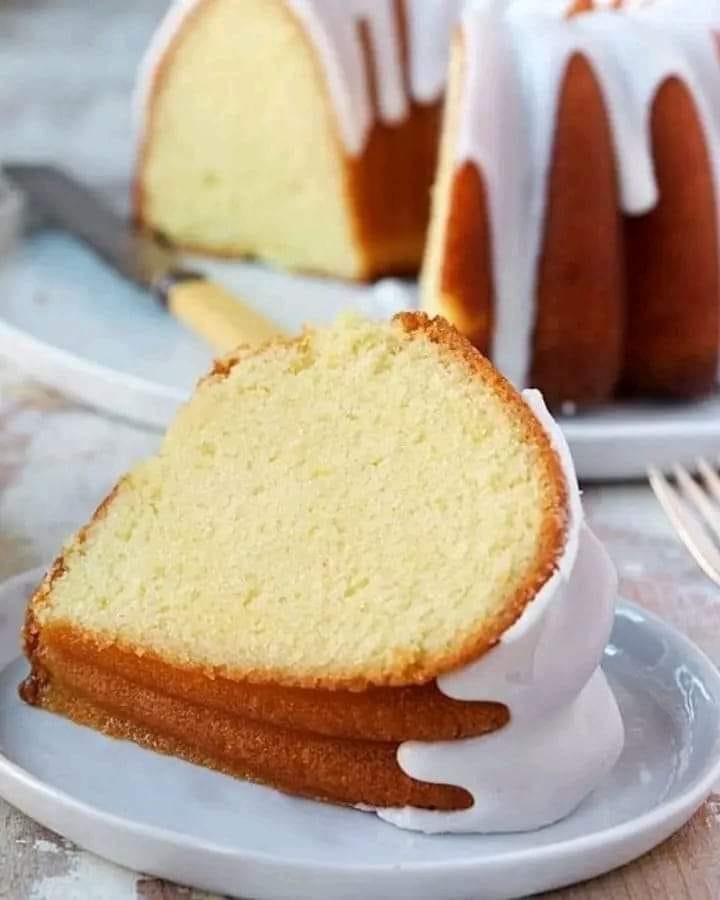
The Ultimate Burst of Sunshine: Lemon Glazed Lemon Bundt Cake
Is there anything more cheerful than the smell of a citrusy cake baking in the oven? It’s like bottled sunshine. Every time I bake this Lemon Glazed Lemon Bundt Cake, my kitchen fills with the brightest, most uplifting aroma. It instantly chases away any gloomy day. This cake is my go-to for every family gathering, and honestly, people always beg for the recipe. It’s that good.
From Simple Loaf to Glorious Bundt: A Cake’s Journey
While pound cakes flavored with lemon have roots in European baking traditions, the American bundt pan gave this classic a stunning makeover. That beautiful, fluted shape turns a simple cake into a show-stopping centerpiece. My version is packed with double lemon power—both juicy zest and tangy juice in the batter, and a fresh glaze on top. It’s a modern take that honors the simple, comforting flavors of old-fashioned baking. It reminds me of summer picnics and my grandma’s kitchen, but with an extra zing that keeps everyone coming back for another slice.
Why You’ll Fall in Love With This Lemon Bundt Cake
You’ll adore this recipe because it’s the perfect balance of sweet and tangy in every single bite. The texture is wonderfully moist and tender, thanks to the buttermilk. Plus, it looks incredibly impressive with zero decorating stress! A simple pour of glaze does all the fancy work for you. It’s a foolproof recipe that feels both special and totally approachable. Whether you’re a baking newbie or a seasoned pro, this cake promises success and smiles.
Perfect Occasions for This Zesty Masterpiece
This cake shines at just about any event! It’s gorgeous for a Mother’s Day brunch or a bridal shower. I love bringing it to potlucks because it travels so well inside its pan. It’s a bright finish to a heavy winter meal and the star of a spring celebration. Honestly, a Tuesday afternoon is also a perfect occasion—because you deserve a slice of happiness with your afternoon tea!
Gathering Your Sunshine Ingredients
Here’s what you’ll need to create this cloud of citrus bliss. Using fresh lemons is the non-negotiable secret here!
- 3 cups all-purpose flour
- 2 teaspoons baking powder
- 1/2 teaspoon baking soda
- 1/2 teaspoon salt
- 1 cup unsalted butter, softened
- 2 cups granulated sugar
- 4 large eggs
- 1 teaspoon vanilla extract
- 1/2 cup fresh lemon juice (about 3-4 lemons)
- Zest of 2 lemons
- 1 cup buttermilk
For the Lemon Glaze:
- 1 cup powdered sugar
- 2 tablespoons fresh lemon juice
- Zest of 1 lemon
No-Problem Ingredient Substitutions
Out of something? Don’t worry! Here are some easy swaps.
- Buttermilk: No buttermilk? Make your own! Add 1 tablespoon of lemon juice or white vinegar to a measuring cup. Fill it with regular milk to the 1-cup line. Let it sit for 5 minutes until it curdles slightly.
- Lemon Juice: Fresh is absolutely best for flavor. In a true pinch, you can use bottled pure lemon juice, but the taste won’t be as bright.
- Bundt Pan: If you don’t have a bundt pan, you can use two 9×5 inch loaf pans. Just reduce the baking time to about 35-40 minutes.
Baking Your Lemon Glazed Lemon Bundt Cake: Step-by-Step
Let’s walk through the process together. It’s a fun and straightforward journey to deliciousness!
Step 1: Preheat and Prep
Start by turning your oven to 350°F (175°C). This gives it plenty of time to reach the perfect temperature. Now, take your bundt pan and be very generous with the greasing. Use butter or non-stick baking spray, getting into every nook and cranny of that beautiful design. A well-greased pan is your ticket to a cake that pops out perfectly later. Nobody wants a cake that sticks!
Step 2: Whisk the Dry Ingredients
In a medium bowl, grab your whisk. Combine the all-purpose flour, baking powder, baking soda, and salt. Whisk them together for a good 30 seconds. This isn’t just mixing; it’s aerating the flour and ensuring all those leavening agents are evenly distributed. A uniform dry mix is the first secret to a cake with an even, tender crumb. It feels like you’re preparing a fluffy cloud bed for your wet ingredients.
Pro tip: For an extra-tender cake, you can sift these ingredients together. It really makes a difference!
Step 3: Cream the Butter and Sugar
In your large mixing bowl, add the softened butter and granulated sugar. “Creaming” means beating them together until they become pale, fluffy, and almost like a creamy frosting. This should take about 3-4 minutes with an electric mixer on medium speed. This step is crucial! It traps air in the batter, which helps your cake rise. You’ll see the color change from yellow to a much lighter, almost white shade.
Step 4: Incorporate Eggs and Lemon Essence
Add your eggs one at a time, beating well after each addition. This allows each egg to fully emulsify into the butter mixture, creating a smooth, stable base. Now, pour in the vanilla extract, fresh lemon juice, and sprinkle in that vibrant lemon zest. The kitchen will already smell amazing. The zest is where the powerful lemon oil lives, so don’t skip it!
Step 5: Combine Wet and Dry Mixes
Here’s the key to a smooth batter: add about one-third of your flour mixture to the wet ingredients. Mix on low speed just until combined. Follow that with half of the buttermilk. Repeat, ending with the final third of the flour. Mix just until you no longer see dry streaks. Over-mixing at this point can develop the gluten in the flour and make your cake tough. We want tender!
Step 6: Pour and Smooth
Pour that gorgeous, pale yellow batter into your prepared bundt pan. Use a spatula to gently smooth the top into an even layer. The batter will be thick and luxurious. Tap the pan lightly on the counter a couple of times. This releases any big air bubbles that could create holes in your finished cake.
Step 7: Bake to Golden Perfection
Carefully place the pan in the center of your preheated oven. Bake for 45-50 minutes. You’ll know it’s done when the top is a beautiful golden brown, the cake is pulling away slightly from the edges, and a toothpick or skewer inserted near the center comes out clean or with just a few moist crumbs. Avoid opening the oven door too early, as it can cause the cake to fall.
Step 8: The Critical Cooling Phase
When the cake is done, take it out of the oven and let it cool in the pan on a wire rack for 15 minutes. This is important! The cake is still setting. After 15 minutes, place the wire rack on top of the pan and, with confidence, flip it over. The cake should release with a satisfying plop. Let it cool completely before glazing. A warm cake will melt the glaze right off.
Step 9: Make the Zippy Glaze
While the cake cools, make the simple glaze. In a small bowl, whisk together the powdered sugar, fresh lemon juice, and lemon zest. Start with 2 tablespoons of juice and whisk until completely smooth. It should be thick but pourable. If it’s too thick, add a drop more lemon juice. If too thin, add a bit more powdered sugar.
Chef’s tip: For an extra-smooth glaze without any lumps, sift your powdered sugar first!
Step 10: Drizzle and Decorate
Once the cake is completely cool, drizzle the glaze generously over the top. Use a spoon or a small pouring cup. Let the glaze cascade down all the beautiful grooves and curves of the bundt shape. Don’t be shy! The drips are part of the charm. Sprinkle a little extra lemon zest on top for a final pop of color and flavor.
Step 11: Slice and Savor!
The moment of truth has arrived! Use a serrated knife to gently slice your masterpiece. Each piece will be moist, bursting with lemon flavor, and sweetly tangy from the glaze. Serve it on a pretty plate with a cup of coffee or tea. Savor every bright, sunny bite. You did it!
Your Baking Timeline
Here’s a quick guide to plan your baking adventure:
- Prep Time: 20 minutes
- Cook Time: 50 minutes
- Cooling Time: 1 hour (very important!)
- Total Time: About 2 hours 10 minutes
My Chef’s Secret: The Zest is Best!
My absolute top secret? Zest your lemons before you juice them. It’s infinitely easier to zest a whole, firm lemon than a squishy, juiced one. Also, when zesting, avoid the white pith underneath the yellow skin. The pith is bitter. You just want the fragrant, oily yellow zest. This simple trick guarantees maximum lemon flavor without any bitterness.
A Little Citrus Lore
Did you know that the bundt pan’s iconic design was popularized in the 1950s by a company called Nordic Ware? Before that, similar kugelhopf molds were used in Europe. The pan’s central tube isn’t just pretty; it helps heat distribute evenly so the dense cake bakes perfectly all the way through. So every time you use your bundt pan, you’re baking a piece of history!
Essential Equipment Checklist
You don’t need fancy tools, just these basics:
- 10-cup or 12-cup Bundt Pan
- Electric Mixer (handheld or stand mixer)
- Large and Medium Mixing Bowls
- Whisk and Spatula
- Zester or Microplane
- Juicer or Fork (for juicing lemons)
- Wire Cooling Rack
- Toothpick or Cake Tester
Storing Your Lemon Bundt Cake
For Short-Term Storage: Once the glaze is fully set, you can store the cake at room temperature. Just cover it loosely with a cake dome or place it under a large, overturned bowl. It will stay fresh and moist for up to 3 days. The glaze will form a lovely, crackly sugar shell.
For Longer Storage: If you need to keep it longer, wrap the unglazed cake tightly in plastic wrap and then in foil. You can freeze it for up to 3 months. Thaw it overnight in the refrigerator, then bring it to room temperature and add the fresh glaze just before serving.
Storing Slices: Individual slices can be wrapped and frozen for a quick treat. Pop a frozen slice in the microwave for 20-30 seconds for an instant taste of sunshine.
Friendly Tips for Baking Success
- Room Temperature is Key: Make sure your eggs, butter, and buttermilk are at room temperature. This helps them blend together smoothly for a uniform batter and even rise.
- Don’t Over-Measure Flour: The most common baking mistake! Spoon flour into your measuring cup and level it off with a knife. Don’t scoop directly from the bag with the cup.
- Cool Completely: I know it’s tempting, but glazing a warm cake is a messy disaster. Patience is a virtue here.
- Grease Like You Mean It: Get into every single crevice of that bundt pan with butter or non-stick spray. A little dusting of flour after greasing can give you extra insurance.
Presentation Like a Pro
Make your cake look extra special with these simple ideas:
- Place the glazed cake on a simple cake stand. The stand elevates it (literally!) and makes it the center of attention.
- Garnish the plate with thin lemon slices, fresh berries like blueberries or raspberries, or a few sprigs of mint.
- For a party, serve each slice with a dollop of lightly sweetened whipped cream or a scoop of vanilla bean ice cream.
- Dust with a light snowfall of powdered sugar right before serving, over the glaze, for a pretty, frosty look.
6 Delicious Recipe Variations to Try
Love this cake? Mix it up with one of these tasty twists!
- Lemon Blueberry: Gently fold 1 1/2 cups of fresh or frozen (and thawed) blueberries into the batter at the very end. They add beautiful bursts of flavor and color.
- Coconut Lemon: Add 1 cup of sweetened shredded coconut to the dry ingredients. Use coconut milk instead of buttermilk for a tropical vacation in a cake.
- Lemon Lavender: Add 1-2 teaspoons of culinary-grade dried lavender buds to the dry ingredients. It creates a wonderfully floral and sophisticated pairing with the lemon.
- Cream Cheese Swirl: Beat 8 oz of softened cream cheese with 1/4 cup sugar and 1 egg. Pour half the cake batter into the pan, dollop the cream cheese mixture, then top with remaining batter. Swirl with a knife.
- Lemon Poppy Seed: Stir 1/4 cup of poppy seeds into the dry ingredients. They add a delightful crunch and classic flavor.
- Orange Ginger: Swap lemon juice and zest for orange. Add 2 tablespoons of finely minced crystallized ginger to the batter for a warm, spicy kick.
Common Mistakes to Avoid With Your Bundt Cake
Steer clear of these pitfalls for a perfect cake every single time.
Mistake 1: Not Greasing the Pan Enough
This is the #1 reason cakes get stuck. A quick swipe of butter is not enough. You must thoroughly coat every inch of the pan, especially all the intricate details. Use a pastry brush or your fingers to get butter or non-stick spray into every corner. For extra security, dust the greased pan with a little flour, tapping out the excess. Taking this extra minute saves you from a cake-breaking heartbreak later.
Mistake 2: Using Cold Ingredients
Cold butter doesn’t cream properly with sugar. Cold buttermilk or eggs can cause the batter to curdle or separate. They also result in a denser, less fluffy cake. Plan ahead! Take your butter, eggs, and buttermilk out of the fridge about an hour before you start baking. Your batter will be smoother, and your cake’s texture will be vastly improved.
Mistake 3: Over-Mixing the Batter
Once you add the flour, you need a gentle hand. Over-mixing develops the gluten in the flour, which leads to a tough, chewy cake instead of a tender, soft crumb. Mix on low speed and stop as soon as the last streaks of flour disappear. It’s okay if the batter isn’t perfectly smooth. A few small lumps are better than over-mixing.
Mistake 4: Glazing a Warm Cake
Impatience leads to a puddle! If you pour glaze on a cake that’s even slightly warm, the heat will melt the sugar. Your beautiful glaze will just slide right off the sides and pool at the bottom. Wait until the cake is completely cool to the touch. This might be the hardest part of the recipe, but it’s worth the wait for that perfect, pretty finish.
Mistake 5: Packing the Flour into the Cup
If you scoop your flour directly from the bag with the measuring cup, you pack it down. This gives you way more flour than the recipe intended. The result is a dry, dense cake. Always use the “spoon and level” method: lightly spoon flour into the measuring cup, then level it off with the flat edge of a knife. This small step ensures perfect texture.
Your Lemon Bundt Cake Questions, Answered
Can I make this cake ahead of time?
Absolutely! This cake is actually better the next day, as the flavors have more time to meld. You can bake the cake up to two days ahead. Let it cool completely, then wrap it tightly in plastic wrap and store it at room temperature. Prepare the fresh glaze and drizzle it over the cake on the day you plan to serve it. This keeps the glaze bright, fresh, and crackly. It’s the perfect make-ahead dessert for stress-free entertaining.
Why did my cake stick to the pan?
This is almost always due to insufficient greasing. Bundt pans have lots of details that need full coverage. Next time, be ultra-generous with softened butter or a non-stick baking spray. Make sure you get into every ridge. A helpful trick is to use a pastry brush to really work it in. You can also try the “baking goop” method used by pros: mix equal parts vegetable shortening, vegetable oil, and flour into a paste and brush it on. It’s virtually fail-proof.
Can I use bottled lemon juice instead of fresh?
I strongly recommend using fresh lemons. The flavor difference is night and day. Fresh lemon juice is bright, tangy, and vibrant. Bottled juice often has a stale, flat, or even metallic taste. For the best possible cake that truly sings with lemon flavor, fresh is the only way to go. Plus, you need the fresh zest from those lemons anyway, so you might as well use the juice!
How do I know exactly when the cake is done baking?
Use a few clues together. First, look at the color; the cake should be a uniform golden brown. Second, the edges will start to pull away slightly from the sides of the pan. Most importantly, perform the “toothpick test.” Insert a toothpick, skewer, or thin knife into the thickest part of the cake (near the center tube). If it comes out clean or with just a few dry crumbs clinging to it, it’s done. If you see wet batter, it needs more time.
My glaze is too thin/thick. How can I fix it?
Glaze consistency is easy to adjust. If your glaze is too thin and runny, simply whisk in more sifted powdered sugar, a tablespoon at a time, until it thickens up. If it’s too thick and paste-like, add more lemon juice just a few drops at a time until it reaches a pourable, but still coatable, consistency. It should ribbon off your whisk smoothly.
Can I freeze this lemon bundt cake?
Yes, you can freeze it beautifully, but freeze it without the glaze. Wrap the completely cooled, bare cake tightly in plastic wrap, then in a layer of aluminum foil. Place it in a freezer-safe bag if possible. It will keep for up to 3 months. Thaw it overnight in the refrigerator, then bring it to room temperature on your counter. Make and add your fresh glaze right before serving for the best taste and texture.
What can I use if I don’t have a bundt pan?
No problem! This batter works well in other pans. You can use two standard 9×5 inch loaf pans. Just reduce the baking time to about 35-40 minutes. You could also use a 9×13 inch rectangular pan for a sheet cake, baking for about 30-35 minutes. Keep an eye on it and use the toothpick test to check for doneness.
Why is buttermilk used in this recipe?
Buttermilk is a baking superstar for three reasons. First, its acidity reacts with the baking soda, creating bubbles that help the cake rise and become light. Second, it tenderizes the gluten in the flour, giving you a softer, more delicate crumb. Third, it adds a very subtle tang that complements the bright lemon flavor perfectly, balancing the sweetness. It’s a key ingredient for a perfect texture.
The top of my cake browned too quickly. What happened?
If your cake is browning more on one side, your oven might have hot spots. Rotate the pan halfway through the baking time to promote even cooking. If the entire top is browning too fast, the oven temperature might be running high. Use an oven thermometer to check. You can also tent a piece of aluminum foil loosely over the top of the cake for the last 15 minutes of baking to prevent over-browning while the inside finishes cooking.
Can I add other flavors or mix-ins to the batter?
Definitely! This recipe is a wonderful base. Try adding 1-2 teaspoons of poppy seeds, or fold in 1 cup of fresh or frozen berries (like blueberries or raspberries) tossed in a tablespoon of flour. For a different citrus twist, you could replace some of the lemon with orange or lime. A teaspoon of vanilla bean paste or a half teaspoon of almond extract would also add lovely depth. Get creative!
A Slice of Pure Joy
Baking this Lemon Glazed Lemon Bundt Cake is more than just following a recipe. It’s about creating a moment of pure, sunny joy. From the first whiff of zesting lemons to the final drizzle of glaze, the process is a delight. And the reward—a stunning, delicious cake that brings people together—is absolutely priceless. I hope this recipe finds a special place in your kitchen, just like it has in mine. Now, go preheat that oven and bake some happiness!
Mediterranean Cod Delight
Ingredients
Equipment
Method
- Preheat the oven to 350°F (175°C) and grease a bundt pan generously.
- In a medium bowl, whisk together the flour, baking powder, baking soda, and salt.
- In a large mixing bowl, cream the softened butter and granulated sugar until pale and fluffy.
- Add the eggs one at a time, mixing well after each addition, along with vanilla extract, lemon juice, and lemon zest.
- Gradually add the flour mixture to the wet ingredients, alternating with the buttermilk, mixing just until combined.
- Pour the batter into the prepared bundt pan and smooth the top.
- Bake for 45-50 minutes, until golden brown and a toothpick comes out clean.
- Allow the cake to cool in the pan for 15 minutes before transferring it to a wire rack to cool completely.
- For the glaze, whisk together powdered sugar, lemon juice, and lemon zest until smooth.
- Drizzle the glaze over the cooled cake and garnish with extra lemon zest if desired.
- Slice and serve with coffee or tea.