
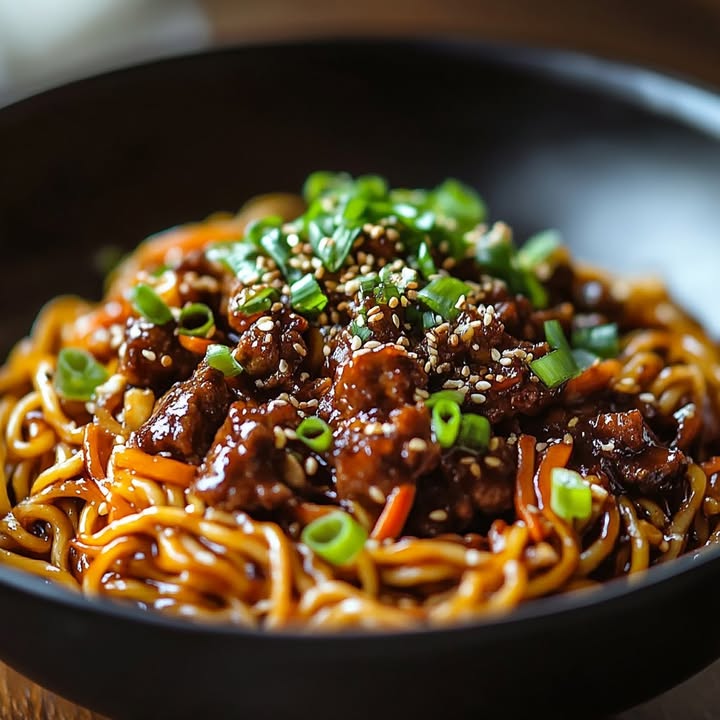
Quick and Tasty: A Taste of Asia in Your Kitchen
Let’s talk about one of my favorite weeknight meals—Mongolian Beef Noodles. Imagine this: you’re craving something bold, flavorful, and exotic, but you don’t want to spend hours in the kitchen. That’s where this dish comes in. It’s a perfect mix of sweet, salty, and just a hint of spice, all wrapped up in tender noodles. I remember making this for the first time on a chilly evening. My kids walked into the kitchen, sniffed the air, and said, “Is that takeout?” Nope—it was homemade magic!
A Little History Behind Mongolian Beef Noodles
This dish is inspired by Mongolian barbecue, but let’s clear something up—it doesn’t actually come from Mongolia. The name is more about the cooking style than the origin. It’s believed to have been created in Taiwan in the 1950s, blending Asian flavors with Western influences. Over the years, it has become a go-to recipe for anyone who loves cuisine fusion. I love how versatile it is—you can make it as spicy or mild as you like. And guess what? It’s super easy to adapt for halal diets too!
Why You’ll Love This Recipe
What makes Mongolian Beef Noodles so special? First, the flavors are unforgettable. The sauce is a perfect balance of sweetness from brown sugar and savory notes from soy sauce and hoisin. Plus, it only takes 30 minutes from start to finish. Whether you’re cooking for yourself or hosting friends, this dish is sure to impress. Trust me, once you try it, it’ll become a regular in your meal rotation.
Perfect Occasions to Make Mongolian Beef Noodles
This dish is perfect for busy weeknights when you need something quick but satisfying. It’s also great for dinner parties or potlucks because it serves four generously. I’ve even made it for game nights—it pairs beautifully with a cold drink and good company. If you’re looking for a dish that says “I’m fancy but didn’t spend hours in the kitchen,” this is it.
Ingredients
- 450 g of ground beef
- 5 cloves of garlic, thinly sliced
- 1/3 cup (about 65 g) of brown sugar
- 1/4 cup (60 ml) of beef broth
- 1/3 cup (80 ml) of soy sauce
- 3 tablespoons of hoisin sauce
- 1/2 teaspoon of ground ginger
- 1/2 teaspoon of ground black pepper
- A pinch of red pepper flakes (optional)
- 280 g of linguine or Asian noodles
- 1 tablespoon of cornstarch
- 2 tablespoons of cold water
- 4 green onions, finely chopped
Substitution Options
If you don’t have all the ingredients, no worries! Here are some swaps:
- Use chicken or turkey instead of beef for a lighter option.
- Swap hoisin sauce with oyster sauce if needed.
- Gluten-free soy sauce works perfectly for those avoiding gluten.
- Any type of noodle—rice noodles, udon, or even spaghetti—can replace linguine.
Step 1: Cook the Pasta
Start by boiling water for your noodles. Salt the water generously—it should taste like the ocean. Cook the linguine according to the package instructions until al dente. Drain and set aside. Pro tip: Don’t overcook the noodles here; they’ll finish cooking later in the sauce. Keep them firm and ready to soak up all that delicious flavor.
Step 2: Cook the Ground Beef
In a large skillet, cook the ground beef over medium-high heat. Break it apart with a spatula as it browns. Once cooked through, drain any excess fat. This step is crucial for keeping the dish from being greasy. The aroma of browning beef mixed with garlic will make your kitchen smell amazing. Patience is key—let it sizzle!
Step 3: Add the Sauce Ingredients
Toss in the sliced garlic and sauté for about a minute until fragrant. Then add the soy sauce, beef broth, brown sugar, hoisin sauce, ginger, black pepper, and red pepper flakes (if using). Stir everything together. Watch as the sauce transforms into a glossy, rich coating for the beef. Smell that? That’s pure comfort food calling your name.
Step 4: Thicken the Sauce
In a small bowl, whisk the cornstarch with cold water until smooth. Pour this slurry into the skillet and stir continuously. Let it simmer for a few minutes until the sauce thickens. This step is where the magic happens—the sauce clings to the beef, creating layers of flavor. Be patient; the wait is worth it.
Step 5: Mix with the Noodles
Add the cooked noodles to the skillet and toss them in the sauce. Make sure every strand is coated evenly. Let it heat through for a couple of minutes so the noodles absorb the sauce. This final step ties everything together, ensuring each bite is packed with flavor. It’s hard not to sneak a taste at this point!
Step 6: Garnish and Serve
Sprinkle the chopped green onions on top before serving. For an extra touch, add sesame seeds for crunch. Serve hot and enjoy the compliments. This dish looks as good as it tastes, especially with those vibrant green onions adding color.
Timing
Preparation Time: 10 minutes
Cooking Time: 20 minutes
Total Time: 30 minutes
Serve this to four hungry people and watch their faces light up.
Chef’s Secret
Here’s my secret to elevating this dish: toast the garlic lightly before adding the sauce. It adds a deeper, nuttier flavor that complements the sweetness of the brown sugar. Trust me, it’s a game-changer.
Extra Info
Did you know that hoisin sauce is often called “Chinese barbecue sauce”? It’s thick, sweet, and packed with umami. A little goes a long way, so store the leftovers in the fridge—they’ll keep for weeks!
Necessary Equipment
You’ll need a large skillet, a pot for boiling pasta, a spatula, a whisk, and bowls for mixing. Nothing fancy, just basic kitchen tools.
Storage Tips
Store leftovers in an airtight container in the fridge for up to three days. Reheat gently on the stovetop with a splash of water to loosen the sauce. Avoid microwaving, as it can make the noodles mushy.
If freezing, portion the dish into individual servings. Freeze for up to two months. Thaw overnight in the fridge before reheating.
For best results, keep the garnishes separate until serving. Fresh green onions lose their vibrancy when stored with the dish.
Tips and Advice
Don’t rush the browning process for the beef—it builds flavor. Use fresh garlic instead of pre-minced for a brighter taste. And always taste the sauce before adding the noodles—you might want to tweak the seasoning.
Presentation Ideas
- Serve in shallow bowls with a sprinkle of sesame seeds.
- Garnish with extra green onions for a pop of color.
- Pair with chopsticks for an authentic dining experience.
Healthier Alternatives
Looking to lighten up? Try these variations:
1. Lean Protein: Use ground turkey or chicken breast instead of beef.
2. Low-Sodium Soy Sauce: Reduce the salt content without sacrificing flavor.
3. Zucchini Noodles: Swap carb-heavy pasta with spiralized zucchini.
4. Less Sugar: Cut the brown sugar in half for a less sweet version.
5. Extra Veggies: Add bell peppers or snap peas for crunch.
6. Coconut Aminos: Replace soy sauce with this gluten-free alternative.
Mistake 1: Overcooking the Pasta
Overcooked pasta becomes mushy and ruins the texture of the dish. To avoid this, check the noodles a minute before the suggested cooking time. They should be slightly underdone since they’ll finish cooking in the sauce.
Mistake 2: Skipping the Sauce Thickening Step
Some folks skip thickening the sauce, thinking it’s unnecessary. But without it, the dish feels watery. Always use cornstarch slurry—it ensures a velvety consistency.
Mistake 3: Using Old Spices
Ground spices lose potency over time. If your ginger or pepper smells dull, it’s time to restock. Fresh spices make a world of difference in flavor.
Mistake 4: Not Draining Excess Fat
Failing to drain the beef properly leaves the dish greasy. After browning, blot the meat with paper towels if needed. No one wants soggy noodles!
Mistake 5: Rushing the Garlic
Burning garlic turns bitter fast. Sauté it slowly over low heat until golden. Patience pays off here.
FAQ
Can I make this dish vegetarian?
Absolutely! Substitute the beef with mushrooms or tofu. The sauce is so flavorful that it works beautifully with plant-based proteins.
How spicy is this dish?
The red pepper flakes are optional, so you control the heat. Leave them out entirely for a milder version.
What if I don’t have hoisin sauce?
No problem! Use oyster sauce or even a mix of peanut butter and soy sauce for a similar effect.
Can I prep this ahead of time?
Yes! Cook the components separately and assemble right before serving. This keeps the textures intact.
Is this dish kid-friendly?
Kids love the sweet-savory combo. Just omit the red pepper flakes for a family-friendly meal.
Can I double the recipe?
Definitely! Adjust the quantities accordingly and use a larger skillet to prevent overcrowding.
How do I reheat leftovers?
Reheat on the stovetop with a splash of water. Avoid the microwave to preserve the noodle texture.
What sides pair well with this dish?
Steamed broccoli, cucumber salad, or fried rice complement the flavors perfectly.
Can I freeze this dish?
Yes, but freeze the sauce and noodles separately for best results. Combine after thawing.
Why does my sauce taste bland?
Check your seasonings. Add a pinch of salt or a dash more soy sauce to boost the flavor.
Final Thoughts
Mongolian Beef Noodles are proof that big flavors don’t require big effort. With simple ingredients and minimal prep time, you can create a dish that transports you straight to the heart of Asia. So grab your skillet, gather your ingredients, and get cooking. Bon appétit!
Mongolian Beef Noodles
Ingredients
Equipment
Method
- Boil water for noodles, salt it generously, and cook linguine until al dente. Drain and set aside.
- In a large skillet, cook ground beef over medium-high heat until browned, then drain excess fat.
- Add sliced garlic to the skillet and sauté for about a minute until fragrant.
- Stir in soy sauce, beef broth, brown sugar, hoisin sauce, ginger, black pepper, and red pepper flakes, mixing well.
- Whisk cornstarch with cold water in a small bowl and pour into the skillet, stirring continuously until the sauce thickens.
- Add cooked noodles to the skillet, tossing to coat them in the sauce, and heat through.
- Garnish with chopped green onions and serve hot.