
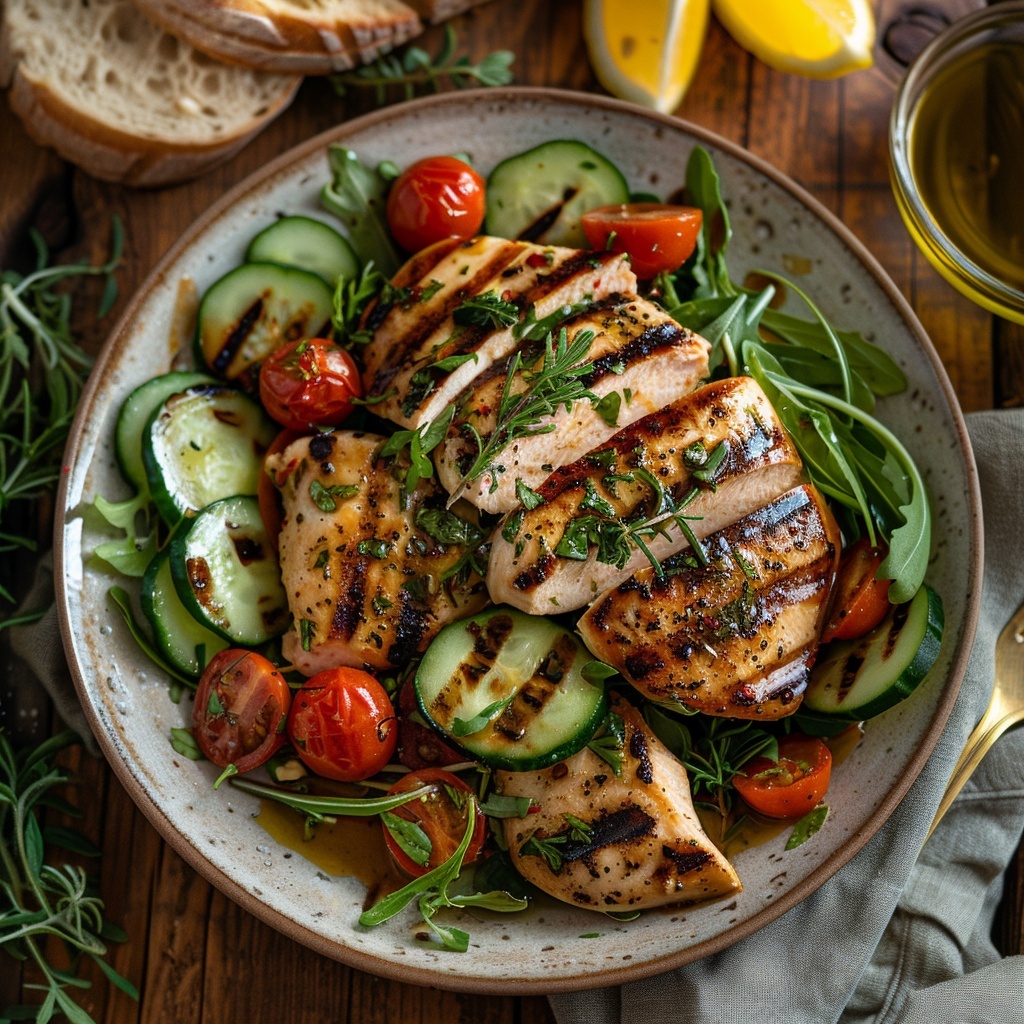
Introduction
Last Tuesday, I stood in my kitchen at 6 PM with absolutely no dinner plan. My fridge held some chicken breasts, a bag of mixed greens, and random vegetables that needed using. Twenty minutes later, I was eating the most satisfying grilled chicken salad I’d made in weeks. That’s the magic of this dish. It saves you when you’re stuck, tastes amazing, and never gets boring.
I’ve been making grilled chicken salad for years now. It started as my “I need to eat healthier” meal and turned into something I actually crave. On hot summer evenings, I want something light but filling. On busy weeknights, I need dinner ready fast. This salad delivers every single time.
The best part? You can make it a thousand different ways. Restaurants charge $15 for their versions, but you can make better ones at home for a fraction of the cost. I’ve ordered grilled chicken salad at fancy restaurants and fast food chains alike. Each place has their own spin, which taught me that there’s no single “right” way to build this meal.
This guide covers everything you need to know about grilled chicken salad. You’ll learn what ingredients work best together, how to make dressings that actually taste good, and which recipes shine during summer months. I’ll share calorie information for those tracking their intake and tips for getting that restaurant-quality taste at home. Whether you’re a college student learning to cook or someone looking to refresh their salad game, you’ll find what you need here.
What Goes Into a Perfect Grilled Chicken Salad?
Building a great grilled chicken salad isn’t complicated, but you need to understand the basic parts. Each component plays a role. Skip one, and your salad feels incomplete. Nail them all, and you’ve got a meal worth making again and again.
Start with your base of fresh greens. I usually grab romaine lettuce because it has a nice crunch and holds up well under toppings. Spinach works great too, especially baby spinach with its mild flavor. Mixed spring greens add variety with different textures and colors. Sometimes I combine two or three types of lettuce for more interest. The key is using greens that aren’t wilted or brown. Fresh greens make or break your salad.
The star ingredient is obviously the grilled chicken. I season my chicken with salt, pepper, garlic powder, and a bit of paprika before grilling. The chicken needs to be juicy, not dry and rubbery. I cook mine to 165°F and let it rest for five minutes before slicing. This keeps all the juices inside instead of running all over your cutting board. Slice the chicken into strips or cubes, depending on your preference.
Now for the fun part – the toppings. This is where you make the salad your own. Cherry tomatoes add sweetness and pop in your mouth. Cucumbers bring a cool, refreshing crunch. Red onions give you a sharp bite (soak them in cold water first to mellow the intensity). Shredded carrots add color and a slightly sweet flavor.
Avocado deserves its own mention. A grilled chicken salad with avocado feels more substantial and satisfying. The creamy texture contrasts beautifully with crisp lettuce and warm chicken. Avocado also adds healthy fats that help you feel full longer. I usually use half an avocado per salad, sliced or cubed.
Other toppings I rotate through include:
- Corn kernels (fresh or grilled)
- Black beans or chickpeas for extra protein
- Shredded cheese (cheddar, feta, or parmesan)
- Nuts or seeds for crunch (almonds, walnuts, or sunflower seeds)
- Bacon bits (because bacon makes everything better)
- Hard-boiled eggs
- Dried cranberries or fresh berries
The grilled chicken salad dressing ties everything together. A bad dressing ruins even the best ingredients. A great dressing makes a simple salad unforgettable. I keep several homemade dressings in my fridge at all times.
My go-to is a simple balsamic vinaigrette. I whisk together three parts olive oil, one part balsamic vinegar, a teaspoon of Dijon mustard, minced garlic, salt, and pepper. It takes two minutes to make and tastes better than anything from a bottle.
Ranch dressing works perfectly with grilled chicken. You can buy it or make your own by mixing buttermilk, mayo, sour cream, and herbs. Caesar dressing brings that classic grilled chicken salad restaurant vibe. Honey mustard adds sweetness. Lime cilantro dressing brings brightness and pairs especially well with Mexican-inspired salads.
Here’s my personal tip for restaurant-quality results: balance your flavors. You want something creamy (avocado or cheese), something crunchy (nuts or crispy vegetables), something sweet (dried fruit or corn), and something tangy (your dressing or pickled onions). When all these elements come together, your taste buds stay interested with every bite. That’s what fancy restaurants do, and you can do it at home.
Temperature matters too. I like my chicken warm or room temperature, not cold from the fridge. Cold chicken on a salad tastes sad and boring. If I’m meal prepping, I store the chicken separately and warm it slightly before adding it to my greens.
Summer-Friendly Grilled Chicken Salad Recipes
Summer changes how I think about salads. When it’s 85 degrees outside, I want meals that refresh rather than weigh me down. Summer grilled chicken salad recipes focus on bright flavors, seasonal produce, and light dressings that don’t feel heavy.
My favorite summer version uses watermelon. I know it sounds weird, but trust me. Cube some watermelon and toss it with arugula, grilled chicken, crumbled feta, and fresh mint. Dress it with a lime vinaigrette. The watermelon brings sweetness and helps you stay hydrated. The feta adds salty contrast. It’s perfect for hot July evenings when you can barely stand to turn on the stove.
Peach season means peach salads. Grill your peaches alongside your chicken for a few minutes until they get char marks. The heat caramelizes their natural sugars. Combine them with mixed greens, goat cheese, candied pecans, and a light citrus dressing. This salad tastes like summer in a bowl.
Berry salads work beautifully too. Strawberries, blueberries, or raspberries add pops of sweetness. Pair them with spinach, grilled chicken, almonds, and a poppy seed dressing. The fruit keeps things light and interesting.
For something with more kick, try a Mexican grilled chicken salad. This became my obsession last summer after a trip to California. The version I make at home uses romaine lettuce as the base. I add seasoned grilled chicken (cumin, chili powder, and lime juice in the marinade), black beans, corn, diced tomatoes, red onion, and plenty of avocado.
Top it with crushed tortilla chips for crunch and shredded pepper jack cheese. The dressing makes all the difference. I mix sour cream, lime juice, cilantro, garlic, and a bit of hot sauce. It’s creamy, tangy, and has just enough heat. Some people use a chipotle ranch or a cilantro lime vinaigrette instead. All versions work great.
You can also add jalapeños if you like spice, roasted bell peppers for sweetness, or a scoop of salsa right on top. The mexican grilled chicken salad feels more like a fiesta than a diet meal. It’s filling enough to satisfy anyone at your dinner table.
Another summer favorite is the Greek-inspired version. Use cucumber, tomatoes, red onion, Kalamata olives, and feta cheese. Add chickpeas for extra substance. The dressing is simple: olive oil, lemon juice, oregano, and garlic. It tastes like vacation even when you’re eating lunch at your desk.
Asian-inspired summer salads hit differently too. Shred some cabbage and carrots, add edamame, mandarin oranges, and grilled chicken. Make a ginger sesame dressing with soy sauce, rice vinegar, sesame oil, fresh ginger, and honey. Top with crispy wonton strips and sesame seeds. It’s crunchy, satisfying, and full of flavor.
The beauty of summer recipes is using whatever’s fresh at your local farmers market. Grab whatever vegetables look best that week and build your salad around them. Zucchini, yellow squash, and bell peppers all grill beautifully alongside your chicken. Fresh herbs like basil, cilantro, and mint add brightness without calories.


How to Elevate Your Grilled Chicken Salad
Once you’ve mastered the basics, the real fun begins with making your salad stand out from the crowd. I’ve spent years tweaking my recipes, and I’ve learned that small changes create massive improvements in taste and satisfaction.
Here’s something fascinating I discovered while researching cooking tips: Anthony Bourdain, the legendary chef, had a surprisingly simple answer when asked about upgrading chicken salad. What is Anthony Bourdain’s 1 ingredient upgrade for better chicken salad? His answer was fresh herbs. Not dried herbs from a jar that’s been sitting in your cabinet since 2019, but actual fresh herbs like tarragon, dill, or chives. He insisted that fresh herbs transform a boring chicken salad into something you’d actually want to eat. I tried this with fresh tarragon in my grilled chicken salad last month, and honestly, he was right. The difference was incredible. The bright, slightly anise-like flavor of tarragon made my usual recipe taste restaurant-worthy.
Fresh basil works beautifully in Mediterranean versions. Cilantro is essential for Mexican grilled chicken salad styles. Dill pairs perfectly with cucumber and yogurt-based dressings. Mint adds an unexpected freshness that works with fruit-based salads. The key is adding these herbs right before serving so they stay vibrant and don’t wilt under your dressing.
Beyond herbs, creative add-ins make your salad memorable. Toasted nuts add crunch and richness that raw vegetables can’t provide. I keep several types in my pantry: sliced almonds, chopped pecans, and candied walnuts. Toast them in a dry pan for three minutes before adding them to your salad. The toasting releases their oils and intensifies their flavor dramatically.
Fruit additions might sound weird if you’ve never tried them, but they create incredible flavor combinations. Dried cranberries add chewy sweetness that contrasts with savory chicken. Fresh apple slices bring crisp texture and tartness. Grapes (cut in half) provide juicy bursts of sweetness. I’ve even used sliced pears with blue cheese crumbles and it was fantastic. The sweetness balances salty and tangy elements in your salad, creating that professional chef balance we talked about earlier.
Cheese selection matters more than most people realize. Feta crumbles bring tangy saltiness that works with Greek-style salads. Aged parmesan shaved with a vegetable peeler adds nutty depth. Fresh mozzarella pearls provide mild creaminess. Blue cheese or gorgonzola create bold, funky notes that some people love (I’m one of them). Sharp cheddar gives you familiar comfort. Don’t just grab whatever cheese is in your fridge—think about which flavors complement your other ingredients.
Now let’s talk about something that truly transforms grilled chicken salad from good to extraordinary: proper marinades. What is a good marinade for chicken salad? The answer depends on which direction you want to take your flavors, but I’ll share my most reliable recipes that work beautifully.
My everyday lemon herb marinade takes five minutes to make. I whisk together the juice of one lemon, three tablespoons of olive oil, two minced garlic cloves, a tablespoon of fresh thyme, salt, and pepper. I marinate my chicken for at least thirty minutes (or up to four hours in the fridge). This marinade keeps the chicken incredibly juicy and adds bright, clean flavors that work with almost any salad style. It’s particularly good when I’m making Mediterranean or simple garden salads.
For Asian-inspired salads, I use a soy ginger marinade. Combine a quarter cup of soy sauce, two tablespoons of rice vinegar, one tablespoon of sesame oil, minced fresh ginger (about an inch piece), two minced garlic cloves, and a tablespoon of honey. This marinade brings sweet, salty, and tangy notes all at once. The chicken develops this gorgeous caramelized exterior when grilled. Funny enough, my neighbor asked for this recipe after smelling it cooking on my grill last summer.
Spicy options work great too. My chipotle lime marinade uses two tablespoons of adobo sauce from a can of chipotle peppers, juice of two limes, three tablespoons of olive oil, a teaspoon of cumin, and salt. This creates smoky heat that pairs perfectly with Mexican-style salads topped with avocado and fresh vegetables. The smokiness adds complexity you can’t get from plain grilled chicken.
Greek yogurt marinades deserve special mention because they’re underused and incredibly effective. Mix half a cup of Greek yogurt with lemon juice, minced garlic, dried oregano, and paprika. The yogurt tenderizes the chicken while adding subtle tang. This technique actually comes from Middle Eastern cooking traditions and works phenomenally well. The chicken stays moist even if you accidentally overcook it slightly.
Here’s my marinade trick that changed everything for me: always reserve a small portion of your marinade before adding raw chicken. Use this reserved portion to drizzle over your finished salad as an extra flavor boost. Just make sure it’s the portion that never touched raw meat—food safety first, folks.
Grilled Chicken Salad Variations to Try
Sometimes you want your grilled chicken salad in a completely different format. That’s where variations come in handy. I rotate through several styles depending on my mood and what I’m trying to accomplish with my meal.
The grilled chicken salad sandwich became my lunch obsession after I had one at a local deli last year. Instead of eating your salad from a bowl, you pile it between two slices of bread or stuff it into a pita pocket. I chop my grilled chicken smaller for sandwiches, then mix it with diced vegetables, a bit of cheese, and enough dressing to hold everything together without making the bread soggy. Toasted whole grain bread works best because it holds up under the moisture. Sometimes I add lettuce leaves inside for extra crunch. This format is perfect for packed lunches or picnics because everything stays contained. My kids actually eat their vegetables this way, which is a miracle in itself.
Wraps offer another portable option. Use a large tortilla and layer your ingredients: lettuce first (acts as a moisture barrier), then chicken, vegetables, and dressing. Roll it tightly and slice it in half diagonally. Suddenly your healthy meal looks Instagram-worthy and travels well to work or school.
By the way, let’s address the elephant in the room: fast food versions. Grilled chicken salad McDonald’s and similar chain offerings have their place, especially when you’re traveling or need something quick. I’ve tried most of them during road trips. The convenience is real, and some chains do a decent job. McDonald’s version typically includes grilled chicken strips, mixed greens, cherry tomatoes, and shredded carrots. It’s fine in a pinch, but honestly, you’re paying restaurant prices for something you could make better at home for less money.
Chain restaurants taught me something valuable though: presentation matters. They serve their salads in clear containers or on nice plates with ingredients arranged in sections rather than tossed together. When I started doing this at home—arranging my toppings in neat rows on top of my greens—my salads suddenly felt more special. It’s a small psychological trick that makes your meal feel more like a treat and less like diet food.
The grilled chicken salad restaurant experience offers inspiration for home cooking. I’ve noticed that restaurant versions often include one or two unexpected ingredients that make you think “oh, I wouldn’t have thought of that.” At one place, they added crispy chickpeas. Another spot used pickled vegetables. One restaurant near me tops theirs with a soft-boiled egg with a runny yolk that acts as an extra sauce when you cut into it. These creative touches are easy to replicate once you’ve seen them done.
If you’re not in the mood to cook, searching grilled chicken salad near me on your phone pulls up local options worth exploring. I’ve discovered some fantastic neighborhood spots this way. Small local restaurants often put their own regional spin on salads that you won’t find at national chains. Supporting these local eateries helps your community while giving you new ideas for your own cooking. I keep a note on my phone of interesting combinations I’ve tried at restaurants so I can recreate them later at home.
One local cafe near me makes a maple pecan grilled chicken salad that I’ve tried to copy three times now. They use a maple vinaigrette that’s slightly sweet but not cloying, candied pecans, dried cranberries, and sharp white cheddar. I’m still working on getting mine to taste exactly like theirs, but the attempts have all been delicious. That’s the beauty of cooking—even your “failures” usually taste pretty good.
Nutritional Benefits of Grilled Chicken Salad
Let’s get real about why this meal works so well for people trying to eat healthier. Grilled chicken salad calories vary significantly based on your ingredients and portions, but a typical serving ranges from 300 to 500 calories. That’s substantially lower than most restaurant entrees while keeping you satisfied for hours.
The protein content is where this meal really shines. Four ounces of grilled chicken breast provides roughly 35 grams of protein. Protein keeps you full longer than carbohydrates alone and helps maintain muscle mass, especially if you’re trying to lose weight. I noticed that when I eat a proper grilled chicken salad for lunch, I don’t get that 3 PM energy crash that used to send me hunting for snacks.
Fiber from your vegetables and greens supports digestion and also contributes to that satisfied feeling. Romaine lettuce, spinach, and mixed greens provide vitamins A, C, and K. Adding beans or chickpeas increases your fiber count even more. The combination of protein and fiber creates lasting energy throughout your day.
Healthy fats from ingredients like avocado, nuts, olive oil dressings, and seeds help your body absorb fat-soluble vitamins from your vegetables. Your body actually needs these fats to function properly. Don’t be afraid of them. A salad with no fat leaves you hungry an hour later because fat contributes significantly to satiety.
The micronutrient profile impresses me every time I think about it. Tomatoes provide lycopene. Carrots give you beta-carotene. Bell peppers pack more vitamin C than oranges. Dark leafy greens contain iron and calcium. You’re basically eating a multivitamin in delicious food form.
Here’s what a typical healthy version looks like nutritionally: two cups of mixed greens (about 20 calories), four ounces of grilled chicken (around 185 calories), half an avocado (120 calories), various chopped vegetables like tomatoes and cucumbers (maybe 30 calories), and two tablespoons of vinaigrette dressing (about 90 calories). That totals roughly 445 calories with excellent macronutrient balance. You could add a side of grilled vegetables and still keep your meal under 600 calories while feeling completely satisfied.
The beauty of making your own salads is controlling exactly what goes in them. Restaurant versions often hide extra calories in excessive dressing, fried toppings, or processed ingredients. When you make yours at home, you know exactly what you’re eating. This transparency helps if you’re tracking calories or following specific dietary guidelines.
For people managing blood sugar, grilled chicken salads offer stable energy without the spikes and crashes from carb-heavy meals. The combination of protein, fiber, and healthy fats creates a slow, steady release of energy. I have friends with diabetes who rely on these salads as safe, satisfying meal options that don’t mess with their glucose levels.
Weight management becomes easier when you regularly eat meals like this. You’re getting substantial portions that fill your plate and stomach without excessive calories. The visual aspect matters too—a big, colorful salad loaded with ingredients feels abundant and satisfying, not restrictive or diet-like. Your brain registers that you’re eating plenty of food, which helps with compliance and satisfaction.


FAQs About Grilled Chicken Salad
People ask me questions about making grilled chicken salad all the time, especially friends who are just getting started in the kitchen. I’ve compiled the most common questions I hear, along with answers that actually help you make better decisions in your cooking.
What are the 4 ingredients in chicken salad? This question usually refers to traditional cold chicken salad, not the grilled version we’ve been talking about. The basic four ingredients are cooked chicken (usually chopped or shredded), mayonnaise, celery for crunch, and seasoning (typically salt and pepper). That’s the foundation that’s been around for decades. My grandmother made her chicken salad this way every Sunday after church. However, I think this basic version is honestly pretty boring by itself. Most people add extras like diced onion, lemon juice, or fresh herbs to make it more interesting. When you’re making grilled chicken salad, you’re working with a completely different concept since you’re building on a bed of greens rather than mixing everything with mayo, but understanding these basics helps you see how flexible salads can be.
The core principle stays the same though: you need your protein (chicken), something creamy or binding (mayo in traditional versions, or dressing in grilled versions), something crunchy (celery in traditional, or fresh vegetables in grilled versions), and seasoning to bring flavor. Once you understand this formula, you can adapt it endlessly. Last week, I made a version using Greek yogurt instead of mayo, added diced apples for sweetness, and threw in some toasted walnuts. The four-ingredient framework still applied—I just upgraded each component.
Here’s the thing about customizing your salads: you should absolutely make them suit your preferences and dietary needs. I have a friend who can’t stand raw onions, so she uses green onions instead which are milder. Another friend follows a dairy-free diet, so she skips cheese entirely and adds extra nuts for richness. Someone else I know hates cilantro (it tastes like soap to him, which is apparently genetic), so he uses parsley in Mexican grilled chicken salad recipes instead.
Don’t feel bound by recipes you find online, including mine. They’re starting points, not strict rules. If you hate an ingredient, leave it out or substitute something you actually enjoy. I see too many people forcing themselves to eat foods they don’t like because a recipe said so. Life’s too short for that nonsense. Your salad should make you happy, not feel like a punishment.
Texture preferences matter too. Some people love lots of crunch and load up on raw vegetables, nuts, and seeds. Others prefer softer textures with more cooked vegetables, creamy cheeses, and ripe avocado. Neither approach is wrong—they’re just different. I personally like variety in texture, so I always include at least one crunchy element and one creamy element. But that’s me. You do you.
Spice tolerance varies wildly between people. My husband loves heat and dumps hot sauce on everything, while my daughter picks out even the mildest pepper. When I make salads for my family, I keep spicy elements separate so everyone can adjust their own bowl. This strategy works great for meal prep too. Store your chicken and vegetables separately from things like jalapeños or spicy dressings, then let each person build their salad how they want it.
By the way, portion sizes should reflect your actual hunger and activity level, not some arbitrary serving size on a package. If you’re super active or larger-bodied, you might need six ounces of chicken instead of four. If you’re smaller or less active, maybe three ounces is plenty. Pay attention to how you feel after eating. Still hungry an hour later? Add more protein or healthy fats next time. Feeling stuffed and uncomfortable? Scale back your portions. Your body gives you feedback if you listen to it.
Temperature preferences deserve consideration too. I mentioned earlier that I prefer warm chicken on my salads, but my sister insists hers must be cold. She makes her grilled chicken ahead, refrigerates it, and serves everything chilled. It’s not how I’d do it, but it makes her happy and she actually eats her salads consistently. That consistency matters more than following someone else’s temperature preferences.
Dressing amount is another personal choice. Some people like their salads lightly dressed with just enough to coat the leaves. Others want theirs swimming in dressing (no judgment—I’ve been there). Start with less dressing than you think you need. You can always add more, but you can’t take it away. I usually put dressing on the side when meal prepping and add it right before eating. This keeps everything crisp and lets me control exactly how much I use.
The make-ahead situation trips people up sometimes. You can definitely prep components in advance, but assembly timing matters. I chop my vegetables on Sunday and store them in containers. I grill several chicken breasts at once and keep them refrigerated. Greens stay in their original container with a paper towel to absorb moisture. Then I assemble individual salads each day. This approach gives you the convenience of meal prep without soggy, sad salads by Wednesday.
If you’re really into efficiency, keep a grilled chicken salad dressing rotation going in your fridge. I always have at least two homemade dressings ready to go. They last about a week, and having options prevents boredom. When you’re excited about what you’re eating, you’re way more likely to stick with healthy habits. Those of us trying to maintain nutritious eating patterns long-term know that variety keeps things sustainable.
Funny enough, understanding nutrient labeling on packaged ingredients helps you make better choices when buying premade components. If you’re grabbing bottled dressing or pre-cooked chicken, checking those labels ensures you know what you’re actually consuming. Sometimes the “healthy” option at the store isn’t as nutritious as it claims to be. Knowledge is power, especially in the grocery store.
Here’s my final customization tip: keep a salad journal on your phone. I know it sounds dorky, but hear me out. When you make a combination you absolutely love, write it down immediately with exact amounts and ingredients. Three months later when you’re standing in your kitchen trying to remember what made that one salad so amazing, you’ll thank yourself. I’ve recreated “mystery salads” too many times because I forgot to write down what I did. Learn from my mistakes.
Conclusion
Making great grilled chicken salad isn’t about following rigid rules or complicated techniques. It’s about understanding basic principles, then adjusting everything to match your taste, schedule, and nutritional goals. Start simple, experiment with ingredients that excite you, and don’t be afraid to try combinations that sound interesting even if they’re unconventional. Your best salad is the one you’ll actually make and enjoy eating repeatedly.
Bonus: Quick Recipe Roundup
Here are three of my go-to grilled chicken salad recipes that I rotate through constantly. Each one offers something different, so you’ll always have options no matter your mood.
- Summer Berry Chicken Salad: Mixed greens, grilled lemon herb chicken, fresh strawberries and blueberries, goat cheese crumbles, candied pecans, and poppy seed dressing. Perfect for hot evenings when you want something refreshing.
- Southwest Mexican Chicken Salad: Romaine lettuce, cumin-spiced grilled chicken, black beans, roasted corn, cherry tomatoes, diced red onion, pepper jack cheese, avocado slices, crushed tortilla chips, and chipotle lime dressing. This one’s filling enough for dinner and has amazing flavor depth.
- California Avocado Chicken Salad: Spring mix greens, grilled chicken with garlic and herbs, sliced avocado, cucumber ribbons, shredded carrots, sunflower seeds, and a light lemon vinaigrette. Simple, clean flavors that let the quality ingredients shine through.
Frequently Asked Questions
How long does grilled chicken last in the fridge for salads?
Properly stored grilled chicken stays good for three to four days in the refrigerator. Make sure you cool it completely before storing it in an airtight container. I always label mine with the date so I don’t have to guess later. If you notice any off smell or slimy texture, throw it out regardless of the date. When in doubt, your nose knows. For longer storage, you can freeze cooked chicken for up to three months, though the texture changes slightly after thawing.
Can I use rotisserie chicken instead of grilling my own?
Absolutely, and I do this all the time when I’m short on time or energy. Store-bought rotisserie chicken works perfectly for salads. Just remove the skin (which contains most of the sodium and fat), shred or chop the meat, and use it exactly like you would grilled chicken. The flavor is slightly different because of how it’s seasoned, but it’s still delicious and way more convenient. This shortcut has saved my dinner plans countless times.
What’s the best way to prevent my salad from getting soggy?
Keep your dressing separate until right before eating—that’s the golden rule. If you’re meal prepping, store wet ingredients like tomatoes separately or put them on top where they won’t make everything else soggy. I also put a paper towel in the bottom of my salad container to absorb any excess moisture. Never dress a salad you’re not eating immediately. Some people put dressing at the bottom of a jar, then layer ingredients with the lettuce on top, so when you dump it into a bowl, everything mixes perfectly but stayed separate during storage.
How can I make my grilled chicken more flavorful without adding calories?
Marinades are your best friend here because they add tons of flavor with minimal calories. Citrus juices, vinegars, herbs, spices, and small amounts of strong flavoring like soy sauce create big taste without significant calorie additions. Proper seasoning with salt and pepper before grilling matters more than people realize. Also, don’t overcook your chicken—dry, rubbery chicken tastes bad no matter what you do to it. A meat thermometer is worth the investment to nail that perfect 165°F every single time.
Are grilled chicken salads good for weight loss?
They can be excellent for weight loss because they provide high protein, plenty of fiber, and lots of volume for relatively few calories. The protein keeps you satisfied longer, which reduces snacking and overeating later. However, the details matter—a salad drenched in creamy dressing with fried toppings and loads of cheese might have more calories than a burger. If weight loss is your goal, focus on lean grilled chicken, lots of vegetables, and measured amounts of dressing and calorie-dense toppings like cheese and nuts. You can still include these foods, just be mindful of portions.
What vegetables work best in grilled chicken salad?
This really depends on your preferences, but I find that a mix of textures works best. Crunchy vegetables like cucumbers, bell peppers, and carrots provide satisfying texture. Tomatoes add juiciness and freshness. Leafy greens form your base. Red onions bring sharp flavor if you like them. Basically, any vegetable you enjoy eating raw will work. I also sometimes add grilled vegetables like zucchini or asparagus for variety. The key is using vegetables that are fresh and in good condition—wilted, old vegetables ruin even the best salad.
How do I make restaurant-quality grilled chicken at home?
The secret is proper marinating, correct cooking temperature, and letting it rest after cooking. Marinate your chicken for at least 30 minutes to add flavor and tenderness. Preheat your grill or grill pan until it’s properly hot before adding chicken—you want those beautiful grill marks. Cook to exactly 165°F internal temperature, not higher. Then let it rest for five minutes before cutting so the juices redistribute throughout the meat instead of running out onto your cutting board. These simple steps make a massive difference in how your chicken tastes and feels.
Can I make grilled chicken salad dairy-free?
Definitely, and it’s easier than you might think. Skip the cheese entirely or use dairy-free cheese alternatives if you want that component. Make dressings with olive oil, avocado oil, or tahini instead of dairy-based options. Nutritional yeast provides a cheesy flavor without actual cheese. Avocado adds creaminess without any dairy. Many of my favorite grilled chicken salad dressing recipes are naturally dairy-free—vinaigrettes, citrus-based dressings, and Asian-inspired options don’t require any dairy at all. You won’t miss it with all the other flavors going on.
What’s the difference between grilled chicken salad and regular chicken salad?
The main difference is format and preparation. Regular chicken salad typically means chopped or shredded chicken mixed with mayonnaise, served as a mixture you might put on bread or crackers. It’s usually served cold and has a creamy, cohesive texture. Grilled chicken salad means freshly grilled chicken served warm or room temperature on top of a bed of fresh greens with various toppings and dressing. The chicken remains in distinct pieces rather than being mixed into a mayo-based mixture. The flavors and eating experience are completely different even though both feature chicken as the main protein.
How many calories should I expect in a grilled chicken salad?
This varies wildly based on your specific ingredients and portions, but a reasonable estimate is 300-600 calories for a satisfying meal-sized salad. A basic version with 4 ounces of chicken, lots of vegetables, and light dressing might be around 350 calories. Add avocado, nuts, cheese, and more dressing, and you could easily reach 600-700 calories. Neither number is inherently good or bad—it depends on your personal caloric needs and goals. The beautiful thing about making your own is that you control every component and can adjust based on what works for your body and lifestyle.
Grilled Chicken Salad
Ingredients
Equipment
Method
- Season chicken breasts with salt, pepper, garlic powder, and paprika.
- Grill chicken until it reaches an internal temperature of 165°F.
- Let the chicken rest for five minutes before slicing.
- Prepare your base by washing and drying the mixed greens.
- Arrange the greens on a plate or salad bowl.
- Add sliced chicken on top of the greens.
- Add desired toppings such as avocado, tomatoes, cucumber, onion, and carrots.
- Drizzle with your choice of dressing.
- Toss the salad gently before serving.