
Introduction
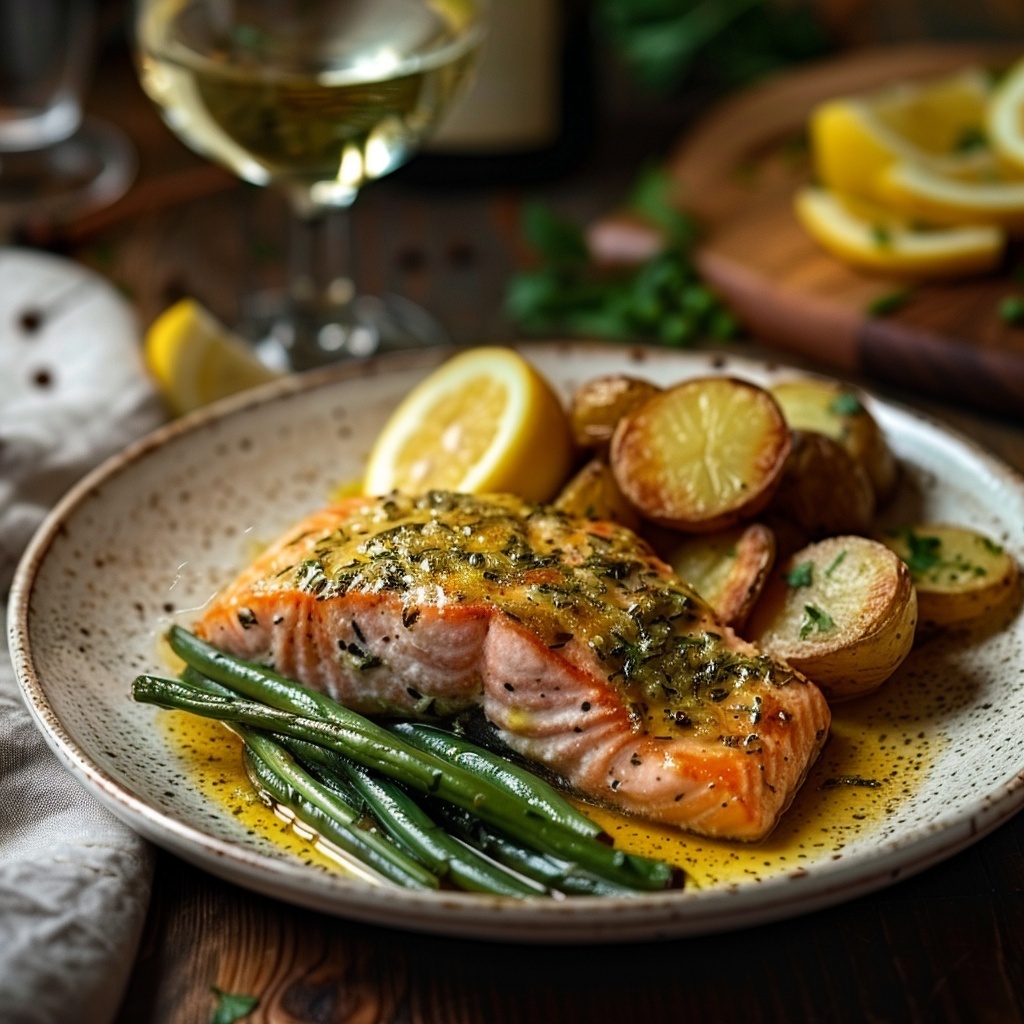
I still remember the first time I pulled a perfectly baked piece of salmon out of my oven. The kitchen smelled amazing. Fresh herbs filled the air with their earthy scent. My family gathered around the table before I even called them. That’s the magic of Baked Salmon with Herbs. It’s one of those dishes that looks fancy but takes almost no effort to make.
I cook salmon at least twice a week now. It’s my go-to meal when I want something quick, healthy, and delicious. The best part? You don’t need complicated ingredients or chef-level skills. Just fresh salmon, a handful of herbs, and about 20 minutes of your time.
Using herbs transforms salmon from simple to spectacular. They add bright flavors without extra calories or unhealthy fats. A sprinkle of dill here, some parsley there, and suddenly you’ve got a restaurant-quality meal on your dinner table. The herbs complement the rich, buttery taste of salmon without overpowering it.
This article focuses on making the perfect Baked Salmon with Herbs. I’ll share everything I’ve learned from years of cooking salmon. You’ll discover which herbs work best, how to season your fish like a pro, and exactly how long to bake it for perfect results every time.
Why Baked Salmon with Herbs Works So Well
Baking salmon is hands down the healthiest way to cook it. You don’t need much oil or butter. The fish stays moist and tender in the oven. All those good omega-3 fats stay right where they belong instead of dripping away like they do when you grill or pan-fry.
I love baking salmon because it’s almost foolproof. You prep it, pop it in the oven, and walk away. No standing over a hot stove. No worrying about flipping it at the perfect moment. The oven does all the work while you throw together a salad or set the table.
Fresh herbs take baked salmon from good to incredible. Dill brings a light, slightly sweet flavor that pairs beautifully with fish. Parsley adds a fresh, clean taste that brightens every bite. Thyme gives you earthy, subtle notes that make the dish feel more sophisticated.
When people ask me what herbs go with salmon fillets, I always start with these three. They’re my holy trinity of salmon herbs. But here’s the thing – you can mix and match based on what you have in your fridge or what sounds good that day.
What is the best herb to go with salmon? Dill wins this contest in my kitchen. It’s classic for a reason. The mild, slightly tangy flavor of dill seems made for salmon. They just belong together. That said, I’ve had amazing salmon with rosemary, basil, and even cilantro. The “best” herb really depends on your taste and what other flavors you’re using.
Here’s what different herbs bring to your salmon:
- Dill: Light, fresh, slightly sweet with a hint of anise
- Parsley: Bright, clean, and mild – never overpowering
- Thyme: Earthy and subtle with a touch of mint
- Rosemary: Bold, piney, and aromatic
- Basil: Sweet and peppery with Italian flair
- Chives: Mild onion flavor that adds a nice punch
I like to use at least two herbs together. They create layers of flavor that make each bite interesting. My usual combo is dill and parsley with a little thyme thrown in. Simple but always delicious.
The beauty of herbs for salmon grilling also applies to baking. Any herb that works on a grill works in your oven. The dry heat brings out the essential oils in the herbs. Those oils infuse into the salmon as it cooks. You end up with fish that tastes fresh and complex at the same time.
Choosing the Right Seasoning for Your Salmon
Seasoning salmon well makes the difference between “meh” and “wow.” I learned this the hard way after serving bland fish to dinner guests years ago. Never again. Now I know exactly what works.
Garlic belongs on salmon. I said what I said. Fresh minced garlic adds a sharp, savory bite that cuts through the richness of the fish. I use it in almost every salmon recipe I make. Garlic herb salmon is probably my most-cooked dish. I combine minced garlic with chopped herbs, a little olive oil, and spread it over the fillets before baking.
Lemon zest is another must-have. I’m not talking about lemon juice here – though that’s great too. The zest gives you bright citrus flavor without adding moisture. Just grate the yellow part of the lemon peel right over your seasoned salmon. It makes everything taste fresher and lighter.
Rosemary adds a bold, woodsy flavor that some people love. I use it when I want my salmon to taste more robust and hearty. Just chop it fine because whole rosemary needles can be tough to chew. A little goes a long way with this herb.
What’s the best seasoning to put on salmon? My answer is always a mix of salt, pepper, garlic, and herbs. But here’s my secret weapon: a tiny bit of paprika. It adds color and a subtle smoky sweetness. Just a quarter teaspoon over two fillets does the trick.
Balancing flavors matters more than most people think. You want savory, bright, and aromatic notes all working together. Too much of one thing throws everything off. I learned to taste as I go and trust my instincts.
Here’s my basic seasoning formula that works every time:
- Salt and pepper (always start here)
- Fresh or dried herbs (two or three kinds)
- Garlic (fresh minced or powder)
- Something bright (lemon zest, a squeeze of lemon juice)
- Optional: a touch of paprika or cayenne for color and warmth
For a simple herb crusted salmon, I mix my herbs with breadcrumbs or panko. This creates a crunchy top layer that contrasts nicely with the tender fish underneath. Press the mixture onto your salmon before baking. The crust gets golden and crispy while the salmon stays moist.
My herb crust recipe is dead simple. Mix together:
- Half cup panko breadcrumbs
- Two tablespoons chopped fresh herbs
- One tablespoon melted butter or olive oil
- One clove minced garlic
- Pinch of salt
Press this onto your salmon fillets and bake as usual. You’ll get that satisfying crunch with every bite.
Don’t forget about how to cook salmon fish with different herb combinations. I keep a chart in my kitchen that pairs herbs with other flavors. Dill goes great with lemon and capers. Rosemary loves garlic and white wine. Basil pairs well with tomatoes and balsamic vinegar.
Dried herbs work fine when fresh isn’t available. Just remember they’re more concentrated. Use about one third the amount of dried herbs compared to fresh. I keep dried dill, thyme, and parsley in my spice cabinet for those times when I can’t get to the store.
The order you add seasonings matters too. I always pat my salmon dry first. Then comes salt and pepper. Then the herbs and garlic. Finally, a drizzle of olive oil to help everything stick and add moisture. This order ensures even coverage and better flavor.
Some people ask about marinades versus dry rubs. I prefer dry seasonings for baked salmon. Marinades can make the fish too wet, which prevents that nice caramelized surface from forming. Save marinades for grilling where the high heat can handle the extra moisture.
Temperature matters when adding fresh herbs. Delicate herbs like basil and parsley can burn in a hot oven. I add these halfway through cooking or right at the end. Heartier herbs like rosemary and thyme can handle the full baking time.


Step-by-Step Guide to Perfectly Baked Salmon
Now that you know which seasonings work magic on salmon, let’s get into the actual cooking process. I promise it’s easier than you think.
Preparing Your Salmon
First things first – get your salmon out of the fridge about fifteen minutes before cooking. Cold fish doesn’t cook evenly. I learned this after serving salmon that was overcooked on the outside and still cold in the middle. Not my finest moment.
Pat those fillets completely dry with paper towels. This step matters more than most people realize. Moisture is the enemy of good browning. When I skip this step because I’m rushing, I always regret it. The salmon steams instead of bakes, and you lose that beautiful caramelized surface.
Check for pin bones while you’re handling the fish. Run your fingers along the center of the fillet. Feel any little bones poking up? Pull them out with tweezers or small pliers. Takes thirty seconds but makes eating so much more pleasant.
Here’s where I usually set up my baking situation. I line a rimmed baking sheet with foil or parchment paper. Both work great, though I lean toward parchment because nothing ever sticks to it. The foil shines when I make lemon herb salmon in foil packets. You can fold the foil around each fillet to create individual servings that steam in their own juices.
Those foil packets are genius for weeknight dinners. I place each salmon fillet on a piece of foil, add my herbs and lemon slices, fold it up like a present, and bake. The salmon comes out incredibly moist because it’s basically steaming inside its little packet. Plus cleanup is practically zero. Just toss the foil when you’re done.
Season your salmon generously right before it goes in the oven. I lay the fillets skin-side down on my prepared pan. Then I drizzle olive oil over the top – maybe a tablespoon per fillet. Salt and pepper come next. Don’t be shy here. Salmon can handle bold seasoning.
After the basics, I press my herb mixture onto the flesh side of the fish. Really press it in so it sticks. If you’re doing a baked salmon recipe lemon style, this is when you add thin lemon slices on top. They’ll caramelize slightly as they bake and look gorgeous when you serve.
One trick I picked up from my neighbor who used to be a chef: score the skin if you’re leaving it on. Make shallow cuts through the skin every inch or so. This helps the fish cook more evenly and lets flavors penetrate better. The skin also gets crispier this way, which some people really love.
Oven Temperature and Timing Tips
Temperature causes more confusion than anything else when people bake salmon. Everyone asks me: Is it better to bake salmon at 350 or 400 in the oven? Here’s my honest answer – it depends on what texture you want.
I bake most of my salmon at 400°F. This higher temperature gives you a slightly crispy exterior while keeping the inside tender and moist. The fish cooks faster, which means less time for it to dry out. A typical one-inch thick fillet takes about twelve to fifteen minutes at this temperature.
But sometimes I go lower. When I have thicker pieces of salmon or I’m making those foil packets, I drop down to 375°F. The gentler heat cooks the fish more evenly all the way through. How long to bake salmon at 375? Figure on fifteen to eighteen minutes for standard fillets.
The 350°F temperature works fine too, especially if you’re cooking other things in the oven at the same time. Maybe you’ve got roasted vegetables going and don’t want to mess with different temperatures. Just add a few extra minutes to your cooking time.
Thickness matters way more than weight when timing salmon. A thick center-cut piece needs more time than a thinner tail piece. I check my salmon starting at ten minutes regardless of temperature. Better to check early than overcook it.
People always wonder how long to bake salmon in foil at 400. Those packets need about fourteen to sixteen minutes. The foil traps steam, which speeds up cooking slightly. I usually peek inside one packet at the fourteen-minute mark to check doneness.
Here’s my timing cheat sheet that I keep stuck to my fridge:
At 400°F: Thin fillets need ten to twelve minutes. Standard one-inch fillets need twelve to fifteen minutes. Thick fillets or small whole salmon need fifteen to eighteen minutes.
At 375°F: Add three to four minutes to all those times.
At 350°F: Add five to seven minutes total.
The best way to check doneness? I use an instant-read thermometer stuck into the thickest part. You want 145°F for fully cooked salmon. I actually pull mine at 140°F because it keeps cooking for a minute after it comes out. This gives me perfectly moist fish that flakes easily but isn’t dry.
Visual cues work too if you don’t have a thermometer. The salmon should be opaque throughout. When you press it gently with a fork, it should flake into sections. If it still looks translucent in the middle, give it another couple minutes.
Funny enough, I used to overcook salmon all the time. I was scared of underdoing it. Then I realized that slightly undercooked salmon is way better than overcooked. It’s actually safe to eat salmon when it’s still a touch pink in the very center, as long as it reaches that minimum temperature.
Adding Freshness with Herbs
Let me tell you about the herbs I haven’t mentioned much yet. They deserve their moment because they can completely change your salmon game.
Basil on salmon sounds weird until you try it. I was skeptical too. But when you pair basil with tomatoes and a little balsamic vinegar, suddenly your salmon tastes like summer in Italy. Chop fresh basil and sprinkle it over your fish in the last five minutes of baking. It stays bright green and adds this sweet, peppery flavor that works surprisingly well.
Cilantro brings a completely different vibe. I use it when I want my salmon to have Mexican or Asian influences. Mix chopped cilantro with lime juice, a little cumin, and maybe some chili powder. Spread that over your salmon before baking. It’s incredible with a quinoa bowl on the side.
Oregano is another herb that doesn’t get enough love with fish. It’s not just for pizza. Greek-style salmon with oregano, lemon, and olive oil is one of my favorite variations. The oregano adds an earthy, slightly bitter note that balances the richness of the fish perfectly.
By the way, combining herbs with fat makes them work better. The aromatic compounds in herbs are fat-soluble. That means they need oil or butter to release their full flavor. I make herb butter all the time – just mix softened butter with chopped herbs and a little garlic. Put a pat of this on your hot salmon right when it comes out of the oven. It melts into the fish and tastes incredible.
My favorite herb butter combo uses equal parts parsley, dill, and chives mixed into a half cup of room temperature butter. Add one minced garlic clove, some lemon zest, and a pinch of salt. Roll it in plastic wrap to form a log and refrigerate. Slice off a round whenever you need it.
Here’s the thing about herbs for salmon grilling versus baking – they’re basically the same herbs, just applied differently. When you grill, you want heartier herbs that can handle direct heat. Rosemary, thyme, and oregano stand up well to flames. Put them directly on the grill grate and lay your salmon on top. The herbs smoke slightly and infuse the fish with flavor.
For baking, you have more flexibility. Delicate herbs like basil and cilantro work better in the oven because you control the heat more precisely. I often make a herb oil for baking. Just blend your herbs with olive oil until smooth. Brush this over your salmon before and during baking. The oil keeps everything moist while the herbs flavor penetrates.
Mixing herbs with other ingredients creates compound flavors that make people think you’re a better cook than you actually are. Trust me on this. Combine fresh dill with sour cream or Greek yogurt for a quick sauce. Mix herbs into mayonnaise or cream cheese for a spread. Blend them with mustard for a tangy coating.
I sometimes serve my baked salmon over an avocado salad with fresh herbs mixed throughout the whole plate. The herbs tie everything together. Every bite has that fresh, bright flavor.
Fresh versus dried makes a big difference with certain herbs. Basil must be fresh – dried basil tastes like dusty grass. Same with cilantro. But oregano and thyme actually concentrate their flavors when dried, so they work fine either way. I keep both on hand and choose based on what I’m making.
One more thing – don’t forget herb combinations from different cuisines. French herbs like tarragon and chervil are amazing with salmon. Italian combinations of basil, oregano, and parsley work great. Middle Eastern blends with mint, parsley, and sumac create something totally different. Your salmon doesn’t have to be boring just because you’re serving it on a Tuesday.
Sometimes I’ll even throw together a quick herb salad to pile on top of my baked salmon. Just toss whole herb leaves – parsley, dill, cilantro, whatever – with a little lemon juice and olive oil. The fresh herbs add texture and intense flavor. Makes your plate look like it came from a fancy restaurant, and it pairs beautifully with a light parfait for dessert.


Serving Suggestions and Pairings for Your Herb-Baked Salmon
The right side dishes can make your Baked Salmon with Herbs go from a simple weeknight dinner to something that feels special. I’ve experimented with dozens of combinations over the years, and some pairings just work better than others.
Roasted vegetables are my default choice about 80% of the time. There’s something about the caramelized edges of roasted veggies that complements the tender, herb-infused salmon perfectly. I usually go with asparagus, Brussels sprouts, or broccoli. Toss them with olive oil, salt, and pepper, then roast them on a separate pan while your salmon bakes. Everything finishes around the same time, which makes dinner coordination so much easier.
Here’s a trick I learned from my sister-in-law who always seems to have her timing perfect: start your vegetables about ten minutes before the salmon goes in. Most veggies need twenty to twenty-five minutes at 400°F, while your salmon only needs twelve to fifteen. Problem solved. I felt like such a genius when I figured this out.
Rice pilaf works beautifully with herb-baked salmon too. The mild, slightly nutty flavor doesn’t compete with your carefully seasoned fish. I make a simple version with butter, garlic, and chicken broth. Sometimes I throw in some of the same herbs I used on the salmon – usually parsley and dill – right at the end. This ties the whole plate together visually and flavor-wise.
Quinoa is another grain that pairs wonderfully with salmon. It’s got more protein than rice and adds a pleasant little crunch. I cook mine in vegetable broth instead of water for extra flavor. Mix in some lemon zest and chopped herbs after cooking. You’ve basically got a complete meal that covers all your nutritional bases.
By the way, if you want something lighter, a big green salad never disappoints. I usually do mixed greens with cherry tomatoes, cucumber, and a lemon vinaigrette. The bright acidity of the dressing cuts through the richness of the salmon. It’s refreshing and makes the meal feel less heavy, which I appreciate on those days when I’ve already eaten too much bread at lunch.
Potatoes in any form work great too. Roasted baby potatoes with rosemary are a personal favorite. Or mashed potatoes if you want something creamy and comforting. I’ve even served salmon over sweet potato mash, which sounds weird but tastes amazing. The sweetness plays off the savory herbs really nicely.
One combination that surprised me was serving salmon with a yogurt-based sauce on the side. Mix Greek yogurt with fresh dill, lemon juice, minced garlic, and a pinch of salt. It’s basically tzatziki without the cucumber. Dollop it next to your salmon or right on top. The cool, tangy sauce against the warm, herb-crusted fish is incredible.
Green beans are underrated as a salmon side. I blanch them quickly, then sauté with butter and slivered almonds. Takes maybe eight minutes total. The crunch from the almonds adds texture that makes every bite more interesting. Plus it looks pretty on the plate, which matters more than I thought it would before I started taking pictures of my food.
Couscous is your friend when you need something fast. It cooks in five minutes – literally just pour boiling water over it and let it sit. Fluff it with a fork, mix in some herbs and lemon zest, and you’re done. I keep a box in my pantry for those nights when I forgot to plan ahead.
For a Mediterranean vibe, I serve my salmon with a simple tomato and olive salad. Dice up some ripe tomatoes, throw in Kalamata olives, red onion, and fresh basil. Dress it with olive oil and red wine vinegar. The bright, briny flavors work perfectly with garlic herb salmon. It feels like vacation food even when you’re eating it on a Tuesday night in your pajamas.
Funny enough, my kids prefer salmon when I serve it with something familiar like pasta. I make a light pasta with olive oil, garlic, and whatever herbs I used on the fish. Break the salmon into chunks and toss it all together. Suddenly they’re eating omega-3s without complaint. Parenting win.
Here’s the thing about pairing sides with salmon – you want to think about textures and temperatures. If your salmon is hot and flaky, add something crisp and cool. If it’s rich and buttery, balance it with something acidic and bright. This basic principle has saved me from countless mediocre meals.
I also consider colors when I’m plating. This sounds fancy, but it’s really just common sense. A piece of pink salmon looks better with green vegetables and golden potatoes than it does sitting alone on a white plate. Your eyes eat first, as my grandmother used to say. She was right.
Don’t forget about bread. A crusty baguette or some warm dinner rolls are perfect for soaking up any juices and herb butter left on your plate. Some people say carbs with fish is too much, but those people are wrong. Life’s too short to skip good bread.
Wine pairing matters if you’re into that sort of thing. I usually pour a crisp white wine like Sauvignon Blanc or Pinot Grigio with my herb-baked salmon. The acidity complements the fish without overwhelming it. But honestly, I’ve had salmon with red wine too, and the world didn’t end. Drink what you like.
According to guidelines on home food preparation from the USDA, proper handling and cooking of fish ensures both safety and optimal nutrition retention. Pairing your well-cooked salmon with nutrient-dense sides maximizes the health benefits of your meal.
One last thought on sides – prep whatever you can ahead of time. I wash and trim my vegetables in the morning before work. I measure out my herbs and mince my garlic during lunch if I’m working from home. When dinner time rolls around, assembly takes ten minutes instead of forty. This makes weeknight salmon actually doable instead of just theoretically possible.
If you’re looking for more inspiration on balanced, nutritious meals that don’t take forever to prepare, check out our collection of healthy recipes that work perfectly alongside dishes like herb-baked salmon.
Final Thoughts on Mastering Baked Salmon
Making perfect Baked Salmon with Herbs gets easier every time you do it. Start with quality fish, don’t be afraid of bold seasoning, and trust your instincts on timing. The beauty of this dish is its flexibility – you can adjust herbs, temperatures, and sides based on what you have available and what sounds good that particular evening. Most importantly, have fun with it and don’t stress if your first attempt isn’t perfect. Mine sure wasn’t, and now I cook salmon twice a week without even thinking about it.
Frequently Asked Questions
What is the best herb to go with salmon?
Dill is hands-down the most popular herb for salmon, and for good reason. Its light, slightly sweet flavor with hints of anise complements the rich, buttery taste of salmon perfectly. That said, parsley runs a close second because it’s mild and fresh without overpowering the fish. I personally use both together most of the time. Thyme, rosemary, and basil are also excellent choices depending on what other flavors you’re working with. The “best” herb really depends on your personal taste and the overall flavor profile you’re going for.
What herbs are good in baking salmon?
Pretty much any herb that tastes good with fish will work beautifully in baked salmon. My top picks are dill, parsley, thyme, rosemary, basil, chives, and oregano. Each brings something different to the table – dill is classic and fresh, rosemary is bold and piney, basil adds sweetness, and thyme gives you earthy undertones. I recommend using at least two herbs together to create depth of flavor. Hardier herbs like rosemary and thyme can stay on the salmon for the entire baking time, while delicate herbs like basil should be added toward the end to prevent burning.
Is it better to bake salmon at 350 or 400 in the oven?
I prefer 400°F for most of my salmon because the higher heat gives you a slightly caramelized exterior while keeping the inside moist and tender. At 400°F, a standard one-inch fillet takes about twelve to fifteen minutes, which is quick enough that the fish doesn’t have time to dry out. However, 350°F works great if you’re cooking other dishes simultaneously or if you have thicker pieces that need gentler, more even cooking. The lower temperature requires about five to seven minutes longer. Both temperatures work fine – it’s really about what texture you prefer and how much time you have.
What’s the best seasoning to put on salmon?
My go-to combination is salt, pepper, fresh minced garlic, chopped herbs (usually dill and parsley), and lemon zest with a drizzle of olive oil. This simple mixture enhances the salmon’s natural flavor without masking it. I sometimes add a pinch of paprika for color and subtle smokiness. The key is balancing savory, bright, and aromatic elements. Don’t be shy with seasoning – salmon can handle bold flavors. A good formula is: salt and pepper as your base, two to three herbs for complexity, something bright like lemon for acidity, and garlic for depth.
How long should I bake salmon in foil at 400?
When you’re making lemon herb salmon in foil packets at 400°F, plan on fourteen to sixteen minutes for standard fillets. The foil traps steam, which actually speeds up the cooking process slightly compared to uncovered baking. I usually check at the fourteen-minute mark by carefully opening one packet and testing with a fork or thermometer. The salmon should flake easily and reach an internal temperature of 145°F. Remember that thicker pieces need a couple extra minutes, while thin tail pieces might be done in twelve minutes.
Can I use dried herbs instead of fresh for baked salmon?
Absolutely, dried herbs work fine when fresh isn’t available or practical. The important thing to remember is that dried herbs are more concentrated than fresh ones. Use about one-third the amount of dried herbs compared to what the recipe calls for in fresh. For example, if a recipe needs three tablespoons of fresh dill, use one tablespoon of dried. Some herbs work better dried than others – oregano and thyme are great dried, while basil and cilantro really need to be fresh for best results. I keep dried dill, thyme, and parsley in my pantry for those inevitable times when I can’t get to the store.
Should I leave the skin on salmon when baking with herbs?
This is totally up to personal preference, but I usually leave it on. The skin acts as a protective barrier that helps keep the salmon moist during baking. It also makes flipping easier if you want to crisp it up under the broiler at the end. Most people don’t eat the skin anyway, so it’s easy to slide your spatula between the flesh and skin when serving. If you really dislike having skin on your salmon, ask your fishmonger to remove it when you buy it. Just know that skinless fillets can dry out slightly faster, so watch your timing closely.
What internal temperature should salmon reach when fully cooked?
The USDA recommends cooking salmon to an internal temperature of 145°F. At this temperature, the fish is fully cooked and safe to eat. I actually pull my salmon from the oven when it hits 140°F because it continues cooking for a minute or two after you remove it – this is called carryover cooking. The salmon will be opaque throughout but still moist and tender. Use an instant-read thermometer inserted into the thickest part of the fillet for the most accurate reading. If you don’t have a thermometer, look for salmon that flakes easily with a fork and is opaque all the way through.
How do I know if my salmon is overcooked?
Overcooked salmon looks chalky and dry on the surface, and that white albumin protein will be oozing out all over the place. When you press it with a fork, it falls apart in a crumbly way rather than flaking into moist sections. The texture becomes tough and chewy instead of tender. The color turns pale and dull instead of vibrant. If you catch it early in the overcooking process, you can sometimes save it by topping with butter or a sauce to add moisture back. Prevention is easier though – just check your salmon a few minutes early and pull it when it’s barely done.
Can I make herb-baked salmon ahead of time for meal prep?
You can definitely prep the seasoned salmon ahead of time and refrigerate it until you’re ready to bake. I often season my fillets in the morning and leave them covered in the fridge all day. This actually helps the flavors penetrate deeper into the fish. However, I don’t recommend fully cooking salmon more than a day ahead because it loses quality quickly. If you must cook it in advance, slightly undercook it and reheat gently in a low oven. Cooked salmon keeps in the fridge for three to four days and works great in salads, grain bowls, or pasta dishes even if the texture isn’t perfect for eating as a main course anymore.
Baked Salmon with Herbs
Ingredients
Equipment
Method
- Preheat the oven to 400°F (or adjust to 375°F for thicker pieces).
- Remove the salmon from the fridge about 15 minutes before cooking to come to room temperature.
- Pat the salmon fillets dry with paper towels.
- Line a rimmed baking sheet with foil or parchment paper.
- Place the salmon fillets skin-side down on the prepared pan.
- Drizzle olive oil over each fillet.
- Season generously with salt and pepper.
- Press the chopped herbs and minced garlic onto the flesh side of the fish.
- Add lemon zest and lemon slices on top if desired.
- Bake in the preheated oven for 12-15 minutes or until the salmon reaches an internal temperature of 145°F.
- Remove from the oven and let rest for a minute before serving.