
Introduction
I’ll never forget the first time I threw together a chickpea salad on a busy Tuesday night. I was tired, hungry, and staring at a can of chickpeas in my pantry. What started as a desperate dinner became my go-to meal. The best part? It took me less than 15 minutes to make, and it tasted amazing.
A chickpea salad is one of those dishes that works for almost everyone. Whether you’re vegan, following a Mediterranean diet, or exploring Indian cuisine, this salad fits right in. It’s simple, filling, and packed with nutrients that keep you satisfied for hours.
I love how flexible chickpea salads are. Some days I crave a simple chickpea salad with just lemon and herbs. Other times I want something bold like a spicy chickpea salad with chili flakes and cumin. The options are endless, and that’s what keeps me coming back to this dish.
What makes chickpea salad special is how it adapts to whatever you have on hand. Fresh vegetables from the farmers market? Perfect. Leftover herbs wilting in your fridge? Throw them in. A random block of feta cheese? Even better. This is the kind of recipe that rewards experimentation.
I’ve made versions inspired by different cuisines over the years. My chickpea salad Mediterranean style includes cucumbers, tomatoes, and olives. When I want something with Indian flavors, I add ginger, cilantro, and a squeeze of lime. The Moroccan chickpea salad with dried fruits and warm spices is my favorite for dinner parties.
The beauty of this dish is that it never gets boring. You can eat it as a main course, pack it for lunch, or serve it as a side dish. It tastes good cold or at room temperature, which makes meal prep a breeze. Plus, it actually gets better after sitting in the fridge for a few hours as the flavors blend together.
What Goes Into a Chickpea Salad?
Let’s talk about what actually goes into a chickpea salad. The foundation is obvious – chickpeas. You can use canned chickpeas for convenience or cook dried ones if you have time. I usually rinse canned chickpeas well to remove excess sodium and that slightly metallic taste.
Here are the basic ingredients you’ll find in most chickpea salads:
- Chickpeas – The star of the show, providing protein and a satisfying texture
- Fresh vegetables – Cucumbers, tomatoes, bell peppers, red onions, or whatever you like
- Herbs – Parsley, cilantro, mint, or basil add bright, fresh flavors
- Dressing – Olive oil, lemon juice, vinegar, or tahini-based options
- Seasonings – Salt, pepper, garlic, cumin, or paprika depending on your style
The vegetables you choose completely change the character of your salad. Crisp cucumbers and juicy tomatoes give you that classic Mediterranean vibe. Red onions add a sharp bite that balances creamy ingredients. Bell peppers bring sweetness and crunch.
Now let’s explore some popular variations that take the basic recipe in different directions. A chickpea salad with avocado becomes incredibly creamy and satisfying. The healthy fats from avocado make the salad feel more substantial. I like to add lime juice and cilantro when I use avocado to bring out those fresh flavors.
If you love cheese, try a chickpea salad with feta. The salty, tangy cheese pairs beautifully with chickpeas. I crumble feta over mine along with Kalamata olives, cherry tomatoes, and a simple lemon dressing. It’s basically a Greek salad with added protein from the chickpeas.
For those who like heat, a spicy chickpea salad hits the spot. I add diced jalapeños, red pepper flakes, and a drizzle of hot sauce. Sometimes I include roasted red peppers for a smoky kick. This version wakes up your taste buds and works great as a side dish for grilled meats.
The chickpea salad Indian style is another favorite in my house. I use ingredients like chopped tomatoes, red onions, green chilies, and lots of fresh cilantro. A squeeze of lemon juice, a pinch of chaat masala, and some roasted cumin seeds make it taste authentic. It reminds me of chana chaat from street vendors.
You might wonder about chickpea salad tuna combinations. Yes, you can add tuna to chickpea salad. It creates a protein-packed meal that’s more filling than traditional tuna salad. The chickpeas stretch the tuna further and add fiber, making it a budget-friendly option.
Some people follow recipes like the chickpea salad Jamie Oliver versions, which often include unexpected ingredients like preserved lemons or harissa paste. These chef-inspired recipes can teach you new flavor combinations you might not have considered.
When someone asks “what goes in a chickpea salad,” the real answer is whatever you want. That’s the magic of this dish. Start with chickpeas and build from there based on your taste preferences and what’s in your kitchen.
Why Chickpea Salad is Good for You
Let’s address the question everyone wants answered: is chickpea salad good for you? The short answer is yes, absolutely. This isn’t just tasty food – it’s genuinely nutritious.
Chickpeas are nutritional powerhouses. One cup of cooked chickpeas contains about 15 grams of protein. That’s impressive for a plant-based food. If you’re vegan or trying to eat less meat, chickpea salad helps you meet your protein needs without any animal products.
The fiber content in chickpeas is another major benefit. That same cup gives you roughly 12 grams of fiber. This helps with digestion, keeps you feeling full longer, and supports stable blood sugar levels. I notice I stay satisfied for hours after eating a chickpea salad, unlike after eating a sandwich or pasta.
Chickpeas also provide important vitamins and minerals:
- Iron – Essential for carrying oxygen in your blood
- Folate – Important for cell growth and especially crucial during pregnancy
- Magnesium – Supports muscle and nerve function
- Phosphorus – Helps build strong bones and teeth
- B vitamins – Aid in energy production and brain function
When you add vegetables to your chickpea salad, you multiply the health benefits. Tomatoes bring lycopene, an antioxidant that supports heart health. Cucumbers add hydration and vitamin K. Bell peppers pack in vitamin C. Each ingredient contributes something valuable.
The healthy fats you add through olive oil or avocado help your body absorb fat-soluble vitamins. These fats also support brain health and reduce inflammation. I use extra virgin olive oil in my dressings because it contains beneficial compounds that regular oils lack.
A chickpea salad vegan version fits perfectly into plant-based eating patterns. It provides complete nutrition without relying on processed fake meats or expensive specialty products. You’re eating whole foods that humans have enjoyed for thousands of years.
The chickpea salad Mediterranean approach aligns with one of the healthiest diets studied by researchers. The Mediterranean diet emphasizes vegetables, legumes, olive oil, and moderate amounts of protein. Studies link this eating pattern to lower rates of heart disease and longer lifespans.
People often ask if there are downsides to eating chickpeas. For most people, chickpeas are perfectly safe and healthy. Some individuals experience gas or bloating, especially when they first add more legumes to their diet. Starting with smaller portions and gradually increasing helps your digestive system adjust.
If you have irritable bowel syndrome or follow a low-FODMAP diet, chickpeas might trigger symptoms. In that case, you’d need to limit portions or avoid them during elimination phases. But for most people, any minor digestive adjustment is worth the nutritional benefits.
The weight management benefits deserve mention too. Chickpea salad fills you up with relatively few calories compared to its volume. The protein and fiber combination signals your brain that you’re satisfied. I find I naturally eat smaller portions and don’t snack as much when I have chickpea salad for lunch.
Blood sugar control is another advantage. Unlike refined carbs that spike your glucose levels, chickpeas release energy slowly. The glycemic index of chickpeas is low, making them a smart choice for people managing diabetes or watching their blood sugar.
Making chickpea salad at home means you control exactly what goes in. Restaurant salads often hide excess salt, sugar, and unhealthy oils in their dressings. When you make it yourself, you know every ingredient is working for your health rather than against it.


Exploring Different Styles of Chickpea Salad
Now that you know how nutritious these salads can be, let’s dive into the exciting part—the different styles you can create. Each region adds its own personality to chickpea salad, and honestly, that’s where things get really fun.
Mediterranean Chickpea Salad
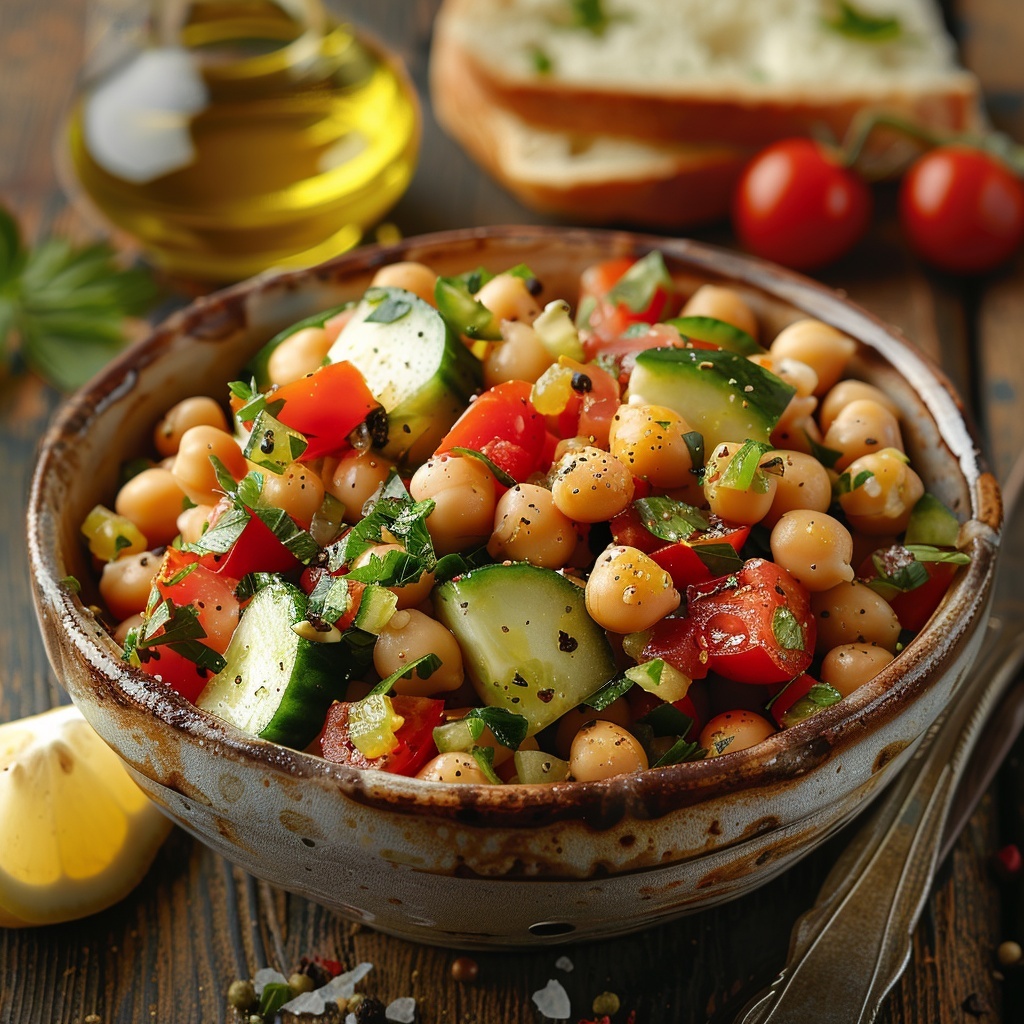
My chickpea salad Mediterranean style is what I make when I want something that feels like sunshine on a plate. Picture this: plump chickpeas mixed with juicy tomatoes, crisp cucumbers, briny Kalamata olives, and chunks of red onion. The whole thing gets dressed with good olive oil, fresh lemon juice, and a sprinkle of oregano.
What sets Mediterranean chickpea salad apart is the balance of flavors. You’ve got the earthiness of chickpeas playing against the sharpness of lemon, the saltiness of olives, and the freshness of herbs. I always use parsley—loads of it. Some people go light on herbs, but I think that’s a mistake. In Mediterranean cooking, herbs aren’t just garnish; they’re a main ingredient.
Here’s something I learned from a Greek friend: let your onions sit in lemon juice for about ten minutes before mixing everything together. This simple step mellows out the harsh bite and makes the onions taste almost pickled. Game changer. The acid also helps bring out the sweetness in the tomatoes.
For authentic Mediterranean flavor, invest in decent olive oil. I’m not saying you need a fifty-dollar bottle, but the cheap stuff won’t give you that fruity, peppery taste that makes this salad special. Think of olive oil as a flavor ingredient, not just cooking fat. If you’re interested in other Mediterranean-inspired dishes, you might enjoy a roasted veggie bowl that uses similar flavor principles.
I sometimes add capers for extra brininess or swap in fresh dill instead of parsley. During summer, I’ll throw in some chopped fresh basil too. The Mediterranean approach is forgiving—as long as you keep things fresh and bright, you’re on the right track.
Vegan Chickpea Salad
The beautiful thing about chickpea salad is that a chickpea salad vegan version requires almost no modifications. The basic recipe is already plant-based. Where you might need to make swaps is when dealing with cheese-heavy versions or creamy dressings.
Instead of feta, I use nutritional yeast sometimes. It sounds weird if you’ve never tried it, but nutritional yeast has this savory, almost cheesy flavor that works surprisingly well. A tablespoon or two sprinkled over your salad adds depth without any dairy. Some vegans also use crumbled firm tofu marinated in lemon juice and herbs as a feta substitute. I’ve tried it—it’s pretty convincing.
For creaminess without dairy, tahini becomes your best friend. A tahini-based dressing made with lemon juice, garlic, and a bit of water creates this luscious coating that clings to every chickpea. Way better than any bottled vegan ranch, trust me. Sometimes I blend in roasted red peppers or sun-dried tomatoes to make the dressing even more interesting.
Avocado is another obvious choice for adding richness. Dice it up and fold it in gently just before serving. The combination of chickpeas and avocado is seriously satisfying—similar to how delicious an avocado tuna salad can be, but completely plant-based.
By the way, don’t forget about seeds and nuts. Toasted sunflower seeds, pumpkin seeds, or slivered almonds add crunch and healthy fats. I always keep a jar of toasted seeds in my pantry specifically for sprinkling over salads. They transform a simple dish into something that feels more complete.
Other Global Variations
Funny enough, my favorite discovery last year was Moroccan chickpea salad. I stumbled onto it after buying harissa paste on impulse at the grocery store. Moroccan versions often include warm spices like cumin, coriander, and paprika. Sometimes you’ll find dried fruits like raisins or chopped dates mixed in, which sounds strange until you taste how perfectly they balance the spices.
The Moroccan approach taught me that chickpea salad doesn’t have to be cold and crisp. You can use warm or room-temperature chickpeas and let the heat slightly wilt your herbs. Fresh mint is crucial here—it cuts through the richness of the spices. I also add preserved lemon when I can find it, though regular lemon zest works in a pinch.
Carrot adds sweetness and color to Moroccan versions. I grate it or dice it super small. Red bell pepper works great too. The dressing might include olive oil mixed with a little honey (or maple syrup for vegans) and that spicy harissa paste. Start with just half a teaspoon of harissa—the stuff packs serious heat.
Then there’s chickpea salad Indian style, which I mentioned earlier but deserves more attention. Indian street food inspired this version, particularly chana chaat. The flavor profile is completely different from Mediterranean—it’s tangy, spicy, and herbaceous in a distinct way.
For Indian-style chickpea salad, I use ingredients you might not expect in a salad. Chaat masala is the secret weapon—this spice blend contains black salt, dried mango powder, and other ingredients that create a sour-salty-savory flavor you can’t get any other way. Find it at Indian grocery stores or online. A little goes a long way.
Fresh ginger and green chilies bring heat and brightness. Cilantro goes in by the handful. I squeeze lime juice over everything and sometimes add a drizzle of tamarind chutney for extra tang. Pomegranate seeds make a gorgeous topping when they’re in season—they pop in your mouth and add little bursts of sweetness. This style pairs wonderfully with other protein-rich dishes like baked salmon with herbs if you’re serving it as a side.
Simple Chickpea Salad Recipes for Busy Days
Here’s the thing about weeknight cooking—nobody has time for complicated recipes with twenty ingredients. That’s where a simple chickpea salad saves dinner.
My go-to simple version takes about ten minutes max. I drain and rinse two cans of chickpeas. While they’re draining, I chop whatever vegetables are in my crisper drawer. Usually that’s tomatoes, cucumbers, and maybe some bell pepper. I don’t measure anything—just rough chop until I have a bowl of colorful vegetables.
The dressing is equally simple: olive oil, lemon juice, minced garlic, salt, and pepper whisked together in a jar. Sometimes I add a teaspoon of Dijon mustard for extra flavor. Pour it over the chickpeas and vegetables, toss everything together, and you’re done. Seriously. That’s it.
I’ve noticed that chickpea salad Jamie Oliver recipes follow a similar philosophy—keep things simple but use quality ingredients. Jamie often adds unexpected touches like a handful of arugula or some torn fresh bread to soak up the dressing. His recipes remind you that simplicity doesn’t mean boring.
One Jamie-inspired trick I borrowed is massaging kale before adding it to chickpea salad. If you’re using kale instead of lettuce, squeeze and massage the leaves with a little olive oil and salt for about a minute. This breaks down the tough fibers and makes the kale tender and almost sweet. Mix it with warm chickpeas and you’ve got something special.
Meal prep is where chickpea salad really shines. Every Sunday, I make a big batch and divide it into containers for the week. It stays fresh for about five days in the fridge, though honestly it’s usually gone by Wednesday. The flavors actually improve after a day or two as everything marinates together.
For meal prep success, keep the dressing separate if you’re adding delicate greens. Pack the chickpeas and sturdy vegetables together, but wait to add spinach or arugula until you’re ready to eat. Same goes for avocado—it browns too quickly to prep days in advance.
I like pairing chickpea salad with other make-ahead foods throughout the week. It works great alongside a Greek yogurt parfait for a balanced lunch that covers all your nutritional bases. The protein from both dishes keeps you satisfied without feeling heavy.
Some people ask me if chickpea salad freezes well. Honestly? Not really. The vegetables get mushy and the whole texture suffers. But since it stays fresh refrigerated for several days and takes minutes to make, freezing isn’t necessary anyway.
The beauty of simple chickpea salad is that you can customize it based on what you need that week. Feeling low energy? Add extra vegetables and a handful of spinach. Need more protein? Throw in some hard-boiled eggs or that leftover grilled chicken. Want something lighter? Skip the cheese and use less oil in your dressing.
I’ve converted so many friends to chickpea salad by showing them how flexible and quick it is. They’ll text me pictures of their versions with random ingredients they found in their fridges. That’s exactly how this dish should work—adaptable, forgiving, and always delicious.


Common Concerns About Eating Chickpeas
Let’s be real for a second—chickpeas are amazing, but they’re not perfect for everyone. I’d be doing you a disservice if I pretended there weren’t any potential issues. The most common complaint I hear from friends? Bloating and gas.
Yeah, it’s awkward to talk about, but it’s genuine. Chickpeas contain complex carbohydrates called oligosaccharides that our bodies can’t fully digest. When these reach your large intestine, bacteria break them down, and that process creates gas. For some people, this means uncomfortable bloating or embarrassing moments at work.
Here’s the thing though—this doesn’t mean you should avoid chickpeas entirely. Your digestive system can actually adapt over time. When I first started eating more legumes, I definitely noticed some digestive adjustment. But after a couple weeks of regular consumption, my body figured it out. Now I can eat chickpea salad without any issues.
So, are there any downsides to eating chickpeas? Besides the digestive stuff, there are a few other considerations. Chickpeas are relatively high in calories compared to most vegetables. If you’re watching your calorie intake closely, you need to be mindful of portions. A cup of chickpeas has around 270 calories—not huge, but not insignificant either, especially if you’re adding olive oil and other calorie-dense ingredients.
People with certain health conditions need to be cautious too. If you take blood thinners like warfarin, the vitamin K in chickpeas could potentially interfere with your medication. This doesn’t mean you can’t eat them, but you should keep your intake consistent and talk to your doctor. Sudden increases or decreases in vitamin K can affect how well the medication works.
Kidney disease patients sometimes need to limit legumes because of the potassium and phosphorus content. Again, this is something to discuss with your healthcare provider. For most healthy people though, these nutrients are beneficial rather than problematic.
Now let me share some tricks that have helped me and others minimize digestive discomfort when eating chickpeas:
- Rinse canned chickpeas thoroughly – That liquid in the can contains some of those hard-to-digest carbs. Drain and rinse for at least 30 seconds under cold water.
- Start with smaller portions – If you’re new to chickpeas, don’t dive in with a huge bowl. Begin with half a cup and gradually increase over a few weeks.
- Cook dried chickpeas properly – Soak them overnight, drain, then cook in fresh water. This reduces oligosaccharides significantly compared to canned versions.
- Add digestive spices – Cumin, ginger, and fennel seeds help break down complex carbs. That’s why Indian cuisine traditionally pairs these spices with legumes.
- Drink plenty of water – The fiber in chickpeas needs water to move through your system smoothly. Skimping on hydration makes bloating worse.
- Try enzyme supplements – Products containing alpha-galactosidase (like Beano) help break down those problematic carbs before they reach your intestines.
One trick my mom taught me years ago: add a strip of kombu seaweed when cooking dried chickpeas. It sounds random, but kombu contains enzymes that help break down those gas-causing compounds. You remove it before eating—it’s just there during cooking. Japanese and Korean cooks have used this technique for generations.
By the way, cooking efficiency plays a role here too. Proper preparation methods can significantly reduce compounds that cause digestive issues. The effort you put into preparing your chickpeas directly affects how your body handles them.
Some people find that certain brands of canned chickpeas cause more problems than others. I’ve noticed this myself actually. The super cheap store brands sometimes leave me feeling more bloated than organic varieties. Could be the processing methods or additives—I’m honestly not sure. But it’s worth experimenting with different brands if you’re having issues.
For what it’s worth, most digestive discomfort is temporary and mild. If you’re experiencing severe pain, persistent bloating, or other concerning symptoms, that’s different. Talk to a doctor because it could indicate an underlying issue like IBS or a legume allergy (which is rare but possible).
Celebrity-Inspired Chickpea Salads
Okay, let’s switch gears to something fun. Have you heard about the Jennifer Aniston salad that went viral a few years back? Funny story—it’s not actually Jennifer Aniston’s recipe, but it became associated with her anyway.
The salad supposedly originated during her “Friends” days. According to Courteney Cox, Jennifer ate the same salad every single day for ten years while filming the show. Can you imagine? I get bored eating the same lunch two days in a row, let alone a decade.
So what is a Jennifer Aniston salad exactly? The viral version includes bulgur wheat, chickpeas, cucumbers, parsley, mint, red onion, feta cheese, and pistachios, all tossed with lemon juice and olive oil. It’s basically a Mediterranean-style grain salad with chickpeas playing a supporting role.
What makes this salad interesting is the combination of textures. You’ve got chewy bulgur, creamy chickpeas, crunchy cucumbers and pistachios, and those fresh herbs brightening everything up. The feta adds saltiness and richness. It’s satisfying without being heavy—perfect for someone who needs consistent energy for long filming days.
I tried making my version of it last month. Instead of bulgur, I used quinoa because that’s what I had on hand. Honestly? It was fantastic. The pistachios are key though—don’t skip them. They add this buttery crunch that makes the whole salad feel more special. Toasted almonds would probably work too if you’re not into pistachios.
The Jennifer Aniston salad sparked a whole trend of people recreating celebrity meals. Suddenly everyone wanted to eat like their favorite stars. And honestly, if it gets people eating more chickpeas and vegetables, I’m all for it.
What I appreciate about this particular celebrity recipe is that it’s actually practical. Some celebrity diets are ridiculous—all juice cleanses or weird restrictive plans. But this salad is something a normal person can make and eat regularly without breaking the bank or spending hours in the kitchen.
The recipe also highlights an important point about healthy eating: consistency matters more than perfection. Jennifer apparently ate this same salad for years and stayed in amazing shape. Not because the salad was magical, but because she found something nutritious she genuinely enjoyed and stuck with it. There’s wisdom in that approach.
Other celebrities have jumped on the chickpea salad bandwagon too. Gwyneth Paltrow’s website occasionally features chickpea salad with avocado recipes. Padma Lakshmi has shared versions with Indian spices on her social media. It’s become one of those dishes that crosses over from home cooking into the celebrity wellness world.
Here’s what these celebrity versions teach us: chickpea salad can be elevated. You don’t have to settle for boring. Add interesting ingredients, play with textures, use fresh herbs generously. Make it something you’re actually excited to eat, not just something you choke down because it’s “healthy.”
Wrapping Up Your Chickpea Salad Journey
I’ve thrown a lot of information at you throughout this article. Different styles, nutrition facts, celebrity inspiration, and practical tips. But here’s what it all boils down to: chickpea salad is one of the most versatile, nutritious, and genuinely delicious dishes you can add to your regular rotation.
The flexibility is unmatched. You can meal prep it, throw it together in ten minutes, dress it up for guests, or keep it dead simple for busy weeknights. It works as a main dish, side dish, or packed lunch. You can eat it cold from the fridge or let it come to room temperature. Mediterranean, Indian, Moroccan, or your own invention—they’re all valid and they’re all good.
What I love most is how forgiving this dish is. Forgot to buy cucumbers? Use celery. Don’t have fresh herbs? Dried ones work in a pinch. No feta cheese? Leave it out or substitute something else. The foundation of chickpeas plus vegetables plus dressing is so solid that you can improvise endlessly and still end up with something tasty.
The nutritional benefits speak for themselves. Protein, fiber, vitamins, minerals, healthy fats—all packaged in a meal that actually tastes good. You’re not suffering through it for health benefits. You’re eating it because it’s satisfying and delicious, and the nutrition is just a bonus.
If you’re looking for more inspiration beyond chickpea salad, there’s a whole world of healthy recipes out there that use similar principles—whole foods, simple preparation, and bold flavors that make eating well feel effortless rather than restrictive.
Start simple if you’re new to chickpea salad. Make that basic version with tomatoes, cucumbers, and lemon dressing. Once you’re comfortable with that, branch out. Try the spicy version one week, Mediterranean the next, then experiment with Indian flavors. Keep notes on what you like. Pretty soon you’ll have your own signature version that people ask you to bring to potlucks.
Don’t be intimidated by the digestive concerns we discussed. For most people, they’re minor and temporary. Your body adapts. Just start slowly and use those tips I shared about rinsing chickpeas and adding digestive spices. Listen to your body and adjust accordingly.
The beauty of home cooking is that you control everything. You decide how much salt, which vegetables, what kind of dressing. You’re not at the mercy of restaurant chefs who prioritize taste over health or food manufacturers who load everything with preservatives. Making your own chickpea salad puts you in the driver’s seat of your nutrition.
So grab a can of chickpeas from your pantry—or soak some dried ones tonight—and just start experimenting. There’s no wrong way to do this, really. Trust your taste buds and have fun with it.
Frequently Asked Questions
What goes in a chickpea salad?
At its most basic, chickpea salad needs just three components: chickpeas, fresh vegetables, and a simple dressing. Common vegetables include cucumbers, tomatoes, bell peppers, and red onions. For the dressing, olive oil and lemon juice form the foundation, with salt, pepper, and herbs added for flavor. Beyond that, you can add cheese like feta, fresh herbs like parsley or cilantro, spices like cumin, or extras like avocado or olives. The beauty is that you can customize it based on what’s in your kitchen and what flavors you’re craving.
Are there any downsides to eating chickpeas?
The main downside is digestive discomfort—some people experience gas and bloating from the complex carbohydrates in chickpeas. This usually improves as your body adapts to eating more legumes. Chickpeas are also relatively calorie-dense, so portion control matters if you’re watching your intake. People on blood thinners need to maintain consistent consumption due to vitamin K content, and those with kidney disease should consult their doctor about potassium and phosphorus levels. For most healthy people though, chickpeas are safe and beneficial when prepared properly.
What is a Jennifer Aniston salad?
The viral Jennifer Aniston salad reportedly consists of bulgur wheat, chickpeas, cucumbers, parsley, mint, red onion, feta cheese, and pistachios dressed with lemon juice and olive oil. According to her “Friends” co-stars, Jennifer ate this salad every day for ten years during filming. The salad combines Mediterranean flavors with various textures—chewy grains, creamy chickpeas, crunchy vegetables and nuts, fresh herbs, and tangy cheese. It’s satisfying, nutritious, and practical enough for regular meal prep, which explains why it became so popular when the recipe went viral.
Is chickpea salad good for you?
Absolutely yes. Chickpea salad provides excellent nutrition through plant-based protein (about 15 grams per cup), substantial fiber (around 12 grams per cup), and important vitamins and minerals including iron, folate, magnesium, and B vitamins. The vegetables add antioxidants, vitamins, and hydration. Healthy fats from olive oil or avocado support nutrient absorption and brain health. The combination of protein and fiber keeps you full longer and helps stabilize blood sugar levels. It’s particularly beneficial for vegans, vegetarians, or anyone looking to eat more plant-based meals without sacrificing satisfaction or nutrition.
How long does chickpea salad last in the fridge?
Properly stored chickpea salad stays fresh for 4-5 days in an airtight container in the refrigerator. The flavors actually improve after a day as everything marinates together. However, if you’re adding delicate ingredients like avocado or leafy greens, those should be added fresh when you’re ready to eat. Keep the dressing separate if you’re meal prepping salads with lettuce or spinach to prevent sogginess. The sturdy vegetables like cucumbers, tomatoes, and bell peppers hold up well for several days. Chickpea salad doesn’t freeze well though—the texture suffers significantly.
Can I use canned chickpeas for salad?
Yes, canned chickpeas work perfectly for salad and save significant time compared to cooking dried ones. Just make sure to drain them thoroughly and rinse under cold water for at least 30 seconds. This removes excess sodium and that slightly metallic taste from the canning liquid. It also washes away some of the oligosaccharides that can cause digestive discomfort. Some people prefer the texture of home-cooked chickpeas, which tend to be slightly firmer, but canned ones are completely fine and much more convenient for quick weeknight meals.
What makes chickpea salad Mediterranean style?
Mediterranean chickpea salad features ingredients common in Greek, Italian, and other Mediterranean cuisines—tomatoes, cucumbers, Kalamata olives, red onions, feta cheese, and fresh herbs like parsley and oregano. The dressing is always simple: extra virgin olive oil, fresh lemon juice, garlic, salt, and pepper. The key is using quality olive oil since it’s a primary flavor rather than just cooking fat. Letting the onions sit in lemon juice before mixing mellows their bite. This style emphasizes fresh, whole ingredients with bright, clean flavors rather than heavy or complicated sauces.
Can chickpea salad help with weight loss?
Chickpea salad can definitely support weight loss goals when made with whole, minimally processed ingredients. The protein and fiber combination keeps you feeling full for hours, reducing the urge to snack between meals. It provides satisfying volume with relatively moderate calories compared to heavier dishes. The key is being mindful of added fats—olive oil is healthy but calorie-dense, so measure your dressing rather than pouring freely. Loading up on vegetables increases the volume without adding many calories. Making it at home means you control exactly what goes in, unlike restaurant versions that might hide excess oils and sodium.
What’s the difference between chickpeas and garbanzo beans?
There’s no difference—they’re exactly the same thing. “Chickpea” comes from the French “chiche,” while “garbanzo” has Spanish origins. Different English-speaking countries tend to prefer one term over the other, but they refer to the same legume. In the US, you’ll see both terms used interchangeably, sometimes even on the same product label. Whether your can says chickpeas or garbanzo beans, you’re getting the same nutritious ingredient. Use whichever term feels natural to you—everyone will know what you mean regardless.
Can I make chickpea salad ahead for meal prep?
Chickpea salad is actually one of the best dishes for meal prep because the flavors develop and improve after sitting together for a day or two. Make a large batch on Sunday and divide it into individual containers for easy grab-and-go lunches throughout the week. Just keep dressing separate if using delicate greens, and add fresh avocado right before eating rather than prepping it days in advance. The chickpeas and sturdy vegetables like tomatoes, cucumbers, and peppers hold up beautifully. Store everything in airtight containers in the refrigerator and you’ll have nutritious, ready-to-eat meals all week long.