
Introduction
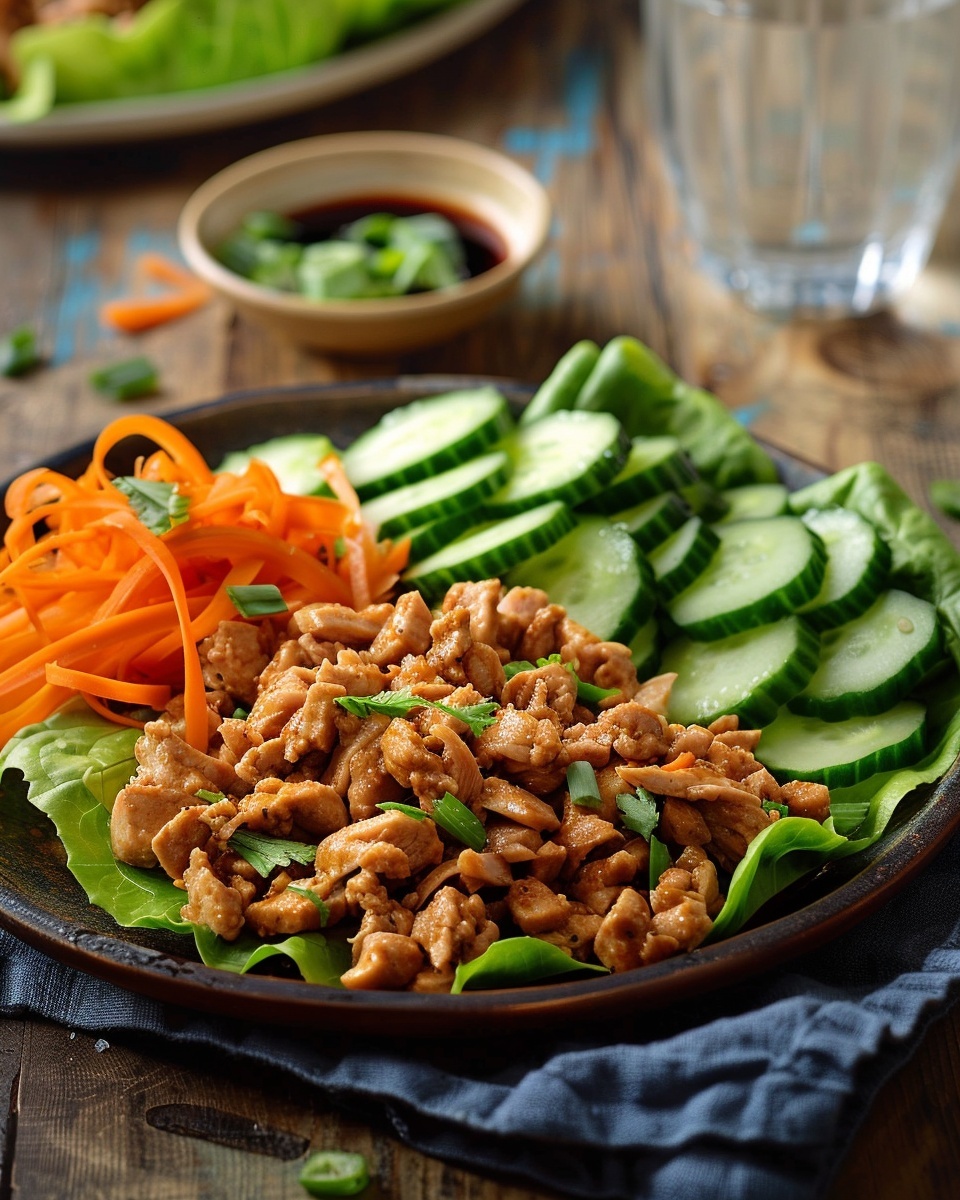
I still remember the day I realized I didn’t have to choose between eating healthy and feeding my family something they’d actually enjoy. It was a Tuesday evening, and I was staring into my fridge wondering how to make dinner happen in under 30 minutes. That’s when I spotted the ground turkey I’d bought on sale and a head of butter lettuce sitting in the crisper drawer. What started as a desperate weeknight dinner experiment turned into one of our family’s most-requested meals.
Turkey lettuce wraps have become my go-to solution when I want something light, fresh, and satisfying without spending hours in the kitchen. These wraps are like a blank canvas. You can make them spicy, sweet, tangy, or savory depending on your mood. The best part? They work for just about everyone at the table, whether you’re watching carbs, following a specific diet, or just trying to eat a bit lighter.
I love how versatile these wraps are. My husband uses them as a quick lunch before heading back to work. My kids think they’re fun because they get to build their own. And I appreciate that they fit perfectly into my low-carb lifestyle without making me feel like I’m missing out on flavor or satisfaction.
If you’re following keto, paleo, or just looking for cooking light options, turkey lettuce wraps check all the boxes. They’re naturally low in carbs, packed with protein, and loaded with fresh vegetables. You can meal prep the turkey mixture ahead of time and assemble the wraps when you’re ready to eat. They’re also budget-friendly, which matters when you’re feeding a family or trying to stretch your grocery dollars.
Why You’ll Love Turkey Lettuce Wraps
Let’s talk about why swapping traditional wraps and tortillas for lettuce leaves is such a smart move. Using lettuce as your wrap instantly cuts the calories and carbs while adding a satisfying crunch. There’s something refreshing about that crisp, cool lettuce paired with warm, seasoned meat. It’s a texture contrast that makes every bite interesting.
I used to think lighter eating meant bland, boring meals. But ground turkey lettuce wraps cooking light proved me wrong. The lettuce doesn’t overpower the filling. Instead, it acts as a neutral base that lets all your seasonings and toppings shine. Plus, you don’t get that heavy, sluggish feeling after eating like you might with bread or flour tortillas.
Now, let’s address the star of the show: ground turkey. This lean protein is seriously underrated. It has less fat than ground beef, fewer calories than pork, and it soaks up flavors like a sponge. A typical serving of ground turkey contains about 22 grams of protein and only 170 calories for a 4-ounce portion. When you’re making ground turkey lettuce wraps, you’re getting a protein-packed meal that keeps you full without weighing you down.
Many people wonder about turkey lettuce wraps calories, and here’s the good news: a complete wrap with ground turkey, vegetables, and a light sauce typically ranges from 150 to 250 calories depending on your ingredients. Compare that to a burrito or sandwich that can easily hit 600 to 800 calories, and you can see why these wraps are perfect for lighter eating.
Are turkey lettuce wraps healthy? Absolutely. They’re loaded with lean protein, fresh vegetables, and healthy fats if you add ingredients like avocado or nuts. You’re getting vitamins and minerals from the lettuce and vegetables, plus the satisfaction of a complete meal without excess carbs or unhealthy fats. They’re naturally gluten-free, dairy-free (unless you add cheese), and can be customized to fit almost any dietary need.
Whether you’re looking at turkey lettuce wraps skinnytaste style or creating your own version, these wraps deliver on nutrition without sacrificing taste. I’ve made them for potlucks, quick weeknight dinners, and even fancy dinner parties. They always get compliments.
Preparing Your Ingredients
Choosing the Right Lettuce
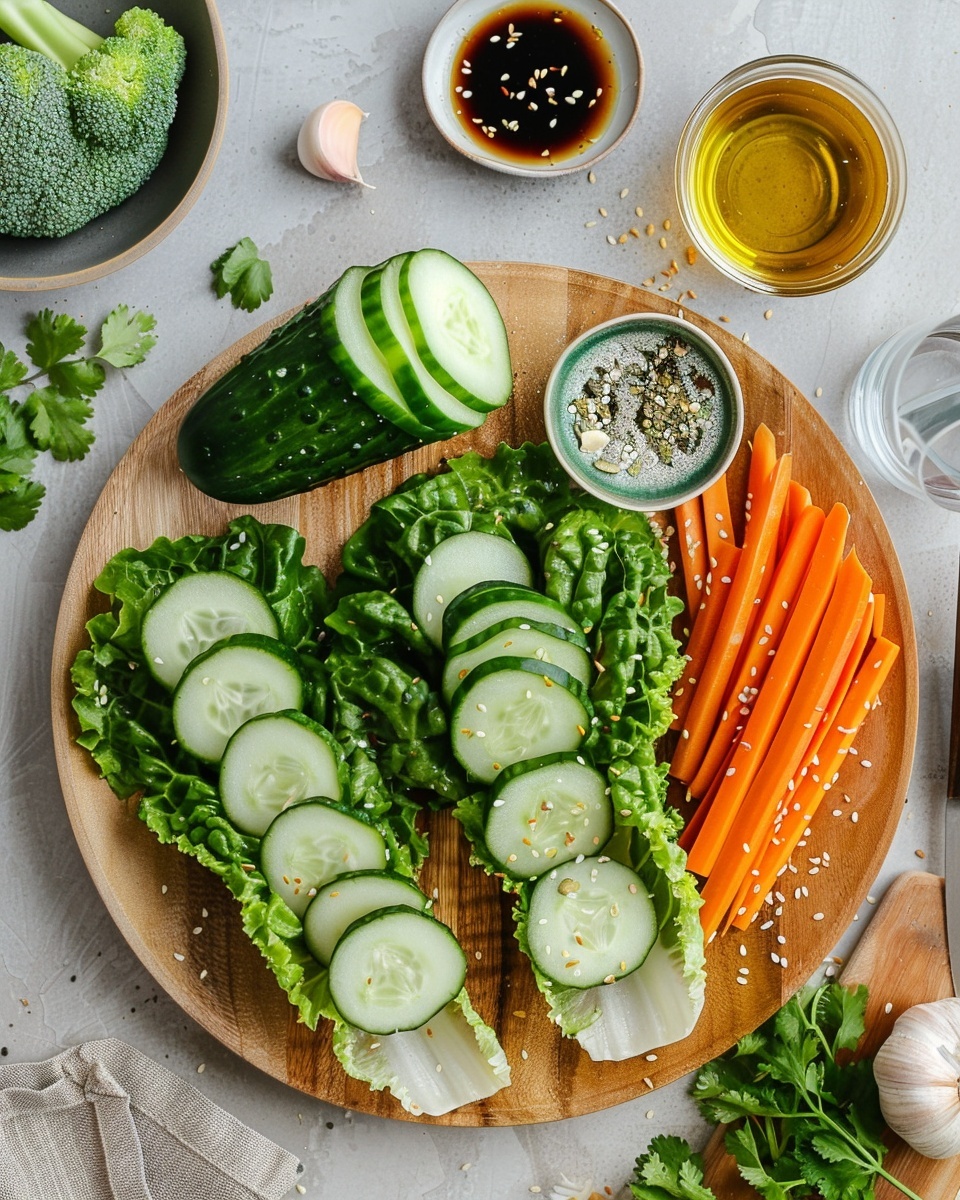
Not all lettuce is created equal when it comes to wraps. I learned this the hard way after trying to use flimsy leaf lettuce that tore apart the moment I added filling. You need lettuce that’s sturdy enough to hold ingredients but still tender enough to bite through easily.
Butter lettuce is my personal favorite for turkey lettuce wraps. The leaves are soft, pliable, and form natural cup shapes that cradle your filling perfectly. They have a mild, slightly sweet flavor that doesn’t compete with your other ingredients. Butter lettuce holds up well without being tough or chewy.
Romaine lettuce works great if you want something with more crunch. The leaves are sturdy and have a satisfying snap when you bite into them. Romaine hearts are especially good because the inner leaves are the perfect size for individual wraps. They’re also easy to find at any grocery store.
Iceberg lettuce is another solid choice. It’s crisp, refreshing, and has a neutral taste. Iceberg leaves can be a bit more difficult to separate without tearing, but they hold their shape well and add a great crunch factor. They’re also usually the cheapest option.
Here are my tips for keeping lettuce crisp and easy to handle:
- Wash your lettuce as soon as you get home from the store
- Dry the leaves completely using a salad spinner or paper towels
- Store washed lettuce between paper towels in a sealed container
- Keep lettuce in the crisper drawer of your fridge
- Separate leaves carefully from the core to avoid tearing
- If leaves seem wilted, soak them in ice water for 10 minutes to refresh them
I like to prep my lettuce the night before I plan to make wraps. This saves time and ensures the leaves are perfectly crisp when I’m ready to assemble everything.
Selecting and Preparing Ground Turkey
Ground turkey is the foundation of great simple ground turkey lettuce wraps. When you’re shopping, you’ll see different fat percentages. I usually choose 93/7 (93% lean, 7% fat) because it has enough fat to stay moist during cooking but still qualifies as lean protein. If you go leaner than that, like 99% fat-free, your turkey can turn out dry and crumbly.
The beauty of ground turkey is how well it absorbs flavors. Unlike beef, which has a strong taste on its own, turkey acts as a flavor vehicle. This makes it perfect for Korean-inspired, Thai-style, or classic Asian turkey lettuce wraps.
Before cooking, I always make sure my ground turkey is at room temperature. Cold meat straight from the fridge won’t brown as well and can cook unevenly. I let it sit out for about 15 minutes while I prep my other ingredients.
Here’s how I prepare ground turkey for the best results:
- Break up the meat with your hands before adding it to the pan
- Use a hot pan with a little oil to get a nice brown crust
- Don’t overcrowd the pan or the meat will steam instead of brown
- Let the meat sit undisturbed for 2-3 minutes before stirring
- Break up large chunks with a wooden spoon or potato masher
- Season generously because turkey needs more help than beef
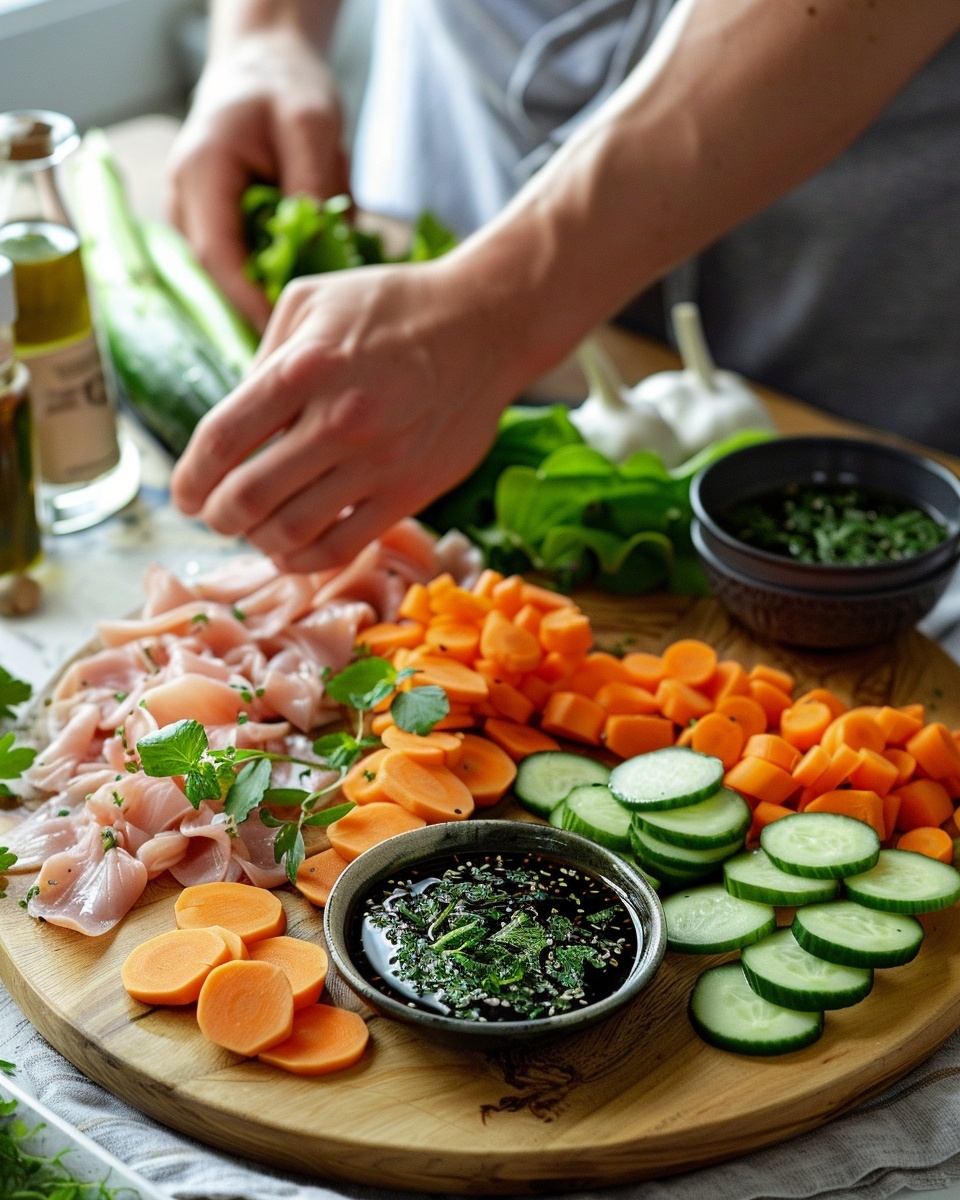
For seasoning, I like to keep it simple with salt, pepper, garlic powder, and onion powder as my base. From there, you can go in any direction. Add ginger and soy sauce for Asian flavors. Use cumin and chili powder for a Mexican twist. Toss in some Italian herbs for a Mediterranean vibe.
The key to making ground turkey lettuce wraps keto or ground turkey lettuce wraps paleo friendly is watching what you add to the meat. Skip the sugar-heavy sauces and stick with clean seasonings, coconut aminos instead of soy sauce, and fresh aromatics like ginger and garlic.
One trick I’ve learned is to add a tablespoon of sesame oil near the end of cooking. It adds amazing flavor and richness without needing heavy sauces. You can also add a splash of rice vinegar or lime juice to brighten everything up.

Flavor Variations for Every Palate
Once you’ve mastered the basics of preparing your ingredients, the real fun begins with experimenting different flavor profiles. I’ve taken my basic turkey lettuce wrap formula and transformed it into at least a dozen different versions depending on what I’m craving that week. Some nights I want something with a bit of heat and tang, other times I’m in the mood for something sweet and savory.
Korean Turkey Lettuce Wraps
My obsession with Korean turkey lettuce wraps started after a date night at a Korean restaurant. We ordered bulgogi lettuce wraps, and I couldn’t stop thinking about how I could recreate those bold, complex flavors at home with ground turkey. Turns out, it’s surprisingly easy.
The magic of Korean-inspired flavors comes down to a few key ingredients. Gochujang is the star here. It’s a fermented red chili paste that brings heat, sweetness, and incredible depth all at once. You can find it at most grocery stores now in the international aisle. A little goes a long way, so start with a tablespoon and adjust from there.
I combine gochujang with soy sauce, sesame oil, minced garlic, and a touch of honey or maple syrup. This creates a sauce that’s spicy, savory, slightly sweet, and absolutely addictive. When you cook your ground turkey, you’ll add this sauce right into the pan during the last few minutes so everything gets coated and caramelized.
Here’s the thing about Korean flavors: they’re all about balance. You want that interplay between spicy, sweet, salty, and nutty. I always finish my Korean-style turkey with toasted sesame seeds and sliced green onions. Sometimes I’ll add kimchi on the side for extra fermented funkiness that cuts through the richness.
What sauces work best for Korean turkey lettuce wraps? Beyond the gochujang mixture I mentioned, you can also make a simple Korean barbecue sauce using soy sauce, brown sugar, garlic, ginger, and a splash of rice vinegar. Another favorite is mixing equal parts gochujang and mayo with a squeeze of lime juice for a spicy, creamy drizzle. Some people love adding a Korean pear or apple puree to their sauce for natural sweetness and tenderness.
The toppings matter just as much as the filling. I like adding matchstick carrots, cucumber slices, and fresh cilantro. My kids prefer theirs with shredded purple cabbage for crunch. The cool vegetables balance out the spicy, warm turkey perfectly. If you enjoy bold flavors, this version pairs surprisingly well with other vibrant dishes like chickpea salad on the side.
Thai Turkey Lettuce Wraps
Now if Korean flavors are bold and intense, Thai flavors are bright and zippy. When I discovered Thai turkey lettuce wraps home chef style recipes, I realized how much I’d been missing out on this flavor combination. Thai cuisine brings together lime juice, fish sauce, fresh herbs, and chilies in a way that makes your taste buds wake up.
For Thai-inspired wraps, I start by cooking the ground turkey with minced garlic, ginger, and a diced shallot. Once the meat is browned, I add fish sauce, which sounds scary if you’ve never used it, but trust me on this. Fish sauce adds an umami depth that makes everything taste more complex and satisfying. You only need about a tablespoon.
Then comes the lime juice. I’m generous with it, using the juice of two whole limes for a pound of turkey. That citrus brightness is what defines Thai cooking. I also add a pinch of sugar to balance the salty and sour notes. Some recipes call for palm sugar, but regular sugar or even a drizzle of honey works just fine.
Fresh herbs are non-negotiable in Thai cooking. I go heavy on the cilantro, and if I can find Thai basil at my Asian market, even better. Mint is another fantastic addition. These herbs aren’t just garnish; they’re essential ingredients that bring freshness and complexity. Funny enough, my husband used to hate cilantro until he tried these wraps. Now he requests them weekly.
Can I make Thai turkey lettuce wraps spicy? Absolutely, and I encourage it. Thai bird chilies are traditional, but they’re seriously hot. I usually use one or two finely minced for the whole batch. If you want more control over the heat, add chili garlic sauce or sriracha at the table so everyone can adjust their own spice level. Crushed red pepper flakes work in a pinch too.
For toppings, I love adding crushed peanuts, bean sprouts, and thinly sliced red bell pepper. The peanuts add a satisfying crunch and richness that makes these wraps feel complete. Sometimes I’ll drizzle a simple peanut sauce over everything, made with peanut butter thinned out with lime juice and a touch of soy sauce. This version has become as popular in my house as the simple options for breakfast like Greek yogurt parfait.
Deli Turkey Lettuce Wraps
By the way, not every turkey lettuce wrap needs to start with ground meat. Sometimes I’m short on time or just don’t feel like cooking, and that’s when deli turkey lettuce wraps become my best friend. This version takes about five minutes to throw together, which makes it perfect for lunch or a quick snack.
I buy good quality deli turkey, the kind that’s actually roasted and not processed into oblivion. Layer a couple slices onto your lettuce leaf, then add whatever toppings sound good. My go-to combo is sliced avocado, tomato, a thin spread of hummus, and a sprinkle of everything bagel seasoning. It’s simple but satisfying.
You can get creative with deli turkey wraps by treating them like deconstructed sandwiches. Try a club wrap with turkey, bacon bits, tomato, and a little mayo mixed with Dijon mustard. Or go Mediterranean with turkey, roasted red peppers, feta cheese, and a drizzle of olive oil. These wraps make excellent meal prep because you can prepare all your toppings ahead of time and just assemble when you’re ready to eat.
Cooking Methods for Turkey Lettuce Wraps
The way you cook your turkey filling can change the entire texture and flavor of your wraps, and I’ve experimented with pretty much every method possible at this point.
Stovetop Method
The stovetop is my default method because it’s quick and gives you the most control. I heat a large skillet over medium-high heat with a tablespoon of oil. Once the oil shimmers, I add my ground turkey, breaking it up as I go. The key is getting a good sear on the meat, which adds flavor through caramelization.
I let the turkey sit undisturbed for about two minutes before stirring. This creates those delicious brown bits that make the difference between boring turkey and flavorful turkey. Then I break everything up with a wooden spoon and let it cook through completely, which takes about eight to ten minutes total.
For ground turkey lettuce wraps keto or ground turkey lettuce wraps paleo, the stovetop method works perfectly because you have complete control over what goes into your pan. No hidden sugars or non-compliant ingredients sneaking in. I stick with avocado oil or coconut oil, add my clean seasonings, and keep everything straightforward. Both of these eating styles benefit from the high protein and low carb profile of these wraps, similar to how baked salmon with herbs fits into healthy meal plans.
One thing I learned the hard way: don’t add watery vegetables like mushrooms or zucchini at the same time as your turkey. They release moisture that prevents browning. Instead, cook your turkey first, set it aside, then sauté your vegetables separately before combining everything.
Oven-Baked Option
Some days I just can’t deal with standing over a stove. That’s when I turn to the oven method, which is completely hands-off and perfect for busy weeknights. This approach fits beautifully into a cooking light lifestyle because it requires minimal oil and lets excess fat drip away during cooking.
I preheat my oven to 400 degrees Fahrenheit and spread the ground turkey on a rimmed baking sheet. I break it up into smaller chunks, season generously with whatever flavor profile I’m going for, and pop it in the oven. After about 15 minutes, I stir everything around and break up any large pieces. Then it goes back in for another 10 minutes until everything is cooked through and slightly crispy on the edges.
The oven method works especially well when I’m making a big batch for meal prep. I can cook two pounds of turkey at once without crowding a pan. The texture is a bit different from stovetop, slightly drier and more crumbly, but it soaks up sauces beautifully when you add them at the end. Serve these wraps alongside steamed broccoli for a complete, balanced meal that comes together with minimal effort.
This method also means less cleanup, which matters when you’ve had a long day. One pan, toss it in the dishwasher, and you’re done. I’ve made weeknight dinners so much easier by embracing this lazy cook’s approach to simple ground turkey lettuce wraps.


Serving Suggestions and Pairings for Turkey Lettuce Wraps
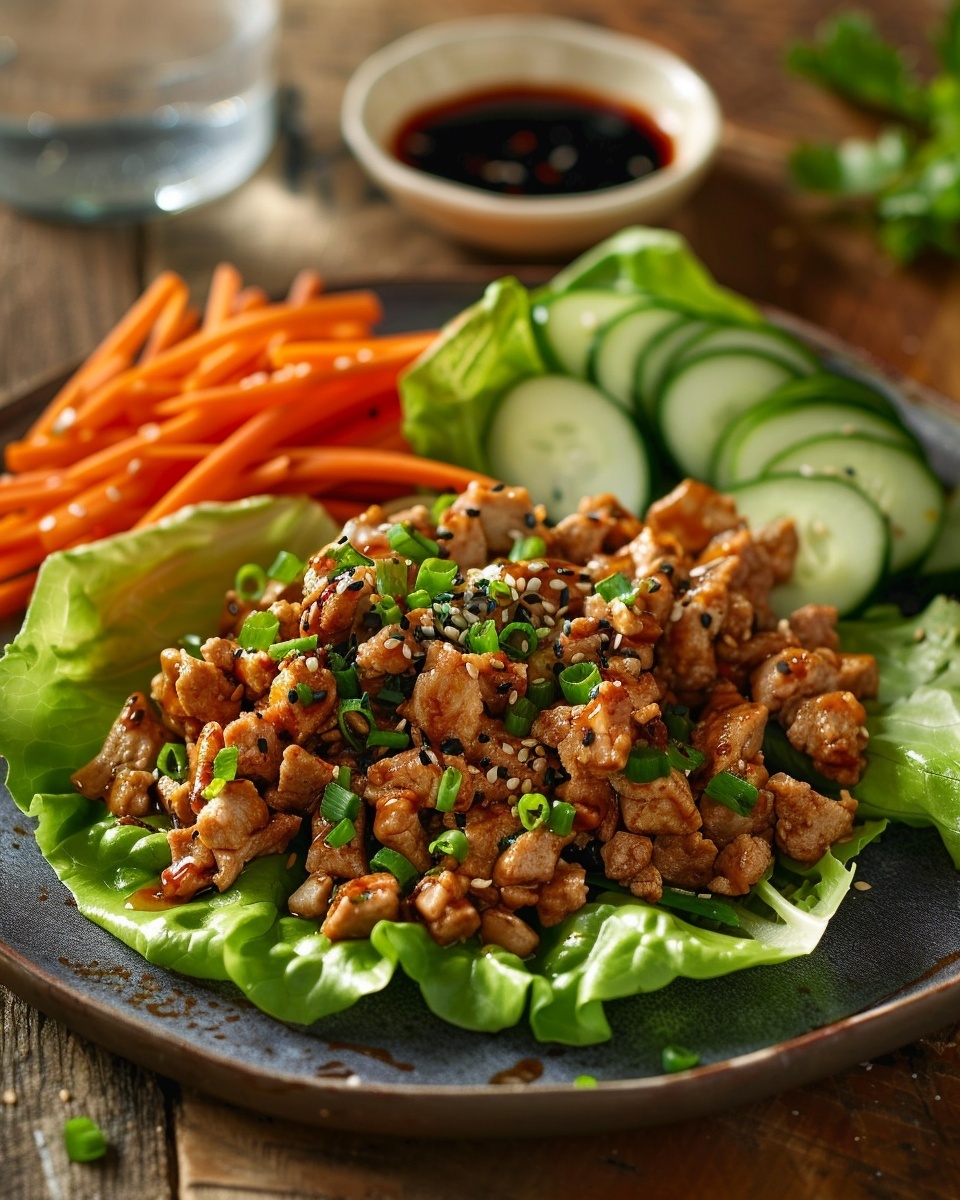
Here’s the thing about turkey lettuce wraps: they’re incredibly satisfying on their own, but the right side dishes can transform them from a quick meal into a complete dining experience. I’ve learned through trial and error that certain sides complement these wraps better than others, and the best part is that most of them align perfectly with whatever dietary path you’re following.
Cauliflower rice has become my number one side dish for turkey lettuce wraps. It’s mild enough not to compete with the bold flavors in your wraps, but it adds substance and helps fill you up if you’re really hungry. I usually season mine simply with just a bit of garlic and salt. Sometimes I’ll toss in some lime juice and cilantro to echo Thai or Mexican flavors. The texture contrast between the cauliflower rice and the crispy lettuce creates a really pleasant eating experience.
For those following ground turkey lettuce wraps keto or ground turkey lettuce wraps paleo lifestyles, cauliflower rice is basically perfect. It’s low in carbs, high in fiber, and keeps your meal compliant without feeling like a sacrifice. My husband used to roll his eyes at cauliflower rice, thinking it was some sad diet food, but after I started roasting it with a bit of sesame oil, he changed his tune completely.
A fresh salad is another winning pairing. I like keeping it simple with mixed greens, cucumber, cherry tomatoes, and a light vinaigrette. Asian-inspired salads work particularly well with Korean or Thai flavored wraps. Try shredded cabbage, carrots, and snap peas with a ginger-sesame dressing. The crunch and freshness doubles down on that light, vibrant feeling you get from eating lettuce wraps.
Pickled vegetables deserve their own mention because they’re absolute game-changers. Quick-pickled cucumbers, carrots, or radishes add a tangy punch that cuts through the richness of the turkey. I keep a jar of these in my fridge at all times now. Just slice your vegetables thin, cover them with rice vinegar, a pinch of sugar, and some salt, and let them sit for at least an hour. They last for weeks and transform any meal.
What should I serve with turkey lettuce wraps? Beyond what I’ve mentioned, here are some other sides that work beautifully: edamame sprinkled with sea salt, miso soup for an Asian-inspired meal, roasted Brussels sprouts with a touch of balsamic glaze, spiralized zucchini noodles with garlic and olive oil, Asian cucumber salad with chili flakes, or even a simple bowl of bone broth if you want something warming. The key is choosing sides that feel light and fresh rather than heavy and starchy.
One side dish I stumbled upon accidentally was roasted sweet potato wedges. I know, sweet potatoes aren’t exactly keto-friendly, but if you’re not strictly low-carb, they pair wonderfully with the savory turkey. The natural sweetness complements spicy Korean flavors especially well. I roast mine with just olive oil and sea salt until they’re crispy on the outside.
By the way, don’t overlook simple vegetable skewers. I thread cherry tomatoes, bell peppers, and mushrooms onto skewers, brush them with a little oil, and either grill or broil them. They’re fun to eat and add more vegetables to your meal without any fuss. My kids love these because they can dip them in whatever sauce we’re using for the wraps.
Tips for Success with Turkey Lettuce Wraps
After making these wraps countless times, I’ve picked up some tricks that make the whole process smoother and ensure better results every single time. Let me share what’s worked for me and what I’ve learned from my mistakes.
Storage is crucial if you want to meal prep these wraps. Here’s what I do: I cook the turkey filling and store it separately from the lettuce and toppings. The cooked turkey mixture keeps well in an airtight container in the fridge for up to four days. I portion it into individual containers so I can just grab one for lunch without having to measure anything out.
Never assemble the wraps ahead of time unless you’re eating them within the hour. The lettuce will get soggy and wilted from the warm filling, and nobody wants that. Keep your components separate until you’re ready to eat. I learned this lesson after packing assembled wraps for a picnic once. By the time we got there, I basically had sad, droopy lettuce soup.
For meal prep, I wash and dry my lettuce leaves on Sunday, store them between paper towels in a container, prep all my toppings in small containers, and cook a big batch of seasoned turkey. Then during the week, I can assemble fresh wraps in under five minutes. This approach has saved me so much time and mental energy on busy weeknights.
Customization is where these wraps really shine. Think of your basic simple ground turkey lettuce wraps as a template that you can adjust based on what you have on hand or what sounds good that day. Out of lettuce? Use cabbage leaves instead. They’re sturdier and have a slightly peppery flavor that’s really nice. I’ve also used collard greens, though you’ll want to remove the thick stem.
Don’t have ground turkey? Ground chicken works just as well, and so does ground pork if you want something with more fat and flavor. I’ve even made these with leftover shredded rotisserie chicken when I didn’t feel like cooking anything from scratch. Just warm up the chicken with your seasonings and sauce, and you’re good to go.
Portion control is something I appreciate about these wraps, especially when following recipes like turkey lettuce wraps skinnytaste style. Each lettuce leaf naturally creates a built-in portion, which helps prevent overeating. I usually plan on three to four wraps per person for a main meal, which works out to about six ounces of cooked turkey. This keeps things reasonable without leaving anyone hungry.
Here’s a trick for keeping your ground turkey lettuce wraps calories in check: load up on the vegetables. The more crunchy vegetables you add as toppings, the more volume and satisfaction you get without adding many calories. Bell peppers, cucumbers, carrots, and cabbage are all low-calorie options that add tons of texture and flavor.
Temperature matters more than you might think. I prefer my turkey filling warm or at room temperature with cold, crispy lettuce. That temperature contrast makes each bite more interesting. If you’re reheating leftovers, warm the turkey just until it’s heated through, not piping hot, so you don’t wilt your lettuce when you assemble.
One mistake I made early on was not seasoning aggressively enough. Ground turkey needs more seasoning than ground beef because it’s so lean and mild. Don’t be shy with your spices, garlic, ginger, or whatever aromatics you’re using. Taste as you go and adjust. Maintaining that cooking consistency in your seasoning approach ensures that every batch turns out flavorful and satisfying.
For toppings, I set up a little assembly station with everything in bowls so people can customize their own wraps. This works great when you have picky eaters or different dietary preferences at the table. Some people want extra spice, others want more vegetables, and everyone can make their wraps exactly how they like them.
If you’re cooking for one, don’t let that stop you from making a full batch of filling. The turkey freezes beautifully. I portion it into freezer bags, flatten them out, and stack them. They thaw quickly in the fridge overnight or even in a bowl of cold water if you forgot to plan ahead. Having these portions ready to go makes healthy eating so much easier when you’re exhausted and tempted to order takeout.
Sauce control is another important tip. It’s easy to drown your wraps in sauce, which can add unnecessary calories and sugar. I usually add my sauce to the turkey while it’s cooking so everything gets coated evenly, then I serve extra sauce on the side for people who want more. This way you get flavor without overdoing it.
When exploring different approaches to nutritious eating, you’ll find that wraps like these fit beautifully into a broader collection of healthy recipes that prioritize fresh ingredients and balanced nutrition. They’re versatile enough to work with whatever health goals you’re pursuing, whether that’s weight loss, muscle building, or just eating more vegetables. I’ve found that having a few reliable recipes like this in my rotation makes it so much easier to stick with healthier eating habits long-term.
One last tip: don’t be afraid to experiment with different proteins and flavor combinations. The basic technique of wrapping seasoned meat and vegetables in lettuce leaves is forgiving and adaptable. Some of my best versions came from throwing together whatever I had in the fridge and just going for it. That’s how I discovered that leftover taco meat makes incredible wraps, and that breakfast sausage with scrambled eggs wrapped in lettuce is a fantastic low-carb breakfast.
Whatever version you end up making, remember that the goal is to enjoy your food while nourishing your body. These wraps should feel like a treat, not a punishment. If you find yourself getting bored, switch up your flavor profile or try a new topping combination. The possibilities are genuinely endless, and that’s what keeps these wraps interesting meal after meal.
I hope these tips help you create turkey lettuce wraps that become as beloved in your kitchen as they are in mine. Whether you’re making them for a quick lunch, a family dinner, or meal prepping for the week ahead, they’re one of those rare recipes that somehow manages to be healthy, delicious, and convenient all at once. Give them a try, trust your instincts, and don’t be afraid to make them your own.
Frequently Asked Questions About Turkey Lettuce Wraps
How many calories are in ground turkey lettuce wraps?
A typical ground turkey lettuce wrap contains between 150 and 250 calories, depending on your ingredients and portion size. The turkey itself contributes about 170 calories per four-ounce serving, while the lettuce adds almost nothing. Most of the calorie variation comes from your sauce, oil used in cooking, and toppings like avocado, nuts, or cheese. If you’re watching calories closely, measure your turkey portions and go easy on high-calorie toppings while loading up on vegetables, which add volume without many calories.
Can I make turkey lettuce wraps ahead of time?
You can definitely prep the components ahead of time, but don’t assemble the wraps until you’re ready to eat. Cook your turkey filling and store it in the fridge for up to four days, or freeze it for up to three months. Wash and dry your lettuce leaves and store them between paper towels in a sealed container for two to three days. Prep your vegetables and keep them in separate containers. When you’re ready to eat, just warm the turkey and assemble fresh wraps, which keeps the lettuce crispy and prevents sogginess.
What’s the best way to reheat turkey lettuce wraps?
Only reheat the turkey filling, never the assembled wraps. I use the microwave for convenience, heating the turkey in 30-second intervals and stirring between each one until it’s warmed through. You can also reheat it in a skillet over medium heat with a splash of water or broth to prevent drying out. The stovetop method actually works better because it can crisp up the meat again slightly. Always use fresh, cold lettuce when you’re ready to eat for the best texture contrast.
Are there vegetarian alternatives to turkey lettuce wraps?
Absolutely, and they’re delicious. Crumbled tofu, tempeh, or textured vegetable protein all work well as turkey substitutes. I’ve also made these with seasoned black beans, lentils, or chickpeas for a completely different but satisfying filling. Mushrooms, especially when finely chopped, create a meaty texture that’s surprisingly satisfying. Season any of these options the same way you would turkey, and you’ll get all the flavor and satisfaction without the meat.
What lettuce works best for turkey wraps?
Butter lettuce is my top choice because the leaves form natural cups and have a tender texture that’s easy to bite through. Romaine hearts work great if you prefer more crunch and sturdiness. Iceberg lettuce is fine if that’s what you have, though it can be trickier to separate the leaves without tearing. Avoid delicate lettuces like spring mix or arugula, as they’re too fragile to hold fillings. The best lettuce is whatever’s freshest at your store and has large, intact leaves.
How do I keep my lettuce wraps from falling apart?
Start with sturdy lettuce leaves that are completely dry, as moisture makes them slippery. Don’t overfill your wraps, which is the most common mistake. Use about two to three tablespoons of filling per leaf, leaving space around the edges. Pat your turkey mixture with a paper towel before adding it to the lettuce if it’s very wet. Some people like to double up their lettuce leaves for extra stability. Finally, eat them with your hands like tacos, holding from the bottom for better control.
Can turkey lettuce wraps fit into a keto diet?
Yes, ground turkey lettuce wraps keto versions are perfect for low-carb eating. Ground turkey is high in protein and low in carbs, and lettuce is essentially carb-free. A typical wrap has only three to five grams of net carbs, mostly from vegetables and any sauce you use. To keep them keto-friendly, avoid sugar-based sauces and stick with options like coconut aminos, sesame oil, and fresh herbs. Add high-fat toppings like avocado, cheese, or nuts to meet your fat macros while staying in ketosis.
What sauces pair well with turkey lettuce wraps?
The sauce options are endless and depend on your flavor profile. For Asian-inspired wraps, try hoisin sauce, peanut sauce, or a mixture of soy sauce with sesame oil and rice vinegar. Sriracha mayo adds creaminess and heat. For lighter options, a simple lime and fish sauce dressing works beautifully. Korean gochujang sauce brings sweet heat, while Thai-style options might include sweet chili sauce or a tangy tamarind mixture. Just remember that many store-bought sauces contain added sugar, so check labels if you’re watching carbs.
How long does cooked turkey filling last in the fridge?
Cooked ground turkey will stay fresh in the refrigerator for three to four days when stored properly in an airtight container. Make sure it cools to room temperature before refrigerating, but don’t leave it out for more than two hours. I like to store mine in glass containers, which seem to keep things fresher longer. If you notice any off smell or change in color, throw it out. For longer storage, freeze the cooked turkey in portions for up to three months, which makes meal prep even easier.
Are turkey lettuce wraps good for weight loss?
They’re excellent for weight loss because they’re naturally low in calories, high in protein, and packed with vegetables. The protein keeps you full longer, which helps prevent snacking between meals. Following recipes like turkey lettuce wraps skinnytaste style helps with portion control while still being satisfying. Since there’s no bread or tortilla, you’re automatically cutting hundreds of calories compared to sandwiches or burritos. The key is watching your toppings and sauces, which can add calories quickly if you’re not mindful about portions.
Turkey Lettuce Wraps
Ingredients
Equipment
Method
- Let the ground turkey sit at room temperature for about 15 minutes.
- Heat a large skillet over medium-high heat and add oil.
- Add the ground turkey to the skillet, breaking it up with your hands.
- Season the turkey with salt, pepper, garlic powder, and onion powder.
- Cook without stirring for 2-3 minutes to get a nice brown crust.
- Stir the turkey, breaking up large chunks until fully cooked (about 8-10 minutes total).
- Add any extra seasonings or sauces towards the end of cooking.
- Prepare the lettuce leaves by washing, drying, and separating them into cups.
- Assemble wraps by adding turkey mixture to each lettuce leaf and topping with desired ingredients.