
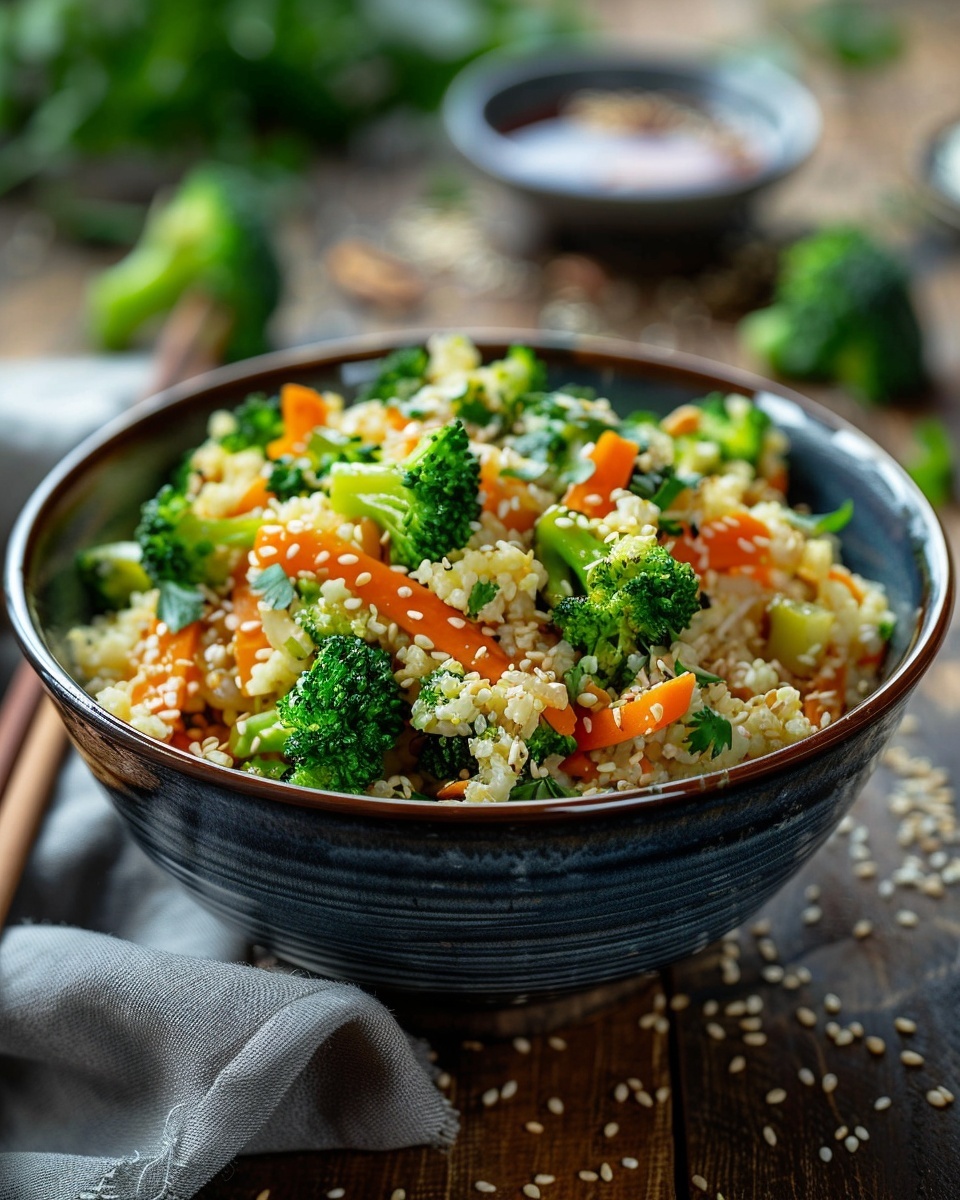
Introduction
Last Tuesday night, I stood in my kitchen at 6:47 PM with a hungry family and absolutely zero motivation to spend an hour cooking. I grabbed a head of cauliflower from my fridge, some leftover chicken, and ten minutes later, we were all digging into the most satisfying meal. That’s when I realized cauliflower rice stir fry isn’t just a recipe. It’s my secret weapon for crazy weeknights.
I’m someone who believes eating well shouldn’t feel like punishment or take forever. Quick and healthy meals are my specialty because life moves fast and I refuse to sacrifice nutrition for convenience. Over the years, I’ve tested hundreds of recipes, and this one keeps coming back into my weekly rotation.
Cauliflower rice stir fry has become my go-to dish when I need something flexible, fast, and genuinely delicious. Whether you’re following keto, eating vegan, or just trying to sneak more vegetables into your diet, this meal adapts to whatever you need. I’ve made cauliflower rice stir fry chicken versions for protein lovers and cauliflower rice stir fry vegan bowls for my plant-based friends. Every single version works beautifully.
The rise of cauliflower rice has been remarkable. Five years ago, most people looked at me funny when I mentioned ricing cauliflower. Now, every grocery store carries it fresh and frozen. The health benefits drew people in first, but the versatility keeps them coming back. You can season it any way you want, pair it with any protein, and it soaks up flavors like a dream.
What I love most is how forgiving this dish is. Forgot to meal prep? Use frozen cauliflower rice stir fry ingredients. Have random vegetables dying in your crisper drawer? Throw them in. Need a cauliflower rice stir fry keto option? Done. Want to try a cauliflower stir fry recipe chinese style? Just adjust your sauce. This meal bends to fit your life, not the other way around.
Why Cauliflower Rice Stir Fry Works So Well
Is Cauliflower Rice Actually Healthy?
I get asked this question constantly, and my answer is always an enthusiastic yes. Cauliflower rice delivers serious nutritional value without the heavy carb load of regular rice. Let me break down why it’s worth your attention.
One cup of cauliflower rice contains only about 25 calories compared to 200 calories in white rice. That’s a massive difference if you’re watching your intake. But it’s not just about calories. Cauliflower rice packs 3 grams of fiber per cup, which helps keep you full and supports healthy digestion.
The vitamin content impressed me when I first researched it. Cauliflower rice gives you a solid dose of vitamin C, vitamin K, and several B vitamins. You’re also getting important minerals like potassium and magnesium. Your body actually benefits from eating this stuff.
For anyone following a low-carb lifestyle, cauliflower rice is a lifesaver. Regular white rice contains about 45 grams of carbs per cup. Cauliflower rice? Only 5 grams. That’s why cauliflower rice stir fry keto recipes have exploded in popularity. You can enjoy a big, satisfying bowl without derailing your macros.
Now, is it a perfect substitute for traditional rice? That depends on what you’re looking for. The texture is different, lighter and less starchy. I won’t pretend it tastes exactly like rice because it doesn’t. But that’s not a bad thing. It has its own appeal and works incredibly well in stir-fries where it absorbs all those delicious sauces and seasonings.
I’ve served cauliflower rice stir fry to guests who claimed they hated cauliflower, and they cleaned their plates. The key is seasoning it properly and not overcooking it. When you nail the technique, even skeptics become believers.
The cauliflower rice stir fry vegan options are just as nutritious. Skip the animal proteins and load up on colorful vegetables, tofu, or tempeh. You still get all those vitamins and fiber while keeping things completely plant-based. I make this version at least twice a month because it’s light but filling.
Does Cauliflower Go in Stir-Fry?
Absolutely, and I’ll die on this hill. Cauliflower rice is perfect for stir-fries, and I’ll tell you why based on my own kitchen experiments.
The first time I made a stir-fry with cauliflower rice, I was skeptical. Would it get mushy? Would it taste bland? Would my family revolt? None of those things happened. The cauliflower rice crisped up beautifully in my hot pan, absorbed the garlic and ginger flavors, and created the perfect base for my vegetables and protein.
Cauliflower rice works so well in stir-fries because of its neutral flavor and texture. Think of it as a blank canvas. When you cook cauliflower rice stir fry chicken, the cauliflower picks up the savory notes from the meat and whatever sauce you’re using. It becomes part of the flavor profile instead of competing with it.
I’ve tested it with every protein you can imagine. My ground turkey cauliflower rice stir fry is a weeknight staple. The lean turkey combines perfectly with the light cauliflower rice, and the whole meal comes together in about 15 minutes. My kids actually request this version now.
The vegetable combinations are endless. I’ve made chicken broccoli cauliflower rice stir fry countless times because it’s simple and everyone likes it. But I’ve also thrown in snap peas, bell peppers, carrots, mushrooms, and baby corn. Everything works.
When I want to mix things up, I turn to a cauliflower stir fry recipe chinese style with traditional seasonings. Soy sauce, sesame oil, a touch of rice vinegar, fresh ginger, and garlic create authentic flavors that make the cauliflower rice taste like it came from your favorite takeout spot. The texture holds up to high heat cooking, which is essential for proper stir-frying.
One trick I learned through trial and error: don’t crowd your pan. Cauliflower rice releases moisture as it cooks. If you pile too much in at once, it steams instead of frying. Cook it in batches if you need to. This keeps everything crisp and prevents that dreaded sogginess.
I keep frozen cauliflower rice stocked in my freezer at all times. The cauliflower rice stir fry trader joes version is my emergency backup for those nights when I forgot to grocery shop. Just thaw it slightly, press out excess water, and cook it hot and fast. Problem solved.
The beauty of cauliflower in stir-fries is how it complements rather than dominates. It provides substance and texture without weighing you down. After eating a big bowl of cauliflower fried rice tasty goodness, I feel satisfied but not stuffed. That’s the sweet spot for any meal.
Even my most carb-loving friends admit that cauliflower rice works in stir-fries. The combination of crunchy vegetables, flavorful protein, and that slightly crispy cauliflower rice creates layers of texture that make every bite interesting. You don’t miss the regular rice because there’s so much else going on.


How to Make the Perfect Cauliflower Rice Stir Fry
Knowing cauliflower works great in stir-fries is one thing, but actually nailing the execution is where the magic happens.
Choosing Your Ingredients
The foundation of any great cauliflower rice stir fry starts with picking the right cauliflower rice. I’ve used both fresh and frozen versions hundreds of times, and honestly, they both have their place in my kitchen.
Fresh cauliflower rice gives you more control over texture. When I have twenty minutes to spare, I’ll grab a whole cauliflower head, chop it into chunks, and pulse it in my food processor until it looks like rice grains. The result is crisp, dry, and ready to absorb flavors. Fresh stuff doesn’t release as much water during cooking, which means you get that perfect slightly-crispy texture everyone loves.
But let’s be real about life. Most nights I’m racing against the clock, and that’s where frozen cauliflower rice becomes my best friend. The cauliflower rice stir fry trader joes bags live permanently in my freezer because they’re cheap, convenient, and actually pretty good quality. I also stock up on other brands when they’re on sale.
Here’s the thing about working with frozen stuff. People always ask me, “What to do with a bag of frozen cauliflower rice?” and my answer might surprise you. Don’t just dump it frozen into your hot pan. That’s a rookie mistake that leads to watery, sad cauliflower rice.
My method for frozen cauliflower rice stir fry success goes like this: I take the bag out about 30 minutes before cooking and let it thaw partially on the counter. Then I dump it into a clean kitchen towel or several layers of paper towels and squeeze out as much liquid as possible. Seriously, you’d be shocked how much water comes out. This one step makes all the difference between soggy mush and restaurant-quality texture.
Sometimes I’ll microwave the frozen cauliflower rice for two minutes, then do the squeezing trick. Gets the same result faster. The goal is removing moisture before it hits your cooking surface. Trust me on this.
Quality matters too. I’ve tried every brand available in my area, and they’re not all created equal. Some companies cut their cauliflower rice too fine, which turns to mush no matter what you do. Others include stems and chunks that don’t cook evenly. The Trader Joe’s version stays consistent, which is why I mention it so often. But honestly, test a few brands and find what works in your local stores.
When shopping, check the ingredient list even on plain cauliflower rice. It should literally say one thing: cauliflower. Some sneaky brands add preservatives or weird stabilizers. Skip those. And if you’re meal prepping like I do on Sundays, fresh cauliflower rice keeps for about four days in the fridge in an airtight container. Similar to how I prep ingredients for my detox soup batches, having components ready makes weeknight cooking effortless.
Protein Pairings for Every Diet
The protein you choose completely transforms your cauliflower rice stir fry from good to incredible. I’ve experimented with probably every protein source imaginable, and each one brings something different to the table.
My cauliflower rice stir fry chicken version happens at least twice a week because it’s foolproof and my whole family devours it. I cut boneless, skinless chicken thighs into bite-sized pieces, season them with salt, pepper, and a tiny bit of cornstarch for extra crispiness. The cornstarch trick came from a Chinese restaurant cook I befriended, and it seriously levels up the texture. Cook the chicken first in a screaming hot pan with some oil until it gets golden brown edges, then set it aside while you cook everything else.
Funny enough, my ground turkey cauliflower rice stir fry gets requested more than the chicken version lately. Ground turkey is leaner, cooks faster, and soaks up seasonings beautifully. I brown it with minced garlic, ginger, and a splash of soy sauce until it’s crumbly and caramelized. The turkey breaks into small pieces that distribute evenly throughout the dish, so you get protein in every single bite. Plus it’s usually cheaper than chicken, which my budget appreciates.
For my plant-based friends and the nights when I want something lighter, cauliflower fried rice vegan options are genuinely satisfying. Extra-firm tofu becomes amazing when you press out the water, cube it, and pan-fry it until the edges get crispy. I season it with soy sauce, sesame oil, and a pinch of five-spice powder. The result rivals any meat-based version.
Tempeh works great too, though it has a nuttier flavor that some people need to adjust to. I like crumbling it up and treating it similar to ground turkey. Edamame adds both protein and a pop of color. Sometimes I’ll throw in cashews or peanuts for crunch and extra protein.
By the way, if you’re doing a chicken broccoli cauliflower rice stir fry, cut your broccoli into small florets and add them to the pan before the cauliflower rice. They need a couple extra minutes to get tender-crisp. This combination reminds me of classic Chinese takeout but without the post-meal sluggishness. Much like how a sweet potato bowl provides sustained energy without the crash, this version keeps you satisfied for hours.
Seasoning your protein properly matters more than people realize. Don’t just throw plain chicken into the pan and expect magic. I marinate mine for at least 15 minutes if I have time. Soy sauce, rice vinegar, garlic, ginger, and a touch of honey or maple syrup creates layers of flavor. Even just salt, pepper, and garlic powder makes a huge difference compared to unseasoned protein.
For a proper cauliflower stir fry recipe chinese experience, consider adding Chinese five-spice powder to your protein. That blend of star anise, cloves, cinnamon, Sichuan pepper, and fennel seeds brings authentic flavor that transports you straight to your favorite restaurant.
The cauliflower rice stir fry keto folks have tons of protein options. Chicken thighs, fatty salmon, pork tenderloin, or even bacon pieces work beautifully. Just watch your sauce ingredients to keep carbs low. I swap honey for a keto-friendly sweetener and use coconut aminos instead of regular soy sauce sometimes.
Avoiding Common Mistakes
Let me save you from the frustrations I dealt with when I first started making cauliflower rice stir fry. These mistakes are super common, but totally fixable once you know what to watch for.
The number one question I get is “Why is my cauliflower fried rice soggy?” and I completely understand the frustration because I’ve been there. Soggy cauliflower rice is disappointing and honestly kind of gross. But it’s not the cauliflower’s fault.
The main culprit is moisture. Either you started with wet cauliflower rice, or you cooked it wrong, or both. Remember that squeezing technique I mentioned earlier? That’s your first line of defense. If your cauliflower rice is dripping wet when it hits the pan, you’ve already lost the battle.
Heat level makes or breaks your texture. I cook my cauliflower rice on high heat, and I mean high. Your pan should be hot enough that the cauliflower sizzles immediately when it hits the surface. Medium heat leads to steaming, and steaming leads to sadness. High heat creates that light crisp on the outside while keeping the inside tender.
Here’s another mistake I see constantly: overcrowding the pan. When you pile too much cauliflower rice in at once, the temperature drops and all that moisture has nowhere to escape. It pools in the bottom and turns everything mushy. I cook my cauliflower rice in two or three batches depending on how much I’m making. Yeah, it takes a few extra minutes, but the texture difference is dramatic.
Stirring too much is also a problem. Let the cauliflower rice sit in the hot pan for 30-45 seconds before stirring. This gives it time to develop that slight char and crispy bottom. If you’re constantly moving it around, it never gets a chance to brown properly.
Cooking time matters too. Cauliflower rice needs about 5-7 minutes total cooking time. Any longer and it starts breaking down into mush. Any shorter and it tastes raw. I set a timer now because I used to just eyeball it and frequently overcooked it. When you’re aiming for cauliflower fried rice tasty results, timing really counts.
The type of pan you use makes a difference. I prefer a large wok or a big cast-iron skillet. Both get seriously hot and distribute heat evenly. Those thin non-stick pans don’t cut it for stir-frying. You need something with good heat retention.
Adding sauce at the wrong time is another rookie move. If you dump your sauce in too early or use too much, the cauliflower rice absorbs excess liquid and gets soggy. I add sauce toward the very end, just enough to coat everything lightly. You can always add more at the table, but you can’t remove it once it’s made everything wet.
One more thing. Some people try to cook the vegetables, protein, and cauliflower rice all at the same time to save effort. Don’t do this. Everything cooks at different rates. I cook my protein first and set it aside. Then I cook harder vegetables like carrots or broccoli. Then softer vegetables like mushrooms or snap peas. The cauliflower rice goes in last. Finally, I toss everything back together with the sauce for one minute of combined cooking. This method, similar to how I layer flavors in my green smoothie by adding ingredients in the right order, ensures every component reaches its perfect texture.
If you follow these guidelines, your cauliflower rice stir fry vegan or meat-based versions will turn out restaurant-quality every single time. The technique matters as much as the ingredients. Master these basics, and you’ll wonder why you ever struggled with soggy cauliflower rice. It’s honestly easier than making regular rice once you get the hang of it, and the results taste way better than mushy takeout. Plus, starting your morning with something balanced like oatmeal with fruits makes it easier to stick with healthy choices like cauliflower rice for dinner.


Recipe Ideas You’ll Love
Chicken Broccoli Cauliflower Rice Stir Fry
This recipe has literally saved my sanity on more Wednesday nights than I can count. The combination of tender chicken, crisp broccoli, and perfectly seasoned cauliflower rice creates this complete meal that tastes way fancier than the effort required.
Here’s how I make my go-to chicken broccoli cauliflower rice stir fry that my family requests constantly. Start with about a pound of boneless chicken breast or thighs, cut into bite-sized pieces. I toss them with a tablespoon of cornstarch, salt, and pepper. That cornstarch coating makes the edges get all crispy and golden.
Heat two tablespoons of avocado oil or vegetable oil in your largest skillet or wok over high heat. When it’s smoking hot, add the chicken in a single layer. Let it sit for a full minute without touching it. This patience creates that restaurant-style sear. Flip the pieces and cook another 2-3 minutes until cooked through. Remove to a plate.
In the same pan, add another splash of oil if needed. Toss in about three cups of small broccoli florets. Stir-fry them for about three minutes until they turn bright green and get some charred spots. I add a tablespoon of water and cover the pan for one minute to steam them slightly if they’re still too crunchy for my taste.
Now comes the cauliflower rice. Add four cups of riced cauliflower to the hot pan. Remember to squeeze out moisture first if using frozen. Spread it out and let it cook undisturbed for about 45 seconds, then stir and repeat. Total cooking time should be around five minutes. You want it tender but not mushy.
For the sauce, I whisk together three tablespoons of soy sauce, one tablespoon of sesame oil, two minced garlic cloves, a teaspoon of freshly grated ginger, and just a tiny drizzle of honey or maple syrup. Some nights I add a pinch of red pepper flakes for heat. Pour this over the cauliflower rice and toss everything together.
Add the chicken and broccoli back to the pan. Toss everything for one final minute so the flavors marry together. That’s it. Fifteen minutes from start to finish, and you’ve got a complete dinner that checks every box. The chicken broccoli cauliflower rice stir fry gives you protein, vegetables, and complex flavors without weighing you down.
By the way, I sometimes throw in sliced mushrooms or snap peas if I have them sitting around. The beauty of this recipe is its flexibility. You can scale it up for meal prep or cut it in half for a quick lunch. I’ve packed this into containers for work lunches dozens of times, and it reheats beautifully in the microwave.
Vegan Delight: Cauliflower Fried Rice
My plant-based version of this dish converted my skeptical brother-in-law, who claimed he needed meat at every meal. After one bowl of this cauliflower fried rice vegan creation, he actually asked for the recipe. I felt pretty smug about that, not gonna lie.
The key to making cauliflower fried rice vegan feel satisfying is loading it with colorful vegetables and getting the seasoning absolutely right. I start by dicing one red bell pepper, one yellow bell pepper, and about three medium carrots. The variety of colors makes the dish look incredible, which matters more than people think.
Heat your pan with coconut oil or vegetable oil. I like coconut oil for this version because it adds a subtle richness. Throw in the diced carrots first since they take longest to soften. After about two minutes, add the bell peppers. While those cook, I mince three or four garlic cloves and about a tablespoon of fresh ginger. When the vegetables start getting tender, push them to the side and add the garlic and ginger to the cleared space. Let them sizzle for maybe 20 seconds until they smell amazing.
Here’s where it gets fun. Add a cup of frozen peas straight from the freezer. They’ll thaw instantly in the hot pan and add pops of sweetness. Then add your cauliflower rice, about four cups worth, making sure it’s as dry as possible. Cook it hot and fast, stirring occasionally, for about five minutes.
The sauce makes this version sing. I combine a quarter cup of soy sauce (or tamari for gluten-free), two tablespoons of rice vinegar, one tablespoon of sesame oil, and a teaspoon of maple syrup. Pour it over everything and toss well. The vegetables get coated in this glossy, flavorful sauce that makes every bite exciting.
I finish with sliced green onions and a handful of cashews or peanuts for crunch. Sometimes I’ll cube up some extra-firm tofu, pan-fry it separately until crispy, and add it at the end for protein. The cauliflower fried rice vegan version proves you absolutely don’t need animal products to create something deeply satisfying. When I’m looking for inspiration beyond stir-fries, I often turn to other healthy recipes that use whole ingredients and simple techniques to create maximum flavor.
One thing I learned from experimenting: add a tiny splash of toasted sesame seeds at the very end. They add this nutty flavor and visual appeal that elevates the whole dish. You can find them at any grocery store, and one bottle lasts forever in my pantry.
Funny enough, this vegan version actually costs less than the meat-based options. Bell peppers, carrots, and peas are cheap, especially when you buy frozen vegetables in bulk. When I’m being budget-conscious but still want something delicious, this becomes my automatic choice. Using local ingredients when possible not only supports nearby farmers but often gives you fresher produce with better nutritional value.
The leftovers are fantastic cold, by the way. I’ve eaten this straight from the fridge as a quick snack more times than I probably should admit. Something about the chilled vegetables and that savory-sweet sauce just works, even without reheating.
Making a proper cauliflower stir fry recipe chinese style with authentic seasonings takes your vegan version to the next level. Chinese five-spice powder, white pepper, and a splash of Shaoxing cooking wine create layers of flavor that transport you. I don’t always have these ingredients on hand, but when I do, the difference is noticeable. Your kitchen will smell like your favorite restaurant, and the taste matches the aroma.
Whether you’re fully plant-based or just trying to incorporate more vegetables into your weekly rotation, this recipe delivers. It’s colorful, crunchy, flavorful, and genuinely fills you up. Plus, making something this vibrant and delicious from mostly vegetables gives you this weird sense of accomplishment. Like you’ve somehow hacked the system and made healthy food taste this good.
I hope these two recipes become regular features in your meal rotation like they have in mine. The cauliflower rice stir fry concept adapts to whatever you need it to be, whether that’s quick weeknight fuel, meal prep inspiration, or impressive dinner party fare. Experiment with different vegetables, proteins, and sauces until you find your perfect combination. That’s honestly the most fun part of cooking.
Frequently Asked Questions
Is cauliflower rice actually healthy?
Yes, cauliflower rice is genuinely healthy and offers significant nutritional benefits. One cup contains only 25 calories compared to 200 in white rice, plus you get 3 grams of fiber, vitamin C, vitamin K, and important minerals. It’s particularly great for low-carb diets since it has only 5 grams of carbs per cup versus 45 grams in regular rice. The key is preparing it properly with good seasonings and not overcooking it. When done right, it’s a nutritious base that lets you eat larger portions without guilt.
Does cauliflower go in stir-fry?
Absolutely, cauliflower rice works brilliantly in stir-fries and has become one of my favorite applications for it. The neutral flavor absorbs whatever seasonings and sauces you use, while the texture holds up beautifully to high-heat cooking. I’ve made countless cauliflower rice stir fry meals with various proteins and vegetables, and the cauliflower always complements rather than dominates. The trick is cooking it hot and fast to get that slightly crispy exterior while keeping the inside tender. It provides substance without the heavy feeling that comes from regular rice.
What to do with a bag of frozen cauliflower rice?
Beyond stir-fries, frozen cauliflower rice is incredibly versatile and should always be in your freezer. Use it as a base for burrito bowls, mix it into soups for added nutrition, or bake it into casseroles. I’ve used it to bulk up frittatas, added it to meatballs for extra vegetables, and even mixed it with regular rice to lighten up traditional dishes. You can also season it with butter and herbs as a simple side dish. The key is always squeezing out excess moisture before cooking to prevent sogginess, then the possibilities become endless.
Why is my cauliflower fried rice soggy?
Soggy cauliflower rice usually comes from excess moisture and improper cooking technique. Always squeeze out water from your cauliflower rice before cooking, especially if using frozen. Cook it on high heat in a well-heated pan, and don’t overcrowd the space or the temperature will drop and cause steaming instead of frying. Let it sit undisturbed for 30-45 seconds between stirs to develop that slight crisp. Add sauces only at the very end and use them sparingly. Following these steps consistently gives you cauliflower fried rice tasty results every time.
Can I meal prep cauliflower rice stir fry?
Yes, cauliflower rice stir fry meal preps beautifully and stays fresh for 3-4 days in the refrigerator. I make large batches every Sunday and portion them into containers for easy weekday lunches. The key is storing it in airtight containers to prevent it from drying out. When reheating, I add a tiny splash of water or broth and heat it in a covered pan or microwave. The texture holds up surprisingly well, though I admit it’s best eaten fresh. Just prepare your proteins and vegetables separately if you want maximum freshness, then combine everything when ready to eat.
What’s the best pan for making cauliflower rice stir fry?
A large wok or cast-iron skillet works best for stir-frying cauliflower rice because they retain heat exceptionally well. You need a pan that can maintain high temperatures even when you add cold ingredients. I prefer my 14-inch wok for this, but my cast-iron skillet produces nearly identical results. Thin non-stick pans don’t get hot enough and lose temperature too quickly, leading to steaming instead of proper stir-frying. Whatever pan you choose, make sure it’s large enough to avoid overcrowding, which is crucial for achieving the right texture.
Can I make cauliflower rice stir fry ahead and freeze it?
Honestly, I don’t recommend freezing completed cauliflower rice stir fry because the texture changes significantly when thawed. The cauliflower rice becomes mushy and loses that desirable slight crispness. However, you can prep and freeze the individual components separately. Cook your protein and freeze it in portions, prep and freeze vegetable mixes, and keep frozen cauliflower rice on hand. When you’re ready to eat, thaw everything and do a quick final stir-fry to bring it all together. This approach gives you the convenience of freezer meals without sacrificing texture.
How do I add more flavor to my cauliflower rice stir fry?
Building layers of flavor is essential for exceptional cauliflower rice stir fry results. Start by properly seasoning your protein before cooking it, use plenty of fresh garlic and ginger, and don’t skip the aromatics. Toast your cauliflower rice slightly to develop nutty flavors, then use a well-balanced sauce with salty, sweet, and acidic components. Finishing touches like sesame oil, green onions, fresh herbs, or toasted sesame seeds make huge differences. I also recommend adding a splash of fish sauce or soy sauce directly to the cauliflower rice while cooking, not just in the final sauce.
Is cauliflower rice stir fry good for weight loss?
Yes, cauliflower rice stir fry can be an excellent choice for weight loss when prepared properly. The low calorie density means you can eat a large, satisfying portion without consuming many calories. The fiber content helps keep you full longer, and the high vegetable content provides nutrients your body needs. Just watch your oil usage and sauce ingredients, as these can add significant calories. I’ve successfully used this meal as part of my own weight management, and it never feels like diet food. The key is loading it with colorful vegetables and lean proteins to maximize nutrition and satiety.
What vegetables work best in cauliflower rice stir fry?
Almost any vegetable works in cauliflower rice stir fry, but some perform better than others. I love bell peppers, snap peas, broccoli, carrots, mushrooms, and baby corn for their textures and flavors. Zucchini and summer squash add bulk without overwhelming other ingredients. Leafy greens like bok choy or spinach wilt down nicely at the end. Water chestnuts provide great crunch. The trick is cutting everything into similar-sized pieces and adding them to the pan based on cooking time, with harder vegetables going in first and delicate ones last. This ensures everything reaches the perfect tender-crisp texture simultaneously.
Cauliflower Rice Stir Fry
Ingredients
Equipment
Method
- If using fresh cauliflower, chop it into chunks and pulse in a food processor until it resembles rice grains.
- Heat oil in a large skillet or wok over high heat until smoking.
- If using chicken, toss the pieces with cornstarch, salt, and pepper, then add to the pan in a single layer. Cook until golden brown, about 1 minute on each side, then remove from the pan.
- Add diced carrots to the pan and stir-fry for about 2 minutes until starting to soften.
- Add diced red and yellow bell peppers and continue to stir-fry until tender.
- Push vegetables to the side of the pan and add minced garlic and ginger, cooking for about 20 seconds until fragrant.
- Add frozen peas and cauliflower rice (make sure to squeeze out moisture if using frozen) to the pan. Cook for about 5 minutes, stirring occasionally to prevent sogginess.
- Whisk together soy sauce, sesame oil, and honey or maple syrup, then pour over the mixture in the pan.
- Return cooked chicken to the skillet, toss everything together, and cook for one more minute.
- Serve immediately, garnished with green onions or nuts if desired.