
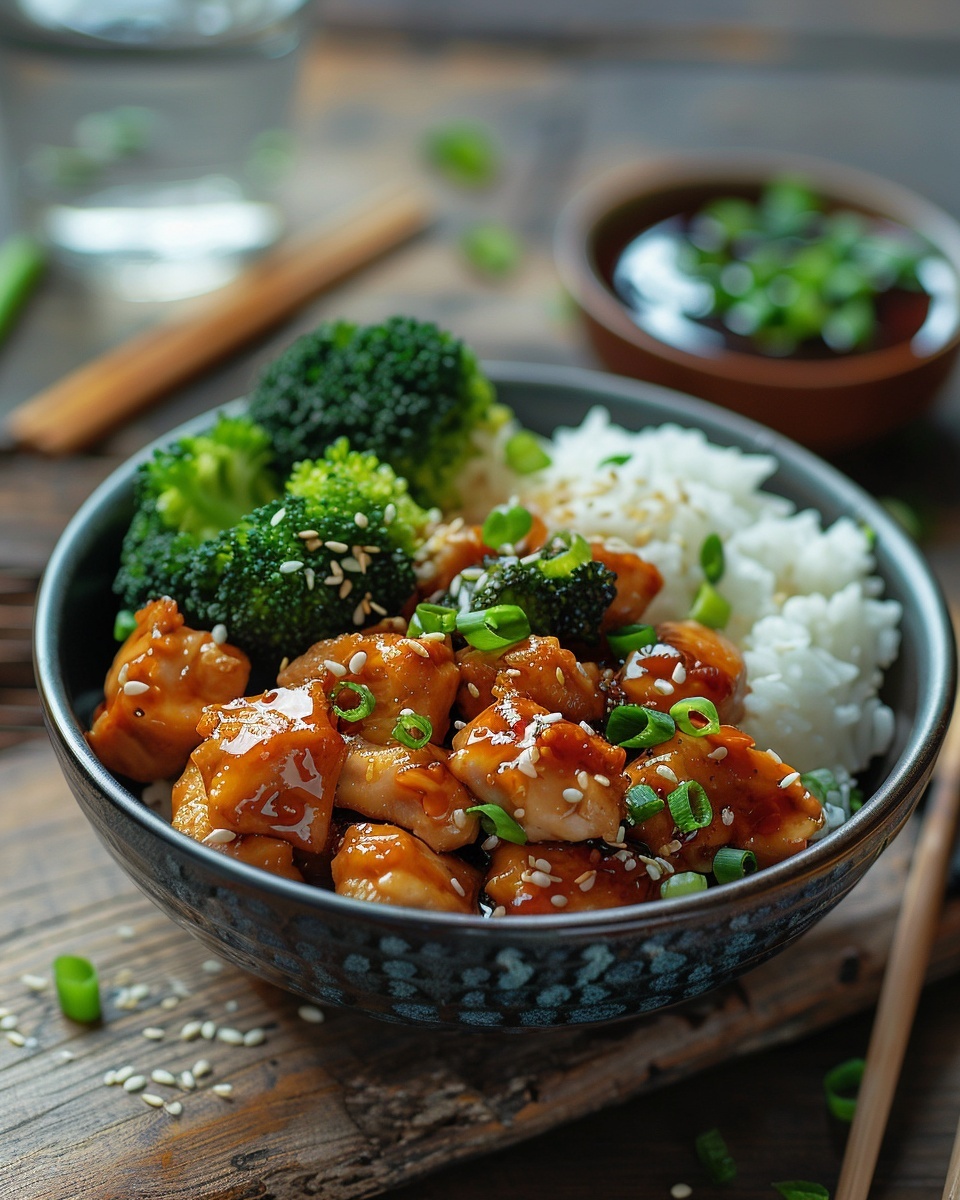
Why I Can’t Stop Making Teriyaki Chicken Bowls
Last Tuesday night, I stood in my kitchen at 7 PM with zero dinner plans and a fridge full of random ingredients. You know that feeling, right? I grabbed some chicken, spotted leftover rice, and remembered the bottle of teriyaki sauce hiding in my pantry. Twenty minutes later, I was eating one of the best meals I’d made all week. That’s when I realized the teriyaki chicken bowl is basically a kitchen superhero.
Welcome to my blog, where I share my love for delicious and healthy meals. Today, I’m excited to talk about the teriyaki chicken bowl, a popular dish that’s both tasty and versatile. This meal has saved me countless times when I needed something quick, filling, and actually good for me. I’ll cover everything from making it at home to finding the best teriyaki chicken bowl restaurant in Albuquerque and beyond.
The beauty of this dish is that it works for everyone. Maybe you’re counting calories. Perhaps you want something low carb. Or you just need dinner on the table fast. The teriyaki chicken bowl adapts to your life instead of the other way around.
What Goes into a Chicken Teriyaki Bowl?
Let’s start with the basics. A classic teriyaki chicken bowl typically includes grilled or stir-fried chicken, steamed rice, and a variety of vegetables like broccoli, carrots, and bell peppers, all drizzled with a sweet and savory teriyaki sauce. It’s that simple combination that makes it so good.
The chicken comes first. Most people use boneless, skinless chicken thighs or breasts. I prefer thighs because they stay juicier, but breasts work great if you’re watching fat content. You cut the chicken into bite-sized pieces, which helps it cook faster and soak up more sauce.
Then comes the rice. White rice is traditional, but I’ve used brown rice, jasmine rice, and even cauliflower rice when I want a low carb teriyaki chicken bowl. Each type brings something different to the table. More on that later.
The vegetables make this bowl shine. Here’s what I typically toss in:
- Broccoli florets for crunch and nutrients
- Sliced carrots for sweetness and color
- Bell peppers in red, yellow, or orange
- Snap peas when I can find them fresh
- Mushrooms for an earthy flavor
- Green onions sprinkled on top
You can also add some fun and unique ingredients, such as cabbage, to make it even more interesting. I actually love adding shredded cabbage because it adds texture and bulk without many calories. The teriyaki chicken bowl with cabbage version has become my go-to when I want something extra filling.
The teriyaki sauce ties everything together. Store-bought works fine, but homemade tastes better and lets you control the sugar. A basic teriyaki sauce combines soy sauce, mirin, sake or water, sugar, and ginger. Some recipes add garlic or sesame oil. It takes maybe five minutes to make from scratch.
Breaking Down the Nutrition
People always ask me about chicken teriyaki bowl calories. The honest answer is that it depends on how you build it. A typical restaurant serving runs between 600 and 900 calories. That might sound like a lot, but remember this is a complete meal with protein, carbs, and vegetables.
The chicken teriyaki bowl Jack in the Box version, for example, contains around 690 calories. Fast food versions tend to be higher in sodium and sugar compared to what you’d make at home. I’m not saying never eat them, but homemade gives you more control.
When I make mine at home using this breakdown, here’s roughly what I get per serving:
- 4 ounces of chicken breast: 180 calories
- 1 cup of white rice: 200 calories
- 2 cups of mixed vegetables: 60 calories
- 3 tablespoons of teriyaki sauce: 90 calories
That totals about 530 calories for a generous portion. Way better than most restaurant versions, and you’re getting more vegetables too.
If you want to drop the calories further, swap regular rice for cauliflower rice. That change alone saves you about 175 calories. Add more veggies and less rice. Use cooking spray instead of oil. These small tweaks add up fast.
Making the Perfect Stir Fry Version
The stir fry chicken rice bowl recipe is my favorite method because everything cooks in one pan. This saves time and dishes, which matters on busy weeknights.
Start by cooking your rice separately. While that’s going, heat a large skillet or wok over high heat. Add a little oil and let it get hot. Really hot. This is important for that restaurant-quality sear.
Toss in your chicken pieces. Don’t move them around too much. Let them sit and brown for about 3 minutes before flipping. Once they’re cooked through, remove them from the pan.
Now add your vegetables. The harder vegetables like carrots and broccoli go in first. They need more cooking time. Softer vegetables like cabbage and bell peppers come next. Everything should still have some crunch when you’re done.
Return the chicken to the pan. Pour in your teriyaki sauce and let everything simmer together for 2 minutes. The sauce will thicken and coat everything beautifully.
Serve this over your rice, and you’ve got a healthy chicken rice bowl recipe that tastes like takeout but costs way less.
Finding Great Teriyaki Bowls When You’re Out
Sometimes you don’t want to cook. I get it. When I’m traveling or just need a break from my kitchen, I look for good teriyaki chicken bowl restaurants.
If you’re searching for a teriyaki chicken bowl Albuquerque spot, look for places that make their sauce from scratch. The difference is huge. Chain restaurants are fine in a pinch, but local spots usually put more care into their food.
I check reviews for mentions of fresh ingredients and good portion sizes. Photos help too. You want to see bowls loaded with colorful vegetables, not just rice and sauce.
The teriyaki chicken rice bowl Food Network has featured shows some amazing restaurants across the country. These spots know what they’re doing. They often marinate their chicken overnight and use high-quality soy sauce. Some even grill their chicken over charcoal for that smoky flavor.
When eating out, don’t be shy about asking for modifications. Request extra vegetables. Ask for sauce on the side so you control how much goes on. Most places are happy to accommodate.


Is Chicken Teriyaki Bowl Healthy?
Now that you know where to find good teriyaki bowls and how to spot quality, let’s tackle the question I get asked more than any other: is this actually healthy food or am I just telling myself that?
Here’s the thing. A teriyaki chicken bowl can absolutely be a nutritious meal, but it really comes down to preparation. When I first started making these at home, I poured on teriyaki sauce like it was going out of style. Then I actually looked at the label on my store-bought bottle. Fifteen grams of sugar per two tablespoons. Yikes.
That’s when I switched to making my own sauce. My homemade version uses less sugar and adds fresh ginger for flavor instead of relying on sweetness alone. I cut the sugar down to about one tablespoon per half cup of sauce, compared to the four or five tablespoons in commercial brands. Your taste buds adjust faster than you’d think, and now the store-bought stuff tastes way too sweet to me.
The vegetables are where this bowl really earns its healthy reputation. When you load up on broccoli, peppers, and cabbage, you’re getting fiber, vitamins, and minerals without adding many calories. I try to make vegetables take up at least half my bowl. Sometimes more if I’m being honest about portion sizes.
Chicken provides lean protein that keeps you full for hours. I learned this the hard way after trying various stuffed shells recipes that left me hungry an hour later. Protein makes a real difference in staying satisfied. Four ounces of chicken breast gives you about 35 grams of protein, which is solid for a single meal.
The sodium is something to watch though. Soy sauce is loaded with salt, and even reduced-sodium versions pack quite a bit. If you’re watching your blood pressure or just trying to eat less salt, you can dilute your teriyaki sauce with water or use coconut aminos as a substitute. They taste similar but have way less sodium.
Funny enough, the rice is what trips people up most often. A cup of white rice isn’t terrible for you, but it’s mostly carbs without much nutritional value. Brown rice offers more fiber and nutrients. Personally, I rotate between different options depending on my mood and what else I’ve eaten that day.
For anyone tracking teriyaki chicken bowl calories seriously, weighing your portions makes a huge difference. I resisted getting a food scale for years because it seemed obsessive. But once I got one, I realized I was eating almost double the rice I thought I was. Those extra calories add up fast over a week.
When I want a truly low carb teriyaki chicken bowl, cauliflower rice is my go-to swap. I was skeptical at first because, come on, it’s not real rice. But if you season it well and get it crispy in the pan, it’s actually really good. Not the same as rice, but good in its own way. This trick also works great with dishes like chicken fajitas where you want to cut carbs without losing flavor.
The beauty of making this at home is total control. You decide how much sauce, what type of rice, and how many vegetables. Restaurant versions taste great, but they’re designed to taste great, not necessarily to be the healthiest option. They use more sugar, more salt, and often more oil than you’d use at home.
What is the Secret to Perfect Teriyaki Chicken?
Okay, let me share what changed my teriyaki chicken from pretty good to really excellent. It’s not complicated, but it matters.
The marinade is absolutely critical. I cannot stress this enough. When I’m in a rush and skip marinating, the chicken tastes fine but not special. When I marinate it properly, people ask me for the recipe.
My basic marinade combines a quarter cup of soy sauce, two tablespoons of mirin, one tablespoon of sake or dry white wine, one tablespoon of sugar, and fresh grated ginger about the size of your thumb. I whisk it all together, drop in my chicken pieces, and let them hang out in the fridge for at least an hour. Overnight is even better if you’re planning ahead.
The marinade does two things. First, it flavors the meat all the way through instead of just on the surface. Second, the sugar in the marinade helps create that gorgeous caramelization when you cook the chicken. That’s where the real flavor development happens.
By the way, if you’ve never used mirin before, it’s a sweet Japanese rice wine that you can find in most grocery stores now. It adds this subtle sweetness and depth that regular sugar just doesn’t match. Worth buying a bottle if you make Asian-inspired food regularly.
The cooking technique is the other half of the equation. High heat is your friend here. I heat my pan until a drop of water sizzles and evaporates immediately. Then I add just a touch of oil and lay in my chicken pieces.
Here’s where most people mess up. They move the chicken around too much. Put those pieces down and leave them alone for at least two or three minutes. You want a deep golden-brown sear on each side. That sear creates flavor through the Maillard reaction, which is just a fancy way of saying the sugars and proteins on the surface of the meat are browning and getting delicious.
If your chicken pieces are thick, you might need to finish them in the oven to cook through without burning the outside. I preheat my oven to 375 degrees and pop the pan in there for about five minutes after searing both sides. Works perfectly every time, similar to how I finish my lemon baked cod to keep it moist.
Once the chicken is cooked, I remove it from the pan and add my teriyaki sauce to the hot pan. It bubbles and thickens in about a minute. Then I return the chicken to coat it in that glossy, reduced sauce. This method gives you chicken that’s crispy on the outside but still juicy inside, covered in a sauce that actually sticks instead of sliding off.
Some people bake their teriyaki chicken instead of pan-searing it. That works fine and is definitely easier, but you lose that caramelized crust that makes restaurant teriyaki chicken so good. If you’re going for healthy and simple, baking is solid. If you want impressive flavor, take the extra ten minutes to sear it properly.
One more secret: let your chicken rest for a few minutes after cooking before you cut into it or add it to your bowl. This lets the juices redistribute through the meat instead of running out onto your cutting board. I learned this trick years ago and it applies to basically all meat cooking, whether you’re making teriyaki chicken or a taco casserole with seasoned ground meat.
The difference between okay teriyaki chicken and outstanding teriyaki chicken really comes down to these details. Marinate long enough. Get your pan hot enough. Don’t rush the searing. Let it rest. None of these steps are hard, but skipping them shows in the final result.
I’ve made this recipe probably fifty times by now, and I’m still finding little ways to improve it. Last week I added a tiny splash of sesame oil to my marinade and it added this wonderful nutty aroma. Next time I might try adding some crushed red pepper for heat. That’s the fun of cooking at home instead of ordering out every time you want a teriyaki chicken bowl.


What Kind of Rice Goes with Teriyaki Chicken?
Here’s where things get fun. I’ve experimented with so many different types of rice under my teriyaki chicken that my pantry looks like a rice museum at this point. The type of rice you choose completely changes the texture and sometimes even the flavor of your teriyaki chicken bowl.
Traditional Japanese restaurants stick with short-grain white rice. It’s slightly sticky, which actually helps when you’re eating with chopsticks because everything clumps together nicely. The mild flavor doesn’t compete with the teriyaki sauce, and it soaks up all that delicious glaze at the bottom of your bowl.
I used plain white rice for years without questioning it. Then one day I ran out and grabbed brown rice instead. Game changer. Brown rice has this nutty flavor that adds another dimension to the bowl. It’s also way better for you because the bran layer is still intact, giving you more fiber, vitamins, and minerals. Takes longer to cook though, about 45 minutes compared to 20 for white rice. I usually make a big batch on Sunday and keep it in the fridge all week.
Jasmine rice is my secret weapon when I want something a little special. If you’ve watched teriyaki chicken rice bowl Food Network shows, you’ve probably seen chefs using jasmine rice for its fragrant, almost floral aroma. It’s a long-grain rice that stays fluffy and separate, which creates a different texture than the stickier Japanese varieties. I love it when I’m adding lots of sauce because the grains stay distinct instead of turning mushy.
Basmati rice works too, especially if you’re already cooking Indian or Middle Eastern food that week and have some on hand. It’s even longer-grain than jasmine and has its own unique flavor. Not traditional for teriyaki at all, but honestly, who cares? If it tastes good to you, that’s what matters. I’ve learned that being too strict about authenticity in home cooking just limits your options.
When I’m feeling lazy on a weeknight, I turn to a proper stir fry chicken rice bowl recipe where everything happens in one pan. For this method, I actually use day-old rice that’s been sitting in my fridge. Fresh rice is too moist and gets gummy when you stir-fry it. Cold leftover rice has dried out just enough to get crispy and separated in the hot pan. This is the same technique Chinese restaurants use for fried rice, and it makes such a difference.
The one-pan method goes like this: cook your chicken and veggies as usual, push everything to the sides of the pan, and add your cold rice to the center. Let it sit without stirring for about two minutes so the bottom gets crispy. Then mix it all together with your teriyaki sauce. The rice picks up all the caramelized bits from the bottom of the pan, and you’ve got dinner in one dish with minimal cleanup.
For anyone counting carbs, I have to mention cauliflower rice again because it really does change the nutritional profile dramatically. A low carb teriyaki chicken bowl using cauliflower rice instead of regular rice drops you from about 200 calories and 45 grams of carbs down to maybe 25 calories and 5 grams of carbs. That’s massive if you’re watching those numbers.
I’ll be honest though. Cauliflower rice isn’t rice. It’s cauliflower pretending to be rice. Some days I’m totally fine with that, especially if I’ve been eating a lot of carbs and want to balance things out. Other days I want real rice and I don’t apologize for it. Listen to your body and what you actually want to eat, not just what you think you should eat.
Quinoa is another option I’ve tried. Technically it’s not rice at all, it’s a seed, but it works great as a base for your teriyaki chicken. Higher in protein than most grains, and it has all nine essential amino acids, which is pretty rare for plant foods. According to USDA research on food-based nutrition, quinoa provides more complete nutrition than many traditional grains. The slightly crunchy texture and earthy taste pair surprisingly well with teriyaki sauce. Just rinse it really well before cooking or it can taste bitter.
I even tried wild rice once, which is actually a grass seed, not true rice. It has this intense, almost tea-like flavor that’s pretty strong. Works if you’re in the mood for something bold, but it kind of fights with the teriyaki sauce for attention. I won’t be doing that again anytime soon, but hey, at least I tried.
Here’s a thought that might sound weird: sometimes I use half rice and half riced cauliflower mixed together. You get the satisfaction of real rice but with fewer calories and more vegetables. My kids can’t even tell the difference when I do this, which is a win in my book. They get extra veggies without knowing it.
If you’re genuinely pressed for time and need food now, grabbing a chicken teriyaki bowl Jack in the Box or from another fast food place is perfectly fine. I’m not going to pretend I’ve never done it. Life gets crazy and sometimes you need food fast. But remember that making it at home gives you control over the rice type, portion size, and quality of ingredients. Plus it costs way less. A homemade bowl runs me maybe three dollars per serving, while restaurant versions start around eight or nine dollars.
The rice you choose really should depend on what else you’re eating that day and what your goals are. Training for something athletic and need extra carbs? White rice gives you quick energy. Trying to manage blood sugar? Brown rice or cauliflower rice releases glucose more slowly. Want maximum flavor? Jasmine rice brings its own personality to the bowl.
I keep three types of rice in my pantry at all times now: white jasmine for when I want traditional, brown rice for everyday healthy eating, and a bag of frozen cauliflower rice for those low-carb moments. That way I can build exactly the teriyaki chicken bowl I’m craving on any given night without running to the store.
By the way, rice cookers are worth every penny if you eat rice regularly. I resisted getting one for years because I thought it was just another appliance taking up space. Then my sister bought me one for Christmas and I use it at least three times a week now. Perfect rice every single time with zero effort. You literally dump rice and water in, press a button, and walk away. It keeps the rice warm for hours too, which is great for busy households where everyone eats at different times.
The rice really is the foundation of your bowl, so it’s worth thinking about what works best for you. Don’t just default to whatever’s cheapest or most convenient. Try different types and see what you genuinely enjoy eating. When you’re excited about every component of your meal, you’re way more likely to stick with cooking at home instead of ordering out. And if you’re looking for more inspiration on building complete meals with similar techniques, check out other options in my collection of main dish recipes that focus on balanced, customizable bowls.
Wrapping This Up
Building your perfect teriyaki chicken bowl is really about understanding the components and then making them work for your life. Whether you’re team white rice or team cauliflower rice, whether you meal prep on Sundays or throw it together on a random Tuesday night, this bowl adapts to you. Start with one version, see what you like and what you’d change, then make it again better. That’s how you develop a recipe that becomes part of your regular rotation instead of something you try once and forget about.
Frequently Asked Questions
What goes into a chicken teriyaki bowl?
A basic teriyaki chicken bowl includes cooked chicken (usually thighs or breast), rice as the base, colorful vegetables like broccoli and bell peppers, and teriyaki sauce tying it all together. You can add extras like sesame seeds, green onions, or edamame. The beauty is in the customization based on what you have available and what you’re craving that day. Some people add a fried egg on top for extra protein and richness.
Is chicken teriyaki bowl healthy?
It absolutely can be, depending on how you build it. Homemade versions let you control sugar, sodium, and portion sizes, making them much healthier than restaurant versions. Load up on vegetables, use lean chicken, choose brown rice or cauliflower rice, and go easy on the sauce. A homemade bowl typically provides good protein, plenty of vitamins from vegetables, and reasonable calories. Watch the sodium in soy sauce if that’s a concern for you.
What is the secret to perfect teriyaki chicken?
Marinating the chicken for at least an hour makes a huge difference in flavor depth. The second secret is high heat and patience when searing. Let the chicken develop a caramelized crust without moving it around too much. Use a marinade with soy sauce, mirin, fresh ginger, and a bit of sugar for that authentic flavor. Finally, let the cooked chicken rest a few minutes before cutting so the juices stay in the meat instead of running out.
What kind of rice goes with teriyaki chicken?
Traditional Japanese restaurants use short-grain white rice because it’s slightly sticky and mild in flavor. Brown rice works great if you want more nutrients and fiber. Jasmine rice adds a fragrant, floral quality that’s really nice. For low-carb versions, cauliflower rice cuts calories significantly. Day-old rice works best if you’re making a stir fry chicken rice bowl recipe because it gets crispy in the pan instead of mushy.
How many calories are in a teriyaki chicken bowl?
Homemade versions typically range from 400 to 600 calories depending on portion sizes and ingredients used. Restaurant versions like the chicken teriyaki bowl Jack in the Box often hit 650 to 900 calories due to larger portions and more sauce. You can reduce calories by using cauliflower rice, loading up on vegetables, using less sauce, and choosing chicken breast over thighs. The vegetables add bulk and nutrition without adding many calories at all.
Can I meal prep teriyaki chicken bowls?
Absolutely, they’re perfect for meal prep. Cook your chicken, rice, and vegetables on Sunday, then store them in separate containers in the fridge. They’ll keep for four to five days. Keep the teriyaki sauce separate and add it when you’re ready to eat so nothing gets soggy. I usually prep three to four bowls at once, which covers my lunches for most of the week. Just reheat everything together and you’ve got a fresh-tasting meal in minutes.
What vegetables work best in a teriyaki bowl?
Broccoli, bell peppers, and carrots are classics that hold up well to cooking and add great color. Snap peas and edamame bring sweetness and protein. Mushrooms add an earthy depth. Cabbage is fantastic because it adds bulk and texture without many calories, making a teriyaki chicken bowl with cabbage extra filling. Really any vegetable you enjoy works fine. I’ve even added zucchini and asparagus when that’s what I had on hand.
Can I make teriyaki sauce at home?
Yes, and it’s surprisingly easy. Combine half a cup of soy sauce, quarter cup of mirin, two tablespoons of sake or water, two tablespoons of sugar, and fresh grated ginger. Simmer it for a few minutes until it thickens slightly. Homemade sauce lets you control sugar and sodium levels, plus it tastes fresher than bottled versions. You can also add garlic, sesame oil, or red pepper flakes to customize the flavor however you like.
Where can I find good teriyaki chicken bowls in restaurants?
Look for local Japanese or Asian fusion restaurants rather than chains when possible. Check reviews specifically mentioning fresh ingredients and homemade sauce. If you’re searching for a teriyaki chicken bowl restaurant in your area, look at photos to see if bowls are loaded with colorful vegetables or just rice and sauce. Don’t hesitate to ask if they make their sauce in-house. In cities like Albuquerque, you’ll often find family-owned spots that take real pride in their teriyaki preparation.
How do I make my teriyaki bowl more filling without adding calories?
Load up on low-calorie, high-volume vegetables like cabbage, broccoli, and bell peppers. Use cauliflower rice instead of regular rice to save about 175 calories per serving. Add extra chicken for more protein, which keeps you satisfied longer. Include foods with high water content like mushrooms and zucchini. You can also bulk up your bowl with bean sprouts or leafy greens that wilt down but add volume and nutrients without contributing many calories.
Teriyaki Chicken Bowl
Ingredients
Equipment
Method
- Cook your rice separately according to package instructions.
- Heat a large skillet or wok over high heat and add a little oil until hot.
- Add the chicken pieces to the pan and let them sit without moving for about 3 minutes to brown.
- Once browned, remove the chicken from the pan.
- Add the harder vegetables (carrots, broccoli) to the pan and cook for a few minutes.
- Add the softer vegetables (bell peppers, snap peas, mushrooms) and cook until they are still crisp.
- Return the chicken to the pan and pour in the teriyaki sauce, letting everything simmer for about 2 minutes.
- Serve the chicken and vegetables over the cooked rice.