
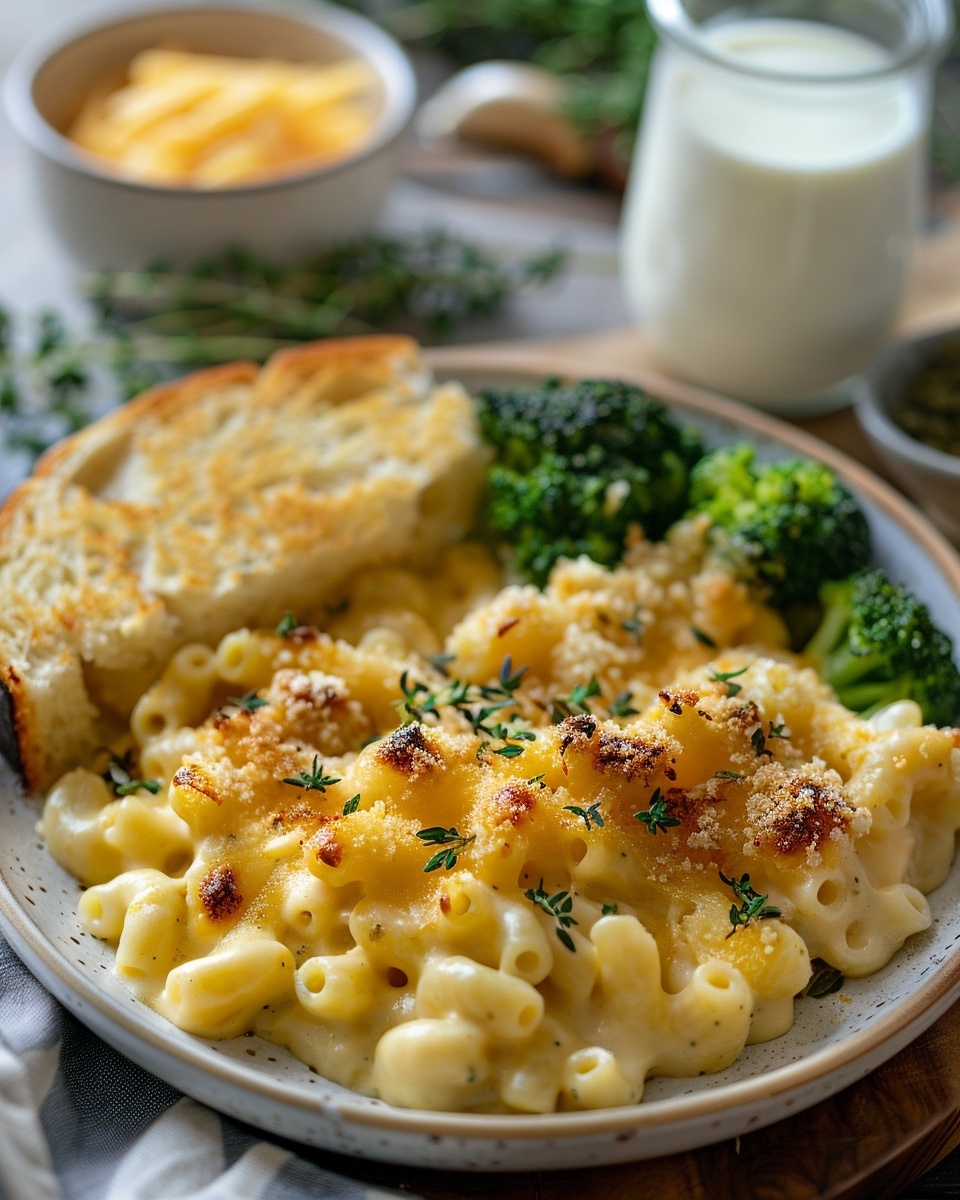
Welcome to My Mac and Cheese Journey!
I’ll never forget the first time I truly understood the power of mac and cheese. It was a rainy Tuesday evening, and I had just gotten home from the worst day at work. Cold, tired, and frankly a bit defeated, I opened my fridge to find nothing but a block of cheddar and some leftover pasta. What happened next changed everything. That simple bowl of homemade mac and cheese didn’t just fill my stomach. It wrapped me in a warm hug and reminded me why some foods earn the title of comfort food.
There’s something magical about the combination of tender pasta coated in rich, creamy cheese sauce. This dish has been warming hearts and filling bellies for generations. From busy weeknight dinners to fancy holiday spreads, mac and cheese shows up everywhere. Kids love it. Adults crave it. And honestly, who can blame us?
The beauty of this dish lies in its flexibility. You can whip up a super creamy mac and cheese in minutes on the stovetop. Or you can take your time with a baked mac and cheese recipe that comes out golden and bubbling. Some people stick to the classics while others add bacon, lobster, or truffle oil. The possibilities stretch as far as your imagination allows.
Today, I’m sharing everything I’ve learned about creating the perfect mac and cheese. We’ll explore different styles, from quick and easy baked mac and cheese to more creative versions inspired by chefs like Jamie Oliver. Whether you’re a beginner or a seasoned cook, you’ll find tips and tricks to make your next batch absolutely incredible.
What Makes the Perfect Mac and Cheese?
Creating outstanding mac and cheese comes down to three essential elements working together in harmony. Let me break down what really matters when you’re standing in your kitchen ready to cook.
The pasta forms your foundation. Most people reach for elbow macaroni because it’s traditional and holds sauce beautifully. But don’t limit yourself. Shells, cavatappi, and penne all work wonderfully. The key is choosing a shape with curves or ridges that grab onto the cheese sauce. I prefer medium-sized pasta because it gives you the perfect pasta-to-cheese ratio in every bite.
The cheese selection determines whether your dish becomes memorable or forgettable. This isn’t the time to use pre-shredded bags from the store. Those contain anti-caking agents that prevent smooth melting. Buy blocks of cheese and shred them yourself. The few extra minutes pay off big time.
So what’s the best cheese for mac and cheese? Here’s what I’ve discovered through lots of testing:
- Sharp cheddar gives you that classic tangy flavor everyone recognizes
- Gruyere adds a nutty, sophisticated taste and melts like a dream
- Fontina brings creaminess and mild flavor that balances sharper cheeses
- Monterey Jack melts smoothly and adds subtle richness
- Parmesan works great as a finishing touch for extra depth
My secret? Never use just one cheese. A combination creates layers of flavor that make people ask for your recipe. I typically blend three different cheeses for the best baked mac and cheese results. Try mixing sharp cheddar with gruyere and a touch of cream cheese for incredible creaminess.
The sauce brings everything together. A proper cheese sauce starts with a roux, which is just butter and flour cooked together. This creates a base that thickens your milk into a luscious sauce. Add your cheese gradually while stirring constantly. The sauce should coat the back of a spoon but still pour easily. Too thick and it becomes gluey. Too thin and it won’t stick to your pasta.
Here are my tips for achieving perfect texture and flavor:
- Cook your pasta one minute less than the package directions suggest. It continues cooking in the oven
- Warm your milk before adding it to the roux. Cold milk creates lumps
- Season generously with salt, pepper, and a pinch of nutmeg. That nutmeg is my secret weapon
- Add cheese off the heat to prevent it from breaking and becoming grainy
- Don’t skimp on the cheese. This isn’t the time for moderation
Temperature control matters more than most people realize. Low and slow wins the race. High heat causes cheese proteins to seize up and separate from the fat. You end up with a greasy, grainy mess instead of super creamy mac and cheese.
Jamie Oliver’s Take on Mac and Cheese
When I first tried mac and cheese jamie oliver style, I was skeptical. Could a British chef really nail this American classic? Turns out, he absolutely can. His approach brings fresh ideas while respecting what makes this dish special.
Jamie’s philosophy centers on using quality ingredients and not overthinking the process. He keeps things simple but adds smart touches that elevate the whole dish. His recipes typically call for a mix of strong cheddar and softer cheeses. He’s not afraid of bold flavors.
What sets his version apart is the addition of ingredients you might not expect. He often includes:
- Fresh thyme or rosemary for an herbal note
- A touch of mustard powder to amplify the cheese flavor
- Breadcrumbs mixed with herbs for extra crunch on top
- Sometimes a handful of spinach or tomatoes for color and nutrition
His method stays straightforward. Cook the pasta, make a cheese sauce with good butter and whole milk, combine everything, and bake until golden. The magic happens in the details. He emphasizes tasting as you go and adjusting seasonings. Not enough flavor? Add more cheese or a splash of Worcestershire sauce.
One Jamie Oliver trick I’ve adopted is finishing the dish under the broiler for the last few minutes. This creates an incredibly crispy, golden top that contrasts beautifully with the creamy mac and cheese recipe underneath. Just watch it carefully because the line between perfect and burnt is thin.
His recipes prove that comfort food can be both simple and special. You don’t need fancy techniques or expensive equipment. Just good ingredients, a bit of attention, and genuine care for what you’re making.


Easy Baked Mac and Cheese: A Quick and Simple Version
Now that we’ve covered the foundations and explored Jamie’s creative approach, let me share my go-to recipe for those nights when you need comfort food fast. This easy baked mac and cheese takes about 30 minutes total and uses ingredients you probably already have sitting in your pantry.
Here’s the thing about weeknight cooking—nobody has time for complicated techniques or obscure ingredients. My streamlined version skips some traditional steps without sacrificing that rich, satisfying taste. I developed this recipe during a particularly hectic month when I was working late every night but still wanted real food on my table.
Start by preheating your oven to 375°F. While it heats up, cook 1 pound of elbow macaroni in salted boiling water for about 6 minutes. You want it very al dente because it’ll finish cooking in the oven. Drain it and set aside.
For the sauce, melt 4 tablespoons of butter in your pasta pot over medium heat. Sprinkle in 4 tablespoons of flour and whisk constantly for about a minute. This quick roux doesn’t need to get golden—just cook out that raw flour taste. Slowly pour in 3 cups of whole milk while whisking. Keep stirring until the mixture thickens enough to coat your spoon, maybe 4 or 5 minutes.
Take the pot off the heat and stir in your cheese. I use 3 cups of shredded sharp cheddar and 1 cup of shredded mozzarella for this version. The cheddar brings flavor while the mozzarella adds that perfect stretchy texture kids absolutely love. Season with a teaspoon of salt, half a teaspoon of pepper, and a pinch of garlic powder. Mix in the cooked pasta until every piece gets coated.
Transfer everything to a greased 9×13 baking dish. Sprinkle another cup of shredded cheddar on top—because more cheese is never wrong. Bake for 20 minutes until the top turns golden and you can see it bubbling around the edges. Let it rest for 5 minutes before serving, though I’ll admit I rarely have that kind of patience.
Making this kid-friendly is actually super simple. Most children already love plain mac and cheese, but sometimes they get suspicious of anything that looks different. My niece refused to eat my version until I started calling it “princess pasta” and letting her help sprinkle the cheese on top. Funny how a little participation changes everything.
If you’re dealing with picky eaters, keep the cheese mild. Skip pepper or any visible seasonings that might cause concern. You can also bake individual portions in ramekins, which somehow makes the exact same food way more exciting. Kids are weird like that.
By the way, this recipe doubles beautifully if you’re feeding a crowd or want leftovers. I often make two pans on Sunday and keep one for lunches throughout the week. It reheats surprisingly well in the microwave with a splash of milk to loosen it up.
Super Creamy Mac and Cheese: The Ultimate Indulgence
Let’s talk about taking things to the next level. Sometimes you want mac and cheese that’s so super creamy mac and cheese that it almost feels wrong. This is not diet food. This is pure indulgence for days when you need maximum comfort.
The secret to achieving that velvety, luxurious texture lies in your ingredient choices and technique. First off, forget about low-fat anything. Whole milk at minimum, but heavy cream takes you to another dimension entirely. I usually use 2 cups of whole milk and 1 cup of heavy cream for my creamy mac and cheese recipe.
Cheese selection matters even more when you’re aiming for supreme creaminess. You want cheeses that melt smoothly without getting stringy or separating. Here’s what works best in my experience—sharp white cheddar for flavor, Gruyère for that silky melt, and here’s my secret weapon: cream cheese. Just 4 ounces of cream cheese stirred into your sauce creates this impossibly smooth texture that regular cheese alone can’t achieve.
I learned this trick from a chef I used to work with who made the most incredible creamy baked mac and cheese I’d ever tasted. She told me that cream cheese acts as an emulsifier, helping everything blend together without breaking. Plus it adds this subtle tang that balances all the richness.
Temperature control becomes absolutely critical when you’re working with this much dairy and cheese. Keep your heat at medium or below. Rushing with high heat will give you a greasy, separated mess instead of silky perfection. Stir frequently and be patient. The extra five minutes of stirring makes all the difference between good and extraordinary.
Another technique that elevates creaminess—add a splash of pasta cooking water to your cheese sauce. That starchy water helps the sauce cling to every noodle and creates a glossy finish. Professional pasta chefs always save some pasta water, and now you know why.
For the ultimate creamy version, I also fold in a dollop of sour cream right before baking. Sounds strange maybe, but it adds depth and keeps everything moist during baking. The tangy note cuts through the richness and prevents that “too heavy” feeling.
One more thing about achieving perfect creaminess—don’t overbake. As soon as the edges bubble and the top gets golden, pull it out. Every extra minute in the oven dries out your beautiful sauce. I set a timer and hover near the oven for the last few minutes because I’ve learned this lesson the hard way too many times.
Best Baked Mac and Cheese: Top Picks and Reviews
Over the years, I’ve tried probably fifty different baked mac and cheese recipe variations. Some were fantastic. Others ended up in the trash. Let me share my top discoveries and what makes each one special for different occasions.
The gourmet version I make for dinner parties includes lobster and white truffle oil. Sounds fancy because it is, but honestly it’s not much harder than regular mac and cheese. You just fold in cooked lobster chunks before baking and drizzle a tiny bit of truffle oil over each serving. The combination of sweet lobster, sharp aged cheddar, and earthy truffle creates something restaurant-worthy. Guests always ask for the recipe, and I love watching their faces when they realize it’s basically elevated comfort food.
For family-style gatherings, nothing beats the bacon and jalapeño version. Cook a pound of bacon until crispy, crumble it, and mix it into your standard recipe along with diced jalapeños. The smoky, spicy, cheesy combination hits every flavor note. My brother requests this specific version for every holiday now. It’s become our family tradition, much like these spicy noodles with cumin and beef that also bring bold flavors to the table.
Here’s a comparison of different styles I’ve perfected:
The classic comfort style sticks with sharp cheddar and elbow macaroni. Nothing fancy, just pure nostalgia. This works perfectly for potlucks or when you’re cooking for people who prefer traditional flavors. Top it with buttered breadcrumbs for textural contrast. Simple, reliable, always satisfying.
The Southern soul food version uses a combination of sharp and mild cheddar with Velveeta—yes, really. Before you judge, hear me out. That processed cheese adds an ultra-smooth texture that pure cheese can’t match. Southern grandmas knew what they were doing. This version also includes eggs mixed into the sauce, creating an almost custard-like consistency. Bake it low and slow until it sets up firm enough to cut into squares.
The Italian-inspired twist replaces some cheddar with fontina, mozzarella, and parmesan. Add sun-dried tomatoes and fresh basil. Use penne instead of elbows. Suddenly your mac and cheese tastes like it came from a trattoria. This variation pairs incredibly well with other pasta dishes, similar to how you might enjoy spaghetti bolognese with different ingredient combinations.
Want to elevate your best baked mac and cheese game? Try these advanced techniques that separate good from exceptional. First, brown your butter before making the roux. This adds a nutty, complex flavor that regular butter can’t provide. Takes an extra three minutes and transforms the entire dish.
Second, layer your cheese instead of mixing it all into the sauce. Put half the pasta in your baking dish, add a layer of cheese chunks, then the remaining pasta, then pour your sauce over everything. This creates pockets of melted cheese throughout instead of uniform coverage. Every bite becomes a surprise.
Third, finish with a panko topping mixed with melted butter, grated parmesan, and fresh thyme. The herbs add an unexpected freshness that cuts through all that richness. Toast this topping separately in a skillet before sprinkling it over your mac and cheese for the last five minutes of baking. The extra step gives you phenomenal crunch, much like the careful layering of flavors you’d find in cajun shrimp pasta where each component adds something special.
Funny enough, my most popular version doesn’t use any of these fancy tricks. It’s actually my “everything but the kitchen sink” mac and cheese that uses up whatever cheese scraps I have in the fridge. Some gouda, a bit of Swiss, leftover parmesan, whatever. Mix it all together with the basic technique and somehow it always turns out amazing. There’s something about combining random cheeses that creates unexpected depth.
The key takeaway from testing all these variations? There’s no single “best” recipe. The best mac and cheese is the one that makes you happy in that specific moment. Sometimes you need quick and simple. Other times you want to spend an hour creating something spectacular. Both approaches are completely valid, and honestly, both taste incredible when you make them with care and good ingredients.


Creamy Baked Mac and Cheese: Combining the Best of Both Worlds
Here’s where things get really interesting. Most people think you have to choose between stovetop creaminess and baked mac and cheese’s crispy top. But what if I told you that you can have both? This creamy baked mac and cheese approach has become my signature move, and honestly, once you master it, you’ll never go back to choosing one over the other.
The challenge with baking mac and cheese has always been preventing it from drying out. That oven heat evaporates moisture, leaving you with a crusty dish that looked promising but tastes disappointing. I learned this the hard way during my first Thanksgiving when I confidently made mac and cheese for twenty people. It came out of the oven looking gorgeous but tasted like cardboard covered in cheese-flavored dust. Mortifying doesn’t even begin to describe it.
So what’s the solution? You need to overcompensate with moisture at the beginning. Make your cheese sauce slightly thinner than you think it should be. When you can pour it easily and it seems almost too liquid, that’s perfect. The pasta absorbs liquid while baking, and that extra sauce becomes your insurance policy against dryness.
I also cover my baking dish with aluminum foil for the first 20 minutes. This traps steam and keeps everything moist while the pasta finishes cooking through. Then I remove the foil for the last 10-15 minutes to let that top get golden and crispy. Best of both worlds, exactly like I promised.
Another trick involves adding an extra splash of heavy cream right before the dish goes into the oven. Just drizzle about half a cup over the top without stirring it in. As it bakes, this cream seeps down through the pasta, creating pockets of extra richness. My friend Sarah swears this technique changed her life, which might be dramatic but I totally get it.
Temperature matters here too. Bake at 350°F instead of the higher temperatures some recipes suggest. Lower heat takes a bit longer but gives you way more control. The sauce heats through gently without breaking or separating. Those extra fifteen minutes are absolutely worth the wait for achieving that perfect creamy mac and cheese recipe that also happens to be baked.
Want to make this even more spectacular? Try these variations that work beautifully with the creamy baked method. Buffalo chicken mac and cheese brings serious flavor. Toss shredded rotisserie chicken with buffalo sauce and fold it into your mac before baking. Top with blue cheese crumbles and you’ve got something that tastes like your favorite wings but in comfort food form.
The caramelized onion and mushroom version appeals to people who want something a bit more sophisticated. Sauté sliced mushrooms and thinly sliced onions until they’re deeply golden and sweet. Mix them throughout your mac and cheese along with fresh thyme. It’s earthy, rich, and feels like something you’d order at an upscale restaurant.
For a breakfast twist—and yes, this sounds weird but trust me—add crispy bacon, diced ham, and fold in some scrambled eggs. Bake it in a casserole dish and you’ve basically created the ultimate brunch food. Serve it alongside fruit salad and watch it disappear faster than anything else on the table.
Here are my essential tips for nailing creamy baked mac and cheese every single time:
- Use a combination of cheeses that melt at different rates for complex texture
- Add a tablespoon of cornstarch mixed with milk to prevent separation during baking
- Let the dish rest for 10 minutes after removing from the oven so the sauce can thicken up
- If it looks dry halfway through baking, don’t panic—just add more cream or milk around the edges
- Invest in a good quality baking dish that distributes heat evenly
By the way, the type of baking dish actually affects your results more than you’d think. Glass dishes heat more slowly but retain heat longer. Metal pans heat quickly and give you crispier edges. I prefer ceramic because it’s the happy medium, plus it goes straight from oven to table looking pretty.
Mac and Cheese Recept: A Global Perspective
One of my favorite things about traveling has been discovering how different cultures interpret mac and cheese. This dish isn’t just an American thing anymore. It has spread across the globe and picked up interesting flavors along the way. Each place adds its own twist while keeping that essential comfort food soul intact.
In Japan, I tried a version that included mentaiko, which is spicy cod roe. Sounds bizarre, but the creamy, slightly spicy, briny flavor worked incredibly well with mild cheese and pasta. They also added nori flakes on top for a hint of ocean flavor. It challenged everything I thought I knew about mac and cheese, and I loved every bite.
The mac and cheese street kitchen scene in London offers another fascinating take. Street vendors serve it in paper cups with various toppings you choose yourself. Think pulled pork, jalapeños, crispy onions, or even curry sauce. It’s fast food elevated to something creative and personal. Standing on a rainy street corner eating mac and cheese from a cup somehow felt both completely wrong and absolutely perfect.
European versions often lean toward stronger, more pungent cheeses. In France, they might use Comté or Roquefort. The Dutch version I encountered used aged Gouda with mustard. These aren’t subtle flavors—they’re bold and unapologetic. The mac and cheese recept differs significantly from American versions but shares that same spirit of cheese-covered carbs making everything better.
Mexican-inspired mac and cheese has become hugely popular, and I completely understand why. Mix in roasted poblano peppers, cotija cheese, cilantro, and lime juice. Top it with crushed tortilla chips instead of breadcrumbs. Suddenly your mac and cheese tastes like the world’s best queso fundido. I make this version when I want something familiar but exciting.
Indian flavors work surprisingly well too. I once added garam masala, turmeric, and paneer to mac and cheese. Served it with naan bread on the side. My Indian neighbor told me it reminded her of a dish her grandmother used to make, which felt like the highest compliment. The warm spices complemented the cheese in ways I never expected.
Here’s how to incorporate global flavors into your next batch without it feeling forced or weird. Start with your basic creamy mac and cheese recipe as the foundation. Then add just one or two elements from another cuisine. Don’t go overboard trying to add everything at once. Restraint is key.
For example, Korean-inspired mac and cheese might include gochugaru pepper flakes for heat and kimchi for tang. That’s it—just two additions transform the whole dish. Or go Mediterranean with sun-dried tomatoes, kalamata olives, and feta cheese crumbled on top. Simple changes create big flavor shifts.
Thai flavors bring something special to mac and cheese too. A spoonful of red curry paste stirred into your cheese sauce adds complexity and heat. Top with crushed peanuts and fresh basil. It sounds like fusion food gone wrong, but somehow it works beautifully. The sweet, spicy, creamy combination hits all the right notes.
Middle Eastern spices like za’atar, sumac, or even a tiny bit of harissa paste can transform your dish. I learned this from a chef who emphasized that food quality standards matter when you’re experimenting with bold spices—using fresh, properly stored spices makes all the difference in flavor development.
The key to successful fusion mac and cheese is respecting both the original dish and the flavors you’re adding. Don’t just throw random ingredients together hoping for the best. Think about how flavors work together. Creamy cheese needs something to cut through the richness—acid, heat, or herbs usually do the trick.
Funny enough, my most successful international version came from a complete accident. I was making regular mac and cheese but only had harissa in the fridge instead of hot sauce. Added it without thinking. The result tasted like something I’d pay good money for at a restaurant. Sometimes happy accidents teach you more than careful planning.
If you’re exploring different cultural approaches to pasta dishes, you’ll find endless inspiration across various cuisines. The pasta and noodles category offers countless ways to think about combining carbs, sauce, and creative ingredients from around the world.
FAQ
What are the best cheeses for mac and cheese?
Sharp cheddar forms the backbone of most great mac and cheese because it delivers strong flavor and melts well. Gruyere adds nutty complexity and smooth texture. Fontina brings creaminess without overpowering other flavors. For the best cheese for mac and cheese results, combine at least two or three varieties. Cream cheese works as a secret weapon for extra smoothness. Avoid pre-shredded cheese since it contains anti-caking agents that prevent proper melting.
How can I make my mac and cheese extra creamy?
Use whole milk or heavy cream instead of low-fat options. Add a block of cream cheese to your sauce for silky texture. Keep your heat low to prevent the cheese from breaking and becoming grainy. Stir in a splash of pasta cooking water to help the sauce cling better. Don’t overbake if you’re making super creamy mac and cheese—pull it from the oven as soon as it’s hot and bubbly. A dollop of sour cream folded in right before baking also adds incredible creaminess.
Can I make mac and cheese ahead of time?
Absolutely, and it actually saves you stress when hosting. Prepare everything up to the point of baking, then cover tightly and refrigerate for up to 24 hours. When ready to bake, let it sit at room temperature for 30 minutes, then add an extra 10-15 minutes to the baking time. You can also freeze unbaked mac and cheese for up to three months. Thaw it overnight in the fridge before baking. The texture might be slightly different but still delicious.
What are some good add-ins for mac and cheese?
Crispy bacon adds smoky, salty crunch that everyone loves. Roasted vegetables like broccoli or cauliflower sneak in nutrition without sacrificing comfort. Pulled pork or shredded chicken turns mac and cheese into a complete meal. Jalapeños or hot sauce bring heat for those who like it spicy. Caramelized onions add sweet depth. Honestly, mac and cheese is incredibly forgiving—most ingredients you enjoy will probably work well mixed in.
How do I store leftover mac and cheese?
Transfer cooled mac and cheese to an airtight container and refrigerate within two hours of cooking. It keeps well for three to five days in the fridge. Reheat individual portions in the microwave with a splash of milk to restore creaminess. For larger amounts, reheat covered in a 350°F oven until warmed through. You can freeze mac and cheese for up to three months, though the texture becomes slightly grainy after freezing. Thaw in the refrigerator overnight before reheating.
Is there a way to make mac and cheese healthier?
Use whole wheat pasta for added fiber and nutrients. Reduce the cheese slightly and bulk up the dish with pureed butternut squash or cauliflower mixed into the sauce. Greek yogurt can replace some of the cream while adding protein. Choose reduced-fat cheese if you must, though it won’t melt as smoothly. Add vegetables like spinach, peas, or roasted tomatoes for vitamins. Even small swaps make a difference without totally sacrificing that comforting taste you’re craving.
Why does my mac and cheese turn out dry?
Your sauce probably wasn’t liquid enough before baking, or you baked it too long at too high a temperature. Always make your sauce slightly thinner than you think it should be—the pasta absorbs a lot while baking. Cover the dish with foil for most of the baking time to trap moisture. Don’t skip the resting period after removing from the oven, which lets the sauce redistribute. If it looks dry halfway through, pour a bit more milk or cream around the edges.
Can I use different pasta shapes besides elbow macaroni?
Definitely, and experimenting with shapes keeps things interesting. Shells trap cheese sauce in their curves beautifully. Cavatappi’s spiral shape holds onto sauce while looking fancy. Penne works great for chunkier, heartier versions. Avoid long pastas like spaghetti since they don’t mix well with thick cheese sauce. Medium-sized shapes with ridges, curves, or holes work best because they grab and hold the sauce in every bite. Just maintain the same pasta-to-sauce ratio regardless of shape.
What’s the difference between stovetop and baked mac and cheese?
Stovetop mac and cheese stays creamier and comes together faster, making it perfect for weeknight dinners. Baked versions develop a golden, crispy top and allow for more complex flavor development through longer cooking. Baked also works better for feeding crowds since you can make it ahead. Some people prefer the uniform creaminess of stovetop while others love the textural contrast of baked mac and cheese recipe styles. Both are delicious—it really depends on your mood and timeline.
How do I prevent my cheese sauce from becoming grainy?
Keep your heat low or medium-low when making the sauce—high heat causes proteins to seize up and separate. Add cheese gradually while stirring constantly, and always add it off direct heat. Use freshly shredded cheese from a block rather than pre-shredded. Warm your milk before adding it to the roux to prevent temperature shock. A pinch of cornstarch mixed into your shredded cheese helps it melt smoothly. If your sauce does break, sometimes whisking in a splash of cold milk can bring it back together.
Making mac and cheese that truly satisfies comes down to understanding a few key principles and then making the dish your own. Whether you follow a traditional mac and cheese jamie oliver approach or experiment with international flavors, the most important ingredient is always the care you put into cooking. Don’t be afraid to try new combinations, adjust recipes to your taste, and most importantly, enjoy the process. Every batch teaches you something new, and even the ones that don’t turn out perfect still taste pretty darn good when you’re sharing them with people you love.
Mac and Cheese
Ingredients
Equipment
Method
- Preheat your oven to 375°F.
- Cook the elbow macaroni in salted boiling water for about 6 minutes until very al dente. Drain and set aside.
- Melt butter in the pasta pot over medium heat.
- Whisk in flour and cook for about a minute.
- Gradually pour in the milk while whisking constantly until the mixture thickens enough to coat the back of a spoon.
- Remove the pot from heat and stir in cheddar and mozzarella cheeses until melted and smooth.
- Season with salt, pepper, and garlic powder.
- Mix in the cooked pasta until well coated.
- Transfer the mixture to a greased 9x13 baking dish.
- Sprinkle additional shredded cheddar on top.
- Bake for 20 minutes until the top is golden and bubbling.
- Let it rest for 5 minutes before serving.