
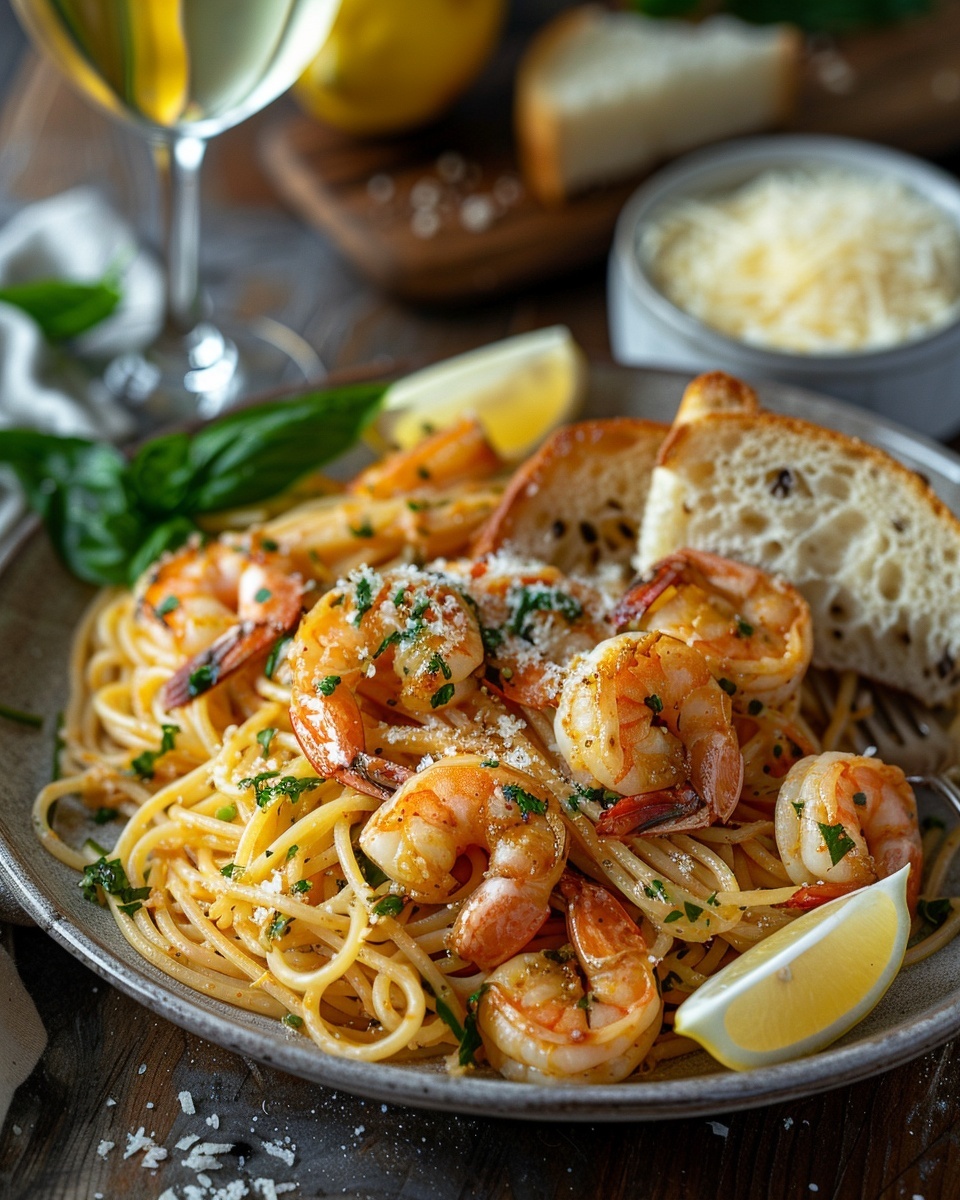
Introduction: My Love Affair with Shrimp Pasta
I still remember the first time I made shrimp pasta on a random Tuesday night. I was tired, hungry, and had about 30 minutes before my stomach would stage a full revolt. I threw some shrimp in a pan, tossed in garlic, added pasta, and somehow created something that tasted like it came from an Italian restaurant. That moment changed everything for me. Since then, shrimp pasta has become my go-to dinner when I need something fast, impressive, and absolutely delicious.
Here’s what I love most about shrimp pasta: it’s nearly impossible to mess up. The shrimp cooks in minutes, the pasta is forgiving, and you can dress it up or down depending on what’s in your fridge. I’ve made it for date nights, family dinners, and those nights when I’m eating alone in my pajamas watching my favorite show. It works every single time.
Today I’m sharing my favorite shrimp pasta recipes that have saved me countless times. These aren’t complicated restaurant dishes that need 20 ingredients and three hours of prep. These are real recipes for real people who want real food that tastes amazing. Whether you’re cooking for picky kids, trying to impress someone special, or just want to treat yourself, I’ve got you covered.
Easy Shrimp Pasta Recipes That Anyone Can Make
Let’s talk about easy shrimp pasta first. I’m a firm believer that cooking shouldn’t stress you out. When I started making these recipes, I had barely any cooking skills. I burned rice regularly and thought garlic powder was fancy. If I can make these dishes, trust me, you absolutely can too.
The beauty of shrimp pasta recipes easy versions is that they rely on a simple formula. You need pasta, shrimp, some kind of sauce base, and flavor boosters like garlic or lemon. That’s it. Everything else is just extra credit. I keep these ingredients stocked in my kitchen because I know I can throw together a meal in less time than it takes to order delivery.
My basic approach starts with cooking the pasta according to package directions. While that’s happening, I season the shrimp with salt and pepper. Nothing fancy here. Then I heat olive oil in a large pan and cook the shrimp for about 2 minutes per side. They turn pink when they’re done. I remove them from the pan and build my sauce in the same pan. This way you keep all those good shrimp flavors.
Healthy shrimp pasta recipes are easier than you might think. Shrimp is naturally low in calories and high in protein. One serving has about 20 grams of protein and less than 100 calories. That’s impressive for something that tastes this good. I swap heavy cream for Greek yogurt sometimes, use whole wheat pasta, and load up on vegetables. Spinach, cherry tomatoes, and zucchini work great. You still get creamy, filling pasta without feeling like you need a nap afterward.
Quick Tips for Perfect Shrimp Pasta Every Time
I learned these lessons the hard way, so you don’t have to. First, don’t overcook your shrimp. This was my biggest mistake when I started. Overcooked shrimp turns rubbery and tough. You want them just pink and slightly firm. They cook fast, usually 4 to 5 minutes total. Set a timer if you need to.
Second, save some pasta water before you drain it. I can’t stress this enough. That starchy water is liquid gold for your sauce. It helps everything come together and stick to the pasta. I usually save about a cup. You might not need all of it, but it’s better to have it than wish you did.
Third, don’t rinse your pasta after draining it. I see people do this all the time. That starch on the pasta helps the sauce cling to it. Rinsing it away means your sauce just slides off. Drain it, shake it a few times, and add it straight to your sauce.
Here’s my shopping list for a basic easy shrimp pasta:
- 1 pound of shrimp (peeled and deveined saves time)
- 12 ounces of pasta (linguine, spaghetti, or penne all work)
- 4 cloves of garlic (fresh is better but jarred works too)
- Olive oil or butter
- Salt and pepper
- Red pepper flakes (optional but recommended)
- Fresh lemon
- Parmesan cheese
With these ingredients, you can make at least five different pasta dishes. I buy shrimp frozen because it’s cheaper and keeps longer. Just thaw it in the fridge overnight or run cold water over it for 10 minutes. Both methods work fine.
What Makes Shrimp Pasta So Special
I think shrimp pasta hits that perfect sweet spot between comfort food and something that feels a little fancy. When my friends come over and I serve them creamy garlic shrimp pasta, they think I spent hours in the kitchen. They don’t need to know it took me 20 minutes and one pot.
Shrimp also soaks up flavors like a sponge. Whether you’re making cajun shrimp pasta with spicy seasoning or creamy lemon garlic shrimp pasta with bright, fresh flavors, the shrimp takes on whatever you give it. This makes it super versatile. You can match it to your mood, the season, or what’s in your pantry.
The texture combination is another winner. You get tender pasta, juicy shrimp, and usually some kind of silky sauce. Each bite has different elements that work together. Add some fresh herbs or a squeeze of lemon at the end, and suddenly you’ve got restaurant-quality food at home.
I also love that shrimp pasta works for different eating styles. Making it lighter and healthier? Load up the vegetables and use less oil. Want something rich and indulgent? Go for shrimp pasta alfredo with plenty of cream and cheese. Craving something with a kick? Try tomato shrimp pasta with red pepper flakes and fresh basil. The base recipe adapts to whatever you need.


Creamy Shrimp Pasta Variations That’ll Make You Feel Like a Chef
Since we’re already talking about versatility, let me tell you about the creamy versions that honestly changed my weeknight dinner game forever. There’s something about creamy garlic shrimp pasta that just hits different. Maybe it’s the way the sauce coats every strand of pasta, or how the garlic flavor mellows out in the cream. Whatever it is, these recipes became my secret weapon for when I needed to feel fancy without actually putting in fancy effort.
I remember the first time I attempted a cream-based sauce. I was terrified I’d end up with some weird separated mess. Spoiler alert: I totally did the first time. But here’s what I learned: cream sauces are actually pretty forgiving once you understand the basics. The key is keeping your heat at medium and being patient. Rushing it never works out well, trust me on this one.
How to Make Creamy Garlic Shrimp Pasta That Actually Works
My go-to creamy garlic shrimp pasta recipe starts with way more garlic than seems reasonable. I’m talking six or seven cloves here, not the wimpy two cloves some recipes suggest. Life’s too short for bland pasta, right? I mince all that garlic and set it aside while I cook my shrimp in butter. Yes, butter. This isn’t the time for olive oil because butter adds this richness that you just can’t replicate.
Once my shrimp turns pink and beautiful, I take them out and toss that garlic into the same pan. The smell at this point is absolutely incredible. My neighbors probably think I run an Italian restaurant out of my apartment. I cook the garlic for maybe a minute, just until it gets fragrant but not brown. Brown garlic tastes bitter and nobody wants that.
Then comes the cream. I use heavy cream because when I’m making creamy lemon garlic shrimp pasta, I’m not playing around. Pour in about a cup and let it simmer gently. This is where you need to resist the urge to crank up the heat. Medium heat keeps everything smooth and prevents the cream from breaking. While it’s simmering, I add a good handful of grated Parmesan cheese. The real stuff, not the powdery kind from a green can. It makes a difference.
Here’s where it gets interesting. After a few minutes of simmering, the sauce thickens up naturally. That’s when I add lemon juice and zest. The lemon cuts through all that richness and brightens everything up. Without it, the dish feels heavy. With it, you get this perfect balance that makes you want to lick the plate clean. Not that I’ve ever done that. Okay, maybe once or twice.
The whole process takes about twenty minutes from start to finish. I usually cook my pasta while I’m making the sauce, then combine everything right before serving. Sometimes I throw in some spinach at the last minute because it wilts in seconds and makes me feel slightly better about eating all that cream. Plus it adds a nice color contrast that makes the dish look prettier.
Shrimp Pasta Alfredo: The Ultimate Comfort Food
Now if we’re talking about pure indulgence, shrimp pasta alfredo is where it’s at. This recipe reminds me so much of chicken alfredo pasta, except the shrimp cooks way faster and soaks up that creamy sauce even better. I make this probably twice a month when I need something that feels like a warm hug in food form.
Traditional alfredo sauce is basically just butter, cream, and Parmesan. That’s it. No garlic, no lemon, nothing fancy. But honestly, I can’t help myself and usually sneak in a little garlic anyway. Sometimes I add a tiny pinch of nutmeg too, which sounds weird but somehow makes the whole thing taste more complex.
The trick with alfredo is getting the sauce consistency just right. Too thick and it’s like eating paste. Too thin and it won’t stick to the pasta. I aim for something that coats the back of a spoon but still drips off slowly. If I mess up and make it too thick, I thin it out with some of that pasta water I saved. See, I told you that stuff was important.
By the way, fettuccine is the traditional pasta choice for alfredo, but I’ve used linguine, penne, and even those fancy campanelle noodles. They all work. Sometimes I’m in the mood for something I can twirl on my fork, other times I want something I can stab with confidence. The sauce doesn’t discriminate.
One thing I learned from making this dish repeatedly is that fresh Parmesan makes or breaks it. Pre-shredded cheese has anti-caking agents that prevent it from melting smoothly into the sauce. I know grating cheese is annoying, but it literally takes three minutes and the difference is night and day. Get a good microplane grater and your life will be easier.
Adding Lemon to Creamy Garlic Shrimp Pasta
Can you add lemon to creamy garlic shrimp pasta? Absolutely yes, and honestly, you should. I mentioned this earlier but it deserves its own section because lemon transforms the entire dish. Without lemon, cream sauces can feel one-dimensional and heavy. With lemon, they become bright and interesting.
I use both lemon juice and lemon zest because they do different things. The juice adds acidity that cuts through the fat. The zest adds this aromatic oil that smells amazing and tastes even better. I probably use the juice from half a lemon and the zest from the whole thing. Start with less if you’re nervous, you can always add more.
Funny enough, the first time I made creamy lemon garlic shrimp pasta, I squeezed the lemon directly over the pan and a seed fell in. I spent five minutes fishing it out with a spoon while my sauce reduced too much. Now I squeeze the lemon into my hand first to catch any seeds. Learn from my mistakes, people.
The timing of when you add lemon matters too. Add it too early and the acid can make your cream look weird and separated. I add it at the very end, right before I toss in the cooked shrimp and pasta. Just a quick squeeze, a stir, and you’re done. Some people worry about curdling but as long as your sauce isn’t boiling when you add the lemon, you’ll be fine.
Fresh herbs go great with the lemon version too. Basil, parsley, or even dill work beautifully. I chop them roughly and sprinkle them on top right before serving. It adds another layer of freshness that makes the whole dish feel lighter somehow. This preparation actually reminds me a bit of the simplicity you get with garlic butter noodles, but with way more protein and sophistication.
Making It Your Own
Here’s the thing about these creamy recipes: they’re more like guidelines than strict rules. I’ve made garlic shrimp pasta tasty versions by adding sun-dried tomatoes, capers, artichoke hearts, and whatever else looked interesting at the grocery store. Sometimes I throw in mushrooms because they add this earthy flavor that works surprisingly well with seafood.
If you want to make it slightly healthier without sacrificing too much of that creamy goodness, try mixing half heavy cream with half Greek yogurt. Add the Greek yogurt off the heat so it doesn’t separate. You still get creaminess but with more protein and fewer calories. It’s not quite as rich, but sometimes that’s actually what you want.
Another variation I love involves adding white wine to the sauce before the cream goes in. Just a splash, maybe a third of a cup. Let it reduce for a minute or two. The wine adds complexity and depth that makes people think you’re a way better cook than you actually are. This technique works great if you’re trying to elevate the dish for company, kind of like when you’re making something special similar to pesto pasta but want seafood instead.
Sometimes I get experimental and add things like roasted red peppers or even a little bit of cream cheese for extra tang. The cream cheese trick I actually stole from my mac and cheese recipe where it adds this smooth, velvety texture. Works just as well in shrimp pasta.
The beautiful thing about mastering these creamy variations is that once you nail the basic technique, you can adapt it endlessly. Different herbs, different cheeses, different add-ins. You’re basically learning one skill that gives you dozens of different meals. That’s the kind of cooking efficiency I can get behind.


Tomato-Based Shrimp Pasta That’ll Brighten Your Whole Week
Okay, so we’ve covered the creamy stuff, but let me tell you about the tomato-based versions that honestly deserve just as much love. I went through this phase last summer where I made tomato shrimp pasta probably three times a week. My kitchen smelled like an Italian grandmother lived there, and I wasn’t even mad about it. There’s something about tomatoes and shrimp together that just works on this fundamental level.
The first time I attempted shrimp pasta recipes red sauce, I was actually trying to use up a bunch of cherry tomatoes that were about to go bad. I had no idea I was creating what would become one of my most requested dishes. My sister still asks me to make it every time she visits. The beauty of tomato-based sauces is they feel lighter than cream sauces but still give you that satisfying, saucy pasta experience we all crave.
Here’s what I love about red sauce with shrimp: the acidity of the tomatoes complements the sweetness of the shrimp perfectly. You don’t get that heavy, need-to-unbutton-your-pants feeling afterward either. Plus, tomatoes bring vitamins and antioxidants to the party. If you check out the calorie content of tomato-based sauces versus cream-based ones, you’ll see a pretty significant difference, which is great if you’re watching what you eat but still want something delicious.
My basic approach involves sautéing garlic in olive oil until it smells amazing, then adding either canned crushed tomatoes or fresh cherry tomatoes cut in half. If I’m using cherry tomatoes, I cook them down until they burst and release all their juices. This creates this naturally sweet, slightly chunky sauce that coats the pasta beautifully. Takes maybe ten minutes, and suddenly you’ve got something that tastes like it simmered all day.
I always add a pinch of sugar to my tomato sauce. Sounds weird, I know, but it cuts the acidity and balances everything out. My grandmother taught me this trick years ago, and I thought she was crazy at first. Then I tried it both ways and realized she was absolutely right. Just a tiny pinch, maybe half a teaspoon for a whole batch. You won’t taste the sugar itself, but the sauce will taste more rounded and less sharp.
Fresh basil is non-negotiable for me in tomato-based pasta. I tear it up with my hands rather than chopping it because cutting basil with a knife can make it turn black faster. Plus, tearing it feels very authentic and chef-like, even though I’m usually doing this in my pajamas. I add most of the basil at the end so it stays bright and aromatic, but sometimes I throw a few leaves in while the sauce cooks just to infuse more flavor.
Building Your Perfect Shrimp Pasta with Red Sauce
When I make shrimp pasta recipes red sauce versions, I like to build layers of flavor. Start with good olive oil, not the fancy stuff you save for drizzling, just regular extra virgin olive oil. Heat it up in your pan, add sliced garlic, let it sizzle for about thirty seconds. Then I throw in red pepper flakes if I want a little heat. Even just a quarter teaspoon makes a difference.
Next comes the tomatoes. If I’m using canned, I go for whole peeled tomatoes that I crush with my hands as I add them to the pan. It’s messy but fun, and the texture ends up better than pre-crushed tomatoes. If you’re using fresh tomatoes, make sure they’re ripe. Those pale, hard tomatoes from the grocery store in winter won’t give you the flavor you want. Sometimes frozen is actually better than fresh if it’s not tomato season.
Let that sauce simmer for at least ten minutes. I know we’re all about quick recipes here, but this little bit of simmering time concentrates the flavors and makes everything taste richer. While it’s bubbling away, I cook my shrimp separately in another pan with a little olive oil, salt, and pepper. Some people cook the shrimp directly in the sauce, but I find they can get overcooked that way.
Once everything’s ready, I toss the cooked pasta with the sauce first, then add the shrimp on top. This way the shrimp stays perfectly cooked and doesn’t turn rubbery. A drizzle of good olive oil at the end adds this silky richness that brings everything together. Sometimes I grate fresh Parmesan on top, though I know some people say you shouldn’t mix cheese with seafood. I say eat what you like.
By the way, this is also a great base recipe for adding vegetables. Zucchini, bell peppers, eggplant, even spinach all work great in tomato-based shrimp pasta. I usually sauté the vegetables before adding the tomatoes so they get a little caramelization. That extra step adds so much depth to the final dish.
Cajun Shrimp Pasta for When You Want Some Heat
Now let’s talk about cajun shrimp pasta, which is basically my answer to boring weeknight dinners. I discovered this style of cooking during a trip to New Orleans a few years ago, and I’ve been obsessed ever since. The combination of spices, cream, and shrimp creates this incredible flavor bomb that makes your taste buds wake up and pay attention.
Cajun seasoning is the star here, and you can either buy a pre-made blend or make your own. I usually make my own because I like controlling the spice level and it’s honestly cheaper. My blend includes paprika, cayenne pepper, garlic powder, onion powder, dried oregano, dried thyme, salt, and black pepper. I mix up a big batch and keep it in a jar for whenever the craving hits.
Here’s how I make it: I coat the shrimp generously with cajun seasoning. Like, more than you think you need. The spices form this beautiful crust when the shrimp hits the hot pan. I cook them in butter because butter handles the high heat better and adds richness. They only need about two minutes per side, then I pull them out and set them aside.
In the same pan, I sauté sliced bell peppers and onions until they soften. The vegetables pick up all those spices left in the pan from the shrimp. Then I add garlic, more cajun seasoning, and either crushed tomatoes or heavy cream depending on whether I want a red or cream-based version. Both are amazing, just different vibes. The tomato version is lighter and tangier, while the cream version is rich and indulgent.
Funny enough, the first time I made this for friends, I accidentally used way too much cayenne pepper. We were all sweating and chugging water, but everyone still went back for seconds. Now I’m more careful about the heat level, but I learned that day that even slightly-too-spicy food is still delicious food. Just keep some bread and cold beer nearby.
The sauce should be slightly thick and clingy, coating the pasta without being soupy. If it’s too thick, thin it with pasta water. If it’s too thin, let it simmer a bit longer. I usually add the cooked pasta directly to the sauce and toss everything together over low heat for a minute so the flavors really meld together.
Tips for Taking Your Tomato and Spicy Shrimp Pasta to the Next Level
Once you’ve mastered the basics of these recipes, there are tons of little tweaks you can make. For tomato shrimp pasta, try adding a splash of white wine after the garlic but before the tomatoes. Let it reduce for a minute. The wine adds complexity and makes the sauce taste more restaurant-quality. I learned this trick from watching too many cooking shows, and it actually works.
Anchovies might sound weird, but adding one or two minced anchovy fillets to your tomato sauce creates this deep, savory flavor without making it taste fishy. They dissolve completely into the sauce. I was skeptical too until I tried it. Now I sneak them into almost every tomato-based pasta I make. Nobody ever guesses what that extra umami flavor is.
For the spicy versions, balance is everything. If your cajun shrimp pasta ends up too spicy, don’t panic. Add a squeeze of lemon juice or a dollop of sour cream. Both will cut the heat while adding their own nice flavors. I’ve saved many too-spicy dishes this way. Also, serving it with a simple side salad or garlic bread helps balance the heat.
Fresh herbs make a huge difference in the final presentation and flavor. For tomato-based versions, basil and parsley are classics. For cajun versions, try fresh thyme or even cilantro if you’re feeling adventurous. I chop them right before serving so they look and taste fresh. Dried herbs are great for cooking, but fresh herbs for finishing really elevate the dish.
One more thing: don’t be afraid to taste and adjust as you go. If it needs more salt, add it. More spice? Go for it. Cooking isn’t like baking where you have to follow exact measurements. Trust your taste buds. I’ve made these recipes dozens of times and they’re slightly different every time depending on my mood and what ingredients I have on hand.
Making It Work for Different Occasions
The versatility of these tomato and spicy shrimp pasta recipes is honestly incredible. I’ve served shrimp pasta recipes red sauce at casual family dinners where everyone’s in jeans and t-shirts, and I’ve also made fancier versions for date nights with cloth napkins and candles. The dish adapts to whatever energy you bring to it.
For meal prep, these recipes actually work surprisingly well. The tomato-based versions especially reheat beautifully. I make a big batch on Sunday and portion it out for lunches during the week. The flavors actually develop and get better after a day in the fridge. Just store the pasta and sauce separately from any fresh herbs or cheese you want to add on top.
If you’re cooking for kids, you can easily dial back the spice in the cajun version or make the tomato sauce sweeter with a bit more sugar. My nephew used to be super picky, but he’ll demolish a bowl of mild shrimp pasta without complaining. Getting kids to eat seafood feels like a parenting win, even though I’m just the cool aunt who makes good food.
These recipes also scale up really well for parties. I’ve made quadruple batches for potlucks and they always disappear first. There’s something about pasta that makes people happy, especially when it’s loaded with shrimp and flavorful sauce. Just make sure you have a big enough pot and pan to handle the volume.
If you’re exploring more options beyond shrimp, you might want to check out other dishes in the pasta and noodles category for inspiration on different techniques and flavor combinations that work with various proteins and vegetables.
Wrapping Up Your Shrimp Pasta Journey
I hope these recipes give you the confidence to experiment and make them your own. The best part about cooking shrimp pasta, whether it’s creamy, tomato-based, or spicy, is that you really can’t mess it up too badly. Even my so-called failures still tasted pretty good. Start with these guidelines, trust your instincts, and before you know it, you’ll be whipping up restaurant-quality shrimp pasta without even looking at a recipe. That’s when you know you’ve really got it down.
Frequently Asked Questions About Shrimp Pasta
What are some easy shrimp pasta recipes?
The easiest shrimp pasta recipes involve simple garlic and oil bases. Cook your pasta, sauté shrimp with garlic in olive oil or butter, toss them together with pasta water to create a light sauce, and finish with lemon and parmesan. You can also do a basic tomato version by adding canned crushed tomatoes to the garlic and oil. Both take under twenty minutes total and require minimal ingredients. These are perfect starting points if you’re new to cooking with shrimp.
How can I make a quick and healthy shrimp pasta?
Use whole wheat or legume-based pasta for extra fiber and protein. Load up on vegetables like spinach, cherry tomatoes, zucchini, or bell peppers to add nutrients and volume without many calories. Skip heavy cream and opt for a light tomato sauce or just olive oil, garlic, and lemon instead. Shrimp itself is already a lean protein, so building around it with healthy ingredients keeps the whole dish nutritious. You can have a satisfying, healthy meal on the table in twenty-five minutes.
How do I make a creamy garlic shrimp pasta?
Start by cooking shrimp in butter, then remove them and sauté minced garlic in the same pan. Add heavy cream and let it simmer on medium heat until it thickens slightly, then stir in grated parmesan cheese. Toss in your cooked pasta and shrimp, adding pasta water if needed to reach your desired consistency. Season with salt, pepper, and optionally red pepper flakes. The whole process takes about twenty minutes and creates a restaurant-quality dish that tastes way fancier than the effort required.
Can I add lemon to my creamy garlic shrimp pasta?
Absolutely yes, and I highly recommend it. Lemon juice brightens up the rich cream sauce and prevents it from feeling too heavy. Add both the juice and zest from half a lemon at the end of cooking, right before you toss in the pasta and shrimp. The acidity cuts through the fat and adds a fresh, vibrant flavor that balances everything beautifully. Just make sure your sauce isn’t boiling when you add the lemon to prevent any curdling issues.
What type of pasta works best with shrimp?
Honestly, almost any pasta shape works with shrimp. Long pastas like linguine, spaghetti, or fettuccine are traditional and great for twirling with the shrimp. Shorter shapes like penne, rigatoni, or farfalle work well too, especially in chunkier sauces where you want the pasta to catch all the good stuff. I choose based on my mood and what’s in my pantry. The sauce and shrimp are forgiving enough that the pasta shape really comes down to personal preference.
Should I use fresh or frozen shrimp?
Frozen shrimp is totally fine and often more practical. Most “fresh” shrimp at grocery stores was previously frozen anyway, so buying frozen saves money and lasts longer in your freezer. Just thaw it properly either overnight in the fridge or under cold running water for ten minutes. Buy it already peeled and deveined to save yourself time and hassle. The quality difference between properly thawed frozen shrimp and fresh is minimal in cooked dishes like pasta.
How do I prevent shrimp from getting rubbery?
The key is not overcooking them. Shrimp cook incredibly fast, usually just two to three minutes per side depending on their size. They’re done when they turn pink and form a C-shape. If they curl into tight O-shapes, they’re overcooked. Remove them from heat as soon as they’re done, even if they seem slightly underdone, because they’ll continue cooking from residual heat. Setting a timer really helps until you get a feel for how quickly they cook.
Can I make shrimp pasta ahead of time?
You can definitely prep components ahead, but I don’t recommend cooking everything and reheating it because shrimp gets rubbery. Instead, make your sauce ahead and store it separately, cook the pasta until slightly underdone, and keep raw seasoned shrimp in the fridge. When you’re ready to eat, reheat the sauce, finish cooking the pasta, cook the fresh shrimp, and combine everything. This takes only about ten minutes and ensures everything tastes freshly made.
What seasonings go well with shrimp pasta?
Garlic is essential and works in almost every version. Red pepper flakes add nice heat without overpowering the shrimp. Italian seasoning, fresh basil, parsley, and oregano work great in tomato-based versions. For cajun-style, use paprika, cayenne, thyme, and oregano. Lemon zest and juice brighten everything up regardless of the style. Black pepper and good quality salt are non-negotiable. Start with these basics and you can experiment from there based on what flavors you enjoy.
Is shrimp pasta kid-friendly?
It definitely can be, especially if you control the spice level. Kids often love pasta, and shrimp has a mild flavor that’s less fishy than other seafood. Start with simple versions like garlic butter or mild tomato sauce without too many complex flavors. Cut the shrimp into smaller pieces if that makes it easier for little ones to eat. You can gradually introduce more flavors as they get used to it. My experience is that kids are more likely to try new foods when they’re mixed with familiar favorites like pasta.
Shrimp Pasta
Ingredients
Equipment
Method
- Cook pasta according to package directions.
- Season shrimp with salt and pepper.
- Heat olive oil or butter in a large pan over medium heat.
- Cook shrimp for about 2 minutes per side until pink and firm.
- Remove shrimp from the pan and set aside.
- In the same pan, sauté minced garlic until fragrant (about 1 minute).
- Add cream and allow it to simmer gently.
- Stir in grated Parmesan cheese until melted.
- Add lemon juice and zest.
- Toss cooked pasta in the sauce, then add shrimp.
- Mix well, adding reserved pasta water if needed.