
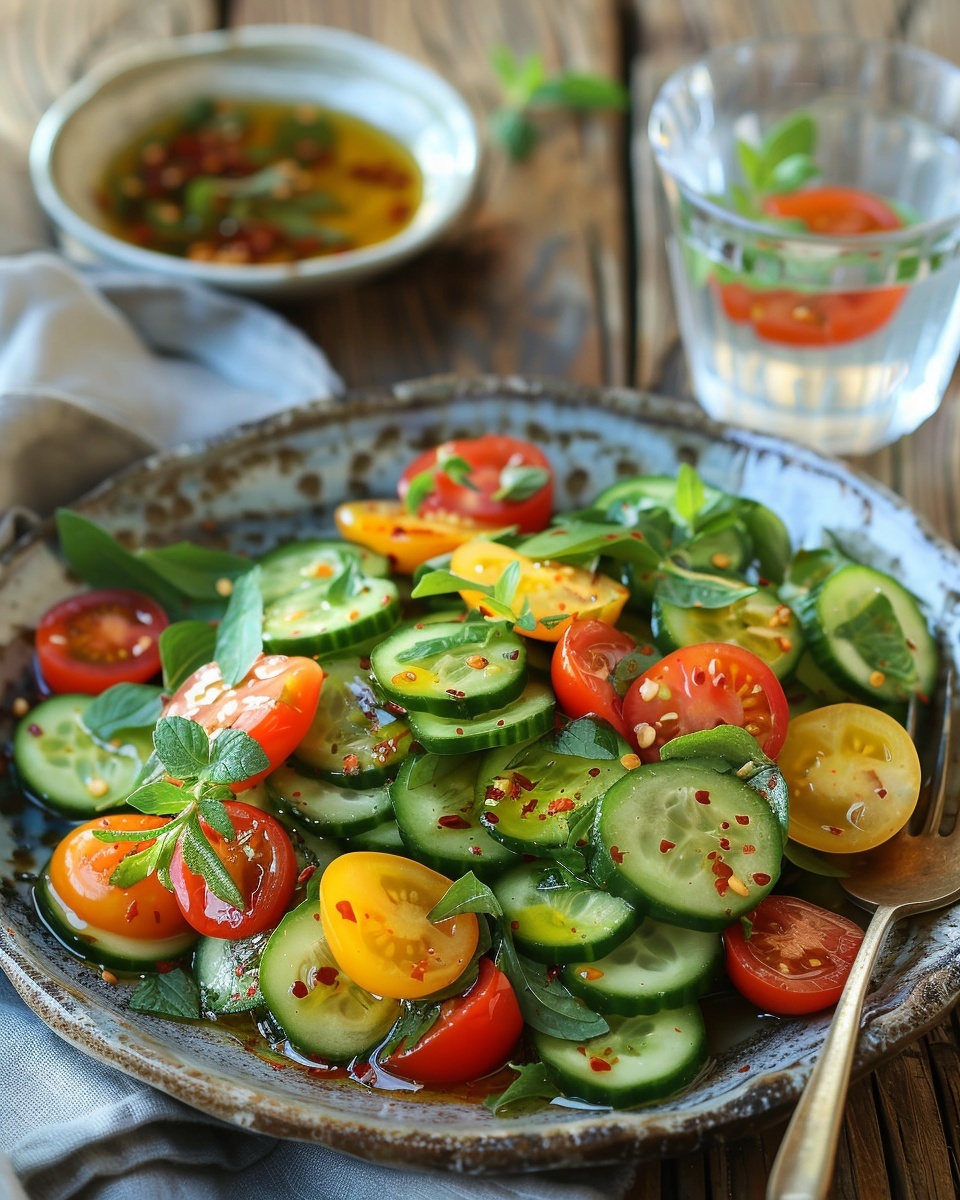
Last Saturday morning, I walked into my backyard and realized something wonderful. My lettuce had grown into these beautiful, crisp leaves practically overnight. My tomatoes were finally turning that perfect shade of red. And my cucumbers? Well, they were hiding under their leaves like little green treasures. That’s when it hit me – it was time to make the kind of salad that actually tastes like something. You know, the kind where every bite is fresh and crunchy and makes you feel good about what you’re eating.
I’ve been growing vegetables for about five years now, and I can tell you that nothing beats the taste of a garden fresh salad made from ingredients you picked yourself. Even if you don’t have a garden, buying fresh produce from a farmer’s market or your local grocery store works just as well. The key is using ingredients at their peak freshness.
Today, I’m going to walk you through my simple garden salad recipe that my family asks for at least twice a week. It’s the kind of recipe that doesn’t need fancy ingredients or complicated steps. Just fresh vegetables, a good dressing, and maybe five minutes of your time. Whether you need a quick lunch, a side dish for dinner, or something healthy to bring to a potluck, this salad has you covered.
Why Choose a Garden Fresh Salad?
Let me be honest with you. I used to think salads were boring. They were just something you ate because you felt like you should, not because you wanted to. Then I started making my own healthy garden salad recipe with truly fresh ingredients, and everything changed.
The difference between a mediocre salad and a great one comes down to freshness. When you use vegetables that were picked recently, they still have all their natural flavor. Store-bought salad mixes that have been sitting around for days? They taste like it. Fresh lettuce from your garden or the farmer’s market? It’s crisp, slightly sweet, and actually enjoyable to eat.
There’s also the health factor. A garden veggie salad gives you vitamins, minerals, and fiber without loading you up with calories. My teenage son, who usually turns his nose up at vegetables, will actually eat this salad without complaining. That alone feels like a small miracle.
The best part? Making this salad is incredibly easy. I’m talking about ten minutes from start to finish. You don’t need to be a chef or have special skills. If you can wash vegetables and chop them into bite-sized pieces, you can make this salad.
I also love that you can customize it based on what you have available. Got extra bell peppers? Toss them in. No cucumbers today? No problem. The garden salad ingredients are flexible, which means you’ll never get bored making the same thing over and over.
The Main Ingredient in a Garden Fresh Salad
So what’s the garden fresh salad main ingredient that makes or breaks your bowl? It’s the greens. And not just any greens – you want ones that are crisp, fresh, and full of flavor.
I typically use a mix of different lettuces in my salads. My favorite is romaine because it stays crunchy and doesn’t wilt as fast as some other varieties. The leaves have this satisfying snap when you bite into them. Plus, romaine has more nutrients than iceberg lettuce, which is mostly water.
Butter lettuce is another great option. It has these soft, delicate leaves that almost melt in your mouth. I like mixing it with romaine to get different textures in the same bowl. The combination keeps things interesting.
For a peppery kick, I throw in some arugula. Not too much – just enough to add a little bite. My neighbor taught me this trick, and it really wakes up the whole salad. Arugula also has this slightly nutty taste that pairs well with a simple vinaigrette.
If you’re looking at garden salad recipes australia or other international variations, you’ll notice many use mixed baby greens. These are young, tender leaves that come in different colors and flavors. They’re perfect if you want to add visual appeal to your salad without extra work.
Spinach is another solid choice. I use baby spinach because the leaves are tender and not too earthy. Regular spinach can be a bit tough for salads, but baby spinach works perfectly. It’s also packed with iron and other good stuff.
Here’s what I’ve learned about picking the right greens:
- Look for leaves that are bright and firm, not wilted or brown around the edges
- Smell them if you can – fresh greens should smell clean and slightly sweet
- Avoid any leaves with slimy spots or strange discoloration
- If buying pre-washed greens, check the sell-by date and choose the freshest package
- When picking from your garden, harvest in the morning when leaves are most crisp
I remember the first time I made a green salad with lettuce from my garden. I had been eating store-bought salads my whole life, so I didn’t expect much difference. But that first bite? It was like tasting lettuce for the first time. It was sweet, crunchy, and actually had flavor. I couldn’t believe I’d been missing out for so long.
Now, you might be wondering about iceberg lettuce. I know it’s popular, and honestly, it has its place. It’s super crunchy and mild, which some people prefer. I use it sometimes when I want that extra crunch, but I always mix it with other greens for better nutrition and taste.
The quality of your greens affects everything else in your salad. You could have the best garden salad dressing in the world, but if your lettuce is sad and wilted, your salad won’t be good. Start with great greens, and you’re already halfway to salad success.
One tip I always share: wash your greens really well. Even if the package says “pre-washed,” I still give them a quick rinse. There’s nothing worse than biting into a salad and getting grit between your teeth. I fill a big bowl with cold water, swish the greens around, and then use a salad spinner to dry them. Wet greens make your dressing slide right off, so this step matters more than you might think.
Store your washed greens properly too. I wrap mine in paper towels and keep them in a plastic bag in the fridge. They stay crisp for days this way. Fresh greens mean you can make a quick simple garden salad recipe whenever hunger strikes.


Essential Garden Salad Ingredients
Once you’ve got your greens sorted, it’s time to think about what else goes into the bowl. And honestly? This is where things get fun. I’m going to walk you through what I consider the must-haves for a really good garden fresh salad, plus some extras that can take it from good to “can I have seconds?”
Tomatoes are absolutely essential in my book. I use whatever’s ripe in my garden, but cherry tomatoes are my go-to choice. They’re sweet, they burst in your mouth, and they don’t make your salad all watery like big tomatoes sometimes do. I just cut them in half and toss them in. During summer, when my tomato plants are going crazy, I might use heirloom tomatoes too. The different colors make the salad look like something from a fancy restaurant, even though it took me about three minutes to throw together.
Cucumbers come next. I peel mine because my daughter doesn’t like the skin, but you can definitely leave it on if you prefer. The skin has fiber and nutrients, so you’re not wrong either way. English cucumbers are less watery than regular ones, which means they won’t make your salad soggy if you’re not eating it right away. I slice them pretty thin – about a quarter inch – so they’re easy to spear with your fork along with the other ingredients.
Here’s the thing about bell peppers: they add this satisfying crunch that makes every bite more interesting. I usually go for red or yellow peppers because they’re sweeter than green ones. Plus, they look prettier. My husband thinks I’m crazy for caring about how food looks, but we eat with our eyes first, right? I dice them into small pieces so you get a little bit of that sweet pepper flavor in every forkful without it overwhelming everything else.
Red onion gives you that sharp, zingy bite that wakes everything up. But I learned the hard way not to use too much. The first time I made this simple garden salad recipe, I got a little carried away with the onion, and my whole salad tasted like nothing else. Now I use maybe a quarter of a small red onion, sliced super thin. Sometimes I’ll soak the slices in cold water for ten minutes before adding them to the salad – this takes away some of the harsh bite while keeping that onion flavor.
Carrots bring a touch of sweetness and more crunch. I shred mine with a grater because thin ribbons mix better than big chunks. Baby carrots work too if you slice them thin. My kids actually like carrots in salad more than they like them as a snack, which still surprises me.
Radishes are optional, but I love them. They have this peppery crunch that adds personality to your garden veggie salad. I slice them into thin rounds – they look like little pink and white circles scattered throughout the greens. If you’ve never tried radishes raw in a salad, you might be skeptical. I was too. But give them a shot. They add something special.
Now, if you want to get a bit fancier, you can look at what other salads do. For instance, a beet and goat cheese salad brings in roasted beets and creamy cheese for a more substantial meal. Sometimes I’ll throw some roasted beets into my garden salad when I’m feeling adventurous. The earthy sweetness pairs surprisingly well with the fresh vegetables.
You can also take inspiration from a spinach strawberry salad and add some fruit to your bowl. Sounds weird, maybe, but strawberries or sliced apples can bring this sweet element that balances the vegetables perfectly. I do this more in summer when berries are in season.
For something heartier, you might want to check out how a taco salad incorporates proteins and different textures. While that’s obviously a completely different style, the concept of layering flavors and textures applies to any salad you make. I sometimes add grilled chicken or chickpeas to my garden salad when I want it to be a complete meal instead of just a side dish.
Funny enough, my neighbor makes what she calls a russian salad, which is totally different from what we’re making here – it’s got potatoes, peas, and mayo – but it taught me that salads can be so many different things to different people. There’s no one “right” way to do it.
By the way, if you’re looking at garden salad ingredients and feeling overwhelmed by choices, here’s my advice: start simple. Use lettuce, tomatoes, cucumbers, and maybe one or two other vegetables. As you get comfortable, add more variety. I didn’t start with ten different vegetables in my salad. I built up to it over time.
Oh, and if you want to add some pasta to make it more filling, an orzo feta salad shows how well small pasta works with fresh vegetables. I’ve done this before when I need to feed a crowd – the pasta stretches the salad further and makes it more substantial.
Crafting the Perfect Garden Salad Dressing
Let’s talk about dressing, because this is where a lot of people either nail it or completely mess up an otherwise perfect salad. You can have the freshest vegetables in the world, but pour some terrible dressing on them, and you’ve basically wasted your time.
I make my own garden salad dressing most of the time. It takes maybe two minutes and tastes a thousand times better than anything from a bottle. Plus, you know exactly what’s in it. No weird preservatives or ingredients you can’t pronounce.
My go-to dressing is a basic vinaigrette. I use a ratio of three parts oil to one part vinegar. So if I’m using three tablespoons of olive oil, I add one tablespoon of vinegar. For the vinegar, I usually go with red wine vinegar or balsamic, depending on my mood. Red wine vinegar is sharper and more traditional. Balsamic is sweeter and richer.
Here’s how I make it: I put the vinegar in a small bowl and whisk in a teaspoon of Dijon mustard. The mustard helps everything blend together and adds a subtle kick. Then I add a pinch of salt and some freshly ground black pepper. Slowly – and I mean slowly – I drizzle in the olive oil while whisking constantly. This creates an emulsion, which is just a fancy way of saying the oil and vinegar actually mix instead of separating immediately.
Sometimes I’ll add a tiny bit of honey or maple syrup to balance the acidity. Maybe half a teaspoon. You don’t want it sweet, just less harsh. A crushed garlic clove makes it even better if you’re a garlic person. I am definitely a garlic person.
For a creamy option, I make a yogurt-based dressing. Greek yogurt works perfectly because it’s thick and tangy. I mix about half a cup of yogurt with a tablespoon of lemon juice, a tablespoon of olive oil, some minced garlic, salt, pepper, and whatever herbs I have around. Fresh dill is amazing in this. So is basil. Even dried Italian seasoning works in a pinch.
The creamy dressing is what I use when I want something more indulgent. It coats the vegetables differently than a vinaigrette – kind of clings to everything. My kids prefer this version because it reminds them of ranch dressing, but it’s actually much healthier.
Now, if you’re curious about the garden fresh salad olive garden style, they use a tangy Italian dressing that’s become pretty famous. I’ve tried recreating it at home, and it’s basically a vinaigrette with Italian herbs, a bit of sugar, and some grated Parmesan. You blend everything together and it comes out pretty close to the restaurant version. The key is using good quality olive oil and letting it sit in the fridge for a few hours so the flavors can blend.
One mistake I made early on was overdressing my salads. You don’t need to drown your vegetables. Start with less dressing than you think you need, toss everything together, and then add more if needed. You can always add more, but you can’t take it away once it’s on there. A soggy, overdressed salad is just sad.
I also learned to dress my salad right before serving. If you toss everything together hours ahead of time, the lettuce wilts and gets slimy. Trust me on this one. I brought a pre-dressed salad to a potluck once, and by the time we ate, it looked like something I found in the back of my fridge. Not my finest moment.
The beauty of making your own dressing is that you can adjust it to your taste. Too tangy? Add more oil or a touch of sweetness. Too bland? More vinegar and salt. It’s forgiving and flexible, just like this whole healthy garden salad recipe concept.


Variations and International Flavors for Your Garden Fresh Salad
After making the same simple garden salad recipe for a few weeks, you might start craving something different. That’s totally normal. I hit that point about six months into my salad-making journey, and that’s when I started playing around with different styles and flavors from around the world.
Here’s the thing – the basic concept of fresh vegetables in a bowl is pretty universal, but different cultures have their own spin on it. And honestly? Some of these variations have become my new favorites.
Let’s start with Mediterranean-style additions. I throw in some Kalamata olives, crumbled feta cheese, and a sprinkle of oregano. Maybe some sun-dried tomatoes if I have them around. The salty, briny flavors completely change the character of your garden veggie salad without requiring any extra cooking skills. Sometimes I’ll add chickpeas too – they make it filling enough to be a whole lunch instead of just a side dish.
For an Asian-inspired twist, I swap out my usual dressing for something with sesame oil, rice vinegar, and a touch of soy sauce. Then I add shredded cabbage, edible snap peas, some toasted sesame seeds, and maybe a handful of crispy wonton strips if I’m feeling fancy. My brother-in-law, who lived in Japan for three years, taught me this version, and now my kids request it all the time. The crunch factor is off the charts.
Mexican flavors work surprisingly well too. I’ll add black beans, corn, diced avocado, and some cilantro. For the dressing, I use lime juice instead of vinegar and add a pinch of cumin. Sometimes I crumble some tortilla chips on top right before serving. It’s like a deconstructed taco in a bowl. My neighbor calls this my “fiesta salad,” and honestly, she’s not wrong.
Now, about those garden salad recipes australia – Australian salads tend to include beetroot, which I initially found strange but now actually love. They also commonly add shredded cheese and sometimes hard-boiled eggs. The first time I tried this combination was at a barbecue hosted by my Australian coworker, and I was skeptical about the beets. But the earthy sweetness works really well with the fresh greens and tangy dressing. Plus, it turns your salad this gorgeous deep pink color that looks amazing on the table.
I’ve also experimented with adding grains to make my garden fresh salad more substantial. Quinoa is great because it’s fluffy and absorbs the dressing nicely. Farro gives you a chewy texture that contrasts with the crisp vegetables. Even simple brown rice works when you’re trying to stretch your salad to feed more people or make it a complete meal.
Nuts and seeds are another game-changer. Toasted almonds, candied pecans, pumpkin seeds, sunflower seeds – they all add this extra layer of texture and flavor. I usually add them right before serving so they stay crunchy. There’s nothing worse than soggy nuts in a salad, trust me.
Fruit in salads used to seem wrong to me. Vegetables are savory, fruit is sweet, and never the two shall meet, right? Wrong. So wrong. Dried cranberries, fresh apple slices, orange segments, even sliced grapes – they all bring this pop of sweetness that makes every bite interesting. The contrast between sweet fruit and sharp onion or peppery arugula is actually incredible.
For cheese lovers, the options are endless. Shaved Parmesan is classic. Crumbled blue cheese is bold and tangy. Fresh mozzarella gives you that mild, creamy element. Goat cheese adds tang and creaminess. I usually pick one type of cheese per salad rather than mixing multiple kinds, but you do you.
Proteins transform a side salad into a main course. Grilled chicken is the obvious choice, but I also love hard-boiled eggs, canned tuna, grilled shrimp, or even leftover steak from last night’s dinner. Chickpeas and white beans are great vegetarian options that add substance without meat.
The CDC actually has some great information about healthy food choices and how incorporating more vegetables and varied nutrients into your diet supports overall wellness. Making different versions of your garden salad helps you get a wider range of vitamins and minerals without getting bored.
When I’m feeling lazy but still want something different, I just change up the herbs. Fresh basil gives you an Italian vibe. Cilantro makes it feel more Mexican or Thai. Dill is great with cucumber-heavy salads. Mint – yes, mint – is surprisingly delicious with tomatoes and feta. Just tearing up some fresh herbs and tossing them in completely changes the flavor profile without any real effort.
Roasted vegetables are another direction you can go. I know we’re talking about fresh salads here, but sometimes I’ll roast some zucchini, bell peppers, or eggplant and add them once they’ve cooled down. The caramelized, smoky flavor from roasting adds depth that raw vegetables don’t have. It’s especially good in winter when fresh vegetables aren’t quite as flavorful.
One thing I learned from experimenting is that not every variation will be a hit. I once tried adding pickled jalapeños to a salad thinking it would be amazing, and it was just way too intense. My mouth was on fire, and the heat overpowered everything else. Live and learn, right?
The beauty of making your own healthy garden salad recipe is that you’re in complete control. You can mix and match flavors based on what you like, what’s in season, or what you happen to have in your fridge. There’s no wrong answer as long as you enjoy eating it.
If you’re someone who gets bored easily – like me – having these different variations in your back pocket means you can eat salad several times a week without feeling like you’re eating the same thing over and over. Monday might be Mediterranean, Wednesday could be Asian-inspired, and Friday is fiesta night. Same basic concept, totally different experience.
By the way, if you’re looking for even more inspiration, checking out different salad recipes can give you tons of ideas for new combinations and techniques you might not have considered.
Frequently Asked Questions About Garden Fresh Salads
What are the key ingredients in a simple garden salad recipe?
The foundation is always fresh greens like romaine, butter lettuce, or mixed baby greens. From there, you’ll want tomatoes, cucumbers, and maybe some bell peppers or carrots. Red onion adds a nice bite, and radishes bring extra crunch. The beauty is that you can use whatever fresh vegetables you have available. Start with three or four vegetables and build from there as you get more comfortable.
How do I make a healthy garden salad recipe?
Focus on using a variety of colorful vegetables to maximize nutrients and fiber. Skip heavy, creamy dressings loaded with calories and make your own vinaigrette with olive oil and vinegar instead. Add a lean protein like grilled chicken or chickpeas to make it a complete meal. Avoid adding too much cheese or croutons, which can turn a healthy salad into something not so healthy. The freshness of your ingredients matters more than anything else.
Can I use Olive Garden style dressings for my garden fresh salad?
Absolutely! The Olive Garden dressing is basically an Italian vinaigrette with herbs, Parmesan, and a touch of sweetness. You can buy bottled Italian dressing, but making your own version is easy and tastes better. Mix olive oil, red wine vinegar, Italian seasoning, grated Parmesan, a pinch of sugar, garlic powder, salt, and pepper. Let it sit for an hour before using so the flavors blend together nicely.
What are the differences between a green salad and a garden fresh salad?
A green salad typically focuses mainly on lettuce and leafy greens with minimal additions – maybe just a simple dressing. A garden fresh salad is more diverse, including multiple types of vegetables beyond just greens. Think tomatoes, cucumbers, peppers, carrots, and onions along with the lettuce. Garden salads are heartier and more substantial, while green salads are lighter and simpler. Both have their place depending on what you’re serving them with.
Are there any specific garden salad recipes from Australia?
Australian garden salads often include ingredients you might not expect, like canned beetroot, shredded cheese, and hard-boiled eggs. They tend to be more substantial than American versions, almost like a light meal on their own. Carrot, tomato, cucumber, and lettuce form the base, but those beets and eggs make it distinctively Australian. The dressing is usually a simple vinaigrette or sometimes a creamy mayo-based option.
How long can I store a garden fresh salad in the fridge?
If it’s undressed, you can store your prepped vegetables separately for up to three days in the fridge. Keep them in airtight containers with paper towels to absorb excess moisture. Once you’ve added dressing, eat it right away – dressed salads get soggy and sad within a few hours. If you’re meal prepping, store the dressing separately in a small container and add it just before eating. Your greens will stay much crisper this way.
What’s the best way to wash and dry salad greens?
Fill a large bowl with cold water and submerge your greens, swishing them around gently to dislodge any dirt. Let them sit for a minute, then lift them out – don’t pour through a strainer or the dirt settles back on the leaves. Repeat if needed. Then use a salad spinner to remove as much water as possible. Wet greens won’t hold dressing well and will dilute the flavor. If you don’t have a spinner, pat them dry with clean kitchen towels or paper towels.
Can I add fruit to my garden salad?
Yes, and you should try it! Fresh fruit adds natural sweetness that balances the savory vegetables beautifully. Sliced strawberries, apple chunks, orange segments, grapes, or dried cranberries all work well. The key is not overdoing it – fruit should be an accent, not the main event. Start with a small amount and see how you like the combination. Fruit pairs especially well with nuts and cheese in salads.
What dressing ratio should I use for homemade vinaigrette?
The classic ratio is three parts oil to one part vinegar or citrus juice. So if you use three tablespoons of olive oil, add one tablespoon of vinegar. This creates a balanced dressing that’s not too oily or too acidic. You can adjust based on your taste – some people prefer a sharper, tangier dressing with more vinegar. Add your seasonings, whisk everything together, and taste before pouring over your salad. You can always tweak it.
How do I prevent my salad from getting soggy?
The biggest mistake is dressing your salad too early. Add dressing right before serving, not hours in advance. Make sure your greens are completely dry after washing – water dilutes the dressing and makes everything limp. Use vegetables that aren’t super watery, or if using regular cucumbers and tomatoes, remove the seeds first. Store components separately if making ahead, and only toss everything together when you’re ready to eat. These simple steps keep your salad crisp and fresh.
Making a garden fresh salad doesn’t have to be complicated or boring. With fresh ingredients, a good dressing, and maybe a few creative additions based on your mood, you’ve got yourself a meal that’s healthy, delicious, and actually satisfying. Start simple, experiment when you feel like it, and most importantly, enjoy the process of putting together something that makes you feel good. Your taste buds and your body will thank you.