
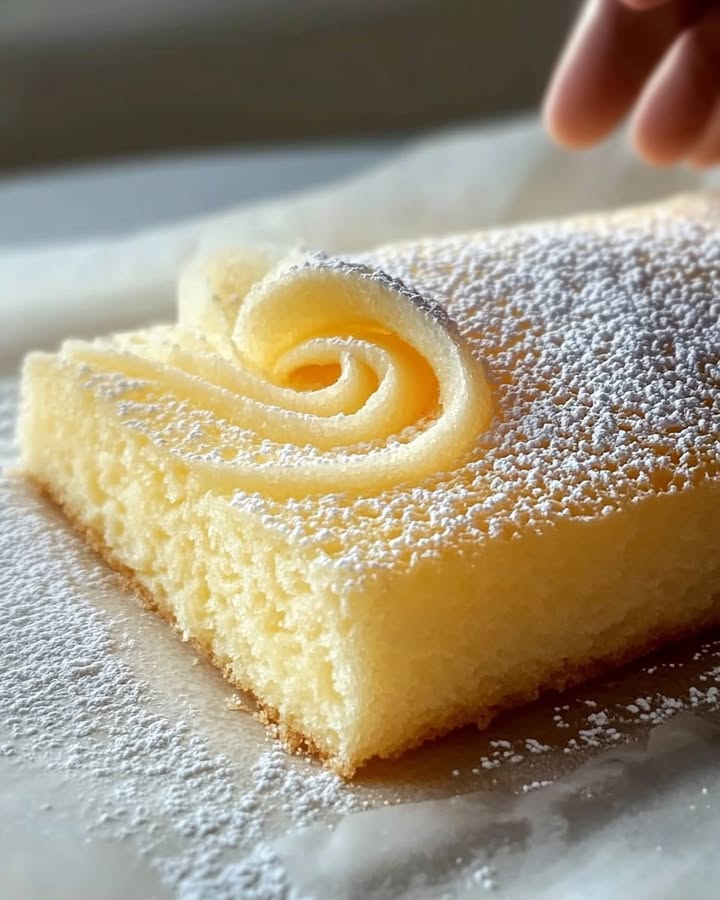
Your New Favorite Treat: Génoise Légère
You know that feeling when you find a recipe that just works? It’s simple, elegant, and makes everyone think you spent hours in the kitchen. For me, that’s Chef Cyril Lignac’s Light Génoise. This isn’t a heavy, dense cake. It’s a cloud. A sweet, vanilla-scented cloud that’s perfect for everything from a Tuesday treat to a birthday celebration. I first made it for my daughter’s study group, and let’s just say there were no leftovers. Now, it’s my secret weapon for impressing guests without stressing myself out.
A Slice of Cake History
The génoise is a classic. It hails from Genoa, Italy (hence the name), but the French truly made it their own. Unlike a butter cake, a traditional génoise gets all its lift from whipped eggs. Chef Lignac’s “légère” version lightens it up even more. My grandmother used to make something similar, but hers was a bit denser. This modern take feels airy and versatile. You can enjoy it plain, layer it with fruit, or slather it with chocolate ganache. It’s a blank canvas for your sweetest dreams.
Why You’ll Love This Light Cake Recipe
This recipe is a game-changer for home bakers. First, it’s deceptively easy with just a handful of pantry staples. The process of whipping the eggs and sugar is almost magical—you watch the mixture turn pale, thick, and dreamy. Second, its texture is incredible. The crumb is tender and moist, yet incredibly light. Finally, it’s a fantastic base. Once you master this light cake, you can create endless variations. It’s the kind of recipe that builds baking confidence and becomes a lifelong friend.
When to Whip Up This Light Sponge Cake
This cake is your culinary multitasker. It’s perfect for a last-minute dessert when friends drop by. It shines at birthday parties as a customizable layer cake. I love making small rounds for individual strawberry shortcakes in summer. It’s also elegant enough for a dinner party finale, perhaps brushed with a little syrup and topped with berries. Honestly, any day that calls for a little sweetness is the right occasion for this light sponge cake.
What You’ll Need
- 4 large eggs, at room temperature
- 120 g (about 1/2 cup + 2 tbsp) granulated sugar
- 1 packet (or 1 tbsp) vanilla sugar (or 1 tsp pure vanilla extract)
- 120 g (about 1 cup) all-purpose flour
- 30 g (about 2 tbsp) melted butter, cooled
- A pinch of salt
Smart Swaps & Substitutions
No vanilla sugar? Use an equal amount of regular sugar plus 1 teaspoon of vanilla extract added with the eggs. For a gluten-free version, a good 1-to-1 gluten-free flour blend works beautifully. While the melted butter adds flavor and tenderness, you can use a neutral oil like grapeseed if needed. The key is keeping the core method the same: well-whipped eggs and gentle folding.
Creating Your Light Génoise Masterpiece
Let’s bake! Make sure your eggs are at room temperature. This is non-negotiable for maximum volume. Preheat your oven to 350°F (180°C). Grease and flour an 8-inch round cake pan, or line it with parchment paper for foolproof removal.
Step 1: Whip It Good
In the bowl of a stand mixer or a large bowl for a hand mixer, combine the eggs, both sugars, and the salt. Start mixing on medium speed, then increase to high. Whip for a good 5-7 minutes. You’re looking for a transformation. The mixture will become very pale yellow, thick, and will leave a visible “ribbon” trail on the surface when the beaters are lifted. This aeration is the soul of your light cake.
Chef’s tip: Place your mixing bowl over a pot of barely simmering water (a double boiler) for a minute or two while whisking by hand to slightly warm the eggs. This helps the sugar dissolve and can increase the volume of your foam. Just don’t cook them!
Step 2: The Gentle Fold
Sift your flour over the top of the glorious, foamy egg mixture. Using a large spatula, begin to fold. Cut down through the center, scoop along the bottom, and fold over the top. Turn the bowl a quarter turn with each fold. You want to incorporate the flour without deflating all those precious air bubbles you just created. The batter will still look a bit floury in streaks—that’s okay for now.
Step 3: The Buttery Finish
Drizzle the cooled, melted butter around the edge of the bowl. Continue folding gently. You’ll see the batter come together into a smooth, voluptuous mixture. It should still feel light and airy. Stop as soon as you see no more streaks of butter or flour. Overmixing is the enemy of a light sponge cake.
Step 4: Bake to Perfection
Pour the batter into your prepared pan. Gently tap it on the counter once to release any large air bubbles. Place it in the center of your preheated oven. Bake for 20-25 minutes. The cake is done when it’s golden brown, springs back when lightly touched in the center, and a toothpick inserted comes out clean. Your kitchen will smell like sweet vanilla dreams.
Step 5: The Cool Down
Let the cake cool in the pan for about 10 minutes. Then, run a knife around the edge and invert it onto a wire rack. Let it cool completely before slicing or decorating. This patience prevents the delicate crumb from tearing. I know it’s hard to wait, but it’s worth it!
Timing is Everything
Preparation: 15 minutes of active work. Baking: 20-25 minutes. Cooling: At least 1 hour. Total time from start to finish: About 1 hour 45 minutes. Perfect for an afternoon baking project.
Chef’s Secret for a Flawless Génoise
The absolute secret? The “ribbon stage” when whipping the eggs and sugar. Don’t rush it. When you lift the beaters, the mixture should fall back onto itself and sit on the surface for a few seconds before sinking. This thick, stable foam is what gives the cake its structure without any chemical leavener.
A Fun Fact About Génoise
While we think of it as a cake, traditional génoise was often used as a base for elaborate molded desserts in fancy French patisseries. Its sturdy-yet-light texture holds up to being sliced, soaked with syrup, and layered, making it the workhorse of the dessert world.
Your Baking Toolkit
- Stand mixer or hand mixer
- 8-inch round cake pan
- Large spatula for folding
- Fine-mesh sieve for sifting flour
- Kitchen scale (for accuracy) or measuring cups
- Wire cooling rack
Keeping Your Light Cake Fresh
Once completely cool, this light génoise can be wrapped tightly in plastic wrap and stored at room temperature for up to 2 days. For longer storage, freeze it. Wrap the whole cake or individual slices first in plastic, then in foil. It will keep frozen for up to a month. Thaw overnight in the refrigerator or at room temperature for a few hours.
If you’ve filled or frosted the cake with perishables like cream or fruit, it must be refrigerated. Let refrigerated cake slices come to room temperature for about 20 minutes before serving for the best texture and flavor.
Never store an unfrosted génoise in the fridge, as it will dry out. The counter in a cool spot is its best home for short-term keeping.
Pro Tips for Success
- Room Temp Eggs are Key: Cold eggs won’t whip to their full volume. Take them out an hour before, or place them in a bowl of warm water for 5 minutes.
- Fold, Don’t Stir: Use a light hand and a big spatula. You are trying to preserve air.
- Cool Your Butter: Adding hot butter will cook the eggs and deflate the batter. Let it cool to just warm.
- For easy release, line your pan with parchment paper instead of just greasing and flouring.
Dress It Up! Presentation Ideas
A dusting of powdered sugar is classic and elegant. A simple glaze made with powdered sugar and lemon juice adds a tangy touch. For a showstopper, split the cake into two layers and fill with fresh whipped cream and berries. Chocolate lovers can pour a warm ganache over the top, letting it drip down the sides. For a rustic look, top with sliced almonds before baking.
6 Delicious Variations to Try
- Lemon Zest Génoise: Add the zest of two lemons to the eggs and sugar while whipping. The citrus aroma is heavenly.
- Chocolate Swirl: Replace 2 tablespoons of flour with unsweetened cocoa powder. Fold it into half the batter at the end, then marble the two batters together.
- Almond Flour Twist: Substitute 60g of the all-purpose flour with finely ground almond flour for a nutty flavor and tender crumb.
- Berry-Studded: Toss a handful of fresh raspberries or blueberries in a little flour and fold them in very gently at the last second.
- Coffee Infused: Add a tablespoon of instant espresso powder to the flour before sifting for a sophisticated mocha note.
- Orange Blossom Water: Add a teaspoon of orange blossom water with the vanilla for a floral, Middle Eastern-inspired cake.
Common Mistakes to Avoid for a Perfect Light Cake
Mistake 1: Not Whipping the Eggs Long Enough
This is the number one reason a génoise turns out flat and dense. If the egg-sugar mixture isn’t whipped to a thick, pale ribbon stage, there isn’t enough air to leaven the cake. The batter will be thin and runny. Take the full 5-7 minutes with your mixer on high. Be patient. The visual cue is your best friend.
Mistake 2: Overmixing After Adding Flour
Once you add the flour, you switch from aggressive whipping to gentle folding. Stirring or beating at this stage knocks out all the air you just worked so hard to incorporate. Use a wide spatula and fold with a light hand. It’s okay if there are a few tiny streaks of flour—they’ll often incorporate during the final folds with the butter.
Mistake 3: Using Hot Melted Butter
Pouring hot butter into the delicate foam is a disaster. It will melt the sugar slightly and, worse, can start to cook the eggs, causing deflation and a greasy texture. Always let your melted butter cool until it’s just warm to the touch, not hot. Drizzle it slowly around the edge of the bowl to minimize impact.
Mistake 4: Skipping the Sift
It seems like an extra step, but sifting your flour is crucial for a light génoise. It aerates the flour, breaks up any lumps, and makes it much easier to incorporate gently and evenly. A lump of flour is hard to fold in without overmixing. Just do it—it takes 10 seconds.
Mistake 5: Cutting the Cake While It’s Warm
I get it, the smell is irresistible. But the structure of the cake is still setting as it cools. Cutting into it warm will cause it to squish, tear, and become gummy. Let it cool completely in the pan for 10 minutes, then on a wire rack. The wait gives you a perfect, clean crumb.
Your Light Génoise Questions, Answered
Can I make this génoise without a stand mixer?
Absolutely! A hand-held electric mixer works perfectly well. It might take a minute or two longer to reach the ribbon stage, but just keep whipping until you see that thick, pale foam. You can even do it by hand with a whisk, but be prepared for a serious arm workout. The key is to incorporate as much air as possible, so don’t stop too soon.
Why did my cake sink in the middle after baking?
A sunken cake usually points to underbaking or a major deflation of the batter. First, make sure your oven is properly preheated and use an oven thermometer to check. Second, ensure the cake is fully baked—a toothpick should come out clean. Third, review your folding technique. Aggressive mixing after the flour is added knocks out air, leading to collapse during baking.
My génoise is dry. What went wrong?
Dryness typically comes from overbaking. Ovens can run hot, so your 25 minutes might be someone else’s 22. Start checking at the 20-minute mark. The cake is done when it’s just pulling away from the sides, is springy to the touch, and a tester comes out clean. Also, be precise with your flour measurement. Using a kitchen scale is best, but if using cups, spoon the flour into the cup and level it off—don’t scoop directly from the bag.
Can I double this recipe?
Yes, you can double the ingredients. However, do not attempt to mix a double batch in a standard mixer bowl all at once. The volume of the whipped eggs will be too much. Mix in two separate batches, or use a very large bowl if you have one. Also, you may need to bake it in two separate pans, as a single thicker layer might not bake evenly in the center.
Is this cake suitable for a layer cake?
It’s fantastic for a layer cake! Its fine, sturdy crumb holds up to slicing and stacking. Once completely cool, use a long serrated knife to slice it evenly into 2 or 3 layers. To make it extra moist, you can brush each layer with a simple syrup (equal parts sugar and water, heated until dissolved, then cooled) before adding your filling of whipped cream, buttercream, or fruit.
What’s the difference between génoise and a regular sponge cake?
The main difference is the leavening. A regular American sponge cake often uses baking powder for lift. A true génoise relies solely on the air whipped into the eggs for its rise. This gives it a lighter, more even, and slightly less sweet texture. It’s also typically richer in eggs. Génoise is meant to be a canvas for other flavors like syrups, creams, and fruits.
Can I make this cake ahead of time?
You can and should! This cake actually benefits from being made a day ahead. Wrapping it tightly and letting it rest overnight allows the crumb to settle and become even more tender. It also makes it easier to slice and handle when decorating. It freezes beautifully for up to a month, making it a fantastic make-ahead dessert for events.
What can I use if I don’t have vanilla sugar?
No problem at all. Simply use the same amount of granulated sugar (120g total for the main sugar). Then, add 1 teaspoon of pure vanilla extract to the eggs and sugar at the beginning of the whipping process. The flavor will be just as lovely. You can also use the seeds from a vanilla bean pod for an extra special touch.
Why is my génoise rubbery or tough?
A rubbery texture is a classic sign of overmixing after the flour is added. Gluten develops when flour is mixed with liquid and agitated. In a génoise, you want minimal gluten development. That’s why the folding technique is so important—gentle, deliberate strokes to just combine. Once you add flour, think “less is more” with your mixing.
Can I use this recipe for cupcakes or a sheet cake?
Yes! For cupcakes, fill lined muffin tins about 2/3 full. Bake at the same temperature for 15-18 minutes. For a sheet cake, spread the batter into a greased and floured 9×13-inch pan. The baking time will be slightly shorter, around 18-22 minutes, because the layer is thinner. Keep a close eye on it and test for doneness with a toothpick.
Happy Baking!
There you have it—the secrets to a perfect, light génoise. This cake is more than a recipe; it’s a technique that will boost your baking skills. It teaches you about air, texture, and patience. Most importantly, it delivers something truly delicious. So, preheat that oven, get those eggs whipping, and prepare to make a dessert that feels fancy but is wonderfully simple at heart. Your friends and family are going to ask for this light cake recipe again and again. Enjoy every fluffy, vanilla-kissed bite!
Lemon Homemade Cookies
Ingredients
Equipment
Method
- Preheat the oven to 350°F (180°C) and grease and flour an 8-inch round cake pan.
- In a bowl, combine the eggs, both sugars, and salt; whip on medium speed, then increase to high for 5-7 minutes until pale and thick.
- Sift the flour over the foamy egg mixture and gently fold to incorporate without deflating.
- Drizzle the cooled, melted butter around the edge and gently fold until smooth and well-mixed.
- Pour the batter into the prepared pan and gently tap to release air bubbles; bake for 20-25 minutes until golden and firm.
- Cool in the pan for 10 minutes, then invert onto a wire rack and cool completely before slicing or decorating.