
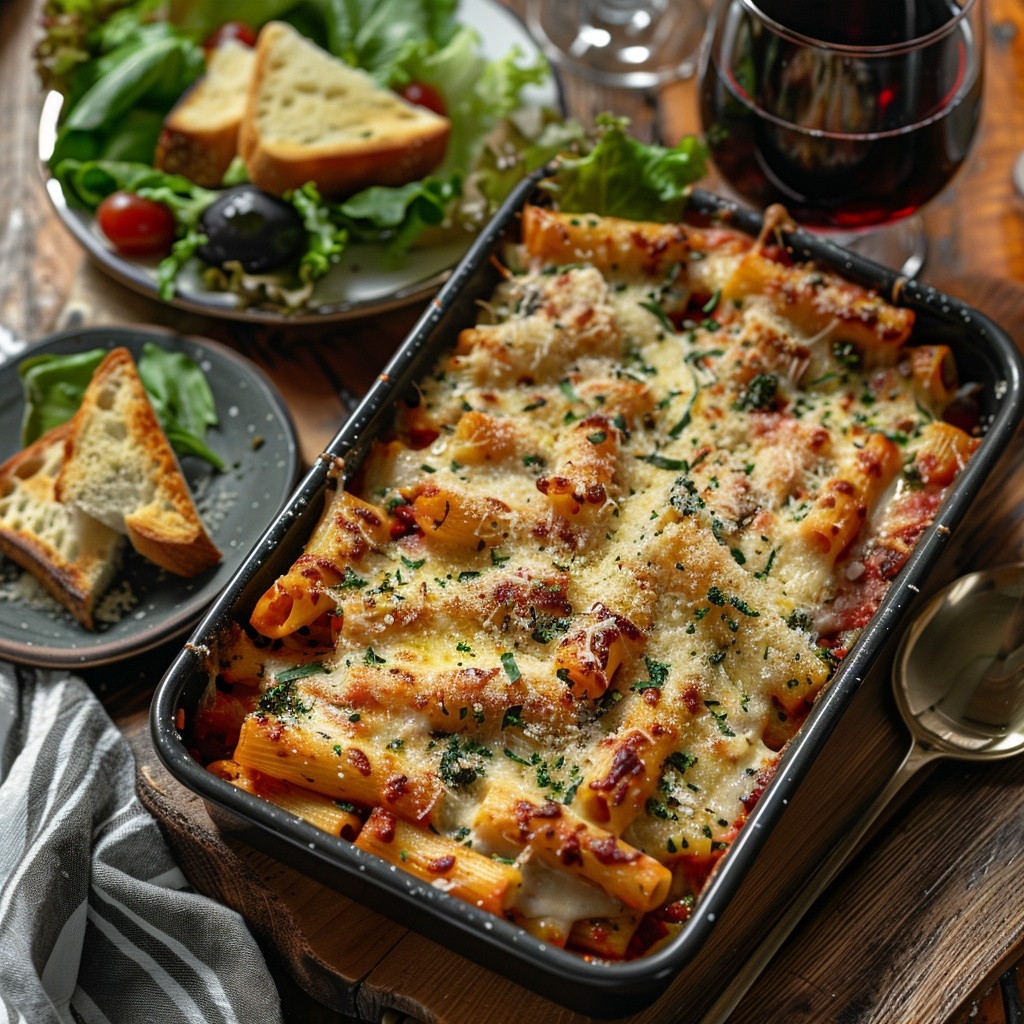
Introduction: My Love for Baked Ziti
There’s something magical about pulling a bubbling pan of baked ziti from the oven on a cold Tuesday night. The cheese stretches as you scoop out the first serving, and the aroma fills your kitchen with pure comfort. I discovered my obsession with this dish during college when I was broke, hungry, and desperate for something that tasted like home. One pan fed me for three days, and I’ve been hooked ever since.
Baked ziti sits at the top of my go-to comfort food list. It’s not fancy or complicated, but it delivers every single time. When life gets messy or I need to feed a crowd without breaking a sweat, this is my answer. The best part? You don’t need to be a skilled cook to nail it. If you can boil water and stir, you can make amazing baked ziti.
What makes this dish so special? It’s the perfect marriage of tender pasta, rich tomato sauce, and gooey melted cheese. Unlike fussy recipes that demand your constant attention, baked ziti is forgiving. You can prep it ahead, toss it in the fridge, and bake it when you’re ready. It tastes just as good as leftovers the next day. Sometimes I think it tastes even better.
This guide will walk you through everything you need to create the best baked ziti recipe in your kitchen. I’ll share the techniques that work, the shortcuts that save time, and the small tricks that make a big difference. Whether you’re making this for the first time or the hundredth, you’ll find tips here to level up your baked ziti game.
What is Baked Ziti?
Let me break down what baked ziti actually is. At its core, this dish features tube-shaped pasta mixed with tomato sauce and cheese, then baked until hot and bubbly. The pasta soaks up the sauce while it cooks, creating layers of flavor in every bite. It’s simple food done right.
The dish has solid Italian roots, though you might be surprised to learn it’s more Italian-American than traditional Italian. When Italian immigrants came to America, they adapted their recipes using available ingredients. Authentic baked ziti in Italy, called “pasta al forno,” uses local cheeses and fresh tomatoes. The American version embraced ricotta, mozzarella, and jarred sauce, making it easier for busy families to prepare.
My grandmother always said that Italian cooking is about making the most of what you have. Baked ziti proves her point. You take basic ingredients and transform them into something that brings people together around a table.
Is Baked Ziti Basically Lasagna?
I get asked this question all the time. Is baked ziti basically lasagna? The short answer is no, but I understand the confusion. Both dishes feature pasta, tomato sauce, and cheese baked in a pan. They’re cousins in the Italian-American food family.
Here’s how they differ. Lasagna uses flat noodles layered with sauce and cheese, creating distinct horizontal layers. You need to carefully construct each layer, which takes time and patience. Baked ziti uses tube pasta that you mix with the sauce and cheese before baking. It’s more casual and much faster to assemble.
Think of lasagna as the dressed-up dinner party version and baked ziti as the cozy family meal. Both are delicious, but baked ziti wins when you want comfort without the fuss. I make lasagna maybe twice a year for special occasions. I make baked ziti at least twice a month because it’s just easier.
Why Baked Ziti is Perfect for Crowds
Baked ziti shines at family dinners and gatherings. I’ve brought this dish to potlucks, made it for birthday parties, and served it at casual get-togethers. It never disappoints. Everyone from picky kids to food snobs finds something to love.
The dish holds up well on a buffet table. It doesn’t get soggy or fall apart when people serve themselves. You can keep it warm in the oven without ruining the texture. Plus, it’s easy to make in large quantities. Double the recipe, use a bigger pan, and you’re feeding twenty people without extra work.
I once made baked ziti for my daughter’s soccer team party. Fifteen hungry kids devoured two full pans in about twenty minutes. Parents asked for the recipe, and one mom texted me later saying it was the only thing her son would eat that week. That’s the power of good baked ziti.
Variations to Suit Every Taste
One reason I love baked ziti is how flexible it is. You can adapt this dish to match your taste, your diet, or whatever’s in your fridge. Let me share some variations that work beautifully.
Baked Ziti with Sausage for Meat Lovers
When I want to make this dish heartier, I add Italian sausage. Baked ziti with sausage turns a simple pasta bake into a protein-packed meal that satisfies the biggest appetites. I brown the sausage first, breaking it into bite-sized pieces as it cooks. The fat from the sausage adds richness to the sauce.
You can use sweet or spicy Italian sausage depending on your preference. I usually go with sweet because my kids prefer it, but I keep crushed red pepper flakes on the table for those who want heat. Remove the casings before cooking to make the sausage easier to mix with the pasta.
Ground beef works too if you can’t find good sausage. I’ve also mixed both beef and sausage together for an extra meaty version that my husband requests for his birthday every year. The key is browning the meat well so it develops deep flavor before mixing it with the other ingredients.
Vegetarian and Meatless Options
My sister is vegetarian, so I’ve perfected meatless baked ziti over the years. The good news is that baked ziti doesn’t need meat to taste amazing. The combination of sauce and cheese provides plenty of flavor and satisfaction.
For baked ziti vegetarian versions, I load up on vegetables. Sautéed mushrooms add a meaty texture without any meat. Spinach wilts down and blends right into the sauce. Diced zucchini, bell peppers, and eggplant work beautifully. I roast the vegetables first to concentrate their flavor and remove excess moisture.
My favorite vegetarian version includes three types of mushrooms, fresh spinach, and roasted red peppers. Even my meat-loving friends don’t miss the sausage when I make it this way. The mushrooms soak up the tomato sauce and provide that savory umami flavor you want in comfort food.
Making Baked Ziti Without Ricotta
Here’s a question I hear often: Can you make baked ziti without ricotta? Yes, absolutely. While many recipes call for ricotta cheese, it’s not essential. Some people don’t like the grainy texture of ricotta, and others just don’t keep it in their fridge.
I make baked ziti without ricotta all the time. Instead, I use extra mozzarella and Parmesan. The dish comes out just as creamy and delicious. Some cooks add cream cheese or cottage cheese as alternatives. I’ve even used a dollop of sour cream mixed with the sauce for tang and richness.
My mother-in-law never used ricotta in her baked ziti. She said it was an unnecessary expense when good mozzarella did the job. After trying her version, I had to agree. The dish was cheesy, gooey, and completely satisfying without a single spoonful of ricotta. Now I make it both ways depending on what I have available.
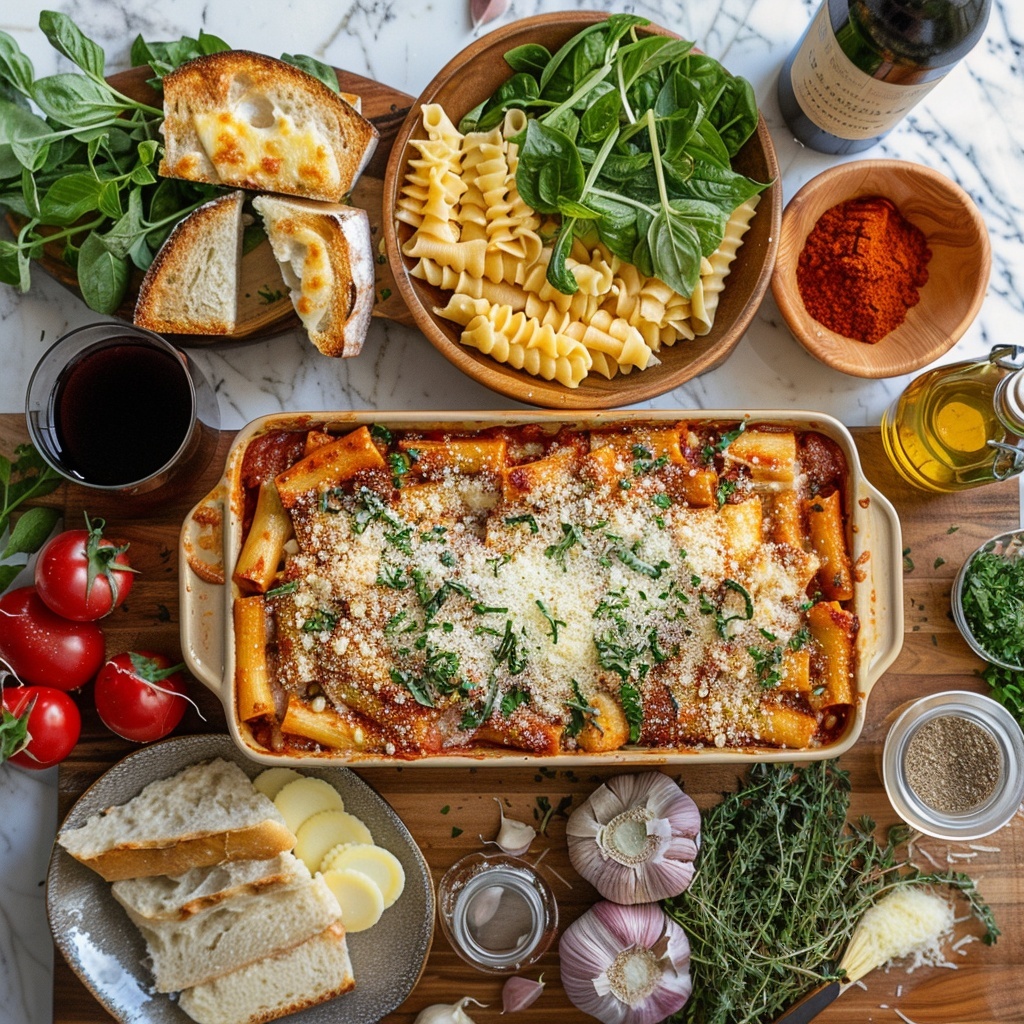
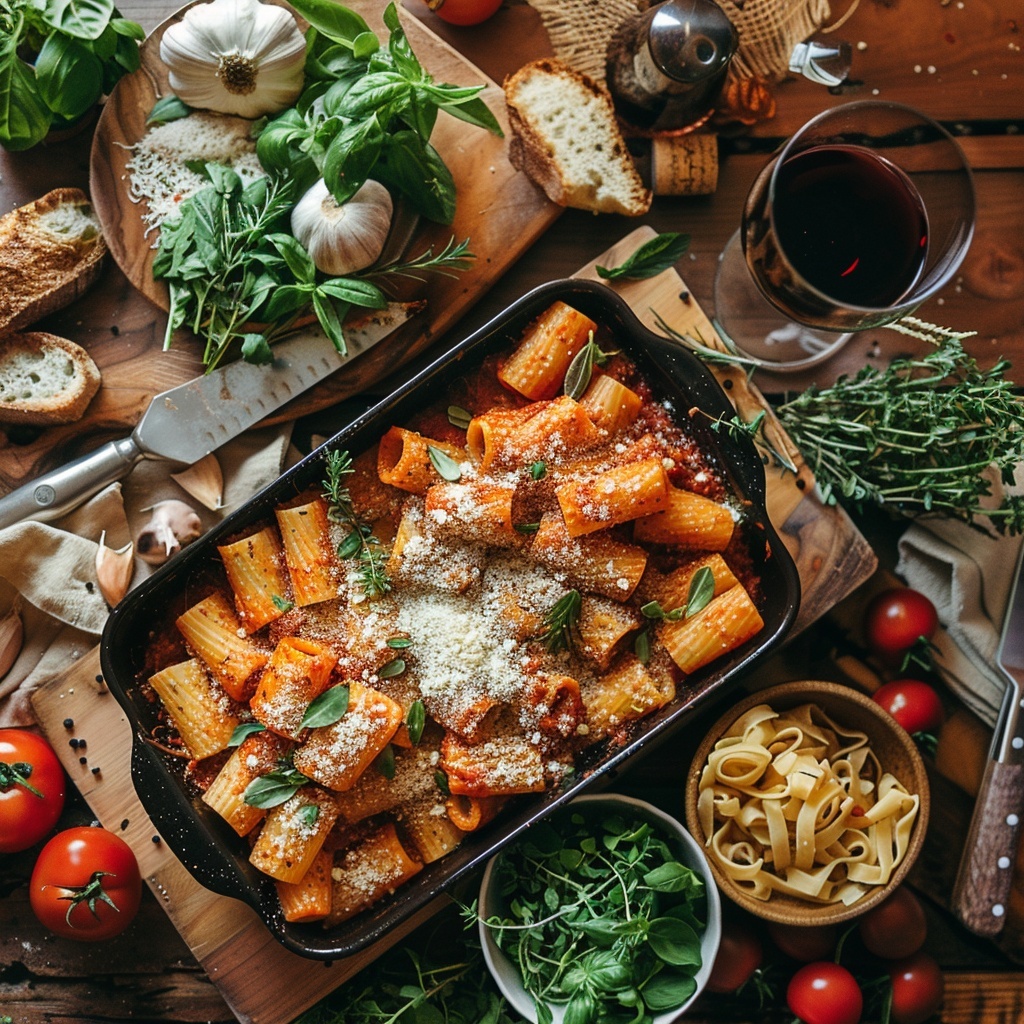
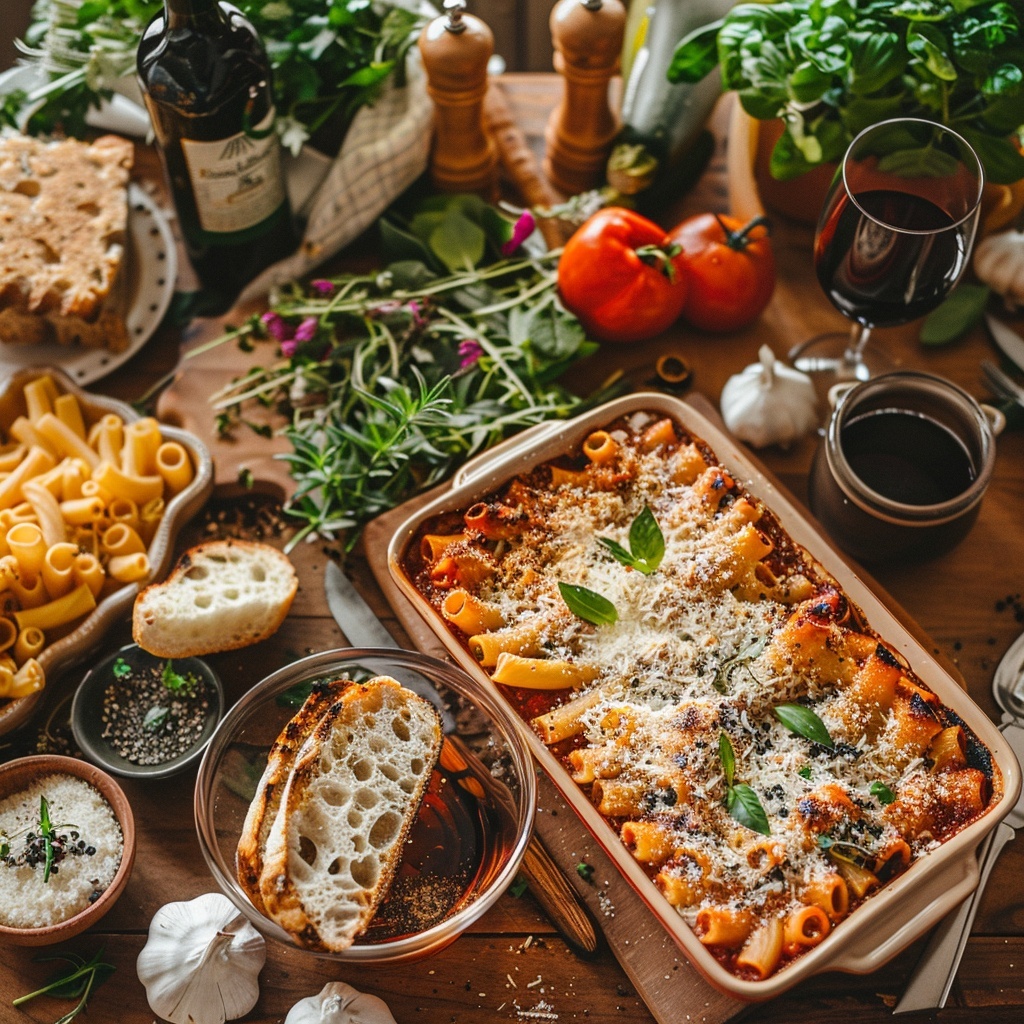
How to Make the Best Baked Ziti
Now that you know all the ways you can customize baked ziti, let’s get into the actual cooking process. I’ve made this dish enough times to know exactly what works and what doesn’t, and I’m going to share all those little details that make the difference between okay baked ziti and the kind that makes people ask for seconds.
Ingredients and Substitutions
The beauty of a classic baked ziti recipe starts with simple ingredients. You need ziti pasta, obviously. If your store doesn’t carry ziti, grab penne or rigatoni instead. They’re all tube-shaped and work the same way. I’ve used all three, and honestly, nobody at my table has ever complained about which pasta shape I picked.
For the sauce, I usually make a quick marinara from scratch using crushed tomatoes, garlic, olive oil, and herbs. But here’s the truth: I’ve used jarred sauce plenty of times when life gets busy. Pick a decent brand, maybe add some fresh basil and a pinch of sugar to balance the acidity, and you’re golden. The same principle applies when I’m making turkey meatballs on a weeknight—sometimes shortcuts are necessary, and that’s perfectly fine.
Cheese is where things get interesting. Do you use ricotta in baked ziti? That depends entirely on your preference. Traditional recipes often include ricotta mixed with eggs and Parmesan to create creamy pockets throughout the dish. I whisk together about fifteen ounces of ricotta with one egg, a handful of grated Parmesan, and some fresh parsley. The egg helps bind everything together so the ricotta doesn’t turn watery during baking.
If you’re going the ricotta route, don’t skip the egg. I learned this the hard way when I made baked ziti with ricotta for a dinner party and forgot that crucial ingredient. The ricotta separated and made the whole dish look weepy and unappetizing. It still tasted fine, but presentation matters when you’re trying to impress people.
For cheese on top, I always use a combination of shredded mozzarella and Parmesan. The mozzarella melts into those gorgeous stretchy strings, while the Parmesan adds a sharp, salty punch. I buy blocks and shred them myself because pre-shredded cheese has anti-caking agents that prevent it from melting smoothly. Yeah, it’s extra work, but your baked ziti deserves it.
Here’s a substitution tip I discovered recently: if you want to add more depth to your sauce, throw in some of the same spices you’d use in something hearty like chili con carne—just a tiny pinch of cumin or smoked paprika can make your tomato sauce taste more complex without tasting like chili.
Step-by-Step Cooking Process
Let’s talk about cooking the pasta first. This step trips people up more than anything else. You want to undercook your ziti by about two minutes less than the package directions. The pasta will continue cooking in the oven, and if you boil it until it’s fully done, you’ll end up with mushy pasta after baking. I set a timer and taste-test a piece when it goes off. The pasta should have a firm bite, almost crunchy in the center.
Salt your pasta water generously. I mean really salt it—it should taste like the ocean. This is your only chance to season the pasta itself. I use about two tablespoons of salt for a large pot of water. Funny enough, my husband thought I was crazy the first time he saw me dump that much salt in, but after tasting the difference, he became a believer.
While the pasta cooks, I get my sauce ready. If I’m making baked ziti with sausage, I brown the meat first, then add my tomato sauce to the same pan. Those browned bits stuck to the bottom add so much flavor. Scrape them up with a wooden spoon as the sauce heats. For a lighter option similar to lemon garlic tilapia, you could even skip the meat entirely and add vegetables for a fresher take.
Once your pasta is drained, mix it with about two-thirds of your sauce. Don’t dump all the sauce in at once. You want enough to coat every piece of pasta, but you’ll need some sauce left over for layering. This is a technique I picked up from watching baked ziti Giada tutorials online. She always emphasizes not drowning the pasta in sauce at this stage.
Now comes the assembly. Baked ziti Pioneer Woman style often involves a more rustic approach—just dump everything in and bake. That works fine, but I prefer a little more structure. I spread half the sauced pasta in my baking dish, then dollop the ricotta mixture over it. I don’t spread the ricotta into a smooth layer; I just drop spoonfuls here and there. Then I add the rest of the pasta, the remaining sauce, and finally pile on the shredded cheese.
By the way, use a 9×13 inch baking dish for a standard recipe. If you want a thicker, more lasagna-like result, use a smaller, deeper dish. Just know it’ll take longer to heat through. I’ve got three different sizes of baking dishes in my cabinet because I’ve learned that the pan size really does affect the final texture.
Common Mistakes When Cooking Ziti
What are the common mistakes when cooking ziti? Let me count the ways I’ve messed this up over the years. Mistake number one is overcooking the pasta. I already mentioned this, but it bears repeating because it’s the most common problem. Soft, mushy pasta ruins the whole dish.
Second mistake: not using enough sauce. Pasta absorbs liquid as it bakes, so what looks like enough sauce before baking might leave you with dry, sad pasta after. I always think I’m using too much sauce, and it always turns out perfect. Trust the process.
Third: skipping the foil cover during the first part of baking. If you bake uncovered from the start, the cheese browns too quickly and the center stays cold. Cover your dish with aluminum foil for the first twenty-five minutes, then remove it to let the cheese get golden and bubbly.
Another mistake is not letting it rest after baking. I know, I know—you’re hungry and it smells incredible. But if you dig in immediately, it’ll be soupy and fall apart. Give it ten minutes, and everything sets up properly. It’s the same patience you need when making veggie fried rice—sometimes waiting makes all the difference.
Baking Your Ziti to Perfection
Alright, your assembled masterpiece is ready for the oven. How long should baked ziti be in the oven at 350 degrees? I bake mine at 375 degrees Fahrenheit, actually. I find 350 takes forever, and 375 gives me better results in less time. At 375, your covered baked ziti needs about twenty-five to thirty minutes. Then you remove the foil and bake for another ten to fifteen minutes until the cheese is browned and bubbling around the edges.
If you’re using 350 degrees because that’s what your recipe calls for, add about ten minutes to the total cooking time. Every oven runs a little different, so you’ll need to figure out what works for yours. My mom’s oven runs hot, so she sets it lower. Mine runs cold, so I crank it up. Get to know your oven’s personality.
Here’s the thing about knowing when your easy baked ziti is done: look at the edges. When you see the sauce bubbling vigorously around the sides and the cheese on top has golden brown spots, you’re there. Stick a knife into the center and feel the blade afterward. If it’s hot to the touch, the middle is heated through.
The resting time after baking matters more than most people realize. Pull that beautiful pan from the oven and just leave it on the counter. Don’t cover it again. Let it sit for ten to fifteen minutes. During this time, the sauce thickens, the cheese firms up slightly, and everything settles into place. Your first piece will come out clean instead of sloppy. This waiting period is when I usually make a quick salad or set the table, which helps me resist the urge to serve it too soon.
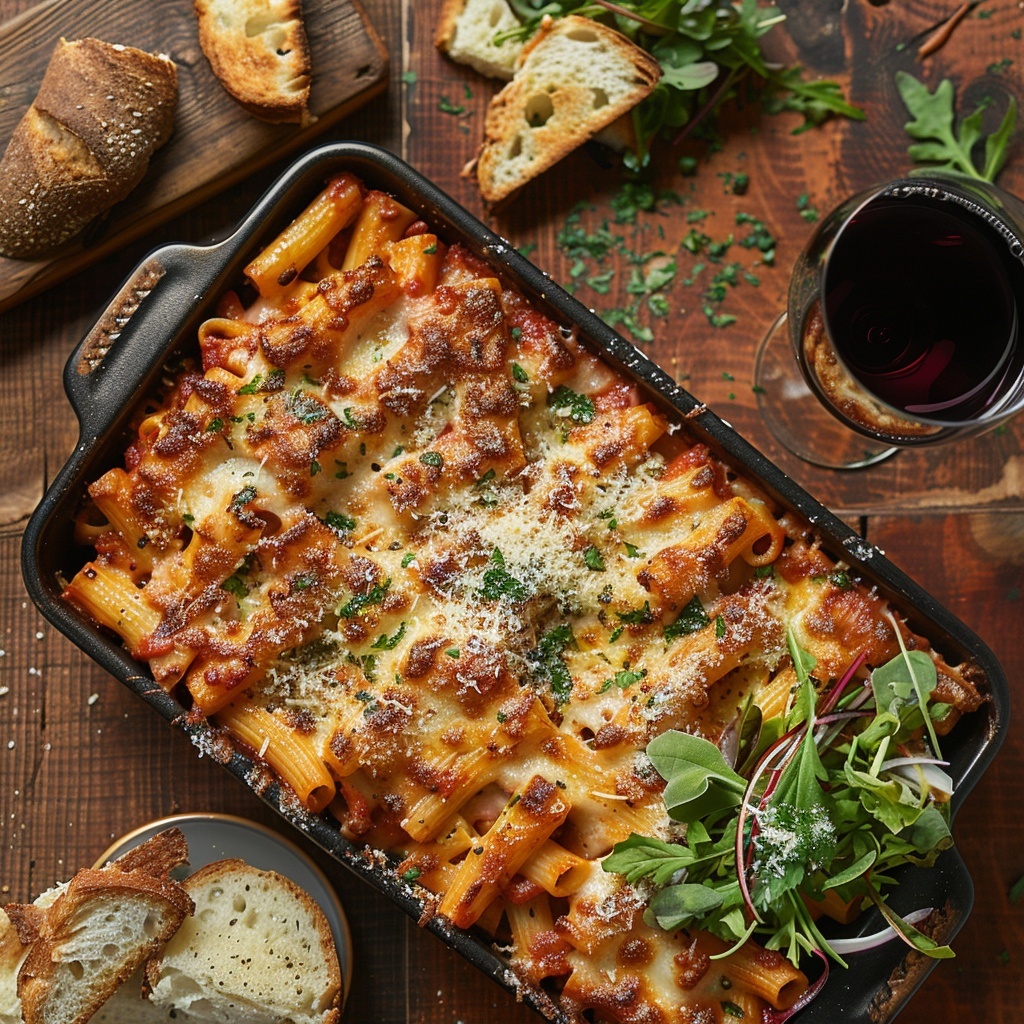
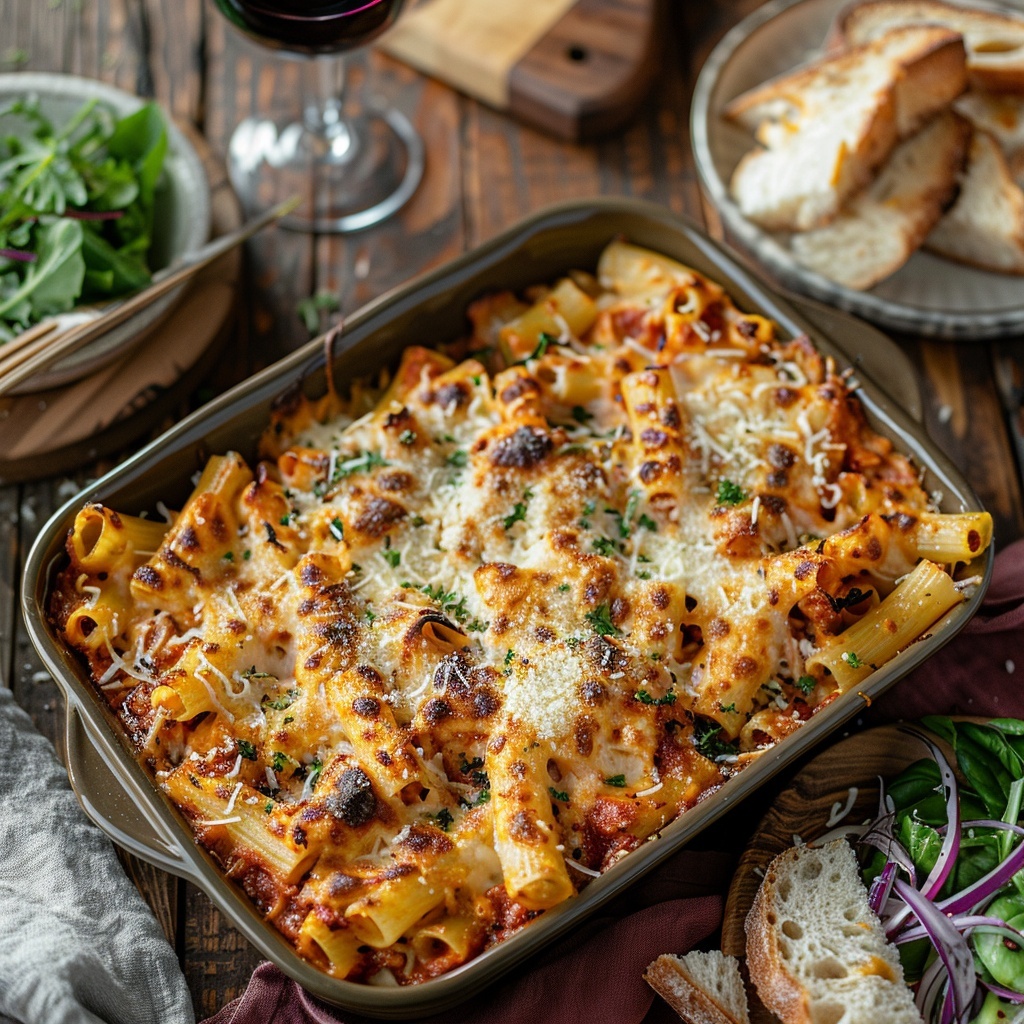
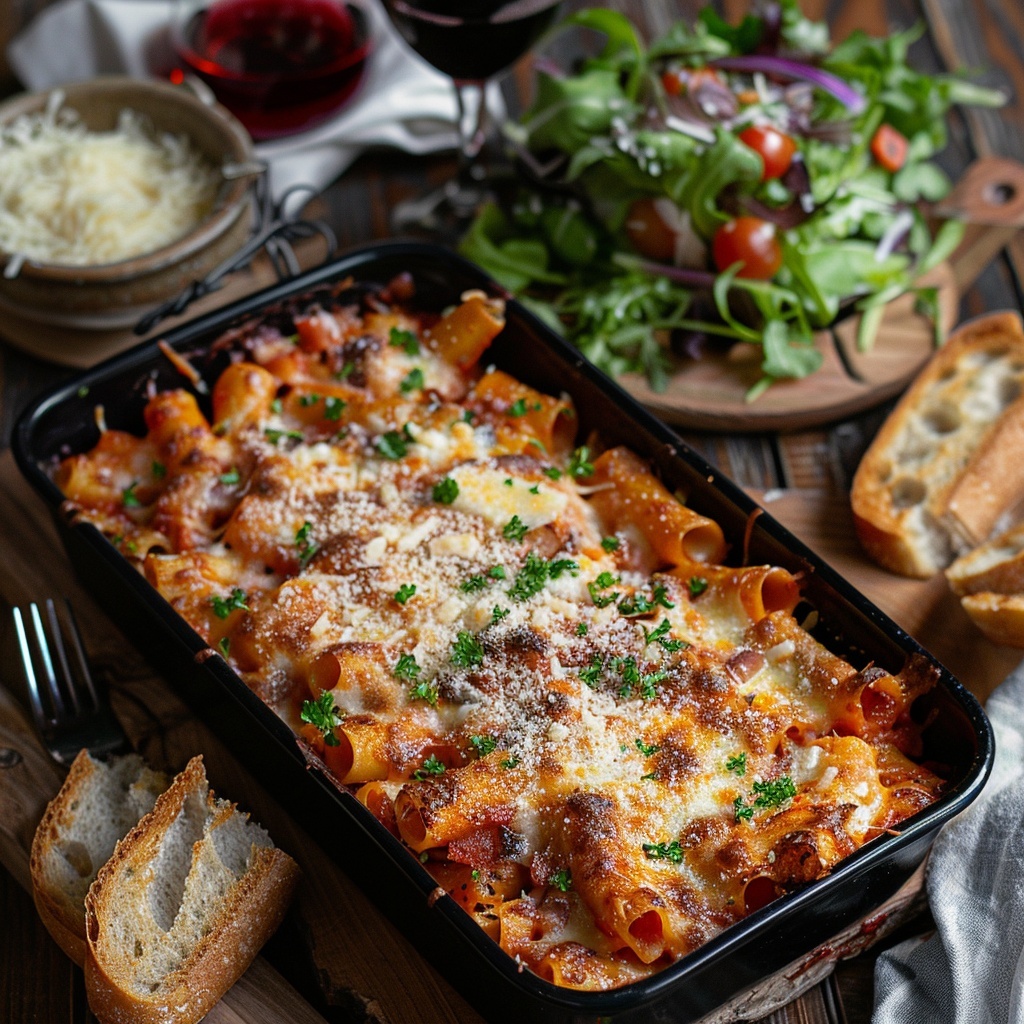
When you finally cut into that rested baked ziti and see the layers of pasta, pockets of creamy ricotta, and stretchy melted cheese, you’ll understand why this dish has such a loyal following. It’s not complicated or pretentious, but it’s absolutely delicious, and that’s really all that matters.
Customizing Your Baked Ziti
Here’s where things get really fun. Once you’ve nailed the basic baked ziti, the world opens up. I treat this dish like a canvas now, changing it up based on what’s in my fridge, who I’m feeding, or what kind of mood I’m in. Sometimes I keep it traditional, and other times I throw in ingredients that would make an Italian grandmother shake her head. But you know what? It always turns out delicious.
Easy Baked Ziti Hacks for Busy Weeknights
My friend Kelly works two jobs and has three kids under ten. She asked me one day how she could possibly fit baked ziti into her chaotic schedule. I told her my weeknight secrets, and now she makes it twice a month. First hack: prep everything on Sunday. Cook your pasta, brown your meat, mix your ricotta blend, and store everything separately in the fridge. On Tuesday night, you just assemble and bake. Takes maybe fifteen minutes of active work.
Second hack involves using what I call “pantry shortcuts” without guilt. Pre-shredded cheese? Sure, if it saves you twenty minutes. Frozen spinach instead of fresh? Absolutely. Jarred minced garlic? I won’t tell anyone if you don’t. The perfect is the enemy of the good, and getting dinner on the table beats making everything from scratch when you’re exhausted.
I also keep disposable aluminum pans in my pantry for easy baked ziti on particularly crazy nights. Mix everything right in the pan, bake it, and when you’re done eating, toss the pan. Yeah, it’s not environmentally perfect, but neither is ordering pizza three times a week because you’re too tired to deal with dishes. Pick your battles.
Another trick I learned from my neighbor: make two pans at once. Bake one for dinner and freeze the other unbaked. When you need dinner fast, pull it from the freezer in the morning, let it thaw in the fridge all day, and bake it that night. You’re basically creating your own freezer meal with ingredients you actually like. Way better than those cardboard-tasting frozen dinners from the grocery store.
Adding a Personal Twist: My Favorite Variations
My absolute favorite way to jazz up baked ziti involves spinach and artichoke hearts. I know, sounds fancy, but hear me out. I drain a can of artichoke hearts, chop them roughly, and fold them into the pasta with a bag of frozen spinach that I’ve thawed and squeezed dry. The artichokes add this tangy, slightly briny flavor that cuts through the richness of all that cheese. My kids call it “the green one” and request it specifically now.
When I make baked ziti with sausage for my brother’s family, I add a twist he loves: caramelized onions. I slice two large onions and cook them low and slow until they’re sweet and jammy. Mix those into the meat sauce, and you get this deep, almost sweet complexity that makes people ask what your secret ingredient is. Takes patience, sure, but you can do it while the pasta cooks.
During summer when my garden explodes with tomatoes and basil, I make what I call “garden baked ziti.” Fresh tomato sauce with tons of fresh basil torn right before mixing. Sometimes I throw in diced zucchini or yellow squash. It tastes lighter and brighter than the winter version, and I love how it changes with the seasons. Food should reflect the time of year, you know?
Here’s a weird variation that my husband invented by accident: buffalo chicken baked ziti. He had leftover buffalo chicken wings, shredded the meat, and mixed it into the pasta with some of the buffalo sauce and a drizzle of ranch dressing mixed into the ricotta. Sounds crazy, right? It was actually incredible. The spicy, tangy buffalo sauce played perfectly with the creamy cheese. We’ve made it on purpose several times since.
How to Make Baked Ziti Vegetarian-Friendly Without Sacrificing Flavor
Look, I get it. Some people think vegetarian means bland. Those people haven’t had my baked ziti vegetarian version. The secret is building layers of flavor with vegetables that actually taste like something. Mushrooms are your best friend here. I use a mix of cremini, shiitake, and portobello, all diced and sautéed until deeply browned. Don’t rush this step. Let them sit in the hot pan and develop that rich, almost meaty flavor.
Roasted red peppers add sweetness and a subtle smokiness. You can buy them jarred or roast your own bell peppers until the skin blackens, then peel and chop them. I usually do both because I’m lazy sometimes and ambitious other times. Either way works beautifully in meatless baked ziti.
Sun-dried tomatoes packed in oil bring concentrated tomato flavor and a chewy texture that stands up to baking. I chop about half a cup and mix them right into the sauce. The oil they’re packed in goes in too—waste not, want not. That oil carries so much flavor from the tomatoes and whatever herbs are in the jar.
Fresh spinach wilts down to nothing, so I pack in what feels like an absurd amount. I’m talking two or three big handfuls per batch. It shrinks dramatically and adds nutrition without affecting the texture. My daughter doesn’t even notice it’s there, which is a victory in my house. By the way, if you’re looking for more vegetarian options that don’t compromise on taste, browsing through everyday cooking ideas can give you plenty of inspiration for weeknight meals.
One trick that makes vegetarian versions taste richer: add a parmesan rind to your sauce while it simmers. The rind melts slightly and infuses the sauce with nutty, salty depth. Fish it out before assembling your dish. This little move adds the umami depth that meat would normally provide. I learned this from my Italian cooking class instructor, and it changed everything.
Nutritional yeast is another secret weapon for vegetarian dishes. Just a couple tablespoons stirred into your ricotta mixture adds a savory, almost cheesy depth. Sounds weird if you’ve never used it, but trust me on this one. You can find it in the health food section of most grocery stores now.
FAQs About Baked Ziti
Is baked ziti basically lasagna?
Not really, though I understand why people compare them. Both are baked Italian-American pasta dishes with sauce and cheese, but the construction differs significantly. Lasagna requires careful layering of flat noodles, while baked ziti mixes tube pasta with sauce before baking. Ziti is much faster to assemble and more forgiving if you’re not experienced with layered dishes. Think of lasagna as structured and formal, while ziti is casual and easygoing. They’re related but distinctly different experiences.
Do you use ricotta in baked ziti?
It’s completely optional and depends on personal preference. Traditional recipes often include ricotta mixed with egg and parmesan for creamy pockets throughout the dish. However, plenty of excellent versions skip ricotta entirely and use only mozzarella and parmesan. I make it both ways depending on what I have available and who I’m feeding. If you do use ricotta, always mix it with an egg to prevent it from becoming watery during baking. The egg acts as a binder and keeps everything cohesive.
How long should baked ziti be in the oven at 350 degrees?
At 350 degrees Fahrenheit, plan on forty to forty-five minutes total baking time. Cover your dish with foil for the first thirty minutes to prevent the cheese from browning too quickly. Then remove the foil and bake for another ten to fifteen minutes until the cheese is golden and bubbling. The edges should be bubbling vigorously, and a knife inserted in the center should come out hot. Remember to let it rest for ten minutes after baking so everything sets properly before serving.
What are the common mistakes when cooking ziti?
The biggest mistake is overcooking the pasta before baking. Your ziti should be two minutes shy of al dente because it continues cooking in the oven. Another common error is not using enough sauce—pasta absorbs liquid as it bakes, so what seems like plenty beforehand can leave you with dry pasta. Skipping the foil cover during initial baking causes the cheese to brown before the center heats through. Finally, not letting the dish rest after baking results in a soupy, sloppy mess instead of neat portions.
Can I make baked ziti ahead of time?
Absolutely, and it’s actually one of the best make-ahead dishes. Assemble your ziti completely, cover it tightly with plastic wrap and foil, and refrigerate for up to twenty-four hours. When you’re ready to bake, remove it from the fridge while your oven preheats to take the chill off slightly. Add about ten extra minutes to the covered baking time since you’re starting with a cold dish. I make mine the night before dinner parties all the time and just pop it in the oven when guests arrive.
How do I prevent my baked ziti from being dry?
Use more sauce than you think you need. The pasta absorbs a surprising amount of liquid during baking, and what looks saucy before baking can turn dry afterward. I always reserve extra sauce to drizzle on top if needed. Make sure you cover the dish with foil for most of the baking time to trap moisture. Undercook your pasta initially so it has room to absorb sauce without turning mushy. Finally, don’t overbake—pull it out as soon as the edges bubble and the cheese melts.
What’s the best cheese combination for baked ziti?
I swear by a three-cheese combination: ricotta for creaminess, mozzarella for that gorgeous stretch, and parmesan for sharp, salty depth. Use whole milk ricotta rather than part-skim for better flavor and texture. Shred your own mozzarella from a block instead of buying pre-shredded, which contains additives that prevent smooth melting. Freshly grated parmesan tastes worlds better than the stuff in the green can. This trio creates layers of flavor and different textures that make each bite interesting.
Can I freeze baked ziti?
Yes, it freezes beautifully either before or after baking. For unbaked ziti, assemble everything in a freezer-safe dish, wrap tightly in plastic wrap and then foil, and freeze for up to three months. Thaw in the refrigerator overnight before baking as usual. For already-baked ziti, let it cool completely, portion into airtight containers, and freeze. Reheat individual portions in the microwave or the whole thing covered in a 350-degree oven until heated through. The texture holds up remarkably well.
What should I serve with baked ziti?
Keep sides simple since baked ziti is already rich and filling. A crisp green salad with vinaigrette cuts through the richness perfectly. Garlic bread is classic for a reason—you need something to soak up extra sauce. Roasted vegetables like broccoli or green beans add color and nutrition to the plate. I often serve a light cucumber and tomato salad in summer for freshness. Don’t overthink it; baked ziti is the star, so sides should support rather than compete.
Why is my baked ziti watery?
Watery ziti usually comes from one of three issues. First, you might have used ricotta without egg to bind it, causing it to separate and release moisture. Second, you may have used too much sauce or sauce that was too thin to begin with. Third, you possibly didn’t let it rest after baking, which is when excess liquid gets reabsorbed and everything sets up. If you’re adding vegetables, make sure to cook them first to release moisture beforehand rather than adding raw vegetables that will weep during baking.
Baked ziti deserves its reputation as comfort food royalty. It’s adaptable enough to please everyone at your table, forgiving enough for beginners, and delicious enough that you’ll never get tired of it. Whether you stick with a classic recipe or venture into creative variations, you’re making more than just dinner—you’re creating those warm, satisfying moments that people remember long after the plates are clean.
Baked Ziti
Ingredients
Equipment
Method
- Preheat your oven to 375°F (190°C).
- Boil water in a large pot and salt it generously.
- Cook the ziti pasta for 2 minutes less than package directions until al dente. Drain and set aside.
- In the same pot, brown Italian sausage if using, then add marinara sauce and heat through.
- In a bowl, mix ricotta cheese, egg, and Parmesan together if using ricotta.
- Combine the pasta with about two-thirds of the sauce in a large mixing bowl.
- In a greased 9x13 inch baking dish, layer half of the sauced pasta, dollop the ricotta mixture, add the remaining pasta and top with the leftover sauce.
- Sprinkle mozzarella cheese evenly on top.
- Cover with aluminum foil and bake for 25-30 minutes.
- Remove the foil and bake for an additional 10-15 minutes until cheese is golden and bubbling.
- Allow to rest for 10 minutes before serving.