
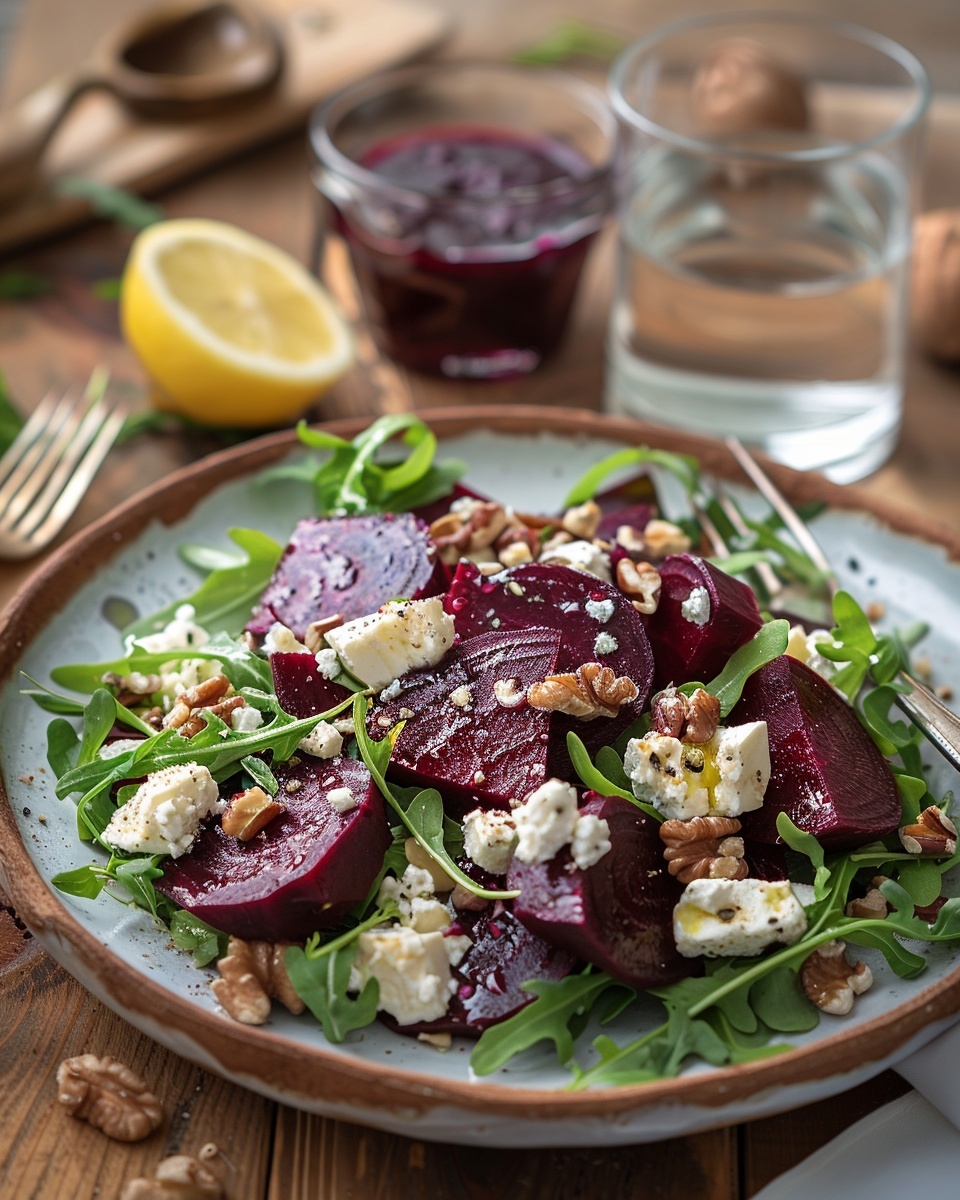
Welcome to My Kitchen: A Love Story with Beet and Goat Cheese Salad
I’ll never forget the first time I tried a beet and goat cheese salad. I was at a small café, skeptical about ordering anything with beets. I’d always thought they tasted like dirt. But the server promised I’d love it, and she was right. One bite changed everything. The sweet earthiness of the roasted beets mixed with creamy, tangy goat cheese was a revelation. I went home that day determined to recreate it in my own kitchen.
That was five years ago, and this salad has been a staple in my home ever since. I make it for dinner parties, bring it to potlucks, and throw it together for quick lunches. Every single time, someone asks for the recipe. There’s something magical about this dish that turns even the most dedicated beet skeptics into believers.
The beauty of this salad lies in its simplicity. You don’t need fancy techniques or hard-to-find ingredients. Just good quality beets, real goat cheese, and a few supporting players. The result is a dish that looks like it came from an upscale restaurant but takes less than an hour to prepare.
Why Beet and Goat Cheese Salad Is So Special
Let me tell you exactly why this combination works so well. Beets have this natural sweetness that intensifies when you roast them. They become tender and almost buttery. The earthiness remains but in the best possible way. It’s like concentrated vegetable candy.
Then you add goat cheese. This cheese is tangy and creamy with just enough acidity to cut through the sweetness of the beets. When you combine these two ingredients, something special happens. They balance each other perfectly. The cheese softens the earthiness of the beets while the beets make the cheese taste less sharp.
I learned this the hard way when I tried substituting feta once. Don’t get me wrong, feta is delicious. But it’s saltier and drier than goat cheese. The whole dish felt off. The creaminess of goat cheese is essential to this recipe. It coats your palate and brings everything together.
The texture contrast also plays a huge role. Roasted beet and goat cheese salad gives you tender beets, creamy cheese, crispy greens, and often crunchy nuts. Every bite is different. Your mouth never gets bored.
This salad is versatile too. Serve it as a light lunch on a warm day. Bring it to a dinner party as an impressive side dish. Pack it for work the next day. It holds up well and actually tastes better after the flavors have time to mingle.
Do Beetroot and Goats Cheese Go Together?
This is one of the most common questions I get, and the answer is a resounding yes. These two ingredients were made for each other. The science behind it is interesting too.
Beets contain natural sugars and earthy compounds called geosmin. Goat cheese has lactic acid and fat. When you combine sweet, earthy, tangy, and creamy, you hit multiple taste receptors at once. Your brain loves this complexity.
Professional chefs have been pairing these ingredients for decades. The beet and goat cheese salad cheesecake factory recipe has introduced millions of people to this combination. The beet and goat cheese salad pioneer woman version has its own loyal following. Both prove that this pairing is a classic for good reason.
I’ve served this to picky eaters, kids, and people who swear they hate beets. Most of them change their minds. The goat cheese seems to transform how people perceive the beets. It makes them more approachable and less intimidating.
Popular Variations That Will Inspire You
One of my favorite things about this salad is how easily you can adapt it. I make it differently almost every time based on what I have in my pantry or what sounds good that day.
The beet goat cheese walnut salad balsamic version is probably the most popular. You roast the beets, add crumbled goat cheese, toss in toasted walnuts, and drizzle everything with balsamic vinegar. The walnuts add crunch and the balsamic brings acidity. This is my go-to version for company.
Some people prefer a cold beet salad approach. You can use canned or pre-cooked beets to save time. I keep canned beets in my pantry for those nights when I need something quick. Just drain them, slice them up, and build your salad. It’s ready in ten minutes.
The roasted beet salad with goat cheese and candied walnuts takes things up a notch. Candying the walnuts adds sweetness and makes the salad feel more dessert-like. I make this version for special occasions or when I want to really impress someone.
If you’re looking for a simple beet salad, just use three ingredients: beets, goat cheese, and olive oil. That’s it. Sometimes less is more. The quality of your ingredients shines through when you keep things minimal.
Want to turn it into a beets and goat cheese appetizer? Slice the beets thin, top each slice with a small dollop of goat cheese, and add a drizzle of honey. Arrange them on a platter. They look beautiful and disappear quickly at parties.
What Mixes Well with Goat Cheese in This Salad?
Beyond beets, there are several ingredients that complement goat cheese beautifully in this dish. Here’s what I’ve learned through years of experimenting:
- Nuts: Walnuts are traditional, but pecans, almonds, and pistachios all work great. Toast them first for better flavor.
- Greens: Arugula adds peppery bite. Spinach keeps things mild. Mixed greens give you variety. I rotate based on my mood.
- Fruits: Orange segments, apple slices, or pear chunks add sweetness and freshness.
- Herbs: Fresh thyme, basil, or mint brighten everything up.
- Vinegars: Balsamic is classic, but sherry vinegar or champagne vinegar work too.
- Honey: A drizzle of honey enhances the sweetness and balances the tangy cheese.
I once added pomegranate seeds during the winter holidays. The burst of tartness and the jewel-like appearance made the salad festive and special. My mother-in-law still asks me to make that version every Christmas.
Common Mistakes to Avoid
After making this salad hundreds of times, I’ve seen every possible mistake. Here are the ones to watch out for.
The biggest error is under-roasting the beets. Raw or barely cooked beets are tough and taste too earthy. Roast them until a knife slides through easily. This usually takes 45 to 60 minutes depending on size.
Another mistake is using low-quality goat cheese. The cheap stuff can taste chalky and bland. Spend a little extra on good goat cheese. It makes a huge difference. Look for soft, creamy cheese that’s easy to crumble.
Overdressing the salad ruins it too. The beets and cheese are already rich. You need just enough dressing to coat the greens lightly. I always dress my salads in a large bowl where I can toss everything evenly.
Don’t skip toasting the nuts if you’re using them. Raw nuts are fine, but toasted nuts have deeper flavor and better crunch. It takes five minutes and transforms the dish.
Some people make the mistake of assembling the salad too far in advance. The beets will bleed into everything and turn your goat cheese pink. I prep all the components ahead but assemble just before serving.
Looking for a beet and goat cheese salad near me? Sure, restaurants make great versions. But honestly, making this fresh beet salad recipe at home is easier than you think. You’ll save money and can customize it exactly how you like it.
This salad has become more than just a recipe to me. It’s my answer to “what should I bring” requests. It’s my weeknight savior when I need something healthy but satisfying. It’s my secret weapon for converting vegetable haters. Once you master the basic version, you’ll find yourself making it again and again, tweaking it to suit your taste and the season.


How to Make the Perfect Roasted Beet and Goat Cheese Salad
Now that you know why this combination works so beautifully, let’s get into the actual making of this dish. I promise it’s way simpler than it looks, and once you nail the basics, you’ll be whipping this up without even checking the recipe.
Ingredients You’ll Need
Here’s what goes into my standard version. The amounts are flexible because I rarely measure exactly anymore, but I’ll give you a solid starting point for about four servings.
For the beets, grab about four medium-sized ones. I prefer the deep red variety, but golden beets work too if you want something a bit milder. Fresh beets are always my first choice, though I won’t judge you for using pre-cooked ones when life gets hectic.
You’ll need four to six ounces of goat cheese. I usually buy the log-style cheese and crumble it myself. It tastes fresher that way. The pre-crumbled stuff works fine too, but check the package date because it can dry out faster.
Walnuts are next, about half a cup. Sometimes I use pecans if that’s what’s sitting in my pantry. Nobody’s ever complained. Just make sure they’re not stale because rancid nuts will ruin everything.
For the dressing, keep it simple. Good quality olive oil is essential, maybe a quarter cup. Balsamic vinegar, about two tablespoons. Some people like a sweeter balsamic glaze, but I prefer the sharper bite of regular balsamic. Salt and pepper go in too, obviously. I add a tiny pinch of Dijon mustard to my dressing sometimes, which helps everything emulsify nicely.
You’ll also want about four cups of greens. Arugula is my favorite because its peppery flavor stands up to the bold beets and cheese. Baby spinach works great if you want something gentler. Mixed greens are fine, though they can be a bit boring in my opinion.
Here’s something I learned from making mistakes: get everything ready before you start. The French call it mise en place, which sounds fancy but just means having your stuff organized. It makes the whole process so much smoother.
Step-by-Step Instructions
The roasting process is where the magic happens. Preheat your oven to 400 degrees Fahrenheit. While it’s heating up, scrub those beets really well under cold water. Don’t peel them yet. I made that mistake once and ended up with shriveled, dry beets that nobody wanted to eat.
Trim off the leafy tops and the scraggly root ends. Leave the skin on. Wrap each beet individually in aluminum foil after drizzling it with a tiny bit of olive oil. This creates a little steam packet that keeps everything moist. Place them on a baking sheet because beets will leak and you don’t want that mess directly on your oven rack.
Roast for 45 to 60 minutes. The timing depends on how big your beets are. Small ones might be done in 40 minutes. Really large ones can take over an hour. You’ll know they’re ready when you can slide a knife through them without any resistance. They should feel tender, almost like a baked potato.
Let them cool enough that you can handle them. Then comes the satisfying part: the skins slip right off. I usually do this over the sink or on a cutting board I don’t mind staining. Beets will dye everything, including your hands. Some people wear gloves, but I just accept my temporarily pink fingers as part of the process.
Slice or cube the beets however you like. I do thick slices because I think they look prettier, but cubes are easier to eat. Whatever makes you happy.
While the beets are roasting, make your dressing. Pour the olive oil and balsamic vinegar into a jar with a lid. Add a pinch of salt, some freshly ground black pepper, and if you’re feeling fancy, that smidge of Dijon I mentioned earlier. Close the lid and shake it hard for about 20 seconds. The dressing should look creamy and emulsified, not separated. Taste it. Adjust the seasoning. Sometimes I add a tiny drizzle of honey if the balsamic is too sharp.
Toast those walnuts in a dry skillet over medium heat for about five minutes. Shake the pan frequently so they don’t burn. You’ll smell them getting nutty and fragrant. That’s when you know they’re ready. Transfer them to a plate immediately because they’ll keep cooking in the hot pan if you leave them there.
Now for the assembly, which is honestly the fun part. I like using a large shallow bowl or platter. Start with your greens. Drizzle just enough dressing to coat them lightly. If you’re anything like making a kale quinoa salad, you know that overdressing ruins the whole thing. Toss the greens with your hands or tongs until they’re evenly coated.
Arrange the beet slices on top. Crumble the goat cheese over everything. Sprinkle the toasted walnuts around. Finish with another small drizzle of dressing directly over the beets. Some people like to add a final drizzle of honey or a sprinkle of fresh herbs at this point. I do this when I’m trying to impress someone.
The timing matters here. I prep everything ahead but assemble right before serving. The beets can be roasted a day or two in advance and stored in the fridge. Same with the dressing and toasted nuts. Just keep everything separate until the last minute.
Tips for a Simple Beet Salad
Choosing the right beets makes a bigger difference than you’d think. Look for beets that are firm and smooth. Avoid any with soft spots or wrinkly skin. Smaller to medium beets are sweeter and cook faster than giant ones. I usually pick beets that are about the size of a tennis ball.
The color of the greens attached tells you a lot. Fresh, vibrant greens mean the beets were recently harvested. Wilted or yellowing greens suggest they’ve been sitting around too long. Don’t worry if the store has already trimmed the greens off. Just check the beet itself for firmness.
Now, let’s talk about roasting versus boiling. I roast my beets every single time. Boiling makes them waterlogged and dilutes their flavor. Roasting concentrates the sugars and creates this almost caramelized sweetness that you just can’t get from boiling. Plus, roasted beets have better texture. They’re tender but not mushy.
Some recipes tell you to boil beets because it’s faster. Sure, maybe by 10 minutes. But you sacrifice so much flavor. The only time I’d consider boiling is if I were making egg salad and needed to use my oven for something else entirely.
That touch of balsamic I mentioned earlier does more than add acidity. It deepens the color of the beets and makes them look even more vibrant. The slight sweetness in balsamic vinegar echoes the natural sweetness in the beets. It’s one of those combinations that just makes sense.
I’ve tried other vinegars. Red wine vinegar is too harsh. White wine vinegar gets lost. Apple cider vinegar is fine but doesn’t have the same depth. Balsamic is really the way to go for this particular salad.
Beet Goat Cheese Walnut Salad Balsamic
This specific combination deserves its own discussion because it’s the version I make most often. The walnuts bring this earthy, slightly bitter crunch that plays off both the sweet beets and tangy cheese. Balsamic ties everything together with its sweet-tart profile.
Funny enough, I didn’t even like walnuts until I started making this salad. I thought they were too bitter on their own. But toasting them transforms their flavor completely. They become sweeter, nuttier, less astringent. The natural oils come out and make them taste richer.
The texture contrast is crucial here. Soft beets, creamy cheese, crispy greens, crunchy walnuts. Each component has a different mouthfeel. This keeps your palate interested bite after bite. It’s similar to why Southwest chicken salad works so well with its mix of tender chicken, crisp vegetables, and crunchy tortilla strips.
Candying the walnuts takes this salad into special occasion territory. It’s not hard, but it does require a bit more attention. Here’s how I do it.
Combine half a cup of walnuts with two tablespoons of sugar and one tablespoon of butter in a skillet. Cook over medium heat, stirring constantly. The sugar will melt and start to coat the nuts. Keep stirring because sugar goes from perfect to burnt in about 30 seconds. When everything looks glossy and caramelized, spread the nuts on parchment paper to cool. They’ll harden as they cool and create this sweet, crunchy coating.
The candied version adds sweetness that you might want to balance out. I use less balsamic in the dressing when I’m using candied nuts, or I skip the honey drizzle. You don’t want the whole thing to taste like dessert, though it could honestly work that way if you wanted to get creative.
By the way, candied walnuts keep for about a week in an airtight container. I usually make a double batch because I end up snacking on them. They’re also fantastic on steak fajitas if you want to try something completely unexpected.
The beauty of this beet goat cheese walnut salad balsamic combination is its versatility. Serve it as a starter at Thanksgiving. Bring it to a summer potluck. Pack it for lunch with some grilled chicken on top. It works in every season and for every occasion. The ingredients are available year-round, and the flavor profile appeals to almost everyone. That’s probably why it’s become such a staple in my kitchen and why I keep coming back to it no matter what else I’m experimenting with.


Creating a Stunning Beet and Goat Cheese Appetizer
Last summer, I hosted a garden party and needed something impressive to serve while people mingled. I didn’t want anything too heavy since dinner was coming later. That’s when I realized this salad could easily transform into elegant little appetizers. Honestly, they looked so fancy that my neighbors thought I’d ordered catering.
The key to making beets and goat cheese appetizer portions is keeping everything bite-sized and visually appealing. Start by slicing your roasted beets into rounds about a quarter-inch thick. Not too thin or they’ll fall apart, but not so thick that they’re awkward to eat in one bite. I aim for that sweet spot where each slice can hold a topping without being unwieldy.
Arrange these slices on a serving platter. I like using a white or light-colored plate because it makes the deep red beets really pop. Sometimes I use a wooden board for a more rustic look. Both work great depending on the vibe you’re going for.
Now for the goat cheese. You can crumble it on top like you would for the salad version, but I prefer something more refined for appetizers. Take small portions of goat cheese and roll them into balls about the size of a marble. Place one ball on each beet slice. If the cheese is too soft to roll, stick it in the fridge for 15 minutes to firm up a bit.
Here’s where you can get creative with garnishes. I usually top each one with a piece of candied walnut. The crunch against the soft cheese and tender beet is perfect. Fresh thyme leaves look beautiful and add a subtle herbal note. A tiny drizzle of honey right before serving adds shine and sweetness. Sometimes I add a small piece of orange zest for color and a citrusy brightness.
One trick I learned from a chef friend: use a squeeze bottle for drizzling. Those plastic bottles you can get at any kitchen store make it easy to create elegant lines of balsamic reduction across your platter. Just reduce balsamic vinegar in a small pot until it’s thick and syrupy. Let it cool and put it in the bottle. You’ll look like a professional without any special skills.
Microgreens have become my secret weapon lately. A small tuft on top of each appetizer adds height and sophistication. They’re available at most grocery stores now, usually near the herbs. Pea shoots or arugula microgreens work particularly well with this flavor combination.
For serving, I suggest making these no more than an hour before your guests arrive. The beets can start to weep a bit and make everything soggy if they sit too long. I prep all my components in advance and do the final assembly right before people show up. It takes maybe 10 minutes and feels meditative in a way.
By the way, you can also do a deconstructed version where you cube everything into uniform sizes and serve them on toothpicks. Kids especially love this approach because it feels like party food. I did this for my niece’s birthday last year and even the pickiest eaters tried them.
Another presentation idea I’ve used: layer thin beet slices with goat cheese in small glass cups. Add some dressed greens on top and a few walnuts. It becomes an individual salad portion that people can grab and eat while standing. No plates or forks needed, which is perfect for cocktail parties.
Finding a Beet and Goat Cheese Salad Near Me
I get asked about this constantly. People want to know where they can order this salad locally. The truth is, most cafes and upscale restaurants have some version on their menu. It’s become such a staple that you’d be hard-pressed to find a place with a seasonal menu that doesn’t offer it at least occasionally.
Chain restaurants like Cheesecake Factory have made their version famous. The beet and goat cheese salad cheesecake factory recipe includes candied pecans, vinaigrette, and sometimes apples. It’s solid and consistent, which is exactly what you want from a chain. I’ve ordered it when traveling and needed something reliable and healthy.
Local farm-to-table restaurants often do the most interesting versions. They’ll use heirloom beets in different colors, locally-made goat cheese, and foraged greens. These variations can be amazing, though they’re also pricier. I think of them as inspiration for my own cooking rather than regular meals.
Coffee shops with lunch menus frequently offer cold beet salad options. They’re usually made ahead and kept refrigerated, which works fine for this dish. The flavors actually develop nicely when everything sits together for a few hours. Just make sure the place has good turnover so you’re not getting something that’s been sitting for days.
Here’s the thing though: making this at home is almost always better. Restaurant versions often overdress their salads because they make them in large batches. The portions might be smaller than what you’d get at home. And you’re paying a significant markup for ingredients that are actually quite affordable.
When I make my fresh beet salad recipe at home, it costs maybe eight or nine dollars total for four generous servings. At a restaurant, one serving runs anywhere from 12 to 18 dollars. The math makes home cooking pretty appealing, especially when it’s this easy.
Plus, homemade means you control everything. Want extra goat cheese? Add it. Prefer less dressing? Use less. Following a balanced diet means having flexibility with portions and ingredients, which you just don’t get when ordering out. You can adjust salt levels, swap nuts if you have allergies, and make sure everything aligns with your preferences.
That said, I still order this salad when I’m out sometimes. It’s nice to see how different chefs interpret it. I’ve picked up ideas from restaurant versions that I’ve incorporated into my own cooking. The beet and goat cheese salad pioneer woman version I saw online came from noticing how a restaurant plated theirs with orange segments.
If you’re searching for beet and goat cheese salad near me because you want to try it before making it yourself, that’s totally reasonable. Get a feel for the flavors and textures. But I promise, once you make it at home a couple times, you’ll wonder why you ever paid restaurant prices for something this straightforward.
For those times when you’re really short on time but want homemade quality, buy pre-roasted beets from the refrigerated section of your grocery store. Get good goat cheese from the deli counter. Grab pre-washed greens. You can assemble a respectable version in literally five minutes. It’s not quite the same as roasting your own beets, but it’s better than most restaurant versions and way cheaper.
Exploring different salad recipes has taught me that the simplest combinations are often the most satisfying, and this beet and goat cheese pairing proves that point beautifully.
Frequently Asked Questions
Do beetroot and goats cheese go together?
Absolutely, they’re a classic pairing for good reason. The sweet earthiness of beets perfectly balances the tangy creaminess of goat cheese. They complement each other both in flavor and texture, creating a combination that’s greater than the sum of its parts. The acidity in goat cheese cuts through the sweetness of beets while the cheese’s creaminess softens the earthy notes. This is why you see this combo on restaurant menus everywhere.
Do beets and cheese go together?
Yes, though not all cheeses work equally well. Goat cheese is the star player because its tanginess and creaminess match beet’s sweetness perfectly. Feta can work in a pinch but tends to be too salty and dry. Blue cheese is too assertive and overwhelms the beets. Fresh mozzarella is too mild and gets lost. Stick with goat cheese or maybe a mild chèvre for the best results with this particular vegetable.
What mixes well with goat cheese?
Beyond beets, goat cheese loves walnuts, pecans, honey, fresh herbs like thyme and basil, citrus fruits, pears, apples, arugula, and balsamic vinegar. It pairs beautifully with anything that has either sweetness or acidity to balance its tanginess. Roasted vegetables generally work well too, as do dried fruits like cranberries or figs. The key is balancing that distinctive goat cheese flavor with complementary tastes and textures.
What are some common beet salad mistakes?
The biggest mistake is under-roasting the beets, which leaves them tough and overly earthy. Using low-quality goat cheese that tastes chalky ruins the whole dish. Overdressing drowns out the main ingredients. Assembling too far in advance makes everything soggy and turns the cheese pink from beet juice. Skipping the step of toasting nuts means missing out on deeper flavor and better texture.
Can I use canned beets for this salad?
You absolutely can, and I do when I’m pressed for time. Drain them well and pat them dry with paper towels to remove excess liquid. Canned beets won’t have quite the same depth of flavor as roasted fresh ones, but they’re perfectly acceptable. They work especially well for quick lunches or when you’re making a large batch. Just choose canned beets without added sugar or too much salt.
How long does this salad keep in the fridge?
The assembled salad lasts about one day because the greens wilt and everything gets soggy. However, the individual components keep much longer when stored separately. Roasted beets last four to five days in an airtight container. The dressing keeps for a week or more. Store greens unwashed in a produce bag for several days. Assemble portions as you need them for best results throughout the week.
Can I make this salad vegan?
The goat cheese is really central to this recipe, so removing it changes the dish significantly. That said, you could try cashew-based vegan cheese or a creamy tahini dressing for similar richness. Some vegan feta-style cheeses might work too. Focus on getting that creamy, tangy element from somewhere to balance the sweet beets. Nutritional yeast adds a cheesy flavor but won’t give you the same texture.
What’s the best way to prevent beet stains?
Wear gloves when handling roasted beets if you’re worried about your hands. The stains do wash off eventually but can last a day or two. For cutting boards, use one you don’t mind staining or place parchment paper on top. Lemon juice helps remove beet stains from hands and surfaces. Honestly, I’ve stopped fighting it and just accept pink fingers as part of the experience.
Can I use golden beets instead of red ones?
Golden beets work great and have a slightly milder, less earthy flavor than red beets. They don’t stain everything pink, which some people prefer. The sweetness is similar though perhaps a touch more subtle. You can even use a mix of red and golden beets for a beautiful presentation. Chioggia beets with their candy-stripe interior are gorgeous too, though they lose some pattern when cooked.
What’s the best green to use for this salad?
Arugula is my personal favorite because its peppery bite stands up to the bold flavors of beets and goat cheese. Baby spinach works well if you want something milder that won’t compete. Mixed spring greens give you variety but can be a bit boring. Watercress adds nice spice similar to arugula. Butter lettuce is too delicate and gets overwhelmed. Choose greens with enough personality to hold their own in this flavor-packed salad.
Whether you’re making this for a quiet dinner at home or presenting it as an elegant appetizer for guests, this salad has a way of making any occasion feel special. The combination of sweet roasted beets, tangy goat cheese, and crunchy walnuts never gets old, no matter how many times you make it. Give it a try this week and see why it’s become one of my most-requested dishes.