
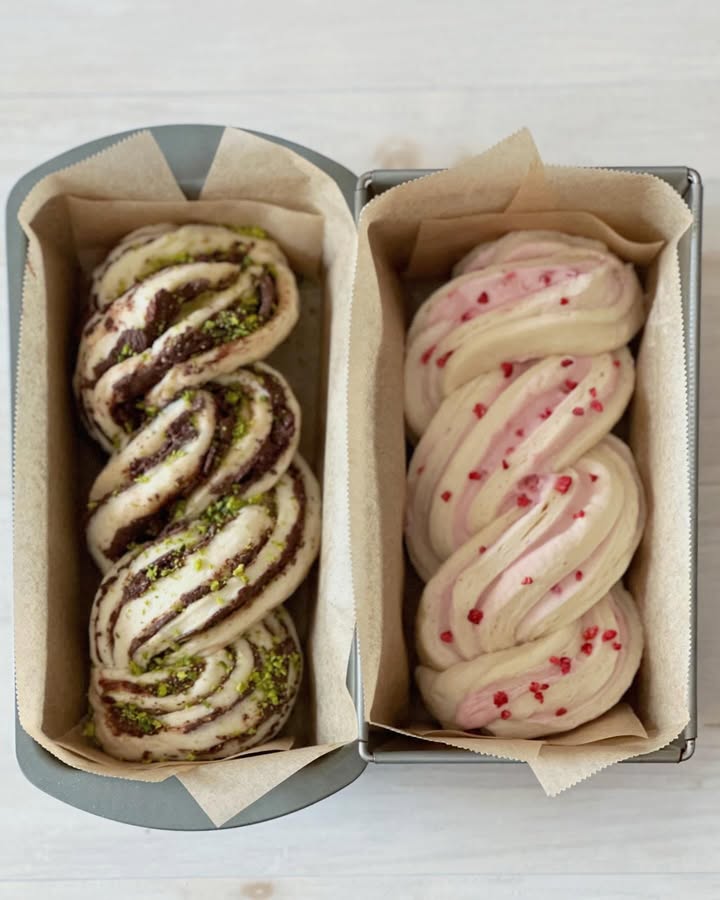
The Secret Life of Sourdough Discard: Meet Your New Favorite Babka
So, you’ve got a jar of sourdough discard staring at you from the fridge. You feel that familiar pang of guilt. “I should use it,” you whisper, but another sourdough pancake feels… predictable. I’ve been there, my friend. Then, one Sunday morning, I decided to throw caution to the wind. I swapped it into my classic babka dough. The result? A tender, flavorful, slightly tangy loaf that made my entire kitchen smell like a European bakery. It was a true “aha!” moment that turned my “waste” into my most treasured bake.
From Challah’s Cousin to a Sourdough Sensation
Babka has deep roots in Eastern European Jewish communities. Picture grandmothers braiding rich, yeasted dough for holidays and special gatherings. The classic version is an enriched bread, almost like a cousin to brioche or challah, swirled with cinnamon or chocolate. My sourdough discard babka is a modern twist on this beloved tradition. It honors the old ways by using natural leavening, but it’s perfect for our 21st-century kitchens where a sourdough starter lives on the counter. It’s a beautiful way to bridge baking history with your weekly routine.
Why This Sourdough Discard Babka Will Steal Your Heart
You will adore this recipe for so many reasons! First, it solves the “discard dilemma” with glorious style. No more waffles! Second, the sourdough adds a subtle, complex tang that cuts the sweetness of the filling perfectly. It creates an incredibly soft and moist crumb that stays fresh for days. Best of all, it feels fancy but the process is forgiving. Whether you’re a sourdough novice or a seasoned pro, this babka welcomes you with open arms and promises a show-stopping result.
When to Whip Up This Spectacular Babka
This isn’t just any old bread—it’s an event! Here are my favorite times to bake it:
- Sunday Brunch: Be the hero of the weekend. Serve a warm slice with coffee.
- Holiday Gift Giving: Wrap a loaf in parchment and twine. It’s a heartfelt, homemade present.
- Book Club or Coffee Dates: Impress your friends without breaking a sweat.
- Just Because You Deserve It: A Tuesday treat is sometimes the best kind.
Ingredients for Your Sourdough Discard Babka
Let’s gather our cast of characters. Using a kitchen scale is best for accuracy!
- 330 g bread flour
- 35 g sugar
- 7 g kosher salt
- 100 grams Whole Milk, at room temperature
- 1 large Egg
- 120g of sourdough discard starter (unfed, straight from the fridge is fine!)
- 55 grams Unsalted Butter, softened
- Your choice of filling: chocolate hazelnut spread, cinnamon sugar, or even a fruit jam!
No Worries! Handy Ingredient Swaps
Out of something? Don’t panic. Here are some easy swaps:
- Bread Flour: All-purpose flour works, but the crumb might be slightly less chewy.
- Whole Milk: Any milk you have—2%, almond, or even oat milk—will do the trick.
- Unsalted Butter: If you only have salted butter, just reduce the added salt in the dough by half.
- Sourdough Discard: This recipe is designed for discard. If you only have active starter, use it! The rise might just be a bit faster.
Crafting Your Masterpiece: The Step-by-Step Guide
Step 1: Making the Dough
In the bowl of a stand mixer, combine the bread flour, sugar, and salt. Give it a whisk to introduce them. Pour in the room-temperature milk, crack in the egg, and dollop in your sourdough discard. Fit the mixer with the dough hook and mix on low until a shaggy dough forms. Now, add the softened butter a few pieces at a time. The dough will look slippery and might even fall apart—this is normal! Keep mixing. After 8-10 minutes, you’ll see it transform into a smooth, elastic, and slightly tacky ball. Pro tip: To test, pull off a small piece and stretch it gently. If you can see light through it without it tearing (the “windowpane test”), you’re golden.
Step 2: The First Rise
Shape your beautiful dough into a ball. Place it in a lightly greased bowl and cover it with a damp kitchen towel or plastic wrap. Let it rise at room temperature until it’s nearly doubled in size. This could take 4 to 8 hours, depending on how active your discard is and how warm your kitchen is. Patience is key here! You’re looking for a puffy, airy dough that slowly springs back when you poke it with a floured finger.
Step 3: Shaping and Filling
Gently deflate the risen dough and turn it out onto a lightly floured surface. Using a rolling pin, roll it into a rectangle about 10×15 inches. Now for the fun part: spreading your filling! Leave a one-inch border clean on all edges. Whether you’re using rich chocolate spread or buttery cinnamon sugar, spread it evenly. Starting from a long side, roll the dough up tightly, like a jelly roll. Pinch the seam to seal. Chef’s tip: For picture-perfect swirls, chill the rolled log in the freezer for 20 minutes. It makes slicing so much easier!
Step 4: The Twist and Second Rise
Take your chilled log and carefully slice it in half lengthwise with a sharp knife. You’ll reveal beautiful layers of dough and filling. Turn the cut sides up and pinch the top ends together. Now, gently twist the two strands over and under each other, like you’re braiding. Tuck the ends underneath and place this gorgeous twist into a parchment-lined loaf pan. Cover it lightly and let it rise again for 2-3 hours, until puffy and just cresting the pan rim.
Step 5: Baking to Golden Perfection
Preheat your oven to 350°F (175°C). Before baking, you can brush the top with an egg wash for serious shine, or just leave it rustic. Bake for 40-45 minutes. You’ll know it’s done when the top is a deep, golden brown and the internal temperature reads 190°F (88°C) on an instant-read thermometer. The smell will be absolutely intoxicating. Pro tip: If the top browns too quickly, tent it loosely with foil for the last 15 minutes of baking.
Step 6: The Glaze and The Wait
As soon as the babka comes out of the oven, brush the top with a simple sugar syrup (equal parts sugar and water, heated until dissolved). This gives it a gorgeous, sticky-sweet gloss and keeps it moist. This is the hardest part: you must let it cool completely in the pan. I know, it’s torture! But slicing it warm will cause the beautiful swirls to squish. Let it set for at least 2 hours before you dive in.
Your Sourdough Discard Babka Timeline
Here’s a realistic look at your schedule. Most of the time is hands-off!
- Prep Time: 30 minutes
- Rising Time: 6-11 hours (this varies a lot!)
- Bake Time: 45 minutes
- Cooling Time: 2 hours
- Total Time: About 9-14 hours (mostly waiting)
Plan to start it in the morning for an evening treat, or the night before for a spectacular breakfast.
My Secret Weapon: The Cold Log
My absolute best trick is that 20-minute freezer chill after rolling the dough. A firm log is so much easier to slice cleanly. This prevents the filling from oozing out everywhere and gives you those stunning, defined layers in your finished babka. It’s a tiny step that makes a huge difference in the final look.
A Little Extra Sweetness: The Babka’s Story
Fun fact: The word “babka” actually means “grandmother” in Polish and Ukrainian. It’s thought that the loaf’s shape resembles a grandmother’s pleated skirts! I love that this recipe, using our “grandmother” of starters (the sourdough), creates a bread with such a sweet, homely name. It truly feels like a recipe passed down through generations, even with our modern twist.
What You’ll Need in Your Kitchen
- Stand mixer with dough hook (or strong arms for hand-kneading!)
- Kitchen scale (highly recommended)
- Rolling pin
- Parchment paper
- 9×5 inch loaf pan
- Sharp knife or bench scraper
- Pastry brush
Keeping Your Sourdough Discard Babka Fresh
Once completely cool, wrap the babka tightly in plastic wrap or store it in an airtight container at room temperature. It will stay deliciously moist and soft for 3-4 days. The sourdough tang actually helps it stay fresh longer than many sweet breads!
For longer storage, you can freeze it! Wrap the whole loaf or individual slices in plastic wrap and then in foil. Pop it in a freezer bag. It will keep well for up to 3 months. When you’re ready, just thaw it at room temperature or warm slices in the toaster oven.
If your babka starts to get a little dry (though it rarely does), don’t throw it out! It makes incredible French toast or bread pudding. Just cube it up and let it soak in your custard mixture for a next-level dessert.
Tips for Babka Bliss
- Use ripe discard for the best flavor, but even sleepy discard from the back of the fridge works.
- Resist the urge to add too much extra flour when rolling. A lightly floured surface is enough.
- Let the babka cool in the pan—this finishes the cooking process and sets the structure.
- Experiment with fillings! Nutella, almond paste, or even a savory pesto and cheese version are all fantastic.
Making It a Showstopper: Presentation Ideas
- Dust with powdered sugar for a simple, elegant snow-dusted look.
- Drizzle with a simple icing made from powdered sugar and milk.
- Serve on a wooden cutting board with a vintage bread knife for that rustic bakery feel.
- Toast slices and serve with a dollop of mascarpone cheese and fresh berries.
Six Delicious Ways to Mix It Up
Once you master the basic sourdough discard babka, the world is your oyster! Here are some fun twists:
- Chocolate Orange: Add the zest of one orange to the dough and use a dark chocolate filling.
- Cinnamon Apple: Mix finely chopped dried apples into your cinnamon-sugar filling.
- Savory Rosemary & Cheese: Skip the sugar. Add minced rosemary to the dough and swirl with shredded Gruyère and a touch of garlic powder.
- Everything Bagel Babka: A savory dream! Swirl with cream cheese and top with everything bagel seasoning before baking.
- Lemon Blueberry: Use lemon curd as the filling and dot with fresh or frozen blueberries before rolling.
- Maple Pecan Streusel: Fill with a paste of chopped pecans, butter, and maple sugar. Top with a crumbly streusel before baking.
Common Mistakes to Avoid
Mistake 1: Using Cold Ingredients
If your milk, egg, or butter are straight from the fridge, they will shock the yeast-like activity in your sourdough discard. This leads to a very, very slow rise. Your dough might just sit there for hours without puffing up. Always take the time to let your milk and egg come to room temperature. Soften that butter until it’s easily indented with your finger. It makes the whole process smoother and faster.
Mistake 2: Rolling the Dough Too Thin
In your rush to get to the filling, it’s easy to roll the dough into a huge, paper-thin rectangle. This is a problem! Thin dough is harder to handle and can tear when you roll it, causing the filling to leak everywhere during the bake. Aim for a thickness of about 1/4 inch. This gives you sturdy walls to contain the sweet filling and creates a better bread-to-filling ratio in every bite.
Mistake 3: Skipping the Second Rise
After all that twisting and shaping, you just want to bake it. I get it! But putting a cold, dense loaf straight into the oven is a surefire way to get a dense, gummy babka. The second rise in the pan is non-negotiable. It allows the gluten to relax and the air bubbles to re-form after the aggressive shaping. Wait until the dough is visibly puffy and springs back slowly when gently poked.
Mistake 4: Slicing While Warm
The aroma is killing you, and you want to see those beautiful swirls. If you cut into a warm babka, the structure hasn’t set. The interior will be gummy and the swirls will smush together into a gooey mess. It’s heartbreaking after all that work! Use a serrated knife and wait for it to be completely cool to the touch. The reward is clean, Instagram-worthy slices.
Your Sourdough Discard Babka Questions, Answered
Can I use active starter instead of discard?
Absolutely, you can! If using 120g of active, bubbly starter, your rise times will likely be much faster. Keep a close eye on your dough during the first rise. It might be ready in 2-3 hours instead of 6-8. The active starter provides more leavening power, so the dough will be more vigorous. The flavor might be slightly less tangy than using a mature, unfed discard.
My dough didn’t rise much. What went wrong?
Don’t worry, this happens! First, check your discard. If it was very old or stored in the fridge for weeks, the natural yeast might be very sleepy. Your kitchen might also be too cold. Sourdough prefers a cozy spot. Next time, try placing your covered bowl in the oven with just the light on—it creates a perfect, warm proving environment. Salt can also inhibit yeast if it’s added directly to the starter, so always mix it with the flour first.
Can I make this babka dairy-free?
Yes, you can easily make a dairy-free sourdough discard babka! Simply swap the whole milk for your favorite non-dairy milk like almond, oat, or soy. For the butter, use a high-quality vegan butter stick (not the spreadable kind from a tub). Brands like Miyoko’s or Earth Balance sticks work great because they have a similar fat content to real butter. Your filling, of course, should also be dairy-free, like a dark chocolate spread.
What’s the best filling for a beginner?
For your first try, I highly recommend a good-quality chocolate-hazelnut spread. It’s smooth, easy to spread, and doesn’t leak as much as a loose, buttery cinnamon sugar can. It’s also very forgiving. You can even mix some of the spread with a bit of powdered sugar to thicken it up more. A thick filling gives you gorgeous, defined swirls and makes the whole shaping process less messy.
How do I know when the babka is fully baked?
The top turning brown is one sign, but it can trick you! The best tool is an instant-read thermometer. Insert it into the center of the loaf, avoiding the metal pan. You’re looking for an internal temperature of 190°F (88°C). If you don’t have a thermometer, you can also carefully lift the loaf out of the pan (using the parchment paper) and tap the bottom. It should sound hollow. An underbaked babka will be doughy and dense in the middle.
Can I prepare the dough overnight?
You sure can! This is a fantastic time-saver. After mixing the dough and completing the first rise at room temperature for an hour or two, you can gently deflate it, cover it tightly, and put it in the refrigerator. The cold slow-ferments the dough, developing even more flavor. The next day, let it sit out for an hour to take the chill off, then proceed with rolling, filling, and the second rise. It makes the process feel much more manageable.
My filling leaked everywhere in the oven. Help!
A little leaking is normal and actually delicious (hello, caramelized edges!). But a major spill usually means the filling was too loose or the seams weren’t pinched shut. For next time, make sure your rolled log is tightly sealed along the seam. Chilling the log before slicing is crucial—it firms up the butter in the dough and filling. You can also leave a clean border when spreading and don’t overfill. A thicker filling is your friend.
What’s the difference between babka and challah?
They’re both enriched Jewish breads, but they have key differences. Babka is typically swirled with a sweet (or sometimes savory) filling and baked in a loaf pan. It’s denser and more cake-like. Challah is a braided bread, often made without dairy (using oil or water), and is served plain or with a sprinkle of seeds. Think of babka as the decadent, filled cousin, and challah as the elegant, braided centerpiece bread for a meal.
Can I freeze the unbaked shaped babka?
Yes, this is a brilliant hack for fresh babka anytime! After you shape the babka and place it in the loaf pan, cover it tightly with two layers of plastic wrap. Freeze it solid. When you’re ready to bake, take it out of the freezer, remove the plastic, and let it thaw and complete its second rise in the pan at room temperature. This can take 5-8 hours. Then bake as directed. It’s like having homemade babka on demand!
Why is my babka dry?
A dry babka is often the result of overbaking or measuring flour incorrectly. The most common culprit is scooping flour directly from the bag with your measuring cup, which packs it in. Always spoon flour into your cup and level it off, or better yet, use a scale. Also, keep a close eye on the bake time. Ovens can run hot. Checking the internal temperature is the best way to avoid overbaking. Don’t forget the sugar syrup glaze after baking—it locks in moisture!
Go Forth and Bake With Abandon
There you have it—everything you need to turn that jar of sourdough discard into a breathtaking, swirly, sweet masterpiece. This sourdough discard babka is more than just a recipe; it’s a declaration that nothing in your kitchen is waste, only potential. It’s a project filled with love, a little patience, and a huge payoff. So preheat that oven, grab your starter, and get ready to fill your home with the best smell in the world. Happy baking!
Cajun Garlic Bake
Ingredients
Equipment
Method
- In a stand mixer, combine the bread flour, sugar, and salt; whisk together.
- Pour in the room-temperature milk, crack in the egg, and add sourdough discard.
- Mix on low until a shaggy dough forms, then add softened butter gradually.
- Continue mixing for 8-10 minutes until dough is smooth and elastic, passing the 'windowpane test.'
- Shape dough into a ball and place in a lightly greased bowl; cover and let rise until nearly doubled in size (4 to 8 hours).
- Deflate the risen dough and turn it out onto a floured surface; roll into a 10x15 inch rectangle.
- Spread chosen filling evenly, leaving a 1-inch border.
- Roll the dough tightly from a long side and seal the seam by pinching.
- Chill the rolled log in the freezer for 20 minutes for easier slicing.
- Slice the log in half lengthwise and twist the halves over and under each other.
- Place the twisted dough into a parchment-lined loaf pan; cover and let it rise for 2-3 hours until puffy.
- Preheat the oven to 350°F (175°C) and brush the top with egg wash if desired.
- Bake for 40-45 minutes until golden brown and internal temperature reaches 190°F (88°C).
- Brush with sugar syrup while hot and let cool completely in the pan for at least 2 hours before slicing.