
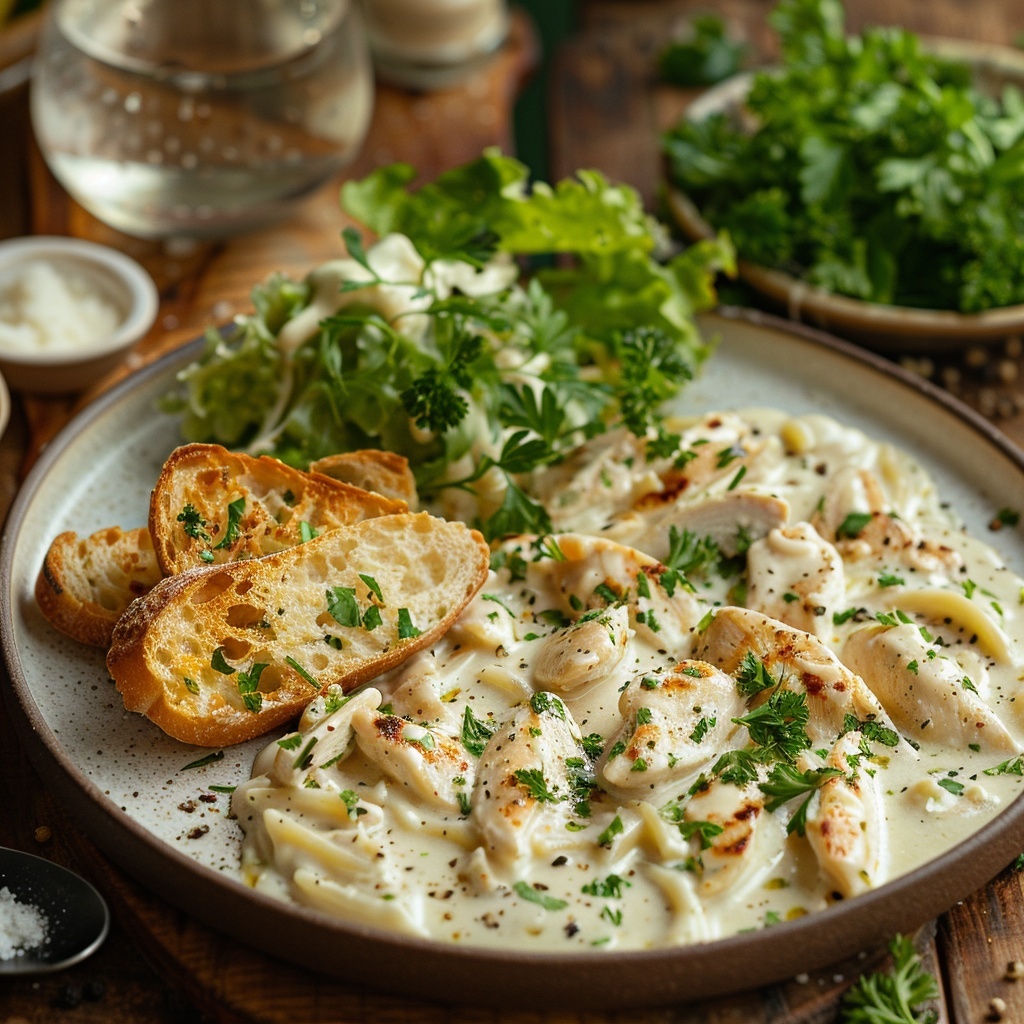
Introduction: Why Chicken Alfredo Holds a Special Place in My Kitchen
I still remember the first time I made chicken alfredo for my family on a busy Tuesday night. The kids were hungry, my husband was tired, and I needed something quick but satisfying. That creamy, garlicky pasta saved the day. Everyone cleaned their plates and asked for seconds. That’s when I knew this dish was a keeper.
Chicken alfredo is one of those classic comfort foods that brings people together. It’s warm, filling, and tastes like a hug in a bowl. Americans have loved this dish for decades, and it’s easy to see why. The combination of tender chicken, silky sauce, and perfectly cooked pasta hits the spot every single time.
What makes this dish even better is how flexible it is. You can toss in some broccoli for a pop of green and extra nutrients. Try it with penne instead of fettuccine for a fun twist. Feeling fancy? Turn it into a baked chicken alfredo with a golden, bubbly cheese topping. The options are endless, and that’s what keeps this recipe fresh and exciting.
I’ve spent years perfecting my chicken alfredo sauce and testing different variations. Some nights I make a simple sauteed chicken alfredo in under 30 minutes. Other times I prepare a chicken alfredo bake that feeds a crowd. Both versions disappear fast. I’m excited to share everything I’ve learned so you can create this restaurant-quality meal at home with confidence.
What Are the Ingredients for Chicken Alfredo?
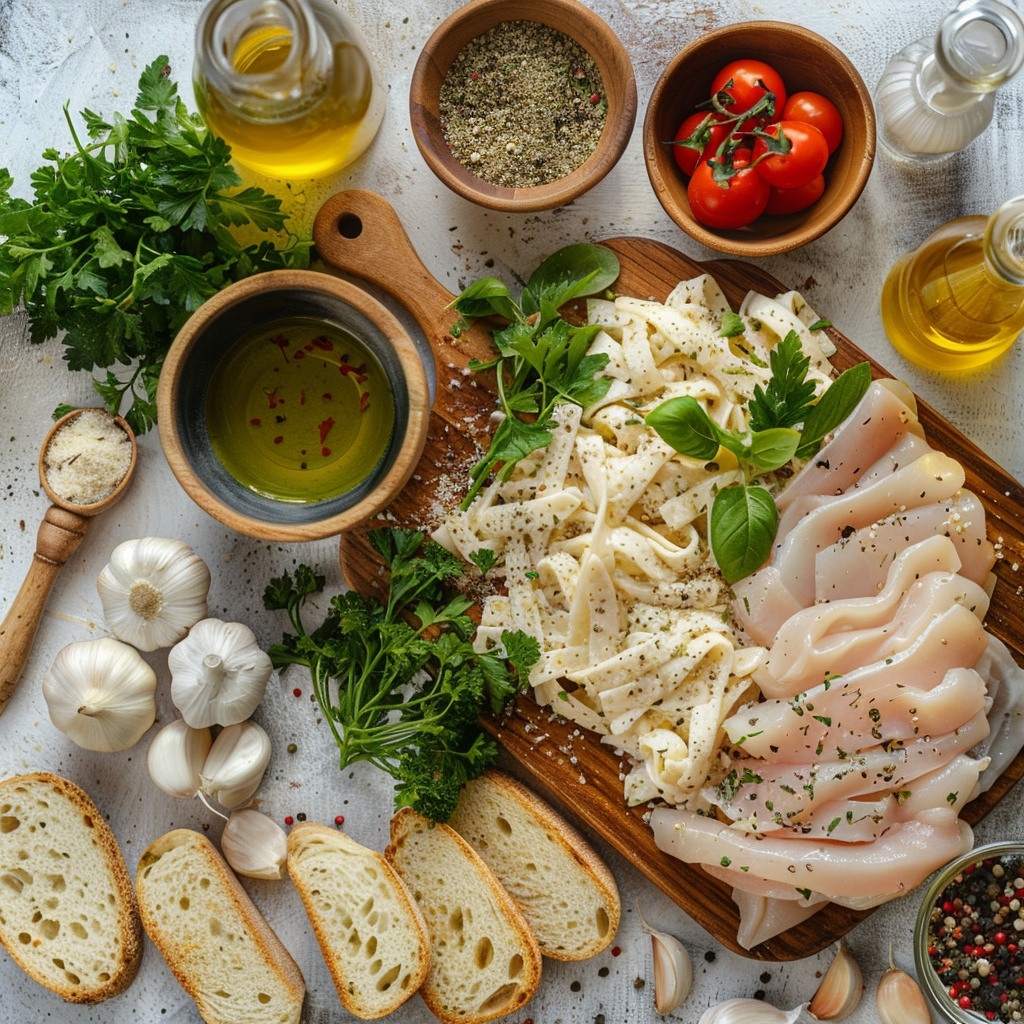
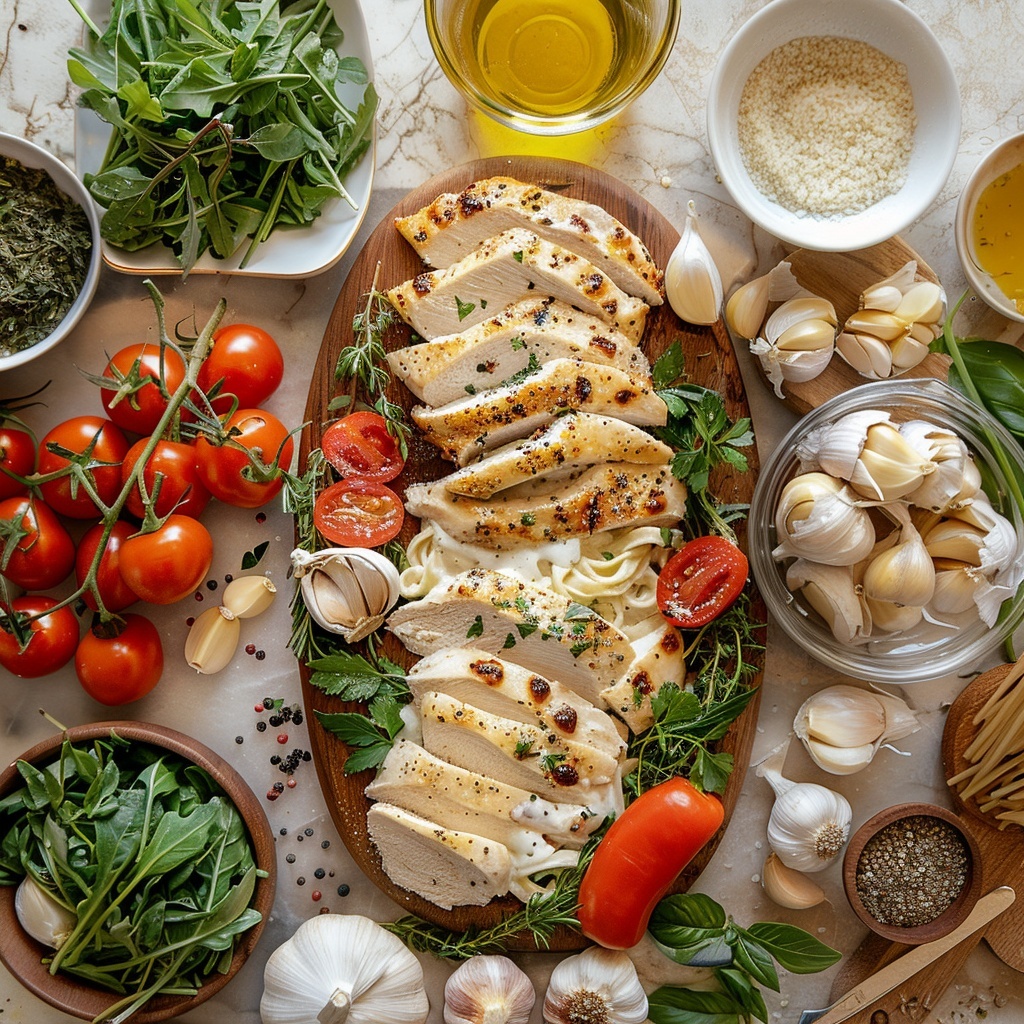
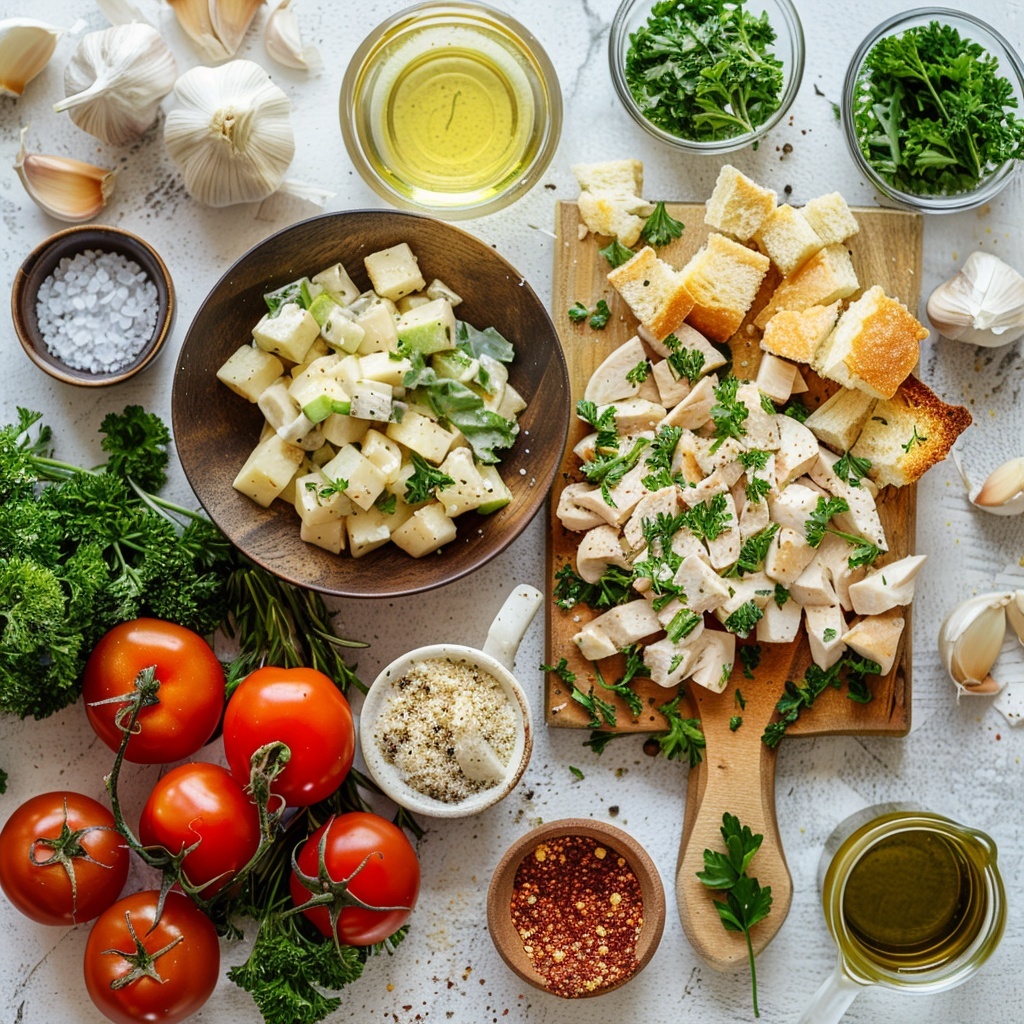
Let’s talk about what you’ll need to make this amazing dish. The beauty of chicken alfredo is that the ingredient list stays pretty simple. You don’t need exotic spices or hard-to-find items. Most of these ingredients are probably sitting in your kitchen right now.
Here are the essential ingredients you’ll need:
- Chicken breasts – I use boneless, skinless breasts for quick cooking and easy slicing
- Pasta – Fettuccine is traditional, but penne, linguine, or any pasta shape works great
- Butter – Use real butter, not margarine, for the best flavor
- Heavy cream – This creates that signature rich and velvety texture
- Garlic – Fresh garlic cloves make all the difference
- Parmesan cheese – Get a block of real Parmesan and grate it yourself
- Salt and black pepper – Simple seasonings that let the other flavors shine
- Olive oil – For cooking the chicken to golden perfection
That’s your basic lineup. With just these ingredients, you can create a creamy chicken alfredo that rivals any Italian restaurant. The key is using quality ingredients and treating them with care.
Now let’s talk about the fun part. Optional add-ins can take your chicken alfredo pasta recipes from good to amazing. I love adding fresh broccoli florets for color and nutrition. Chicken alfredo with broccoli is one of my most requested variations. The slight bitterness of the broccoli balances the rich cream sauce perfectly.
Mushrooms are another fantastic addition. Slice them thin and sauté them with the garlic for an earthy, umami boost. Sun-dried tomatoes add a tangy sweetness that cuts through the cream. Fresh spinach wilts right into the hot sauce and adds vitamins without changing the flavor much.
Some people like to add a pinch of nutmeg or Italian seasoning to their sauce. A splash of white wine can add depth and brightness. Crispy bacon bits on top? Yes, please. The point is that you can customize this dish to match your taste and what you have available.
When I’m browsing chicken alfredo allrecipes or looking for new chicken alfredo ideas, I always notice how creative people get with their versions. Some add peas, others stir in roasted red peppers. Every family has their own twist. That’s what makes cooking fun.
The Secret to Good Alfredo Sauce
Here’s where many home cooks struggle. Making a truly great chicken alfredo sauce isn’t hard, but it does require attention to detail. I’ve made this sauce hundreds of times, and I’ve learned what works and what doesn’t.
The secret to good alfredo lies in three things: fresh ingredients, proper heat control, and patience. You can’t rush this sauce. You can’t use shortcuts and expect restaurant results.
First, always use freshly grated Parmesan cheese. Those green canisters of pre-grated cheese contain additives that prevent clumping. Those same additives also prevent the cheese from melting smoothly into your sauce. You’ll end up with a grainy, separated mess. Buy a wedge of real Parmigiano-Reggiano and grate it yourself. The difference is night and day.
Second, use real heavy cream. Some recipes suggest milk or half-and-half to save calories. While that works in a pinch, it won’t give you that luxurious, velvety texture that makes alfredo special. Heavy cream has the fat content needed to create a sauce that coats every strand of pasta beautifully.
Third, and this is critical: never let your sauce boil. Keep the heat on medium-low once you add the cream. High heat will cause the cream to break and the cheese to seize up. You want gentle bubbles, not a rolling boil. Patience here makes all the difference between a smooth creamy chicken alfredo and a lumpy disappointment.
Here’s my process for perfect sauce every time. I melt butter in a large skillet over medium heat. Then I add minced garlic and cook it for about a minute until it smells amazing but hasn’t browned. Browned garlic tastes bitter, so watch it closely.
Next, I pour in the heavy cream and let it warm through. Once it’s hot and starting to steam, I reduce the heat to medium-low. Then I add the Parmesan cheese a handful at a time, stirring constantly. This gradual addition helps the cheese melt evenly without clumping.
The sauce will seem thin at first. Don’t panic. As it simmers gently for a few minutes, it will thicken up. The starches from the pasta will thicken it even more when you toss everything together. If your sauce gets too thick, add a splash of the pasta cooking water. That starchy water helps the sauce cling to the noodles.
Season with salt and pepper at the end. Parmesan is already salty, so taste before you add more. I usually add a generous amount of black pepper because I love that little kick against the creamy backdrop.
Temperature matters when serving too. Alfredo sauce thickens as it cools, so serve it immediately. If you’re making a chicken alfredo bake, you want the sauce slightly thinner since it will continue to thicken in the oven.
One last tip I learned from my Italian neighbor: save some pasta water before you drain your noodles. That starchy, salty water is liquid gold for adjusting sauce consistency. Add it a tablespoon at a time until your sauce reaches the perfect coating texture. This simple trick has saved many of my chicken alfredo pasta recipes from being too thick or too thin.
Different Ways to Enjoy Chicken Alfredo
Now that you understand the foundation of making great sauce, let’s explore all the delicious ways you can serve this versatile dish. One of the things I love most about chicken alfredo is how adaptable it is to whatever mood you’re in or what ingredients you have on hand.
Chicken Alfredo with Broccoli
My kids weren’t always big vegetable fans. Getting them to eat greens used to be a battle. Then I discovered that hiding broccoli in creamy pasta sauce was like magic. They actually requested chicken alfredo with broccoli without me even suggesting it. That’s the power of good comfort food.
Adding broccoli does more than sneak vegetables past picky eaters. The slightly bitter, earthy flavor of broccoli cuts through all that richness in the cream sauce. It gives your mouth a break between bites. Plus, you’re adding fiber, vitamin C, and iron to a dish that’s otherwise pretty indulgent. I call that a win-win situation.
Here’s how I prepare the broccoli so it comes out perfect every time. Cut your broccoli into small, bite-sized florets. Not too big or they won’t cook evenly. Not too small or they turn to mush. About the size of a quarter is what I aim for.
You have two options for cooking. The first method is to blanch the broccoli separately. Bring a pot of salted water to boil, drop in the florets, and cook them for just two minutes. They should turn bright green and be tender-crisp. Drain and set aside. This method gives you the most control over texture.
The second method is my lazy weeknight approach. Add the broccoli directly to your boiling pasta water during the last three minutes of cooking. When you drain the pasta, the broccoli comes right along with it. Easy cleanup and one less pot to wash. Just make sure your broccoli pieces are on the smaller side for this method.
By the way, frozen broccoli works fine if that’s what you have. Just thaw it first and pat it dry with paper towels. Frozen vegetables hold more water, and you don’t want that diluting your beautiful sauce.
Toss the cooked broccoli into your finished creamy chicken alfredo right before serving. The heat from the pasta and sauce warms it through. Some people like to sauté the broccoli with garlic first for extra flavor. That’s a great option if you have the extra few minutes. Similar to how I prepare vegetables in my lemon garlic tilapia, timing matters when you want them tender but not overdone.
Baked Chicken Alfredo Variations
Let me tell you about the first time I made a baked chicken alfredo. I had leftover pasta from the night before and didn’t want to just reheat it in the microwave. So I dumped everything into a casserole dish, topped it with extra cheese and breadcrumbs, and stuck it in the oven. My family still talks about that meal.
Baking transforms this dish into something even more special. You get that golden, bubbly cheese top that everyone fights over. The edges get slightly crispy while the center stays creamy. It’s comfort food taken to the next level.
To make a chicken alfredo bake, start with your basic recipe but keep the sauce a bit thinner than usual. It will thicken as it bakes. Combine your cooked pasta, sliced chicken, and sauce in a 9×13 inch baking dish. Sprinkle the top generously with mozzarella and Parmesan. I sometimes add panko breadcrumbs mixed with melted butter for extra crunch.
Bake at 375°F for about 25 minutes until everything is heated through and the top is golden brown. If you want that top extra crispy, run it under the broiler for the last two minutes. Just watch it closely because broilers are aggressive and can burn things fast.
The baked version is perfect for meal prep or feeding a crowd. You can assemble it hours ahead and refrigerate it until you’re ready to bake. Just add an extra ten minutes to the cooking time if you’re starting from cold. This reminds me of how I prep my baked ziti ahead of time for busy evenings.
Funny enough, leftover sauteed chicken alfredo actually bakes up better than fresh because the pasta has absorbed some sauce and won’t get mushy. Sometimes I make extra just so I can transform it into a bake the next day.
Choosing Your Pasta: Penne or Fettuccine?
People always ask me what kind of pasta is best for chicken alfredo. The traditional answer is fettuccine. Those long, flat ribbons were made to hold creamy sauces. The sauce clings to every surface and creates that perfect bite.
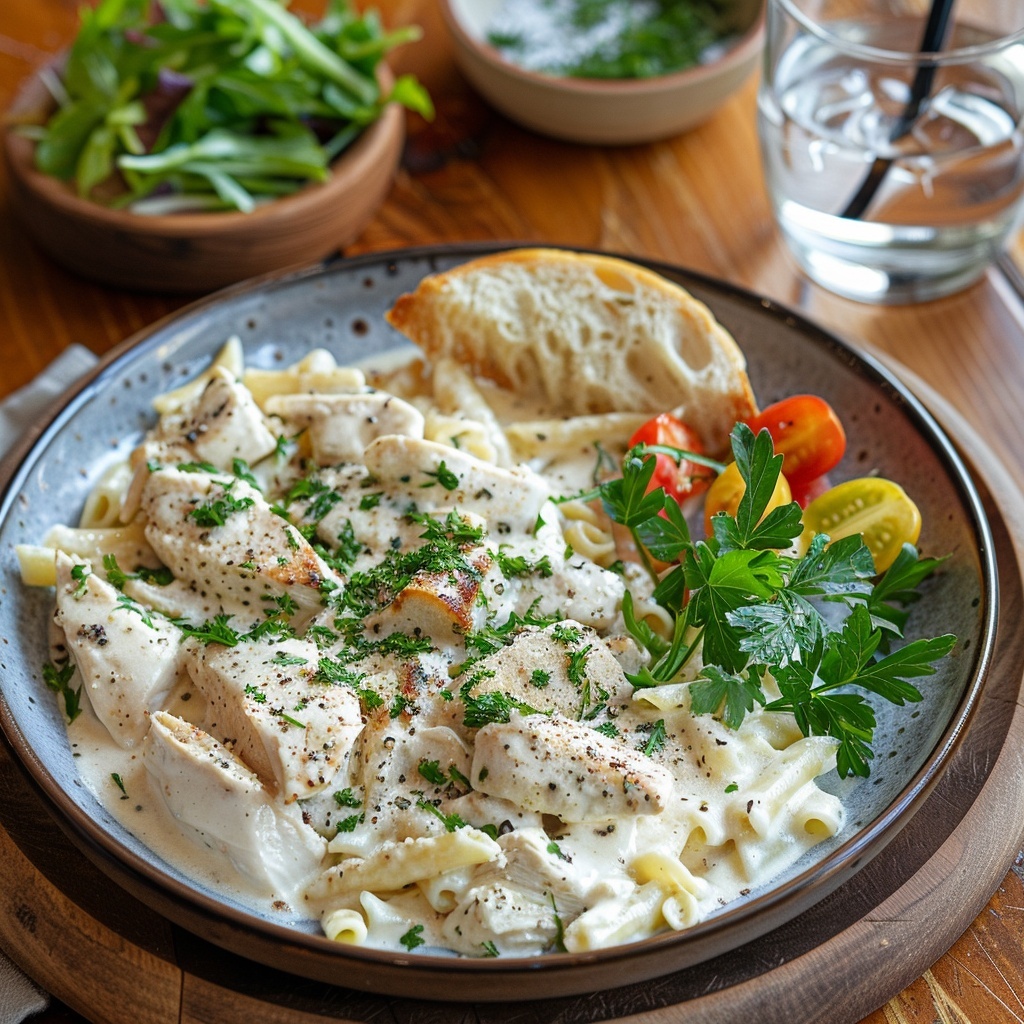
But here’s the thing. I don’t always use fettuccine. Sometimes I want something different. Chicken alfredo penne has become a regular rotation in my house because my youngest can eat it with a spoon. Those little tubes capture the sauce inside and are much easier for small hands to manage.
Penne also works great for baked versions because the tube shape holds up well in the oven and doesn’t get as soft as long noodles. Each piece stays distinct instead of clumping together.
Other pasta shapes I’ve tried with success include rigatoni, linguine, bow ties, and even shells. Rigatoni is like penne’s bigger cousin and works beautifully when you have chunky add-ins like mushrooms or tomatoes. Shells catch pools of sauce in their curves. Bow ties just look fun on the plate.
The worst pasta choice in my experience? Angel hair or thin spaghetti. Too delicate. They get overwhelmed by the heavy sauce and turn into a gloppy mass. You want pasta with some body that can stand up to all that cream and cheese.
Match your pasta shape to how you’re serving the dish. Baked? Go with penne or rigatoni. Traditional stovetop version? Fettuccine is your friend. Feeding kids? Smaller shapes they can manage easily.
Creative Chicken Alfredo Ideas
After making the classic version dozens of times, you might want to shake things up. I love experimenting with different flavors and ingredients to create new versions of this old favorite.
One of my most popular twists is spicy alfredo. Add red pepper flakes or a diced jalapeño to your sauce while it’s cooking. The heat plays beautifully against the cream. Or drizzle some hot sauce on top right before serving. My husband loves this version with extra pepper.
Sun-dried tomatoes are another game changer. Chop them up and stir them into your finished sauce. They add pops of intense, tangy flavor that cut through the richness. Plus they make the dish look prettier with those dark red pieces scattered throughout.
Want to get really creative with cheese? Mix in some smoked gouda or gruyere along with your Parmesan. The smoky flavor adds depth that’s unexpected and delicious. Or try a little cream cheese blended into the sauce for extra tang and creaminess. When I’m looking for inspiration, I browse chicken alfredo allrecipes and always find home cooks sharing clever variations I haven’t considered.
Fresh herbs make a big impact too. Stir in chopped basil right before serving for a fresh, summery taste. Or add fresh thyme to the sauce while it’s cooking for an earthy note. Even a handful of fresh parsley brightens everything up.
Some of my favorite chicken alfredo ideas come from combining it with other cuisines. Try adding Cajun seasoning to your chicken for a Louisiana-inspired version. Mix in pesto along with the alfredo sauce for an Italian fusion. Add curry powder and peas for an unexpected twist that my adventurous eaters love.
How to Perfectly Sauté Chicken for Alfredo
The chicken part of chicken alfredo deserves just as much attention as the sauce. Dry, overcooked chicken ruins an otherwise perfect dish. I’ve learned techniques over the years that guarantee juicy, flavorful chicken every single time.
Start with chicken breasts that are roughly the same thickness. This ensures even cooking. If one end is much thicker than the other, pound it with a meat mallet until it’s uniform. Takes thirty seconds and prevents that thick part from being raw while the thin part overcooks.
Season your chicken generously with salt and pepper on both sides. Some people add garlic powder or Italian seasoning here too. Let it sit at room temperature for about fifteen minutes before cooking. Cold chicken straight from the fridge doesn’t cook as evenly.
Heat olive oil in a large skillet over medium-high heat until it shimmers but doesn’t smoke. Place your chicken in the pan and resist the urge to move it around. Let it sit undisturbed for five to six minutes. This creates that golden-brown crust that adds flavor. Much like how I prepare the protein in my turkey meatballs, proper browning makes all the difference.
Flip the chicken once and cook for another five to six minutes on the other side. The internal temperature should reach 165°F. If you don’t have a meat thermometer, cut into the thickest part. The juices should run clear and the meat should be white throughout with no pink.
Here’s a crucial step that most people skip: let the chicken rest for five minutes after cooking. This allows the juices to redistribute throughout the meat instead of running all over your cutting board. Cover it loosely with foil while it rests.
Then slice your chicken against the grain into strips about half an inch thick. Slicing against the grain makes the chicken more tender and easier to chew. These perfect strips of sauteed chicken alfredo can either be tossed into the pasta or arranged on top for a prettier presentation.
If I’m making a big batch, sometimes I’ll cook the chicken ahead of time and refrigerate it. Then I just warm it gently in the sauce when I’m ready to serve. This also works great when meal prepping for the week. Just like when I prepare components for chili con carne ahead of time, having the protein cooked and ready makes dinner come together lightning fast.
Step-by-Step Guide to Making Chicken Alfredo
Alright, let’s walk through making this dish from start to finish. I’m going to give you my exact process, the one I use when I want dinner on the table in thirty minutes flat. This isn’t complicated. If you can boil water and melt butter, you can make restaurant-quality chicken alfredo.
First things first, get organized. Pull out all your ingredients and set them on the counter. This French cooking technique called mise en place saves so much stress. When your pasta is draining and your sauce is bubbling, you don’t want to be frantically searching for the Parmesan cheese.
Start by bringing a large pot of water to boil. And I mean large. Use at least six quarts for a pound of pasta. Crowded pasta sticks together and cooks unevenly. Once the water is at a rolling boil, add a generous handful of salt. The water should taste like the ocean. This is your only chance to season the pasta itself, so don’t be shy.
Add your pasta and stir it immediately to prevent sticking. Set a timer for two minutes less than the package directions say. You want your noodles al dente, with a slight bite in the center. They’ll continue cooking when you toss them with the hot sauce. Before you drain the pasta, scoop out a cup of that starchy cooking water and set it aside. Trust me on this one.
While the pasta cooks, prepare your chicken. Pat the breasts dry with paper towels because wet chicken won’t brown properly. Season both sides with salt and pepper. Heat two tablespoons of olive oil in your largest skillet over medium-high heat. When the oil shimmers, carefully lay the chicken in the pan. Don’t overcrowd it or the temperature will drop and your chicken will steam instead of sear.
Cook without moving it for six minutes. I know it’s tempting to peek or flip it early, but resist. That golden crust needs time to develop. Flip once and cook another five to six minutes until the internal temperature hits 165°F. Remove to a cutting board and tent with foil while you make the sauce.
Here’s where the magic happens. In the same skillet you cooked the chicken, reduce the heat to medium. Add four tablespoons of butter and let it melt completely. Toss in three to four cloves of minced garlic and cook for about one minute, stirring constantly. Your kitchen will smell incredible at this point.
Pour in two cups of heavy cream. Let it warm through for a couple minutes, stirring occasionally. Once it’s steaming and starting to show tiny bubbles around the edges, reduce heat to medium-low. Now add your freshly grated Parmesan cheese, about one and a half cups. Add it in three or four additions, stirring well after each addition until the cheese melts completely into the cream.
The sauce will seem thin at first. Don’t panic and don’t add flour or cornstarch. As it simmers gently for three to five minutes, it will thicken on its own. Stir it frequently to prevent scorching on the bottom. Season with salt and plenty of freshly cracked black pepper. Taste it. Adjust the seasoning if needed. This is your sauce, make it work for you.
Slice your rested chicken into half-inch strips. Drain your pasta and add it directly to the skillet with the sauce. Toss everything together using tongs or two wooden spoons. If the sauce seems too thick, add that reserved pasta water a splash at a time until it reaches a silky, coating consistency. The starch in that water helps the sauce cling to every piece of pasta.
Add your sliced chicken on top or toss it right into the pasta. Whatever looks better to you. If you’re adding broccoli or any other vegetables, this is when you fold them in. Give everything one final toss and serve immediately in warm bowls.
Pro tip that changed everything for me: warm your serving bowls in a 200°F oven for ten minutes before plating. Cold bowls cool down the sauce too quickly and it gets gloppy. Warm bowls keep your creamy chicken alfredo at the perfect temperature from the first bite to the last.
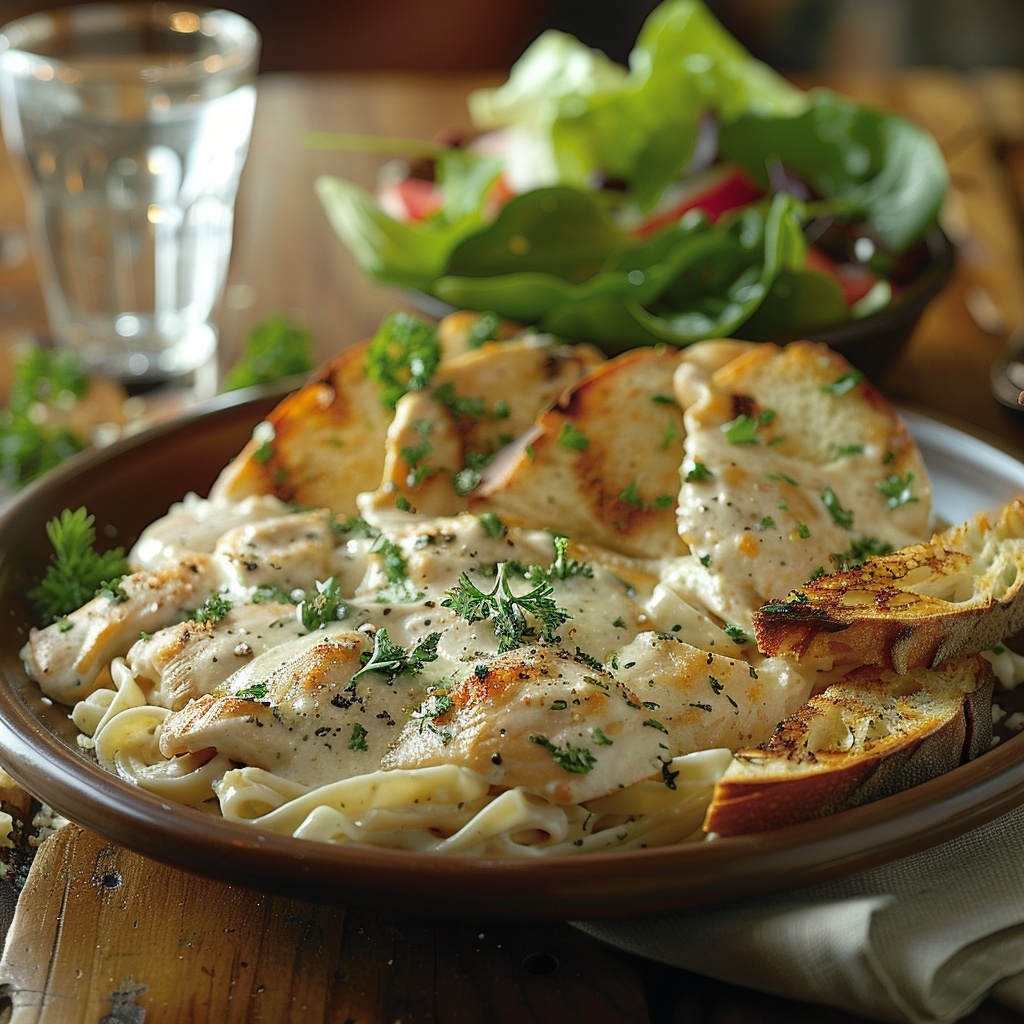
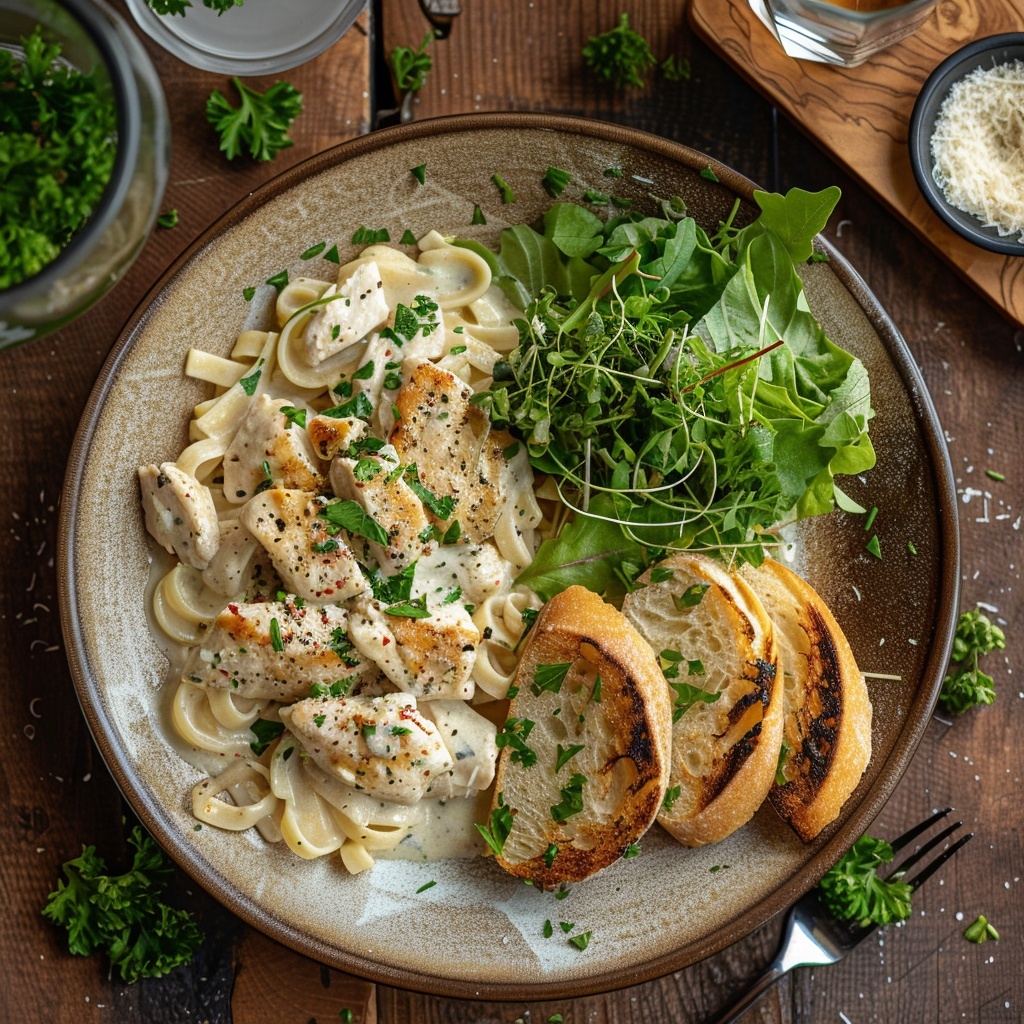
Garnish with extra Parmesan, a sprinkle of fresh parsley, and more black pepper. Serve it with crusty bread for soaking up every drop of that amazing sauce. My family fights over who gets to wipe the serving bowl clean with the last piece of bread.
The whole process takes about thirty minutes once you’ve done it a few times. The first time might take forty, and that’s perfectly fine. You’re learning. By the third time you make this, you’ll have it down to a smooth routine. By the way, keeping your workspace clean and practicing good kitchen food safety habits while handling raw chicken ensures your family stays healthy while enjoying this delicious meal.
FAQs About Chicken Alfredo
What’s the Difference Between Chicken Alfredo and Chicken Fettuccine?
This question comes up all the time, and I totally understand the confusion. Here’s the thing: fettuccine is just the name of the pasta shape. Those flat, ribbon-like noodles. Alfredo refers to the creamy butter and Parmesan sauce. So chicken fettuccine alfredo is the full name describing chicken with fettuccine pasta in alfredo sauce. But you can make chicken alfredo with any pasta shape you want. The sauce is what makes it alfredo, not the noodles. When someone says chicken fettuccine without mentioning alfredo, they could mean any sauce served with that pasta shape.
What Are Some Easy Chicken Alfredo Recipes?
If you’re looking for variety or want to see how other home cooks make this dish, I always recommend checking out chicken alfredo allrecipes on their website. That platform has hundreds of versions with real reviews from people who’ve actually made them. You’ll find everything from super simple five-ingredient versions to elaborate bakes with multiple cheeses. Reading through the reviews is especially helpful because people share their modifications and what worked or didn’t work. Another great resource is food blogs that focus on weeknight dinners. They usually offer shortcuts that still taste amazing without compromising too much on quality.
Can You Make Chicken Alfredo Healthier?
Absolutely, and you don’t have to sacrifice too much flavor either. The easiest swap is using half-and-half instead of heavy cream. You’ll lose some richness but save significant calories and fat. Some people use Greek yogurt mixed with a little milk as a cream substitute. Add it at the very end off the heat so it doesn’t curdle. Whole wheat or chickpea pasta adds fiber and protein. Using less butter and cheese than traditional recipes call for still gives you plenty of flavor. Adding lots of vegetables like broccoli, spinach, or zucchini bulks up the dish without adding many calories. You can also use chicken breast instead of thighs and go easy on the oil when cooking it.
Can I Make Chicken Alfredo Ahead of Time?
Yes, but with some considerations. The sauce and chicken can be made a day ahead and stored separately in the fridge. Cook your pasta fresh when you’re ready to serve because reheated pasta gets mushy. If you’re making a chicken alfredo bake, you can assemble the whole thing up to a day ahead and refrigerate it covered. Just add ten extra minutes to the baking time since it’s starting cold. For regular stovetop alfredo, I don’t recommend making the complete dish ahead because the pasta absorbs the sauce and the texture suffers. However, I often prep all my ingredients in advance so assembly goes quickly when it’s time to cook.
Why Did My Alfredo Sauce Turn Out Grainy?
This happened to me so many times when I first started making this dish. The main culprit is usually pre-grated cheese from a bag or shaker. Those contain anti-caking agents that prevent smooth melting. Always grate your own Parmesan from a block. Another reason is adding cheese to sauce that’s too hot. If your cream is boiling when you add cheese, the proteins seize up and separate. Keep the heat medium-low and make sure the cream is just steaming, not violently bubbling. Adding the cheese gradually while stirring constantly also helps it melt smoothly. If your sauce does turn grainy, try blending it with an immersion blender. Sometimes that saves it.
What Can I Serve with Chicken Alfredo?
Since chicken alfredo pasta recipes are already pretty rich and filling, I like to keep the sides simple and fresh. A crisp green salad with a tangy vinaigrette cuts through all that cream beautifully. Garlic bread is a classic pairing that everyone loves. Roasted vegetables like asparagus, green beans, or Brussels sprouts add color and nutrients to the plate. Sometimes I serve it with a simple Caesar salad. If you need ideas for well-rounded weeknight meals, exploring the everyday cooking section can spark inspiration for balanced dinner combinations. Keep the sides light so the pasta can be the star of the meal without everyone feeling overstuffed.
How Do I Store and Reheat Leftover Chicken Alfredo?
Store leftovers in an airtight container in the fridge for up to three days. The sauce will thicken considerably as it cools, and that’s normal. To reheat, add a splash of milk or cream to the pasta in a skillet over medium-low heat. Stir frequently until it’s heated through and the sauce loosens up. Microwaving works in a pinch but tends to make the pasta rubbery. Add a tablespoon of water or milk, cover loosely, and heat in thirty-second intervals, stirring between each. I actually think leftover chicken alfredo bake reheats better than the stovetop version because the casserole format holds moisture better. You can also freeze it for up to two months, though the texture won’t be quite as perfect after thawing.
Can I Use Jarred Alfredo Sauce Instead of Making My Own?
Look, I’m not going to judge you. Some nights you need dinner fast and opening a jar is the reality. Jarred sauce works fine when you’re in a pinch. But honestly, homemade chicken alfredo sauce takes maybe ten minutes longer and tastes so much better. Jarred versions often have a processed, overly thick texture and lack the fresh garlic and cheese flavor. If you do use jarred sauce, doctor it up by adding fresh minced garlic, extra Parmesan cheese, and a good grinding of black pepper. Thin it with a little pasta water so it’s not so gloppy. These small additions make store-bought sauce taste much closer to homemade.
What’s the Best Way to Prevent Alfredo Sauce from Separating?
Temperature control is everything here. Never let your sauce come to a full boil once you’ve added the cream. High heat causes the fat to separate from the liquid and the cheese to clump up. Keep it at a gentle simmer on medium-low heat. Stir frequently to distribute heat evenly. Using full-fat ingredients also helps because they’re more stable at cooking temperatures. If your sauce does start to separate, immediately remove it from heat and whisk in a tablespoon of cold cream. Sometimes that brings it back together. Adding a tiny bit of cornstarch mixed with cold water can also help emulsify a broken sauce, though purists might disagree with this fix.
How Much Chicken Do I Need Per Person?
I usually plan on about six ounces of boneless, skinless chicken breast per person for this dish. That sounds like a lot, but remember you’re mixing it with pasta and sauce, so it stretches. If I’m serving particularly hungry teenagers or adults with big appetites, I’ll go up to eight ounces per person. For kids, four ounces is usually plenty. One pound of chicken will comfortably serve three to four people when combined with a pound of pasta and plenty of sauce. If you’re adding lots of vegetables or making a sauteed chicken alfredo that’s veggie-heavy, you can use slightly less chicken since the vegetables add bulk and nutrition.
Making chicken alfredo at home is one of those cooking skills that impresses people but really isn’t that hard once you understand the basics. The key is quality ingredients, proper technique, and not overthinking it. Start with the classic version I’ve shared, get comfortable with that, then branch out with your own creative additions. Maybe you’ll discover that chicken alfredo with broccoli becomes your family’s favorite, or perhaps a spicy version with red pepper flakes wins everyone over. The beauty of this dish is how forgiving and flexible it is once you master the foundation. So grab your ingredients, heat up that skillet, and create something delicious tonight.
Chicken Alfredo
Ingredients
Equipment
Method
- Bring a large pot of salted water to a rolling boil.
- Add pasta and cook until al dente, about 2 minutes less than package directions; scoop out 1 cup of pasta water before draining.
- While pasta cooks, season chicken breasts with salt and pepper.
- Heat olive oil in a large skillet over medium-high heat; add chicken.
- Cook chicken without moving for 6 minutes until golden; flip and cook an additional 5-6 minutes until cooked through, reaching an internal temperature of 165°F.
- Remove chicken and let it rest on a cutting board, tent with foil.
- In the same skillet, reduce heat to medium; melt butter and add minced garlic, cooking for about 1 minute.
- Pour in heavy cream and let it warm through until steaming; then reduce heat to medium-low.
- Gradually add Parmesan cheese, stirring until melted and incorporated.
- Season sauce with salt and pepper to taste; let simmer for 3-5 minutes until slightly thickened.
- Slice chicken into strips and add pasta directly to skillet with sauce; toss to combine.
- If needed, add reserved pasta water a splash at a time to achieve desired sauce consistency.
- Serve immediately, garnished with extra Parmesan and black pepper.