
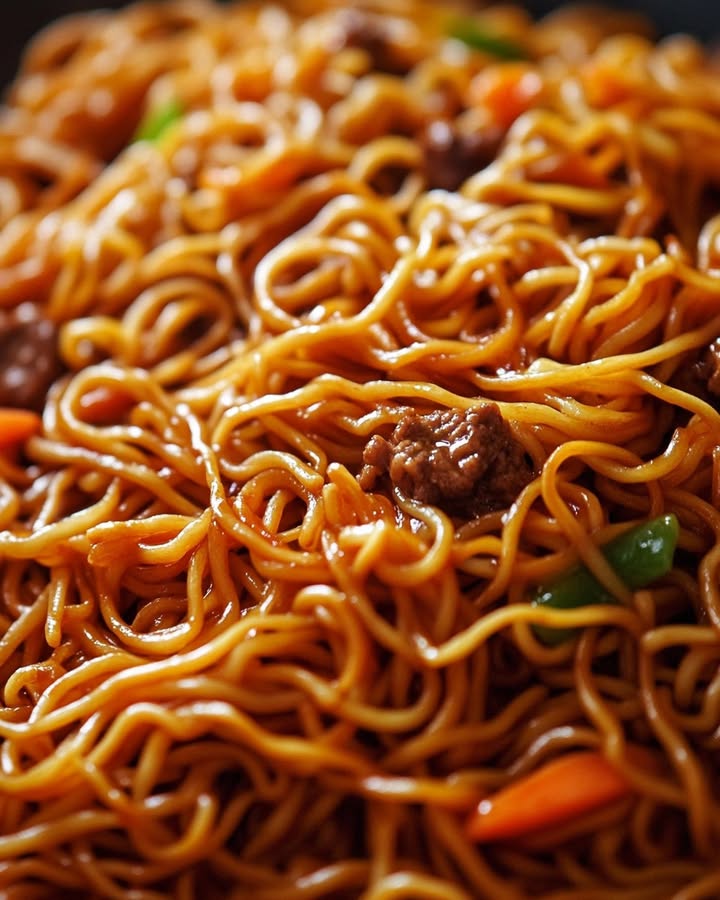
Get Ready for a Tasty Journey with Flavorful Homemade Beef Lo Mein!
There’s nothing quite like the satisfying, savory goodness of a homemade beef lo mein. As a mom who loves cooking for my family, I’ve perfected this recipe to bring that classic takeout flavor right into your kitchen. It’s not just a dish; it’s a way to gather around the table and savor the flavors of Asia in every bite.
A Brief History of Lo Mein: From Ancient China to Modern Kitchens
Lo mein, which translates to “stirred noodles,” has been a staple in Chinese cuisine for centuries. Originating from the northern parts of China, these egg noodles have made their way across the globe, becoming a beloved part of many Asian-inspired dishes. Traditionally, lo mein was a simple dish, often served with vegetables and a protein, but over time, it has evolved to include a variety of ingredients and flavors. Today, you can find everything from shrimp to tofu in lo mein, making it a versatile and delicious choice for any meal.
Why You’ll Love This Delicious Beef Lo Mein Recipe
The beauty of this beef lo mein is in its simplicity and rich flavors. The combination of tender beef, crisp vegetables, and perfectly cooked noodles creates a symphony of tastes and textures. It’s a quick and easy meal that’s perfect for busy weeknights or when you’re craving something comforting and satisfying. Plus, it’s a great way to use up any leftover vegetables you might have in the fridge. Trust me, once you try it, you’ll be hooked!
Perfect Occasions to Prepare This Recipe
This flavorful beef lo mein is a hit at any gathering. Whether you’re hosting a casual dinner party, celebrating a special occasion, or just having a cozy night in, this dish is sure to impress. It’s also a fantastic option for potlucks and family gatherings, where everyone can enjoy a hearty, homemade meal that feels like a treat.
Ingredients for a Mouthwatering Beef Lo Mein
- 8 oz beef sirloin, thinly sliced
- 8 oz lo mein noodles
- 1 tbsp oyster sauce
- 2 cloves garlic, minced
- 1 tbsp vegetable oil for stir-frying
- 2 green onions, chopped
- 1/2 cup shredded carrots
- 1 cup baby bok choy, chopped
- 1/2 bell pepper, thinly sliced
- 2 tbsp soy sauce
- 1/2 tsp sesame oil (optional, for extra flavor)
Substitution Options to Make It Your Own
If you want to switch things up, there are plenty of substitution options. You can replace the beef with chicken, shrimp, or even tofu for a vegetarian version. For the vegetables, feel free to add your favorites, such as snap peas, mushrooms, or zucchini. The oyster sauce can be swapped for hoisin sauce if you prefer a sweeter, plummier flavor.
Step-by-Step Instructions for Perfectly Preparing Beef Lo Mein
Step 1: Cook the Noodles
Start by boiling the lo mein noodles according to the package instructions. Once they’re al dente, drain them and set aside. The noodles should be slightly firm to the bite, ready to soak up all the delicious flavors later.
Step 2: Prepare the Beef
In a large skillet or wok, heat the vegetable oil over medium-high heat. Add the thinly sliced beef and cook until it’s nicely browned, about 2-3 minutes. The beef should be cooked through but still juicy. Remove the beef from the skillet and set it aside. Pro tip: For extra flavor, marinate the beef in a bit of soy sauce and sesame oil before cooking.
Step 3: Stir-Fry the Vegetables
In the same skillet, add a bit more oil if needed. Sauté the minced garlic, green onions, shredded carrots, chopped bok choy, and sliced bell pepper for 2-3 minutes. The vegetables should be slightly tender but still crisp, adding a nice crunch to your dish. The aromas of the garlic and vegetables will fill your kitchen, making your mouth water.
Step 4: Combine with Sauce
Add the cooked beef back to the skillet, along with the cooked noodles, oyster sauce, soy sauce, and sesame oil. Toss everything together and stir-fry for another 2-3 minutes. The oyster and soy sauces will coat the noodles and beef, creating a rich, savory flavor. Chef’s tip: For an extra kick, add a pinch of red pepper flakes.
Step 5: Serve and Enjoy
Transfer your delicious beef lo mein to a plate and garnish with some chopped green onions. Serve it hot and watch as your family and friends dig in with delight. The combination of tender beef, crisp vegetables, and perfectly seasoned noodles is simply irresistible.
Timing: Prep, Cook, and Rest Times
Preparation Time: 10 minutes
Cook Time: 15 minutes
Total Time: 25 minutes
Servings: 2
Calories: 450 kcal per serving
Chef’s Secret: Perfectly Balanced Flavors
The key to a great beef lo mein is balancing the flavors. The oyster sauce adds a rich, umami flavor, while the soy sauce provides the necessary saltiness. A touch of sesame oil gives it that nutty, aromatic finish. Don’t skip the sesame oil, even though it’s optional—it really elevates the dish.
Extra Info: A Fun Fact About Lo Mein
Did you know that lo mein noodles are often confused with chow mein noodles? While both are wheat-based, lo mein noodles are thicker and softer, making them perfect for soaking up the flavors of the sauce. Chow mein, on the other hand, is typically fried and has a crisper texture. So, next time you order, you’ll know exactly what you’re getting!
Necessary Equipment: Tools for a Smooth Cooking Experience
- Large skillet or wok
- Sharp knife for slicing
- Cutting board
- Pot for boiling noodles
- Measuring spoons
Storage: Keep Your Leftovers Fresh
To keep your beef lo mein fresh, store it in an airtight container in the refrigerator. It will last for about 3-4 days. When reheating, you can add a splash of water or broth to loosen the noodles. Microwaving works well, but for the best results, reheat it in a pan over low heat, stirring occasionally. The flavors will meld even more, making it just as delicious the next day. If you need to freeze it, portion it out into freezer-safe containers. It will keep for up to 2 months. Just make sure to thaw it in the fridge overnight before reheating.
Tips and Advice: Make Your Beef Lo Mein Even Better
- Use a good quality oyster sauce for the best flavor.
- Don’t overcook the noodles; they should be al dente to hold their shape.
- Keep the vegetables crisp by cooking them quickly and keeping them slightly undercooked.
- Add a splash of rice vinegar or lemon juice to brighten the flavors.
- For a touch of sweetness, add a teaspoon of honey or brown sugar to the sauce.
Presentation Tips: Make It Look Irresistible
- Garnish with chopped green onions and sesame seeds for a pop of color and added texture.
- Serve the lo mein in a deep bowl or on a large plate to showcase the vibrant colors of the vegetables and beef.
- Add a sprinkle of red pepper flakes for a spicy kick and a hint of heat.
- Place a small bowl of soy sauce or chili oil on the side for those who like it extra saucy.
Healthier Alternative Recipes: Lighter Versions with the Same Great Taste
- Sun-Dried Tomato Cream Pasta: Swap the heavy cream for a lighter, dairy-free alternative and load up on veggies for a nutritious yet creamy pasta dish.
- Spicy Thai Peanut Noodles: Use whole wheat noodles and add plenty of colorful vegetables for a fiber-rich, plant-based meal.
- Chicken Bacon Ranch Pasta: Substitute regular bacon for turkey bacon and use a light ranch dressing for a heart-healthy twist.
- One-Pot Cheesy Taco Pasta: Use ground turkey instead of beef and add a variety of beans and vegetables for a high-protein, low-fat option.
- Vegetable Lo Mein: Replace the beef with a medley of your favorite vegetables, such as broccoli, bell peppers, and mushrooms, for a completely plant-based version.
- Tofu Lo Mein: Use firm tofu instead of beef for a protein-packed, vegan alternative. Marinate the tofu in a mix of soy sauce, sesame oil, and spices for extra flavor.
Common Mistakes to Avoid: Perfecting Your Beef Lo Mein
Mistake 1: Overcooking the Noodles
Overcooking the noodles can make them mushy and unappetizing. Always follow the package instructions and aim for an al dente texture. This means the noodles should be slightly firm to the bite, allowing them to hold their shape when tossed with the other ingredients. Pro tip: Rinse the noodles with cold water after cooking to stop the cooking process and prevent them from sticking together.
Mistake 2: Not Using High Heat for Stir-Frying
Stir-frying is all about high heat and quick cooking. If the heat is too low, your vegetables will end up soggy, and the beef won’t get that nice, crispy sear. Make sure your skillet or wok is preheated to medium-high heat before adding the oil and ingredients. The high heat will help caramelize the vegetables and give the beef a beautiful, golden-brown crust.
Mistake 3: Neglecting to Season the Beef
Seasoning the beef is crucial for a flavorful dish. Before cooking, season the beef with a bit of salt, pepper, and a touch of soy sauce. This will enhance the natural flavors of the meat and make it more delicious. Pro tip: Let the seasoned beef sit for a few minutes to allow the flavors to penetrate the meat before cooking.
Mistake 4: Adding Too Much Sauce
While the sauce is a key component, adding too much can make your lo mein overly salty and overpower the other flavors. Start with the recommended amount and adjust to taste. Remember, you can always add more, but you can’t take it away. A good balance of oyster sauce, soy sauce, and sesame oil will create a rich, savory flavor without overwhelming the dish.
Mistake 5: Not Using Fresh Ingredients
Using fresh, high-quality ingredients is essential for a great-tasting beef lo mein. Fresh vegetables will add a vibrant, crisp texture, and the beef will be more tender and flavorful. If possible, use fresh, locally sourced ingredients for the best results. Pro tip: Shop at your local farmers’ market or choose organic produce for the freshest options.
Frequently Asked Questions About Beef Lo Mein
Q: What is the difference between lo mein and chow mein?
Lo mein and chow mein are both Chinese noodle dishes, but they differ in texture and preparation. Lo mein uses soft, boiled noodles, which are then mixed with other ingredients and sauce. Chow mein, on the other hand, uses crispy, fried noodles that are tossed with vegetables and sometimes meat. Lo mein is generally softer and more saucy, while chow mein is crispier and drier.
Q: Can I use different types of noodles for beef lo mein?
Sure! While traditional lo mein noodles are ideal, you can use other types of noodles, such as udon, soba, or even spaghetti if you can’t find lo mein noodles. The key is to use a type of noodle that can hold up to the stir-frying and sauce without becoming too mushy. Just make sure to cook the noodles al dente and rinse them with cold water to prevent sticking.
Q: How do I make the beef tender in beef lo mein?
To make the beef tender, slice it thinly against the grain. Marinating the beef in a mixture of soy sauce, sesame oil, and a bit of cornstarch for 15-20 minutes before cooking can also help. Cornstarch coats the meat, creating a barrier that helps retain moisture and makes the meat more tender. Additionally, cooking the beef quickly over high heat will ensure it stays juicy and doesn’t dry out.
Q: Can I add other vegetables to the beef lo mein?
Absolutely! Feel free to add your favorite vegetables. Some popular choices include snow peas, broccoli, mushrooms, and zucchini. Just make sure to cut them into bite-sized pieces and cook them quickly so they retain their crispness. Adding a variety of vegetables not only enhances the flavor but also adds more nutrients to the dish.
Q: Is beef lo mein a healthy dish?
Beef lo mein can be a healthy dish if you use lean cuts of beef, plenty of vegetables, and a moderate amount of sauce. To make it even healthier, you can use whole wheat or brown rice noodles, reduce the sodium by using low-sodium soy sauce, and add more vegetables. For a lower-fat option, you can also use a leaner cut of beef or substitute it with chicken or shrimp. Consider the overall balance of your diet and enjoy beef lo mein in moderation.
Q: Can I make this recipe gluten-free?
Yes, you can make this recipe gluten-free by using gluten-free noodles and substituting the soy sauce with tamari or coconut aminos. Both tamari and coconut aminos are gluten-free alternatives that provide a similar flavor. Also, make sure to check the labels of the oyster sauce and sesame oil to ensure they are gluten-free. By making these simple swaps, you can enjoy a delicious and gluten-free beef lo mein.
Q: How do I store leftover beef lo mein?
To store leftover beef lo mein, let it cool to room temperature, then transfer it to an airtight container. Store it in the refrigerator for up to 3-4 days. When reheating, you can add a splash of water or broth to loosen the noodles and prevent them from drying out. Reheat in the microwave or on the stovetop over low heat, stirring occasionally. For the best results, reheat in a pan to maintain the texture and flavor.
Q: Can I prepare this dish ahead of time?
You can prepare the beef lo mein ahead of time, but it’s best to cook the noodles separately and store them in a separate container. This prevents the noodles from absorbing too much of the sauce and becoming soggy. When you’re ready to serve, reheat the beef and vegetables in a skillet, then add the cooked noodles and toss everything together. This method ensures that the noodles stay al dente and the dish retains its vibrant flavors.
Q: How do I add extra flavor to the beef lo mein?
To add extra flavor to your beef lo mein, consider adding a splash of rice vinegar or a squeeze of lime juice for a tangy kick. You can also add a teaspoon of honey or brown sugar to the sauce for a touch of sweetness. A pinch of red pepper flakes or a drizzle of chili oil can add heat, and a sprinkle of sesame seeds or chopped green onions can add a nice crunch and a burst of flavor. Experiment with different seasonings to find the perfect balance for your taste buds.
Q: Can I make this recipe spicier?
Definitely! If you like it spicy, you can add a pinch of red pepper flakes or a drizzle of chili oil to the dish. Another option is to use a spicy oyster sauce or add a tablespoon of Sriracha or your favorite hot sauce to the sauce mixture. Start with a small amount and adjust to your preferred level of spiciness. You can also serve the dish with a side of hot sauce for those who like it extra spicy.
Now that you know all the secrets to making a delicious beef lo mein, why not give it a try? Whether you’re a seasoned chef or a beginner, this recipe is sure to become a favorite in your kitchen. And if you’re looking for more pasta inspiration, check out our Pasta and Noodles section for more mouthwatering recipes.
Enjoy Your Flavorful Homemade Beef Lo Mein!
There’s nothing quite like enjoying a homemade version of a takeout classic. With this flavorful beef lo mein, you can bring the taste of your favorite Chinese restaurant right to your table. So, gather your family and friends, and savor the rich, savory flavors of this delicious dish. Happy cooking!
Delicious Beef LoMein
Ingredients
Equipment
Method
- Boil the lo mein noodles according to the package instructions, then drain and set aside.
- In a large skillet or wok, heat vegetable oil over medium-high heat and add the thinly sliced beef. Cook until nicely browned, about 2-3 minutes, then remove from skillet.
- In the same skillet, sauté minced garlic, green onions, shredded carrots, chopped bok choy, and sliced bell pepper for 2-3 minutes until slightly tender but still crisp.
- Add the cooked beef back to the skillet with the cooked noodles, oyster sauce, soy sauce, and sesame oil. Toss together and stir-fry for another 2-3 minutes.
- Transfer to a plate, garnish with chopped green onions, and serve hot.