
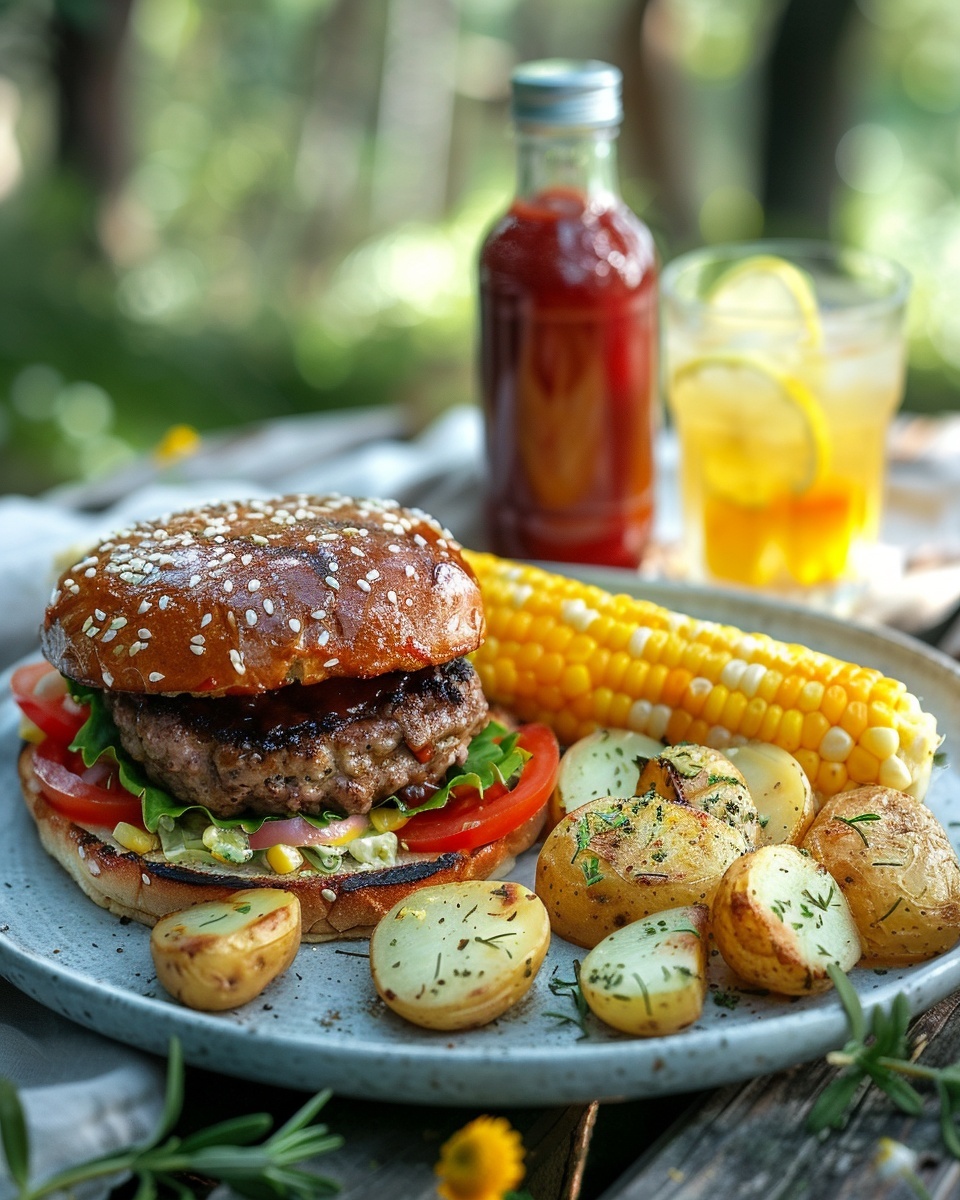
Introduction
I still remember the sound of sizzling patties hitting the hot grill grates on my first Fourth of July as a homeowner. My dad stood beside me, spatula in hand, teaching me the art of the perfect burger flip while fireworks popped in the distance. That smell of charcoal and beef mixed with summer air became my favorite scent of the year.
The Fourth of July brings out something special in all of us. There’s the anticipation of fireworks lighting up the night sky. Kids running through sprinklers in the yard. Friends and family gathering around picnic tables covered in red, white, and blue decorations. And right at the center of it all sits the grill, smoke rising as Fourth of July burgers cook to juicy perfection.
These aren’t just any burgers. They’re the ones we wait all year to make. The ones that bring everyone together. Fourth of July burgers have earned their place as the star of Independence Day cookouts across America. They represent everything we love about summer gatherings and patriotic celebrations.
I’ve grilled hundreds of burgers over the years, but the ones I make on the Fourth always feel different. Maybe it’s the extra care I take with the seasoning. Or perhaps it’s the joy of cooking for people I love while celebrating our nation’s birthday. Whatever the reason, grilling burgers during this festive time has become my favorite tradition.
Why Burgers Are a Must-Have on the Fourth of July
Walk through any neighborhood on July 4th and you’ll smell them. Burgers on the grill are as American as the holiday itself. But why have they become such an iconic part of our Independence Day celebrations?
The answer goes back to what makes America great in the first place. Burgers represent diversity, choice, and the freedom to create something your own way. Just like our country, no two burgers have to be exactly alike. That’s the beauty of them.
What food is traditionally eaten on 4th July? While hot dogs often get mentioned first, burgers actually top the list of most consumed foods on Independence Day. According to grilling experts, Americans cook roughly 190 million pounds of beef on the Fourth. Hot dogs come in second, followed by chicken and ribs. But burgers hold the crown.
The traditional 4th of July barbecue menu includes more than just burgers, of course. You’ll find potato salad, coleslaw, baked beans, corn on the cob, and watermelon at most cookouts. Apple pie often makes an appearance for dessert. But the grill takes center stage, and burgers command that stage like nothing else.
I love burgers for Fourth of July celebrations because they bring people together. Everyone gathers around the grill. Kids watch with wide eyes as the cheese melts. Adults share grilling tips and debate the best toppings. It becomes a shared experience that creates memories.
The versatility of Fourth of July burgers makes them perfect for any crowd. Got a picky eater who only wants ketchup? No problem. Have a foodie friend who wants caramelized onions, bacon, and special sauce? Easy to do. Someone watching their diet? Throw on a turkey patty or plant-based option. Everyone leaves happy.
This customization factor solves the biggest challenge of hosting a cookout. You don’t need to make five different main dishes. You just need good burgers and a variety of toppings. Set up a topping bar and let guests build their perfect burger. It’s interactive, fun, and takes pressure off the host.
Burgers also cook relatively quickly compared to other barbecue favorites. Ribs take hours. A whole chicken requires careful attention. But burgers? Six to eight minutes and you’re done. This means more time enjoying the party and less time stuck at the grill.
Essential Ingredients for Perfect Fourth of July Burgers
Making outstanding Fourth of July burgers starts with choosing the right ingredients. I’ve learned through trial and error that quality matters more than fancy techniques. Get these basics right and your burgers will be amazing.
The Beef
Fresh, high-quality ground beef is non-negotiable. I always go for 80/20 ground chuck. That means 80% lean meat and 20% fat. The fat keeps burgers juicy and adds incredible flavor. Leaner meat makes dry, crumbly patties that nobody wants.
Buy your beef from a butcher if possible. The pre-packaged stuff at big box stores works in a pinch, but freshly ground meat makes a noticeable difference. I usually pick mine up the morning of the cookout.
Plan for about one-third to one-half pound of meat per person. I typically make six-ounce patties. They shrink during cooking, ending up at the perfect size for a standard bun.
The Buns
Don’t overlook the bun. A soggy or cheap bun ruins even the best burger. I prefer brioche buns for their slight sweetness and sturdy structure. Potato buns work great too. Toast them lightly on the grill for extra flavor and to prevent sogginess.
Classic Toppings
Here’s my go-to list of burger toppings for the Fourth:
- Cheese: American, cheddar, pepper jack, and Swiss cover most preferences
- Lettuce: Crisp iceberg or butter lettuce works best
- Tomatoes: Thick slices of ripe beefsteak tomatoes
- Pickles: Dill chips are traditional, but bread and butter pickles add nice sweetness
- Onions: Raw red onion slices or caramelized yellow onions
- Bacon: Crispy strips make everything better
- Condiments: Ketchup, mustard, mayo, and barbecue sauce
Seasonings
Keep it simple. Salt and black pepper are often enough for great beef. I add them right before the patties hit the grill. Some people like garlic powder or onion powder mixed in. That works too, but don’t go overboard. You want to taste the beef, not a spice cabinet.
Alternative Protein Options
Not everyone eats beef these days. I always have alternatives ready for my Fourth of July cookouts.
Ground turkey makes excellent burgers when handled correctly. It’s leaner than beef, so it dries out faster. Mix in a tablespoon of olive oil per pound and don’t overcook. Season turkey more heavily than beef since it has less natural flavor.
Plant-based patties have improved dramatically in recent years. Brands like Beyond and Impossible actually taste good now. They cook faster than beef, so watch them carefully. Many vegetarian friends tell me they appreciate having a real option instead of just eating sides.
Chicken burgers work well too. Ground chicken behaves similarly to turkey. Add herbs like basil or cilantro to boost the flavor. These pair nicely with lighter toppings like avocado and sprouts.
I usually make one alternative patty for every four beef burgers. This ratio has worked well at my cookouts. Label them clearly so guests know what they’re grabbing.
Having all these ingredients prepped and ready before guests arrive makes everything smoother. I wash and slice vegetables the night before. I form patties that morning and keep them cold until grill time. Cheese gets unwrapped and arranged on a platter. Buns go in a basket with a clean towel.
This prep work might seem like extra effort, but it pays off. When the party starts, I’m ready to cook instead of scrambling to slice tomatoes. My guests get hot, fresh Fourth of July burgers without long waits. That’s what great hosting looks like.


Mastering the Cooking Time for Perfect Fourth of July Burgers
With your ingredients ready and your grill heating up, the real magic begins. I’ve watched too many cookouts where someone nervously pokes at burgers every thirty seconds, turning them into hockey pucks. There’s actually a better way to handle this.
Here’s the thing about burger cooking that changed everything for me. About five years ago, my neighbor Frank told me about his method. He’s one of those guys who takes grilling seriously, enters competitions, the whole deal. He swore by specific timing rather than constant flipping and guessing.
What is the 5 6 7 rule for burgers? Now, I need to clarify something because there’s some confusion about this rule floating around. The version that actually works involves cooking your patties for roughly five to six minutes per side for medium doneness, flipping only once. The “7” part refers to letting them rest for a bit after cooking, though some folks interpret it differently.
The real key isn’t memorizing exact numbers. It’s understanding how heat moves through meat and when to flip. I typically cook my Fourth of July burgers for about five minutes on the first side over medium-high heat. You’ll see juices start pooling on top when they’re ready to flip. That’s your signal, not a timer.
Then I flip once. Just once. This is where people mess up most. Every time you flip a burger, you release heat and moisture. Those juices you want inside? They end up in the flames instead. Flip once and you’ll notice the difference immediately.
After flipping, I give them another four to six minutes depending on thickness. A six-ounce patty usually needs about five minutes on the second side. Thicker burgers need more time, thinner ones need less. Pretty straightforward.
Temperature matters more than time, though. I finally bought a meat thermometer three summers ago and wish I’d done it sooner. For beef burgers, you want 160°F for fully cooked. Medium burgers hit around 145°F. Stick the thermometer in from the side, right into the center of the patty.
Turkey and chicken burgers need to reach 165°F no matter what. There’s no wiggle room with poultry. I learned this the hard way at a cookout in college. Let’s just say it wasn’t pretty and leave it at that.
Making a small dimple in the center of each patty before grilling helps them cook evenly. Burgers puff up in the middle as they cook, turning into little meat domes. The dimple counters this, giving you a flat, evenly cooked patty. Press your thumb about halfway down into the center before they hit the grill.
Don’t press down on burgers while they cook. I see people do this constantly. They think they’re speeding up cooking or getting nice grill marks. What they’re actually doing is squeezing out all the juices. Those flames shooting up? That’s fat leaving your burger forever, taking flavor with it.
Cheese goes on during the last minute of cooking. I close the grill lid to trap heat and melt it properly. This creates that perfect, gooey cheese that drapes over the edges. Timing this right makes such a difference. Too early and the cheese slides right off. Too late and it’s still cold in the middle.
Once burgers come off the grill, let them rest for three to five minutes. Yeah, I know everyone’s hungry and the buns are ready. But this resting time lets juices redistribute throughout the meat. Cut into a burger immediately and juice runs everywhere. Wait a few minutes and it stays inside where it belongs.
The technique I use for holiday burgers isn’t that different from what I learned making Easter ham, honestly. Both require patience and trusting the process instead of constantly checking.
Creative Fourth of July Burger Ideas That Wow
Standard burgers taste great, but the Fourth of July calls for something more festive. I like adding special touches that match the patriotic theme without getting too gimmicky.
One year I made what I called “Freedom Burgers” with a blue cheese compound butter. Sounds fancy, but it’s just butter mixed with blue cheese crumbles and herbs. I formed it into a log, chilled it, then sliced off rounds to melt on top of hot burgers. The blue represented, well, blue. Guests loved them.
For the red element, I make a roasted red pepper and tomato relish. Chop roasted red peppers with fresh tomatoes, add some red onion, vinegar, and a pinch of sugar. It’s tangy, sweet, and bright red. Spoon it over burgers for a patriotic touch that actually tastes incredible.
White’s the easiest color to incorporate. Sharp white cheddar works perfectly. Or make a white sauce with mayo, sour cream, and herbs. Some people use white American cheese. All good options.
Funny enough, the most popular burger at my last Fourth of July party was what I called the “Firecracker Burger.” These spicy Fourth of July burgers featured pepper jack cheese, jalapeños, chipotle mayo, and crushed red pepper mixed into the meat. I warned people they had some kick. Half the guests wanted them anyway.
Here’s what went into those spicy versions: I mixed a teaspoon of crushed red pepper flakes per pound of beef. Then topped with pepper jack, pickled jalapeños, fresh jalapeño slices, and a sauce made from mayo mixed with chipotle peppers in adobo. My brother-in-law ate three of them.
Cheese-stuffed Fourth of July burgers create a wow factor that’s easier than you’d think. Form your patties thinner than usual. Place a chunk of cheese in the middle of one patty. Top with another patty and seal the edges. When you bite into these, melted cheese oozes out. Kids especially go crazy for them.
I stuff mine with different cheeses depending on the crowd. Sharp cheddar is classic. Blue cheese creates an upscale vibe. Mozzarella gets super stretchy and fun. Even cream cheese works if you add some herbs and garlic to it first.
The trick with stuffed burgers is sealing them properly. Press the edges together firmly, then smooth them out. Any gaps and the cheese escapes during cooking, causing flare-ups. Also, make these slightly thicker than regular burgers. They need the extra thickness to contain the filling.
A patriotic burger bar lets guests customize their own creations. I set out different colored ingredients grouped by theme. Red toppings on one side, white in the middle, blue on the other. People have fun building their own “flag burgers.”
For something different, try a “BBQ Bacon Burger” with bacon, cheddar, onion rings, and barbecue sauce. It’s messy and delicious. Similar to how I approach the glaze on my Christmas ham recipe, layering flavors makes everything better.
Greek-style burgers work surprisingly well for summer. Mix feta cheese, oregano, and minced garlic into the meat. Top with cucumber, tomato, red onion, and tzatziki sauce. They’re lighter than traditional burgers, perfect for hot July weather.
Mushroom Swiss burgers never go out of style. Sauté mushrooms in butter with thyme until they’re golden. Pile them high on burgers with melted Swiss cheese. Add some caramelized onions if you’re feeling ambitious. These taste fancy but aren’t complicated.
Building the Perfect Fourth of July Menu Around Your Burgers
No burger stands alone at a proper cookout. The sides matter just as much as the main event. What is the traditional 4th of July barbecue menu? I already mentioned some classics earlier, but let’s talk about how to pair them strategically with your burgers.
Potato salad sits at the top of my must-have list. I make mine with red potatoes, mayo, mustard, celery, and hard-boiled eggs. My mom’s recipe includes a secret ingredient: a splash of pickle juice. It adds brightness that regular vinegar can’t match. I prep this the day before so flavors have time to blend.
Coleslaw brings crunch and freshness that cuts through rich burger fat. A vinegar-based slaw works better than mayo-heavy versions in summer heat. It won’t spoil as quickly sitting outside. Plus, some people like putting slaw directly on their burgers, and a vinegar version doesn’t make the bun soggy.
Corn on the cob is non-negotiable at my cookouts. I throw ears directly on the grill, turning them until they’re charred in spots. Brush with butter, sprinkle with salt, and watch them disappear. Sometimes I make Mexican street corn with mayo, cotija cheese, chili powder, and lime. That version always generates compliments.
Baked beans have been showing up at American cookouts since forever. I doctor up canned beans with bacon, brown sugar, mustard, and a splash of bourbon. Simmer them in a pot on the side of the grill. The smoky flavor they pick up from the grill makes them taste homemade.
Watermelon serves double duty as side dish and dessert. I cut it into triangles and stick them in a cooler filled with ice. Kids grab slices all afternoon. Sometimes I make a watermelon and feta salad with mint and lime. It sounds weird but tastes amazing.
Macaroni salad rounds out the starch situation. Elbow macaroni tossed with mayo, mustard, diced vegetables, and seasonings. Let it chill for at least two hours before serving. The pasta absorbs the dressing and flavors develop.
By the way, chips and dip work as excellent filler foods. I set out tortilla chips with salsa and guacamole. Potato chips with French onion dip. People snack while burgers cook, which prevents the dinner rush from overwhelming the grill.
For something sweet beyond watermelon, I sometimes bake a batch of sugar cookies and decorate them like flags. Yeah, those are technically Christmas cookies in my recipe box, but the basic dough works year-round with different decorations.
The key to sides is making most of them ahead. I don’t want to be in the kitchen assembling potato salad while guests arrive. Cold sides get made the day before. Hot sides like beans can simmer while I grill. This planning keeps me outside with everyone instead of stuck inside cooking.
Beverage stations save tons of time too. I fill a big cooler with ice, water, soda, and beer. Another smaller cooler holds juice boxes for kids. People help themselves, and I’m not running back and forth playing bartender all afternoon.
The combination of juicy Fourth of July burgers, classic sides, and good company creates the perfect celebration. Just like planning Thanksgiving dinner requires thinking through timing, a Fourth of July cookout needs some organization. But once everything’s prepped and the grill’s hot, the rest takes care of itself.


Fun Tips for Hosting a Memorable Burger Cookout
Hosting a Fourth of July cookout shouldn’t stress you out. I’ve thrown enough of these parties to know what works and what doesn’t. The best gatherings happen when you plan the big stuff but stay flexible with the details.
Start by figuring out your space. My backyard isn’t huge, but I make it work by creating different zones. The grill area stays clear so I can move around safely. Tables for food go under the big oak tree for shade. Chairs and blankets spread across the lawn for lounging. This flow keeps people from clustering in one spot and blocking traffic.
Lighting matters more than you’d think, especially since cookouts often stretch into evening. String lights transform any backyard into something magical. I hang them between trees and across the patio. They provide enough light to see food but create a softer ambiance than harsh floodlights. Solar-powered ones save the hassle of extension cords everywhere.
The DIY burger bar concept changed my hosting game completely. Instead of trying to remember who wanted what toppings, I let guests build their own masterpieces. It’s interactive, fun, and takes so much pressure off.
Here’s how I set mine up. I use a long folding table covered with a red and white checkered tablecloth. Very classic picnic vibes. Then I arrange everything in a logical order, like an assembly line.
Buns go first on the left side. I keep them in a basket lined with a clean kitchen towel to prevent them from drying out. Next comes the burger station where I place the cooked patties. I use a slow cooker set on warm to hold them, or a foil pan over a chafing fuel can if I’m feeling fancy. This keeps burgers hot without overcooking them.
After the burgers, I line up the toppings in small bowls or containers. Cheese slices go in one section. Lettuce, tomatoes, onions, and pickles each get their own bowl. Bacon strips go on a separate plate. Condiments come last, right before napkins and plates at the end.
Label everything. Seriously. Little signs or cards identifying each topping help, especially with multiple cheese options or special sauces. I write them on index cards and stick them in small holders. It looks organized and helps guests who might have allergies know what they’re grabbing.
Having a variety of bun options surprises people in the best way. Regular sesame seed buns, brioche, whole wheat, and even lettuce wraps for the low-carb crowd. This small touch shows you thought about everyone.
Ice is something people always underestimate. You need way more than you think. I buy three bags for a party of twenty people. One goes in the beverage cooler, one in a bucket near the burger bar for anyone wanting cold water, and one stays in the freezer as backup. Running out of ice at 3 PM on July 4th is no fun. I learned that lesson the hard way.
Music sets the entire mood. My playlist for Fourth of July cookouts runs about four hours and mixes genres. I start with classic rock, The Beatles and Fleetwood Mac, while people arrive. Everyone vibes with that. As the afternoon goes on, I shift to more upbeat stuff. Bruce Springsteen, Tom Petty, and some country. Later in the evening, I might throw in current hits that younger guests know.
Volume matters as much as song selection. Keep it loud enough to create atmosphere but quiet enough that people can talk without shouting. I adjust throughout the day based on the crowd’s energy.
Decorations don’t need to be complicated. I stick with simple patriotic colors without going overboard. Red, white, and blue tablecloths. A few small American flags in mason jars as centerpieces. Paper plates and napkins in coordinating colors. Balloons if kids are coming. That’s honestly enough.
One year I went crazy with decorations and spent hours setting everything up. Nobody really noticed or cared. They came for good food and company. Now I focus my energy on the menu instead of elaborate décor.
Games and activities keep everyone entertained between eating rounds. Cornhole is my go-to because it’s easy and all ages can play. Frisbees, a volleyball net if you have space, or even just a speaker for outdoor karaoke. Kids love bubbles and sidewalk chalk. Simple stuff works best.
Here’s something I wish someone had told me years ago. Prep a cooler specifically for raw meat, separate from beverages. Cross-contamination is real, and keeping raw burgers away from everything else prevents problems. I mark it clearly so nobody accidentally grabs a beer from the meat cooler.
Trash and recycling stations placed strategically around the party area keep your yard from turning into a disaster zone. I put out several cans with clear labels. People actually use them when they’re convenient. Waiting until the end of the night to deal with trash scattered everywhere is nobody’s idea of fun.
Weather backup plans save the day sometimes. I always check the forecast a few days out. If rain looks possible, I rent a pop-up canopy or two. They provide shade if it’s sunny and shelter if it sprinkles. Having a plan B means you’re not scrambling last minute.
The afternoon usually heats up, so having shade options helps. Umbrellas, canopies, or natural shade from trees. I also fill a small kiddie pool with ice water and drinks. Kids think it’s the coolest thing ever, and it actually keeps beverages colder than coolers sometimes.
Bug control is something I finally got serious about after one particularly mosquito-filled disaster. Citronella candles help some. I also set up a few fans around seating areas. Bugs hate wind, and fans keep them away while cooling people down. Win-win situation.
Making sure everyone gets fed at roughly the same time requires some strategy. I start grilling about thirty minutes before I want people to eat. Burgers cook quickly, but you need to account for everyone building their plates. I usually cook in batches, keeping finished ones warm while the next round grills.
Dietary restrictions and preferences matter more now than when I started hosting. I always ask about allergies and special diets when people RSVP. Then I make sure there are real options, not just sides, for everyone. Nobody should leave hungry from your party.
By the way, keeping a balance in your overall menu helps everyone feel good after eating. While we’re celebrating with Fourth of July burgers, including fresh vegetables and lighter options alongside the heavier foods helps maintain a balanced diet even during festive occasions. Your guests will appreciate having choices.
Photography happens naturally these days with everyone having phones, but I like setting up one nice spot for group photos. A simple backdrop or just a clear area with good lighting. Later in the evening when fireworks start, it creates natural photo opportunities everyone loves.
The fireworks themselves are the grand finale, obviously. If you’re setting off your own, safety comes first. Have a water bucket nearby, keep spectators at a safe distance, and never relight duds. I usually leave fireworks to the professionals and take everyone to watch the town display instead. Less stress, better show.
Cleanup goes faster when you tackle it as you go. During quiet moments while burgers rest or between cooking batches, I toss obvious trash and consolidate dishes. By the time everyone leaves, you’re not facing hours of work.
If you’re looking for more inspiration beyond burgers, the whole collection of holiday recipes and celebration ideas can help you plan memorable gatherings throughout the year using similar hosting strategies.
The secret to great hosting is making it look effortless even when you’ve planned carefully. Your guests should feel welcomed and relaxed, not like they’re at some formal event. That casual, joyful atmosphere is what makes Fourth of July cookouts special.
Frequently Asked Questions About Fourth of July Burgers
What food is traditionally eaten on 4th July?
Burgers top the list of traditional Fourth of July foods, with Americans consuming millions of pounds of ground beef on Independence Day. Hot dogs come in close second, followed by barbecued ribs and chicken. Classic sides include potato salad, coleslaw, baked beans, corn on the cob, and watermelon. Apple pie or other fruit desserts round out the traditional menu. These foods have become synonymous with American summer celebrations.
What is the 5 6 7 rule for burgers?
The 5 6 7 rule refers to cooking burgers for approximately five to six minutes per side over medium-high heat, flipping only once during the cooking process. This timing works for standard six-ounce patties and produces medium to medium-well doneness. The key is watching for juices pooling on top before flipping, which indicates the burger is ready to turn. Always verify doneness with a meat thermometer, aiming for 160°F for beef and 165°F for poultry. The method prevents overcooking and keeps burgers juicy.
What is the most eaten food on 4th of July?
Hamburgers claim the title of most eaten food on Independence Day, with approximately 190 million pounds of beef consumed nationwide. Hot dogs come in second place, though they’re often mentioned first when people think of Fourth of July foods. The popularity of burgers stems from their versatility, quick cooking time, and universal appeal. They can be customized for any dietary preference or taste, making them perfect for large gatherings. Chicken and ribs also rank high but don’t match burger consumption numbers.
What is the traditional 4th of July barbecue menu?
A traditional Fourth of July barbecue centers around grilled meats, primarily burgers and hot dogs, served with classic American sides. Potato salad, coleslaw, and baked beans appear at nearly every cookout. Fresh corn on the cob, either boiled or grilled, is essential. Chips and dip provide snacking options while food cooks. Watermelon serves as both a refreshing side and light dessert. Many hosts also include apple pie, brownies, or flag-themed desserts to complete the patriotic spread.
How do I keep burgers from falling apart on the grill?
The key to sturdy burgers starts with proper fat content in your meat—80/20 ground chuck works best. Handle the meat gently when forming patties, mixing and pressing just enough to hold together. Overworking the meat creates a dense, tough texture that’s more likely to crumble. Make a small dimple in the center of each patty to prevent puffing. Let patties chill in the refrigerator for at least thirty minutes before grilling. This helps them firm up and hold together better during cooking.
Should I add egg or breadcrumbs to burger meat?
Traditional beef burgers don’t need eggs or breadcrumbs—that’s more for meatloaf or meatballs. Adding binders changes the texture, making burgers more dense and less beefy-tasting. High-quality ground beef with proper fat content holds together perfectly on its own. However, turkey or chicken burgers benefit from a small amount of binder since they’re leaner. If you do add anything, use just one egg per two pounds of ground poultry. For beef burgers, skip the extras and let the meat shine.
How far in advance can I form burger patties?
You can form burger patties up to twenty-four hours before grilling. Shape them gently, place parchment paper between each patty, and stack them in an airtight container in the refrigerator. This actually helps because cold patties hold their shape better on the grill. Don’t season them with salt until right before cooking, as salt draws out moisture over time. If you need to prep further ahead, formed patties freeze well for up to three months. Just thaw them in the refrigerator the night before your cookout.
What’s the best way to tell when a burger is done without cutting it?
A meat thermometer is the most reliable method—insert it from the side into the center of the patty. Beef burgers should reach 160°F for safe consumption, while poultry needs 165°F. Without a thermometer, you can use the touch test, though it takes practice. Press the center of the burger with your finger or spatula; it should feel firm with a slight give for medium to medium-well. Clear juices (not pink) running from the burger also indicate doneness. Invest in a good instant-read thermometer for consistent results.
How do I prevent burger flare-ups on the grill?
Flare-ups happen when fat drips onto hot coals or burners, creating flames that char your burgers. Trim excess fat from the edges of patties before grilling, though don’t go overboard since some fat is essential. Keep the grill clean, as built-up grease causes more flare-ups. When flames appear, move burgers to a cooler part of the grill temporarily. Never use water to douse flames on a grease fire—it makes things worse. Keep the grill lid nearby to quickly smother any serious flare-ups by closing it briefly.
Can I make Fourth of July burgers in the oven if I don’t have a grill?
Absolutely, oven-cooked burgers can taste great even without grill marks. Preheat your oven to 400°F and place patties on a baking sheet lined with foil or parchment paper. Broil them for the last two minutes to get a nice crust on top. Alternatively, cook them in a cast-iron skillet over medium-high heat for that seared exterior. They’ll cook through in about ten to twelve minutes total, depending on thickness. While you miss the smoky grill flavor, properly seasoned burgers still taste delicious cooked indoors.
With these tips and techniques, you’re ready to create an unforgettable Fourth of July celebration centered around amazing burgers. Don’t stress about perfection—focus on enjoying time with the people you care about while serving food made with care and attention.
Fourth of July Burgers
Ingredients
Equipment
Method
- Choose high-quality 80/20 ground chuck for the beef.
- Form patties that are thicker in the center to prevent puffing.
- Make a small dimple in the center of each patty.
- Season patties with salt and black pepper just before grilling.
- Preheat the grill to medium-high heat.
- Cook patties for 5-6 minutes on the first side.
- Flip patties only once and cook for another 4-6 minutes.
- Ensure beef patties reach an internal temperature of 160°F.
- Add cheese on top of patties during the last minute of cooking.
- Let cooked burgers rest for 3-5 minutes before serving.
- Serve with a variety of toppings and buns for customization.