
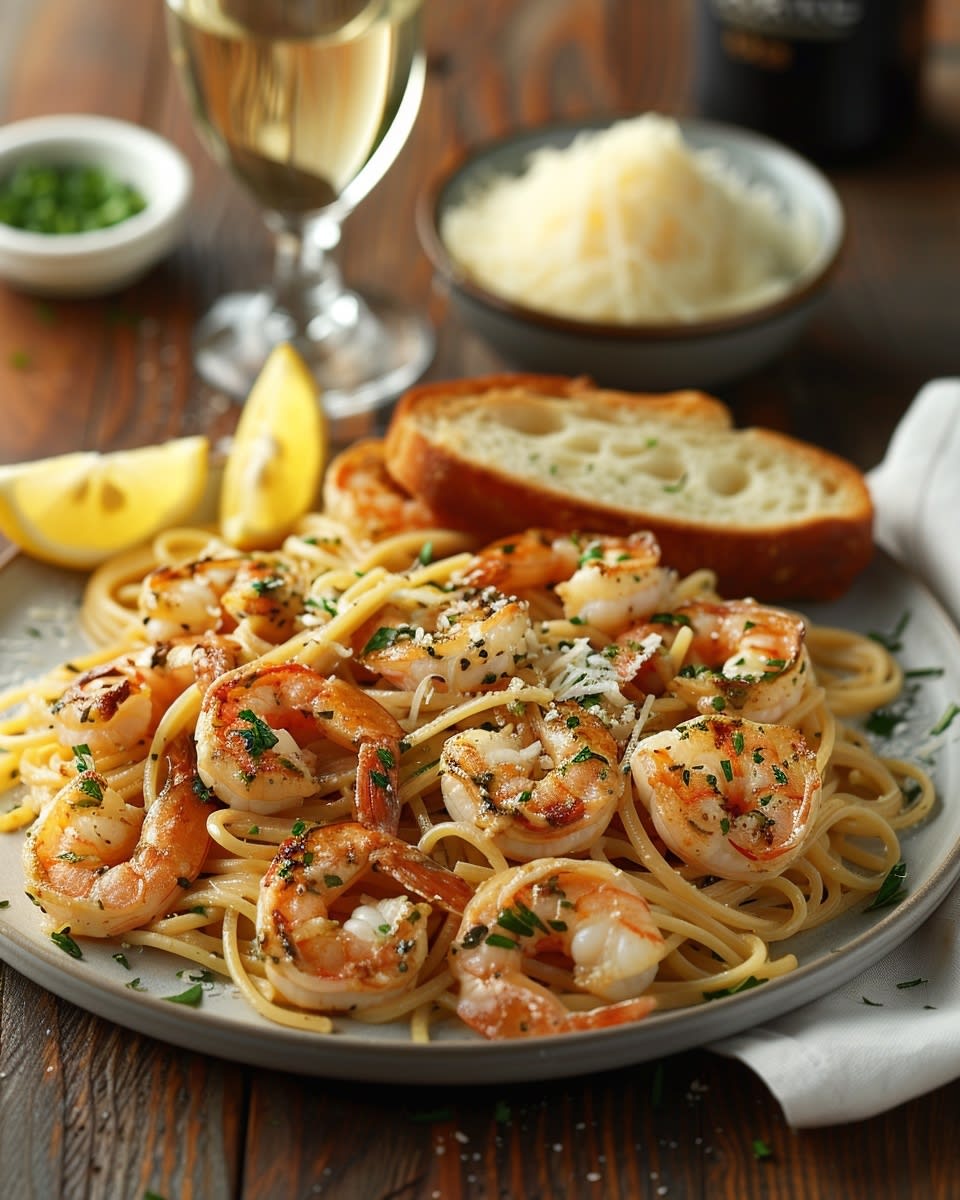
Why I Keep Coming Back to Garlic Butter Shrimp Linguine
Last Tuesday night, I stood in my kitchen at 6 PM with zero dinner plans and a rumbling stomach. I opened my fridge and spotted some shrimp, a handful of garlic cloves, and half a box of linguine in the pantry. Thirty minutes later, I was twirling perfectly cooked pasta coated in golden garlic butter with plump, juicy shrimp. That meal saved my evening and reminded me why garlic butter shrimp linguine has become my go-to recipe when I need something quick but impressive.
This dish has rescued me more times than I can count. It works for lazy weeknights when I don’t want to think too hard about dinner. It shines at dinner parties when I want my guests to think I spent hours in the kitchen. The best part? It only takes about 30 minutes from start to finish, and most of that time is just waiting for water to boil.
I’m excited to share this recipe with you today. We’re going to make a restaurant-quality pasta dish right in your own kitchen. No fancy techniques required. No hard-to-find ingredients. Just simple, bold flavors that come together beautifully. Whether you’re cooking for yourself, your family, or hosting friends, this garlic butter shrimp linguine will quickly become one of your favorite meals.
What Makes Garlic Butter Shrimp Linguine So Special
This dish sits at that perfect intersection of easy and elegant. You can whip it up on a random Tuesday, or you can serve it at your next dinner party. Either way, people will be impressed. I’ve served this to my in-laws, my pickiest friends, and even my teenage nephew who claims to hate seafood. Everyone asks for seconds.
The magic happens when you combine just a few simple ingredients. Fresh shrimp sizzles in butter until it turns pink and slightly caramelized. Garlic fills your kitchen with that amazing aroma we all love. A splash of white wine or lemon juice adds brightness. The pasta soaks up all those flavors and ties everything together. It’s not complicated, but the results taste like you ordered from an Italian restaurant.
The flavor profile hits multiple notes at once. You get richness from the butter. The garlic brings that savory punch. Shrimp adds a sweet, briny taste from the ocean. A bit of red pepper flakes gives a gentle kick. Fresh parsley brightens everything up. When you take that first bite, your taste buds experience this beautiful balance that keeps you going back for more.
The texture variety makes every forkful interesting. The linguine should be perfectly al dente with a slight bite. The shrimp get tender and juicy on the inside with slightly crispy edges. The sauce coats everything in a silky, glossy layer. You get smooth, chewy, and tender all in one dish.
Why This Recipe Works for Everyone
I love how versatile this pasta dish is. It adapts to whatever occasion you have in mind. Need a quick weeknight dinner after a long day at work? This fits the bill. Planning a romantic date night at home? Light some candles and serve this with a glass of wine. Having friends over for dinner? Double the recipe and watch it disappear.
The ingredient list is short and mostly made up of pantry staples. You probably already have garlic, butter, pasta, and olive oil at home. That means you only need to grab shrimp and maybe some fresh parsley. I keep frozen shrimp in my freezer for exactly this reason. When inspiration strikes or hunger calls, I can defrost them quickly and have dinner on the table fast.
This recipe also works well for different skill levels. If you’re new to cooking, don’t worry. The steps are straightforward and hard to mess up. If you’re more experienced, you can add your own creative touches. I’ve added sun-dried tomatoes, spinach, cherry tomatoes, and capers at different times. Each variation turned out great.
The dish scales easily too. Cooking for one? Cut the recipe in half. Feeding a crowd? Triple it. The cooking method stays the same regardless of quantity. This flexibility makes meal planning so much easier. I’ve made this for solo dinners and for groups of eight. Both scenarios worked perfectly.
The Flavor Combination That Wins Every Time
Garlic and butter form one of the greatest culinary partnerships ever created. When you cook garlic in butter, something magical happens. The harsh bite of raw garlic mellows out. The butter carries that garlic flavor to every corner of the dish. This combination has been used in kitchens around the world for centuries because it simply works.
Adding shrimp to this mix takes things to another level. Shrimp cook quickly and soak up whatever flavors surround them. In this case, they absorb all that garlicky, buttery goodness. The natural sweetness of shrimp balances the savory elements. The slightly firm texture of properly cooked shrimp contrasts nicely with the soft pasta.
Linguine is my pasta shape of choice here, though you can use others. The flat, ribbon-like strands catch the sauce beautifully. Every twirl of your fork picks up pasta, sauce, and hopefully a shrimp or two. The shape matters more than you might think. Round pasta like spaghetti works fine, but linguine gives you that slightly wider surface area that holds sauce better.
Fresh ingredients make a real difference in this recipe. I always use fresh garlic instead of the pre-minced stuff in jars. The flavor is brighter and more vibrant. Fresh parsley at the end adds color and a light, herbaceous note. If you can get fresh shrimp instead of frozen, even better. But frozen works great too, which is what I use most of the time.
When to Serve Garlic Butter Shrimp Linguine
This dish fits into your life in so many ways. I make it on busy weeknights when I get home late and need something fast. The quick cooking time means I’m not standing over the stove for hours. Yet it feels special enough that dinner doesn’t seem rushed or thrown together.
It’s also my secret weapon for entertaining. When friends text asking if they can drop by for dinner, I don’t panic. I know I can pull this together quickly and it will look like I planned a fancy meal. Serve it in a large bowl with some crusty bread and a simple salad, and you’ve got a complete menu that impresses.
Date nights at home get elevated with this pasta. It’s romantic without being fussy. The garlic might not be ideal for a first date, but for established couples, it’s perfect. Pour some wine, dim the lights, and enjoy a restaurant-quality meal in your pajamas if you want.
I’ve even served this at casual dinner parties and potlucks. It travels well if you keep the pasta and sauce separate until serving time. Just reheat gently and toss together. People always ask for the recipe, which is the highest compliment a home cook can receive.


Gathering Your Ingredients for Perfect Garlic Butter Shrimp Linguine
Now that you know when and why to make this dish, let’s talk about what you actually need to buy. I’m standing in my kitchen right now looking at my ingredient lineup, and I promise it’s shorter than you think.
Here’s what I grab every time I make this recipe. For the pasta itself, you’ll need one pound of linguine. I buy the standard dried pasta in a box, nothing fancy required. You could absolutely use fresh pasta if you spot it at the store, but honestly, dried works beautifully and costs way less. The cooking time changes a bit with fresh pasta, so keep that in mind.
For the star protein, pick up one and a half pounds of shrimp. I usually go for large or extra-large shrimp, which are labeled as 21/25 count or 16/20 count. Those numbers tell you how many shrimp are in a pound. Bigger shrimp are easier to work with and look more impressive on the plate. You want them peeled and deveined to save yourself time. I learned this the hard way after spending forty minutes peeling shrimp once while my family waited hungrily at the table.
The sauce ingredients are simple. You’ll need six cloves of fresh garlic. Yes, fresh. I know those jars of pre-minced garlic seem convenient, but they taste totally different. Fresh garlic has this sharp, vibrant flavor that mellows beautifully when you cook it. The jarred stuff tastes a bit metallic to me. You’ll also need four tablespoons of good quality butter. I use unsalted so I can control the salt level myself. Add three tablespoons of olive oil, which helps prevent the butter from burning and adds its own fruity flavor.
For the liquid component, have half a cup of dry white wine ready. I use whatever inexpensive Pinot Grigio or Sauvignon Blanc I find. Don’t buy cooking wine from the grocery store baking aisle. That stuff is loaded with salt and tastes terrible. Just use regular drinking wine that costs around ten dollars. If you don’t drink or prefer not to cook with alcohol, substitute chicken broth or even pasta water. The dish turns out slightly different but still delicious.
You’ll need one lemon for juice and zest. Fresh lemon juice makes a world of difference compared to that plastic lemon-shaped bottle. The brightness cuts through the richness of the butter perfectly. A quarter teaspoon of red pepper flakes adds gentle heat. If you’re sensitive to spice, start with less. You can always add more at the table.
Fresh parsley is my finishing herb of choice. A quarter cup of chopped flat-leaf parsley adds color and freshness. Some people prefer basil, which works too, but I love how parsley doesn’t overpower the other flavors. Finally, you’ll need salt and black pepper for seasoning.
Here’s the thing about ingredient quality. This recipe has so few components that each one really matters. When you’re making something like my weight loss cabbage detox soup, you can get away with average vegetables because there are so many flavors competing. But with garlic butter shrimp linguine, there’s nowhere to hide. Mediocre shrimp will taste mediocre. Stale garlic will make the whole dish taste off.
Let me share my shrimp shopping tips. Fresh shrimp should smell like the ocean, not fishy. If they smell strongly, walk away. The flesh should look translucent and firm, not mushy or falling apart. Honestly though, I use frozen shrimp probably eighty percent of the time. Good quality frozen shrimp are flash-frozen right on the boat, which locks in freshness. Just defrost them in the fridge overnight or run them under cold water for fifteen minutes before cooking.
For the pasta, I don’t overthink it. Any major brand works fine. The bronze-die cut pasta holds sauce better because it has a rougher surface, but regular pasta is perfectly acceptable. I keep several boxes in my pantry alongside ingredients for dishes like creamy spinach garlic parmesan pasta so I’m always ready to make something delicious.
Walking Through the Cooking Process Step by Step
Alright, ingredients assembled. Now let’s actually make this thing. I’m going to walk you through this exactly how I do it in my own kitchen, including the little tricks I’ve picked up over the years.
First thing, fill your largest pot with water and get it on the stove over high heat. Add a generous amount of salt. I’m talking two tablespoons for a big pot. Your pasta water should taste like the ocean. This is your only chance to season the pasta itself, so don’t be shy. While that water heats up, you can prep everything else. This saves time because watching water boil is nobody’s favorite activity.
Grab your shrimp and pat them completely dry with paper towels. This step matters more than you’d think. Wet shrimp won’t brown properly, they’ll just steam. You want that slight caramelization on the outside. Season them all over with salt and pepper. I do this on a plate so I can see I’ve hit every single shrimp.
Now tackle your garlic. Peel those six cloves and mince them finely. I use a knife rather than a garlic press because I like having visible pieces of garlic throughout the dish. Plus, cleaning a garlic press is annoying. Keep the minced garlic separate on your cutting board. While you’re at it, chop your parsley and zest your lemon. Having everything ready before you start cooking makes the actual cooking process so much smoother. Professional chefs call this mise en place, which is just a fancy way of saying get your stuff together before the heat goes on.
By now your water should be boiling. Drop in your linguine and give it a stir so the strands don’t stick together. Check the package for cooking time and set a timer for two minutes less than it suggests. We’re going for al dente, which means the pasta should have a slight firmness when you bite it. It’ll finish cooking when we toss it with the sauce. This technique works for lots of pasta dishes, including Turkish yogurt beef pasta where the pasta continues cooking in the sauce.
While the pasta cooks, heat a large skillet over medium-high heat. I use my biggest pan because you need room for all those shrimp without crowding. Add two tablespoons of olive oil and let it get hot until it shimmers. Working in batches if necessary, add your shrimp in a single layer. Don’t pile them on top of each other or they’ll steam instead of sear. Let them cook without touching them for about two minutes. I know it’s tempting to poke at them, but resist. You want that golden crust to develop.
Flip the shrimp and cook another minute or two until they’re pink and just cooked through. The timing depends on shrimp size, but they cook fast. Overcooked shrimp turn rubbery and tough, so keep an eye on them. Once they’re done, transfer them to a plate and set aside. They don’t need to be piping hot right now because they’ll warm up again when we add them back to the sauce.
Turn your heat down to medium. Add the remaining tablespoon of olive oil and all four tablespoons of butter to the same skillet. Let the butter melt and start to foam. This combination of oil and butter is perfect because the oil raises the smoke point of the butter, preventing it from burning. Once it’s melted, add your minced garlic and red pepper flakes. This is when your kitchen starts smelling absolutely incredible.
Cook the garlic for about one minute, stirring constantly. You want it fragrant and just starting to turn golden. Don’t walk away during this step. Garlic goes from perfect to burnt in seconds, and burnt garlic tastes bitter and ruins everything. I learned this lesson the hard way several times before I figured out to just stand there and babysit it.
Pour in your white wine and lemon juice. The liquid will bubble up immediately, which is what you want. This is deglazing, picking up all those flavorful brown bits stuck to the pan from cooking the shrimp. Let this simmer for two or three minutes until the liquid reduces by about half. You’ll see it thicken slightly and smell the alcohol cooking off.
By this point, your pasta should be getting close to done. Before you drain it, scoop out a mugful of pasta water and set it aside. This starchy water is liquid gold for pasta sauces. Drain the linguine but don’t rinse it. Rinsing washes off the starch that helps sauce cling to the noodles.
Add the drained pasta directly to your skillet with the garlic butter sauce. Toss everything together with tongs, letting the pasta soak up that flavor. If it looks dry, splash in some of that reserved pasta water a little bit at a time. The starch in the water helps create a silky sauce that coats every strand. This is the same technique that makes one pot creamy chicken alfredo pasta so luxurious.
Throw your cooked shrimp back into the pan along with the lemon zest and most of your chopped parsley. Save a little parsley for garnish because presentation matters, even on a Tuesday night. Toss everything together gently for about a minute, just until the shrimp heat through. Taste and adjust your seasoning with more salt and pepper if needed.
The whole process from start to finish takes about thirty minutes. Most of that is passive time waiting for water to boil and pasta to cook. Your active cooking time is maybe fifteen minutes. That’s faster than getting takeout delivered, and it tastes so much better.
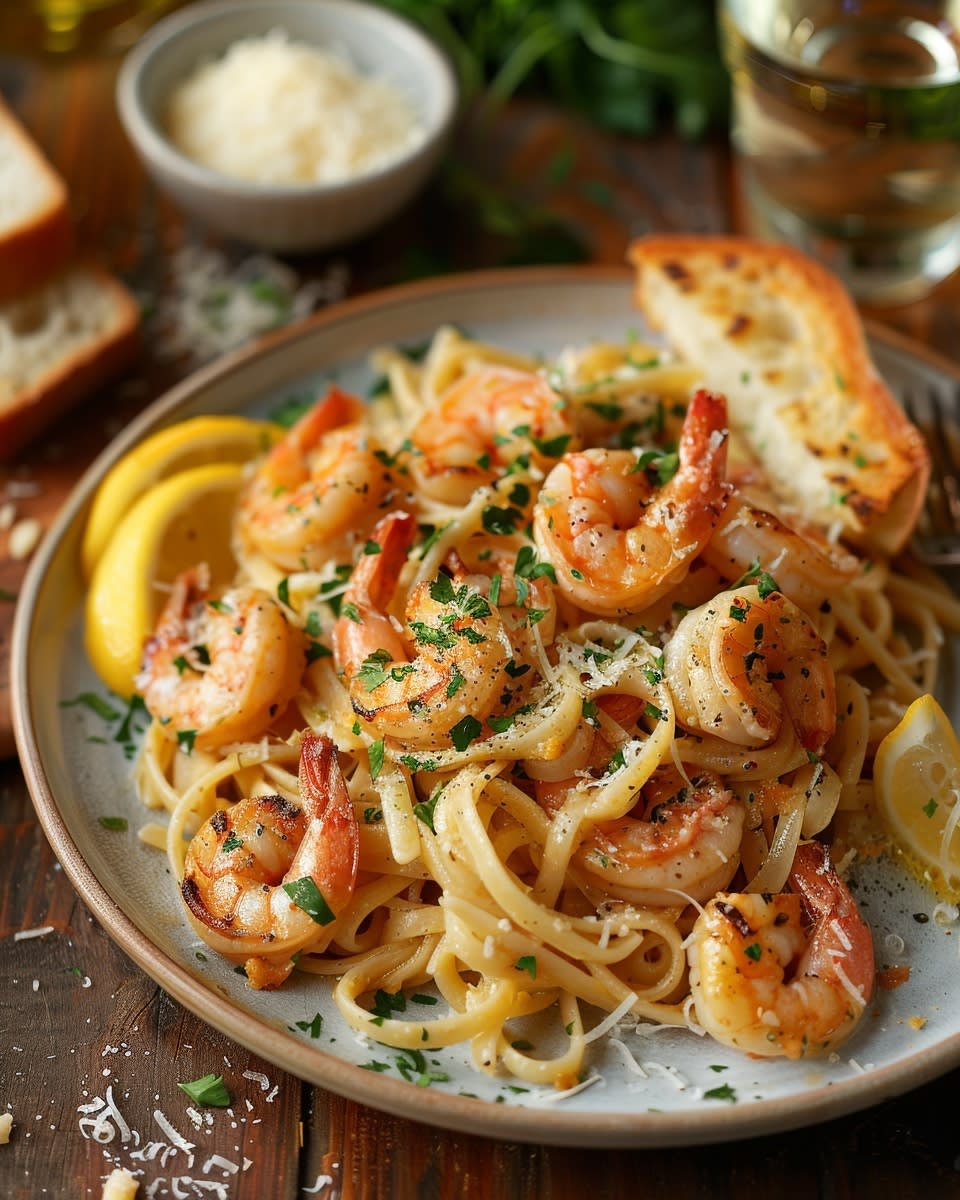
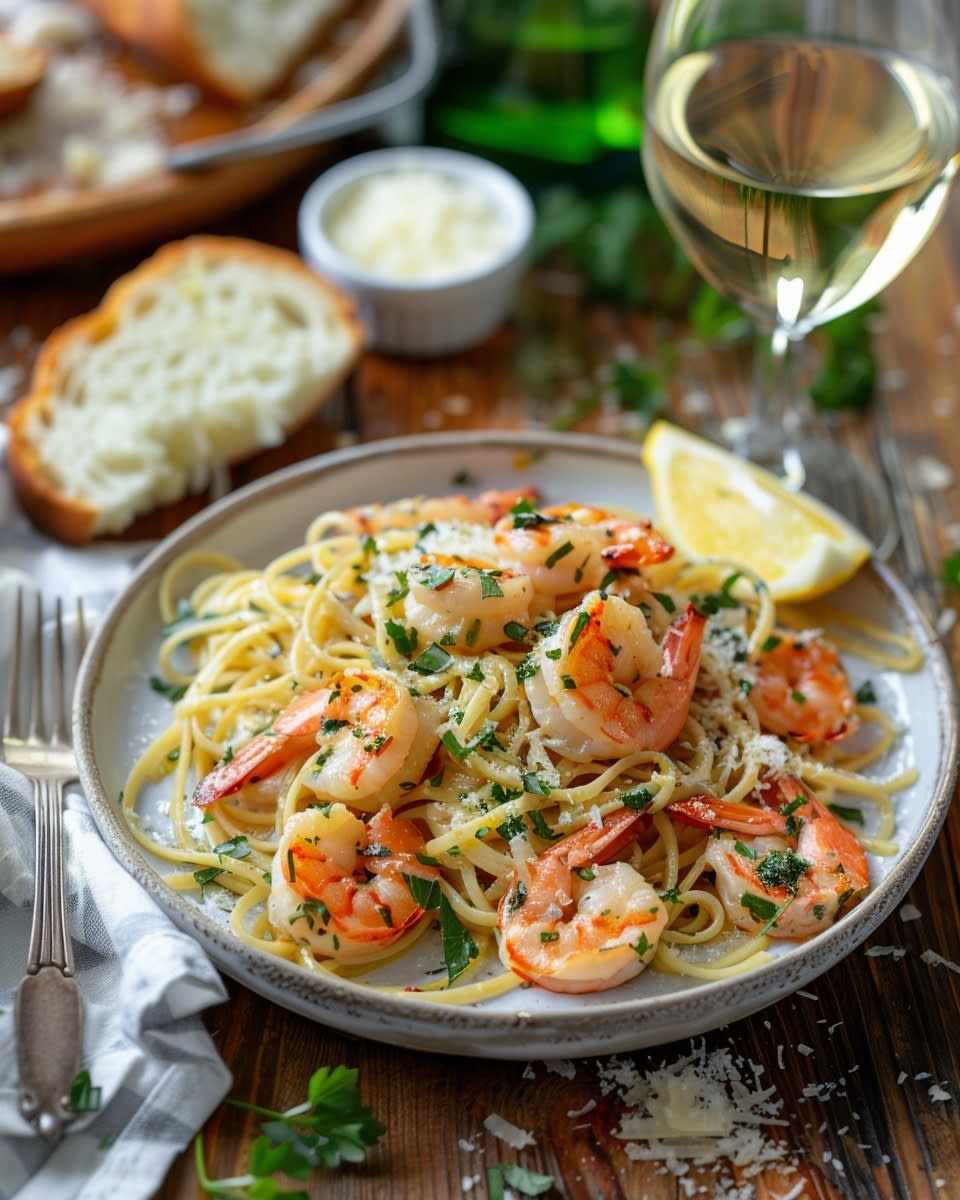
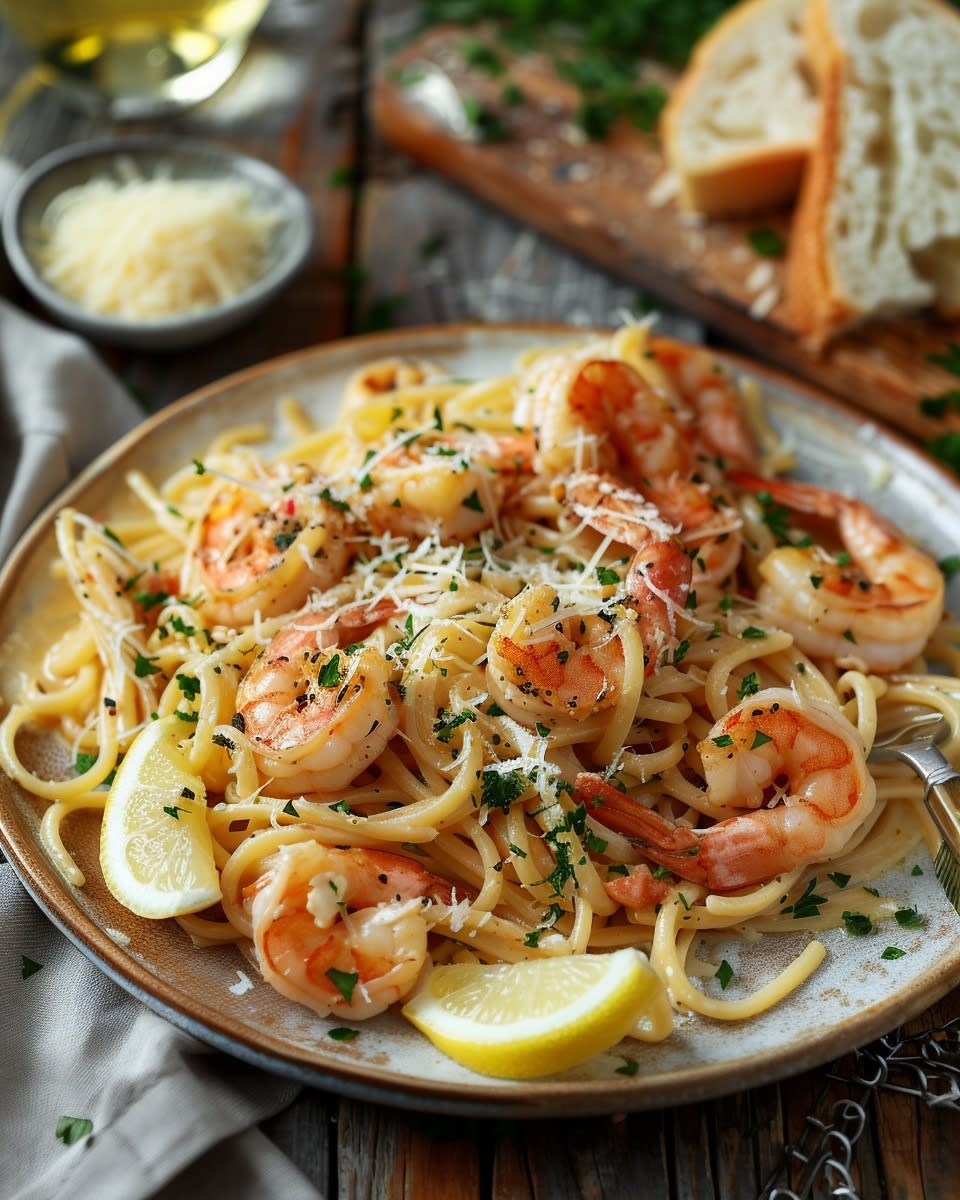
Making Garlic Butter Shrimp Linguine Your Own
One of my favorite things about this recipe is how easily it adapts to whatever you have on hand or whatever mood you’re in. I’ve made this dish probably fifty times, and it rarely looks exactly the same twice. That’s the beauty of having a solid base recipe—you can riff on it endlessly.
Let’s talk vegetables first. Sometimes I want more substance to the meal, so I throw in extras. Cherry tomatoes are fantastic. Just halve them and toss them in with the garlic. They burst in the heat and add these little pockets of sweetness that complement the shrimp beautifully. I probably add tomatoes about half the time now because my husband loves them so much.
Spinach works wonderfully too. I add a few handfuls right at the end, and it wilts down into the pasta. You get some green vegetables in there without much effort, and honestly, you barely taste them if you’re trying to sneak nutrition into picky eaters. The same goes for arugula, which adds a peppery bite. These vegetable additions align with healthy eating habits while keeping the dish delicious and satisfying.
Asparagus makes an appearance in my spring versions. I cut them into one-inch pieces and blanch them in the pasta water for about three minutes before adding the linguine. They come out tender-crisp and bright green. Sun-dried tomatoes packed in oil bring an intense, concentrated tomato flavor. Just chop them up and add them with the garlic. Capers give you briny, salty pops of flavor that pair exceptionally well with shrimp.
Here’s something fun—I’ve swapped out different pasta shapes based on what’s in my pantry. Fettuccine works great and looks elegant. Angel hair cooks faster if you’re in a real hurry. Penne or rigatoni turn this into more of a casual dish that’s easier for kids to eat. The tube shapes catch the sauce inside them, which is pretty cool. I made it with orecchiette once, those little ear-shaped pastas, and they cupped the shrimp and garlic perfectly.
The protein can change too. I’ve used scallops instead of shrimp when they’re on sale. Chicken cut into bite-sized pieces works if seafood isn’t your thing. I’ve even made a mixed seafood version with shrimp, scallops, and chunks of white fish. Each variation brings something different to the table.
Cream is a controversial addition, but I’ll mention it. Some people like adding a splash of heavy cream to make it richer and more indulgent. I’ve done this for special occasions, and it transforms the dish into something closer to an Alfredo. Not traditional, but absolutely delicious. Just add about a quarter cup after the wine reduces, and let it simmer until slightly thickened.
What to Serve Alongside Your Shrimp Linguine
This pasta is rich enough to be the main event, but a few sides round out the meal nicely. A simple green salad is my go-to. I toss mixed greens with a light lemon vinaigrette—just lemon juice, olive oil, a touch of Dijon mustard, salt, and pepper. The acidity and freshness cut through the buttery pasta. Sometimes I throw in some shaved Parmesan and toasted pine nuts if I’m feeling fancy.
Garlic bread is almost mandatory in my house. My kids expect it with any pasta dish. I buy a French baguette, slice it, butter it generously, sprinkle on garlic powder and parsley, and toast it in the oven. If I have extra fresh garlic from the pasta prep, I’ll rub the cut cloves directly on the toasted bread. That gives you an intense garlic hit that garlic lovers will appreciate.
Roasted vegetables make a great side if you want something more substantial. I throw broccoli, zucchini, or bell peppers on a sheet pan with olive oil, salt, and pepper, then roast them at 425 degrees while I’m making the pasta. By the time dinner’s ready, so are the vegetables. The slightly charred edges add another texture and flavor dimension to your meal.
Funny enough, I sometimes just serve this with more crusty bread for sopping up the sauce. There’s always extra garlic butter pooling at the bottom of the serving bowl, and it’s way too good to waste. I buy those part-bake baguettes that you finish in your oven. They’re ready in ten minutes and taste almost like bakery bread.
Wine Pairings and Beverage Ideas
Since this dish is Italian-inspired and features delicate shrimp, white wine is the classic pairing. I usually pour whatever white wine I used for cooking, which is typically a Pinot Grigio. It’s crisp and light, with enough acidity to match the lemon and cut through the butter. Sauvignon Blanc works beautifully too, especially if you’ve added lots of garlic. That wine has an herbal quality that complements bold flavors.
If you’re more of a Chardonnay person, go for an unoaked version. The heavily oaked, buttery Chardonnays can be too much with an already buttery dish. But a lighter, crisper Chardonnay from somewhere like Chablis pairs wonderfully. I discovered this at a restaurant once and have stuck with it ever since.
Sparkling wine is a fun choice for celebrations. Prosecco or Cava bring that festive feeling without being too serious or expensive. The bubbles cleanse your palate between bites, and who doesn’t feel a bit special drinking something sparkly?
For non-alcoholic options, I love sparkling water with lemon. It’s refreshing and doesn’t compete with the food. Iced tea works for casual family dinners. My sister swears by lemonade with pasta dishes, which sounds weird but actually the sweet-tart combination works. If you have kids at the table, this becomes an easy solution.
Storage Tips and Meal Prep Possibilities
Leftovers of this dish are actually pretty good, though I’ll be honest—pasta is always best fresh. If you do have extras, store them in an airtight container in the fridge. They’ll keep for about three days. The pasta absorbs the sauce as it sits, so it won’t be as saucy when you reheat it. I usually add a splash of chicken broth or even just water when reheating to loosen things up.
Reheat gently on the stovetop over medium-low heat, stirring frequently. The microwave works in a pinch, but the shrimp can get rubbery. If you know you’ll have leftovers, consider slightly undercooking the shrimp initially. They’ll finish cooking when you reheat, and you won’t end up with tough, overcooked seafood.
Can you make this ahead? Sort of. I wouldn’t make the entire dish and let it sit because the pasta gets mushy. But you can do the prep work in advance. Mince your garlic, chop your parsley, measure out your ingredients, and even cook the shrimp. Store everything separately in the fridge. Then when dinner time arrives, you just need to boil pasta and assemble. This cuts your active cooking time down to maybe ten minutes.
Some people ask about freezing this dish. Honestly, I don’t recommend it. The texture of both the pasta and shrimp suffer in the freezer. If you want a freezer-friendly option, consider making just the garlic butter sauce base and freezing that. Then you can cook fresh pasta and shrimp whenever you want and just thaw the sauce. I haven’t tried this myself, but it seems like it would work better than freezing the whole thing.
Common Mistakes and How to Avoid Them
After making this so many times and helping friends troubleshoot their versions, I’ve noticed some patterns in what goes wrong. Let me save you some frustration by pointing out the biggest pitfalls.
Overcooking the shrimp is probably the number one mistake. They cook so fast that if you look away for two minutes, they’re already overdone. Overcooked shrimp turn rubbery and chewy instead of tender and sweet. Watch them carefully and pull them off the heat the moment they turn pink and opaque. They’ll carry-over cook a bit even after you remove them from the pan.
Burning the garlic is another common issue. Garlic goes from golden to burnt incredibly fast because it’s so small and delicate. Once it burns, there’s no saving the dish. That bitter, acrid taste permeates everything. The trick is to add the garlic to butter that’s hot but not smoking, and to stir constantly. If you think it’s getting too dark too fast, pull the pan off the heat while you add the wine.
Not salting the pasta water enough makes your pasta taste bland. Even if your sauce is perfectly seasoned, unseasoned pasta will drag down the whole dish. Remember, the water should taste like the sea. It seems like too much salt when you’re dumping it in, but most of it goes down the drain with the pasta water.
Rinsing the pasta is a mistake I see beginners make all the time. Don’t do it. That starchy coating helps the sauce stick to the noodles. Rinsed pasta is slippery and the sauce just slides right off. The only time you’d rinse pasta is if you’re making a cold pasta salad, which this definitely isn’t.
Using old, freezer-burned shrimp will obviously affect your final result. Check the package date and give frozen shrimp a sniff test after thawing. They should smell fresh and ocean-like, not fishy or off. Quality ingredients matter so much in simple recipes like this one.
Crowding the pan when cooking shrimp prevents them from getting that nice golden sear. If they’re packed too tightly, they steam instead of sauté. Work in batches if necessary. Yes, it takes a few extra minutes, but the texture difference is worth it.
Making It Spicier or Milder
The heat level in the base recipe is pretty mild—just a quarter teaspoon of red pepper flakes gives you a gentle warmth in the background. But I know some people want more kick, and others want none at all.
To make it spicier, the easiest route is adding more red pepper flakes. Start with half a teaspoon or even a full teaspoon if you like heat. You can also use fresh chili peppers. I sometimes mince up a small red Fresno pepper or half a jalapeño and cook it with the garlic. If you’re really adventurous, a sliced Thai chili brings serious heat.
Hot sauce at the table works too. I keep several varieties in my fridge, and my husband usually hits his serving with a few dashes of sriracha. That way, everyone can customize their own heat level. Calabrian chili paste is amazing if you can find it. It’s got that perfect combination of heat and fruity flavor that Italian dishes love.
To make it milder, just skip the red pepper flakes entirely. The dish is still delicious without any heat. You can also add more lemon juice or even a tiny pinch of sugar to balance any spiciness if you accidentally made it too hot. Dairy helps too—a sprinkle of Parmesan cheese cools things down while adding salty, savory depth.
By the way, if you find yourself experimenting with different pasta combinations and want more inspiration, checking out the pasta and noodles collection might give you ideas for your next dinner adventure.
I hope you give this garlic butter shrimp linguine recipe a try soon. Whether you stick to the classic version or make it your own with different vegetables, proteins, or spice levels, I think you’ll love how quickly it comes together and how impressive it tastes. Once you make it a few times, you won’t even need to look at the recipe anymore—it’ll just become one of those dishes you can throw together without thinking. That’s when you know a recipe has truly become part of your cooking repertoire.
Frequently Asked Questions About Garlic Butter Shrimp Linguine
How long does it take to prepare garlic butter shrimp linguine?
The entire dish takes about 30 minutes from start to finish. Your active cooking time is only around 15 minutes, with the rest being passive time waiting for water to boil and pasta to cook. This makes it perfect for busy weeknights when you need something quick but don’t want to compromise on flavor. If you prep your ingredients ahead of time—mincing garlic, cleaning shrimp, measuring everything out—you can cut that active time down even more.
Can I use frozen shrimp for this recipe?
Absolutely, and I actually use frozen shrimp most of the time. Good quality frozen shrimp are flash-frozen on the boat, which locks in freshness. Just make sure to thaw them properly by leaving them in the refrigerator overnight or running them under cold water for about 15 minutes. Pat them completely dry before cooking so they sear properly instead of steaming. Avoid shrimp that look dried out or have freezer burn.
What are some good side dishes to serve with garlic butter shrimp linguine?
A simple green salad with lemon vinaigrette complements the rich pasta perfectly. Garlic bread or crusty baguette is almost mandatory for soaking up the extra sauce. Roasted vegetables like broccoli, asparagus, or zucchini add color and nutrition without competing with the main dish. I also love serving it with a light Caprese salad when tomatoes are in season. The key is keeping sides simple so the pasta remains the star.
Is there a vegetarian version of this dish?
You can easily make a vegetarian version by replacing the shrimp with hearty vegetables or plant-based proteins. Mushrooms work wonderfully—use a mix of cremini and shiitake for meaty texture and umami flavor. Chickpeas are another great option that adds protein. Pan-fried cubes of firm tofu can mimic the texture of shrimp if you season and cook them well. You could also go fully vegetable-forward with cherry tomatoes, asparagus, spinach, and artichoke hearts.
How do I store leftover garlic butter shrimp linguine?
Store leftovers in an airtight container in the refrigerator for up to three days. The pasta will absorb some of the sauce as it sits, so it won’t be as saucy when you reheat it. Add a splash of chicken broth, white wine, or even just water when reheating to loosen everything up. Reheat gently on the stovetop over medium-low heat rather than the microwave to prevent the shrimp from getting rubbery. I don’t recommend freezing this dish as both pasta and shrimp lose their texture.
Can I make this dish ahead of time?
Making the entire dish ahead isn’t ideal because pasta gets mushy when it sits in sauce. However, you can do all the prep work in advance. Mince your garlic, chop your parsley, clean your shrimp, and measure out all ingredients the night before. You could even cook the shrimp and make the garlic butter sauce ahead, storing them separately in the fridge. Then at dinner time, you just boil fresh pasta and toss everything together, which takes only about 10 minutes.
What are some common mistakes to avoid when making this dish?
The biggest mistakes are overcooking the shrimp and burning the garlic. Shrimp cook incredibly fast and turn rubbery when overdone, so watch them carefully. Garlic burns easily because the pieces are so small, turning bitter and ruining the whole dish. Other common errors include not salting the pasta water enough, rinsing the cooked pasta, crowding the pan when searing shrimp, and using poor quality frozen shrimp. Taking your time and paying attention to each step prevents most problems.
How can I make the dish spicier?
Increase the red pepper flakes to half a teaspoon or even a full teaspoon for noticeable heat. Fresh chili peppers like Fresno peppers, jalapeños, or Thai chilies can be minced and cooked with the garlic. Calabrian chili paste adds authentic Italian heat with fruity undertones. You can also serve hot sauce at the table so everyone can adjust their own spice level. Just remember it’s easier to add heat than remove it, so start conservatively if you’re unsure.
What type of wine works best for cooking and pairing?
For cooking, use a dry white wine like Pinot Grigio, Sauvignon Blanc, or unoaked Chardonnay. Avoid cooking wines from the grocery store baking aisle—they’re loaded with salt and taste terrible. Use something you’d actually drink, though it doesn’t need to be expensive. For pairing, those same wines work beautifully, or try Prosecco or Cava for something celebratory. The acidity in white wine cuts through the butter and complements the delicate shrimp flavor perfectly.
Can I substitute the linguine with a different pasta shape?
Definitely, though linguine is ideal because its flat surface holds the sauce well. Fettuccine works great and looks elegant. Spaghetti is a fine substitute if that’s what you have. Shorter shapes like penne, rigatoni, or farfalle turn this into a more casual dish that’s easier for kids to eat. Angel hair cooks faster if you’re in a hurry. Each shape changes the experience slightly, but the flavors remain delicious regardless of what pasta you choose.
Ingredients
Equipment
Method
- Remplissez une grande casserole d'eau, ajoutez du sel et portez à ébullition.
- Tamponnez les crevettes et assaisonnez-les avec du sel et du poivre.
- Hachez l'ail et le persil, puis zestez et pressez le citron.
- Ajoutez les linguines à l'eau bouillante et faites cuire selon les instructions de l'emballage, deux minutes de moins que la cuisson al dente.
- Chauffez 2 cuillérées à soupe d'huile d'olive dans une grande poêle à feu moyen-vif.
- Cuisez les crevettes en une seule couche pendant environ 2 minutes de chaque côté jusqu'à ce qu'elles soient roses et cuites, puis mettez-les de côté.
- Réduisez le feu à moyen et ajoutez l'huile d'olive et le beurre restants dans la poêle.
- Ajoutez l'ail haché et les flocons de piment rouge dans la poêle, faites cuire jusqu'à ce qu'ils deviennent parfumés (environ 1 minute).
- Versez le vin blanc et le jus de citron, laissez mijoter et réduire pendant 2-3 minutes.
- Réservez un mug d'eau de pâte, puis égouttez les linguines (ne pas rincer).
- Ajoutez les linguines égouttées dans la poêle, en les mélangeant dans la sauce au beurre à l'ail.
- Ajoutez à nouveau les crevettes dans la poêle avec le zeste de citron et la plupart du persil haché, en mélangeant pour combiner.
- Ajustez l'assaisonnement avec du sel et du poivre, et servez garni du reste du persil.