
Introduction
I still remember the first time I made a green smoothie. The blender was loud, the color looked like swamp water, and I was absolutely sure I’d made a huge mistake. But that first sip changed everything. It was sweet, creamy, and surprisingly delicious. I felt energized for hours afterward, and I’ve been hooked ever since.
These days, you can’t walk into a coffee shop or scroll through social media without seeing someone sipping on a vibrant green smoothie. The trend has exploded across the USA, and for good reason. People are discovering that these nutrient-packed drinks can fit into any lifestyle, whether you’re rushing to work, hitting the gym, or just trying to eat healthier.
What I love most about green smoothies is how versatile they are. You can make them fruity or keep them simple. You can pack them with protein or keep them light. They work for vegans, meat-eaters, people trying to lose weight, and anyone who just wants to feel better.
In this article, I’ll share everything I’ve learned about making incredible green smoothies. You’ll get my favorite recipes, learn about the amazing health benefits, and find answers to all those questions you’ve been wondering about. Whether you’re a complete beginner or someone looking to shake up your routine, there’s something here for you.
What is a Green Smoothie and Why Should You Try It?
Definition and Basics
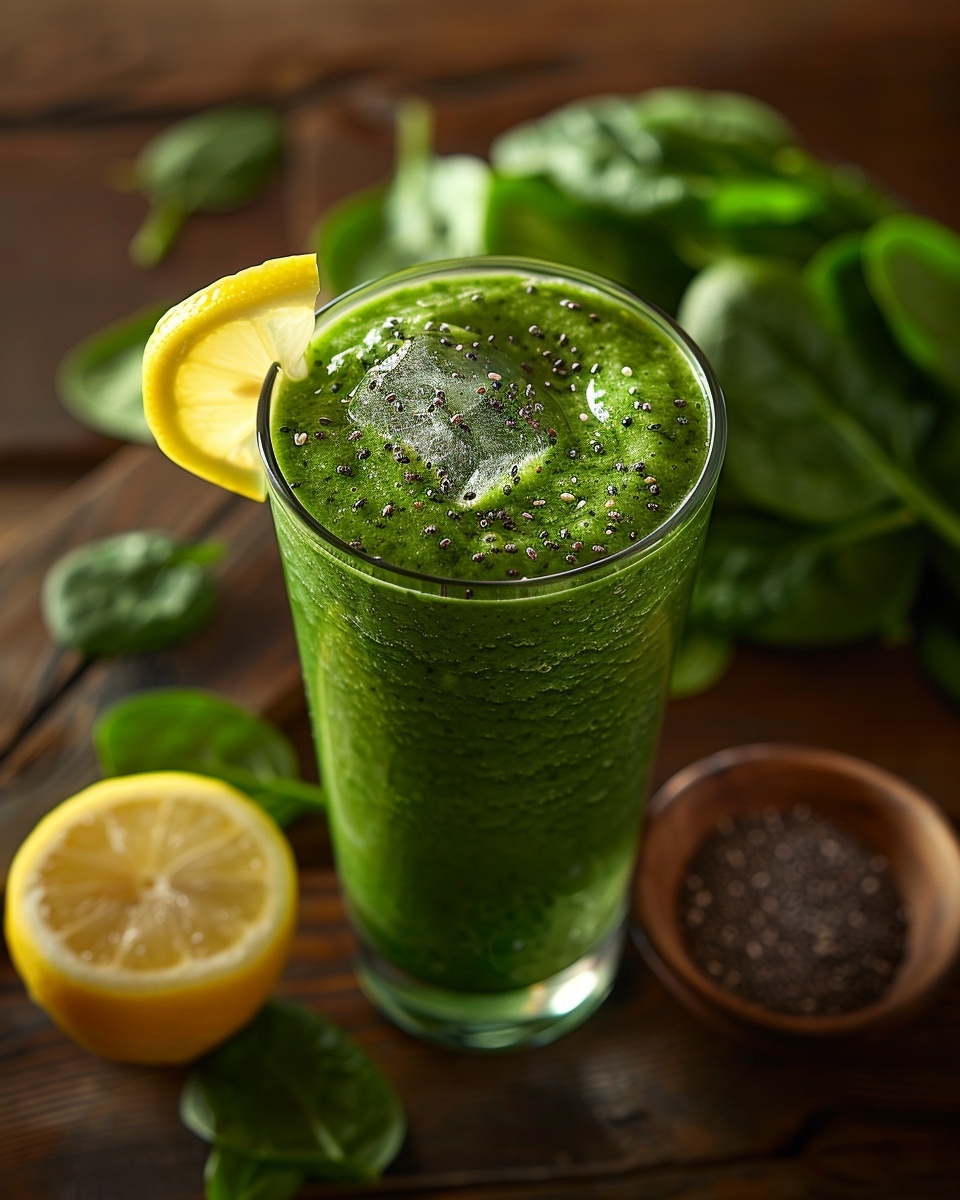
A green smoothie is exactly what it sounds like. It’s a blended drink that gets its green color from leafy vegetables like spinach, kale, or other greens. The basic idea is simple: blend greens with liquid and whatever else you want to add. The result is a drinkable meal or snack that delivers serious nutrition in one easy glass.
The beauty of these drinks is in their simplicity. At the most basic level, you need just two things: greens and liquid. Everything else is optional. Some people add fruit for sweetness. Others throw in protein powder, nut butter, or seeds. There’s no single right way to make one.
I’ve found that green smoothies fit into practically any diet. Looking for green smoothie vegan options? Skip the dairy and use plant-based milk. Trying to lose weight? You can create filling green smoothie recipes for weight loss by focusing on low-calorie greens and protein. Some people even make green smoothie recipes without fruit to keep their sugar intake low.
The flexibility is what makes these drinks so popular. Your smoothie can be whatever you need it to be. Mine looks different depending on the day. Sometimes I want something sweet after a workout. Other times I need something quick before a meeting.
Answering Common Questions
What should I put in a green smoothie?
This is the question I get asked most often. People worry they’ll mess it up or make something that tastes terrible. Let me break down the basic formula that works every time.
Start with your greens. Spinach is the easiest for beginners because it has a mild taste. Baby spinach is even milder. Once you’re comfortable, you can try a green smoothie recipe kale based. Kale has a stronger flavor but packs more nutrients. I usually use about two cups of greens, but you can adjust based on taste.
Add your liquid. This is what makes everything blend smoothly. Water works fine if you want to keep it simple. I often use almond milk because it adds creaminess. Coconut water gives you extra electrolytes. Pour in about one cup to start, then add more if needed.
Include fruit if you want. Bananas make smoothies creamy and naturally sweet. Frozen mango adds tropical flavor. Berries bring antioxidants and color. If you’re following simple green smoothie recipes, a banana and a handful of berries is perfect. But remember, fruit is optional. You can absolutely make delicious smoothies without it.
Consider extras. This is where you can get creative. I add things like:
- Chia seeds or flaxseeds for omega-3s and fiber
- Protein powder if I’m using it as a meal replacement
- A spoonful of nut butter for healthy fats and staying power
- Fresh ginger or turmeric for an anti-inflammatory boost
- Avocado for creaminess without sweetness
The key with green smoothie recipes for beginners is starting simple. Don’t try to add ten ingredients on your first attempt. Master the basics first, then experiment.
Is it healthy to drink a green smoothie every day?
I drink a green smoothie almost every morning, so you can guess where I stand on this. But let me give you the full picture.
The short answer is yes, drinking a green smoothie daily can be very healthy. You’re flooding your body with vitamins, minerals, and fiber. Leafy greens contain vitamin K, folate, iron, and calcium. When you blend them, you break down the cell walls, making these nutrients easier for your body to absorb.
Many people notice real changes when they start a green smoothie challenge and commit to drinking one every day. Better digestion is common because of all the fiber. More stable energy throughout the day is another big one. Some people see clearer skin or feel less bloated.
That said, there are a few things to keep in mind. Don’t rely solely on smoothies for all your nutrition. Whole foods matter too. Chewing food sends important signals to your body and supports jaw health. I use my smoothie as one meal or snack, not my only source of food.
Watch your ingredients if you’re concerned about sugar. A smoothie loaded with five bananas and fruit juice can spike your blood sugar just like candy would. The green smoothie benefits are greatest when you balance greens with moderate amounts of fruit and add protein or healthy fats.
Also, some people need to be careful with certain greens. If you’re on blood thinners, talk to your doctor about vitamin K intake from greens. And if you have kidney issues, you might need to limit high-oxalate greens like spinach.
For most people, though, a daily green smoothie is an easy way to boost nutrition. I’ve been doing it for years and genuinely feel better on days when I have one. It’s become my favorite healthy habit.
Some people use a green smoothie detox recipe as a reset after indulging too much. While your body has its own detox systems, loading up on nutrient-dense greens certainly supports those natural processes. Just don’t expect miracles from a three-day cleanse. Long-term consistency beats short-term extremes every time.


The Incredible Benefits of Drinking Green Smoothies
Once you understand the basics, the next natural question is what all this green goodness actually does for you.
Nutritional Advantages
Here’s the thing. The green smoothie benefits go way beyond just checking off your vegetable servings for the day. When I started drinking these regularly, the first thing I noticed was my energy level. I wasn’t reaching for that third cup of coffee anymore. My afternoon slumps basically disappeared.
The reason is pretty straightforward. Leafy greens are packed with B vitamins, which your body uses to convert food into energy. Unlike caffeine that gives you a spike and crash, this is steady, sustained energy that lasts. When you blend spinach or kale with a banana and some chia seeds, you’re giving your body quick-burning carbs alongside slow-releasing nutrients. It’s like premium fuel for your engine.
Digestion is another game-changer. I used to feel uncomfortable after meals pretty often. Within a couple weeks of my daily smoothie habit, that changed completely. The fiber from the greens acts like a broom sweeping through your digestive system. But because everything’s blended, it’s gentler than eating a huge salad. Your body doesn’t have to work as hard to break everything down.
Something I wasn’t expecting was how much better my skin looked. Turns out, vitamins A and C from greens support collagen production and fight free radicals. My friend swears her complexion cleared up during a green smoothie challenge she did last spring. She’d struggled with breakouts for years, and adding a daily spinach-based smoothie made a noticeable difference.
The chlorophyll in greens deserves its own mention. That’s the compound that makes plants green, and it has some pretty cool properties. Some research suggests it helps oxygenate your blood and may even help with body odor. Funny enough, I actually noticed I didn’t need as much deodorant after a few months of daily smoothies. Might sound weird, but I’m not the only one who’s experienced this.
Let me give you some specifics on ingredients. When you add ginger to a green smoothie detox recipe, you’re getting natural anti-inflammatory compounds that can help with everything from sore muscles to bloating. Throw in some turmeric with a pinch of black pepper, and you’re supporting your body’s natural ability to fight inflammation. I love adding both to my post-workout smoothies, especially if I’m feeling sore. If you’re looking for other anti-inflammatory options, you might enjoy a warming detox soup as well.
Flaxseeds or chia seeds contribute omega-3 fatty acids, which most people don’t get enough of. These support brain health and heart health. I notice I think more clearly on days when I’ve had my omega-3s. Plus, these seeds absorb liquid and expand in your stomach, which keeps you fuller longer.
Weight Loss and Detox Support
Okay, let’s talk about weight loss, because this is where things get interesting. I’m not going to promise you’ll drop twenty pounds in a week. That’s not realistic or healthy. But green smoothie recipes for weight loss can absolutely support your goals if you’re trying to slim down.
The first advantage is volume. You can drink a huge smoothie packed with greens and feel completely satisfied for relatively few calories. Two cups of spinach has about 14 calories. Compare that to the same volume of pretty much any other food. You’re filling your stomach without overloading on calories.
When I wanted to lose some weight last year, I replaced my usual bagel breakfast with a protein-packed green smoothie. Same level of fullness, but I was consuming probably 200 fewer calories. Over time, that adds up significantly. The protein powder and nut butter kept me satisfied until lunch, which meant I wasn’t snacking mindlessly mid-morning.
The fiber content matters enormously for weight loss. Fiber slows down digestion, which means your blood sugar stays stable. When your blood sugar is stable, you don’t get those intense cravings that make you raid the pantry. I used to be a serious afternoon snacker, but that pretty much stopped once my smoothie habit was established.
By the way, many people do a green smoothie challenge specifically for weight loss. The typical format is committing to one green smoothie per day for 30 days. Some people replace breakfast, others replace lunch. The key is consistency. You’re not doing a crash diet. You’re establishing a healthy habit that crowds out less nutritious choices.
Now, about detox. Your body already has incredible detox systems built in. Your liver and kidneys handle that job beautifully without any special help. But here’s what a green smoothie detox recipe actually does. It floods your system with nutrients that support those natural detox processes. It’s like giving your cleanup crew better tools to do their job.
Things like parsley, cilantro, and dandelion greens have compounds that may help your liver process toxins more efficiently. Lemon juice stimulates bile production, which aids digestion. When you blend these together with hydrating cucumber and celery, you’re supporting your body’s natural systems rather than relying on some magic formula.
I did a sort of informal reset after the holidays last year. For a week, I had a big green smoothie for breakfast and focused on whole foods the rest of the day. I felt less sluggish and bloated by day three. It wasn’t magic. It was just giving my body a break from processed foods and alcohol while loading up on nutrients. If you’re interested in continuing that whole-food approach, something like turkey lettuce wraps makes a perfect light lunch.
Addressing Reader Concerns
What is the best smoothie for belly fat?
This question comes up constantly. Everyone wants to know the secret recipe that melts belly fat. I wish I could give you a magic formula, but spot reduction doesn’t really work that way. That said, certain ingredients do support fat loss more effectively than others.
The best smoothie for tackling belly fat would include metabolism-boosting ingredients. Here’s what I’d put in mine: two cups of spinach, half a cup of frozen berries, a tablespoon of ground flaxseed, a scoop of protein powder, a small piece of fresh ginger, half a cup of unsweetened almond milk, and ice. Sometimes I add a handful of kale for extra punch.
Why these ingredients? The protein keeps you full and requires more energy to digest, which slightly boosts your metabolism. Ginger has thermogenic properties, meaning it may help your body burn more calories. Berries are low in sugar compared to tropical fruits but high in fiber. The flaxseed adds omega-3s and more fiber. This combination is one of my go-to green smoothie recipes for beginners who want to focus on weight management.
Green tea is another fantastic addition if you want metabolism support. Brew it strong, let it cool, then use it as your smoothie liquid. The catechins in green tea have been studied for their potential fat-burning effects. I do this a few times a week, and it gives me an extra energy boost without the jitters.
Keep in mind that consistency matters more than any single ingredient. Drinking one perfect smoothie won’t change much. Drinking a nutrient-dense smoothie most days while also eating well and moving your body? That’s when you see real results. Pairing your smoothie habit with nutritious meals like a sweet potato bowl creates a complete healthy eating pattern.
Simple and Delicious Green Smoothie Recipes to Get You Started
Recipes for Beginners
Alright, let’s get practical. I’m going to share my absolute favorite starter recipe. This is the one I give to friends who are nervous about trying green smoothies. It’s so good that my kids request it, which tells you everything you need to know.
The Perfect Starter Green Smoothie Recipe Kale Edition: Take one cup of baby kale (or regular kale with the tough stems removed), one frozen banana, half a cup of frozen mango chunks, one tablespoon of almond butter, one cup of unsweetened almond milk, and optional honey if you need extra sweetness. Blend everything until completely smooth. Start with the liquid and greens first, then add the frozen fruit and nut butter. This prevents chunks and makes blending easier.
Why this works so well as one of the simple green smoothie recipes is the balance. The banana makes it creamy and sweet. The mango adds tropical flavor that masks any bitterness from the kale. The almond butter gives you staying power so you’re not hungry an hour later. And kale is one of the most nutrient-dense foods on the planet.
If you’re looking for green smoothie recipes without fruit, I’ve got you covered too. Not everyone wants the sugar from fruit, even natural sugar. Try this: one and a half cups of spinach, half an avocado, one cucumber, juice of half a lemon, a small handful of fresh mint, a pinch of sea salt, and water or coconut water to blend. It’s refreshing, hydrating, and surprisingly satisfying. The avocado makes it creamy without any fruit at all.
This savory approach is actually quite popular in green smoothie recipes UK circles, where people seem more open to vegetable-forward flavors. I discovered this style through a British food blogger and fell in love with how clean and energizing it feels. It’s perfect before a workout when you want something light but nutritious. For another savory veggie-based option, try adding some steamed broccoli to your meal rotation.
Customizable Options
The beauty of green smoothies is how endlessly customizable they are. Once you’re comfortable with the basics, you can tweak things to match your exact preferences.
For a green smoothie vegan version of basically any recipe, just swap out dairy milk for plant-based options. My favorites are oat milk for creaminess, almond milk for low calories, or coconut milk when I want that tropical vibe. Instead of regular protein powder, use a plant-based version made from pea protein, hemp, or brown rice.
Want more protein? Add hemp seeds, which contain all nine essential amino acids. Or try silken tofu for a protein boost that doesn’t change the flavor at all. Greek yogurt works if you’re not vegan, and it adds probiotics too. On days when I strength train, I make sure to get at least 20 grams of protein in my smoothie.
You can adjust sweetness to your taste. Dates are my favorite natural sweetener because they also add fiber. A couple of pitted Medjool dates blended in make any smoothie taste like a milkshake. Stevia works if you want zero-calorie sweetness. Or just use riper bananas, which are sweeter than less ripe ones.
For thickness, frozen fruit is your friend. It makes smoothies cold and thick without watering them down like regular ice does. Frozen spinach actually works great too. I buy bags of it and toss in a handful frozen. Weird tip: zucchini makes smoothies incredibly thick and adds basically no flavor. I know it sounds strange, but try half a cup of frozen zucchini chunks in your next chocolate protein smoothie. You won’t taste it, but the texture will be amazing.
Experiment with your greens too. Rotate between spinach, kale, Swiss chard, romaine, and even fresh herbs like parsley or cilantro. Different greens offer different nutrients, so variety is beneficial. Plus, it keeps things interesting so you don’t get bored.


Tips and Tricks for Making the Perfect Green Smoothie
Rule of Thumb for Healthy Smoothies
After making literally hundreds of green smoothies over the years, I’ve developed what I call my personal “Rule of 3.” It’s changed how I approach every smoothie I make, and honestly, it’s made the whole process so much simpler.
Here’s how it works. Every green smoothie should have three main components in roughly equal importance: your greens, your liquid base, and your extras. Think of it like a three-legged stool. If one leg is too short or too long, the whole thing tips over. Balance is everything.
For the greens portion, I aim for about two cups of loosely packed leaves. That sounds like a lot when you’re looking at it in the container, but once it’s blended, it’s actually quite manageable. Some days I go lighter with just a cup and a half if I’m using something strong like kale. Other days I pack in three cups of mild baby spinach. Listen to your taste buds.
The liquid base should be enough to get everything blending smoothly without turning your smoothie into soup. I start with one cup and add more only if needed. Too much liquid means you’re drinking forever and getting less nutrition per sip. Too little means your blender struggles and you end up with chunks. Finding that sweet spot takes practice, but one cup is usually perfect.
The extras category includes everything else: fruit, protein powder, seeds, nut butter, vegetables like cucumber or celery, spices, and superfoods. This is where you can get creative, but here’s my advice. Don’t go overboard. Three to five add-ins is plenty. I used to throw in ten different things thinking more was better. Wrong. The flavors got muddy and weird.
Now I keep it focused. Maybe a banana for creaminess, a scoop of protein powder for staying power, and a tablespoon of chia seeds for omega-3s. That’s it. Simple beats complicated almost every time with simple green smoothie recipes.
Another ratio trick I’ve learned: if you’re adding fruit, try to keep your greens-to-fruit ratio at least 2:1 by volume. So two cups of greens to one cup of fruit maximum. This keeps the sugar reasonable while still tasting good. When I first started, I was definitely fruit-heavy because I was nervous about the green taste. But as I got used to it, I naturally started using less fruit and enjoying the earthier flavors.
Temperature matters more than you’d think. Cold smoothies are infinitely more enjoyable than room temperature ones. Always use at least some frozen ingredients. I keep bags of frozen spinach, frozen bananas, frozen berries, and frozen mango in my freezer at all times. Game changer. No need for ice, which just waters things down.
Tools and Techniques
Let’s talk equipment for a second. You don’t need a fancy $500 blender to make great green smoothies. I started with a basic $30 blender from Target, and it worked fine for years. That said, when I finally upgraded to a high-speed blender, I understood what I’d been missing.
The difference is texture. A powerful blender pulverizes everything into silk. No little bits of kale. No chia seeds stuck in your teeth. Just smooth, drinkable perfection. If you’re serious about making green smoothies regularly, investing in something like a Vitamix or Ninja is worth it. Mine has lasted six years and counting with daily use.
But again, don’t let equipment stop you from starting. Work with what you have. If your blender is less powerful, just chop your ingredients smaller and blend longer. Adding the liquid and greens first, then the frozen stuff, helps things blend easier. I learned this the hard way after burning out the motor on my first blender by jamming frozen bananas in first.
Here’s a prep technique that saves me so much time during busy weeks. Every Sunday, I make smoothie packs. I portion out my greens and any fresh ingredients into freezer bags or containers. Each one is a single serving. Then on weekday mornings, I just grab a pack, dump it in the blender with liquid and protein powder, and I’m done in two minutes. No measuring, no thinking, no mess.
For flavor enhancement, toast your seeds before adding them. I know it sounds extra, but taking two minutes to toast flaxseeds or hemp seeds in a dry pan brings out this nutty, almost buttery flavor that makes smoothies taste more sophisticated. My partner noticed immediately when I started doing this. He said the smoothies tasted “restaurant quality” instead of “health food store quality.” I’ll take that compliment.
Fresh herbs are criminally underused in green smoothies. A few leaves of fresh mint make any berry smoothie taste vibrant and refreshing. Basil works beautifully with tropical fruits. Cilantro pairs great with lime and cucumber. Just like in traditional cooking workflow, fresh herbs add complexity and brightness that dried versions can’t match. Don’t be scared to experiment.
Something I wish I’d known earlier: the order you blend matters. Put your liquid in first, then your greens, then soft ingredients like banana or avocado, then frozen fruit, then any powders or seeds on top. This creates a vortex that pulls everything down toward the blades. If you dump frozen stuff in first, it just sits there on the blades and nothing blends properly.
One last technique for those following green smoothie recipes for weight loss. Make your smoothies thicker rather than thinner. A thick smoothie takes longer to drink, which gives your brain time to register fullness. I eat mine with a spoon sometimes when I make it really thick with frozen cauliflower or zucchini. It feels more like a meal and keeps me satisfied longer than a thin, drinkable version would.
Frequently Asked Questions About Green Smoothies
What should I put in a green smoothie?
Start with leafy greens like spinach or kale as your base, about two cups loosely packed. Add one cup of liquid such as water, almond milk, or coconut water. Include one to two servings of fruit if you want sweetness, with banana being the easiest for beginners. Consider adding protein powder, nut butter, or seeds for staying power. Fresh ginger, turmeric, or cinnamon can add flavor and health benefits. Remember, simpler is often better when you’re starting out with green smoothie recipes for beginners.
Is it healthy to drink a green smoothie every day?
Yes, for most people drinking a green smoothie daily is very healthy and provides concentrated nutrition in an easy-to-absorb form. You’ll get vitamins, minerals, fiber, and antioxidants that support energy, digestion, and overall health. Just make sure you’re not relying solely on smoothies for nutrition and that you’re balancing ingredients wisely. Watch the fruit content to avoid too much sugar, and rotate your greens for nutrient variety. If you have specific health conditions, especially related to kidneys or blood thinners, check with your doctor first.
What is the best smoothie for belly fat?
The most effective smoothie for targeting belly fat would include metabolism-supporting ingredients with high protein and low sugar. Try blending two cups of spinach, half a cup of berries, a scoop of protein powder, one tablespoon of ground flaxseed, a small piece of fresh ginger, and unsweetened almond milk. The protein keeps you full and slightly boosts metabolism. Ginger has thermogenic properties that may help with fat burning. This combination provides nutrients while keeping calories reasonable, making it perfect for green smoothie recipes for weight loss goals.
What is the rule 3 for smoothies healthy?
The rule of 3 is a simple framework for building balanced, nutritious smoothies every time. It means including three main components in your smoothie: greens for nutrients, liquid for blending, and extras for flavor and staying power. Each component plays an equal role in creating a smoothie that tastes good and supports your health. This approach prevents you from overloading on fruit or skimping on greens. Following this rule helps you create simple green smoothie recipes that are consistently delicious and nourishing without requiring much thought.
Can I make green smoothies without a high-speed blender?
Absolutely, you can make excellent green smoothies with a regular blender. The key is adjusting your technique slightly. Chop your ingredients into smaller pieces before adding them to the blender. Always put liquid in first, then greens, then other ingredients. Use softer greens like spinach rather than tough kale if your blender struggles. Blend for a bit longer to ensure everything breaks down completely. Frozen fruit works better than ice for creating thickness without straining your blender motor.
How long do green smoothies last in the fridge?
Fresh green smoothies are best consumed immediately, but they’ll keep in the refrigerator for up to 24 hours in an airtight container. The color may darken slightly due to oxidation, but they’re still safe and nutritious. Give it a good shake before drinking since separation is natural. I make mine in the morning for that day only. If you want to prep further ahead, freeze your smoothie ingredients in portions rather than making the smoothie itself. This preserves nutrients better and ensures fresh taste.
Are green smoothies good for kids?
Yes, green smoothies can be fantastic for kids, especially picky eaters who won’t touch vegetables otherwise. The key is starting with milder greens like spinach and using naturally sweet fruits like banana, mango, or berries. Make the smoothie thick enough to eat with a spoon and call it a “smoothie bowl” to make it more fun. Let kids help choose ingredients and blend the smoothie themselves. Many kids genuinely enjoy the bright green color once they taste how sweet and creamy it can be. Start with more fruit and gradually increase the greens over time.
Can green smoothies replace meals?
A well-balanced green smoothie can definitely replace a meal if it contains enough calories, protein, healthy fats, and fiber to keep you satisfied. For meal replacement, aim for at least 300-400 calories with 15-20 grams of protein. Include ingredients like nut butter, avocado, protein powder, and seeds alongside your greens and fruit. Drink it slowly or eat it with a spoon so your brain registers fullness. I often replace breakfast with a substantial smoothie, but I make sure it’s nutrient-dense enough to carry me through to lunch without getting hungry.
Why does my green smoothie taste bitter?
Bitterness usually comes from using too much of certain greens like kale, or from mature spinach leaves. Baby spinach is milder than regular spinach. Removing the thick stems from kale helps tremendously. Adding naturally sweet ingredients like banana, dates, or mango balances bitterness without needing added sugar. A pinch of sea salt can actually neutralize bitterness too, which sounds counterintuitive but works. Lemon juice brightens flavors and masks some of the bitter notes. If your green smoothie recipe kale based drinks still taste too bitter, try starting with less kale and more spinach until your taste buds adjust.
Should I do a green smoothie challenge?
A green smoothie challenge where you commit to one smoothie daily for 30 days can be a great way to establish a healthy habit and see how your body responds. Many people report better energy, improved digestion, clearer skin, and even weight loss during these challenges. The key is making it sustainable by choosing recipes you genuinely enjoy rather than choking down something you hate. Prep ingredients ahead of time so you’re not scrambling every morning. Track how you feel throughout the month to stay motivated. Just remember that challenges work best as a starting point for long-term habit change rather than a temporary fix.
By the way, if you’re looking to build even more healthy habits around your smoothie routine, exploring a variety of healthy recipes can keep your meals interesting and nutritious throughout the day. Pairing your morning smoothie with wholesome lunches and dinners creates a complete approach to eating well.
Making the perfect green smoothie isn’t about following rigid rules or expensive ingredients. It’s about finding what works for your taste, your schedule, and your health goals. Start simple, experiment gradually, and don’t be afraid to make mistakes. That weird combination that sounded good in your head but tasted terrible? We’ve all been there. Just dump it out and try again tomorrow. The beauty of smoothies is that there’s always another chance to get it right, and once you find your favorites, you’ll have a delicious healthy habit that sticks with you for life.
Green Smoothie
Ingredients
Equipment
Method
- Start by adding the liquid and greens to the blender.
- Add the frozen fruit and almond butter on top.
- Blend until completely smooth.
- Serve immediately and enjoy your smoothie!