
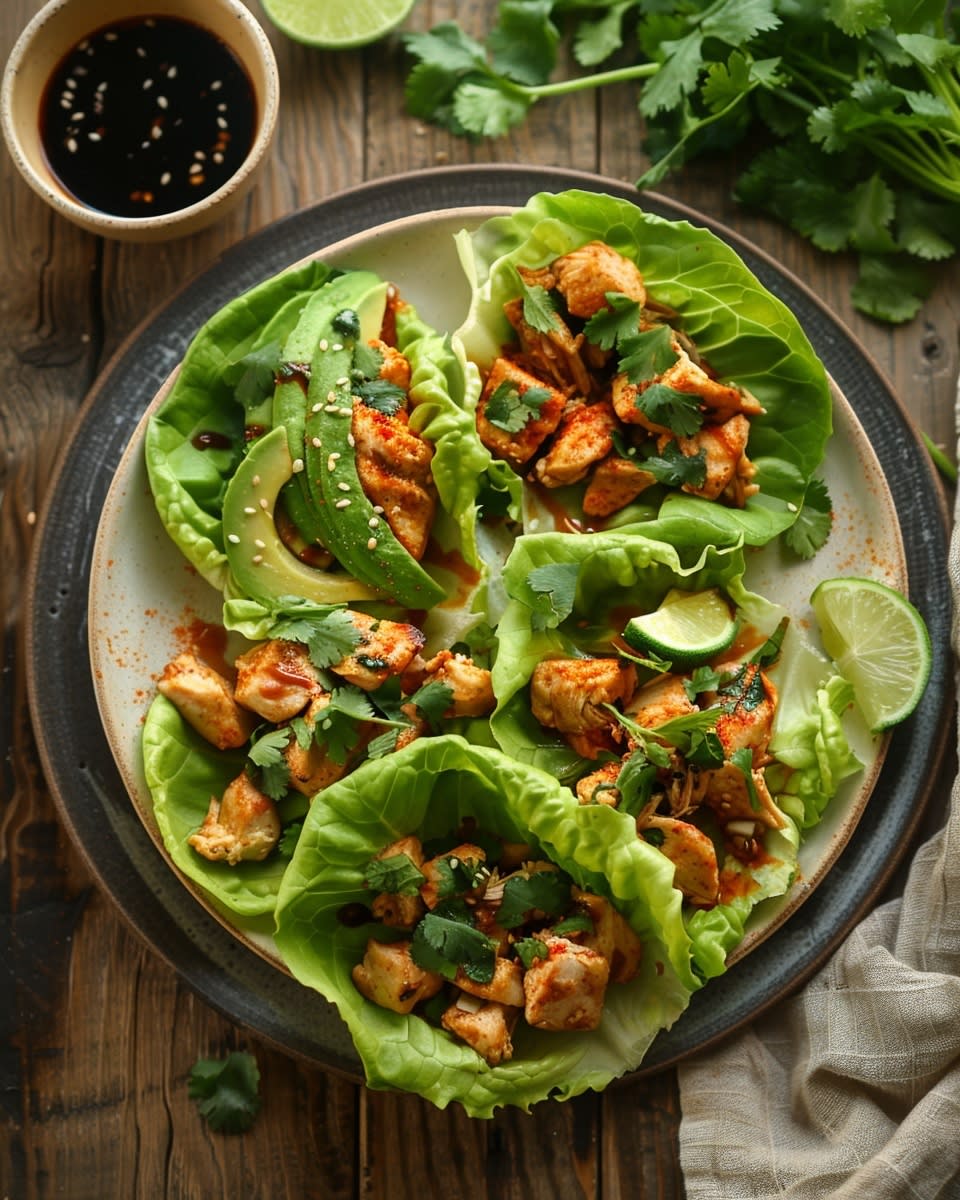
Healthy Chicken Lettuce Wraps: A Fresh Take on Easy Weeknight Dinners
Last Tuesday night, I stood in my kitchen staring at leftover rotisserie chicken and wilting lettuce. I needed dinner in fifteen minutes. That’s when I remembered my favorite lunch spot and their amazing chicken lettuce wraps. I grabbed the lettuce, shredded that chicken, and whipped up a quick sauce. Twenty minutes later, my family devoured every last bite. They begged me to make them again the next night.
I’m Sarah, and I’ve spent the last ten years cooking my way through every food trend imaginable. But healthy chicken lettuce wraps aren’t just another trend. They’ve become my go-to meal when I want something light, fresh, and satisfying. These little bundles of joy pack serious flavor without the guilt.
The popularity of chicken lettuce wraps has exploded over the past few years. Walk into any restaurant, and you’ll likely spot them on the menu. People love them for good reason. They’re lighter than traditional wraps or tacos. They satisfy your craving for something crunchy and fresh. Plus, they work for almost any eating style, whether you’re watching carbs, counting calories, or just trying to eat more vegetables.
Making easy chicken lettuce wraps at home beats ordering them every single time. You control exactly what goes inside. No hidden sugars or mystery ingredients. You save money too. A restaurant charges twelve to fifteen dollars for lettuce wraps. At home, you can make enough for four people for less than half that cost. And honestly, homemade versions taste better because you can adjust everything to your personal taste.
Home cooking also means endless variety. You can create Thai chicken lettuce wraps one night and switch to a completely different flavor profile the next. Your kitchen becomes your own personal lettuce wrap bar. The best part? Most recipes come together in under thirty minutes. That’s faster than delivery and definitely faster than sitting in a restaurant.
This article will walk you through everything you need to know about making amazing chicken lettuce wraps at home. I’ll share my favorite filling combinations, explain which lettuce works best, and give you simple sauce recipes that taste restaurant-quality. You’ll learn how to prep ingredients ahead of time and discover shortcuts that make weeknight cooking a breeze. By the end, you’ll have the confidence to create your own signature wraps.
What Goes in a Chicken Lettuce Wrap?
The beauty of chicken lettuce wraps lies in their simplicity. At their core, you need just three basic components: crisp lettuce leaves, seasoned chicken, and a flavorful sauce. That’s it. Everything else is optional, though the optional stuff makes them really special.
Start with the lettuce. This isn’t just a vessel for your filling. The lettuce provides crucial texture and freshness. Fresh, crisp lettuce makes or breaks your wraps. Wilted or soggy lettuce ruins the entire experience. I learned this the hard way after buying lettuce three days before I planned to use it. The wraps fell apart, and everyone ended up eating them with a fork.
Butter lettuce and iceberg lettuce work best for wraps. Butter lettuce offers tender, pliable leaves that fold easily around fillings. The leaves cup naturally, holding everything inside without tearing. Iceberg lettuce provides maximum crunch and sturdiness. It holds up to heavier fillings and messier sauces. I keep both types in my fridge so I can choose based on my mood.
Romaine lettuce works in a pinch, though the leaves tend to be longer and narrower. You might need to use two leaves per wrap. Boston lettuce works similarly to butter lettuce. Avoid delicate greens like spring mix or arugula. They’re too fragile and turn soggy almost immediately.
The protein comes next. Shredded chicken lettuce wraps are incredibly popular because shredded chicken distributes evenly in each bite. You can shred chicken breasts, thighs, or use a shortcut with rotisserie chicken. I often grab a rotisserie chicken from the grocery store on busy weeks. The chicken is already seasoned and cooked. Just pull the meat off the bones, shred it, and you’re halfway done.
Grilled chicken lettuce wraps offer a smokier flavor. Grill chicken breasts or thighs, then chop them into small pieces. The char marks add visual appeal and depth of flavor. Chicken thigh lettuce wraps taste richer and stay moister than breast meat. Thighs cost less too, making them budget-friendly.
Ground chicken provides another option. Brown it in a skillet with your favorite seasonings. It cooks faster than whole chicken pieces and absorbs flavors beautifully. Some people prefer turkey lettuce wraps as a leaner alternative. Ground turkey works exactly like ground chicken in recipes.
Here’s a quick comparison of protein options:
| Protein Type | Prep Time | Best For |
|---|---|---|
| Rotisserie Chicken | 5 minutes | Quick weeknight meals |
| Grilled Chicken | 20 minutes | Weekend cooking, meal prep |
| Ground Chicken | 10 minutes | Asian-inspired flavors |
| Chicken Thighs | 25 minutes | Maximum flavor and moisture |
Beyond the protein, you’ll want to add vegetables and aromatics. Water chestnuts provide a satisfying crunch. Green onions add a mild, fresh bite. Shredded carrots bring sweetness and color. Mushrooms create an earthy, meaty texture. Bell peppers work great in Thai-inspired versions. I usually keep these ingredients chopped and ready in my fridge.
Fresh herbs elevate your wraps from good to incredible. Cilantro is traditional in many Asian versions. Mint adds brightness to Thai variations. Basil works beautifully with certain sauce combinations. Don’t skip the herbs. They provide a fresh contrast to rich, savory fillings.
Now for the sauce, which truly defines your wrap’s flavor profile. An easy sauce for lettuce wraps can be as simple as three ingredients. My go-to quick sauce combines soy sauce, rice vinegar, and a touch of honey. Mix them together and you’re done in thirty seconds.
Thai chicken lettuce wraps with peanut sauce are my personal favorite. The creamy, slightly sweet peanut sauce pairs perfectly with chicken and fresh vegetables. You can make peanut sauce from scratch or doctor up store-bought versions with extra lime juice and sriracha.
Other popular sauce options include:
- Hoisin-based sauces for sweet and savory flavor
- Ginger-soy sauces with a zingy kick
- Sweet chili sauce for mild heat
- Sesame-garlic combinations for nutty depth
- Lime-cilantro dressings for brightness
The sauce can be mixed directly into your chicken filling or served on the side for dipping. I prefer mixing some into the filling and keeping extra on the side. This way, everyone can control how saucy they want their wraps.
Additional toppings add personality to your wraps. Crushed peanuts provide crunch and richness. Crispy wonton strips add texture. Sesame seeds offer a subtle nutty flavor. Lime wedges allow people to add brightness to taste. Sliced jalapeños bring heat for spice lovers.
The real magic happens when you combine these elements thoughtfully. You want a balance of textures: something crunchy, something tender, something fresh. You need a balance of flavors too: savory, sweet, acidic, and maybe a touch of heat. When everything comes together in one bite, wrapped in cool, crisp lettuce, it’s absolute perfection.


Easy Chicken Lettuce Wraps: A Step-by-Step Guide
Now that you know what makes a great lettuce wrap, let’s actually make one.
I’m going to share my most reliable recipe first. This is the one I turn to when I need dinner on the table fast and nobody’s in the mood for complicated cooking. My daughter calls these “taco salad’s cooler cousin,” which honestly feels pretty accurate.
Here’s what you’ll need for four servings of easy chicken lettuce wraps:
Two cups of cooked chicken, either shredded or diced (about one pound before cooking), one head of butter lettuce or iceberg lettuce separated into individual leaves, one cup of shredded carrots, half a cup of sliced water chestnuts, three green onions thinly sliced, quarter cup of fresh cilantro chopped, and your choice of sauce. For the sauce, I mix three tablespoons of soy sauce with two tablespoons of rice vinegar, one tablespoon of honey, one teaspoon of sesame oil, and a minced garlic clove. Sometimes I add a teaspoon of sriracha if I want heat.
Start by preparing your chicken. If you’re going the rotisserie chicken lettuce wraps route, this takes maybe five minutes. Pull the meat off the bones and shred it with your fingers or two forks. Toss the skin unless you want extra richness. Some people love mixing a little skin back in for flavor, though it makes the dish less healthy.
For grilled chicken lettuce wraps, season your chicken breasts or thighs with salt, pepper, and maybe some garlic powder. Heat your grill to medium-high, around 400 degrees. Grill the chicken for six to seven minutes per side until it reaches 165 degrees internally. Let it rest for five minutes before chopping it into bite-sized pieces. The resting step matters more than people realize. Skip it and your chicken dries out as all those juices run onto your cutting board instead of staying in the meat.
I actually prefer chicken thigh lettuce wraps when I’m grilling because thighs stay juicier and handle high heat better. They’re more forgiving if you accidentally overcook them by a minute or two. Plus they cost less at the grocery store, which helps when you’re feeding a family.
Here’s a trick I learned from my neighbor who’s a professional chef: after grilling, brush your chicken with a tiny bit of the sauce before chopping it. The warm meat absorbs those flavors beautifully. Just don’t use sauce that’s been sitting out with raw chicken in it. Food safety first, always.
While your chicken cools enough to handle, prep your vegetables. Shred those carrots if you bought them whole, slice your water chestnuts if they came whole in a can, and chop your green onions and cilantro. I like to prep extra vegetables and store them separately. They last three to four days in the fridge and speed up future meals tremendously.
Mix your sauce ingredients in a small bowl. Taste it and adjust the balance. Too salty? Add more honey. Too sweet? Add more vinegar. Not enough punch? More garlic or ginger works wonders. This is your sauce, and you’re allowed to make it exactly how you want it.
Now combine your chicken with about half the sauce in a large bowl. Add your vegetables except the cilantro. Mix everything together gently. You want the filling just moist enough to hold together, not drowning in liquid. Save the remaining sauce for people to add at the table.
For the lettuce, wash and dry your leaves thoroughly. I cannot stress this enough. Wet lettuce makes everything slide around and turns your wraps into a soggy mess. I use a salad spinner, but patting them dry with paper towels works fine too. Arrange the leaves on a serving platter like little edible bowls.
Spoon the chicken mixture into each lettuce leaf. Don’t overfill them. I know it’s tempting to cram as much filling as possible, but overstuffed wraps fall apart when people try to eat them. A quarter cup of filling per leaf is usually perfect.
Top with fresh cilantro, extra green onions, maybe some crushed peanuts or sesame seeds. Serve with lime wedges and that extra sauce on the side. The whole process from start to finish takes about twenty minutes if you’re using rotisserie chicken, maybe thirty-five if you’re grilling from scratch.
One thing I’ve learned is that presentation matters. Arrange everything on a big platter or board so people can build their own wraps. It becomes interactive, almost like having a customizable bowl situation but with lettuce. Kids especially love this because they control exactly what goes in their wrap.
Thai Chicken Lettuce Wraps with Peanut Sauce
Funny enough, the Thai version has completely taken over as my family’s favorite. My husband requests these specific thai chicken lettuce wraps at least twice a month. The peanut sauce makes them irresistible.
For the filling, you’ll prepare chicken the same way as the basic recipe. The magic happens in the sauce and the additional toppings. Thai chicken lettuce wraps with peanut sauce require a richer, creamier sauce that balances sweet, salty, sour, and spicy all at once.
My peanut sauce recipe is embarrassingly simple for how good it tastes. Combine half a cup of natural peanut butter (the kind where oil separates on top works best), three tablespoons of soy sauce, two tablespoons of lime juice, two tablespoons of honey, one tablespoon of rice vinegar, one teaspoon of sesame oil, and one teaspoon of sriracha. Add two tablespoons of warm water to thin it out. Whisk everything together until smooth.
If the sauce seems too thick, add water one tablespoon at a time. If it’s too thin, add more peanut butter. I once made it way too thick and ended up with something closer to peanut butter frosting than sauce. Still tasted good, just really difficult to mix with the chicken.
For Thai-style wraps, I change up the vegetables slightly. Instead of just carrots and water chestnuts, I add thinly sliced red bell pepper, cucumber matchsticks, and sometimes mango if I’m feeling fancy. Fresh mint joins the cilantro, and I always add extra lime wedges. Thai basil is incredible here if you can find it at an Asian grocery store, though regular basil works too.
Mix your cooked chicken with about half the peanut sauce. The filling should be noticeably creamier than the basic version. Top your lettuce leaves with this mixture, then pile on those fresh vegetables and herbs. Drizzle extra peanut sauce over everything. Sprinkle crushed peanuts on top for extra crunch.
By the way, this peanut sauce works amazingly well on other dishes too. I’ve used it on grain bowls, as a dip for spring rolls, and even as a salad dressing when thinned out with extra lime juice. Make a double batch and keep it in your fridge for up to a week.
Are Chicken Lettuce Wraps Healthy?
Here’s the thing. Everyone wants to know if their food is “healthy,” but that word means different things to different people. So let me break down the actual nutrition facts and you can decide for yourself.
A typical serving of healthy chicken lettuce wraps contains around 200 to 250 calories, depending on how much sauce you use and whether you load up on peanuts and other toppings. Compare that to a regular chicken wrap with a flour tortilla, which runs closer to 400 to 500 calories. You’re cutting calories roughly in half just by swapping the tortilla for lettuce.
The protein content stays high, usually around 25 to 30 grams per serving. That’s comparable to what you’d get in a traditional wrap or sandwich. Protein keeps you full and satisfied, which is why these wraps don’t leave you hungry an hour later despite being lighter.
Carbohydrates drop dramatically. A flour tortilla has around 30 to 40 grams of carbs. Lettuce has basically none. The small amount of carbs in lettuce wraps comes from the vegetables and sauce, maybe 10 to 15 grams total. People managing diabetes or watching their carb intake really appreciate this difference.
Speaking of which, someone asked me recently, “Can diabetics eat lettuce wraps?” Absolutely yes. The low carb count makes them an excellent option for blood sugar management. Just watch the sauce, since some store-bought versions pack hidden sugars. Making your own sauce lets you control exactly how much sweetener goes in.
The fat content varies based on your preparation method. If you’re using lean chicken breast and going easy on the peanut sauce, you’re looking at maybe 8 to 10 grams of fat per serving. Use chicken thighs and load up on peanut sauce, and that number climbs to 15 to 18 grams. Still reasonable, and much of that fat comes from heart-healthy sources like peanuts and sesame oil.
The vegetable content is where lettuce wraps really shine. You’re eating way more vegetables than you would in a regular wrap or sandwich. Each serving typically includes two to three cups of vegetables when you count the lettuce, carrots, peppers, and other additions. That’s a significant portion of your daily vegetable target achieved in one meal, similar to what you’d get from a well-balanced salad.
Sodium can be the one nutritional downside. Soy sauce, which appears in most lettuce wrap recipes, is notoriously high in sodium. One tablespoon contains about 1000 milligrams. If you’re watching your salt intake, use low-sodium soy sauce or coconut aminos as an alternative. You can also reduce the amount of soy sauce and boost flavor with extra ginger, garlic, and citrus.
Now for the weight loss question. Are chicken wraps healthy to lose weight? Lettuce wraps definitely support weight loss goals better than most alternatives. They’re low in calories but high in protein and fiber from all those vegetables. This combination helps you feel full without overeating. I lost fifteen pounds a few years ago, and lettuce wraps were in my regular rotation. They satisfied my craving for something substantial without derailing my calorie budget.
The real advantage is that they don’t feel like diet food. Nobody sits down to lettuce wraps thinking, “Ugh, here’s my sad health food.” They’re genuinely delicious and satisfying. That psychological aspect matters more than people realize. When you enjoy what you’re eating, you’re way more likely to stick with healthy habits long-term.
Compared to other lighter options like baked fish or simple grilled chicken, lettuce wraps offer more variety and excitement. You can change the flavors constantly and never get bored. That variety kept me from giving up on healthy eating when I was tempted to order pizza for the fifth night in a row.
The bottom line? Yes, chicken lettuce wraps are healthy by most reasonable definitions. They’re low in calories and carbs, high in protein and vegetables, and they support various health goals from weight loss to blood sugar management. Just pay attention to your sauce choices and portion sizes on calorie-dense toppings like peanuts. Beyond that, eat them as often as you want without guilt.


Creative Variations and Tips to Elevate Your Lettuce Wraps
Once you’ve mastered the basic formula, the real fun begins. I’ve spent countless evenings experimenting with different flavor combinations, and honestly, I’ve never made a version that wasn’t at least pretty good. That’s the beauty of lettuce wraps. They’re basically impossible to mess up.
Let’s talk about chicken thigh lettuce wraps first, because they deserve way more attention than they get. Most recipes default to chicken breast, but thighs bring something special to the table. They stay juicy even if you slightly overcook them. They have richer flavor that stands up to bold sauces. And they’re cheaper, which matters when you’re cooking multiple times a week.
I discovered the magic of thighs by accident when I bought the wrong package at the grocery store. I almost returned them, but decided to just roll with it. That batch turned out better than any chicken breast version I’d made before. Now I buy thighs intentionally, especially when I’m meal prepping for the week.
For thighs, I recommend removing the skin before cooking unless you’re going for maximum richness. Season them generously with garlic powder, onion powder, and a touch of smoked paprika. Pan-sear them in a hot skillet for about seven minutes per side, or bake them at 425 degrees for twenty-five to thirty minutes. The darker meat absorbs marinades beautifully, so feel free to let them sit in your sauce for fifteen minutes before cooking.
Here are some creative variations I’ve tested in my own kitchen:
Korean-inspired wraps feature gochujang sauce mixed with honey and rice vinegar. Add kimchi for tang and spice. Top with toasted sesame seeds and extra green onions. The fermented flavors create an addictive umami punch that my teenagers absolutely love.
Mediterranean chicken wraps swap the Asian flavors for something completely different. Mix your chicken with diced cucumber, cherry tomatoes, red onion, and crumbled feta. Dress it with lemon juice, olive oil, and fresh dill. It tastes like summer in a lettuce leaf. This version works especially well with grilled chicken that’s been seasoned with oregano and garlic.
Buffalo chicken lettuce wraps satisfy that wing craving without the deep fryer. Toss shredded chicken with buffalo sauce and a little Greek yogurt to mellow the heat. Add diced celery and a drizzle of ranch or blue cheese dressing. My husband makes these every Sunday during football season.
Curry chicken wraps bring warm spices into play. Mix curry powder into your sauce base along with a touch of coconut milk. Add golden raisins for sweetness and cashews for crunch. Fresh cilantro and lime finish it perfectly. This version surprised me with how well the flavors worked together.
Teriyaki pineapple wraps lean into sweet and savory territory. Use teriyaki sauce as your base and mix in small chunks of fresh pineapple. The fruit adds moisture and a tropical twist. Bell peppers and red onion round out the filling.
By the way, turkey lettuce wraps work beautifully in any of these variations. Ground turkey cooks faster than chicken and costs less in many markets. It has a milder flavor that works as a blank canvas for stronger sauces. I often use half ground turkey and half ground chicken for a nice balance.
Now for some practical tips that make your wraps even better. First, double up on lettuce leaves if you’re dealing with heavy or saucy fillings. One leaf often tears or leaks, but two leaves create a sturdier wrapper. Place them perpendicular to each other for maximum coverage.
Temperature matters more than you’d think. Cold lettuce with warm filling creates a pleasant contrast. But if your filling is too hot, it wilts the lettuce instantly. Let your chicken cool for five minutes after cooking before assembling wraps. This small wait makes a huge difference in texture.
Toast your nuts and seeds before adding them. Five minutes in a dry skillet transforms bland peanuts or sesame seeds into flavor bombs. The toasting releases oils and intensifies their natural taste. I keep a jar of toasted sesame seeds in my pantry specifically for sprinkling on wraps.
Marinate your protein when time allows. Even thirty minutes in a simple marinade changes everything. My go-to quick marinade combines soy sauce, lime juice, garlic, and a splash of fish sauce. The fish sauce sounds weird, but it adds incredible depth without making things taste fishy. I learned this trick from a cooking class I took years ago and haven’t looked back.
Add crunch beyond just the lettuce. Crispy fried shallots, toasted coconut flakes, or even crushed rice crackers provide textural interest. You want multiple levels of crunch happening in each bite. Texture variety keeps things interesting and prevents palate fatigue.
Fresh ginger makes almost every easy sauce for lettuce wraps better. Grate it finely and add it to your sauce base. Start with half a teaspoon and adjust from there. Ginger adds a bright, spicy note that balances rich ingredients like peanut butter or sesame oil. Keep fresh ginger in your freezer and grate it while frozen. It’s easier to work with and lasts for months.
Here’s something nobody tells you: letting your filling rest for ten minutes before serving actually improves the flavor. The ingredients meld together, the chicken absorbs more sauce, and everything tastes more cohesive. I usually prep my filling, set it aside, and then prep my toppings and lettuce. By the time everything’s ready, the filling has had time to develop.
Want to make your wraps even healthier? Increase the vegetable ratio. I sometimes go half chicken and half vegetables by volume. You barely notice the reduced protein because the vegetables add so much bulk and flavor. Mushrooms work especially well for this because they have a meaty texture.
Incorporate healthy fats strategically. Avocado slices add creaminess and nutrition. A small drizzle of toasted sesame oil provides richness without many calories. These fats help you absorb fat-soluble vitamins from all those vegetables you’re eating.
Swap refined sugars for natural alternatives in your sauces. Honey, maple syrup, or coconut sugar provide sweetness with additional nutrients. You could even use mashed dates blended with a little water. I’ve experimented with all of these and honestly can’t taste much difference in the final product.
Use coconut aminos instead of soy sauce if you’re avoiding gluten or watching sodium. Coconut aminos taste remarkably similar with about 70% less sodium. They’re slightly sweeter, so you might reduce other sweeteners in your sauce.
Add fermented vegetables for gut health benefits. Kimchi, sauerkraut, or pickled vegetables provide probiotics along with tangy flavor. Just a small spoonful per wrap makes a difference. My digestion noticeably improved when I started including fermented foods regularly in meals.
Make your own pickled vegetables if you want to control sugar and salt content. Quick pickles take fifteen minutes. Slice cucumbers, carrots, or radishes thinly. Heat equal parts vinegar and water with a pinch of salt and sugar. Pour over vegetables and refrigerate for at least an hour. They last two weeks and add amazing crunch and acidity to wraps.
Speaking of fermentation, here’s a random digression: I started making my own kimchi last year after my local Korean restaurant closed. Turns out it’s not that hard, and homemade kimchi tastes incredible in lettuce wraps. Plus my house smells like a Korean grandmother lives there, which I consider a bonus even though my husband disagrees.
Can Diabetics Eat Lettuce Wraps?
This question comes up constantly, and the answer deserves more than a simple yes or no. My father-in-law has Type 2 diabetes, so I’ve learned quite a bit about managing blood sugar through food choices. Lettuce wraps are actually one of the best options for people monitoring their glucose levels.
The carbohydrate content in lettuce wraps remains extremely low compared to bread-based alternatives. A flour tortilla contains 30 to 40 grams of carbohydrates that quickly convert to sugar in your bloodstream. Lettuce has less than one gram of carbs per cup. The small amount of carbs in a typical wrap comes mainly from vegetables and sauce, usually totaling 10 to 15 grams. This minimal carb load causes much smaller blood sugar spikes.
Protein helps regulate blood sugar by slowing digestion and providing steady energy. Each serving of chicken lettuce wraps delivers 25 to 30 grams of protein. This high protein content stabilizes glucose levels and prevents the rapid spikes and crashes that make diabetes management difficult. My father-in-law’s blood sugar monitor shows remarkably stable readings after eating lettuce wraps compared to traditional sandwiches.
The fiber from all those vegetables slows down sugar absorption even further. Carrots, bell peppers, water chestnuts, and other common wrap fillings provide several grams of fiber per serving. Fiber is crucial for diabetics because it moderates how quickly carbohydrates enter the bloodstream.
However, sauce selection matters significantly. Many store-bought Asian sauces contain substantial added sugars. Teriyaki sauce can have 10 to 15 grams of sugar per serving. Sweet chili sauce runs even higher. Check labels carefully or make your own sauce where you control the sweetener amount.
When making sauces for diabetic-friendly wraps, reduce or eliminate added sugars. Use the natural sweetness from ingredients like rice vinegar or a tiny amount of fruit juice instead. You can create incredibly flavorful sauces without any added sugar at all. My simple ginger-soy sauce uses just soy sauce, rice vinegar, fresh ginger, garlic, and a touch of sesame oil. Zero added sugar and tons of flavor.
Watch portion sizes on calorie-dense toppings like peanuts or sesame seeds. While these ingredients provide healthy fats and don’t directly spike blood sugar, they add calories that affect weight management. Many people with Type 2 diabetes benefit from maintaining a healthy weight, so overall calorie awareness still matters.
The glycemic index of lettuce wraps is extremely low. This means they cause minimal blood sugar elevation. Foods with low glycemic indexes are preferred for diabetes management because they provide stable energy without glucose rollercoasters. Compare this to white bread wraps, which have a high glycemic index and cause rapid blood sugar spikes.
One thing to remember is that everyone’s diabetes is different. Some people have more insulin sensitivity than others. My father-in-law tests his blood sugar two hours after eating to see how different foods affect him personally. I’d recommend doing the same when trying lettuce wraps for the first time. Test before eating and two hours after to see your individual response.
Pairing lettuce wraps with other low-carb sides keeps the entire meal diabetes-friendly. Skip the rice or noodles. Instead, serve with cucumber salad, steamed broccoli, or miso soup. These combinations keep total meal carbohydrates low while providing satisfying portions. If you’re looking for more ideas that work well with a blood sugar-conscious approach, browse through other healthy recipes that emphasize whole ingredients and balanced nutrition.
The bottom line for diabetics is that lettuce wraps are an excellent choice. They provide complete nutrition with minimal carbohydrates, high protein, and plenty of fiber. Just pay attention to sauce ingredients and you’ll have a delicious meal that supports stable blood sugar levels.
Your Next Meal Awaits
The best part about mastering lettuce wraps is realizing how much control you have over your meals. You’re not at the mercy of restaurant menus or takeout options anymore. You’ve got a versatile, healthy, absolutely delicious template that adapts to whatever ingredients you have on hand or whatever flavors you’re craving. That’s real food freedom right there.
FAQ
Are chicken lettuce wraps healthy?
Yes, chicken lettuce wraps are genuinely healthy by most standards. They typically contain 200 to 250 calories per serving, with 25 to 30 grams of protein and minimal carbohydrates. By replacing bread or tortillas with lettuce, you significantly reduce calories and carbs while increasing vegetable intake. The high protein content keeps you satisfied, and the abundance of fresh vegetables provides essential vitamins and fiber. Just watch your sauce choices and go easy on high-calorie toppings like peanuts.
Can diabetics eat lettuce wraps?
Absolutely, and they’re actually an excellent choice for managing blood sugar. Lettuce wraps contain very few carbohydrates compared to bread-based alternatives, usually just 10 to 15 grams per serving. This minimal carb content causes much smaller blood sugar spikes. The high protein and fiber content further helps regulate glucose levels by slowing digestion. Just be mindful of sauce ingredients, as some store-bought options contain significant added sugars. Making your own sauce lets you control the sweetness completely.
Are chicken wraps healthy to lose weight?
Chicken lettuce wraps strongly support weight loss goals. They’re low in calories but high in protein, which helps you feel full without overeating. The combination of lean protein and fiber-rich vegetables provides lasting satisfaction. Unlike traditional wraps that can exceed 500 calories, lettuce wraps stay around 200 to 250 calories while still being genuinely enjoyable to eat. They don’t feel like diet food, which makes them sustainable for long-term healthy eating. I personally lost weight while eating lettuce wraps regularly because they satisfied my cravings without breaking my calorie budget.
What goes in a chicken lettuce wrap?
The basic components are crisp lettuce leaves, seasoned chicken, and a flavorful sauce. Beyond that, common additions include shredded carrots, water chestnuts, green onions, bell peppers, and fresh herbs like cilantro or mint. Toppings might include crushed peanuts, sesame seeds, or crispy wonton strips. The exact ingredients vary based on the flavor profile you’re creating. Thai versions often include peanut sauce and mint, while Asian-inspired versions might use hoisin sauce and ginger. The beauty is that you can customize them endlessly.
How long do lettuce wraps stay fresh?
Store the filling and lettuce separately for best results. Cooked chicken filling lasts three to four days in an airtight container in the refrigerator. Washed and dried lettuce leaves last about three days when wrapped in paper towels inside a plastic bag. Never assemble wraps in advance, as the lettuce wilts quickly once it touches moist filling. I prep everything on Sunday and store it separately, then assemble individual wraps right before eating throughout the week. This method keeps everything fresh and crisp.
What’s the best lettuce for wraps?
Butter lettuce and iceberg lettuce work best. Butter lettuce offers tender, pliable leaves that cup naturally and fold easily around fillings without tearing. Iceberg provides maximum crunch and sturdiness, holding up well to heavier or saucier fillings. I keep both types on hand so I can choose based on my filling. Boston lettuce works similarly to butter lettuce. Avoid delicate greens like spring mix or arugula, as they’re too fragile and turn soggy immediately. Romaine works in a pinch but requires using two leaves per wrap.
Can I freeze lettuce wrap filling?
Yes, you can freeze the cooked chicken filling for up to three months. Let it cool completely, then store it in airtight freezer bags or containers. Remove as much air as possible to prevent freezer burn. Thaw overnight in the refrigerator before reheating. The texture holds up remarkably well, though I recommend adding fresh vegetables after reheating rather than freezing them with the chicken. Fresh vegetables maintain better crunch. This freezer trick has saved me on countless busy weeknights when I needed dinner fast.
What can I substitute for water chestnuts?
Jicama provides similar crunch and mild flavor. Peel and dice it into small pieces. Diced celery offers crispness with a slightly different flavor profile. Sliced radishes work well and add a peppery bite. Diced apple provides sweetness along with crunch, which works especially well in Thai-inspired wraps. Bamboo shoots offer texture similar to water chestnuts with a slightly different taste. I’ve used all of these substitutes successfully when I couldn’t find water chestnuts at the store.
How do I prevent lettuce wraps from falling apart?
Use two lettuce leaves placed perpendicular to each other for extra stability. Don’t overfill them; a quarter cup of filling per wrap is usually perfect. Make sure your lettuce is completely dry, as moisture makes everything slide around. Let your filling cool slightly so it doesn’t wilt the lettuce. Place sturdier ingredients like chicken on the bottom and top with delicate herbs. Finally, eat them somewhat quickly after assembling, as they soften the longer they sit. My kids learned to build and eat one wrap at a time rather than assembling several at once.
Can I meal prep lettuce wraps for the week?
You can definitely meal prep the components, but don’t assemble them until you’re ready to eat. Cook your protein on Sunday and store it in portioned containers. Prep and chop all your vegetables and store them separately. Make your sauce and keep it in a jar. Wash and dry lettuce leaves, then wrap them in paper towels inside a bag. When you’re ready to eat, assembly takes just two minutes. This system has transformed my weeknight dinners because all the hard work happens once, but everything stays fresh and delicious throughout the week.
Ingredients
Equipment
Method
- Préparez le poulet en retirant la viande du poulet rôti et en le déchiquetant, ou en grillant et en coupant le poulet déjà assaisonné.
- Préparez les légumes : râpez les carottes, tranchez les châtaignes d'eau, hachez les oignons verts et la coriandre.
- Mélangez les ingrédients de la sauce dans un petit bol ; ajustez la douceur et la salinité au goût.
- Combinez le poulet avec la moitié de la sauce dans un grand bol, puis incorporez les légumes sauf la coriandre.
- Lavez et séchez soigneusement les feuilles de laitue.
- Déposez le mélange de poulet dans chaque feuille de laitue (environ un quart de tasse de garniture par feuille).
- Garnissez de coriandre fraîche et de tout autre supplément (cacahuètes hachées, graines de sésame, quartiers de citron vert) selon le goût.
- Servez avec de la sauce supplémentaire sur le côté et profitez-en !