
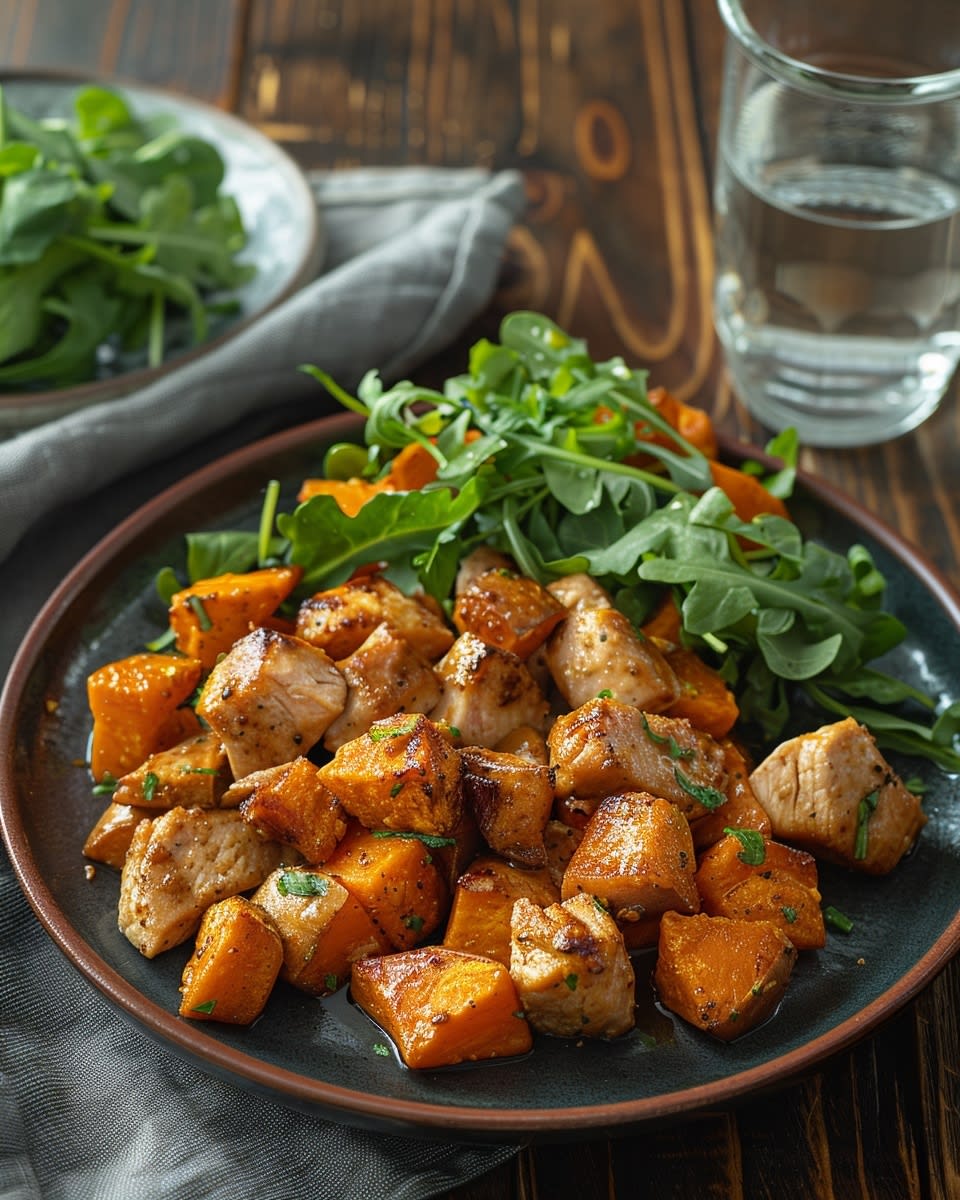
Why I’m Obsessed With This Healthy Turkey and Sweet Potato Skillet
Last Tuesday night, I stared into my fridge at 6 PM with zero dinner plans. I needed something fast, filling, and actually good for me. That’s when I threw together what became my new favorite weeknight dinner: a healthy turkey and sweet potato skillet. One pan, 30 minutes, and absolutely delicious. I’ve made it four times since then.
Here’s the thing about this meal. It checks every box without trying too hard. You get lean protein, colorful veggies, and those satisfying sweet potato chunks that make you feel like you’re eating comfort food. But unlike actual comfort food, you won’t feel sluggish an hour later.
This dish has taken off with health-conscious eaters across the USA, and I totally get why. We’re all tired of boring chicken and plain rice. We want meals that taste good and make us feel good. This skillet delivers both without fancy ingredients or complicated steps.
I’ve served this to my pickiest friend who claims she hates healthy food. She asked for the recipe before she finished eating. My dad, who thinks vegetables are optional, went back for seconds. That’s the magic of combining turkey and sweet potatoes in one pan with the right seasonings.
Why Choose a Turkey and Sweet Potato Skillet?
Let me break down why this combination works so well. It’s not just about throwing random healthy foods together and hoping for the best.
Turkey: Your Lean Protein Powerhouse
Ground turkey is my secret weapon for weeknight dinners. It cooks fast, absorbs flavors beautifully, and packs serious nutritional benefits.
A four-ounce serving of lean ground turkey gives you about 30 grams of protein. That’s roughly half of what most adults need in a full day. Protein keeps you full for hours, which means no sneaking to the pantry at 9 PM for chips.
Turkey has way less saturated fat than ground beef. Your heart will thank you. It also contains important nutrients like iron, zinc, and B vitamins. These help your body turn food into energy, which is exactly what you need to power through busy days.
I used to think turkey was dry and boring. That changed when I learned to cook it properly in a skillet with the right seasonings. The sweet potatoes in this recipe release moisture as they cook, keeping everything juicy.
Here’s what makes turkey stand out:
- Lower in calories than most red meats
- Rich in selenium, which supports your immune system
- Contains tryptophan, an amino acid that helps with sleep and mood
- Budget-friendly compared to other lean proteins
- Versatile enough to take on any flavor profile
Sweet Potatoes: The Nutritional All-Star
Sweet potatoes transformed this skillet from basic to amazing. They add natural sweetness that balances savory seasonings perfectly.
One medium sweet potato contains over 400% of your daily vitamin A needs. Vitamin A supports healthy vision, skin, and immune function. The orange color comes from beta-carotene, a powerful antioxidant that fights inflammation in your body.
Unlike regular white potatoes, sweet potatoes have a lower glycemic index. This means they won’t spike your blood sugar as quickly. You get steady energy instead of a crash an hour after eating.
The fiber content in sweet potatoes is impressive too. Fiber helps digestion, keeps you satisfied longer, and supports healthy cholesterol levels. One medium sweet potato provides about 4 grams of fiber.
I dice my sweet potatoes into small cubes for this recipe. They cook faster that way and get slightly caramelized on the edges. Those crispy, sweet bits are honestly my favorite part of the whole dish.
Sweet potatoes bring more to the table:
- High in vitamin C, which helps your body absorb the iron from turkey
- Contains potassium for healthy blood pressure
- Provides complex carbohydrates for sustained energy
- Naturally sweet without added sugars
- Affordable and available year-round
The Perfect Pairing for Balanced Nutrition
Combining turkey and sweet potatoes creates a complete, balanced meal. You get protein, complex carbs, and healthy nutrients all in one skillet.
The protein from turkey helps your body build and repair muscle tissue. The carbohydrates from sweet potatoes give you energy to fuel your day. Together, they create a satisfying meal that supports your health goals without feeling like diet food.
This combination works particularly well for active people. If you work out regularly or have a physical job, you need both protein for recovery and carbs for energy. This skillet delivers both in the right proportions.
I’ve noticed I stay full for at least four hours after eating this meal. That’s huge for me because I usually get hungry two hours after dinner. The balance of protein, fiber, and healthy carbs keeps my appetite in check.
The nutrients in these two ingredients work together beautifully. The vitamin C from sweet potatoes helps your body absorb the iron from turkey more effectively. The healthy fats you add while cooking help your body absorb the fat-soluble vitamins from the sweet potatoes.
Here’s why this combo wins:
- Provides all three macronutrients your body needs
- Keeps blood sugar stable throughout the day
- Supports muscle maintenance and growth
- Delivers a wide range of vitamins and minerals
- Creates a naturally satisfying meal without added junk
The best part? This meal fits any eating style. Whether you’re counting calories, watching carbs, or just trying to eat more whole foods, this skillet works. It’s clean eating without the pretentious attitude.
I make this for meal prep every Sunday now. It reheats beautifully and tastes just as good on day three. My coworkers always ask what I’m eating because it actually looks and smells appetizing, unlike sad desk lunches.
This isn’t just another trendy health food recipe that tastes like cardboard. It’s real food that happens to be incredibly good for you. The flavors work together naturally, and you won’t miss the extra calories from heavier ingredients.


Everything You Need to Make Your Perfect Turkey and Sweet Potato Skillet
Now that you understand why this combination works so well nutritionally, let’s get into the actual cooking part. I promise this is way simpler than it sounds.
The ingredient list for this healthy turkey and sweet potato skillet is refreshingly short. I can grab everything at my regular grocery store in about ten minutes. No weird specialty items that you’ll use once and then watch expire in your pantry.
Here’s what you need for four servings: one pound of lean ground turkey (I go for 93% lean), two medium sweet potatoes diced into half-inch cubes, one yellow onion chopped, three garlic cloves minced, and a bell pepper if you want extra color and crunch. For seasonings, grab salt, black pepper, paprika, cumin, and a pinch of cinnamon. Yes, cinnamon. Trust me on this one.
You’ll also want two tablespoons of olive oil for cooking, and about a quarter cup of chicken broth or water to keep everything moist. Some people skip the liquid, but I’ve found it makes a huge difference in preventing dry turkey.
The prep work takes maybe fifteen minutes if you’re moving at a normal pace. I usually dice my sweet potatoes while listening to a podcast. They don’t need to be perfect cubes. Honestly, mine never are, and the dish still turns out great every single time.
The Step-by-Step Process That Actually Works
I’ve made this enough times now that I could probably do it blindfolded. Here’s exactly how it goes down in my kitchen.
Start by heating one tablespoon of olive oil in a large skillet over medium-high heat. While that’s warming up, pat your ground turkey dry with a paper towel. This helps it brown better instead of steaming. Add the turkey to the hot skillet and break it up with a wooden spoon. Let it cook undisturbed for about three minutes before stirring. This creates those brown, flavorful bits that make the dish taste incredible.
Season the turkey with salt, pepper, one teaspoon of paprika, and half a teaspoon of cumin. Keep breaking it up and cooking until it’s no longer pink, which usually takes about six to eight minutes total. Once it’s cooked through, transfer the turkey to a plate and set it aside. Don’t skip this step. If you try to cook everything together from the start, the sweet potatoes won’t get that nice caramelization.
Add the remaining tablespoon of olive oil to your now-empty skillet. Toss in your diced sweet potatoes and spread them in a single layer. This is important for getting crispy edges. Let them cook without moving them for about four minutes. I know it’s tempting to stir constantly, but resist. You want that golden-brown color on at least one side.
After four minutes, give everything a stir and add your chopped onion. Cook for another five minutes, stirring occasionally. The onions will soften and the sweet potatoes will continue getting tender. If things start sticking to the pan, add a splash of that chicken broth I mentioned earlier.
Throw in your minced garlic and bell pepper if you’re using one. Cook for about two minutes until everything smells amazing. My whole apartment fills with this incredible aroma at this point. Add the cooked turkey back to the skillet along with the remaining seasonings and that pinch of cinnamon. Pour in the chicken broth, stir everything together, and let it cook for another three to four minutes until the sweet potatoes are fork-tender.
Total cooking time runs about twenty-five to thirty minutes. If you prep your ingredients while the turkey cooks, you can cut that down even more.
My Tricks for Making This Even Better
After making this recipe multiple times, I’ve picked up some techniques that take it from good to seriously crave-worthy.
First trick: don’t crowd your pan. If your skillet isn’t big enough to hold everything in a relatively single layer, use two pans or cook in batches. Crowding creates steam instead of that delicious caramelization we’re after. I learned this the hard way when I tried to double the recipe in the same pan. Everything turned mushy instead of getting those crispy edges.
Second, taste your sweet potatoes before you finish cooking. Some are sweeter than others, and you might want to adjust your seasonings accordingly. I once got a batch that was super starchy and not very sweet, so I added a tiny drizzle of maple syrup at the end. Game changer.
Adding fresh herbs right before serving makes a massive difference. I usually go with cilantro or parsley, but basil works too. Just chop up a handful and sprinkle it on top. The freshness cuts through the richness and makes everything taste brighter. Kind of like how a squeeze of lime transforms grilled salmon with avocado salsa into something restaurant-worthy.
Here’s something I discovered by accident: a splash of apple cider vinegar at the very end wakes up all the flavors. Just a teaspoon or so stirred in right before serving. It adds brightness without making the dish taste vinegary. My cousin thought I’d added some secret ingredient when I did this last week.
If you want more vegetables without changing the character of the dish, spinach works perfectly. Just throw in a few handfuls during the last two minutes of cooking. It wilts down and adds nutrition without overwhelming the other flavors. Same concept I use when I make my high protein chicken and quinoa bowl on busy weeknights.
How to Serve This Skillet and Make It Your Own
The beauty of this healthy turkey sweet potato recipe is how flexible it is. Some nights I eat it straight from the skillet. Other times I dress it up depending on who’s coming over or what I’m in the mood for.
My default serving method is spooning it into a bowl with a dollop of Greek yogurt on top. The cool, tangy yogurt against the warm, slightly sweet skillet is perfect. Sometimes I add a sprinkle of cheese, though that’s totally optional. A handful of crushed tortilla chips on top adds crunch that makes it feel more like a complete meal.
This works great over cauliflower rice if you’re watching carbs closely. The sweet potatoes provide enough carbohydrate that you don’t really need more, but the cauliflower rice adds volume and makes the meal feel bigger. I’ve also served it over regular brown rice when I need extra fuel before a long run.
Funny enough, this skillet makes an amazing breakfast. I reheat leftovers and top them with a fried egg. The runny yolk mixes with everything and creates this incredible sauce. My roommate thought I was weird the first time she saw me eating this at 7 AM, but then she tried it and now she does the same thing.
Wrapping it in a whole wheat tortilla turns it into a satisfying burrito. Add some salsa, a bit of cheese, and maybe some black beans. Roll it up and you’ve got portable lunch that actually keeps you full. Way better than whatever sad sandwich you were planning to make.
Variations That Keep Things Interesting
I rotate through different versions of this recipe to keep from getting bored. Small changes make it feel like a completely different meal.
For a Mexican-inspired version, I swap the paprika and cinnamon for chili powder and add a can of black beans during the last few minutes of cooking. Top it with avocado slices, fresh cilantro, and a squeeze of lime. Sometimes I crumble queso fresco on top. This version reminds me of the bright, fresh flavors in lemon garlic shrimp and zucchini noodles, just heartier.
The Italian variation uses Italian seasoning instead of cumin, and I throw in sun-dried tomatoes and a handful of chopped kale. A sprinkle of parmesan at the end makes it taste like something from a trattoria. My mom loved this version when she visited last month.
When I’m feeling fancy, I make an Asian-inspired take using ground ginger, a splash of soy sauce, and sesame oil instead of olive oil. Add some snap peas and water chestnuts for crunch. Top with green onions and sesame seeds. This one’s probably my favorite variation, though it strays pretty far from the original.
You can easily swap proteins too. Ground chicken works exactly the same way as turkey. I’ve used lean ground beef when it was on sale, though you’ll want to drain some of the fat after browning. A vegetarian friend substituted crumbled tempeh and said it was delicious, though I haven’t tried that version myself yet.
For different vegetables, try butternut squash instead of sweet potato. It has a similar sweetness and texture. Zucchini, mushrooms, or diced eggplant all work well too. Just adjust cooking times based on how quickly each vegetable softens.
Making It Work for Different Dietary Needs
This recipe is naturally gluten-free and dairy-free, which makes it perfect for people with those restrictions. No modifications needed.
For Whole30 or paleo diets, this fits perfectly. Just skip any cheese or yogurt toppings and use compliant broth. The dish itself already follows those guidelines.
If you’re doing keto or low-carb, you can reduce the sweet potato amount and bulk it up with more vegetables like cauliflower, broccoli, or Brussels sprouts. It won’t be quite the same, but it’ll still be satisfying. You might also increase the fat content by using more olive oil or adding avocado at the end.
For meal prep, this recipe scales beautifully. I’ve made triple batches without any issues. It stays fresh in the fridge for four days, maybe five if your fridge is really cold. I portion it into containers with different toppings so I don’t eat the exact same thing four days in a row. One day gets Greek yogurt, another gets salsa, and so on.
Freezing works too, though the sweet potatoes get slightly softer when reheated. I don’t mind the texture change, but some people are picky about that. If you’re planning to freeze portions, slightly undercook the sweet potatoes so they don’t turn mushy when reheated.
By the way, this makes enough for great leftovers even if you’re not officially meal prepping. I actually think it tastes better the next day after all the flavors have had time to hang out together. Kind of like how blueberry crumble dessert bars somehow taste even better after sitting overnight.


Answering Your Most Common Questions About This Healthy Turkey and Sweet Potato Skillet
Every time I post about this recipe on social media, my messages fill up with questions. People want to know how to adapt it, troubleshoot problems, or make it work for their specific situation. So let me answer the questions I get asked most often.
How long does it take to cook the Healthy Turkey and Sweet Potato Skillet?
From the moment you turn on your stove to when you’re spooning it into bowls, you’re looking at about thirty minutes. Maybe thirty-five if you’re moving slowly or chatting on the phone while cooking, which I definitely do sometimes. The actual hands-on time is even less than that because there are moments where you just let things cook without touching them.
The prep work adds another ten to fifteen minutes depending on your knife skills. I’m not particularly fast at chopping, so if I can do it in fifteen minutes while half-watching Netflix, you probably can too. The sweet potatoes take the longest to dice, but you can buy pre-cut ones if you’re really in a rush. They cost more, but sometimes convenience wins.
If you’re making this after a long workday and need it done faster, cut your sweet potato cubes smaller. Quarter-inch pieces instead of half-inch will cook in about half the time. The trade-off is you lose some of those crispy caramelized edges I love so much, but you still get great flavor.
Here’s the thing: this isn’t a recipe where you can walk away and do other stuff. You need to be there stirring occasionally and watching that nothing burns. But it’s not high-stress cooking either. Think of it as active but relaxed, like taking a casual walk rather than running a sprint.
Can I use other types of meat instead of turkey?
Absolutely, and I’ve tested several options. Ground chicken is the most obvious swap and works exactly like turkey. Same cooking time, similar texture, almost identical nutritional profile. I honestly can’t tell much difference in the final dish.
Lean ground beef works too, though it has a stronger flavor that changes the character of the dish a bit. You’ll also want to drain off excess fat after browning since beef releases more than turkey. I’d go with 90% lean or higher to keep it healthier. My brother prefers the beef version because he says it tastes more substantial.
Ground pork is interesting. It adds richness and works surprisingly well with the sweet potatoes. The slight fattiness of pork keeps everything moist without needing as much broth. Just watch your sodium if you’re using seasoned pork sausage instead of plain ground pork.
For a vegetarian version, crumbled tempeh or extra-firm tofu both work. Press your tofu really well to get out excess moisture, then crumble it and cook it until it gets some color. Season it aggressively because plant proteins need more help in the flavor department. Black beans or chickpeas also work if you don’t mind a different texture.
I haven’t tried this with seafood, but I imagine ground shrimp or finely chopped fish could work if you’re feeling experimental. You’d need to adjust cooking times since seafood cooks faster than poultry.
What are the best spices to enhance the flavor of the dish?
The basic paprika-cumin-cinnamon combo I mentioned earlier is my go-to, but there’s so much room to play around. Spices completely transform this dish without adding calories or effort.
Smoked paprika instead of regular paprika adds this incredible depth. It makes everything taste like it’s been slow-cooked for hours even though you just made it in thirty minutes. I buy the Spanish smoked paprika from the fancy section of my grocery store, and one tin lasts me months.
Garlic powder and onion powder boost savory flavors if you’re not using fresh garlic and onions, though I prefer the real thing. A pinch of cayenne or red pepper flakes adds heat without overwhelming the sweetness of the potatoes. Start small though. You can always add more, but you can’t take it back.
Fresh ginger changes everything. If you grate about a teaspoon of fresh ginger and add it with the garlic, you get this bright, zingy flavor that wakes up your taste buds. Works especially well if you’re doing an Asian-inspired variation.
Dried herbs like thyme, rosemary, or oregano work beautifully too. Thyme pairs incredibly well with both turkey and sweet potatoes. Just a teaspoon of dried thyme makes it taste more sophisticated. Rosemary is stronger, so use it sparingly unless you really love that pine-like flavor.
One spice combination I’ve been obsessed with lately: turmeric, ginger, and a tiny bit of curry powder. It gives the whole dish a golden color and this warm, complex flavor. Plus turmeric has anti-inflammatory properties, which is a nice bonus. Understanding how spices contribute to both flavor and nutrition education really helped me become more confident in the kitchen.
Is this dish suitable for a low-carb diet?
In its original form, not really. A medium sweet potato has about twenty-five grams of carbohydrates. That’s not huge, but it’s not low-carb either, especially if you’re doing strict keto where you’re aiming for under twenty grams per day.
That said, you can definitely modify it. Cut the sweet potato amount in half and bulk up with low-carb vegetables instead. Add cauliflower florets, zucchini, bell peppers, mushrooms, or broccoli. You’ll still get some of that sweet potato flavor and nutrition, just in smaller amounts.
Another option is using radishes, which sounds weird but actually works. When cooked, radishes lose their sharp bite and become mild and slightly sweet, kind of like potatoes. They have way fewer carbs than sweet potatoes. I was skeptical when someone suggested this, but I tried it and was pleasantly surprised.
If you’re doing a moderate low-carb diet rather than strict keto, the original recipe might actually fit. The protein and fat from the turkey and olive oil help slow down how quickly your body processes those carbs. Eating it with extra avocado or a big salad with olive oil dressing brings down the overall carb percentage of your meal.
Honestly though, if you’re not specifically avoiding carbs for medical reasons, the carbohydrates in sweet potatoes are some of the healthiest you can eat. They come packaged with fiber, vitamins, and minerals. But I get that everyone has different dietary needs and goals.
How can I make this recipe kid-friendly?
My friend’s eight-year-old daughter ate this last month and asked if she could have it for her birthday dinner, so I’d say it’s already pretty kid-friendly. But here are some tweaks that help with pickier eaters.
First, go easy on the spices. Kids often prefer milder flavors. Just use salt, pepper, and maybe a tiny bit of paprika. You can always add more spice to your own portion at the table. The natural sweetness of the sweet potatoes usually appeals to kids without needing much seasoning.
Cut the sweet potatoes into fun shapes if you have the time and patience. Little cubes become “flavor blocks” or whatever silly name makes your kid excited to eat them. My nephew calls them “power cubes” and pretends they give him superhero strength.
Mix in some mild cheese. Most kids love cheese, and it makes healthy food feel more like comfort food. I’ve stirred in shredded cheddar during the last minute of cooking and watched previously skeptical kids clean their plates. Cheese also adds extra protein and calcium.
Serve it as tacos or in tortilla wraps. Kids love handheld food. Put out little bowls of toppings and let them build their own. When kids feel like they have control over their meal, they’re more likely to eat it. Plus it becomes an activity rather than just dinner.
Hide extra vegetables in there. Finely dice them so they blend in with everything else. Carrots, zucchini, and spinach all disappear pretty well. I’m not usually a fan of hiding vegetables because I think kids should learn to like them openly, but sometimes you gotta do what works.
Can I prepare this dish in advance and reheat it later?
Yes, and this is actually one of my favorite things about this recipe. It’s a total meal prep champion. I make a big batch every Sunday and portion it out for lunches throughout the week.
The flavors actually develop and improve after sitting in the fridge overnight. All those spices have time to really permeate everything. By day two or three, it tastes even better than when you first made it. Some meals get worse as leftovers, but this one gets better.
For reheating, I prefer the stovetop method. Just put a portion in a skillet with a splash of water or broth, cover it, and heat on medium-low for about five minutes. This keeps everything moist and brings back some of that fresh-cooked texture. Microwave works too if you’re at the office. Add a damp paper towel over your container to prevent drying out.
You can prep components separately if you want maximum freshness. Cook the turkey and sweet potatoes, store them in separate containers, then combine and reheat when you’re ready to eat. This takes a bit more effort but gives you better texture, especially on the sweet potatoes.
Freezing works for up to three months. Let everything cool completely before transferring to freezer-safe containers. Leave a little space at the top because food expands when frozen. Thaw overnight in the fridge, then reheat. The sweet potatoes get softer after freezing, but the taste remains good.
One tip for advance prep: undercook your sweet potatoes by just a couple minutes if you know you’ll be reheating. They’ll finish cooking when you reheat and won’t turn mushy. This is especially important if you’re making a big batch for the week.
What are some good side dishes to serve with the skillet?
Honestly, this is pretty much a complete meal on its own. But sometimes you want to make it feel more substantial or you’re feeding people with big appetites. Here’s what I serve alongside it.
A simple green salad with vinaigrette balances the richness perfectly. The acidic dressing cuts through the savory turkey and sweet potatoes. I usually just do mixed greens, cucumber, cherry tomatoes, and a lemon-olive oil dressing. Nothing fancy, just fresh and crisp.
Roasted vegetables work great if you want more veggies on your plate. Brussels sprouts, broccoli, or green beans all complement this dish. I often throw vegetables in the oven while I’m making the skillet on the stovetop. Everything finishes around the same time.
Crusty bread or cornbread turns it into a more filling meal. Something about that combination of protein, sweet potatoes, and bread hits all the comfort food notes. Not the healthiest addition, but sometimes you need that. Warm bread with butter makes any meal feel special.
A simple cucumber-tomato salad with lime juice and cilantro adds freshness and crunch. This is what I do when I’m going for more of a Mexican vibe with the skillet. The cool, crispy vegetables against the warm skillet create nice contrast.
Honestly though, most nights I just eat this by itself. It has protein, carbs, and vegetables all in one dish. Adding sides feels almost excessive unless you’re feeding teenage boys or really active adults who need extra calories.
How do I store leftovers and for how long?
Let the skillet cool down to room temperature before storing. Don’t leave it sitting out for more than two hours though. Food safety matters, especially with ground meat.
Transfer cooled portions to airtight containers. Glass containers are my preference because they don’t absorb odors or stains like plastic sometimes does. Plus you can see what’s inside without opening them, which helps when you’re digging through the fridge.
In the refrigerator, this keeps well for four to five days. I’ve pushed it to six days when I made it on Sunday and ate the last portion on Friday, and it was still totally fine. Just smell it before eating. If something seems off, trust your instincts and toss it.
Store toppings separately from the main dish. Don’t add Greek yogurt, cheese, or fresh herbs until you’re ready to eat. These don’t hold up as well over multiple days. Keep them in their own containers and add them fresh each time.
If you’re freezing portions, use freezer-safe containers or heavy-duty freezer bags. Squeeze out as much air as possible to prevent freezer burn. Label everything with the date because I promise you’ll forget when you made it. Frozen portions stay good for about three months.
When you’re ready to eat frozen portions, thaw them in the fridge overnight rather than at room temperature. Room temperature thawing can create food safety issues with meat. If you’re in a rush, you can defrost in the microwave and then reheat properly.
Can I make this in an Instant Pot or slow cooker?
I haven’t tried the Instant Pot version myself, but my cousin swears by it. She browns the turkey using the sauté function, then adds everything else and cooks on high pressure for about eight minutes with a quick release. She says the sweet potatoes come out perfectly tender.
The slow cooker works but changes the texture quite a bit. You lose those caramelized edges I love so much. Everything becomes softer and more uniform. Some people prefer this texture, especially if they’re feeding older adults or people with dental issues.
For the slow cooker, brown your turkey first in a skillet. Don’t skip this step or everything will be kind of gray and unappetizing. Transfer the browned turkey to your slow cooker, add the sweet potatoes and other ingredients, and cook on low for about four hours or high for two hours.
The advantage of slow cooker or Instant Pot methods is that you can walk away. The disadvantage is losing some of that texture and caramelization that makes the skillet version so good. It really depends on what matters more to you on any given day.
What’s the nutritional breakdown per serving?
One serving of this recipe comes in around three hundred and fifty to four hundred calories, depending on exactly how much olive oil you use and whether you add toppings. That’s pretty reasonable for a complete meal.
You’re getting about thirty grams of protein per serving from the turkey. That’s excellent for keeping you full and supporting muscle maintenance. The sweet potatoes provide roughly thirty to thirty-five grams of carbohydrates with about five grams of fiber.
Fat content sits around ten to twelve grams per serving, mostly from the olive oil. These are healthy fats that help your body absorb vitamins and keep you satisfied. The saturated fat is minimal since turkey is so lean.
This meal packs in tons of vitamins and minerals. You’re getting massive amounts of vitamin A from the sweet potatoes, B vitamins from the turkey, and vitamin C from the bell peppers if you include them. Iron, zinc, and potassium are all well-represented too.
Sodium depends entirely on how much salt you add. I use about half a teaspoon for the whole recipe, which works out to maybe two hundred milligrams per serving. That’s pretty low. If you’re watching sodium closely, you can reduce it even further or use a salt substitute.
Why do my sweet potatoes sometimes turn out too hard or mushy?
Size consistency is everything. If your sweet potato cubes are all different sizes, some will be mushy while others are still hard. Take an extra minute during prep to make them relatively uniform. They don’t need to be perfect, just roughly the same size.
The type of sweet potato matters too. Some varieties are drier and starchier, others are moist and sweet. The orange-fleshed ones usually work best for this recipe. The white or purple varieties have different cooking times and textures.
If they’re consistently too hard, your heat might be too high and they’re browning on the outside before cooking through. Lower your heat to medium and give them a bit more time. You can also add a lid to your skillet for a few minutes to trap steam and help them cook faster.
Mushy sweet potatoes usually mean they’ve been overcooked or your pieces were too small. Cut them a bit larger next time and watch them carefully during the last few minutes of cooking. They should be fork-tender but still hold their shape.
By the way, older sweet potatoes take longer to cook than fresh ones. If your sweet potatoes have been sitting in your pantry for a while, they’ve probably dried out a bit and will need extra time or liquid to cook properly.
If you’re consistently having texture issues and everything else seems right, you might want to try a different grocery store. I know that sounds weird, but the quality and freshness of produce varies dramatically between stores. I had problems for weeks until I switched where I was buying my sweet potatoes.
Testing different methods until you find what works in your kitchen is part of the process. Every stove heats differently, every pan conducts heat differently, and even altitude affects cooking times. The more you make this recipe, the better you’ll get at knowing exactly when everything’s done in your specific setup.
This turkey and sweet potato skillet has honestly changed how I think about weeknight dinners. I used to stress about cooking healthy meals that actually taste good, but now I have this reliable recipe that works every single time. It fits perfectly into my routine, and I never get bored because there are so many ways to switch it up. If you’ve been struggling to find meals that are both nutritious and satisfying, this is worth trying. My kitchen isn’t fancy, my skills are average at best, but I can make this dish confidently. That’s the kind of recipe we all need in our regular rotation, especially when we’re trying to eat better without sacrificing flavor or spending hours cooking. Check out more meals like this in my collection of healthy recipes that actually work for real people with busy lives.
Give this skillet a try this week. Start with the basic version I’ve outlined, then make it your own as you get comfortable with the process. I’d love to hear how it turns out for you and what variations you discover. Happy cooking, and here’s to meals that make you feel good in every way.
Ingredients
Equipment
Method
- Chauffez une cuillère à soupe d'huile d'olive dans une grande poêle à feu moyen-vif.
- Essuyez la dinde hachée avec une serviette en papier et ajoutez-la à la poêle chaude.
- Cuire sans remuer pendant trois minutes pour créer des morceaux dorés, puis remuez.
- Assaisonnez la dinde avec du sel, du poivre, du paprika et du cumin ; cuire jusqu'à ce qu'elle ne soit plus rose, environ 6 à 8 minutes.
- Transférer la dinde cuite sur une assiette et réserver.
- Ajouter la cuillère à soupe d'huile d'olive restante dans la poêle et ajouter les patates douces coupées.
- Cuire les patates douces sans remuer pendant environ quatre minutes jusqu'à ce qu'elles soient dorées d'un côté.
- Incorporer l'oignon haché et cuire pendant encore cinq minutes, en remuant de temps en temps.
- Ajoutez l'ail haché et le poivron (si utilisé) ; cuire pendant environ deux minutes.
- Remettre la dinde cuite dans la poêle avec les assaisonnements restants et le bouillon de poulet.
- Mélanger le tout et laisser cuire pendant encore trois à quatre minutes jusqu'à ce que les patates douces soient tendres à la fourchette.