
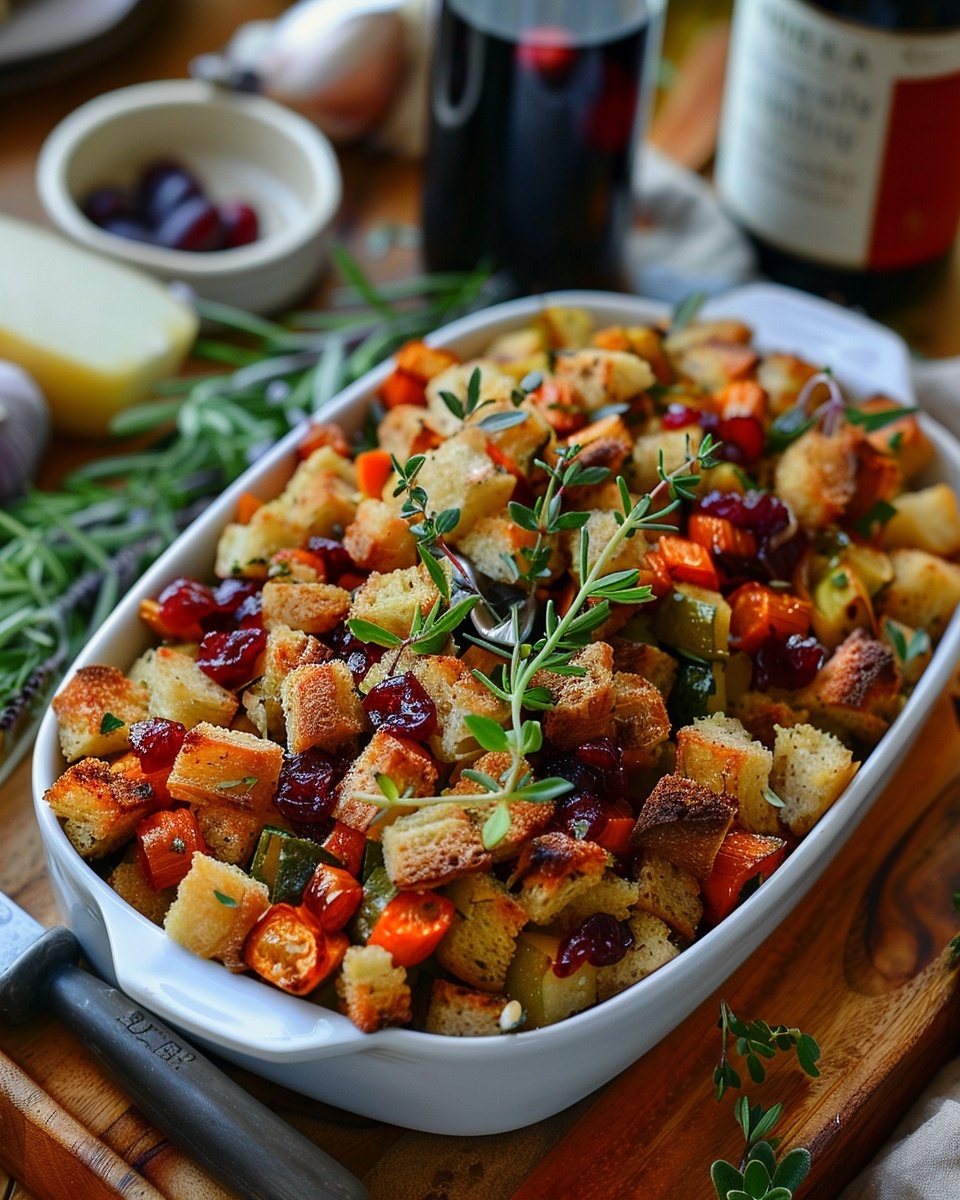
The Magic of Holiday Stuffing
I’ll never forget the year my grandmother accidentally forgot to make stuffing for Thanksgiving. The turkey looked beautiful. The mashed potatoes were perfect. But when we sat down to eat, something felt wrong. My uncle spoke up first: “Where’s the stuffing?” The whole table went silent. That’s when I realized stuffing isn’t just a side dish. It’s the heart of the holiday meal.
Holiday stuffing has earned its place at the center of our most cherished celebrations. Whether you’re gathering for Thanksgiving or Christmas, that warm, savory dish brings something special to the table. The smell of herbs and bread baking fills the house with comfort. It tells everyone that something good is about to happen.
Stuffing does more than fill our plates. It brings families together in the kitchen. Someone tears the bread into cubes. Another person chops celery and onions. Kids help mix everything together. These simple tasks create memories that last longer than the meal itself.
I’ve spent years playing with different stuffing recipes. I started with my grandmother’s traditional recipe, written on a stained index card. Then I moved on to sausage versions that made my mouth water. Now I experiment with gourmet stuffing recipes that surprise my guests every year. Each variation teaches me something new about this amazing dish.
What is Holiday Stuffing?
Holiday stuffing is a savory mixture of bread cubes, vegetables, herbs, and broth. It’s cooked either inside the turkey cavity or in a separate baking dish. This dish shows up at nearly every American holiday feast. The bread soaks up all the flavors from the seasonings and broth. The result is a moist, flavorful side that pairs perfectly with roasted meats.
The role of stuffing in holiday feasts goes beyond taste. It stretches the meal to feed more people. It uses up day-old bread that might otherwise go to waste. And it transforms simple ingredients into something that feels fancy and festive.
Is holiday dressing the same as stuffing? This question comes up every year at my dinner table. The answer depends on where you’re from. Both dishes use similar ingredients like bread, celery, onions, and herbs. The main difference is the cooking method.
When you cook the mixture inside the turkey, it’s called stuffing. When you bake it in a separate dish, it’s called dressing. That’s the technical answer. But many people use the terms however they like. In the South, most folks say dressing no matter how they cook it. In the North, stuffing is the common word.
The thanksgiving dressing vs stuffing debate also touches on texture. Stuffing cooked inside the bird gets moister from the turkey juices. Dressing baked in a pan develops crispy edges on top. I love both versions for different reasons. The stuffed version tastes richer. The baked version gives you those crunchy bits everyone fights over.
Safety matters when you choose between the two methods. Stuffing inside the turkey must reach 165 degrees to be safe. This can be tricky to measure. Dressing in a pan is easier to cook properly. Many home cooks now prefer baking their stuffing separately for this reason.
Classic Holiday Stuffing Variations
The traditional stuffing recipe forms the foundation for all other versions. It starts with dried bread cubes, usually white or wheat. You sauté onions and celery in butter until they soften. Then you add sage, thyme, and sometimes parsley. Mix everything with chicken or turkey broth until the bread is moist but not soggy. Bake it until the top turns golden brown.
This simple version never goes out of style. My grandmother made it this way for forty years. The flavors are clean and straightforward. Nothing competes with the taste of the turkey. It’s comfort food at its finest.
But let me tell you about sausage stuffing recipe options. These versions changed everything for me. Adding sausage brings richness and depth that plain bread can’t match. The meat adds protein and makes the stuffing more filling. The fat from the sausage keeps everything moist and flavorful.
Holiday sausage stuffing has become my go-to recipe for big gatherings. I use Italian sausage for its herbs and spices. Some people prefer breakfast sausage for a milder taste. Either way works beautifully. You brown the sausage first, breaking it into small pieces. The meat releases its fat into the pan. Then you use that flavorful fat to cook your vegetables.
Why is sausage stuffing such a crowd favorite? Here are the reasons I’ve discovered:
- The meat makes it hearty enough to be almost a main dish
- Sausage adds complexity without requiring extra seasonings
- The fat keeps the stuffing moist for hours
- It appeals to people who find plain stuffing too boring
- Leftovers taste amazing reheated the next day
I’ve noticed that sausage stuffing disappears faster than any other version at my table. Even picky eaters go back for seconds. Kids who usually avoid vegetables eat the onions and celery mixed in with the sausage. It’s a sneaky way to make everyone happy.
Some cooks worry that sausage stuffing is too heavy. I get that concern. But you can balance it out. Use half the amount of sausage the recipe calls for. Add dried cranberries or apples for sweetness. Mix in fresh herbs to brighten the flavors. These small tweaks keep the dish from feeling greasy.
The beauty of stuffing lies in its flexibility. You can stick with traditional stuffing recipe methods your family knows and loves. Or you can branch out into gourmet stuffing recipes that surprise everyone. Either choice creates a dish that brings people together. That’s what holiday cooking is really about.
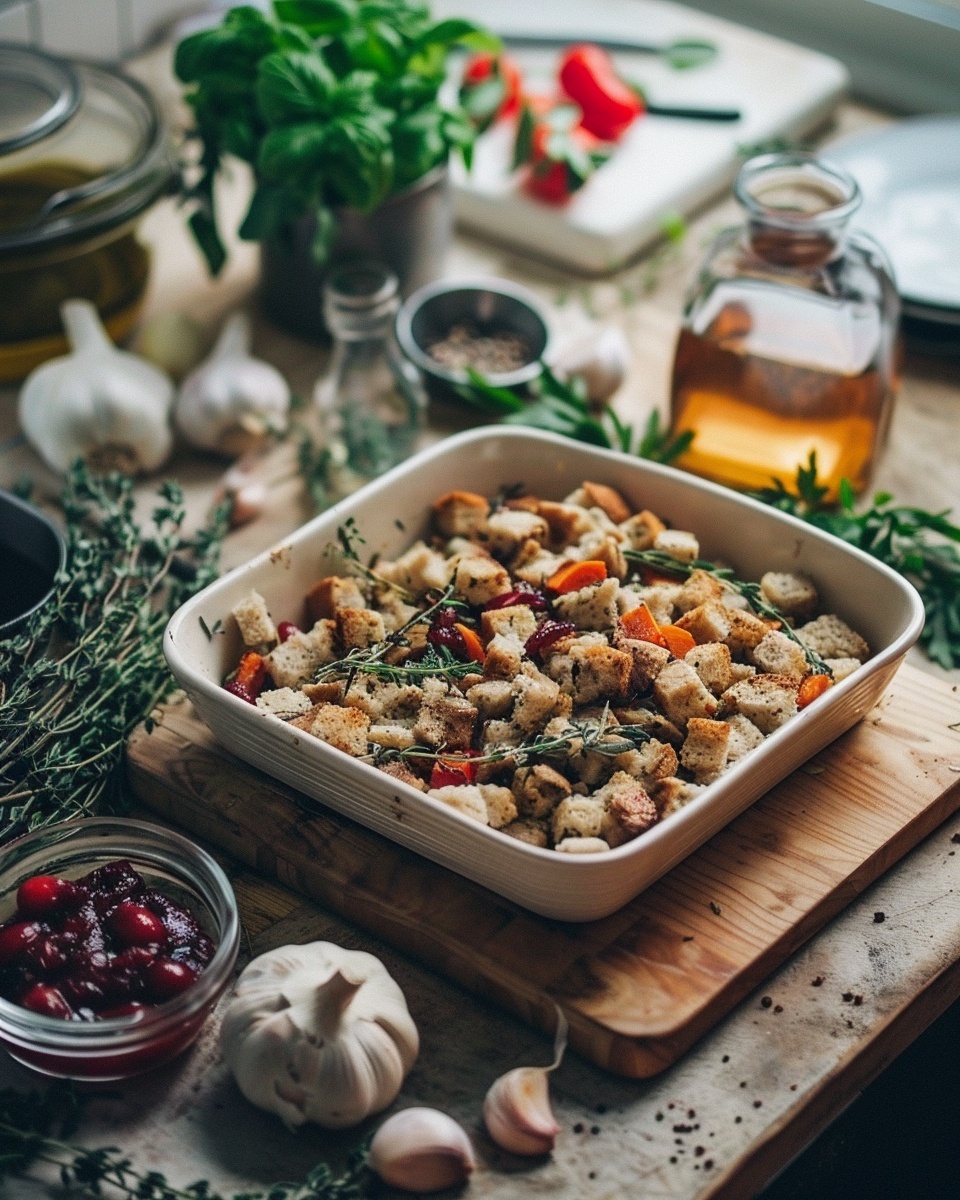


Gourmet Twists on Holiday Stuffing
Once you’ve mastered the basics, the real fun begins. I remember the first time I served a fancy stuffing at Thanksgiving. My cousin looked at her plate and said, “Wait, is this the same stuffing?” That’s when I knew gourmet stuffing recipes had the power to surprise even the toughest critics.
Upgrading your stuffing doesn’t mean abandoning tradition. It means taking those familiar flavors and giving them a little makeover. Think of it like dressing up for a special occasion. You’re still you, just wearing something nicer.
Let me talk about brioche stuffing for a minute. This version uses brioche bread instead of regular white bread. If you’ve never tried it, you’re missing out. Brioche is butter-rich and slightly sweet. It has a tender crumb that soaks up broth like a sponge. When you use it in stuffing, the whole dish becomes more luxurious.
I started making brioche stuffing three years ago after tasting it at a friend’s dinner party. The texture was silkier than any stuffing I’d had before. The subtle sweetness balanced perfectly with savory herbs. My friend told me she bought day-old brioche from her local bakery. It was cheaper than fresh and actually worked better because it was already dried out.
Here’s what I do with my brioche version: I cube the bread and let it sit out overnight. The next day, I toss it with caramelized onions instead of regular sautéed ones. The slow-cooked onions add a deep, sweet flavor that complements the brioche. I also throw in some dried cherries and toasted pecans. The fruit gives little bursts of tartness. The nuts add crunch. Every bite feels special.
Now, zakarian stuffing takes things in a different direction. Geoffrey Zakarian is a celebrity chef who knows his way around fancy food. His stuffing recipes often include unexpected ingredients that make you think differently about this classic dish. He’s not afraid to use things like pancetta, mushrooms, or even truffle oil.
I tried adapting one of his recipes last year. It called for wild mushrooms, leeks, and fresh thyme. The mushrooms gave the stuffing an earthy, almost meaty quality. The leeks were milder than onions and added elegance. This wasn’t your grandmother’s stuffing anymore. It was something you’d find at a restaurant.
The funny thing about gourmet versions is that they’re not necessarily harder to make. They just use better ingredients. You’re still following the same basic steps: cube bread, sauté vegetables, mix with broth, and bake. The difference is in what you choose to put in there.
What is the secret ingredient for amazing stuffing? People ask me this all the time. They want one magic addition that will transform their dish. The truth is there’s no single answer. But I can tell you what works for me.
My secret weapon is actually two things working together: really good stock and fresh herbs. Most people use canned broth from the grocery store. It’s fine, but it’s not great. I make my own turkey stock from the neck and giblets. I simmer them with vegetables for a few hours. The resulting liquid is rich and full of flavor. When that stock soaks into the bread, it carries so much more taste than store-bought versions.
Fresh herbs make an even bigger difference than most people realize. Dried herbs have their place, but fresh sage, thyme, and parsley bring brightness that dried versions can’t match. I use about three times as much fresh herb as I would dried. The flavor is cleaner and more vibrant. Just like how Fourth of July Burgers taste better with fresh toppings, stuffing comes alive with fresh herbs.
Some gourmet cooks add unexpected elements like oysters, chestnuts, or even lobster. I tried oyster stuffing once at a coastal restaurant. It was strange at first, but by the third bite, I understood it. The briny flavor paired beautifully with sage and butter. Chestnuts give a sweet, nutty flavor that feels very European and sophisticated.
Moist and Flavorful Stuffing Secrets
Dry stuffing is everyone’s nightmare. You take a bite and need water immediately. Your mouth feels like you’ve eaten sawdust. I’ve served dry stuffing before, and I’ve eaten dry stuffing at other people’s houses. It’s disappointing every single time.
What is the secret to moist stuffing? This question deserves a real answer because it makes or breaks the whole dish. The secret isn’t complicated, but it does require attention to detail.
First, use enough liquid. This sounds obvious, but many people hold back on the broth. They worry about making the stuffing soggy. I get it. But here’s what I’ve learned: the bread should be quite wet before it goes into the oven. When I mix my stuffing, the bread cubes should feel saturated. Some pieces might even fall apart a little. That’s okay.
As the stuffing bakes, moisture evaporates. The top gets crispy while the inside stays tender. If you start with too little liquid, the whole thing dries out. Better to err on the side of too wet. You can always bake it longer to crisp up the top.
Second, fat is your friend. Butter, sausage grease, or even olive oil helps keep stuffing moist. Fat coats the bread and prevents it from drying out during cooking. This is why food network stuffing recipes often call for what seems like a lot of butter. Those chefs know that fat carries flavor and maintains moisture.
I watched a technique on a thanksgiving stuffing recipes 2019 show that changed my approach. The chef melted butter and literally drizzled it over the stuffing right before baking. Then she covered the pan with foil for the first half of cooking. The foil trapped steam inside. The butter enriched every bite. After thirty minutes, she removed the foil to let the top brown. The result was perfection: crispy on top, moist underneath.
By the way, eggs help with moisture too. Many recipes don’t include eggs, but I always add one or two beaten eggs to my mixture. They act as a binder and add richness. When the eggs cook, they create a slightly custardy texture in the stuffing. It’s subtle, but it makes the whole dish more cohesive.
Temperature matters more than you’d think. I bake my stuffing at 350 degrees rather than higher temperatures. Slow and steady wins the race here. High heat dries out the exterior before the inside has time to cook through properly. Lower heat gives everything time to heat evenly and stay moist.
Another trick I picked up: add some liquid halfway through baking. I keep a cup of warm broth nearby. If the stuffing looks like it’s drying out after twenty minutes, I pour a little more broth over it. This refreshes the moisture and prevents that dreaded dryness. Similar to how you might refresh other holiday dishes, like adding glaze to Halloween Cupcakes for extra moisture and flavor.
Covering your stuffing properly makes a huge difference. Aluminum foil works great, but make sure it doesn’t touch the top of the stuffing. The moisture needs room to circulate. I sometimes create a tent with the foil so there’s space between the food and the covering.
Regional Favorites: American Stuffing Traditions
Funny enough, american stuffing isn’t just one thing. It changes dramatically depending on where you live. I’ve traveled around the country for Thanksgivings with different friends and family members. Each region has its own strong opinions about the “right” way to make stuffing.
In the South, cornbread dressing rules. People down there look at you funny if you show up with white bread stuffing. Cornbread gives a completely different texture and flavor. It’s crumblier and slightly sweet. Southern cooks often add hard-boiled eggs to their cornbread dressing. Some include chicken instead of turkey drippings. The result is rich and hearty.
I tried making authentic Southern cornbread dressing one year. I had to make the cornbread from scratch first, which was a whole extra step. But the flavor was worth it. The corn added sweetness that balanced the savory herbs perfectly. My Southern friend told me I did a decent job, which coming from her was high praise.
New England takes a different approach. Up there, oyster stuffing shows up on many traditional tables. Coastal communities have been adding oysters to their stuffing for generations. The seafood brings a briny, ocean-fresh element that you don’t find anywhere else. Some New Englanders also add cranberries to their stuffing, mixing the tartness right into the bread mixture.
The Midwest keeps things simple and hearty. Wisconsin stuffing often includes wild rice or regular rice mixed with the bread. Minnesota cooks might add a Scandinavian touch with caraway seeds or dill. These variations reflect the immigrant populations that settled in those states. Food tells the story of who lives where.
California and the West Coast bring their own flair. Out there, you’ll find stuffing with sourdough bread instead of regular white. The tangy sourdough adds complexity. West Coast cooks also aren’t afraid of adding unconventional ingredients like sun-dried tomatoes, artichoke hearts, or pine nuts. It’s a more adventurous approach that matches the region’s personality. Kind of like how Valentine’s Chocolate Fondue can incorporate unique flavor combinations that surprise your guests.
Pennsylvania Dutch country has its own tradition with potato filling. This version uses mashed potatoes as a base instead of bread. It sounds strange, but it’s absolutely delicious. The potatoes create a creamy, dense stuffing that’s completely unique. They add bread cubes too, but potatoes are the star.
Texas brings a Southwestern influence with jalapeños, chorizo, and sometimes even poblano peppers. The heat level goes up significantly compared to other regions. Texans aren’t shy about spice. They also might throw in some Mexican cheese for extra richness.
What I love about these regional variations is that they all work. There’s no wrong answer. Each version reflects the ingredients available locally and the cultural influences of the people who live there. When you’re planning your holiday menu, just like when you’re preparing a New Year’s Appetizer Platter, thinking about regional traditions can help you create something meaningful and delicious.
The best part about understanding these regional differences is that you can mix and match. Take the cornbread from the South, add some West Coast sourdough, throw in New England cranberries, and finish with a Texas kick of jalapeños. Nobody says you have to stick to one region’s rules. Creating your own hybrid version based on what your family loves is perfectly acceptable. That’s how new traditions start.

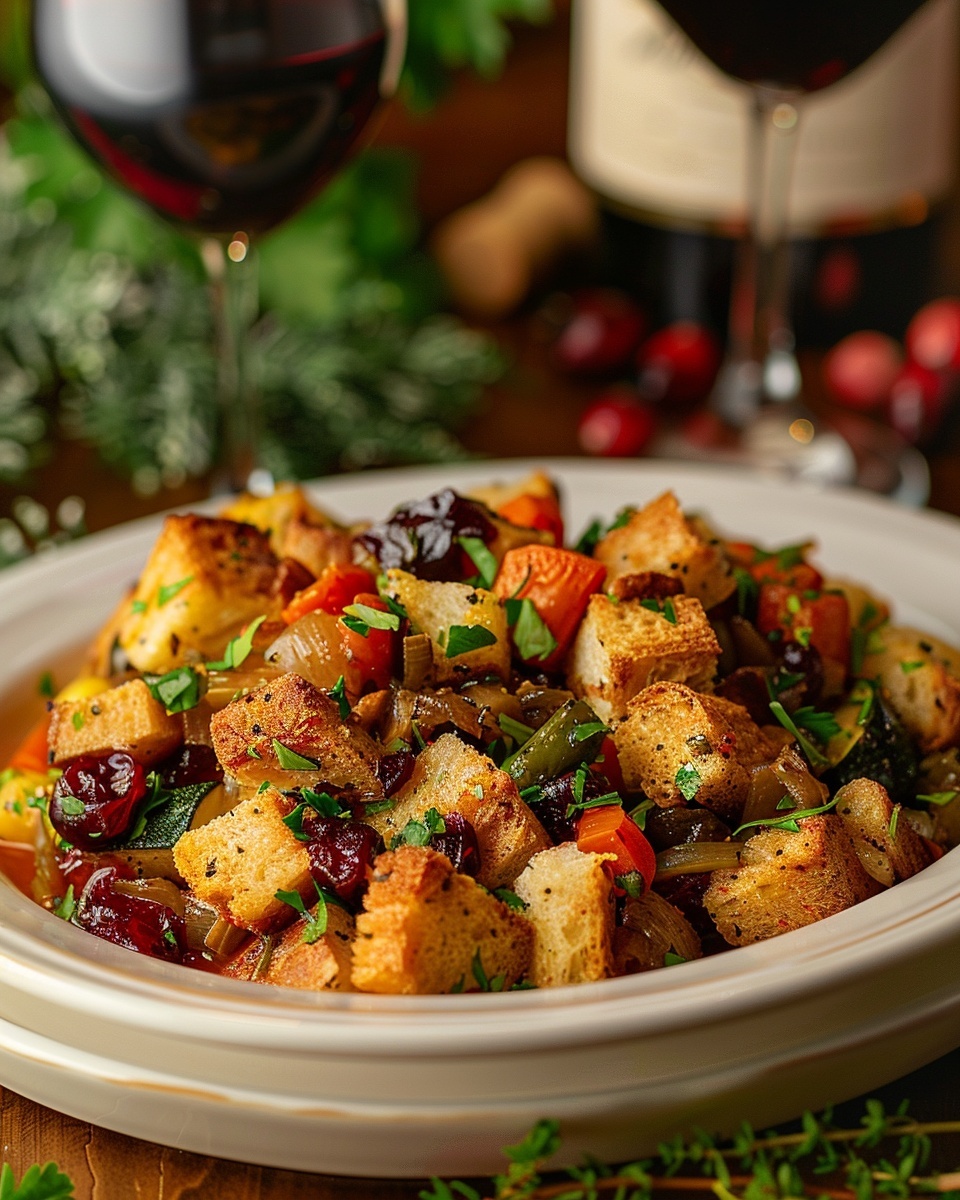

How to Make Your Own Holiday Stuffing
Making stuffing from scratch might seem intimidating if you’ve never done it before. But honestly, it’s one of the easiest holiday dishes you can prepare. I think people worry too much about getting it perfect. Last year, my neighbor called me in a panic an hour before her guests arrived. She’d never made stuffing and was terrified she’d mess it up. I walked her through it over the phone, and guess what? Her stuffing turned out great.
Here’s my basic approach that works every single time. Start by gathering your ingredients. You’ll need about a pound of bread cut into cubes, one large onion, three stalks of celery, butter, fresh herbs, chicken or turkey broth, salt, and pepper. That’s it for the basics. Everything else is optional.
First, dry out your bread. This step happens the day before if possible. Cut your bread into one-inch cubes and spread them on baking sheets. Leave them out overnight on your counter. They should feel stale and dry by morning. If you’re short on time, you can toast them in a 300-degree oven for about twenty minutes. The dried bread absorbs liquid better than fresh bread. Fresh bread turns to mush.
Next day, start with your vegetables. Dice your onion and celery into small pieces. I like them about half an inch because that size cooks evenly and gives good texture. Melt about half a stick of butter in a large skillet over medium heat. Add your vegetables and cook them slowly until they soften. This takes about ten minutes. Don’t rush this part. The vegetables should be tender and fragrant.
While the vegetables cook, chop your fresh herbs. I use about two tablespoons of fresh sage, one tablespoon of fresh thyme, and a handful of fresh parsley. The sage is really the star of the show in traditional holiday stuffing. Its earthy, slightly peppery flavor screams Thanksgiving to me. Mix the herbs into the cooked vegetables and let them cook together for another minute. The heat releases their oils and fills your kitchen with an amazing smell.
Now comes the assembly. Put your dried bread cubes in a very large bowl. Pour the vegetable and herb mixture over the bread. Start adding broth gradually while tossing everything together with your hands or a big spoon. I usually start with three cups of broth for one pound of bread. The mixture should be very moist. Every piece of bread should glisten with liquid. If it looks dry, add more broth.
Transfer everything to a buttered baking dish. I use a 9×13 pan for most recipes. Dot the top with extra butter if you’re feeling indulgent. Cover with aluminum foil and bake at 350 degrees for thirty minutes. Then remove the foil and bake another fifteen to twenty minutes until the top is golden and crispy. The edges should be crunchy while the middle stays soft.
Here’s where customization comes in. This basic recipe is your blank canvas. Want to make it heartier? Brown some Italian sausage and mix it in with the vegetables. Prefer it sweeter? Add diced apples or dried cranberries. Looking for crunch? Toss in toasted pecans or walnuts. Each addition changes the character of the dish.
For people watching their diet, you can make adjustments without sacrificing flavor. Use whole grain bread instead of white for more fiber and nutrients. Swap half the butter for olive oil. Add extra vegetables like mushrooms, carrots, or bell peppers. Making healthy food choices during the holidays doesn’t mean giving up on flavor or tradition. It just means being thoughtful about ingredients.
Vegetarian friends appreciate it when I use vegetable broth instead of chicken stock. The flavor is lighter but still delicious. I sometimes add extra umami by including dried mushrooms that I’ve rehydrated. The mushroom soaking liquid goes into the stuffing too. It adds depth without any meat.
Gluten-free guests need special attention. I’ve made successful gluten-free stuffing using gluten-free bread. The key is to dry it out really well because gluten-free bread tends to be moister than regular bread. It works, though it has a slightly different texture. Your gluten-free guests will appreciate the effort more than you know.
What is Christmas stuffing made of? The ingredients are basically the same as Thanksgiving stuffing. Bread, onions, celery, herbs, and broth form the base. But Christmas versions sometimes include chestnuts, which feel more wintery and festive. Some families add dried fruits like figs or apricots for a holiday sweetness. In Britain, Christmas stuffing often includes sausage meat as standard. They also sometimes mix in bacon, which I fully support.
The herbs might shift slightly at Christmas too. While Thanksgiving stuffing leans heavily on sage, Christmas versions might include more rosemary or even a touch of nutmeg. These warmer spices feel appropriate for the winter season. One year I added orange zest to my Christmas stuffing, and people couldn’t stop talking about it. The citrus brightened everything up in an unexpected way.
Another Christmas tradition in some families involves making stuffing balls instead of baking it in a pan. You form the mixture into tennis-ball-sized portions and bake them on a sheet pan. Every piece gets crispy on the outside. Kids especially love this presentation. Plus, portion control becomes automatic.
The beautiful thing about learning to make your own holiday stuffing is that you control everything. You decide how much salt goes in. You choose whether to make it rich and indulgent or lighter and healthier. You can honor your family’s tradition or start a completely new one. That’s the power of cooking from scratch.
I keep a stuffing journal now, which sounds ridiculous, I know. But every year I write down what I made and what people said about it. This helps me remember what worked and what didn’t. Last year’s note says “Too much sage, Uncle Mike complained.” This year I’ll dial it back a notch. These little adjustments over time create your perfect recipe.
Don’t be afraid to fail either. I’ve made stuffing that was too dry, too wet, too bland, and once, too salty to eat. Each mistake taught me something valuable. The dry batch showed me I needed more liquid. The bland one proved that fresh herbs matter way more than dried. Even kitchen disasters have lessons hidden inside them.
Beyond the Basics: Creative Stuffing Ideas
Once you’ve got the basic method down, the world of stuffing opens up in front of you. I love experimenting with unexpected combinations. Last year I tried a Mediterranean version with kalamata olives, sun-dried tomatoes, and feta cheese. My sister thought I’d lost my mind. But after one bite, she asked for the recipe.
Here are some creative directions you might try. Asian-inspired stuffing works better than you’d expect. Use ginger, garlic, scallions, and soy sauce instead of the traditional herbs. Add water chestnuts for crunch. Finish with sesame oil right before serving. This pairs beautifully with duck or a teriyaki-glazed turkey.
Mexican flavors transform stuffing into something completely different. I make a version with cornbread, chorizo, jalapeños, and pepper jack cheese. Cilantro and lime juice brighten it up at the end. Serve this alongside turkey that’s been rubbed with chili powder and cumin. The whole meal feels festive in a totally different way.
Breakfast stuffing sounds weird until you try it. Use croissants instead of regular bread. Add cooked bacon, scrambled eggs, and cheddar cheese. This version works great for Christmas brunch instead of dinner. I served it once with maple syrup on the side, and people drizzled it over their stuffing like it was French toast. Don’t knock it until you’ve tried it.
Fruit-forward stuffing appeals to people who like sweet and savory combinations. Apples and cranberries are classic, but don’t stop there. Pears work wonderfully with blue cheese and walnuts. Figs pair beautifully with prosciutto and pine nuts. These gourmet combinations belong on fancy restaurant menus, but they’re surprisingly easy to make at home.
If you’re feeling really adventurous, seafood stuffing deserves your attention. Beyond oysters, you can add crab meat, shrimp, or even lobster if you’re celebrating something extra special. The seafood should be cooked separately first, then folded in gently so it doesn’t break apart. This version costs more but feels incredibly luxurious.
By the way, leftover stuffing is its own adventure. I actually look forward to day-after stuffing almost as much as the fresh version. You can reheat it in the oven, which crisps up the edges again. Or you can pan-fry it in butter to create crispy stuffing cakes. Some people make stuffing waffles in a waffle iron, which sounds insane but works beautifully. Top those with a fried egg and you’ve got an incredible breakfast.
Stuffing also freezes really well if you have extras. Let it cool completely, then pack it in freezer bags or containers. It keeps for up to three months. When you’re ready to eat it, thaw it overnight in the fridge and reheat in the oven. The texture won’t be quite as perfect as fresh, but it’s still delicious and saves you time on busy nights.
For anyone planning multiple holiday meals throughout the season, exploring different holidays and events recipes can help you keep your menu feeling fresh and exciting rather than repetitive. You don’t have to make the same stuffing for Thanksgiving and Christmas. Switch it up. Keep your family guessing.
The confidence you gain from mastering stuffing carries over to other dishes too. If you can nail the timing and moisture level in stuffing, you can apply those same skills to casseroles, gratins, and other baked dishes. Cooking is really just a series of techniques that work across many recipes. Once you understand the principles, you can cook almost anything.
So whether you stick with a traditional stuffing recipe that’s been in your family for generations, experiment with gourmet stuffing recipes that challenge your creativity, or create your own signature version that becomes your legacy, you’re participating in something meaningful. Food connects us to our past and carries us forward into new traditions. Every time you make stuffing, you’re part of that continuum.
Start simple if you’re nervous. Follow a basic recipe exactly the first time. Then next year, change one thing. Add sausage or try different herbs. The year after that, change something else. Over time, you’ll develop your own style and your own family favorite. That’s how cooking traditions are born. They start with someone willing to try, willing to experiment, and willing to share their creation with people they love.
Frequently Asked Questions About Holiday Stuffing
Is holiday dressing the same as stuffing?
Technically, the difference is in the cooking method. When you cook the mixture inside the turkey cavity, it’s called stuffing. When you bake it in a separate dish, it’s called dressing. However, many people use these terms interchangeably based on regional preferences. In the South, most people say dressing regardless of how it’s cooked. In the North, stuffing is more common. The ingredients and flavors are essentially the same in both versions.
What is the secret ingredient for amazing stuffing?
There’s no single magic ingredient, but homemade stock makes the biggest difference in my experience. Store-bought broth works fine, but homemade turkey or chicken stock brings incredible depth of flavor. Fresh herbs instead of dried also transform stuffing from good to amazing. The combination of quality stock and fresh sage, thyme, and parsley creates layers of flavor that dried herbs and canned broth simply can’t match. Don’t underestimate the power of good butter either.
What is the secret to moist stuffing?
Use more liquid than you think you need. The bread cubes should be very wet before baking, almost to the point where you worry it’s too much. As the stuffing bakes, moisture evaporates, especially from the top layer. Starting with well-saturated bread ensures the finished dish stays moist throughout. Covering the pan with foil for the first half of baking also traps steam inside. Adding fat through butter or sausage helps maintain moisture too, since fat prevents the bread from drying out during cooking.
What is Christmas stuffing made of?
Christmas stuffing uses the same base ingredients as Thanksgiving stuffing: bread cubes, onions, celery, herbs, and broth. However, Christmas versions often include chestnuts for a wintertime feel. Some families add dried fruits like figs, apricots, or cranberries for holiday sweetness. British Christmas stuffing traditionally includes sausage meat as standard. Herbs might shift to include more rosemary or warming spices like nutmeg. The overall flavor profile tends to be slightly richer and more festive than typical Thanksgiving stuffing.
Can I make stuffing ahead of time?
Yes, you can prepare stuffing a day in advance, which actually saves stress on the big day. Mix all your ingredients together and put the mixture in your baking dish. Cover it tightly with plastic wrap or foil and refrigerate overnight. The next day, let it sit at room temperature for about thirty minutes before baking. You might need to add a few extra minutes to the baking time since it’s starting cold. The flavors actually develop nicely overnight, making this a smart strategy for busy holiday cooks.
How do I know when stuffing is done cooking?
Stuffing is done when the internal temperature reaches 165 degrees Fahrenheit if it contains eggs or meat. Use an instant-read thermometer inserted into the center of the dish to check. Visually, the top should be golden brown and crispy around the edges. The center should be hot throughout when you dig a spoon in. If you’re cooking stuffing inside a turkey, it must reach 165 degrees there too, which is why many people now prefer baking it separately for easier temperature control.
What type of bread works best for stuffing?
Day-old white bread or sourdough works beautifully for traditional stuffing. The bread needs to be somewhat dried out so it can absorb liquid without turning to mush. French bread, Italian bread, and challah all make excellent stuffing. Cornbread creates a Southern-style dressing with different texture and flavor. Brioche adds richness and a slight sweetness. Avoid very soft sandwich bread, which tends to get too mushy. Whatever bread you choose, cube it and let it dry out for at least several hours or overnight before using.
Can I make stuffing without meat for vegetarian guests?
Absolutely, vegetarian stuffing is delicious and easy to make. Simply use vegetable broth instead of chicken or turkey stock. Skip any sausage or bacon. Add extra vegetables like mushrooms, which provide meaty texture and umami flavor without any meat. Nuts like pecans or walnuts add protein and richness. Dried fruits bring sweetness and complexity. Many traditional stuffing recipes are already vegetarian by default, containing only bread, vegetables, and herbs. Your vegetarian guests will appreciate having a dish they can enjoy fully.
Why is my stuffing always soggy?
Soggy stuffing usually happens when you use too much liquid or don’t bake it long enough. The bread should be moist but not swimming in liquid when you put it in the pan. Make sure your bread is properly dried before starting. If your stuffing looks too wet after mixing, add more bread cubes to absorb excess liquid. During baking, remove the foil cover for at least the last fifteen to twenty minutes so the top can dry out and crisp up. If it’s still soggy, keep baking uncovered until it firms up.
How long does leftover stuffing last in the refrigerator?
Leftover stuffing stays good in the refrigerator for three to four days when stored in an airtight container. Make sure it cools to room temperature before refrigerating, but don’t leave it out for more than two hours. Reheat it thoroughly to 165 degrees before serving again. You can reheat it in the oven covered with foil to keep it moist, or in the microwave if you’re in a hurry. For longer storage, stuffing freezes well for up to three months. Just make sure to wrap it tightly to prevent freezer burn.
Holiday Stuffing
Ingredients
Equipment
Method
- Dry out the bread cubes overnight on baking sheets.
- Dice the onion and celery into small pieces.
- Melt the butter in a large skillet over medium heat.
- Add the diced vegetables to the skillet and cook until softened (about 10 minutes).
- Mix herbs into the cooked vegetables and let cook for another minute.
- Combine the dried bread cubes in a large bowl.
- Pour the vegetable and herb mixture over the bread.
- Gradually add broth while tossing until the bread is moist but not soggy.
- Transfer the mixture to a buttered baking dish.
- Dot the top with extra butter, if desired.
- Cover with foil and bake at 350°F for 30 minutes.
- Remove the foil and bake for an additional 15-20 minutes until golden brown.