
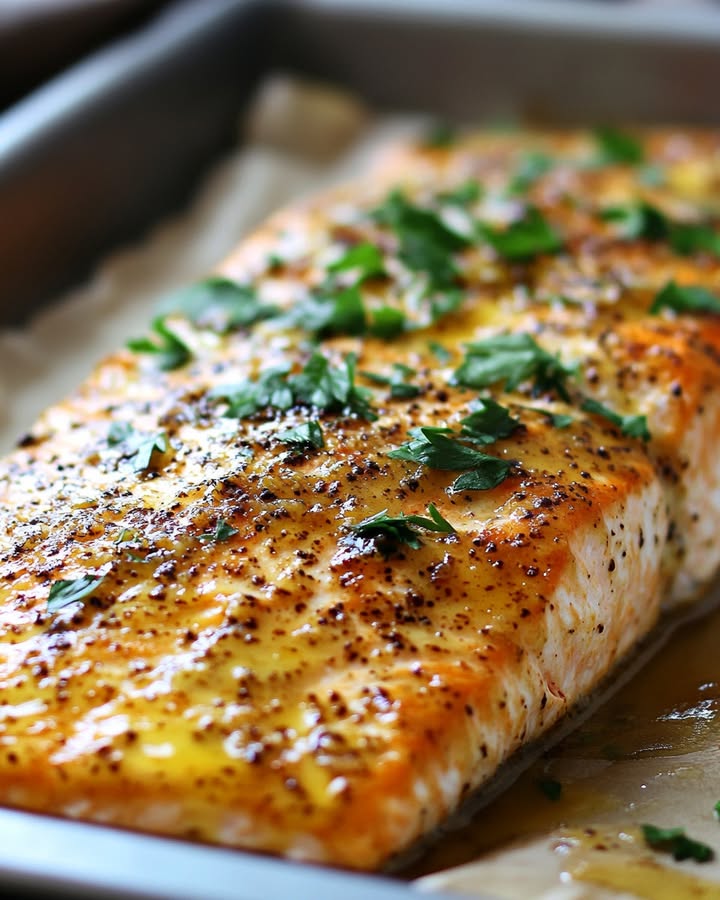
Get Ready to Savor the Flavor of Honey Mustard Salmon
There’s something magical about a dish that combines sweet, tangy, and savory flavors all in one bite. Honey Mustard Salmon is one of those recipes that always hits the spot. I first tried it at a friend’s dinner party, and I was hooked. Since then, it’s become a staple in my kitchen, especially when I want to impress without spending hours in the kitchen.
A Brief History of Honey Mustard Salmon
Honey Mustard Salmon is a delightful fusion of traditional and modern culinary techniques. The honey mustard sauce has roots in both European and American cuisine, where it’s been used to glaze meats and vegetables for decades. The idea of using it on salmon is a more recent innovation, but it’s quickly become a favorite. Every time I make this, I feel like I’m connecting with a long line of home cooks who’ve enjoyed similar dishes over the years.
Why You’ll Love This Honey Mustard Salmon Recipe
This recipe is a crowd-pleaser for several reasons. First, it’s incredibly flavorful, with a perfect balance of sweetness from the honey and tanginess from the Dijon mustard. Second, it’s incredibly easy to prepare, making it a great option for busy weeknights or when you’re in a pinch. Lastly, it’s versatile—you can serve it with a variety of sides, from roasted vegetables to a simple salad.
The Best Occasions to Prepare Honey Mustard Salmon
Honey Mustard Salmon is perfect for any occasion, whether it’s a casual family dinner, a special date night, or even a small gathering with friends. I love to serve it when I have guests because it looks and tastes impressive, yet it’s so simple to make. It’s also a great option for potlucks or when you need to bring a dish to a friend’s house.
Ingredients for Honey Mustard Salmon
- 4 salmon fillets (6 oz each)
- 1/4 cup Dijon mustard
- 1/4 cup honey
- 2 tablespoons soy sauce
- 2 tablespoons olive oil
- 2 cloves garlic, minced
- 1 teaspoon dried thyme
- 1/2 teaspoon dried rosemary
- 1/2 teaspoon paprika
- 1/4 teaspoon salt
- 1/4 teaspoon black pepper
- Fresh lemon wedges, for serving (optional)
Substitution Options
If you need to switch up some ingredients, here are a few options:
- Dijon mustard: You can use whole grain or spicy mustard if you prefer a different texture or heat level.
- Honey: Maple syrup or agave nectar can be used as a substitute if you don’t have honey.
- Soy sauce: Tamari or coconut aminos can replace soy sauce, especially if you’re avoiding gluten.
Preparation Section
Step 1: Prepare the Marinade
In a small bowl, whisk together Dijon mustard, honey, soy sauce, olive oil, minced garlic, dried thyme, dried rosemary, paprika, salt, and black pepper until well combined. The marinade will be a rich, golden color with a smooth consistency, and you’ll catch a whiff of the garlic and herbs mingling with the sweet and tangy notes. It’s a sensory experience just to mix this up!
Step 2: Marinate the Salmon
Place the salmon fillets in a shallow dish or a resealable plastic bag. Pour the honey mustard marinade over the salmon, ensuring each fillet is well coated. The marinade will cling to the salmon, creating a beautiful, glossy layer. Cover and refrigerate for at least 30 minutes, or up to 2 hours for more flavor. This step is key to infusing the salmon with those delicious flavors.
Step 3: Preheat Oven
Preheat your oven to 375°F (190°C). While the oven is heating up, take a moment to set the table or prep your sides. A simple green salad or a side of roasted asparagus pairs beautifully with this dish.
Step 4: Bake the Salmon
Line a baking sheet with parchment paper or lightly grease it. Place the marinated salmon fillets on the prepared baking sheet. Bake for 15-20 minutes, or until the salmon flakes easily with a fork and reaches an internal temperature of 145°F (63°C). The salmon will turn a beautiful, golden-brown color and the kitchen will fill with the aroma of the sweet and savory marinade. Pro tip: For a slight caramelized finish, you can broil the salmon for the last 2-3 minutes of cooking.
Step 5: Serve
Garnish with fresh lemon wedges if desired. Serve hot with your choice of sides. The salmon will be tender and flaky, with a perfectly balanced glaze that will have everyone asking for seconds. Enjoy!
Chef’s Tip
To enhance the flavor, try adding a bit of grated ginger to the marinade. It adds a subtle kick and complements the other flavors beautifully.
Timing
This recipe is quick and easy. Here’s the breakdown:
– Prep Time: 10 minutes
– Marinating Time: 30-120 minutes
– Cooking Time: 15-20 minutes
– Total Time: 25-30 minutes plus marinating time
Necessary Equipment
- Whisk
- Small bowl
- Shallow dish or resealable plastic bag
- Baking sheet
- Parchment paper or cooking spray
Storage
Leftover Honey Mustard Salmon can be stored in an airtight container in the refrigerator for up to 3 days. When storing, make sure the salmon is completely cool before placing it in the fridge. To reheat, gently warm it in the oven or microwave, being careful not to overcook and dry it out. Add a little extra marinade to keep it moist and flavorful.
Tips and Advice
- Make sure the salmon is at room temperature before baking to ensure even cooking.
- Use a meat thermometer to check the internal temperature of the salmon. Overcooked salmon can be dry and tough.
- Add a squeeze of fresh lemon juice right before serving to brighten the flavors.
Presentation Tips
- Garnish with fresh herbs like parsley or dill for a pop of color.
- Drizzle a little extra honey mustard sauce over the salmon before serving.
- Serve on a bed of steamed rice or quinoa for a complete meal.
Healthier Alternative Recipes
Here are six variations of this recipe to keep things interesting:
- Grilled Honey Mustard Salmon: Instead of baking, grill the salmon for a smoky, charred flavor. Brush the salmon with the marinade while grilling for added flavor.
- Honey Mustard Salmon with Roasted Vegetables: Toss your favorite veggies with olive oil, salt, and pepper, and roast them alongside the salmon for a complete, healthy meal.
- Lemon Herb Honey Mustard Salmon: Add a tablespoon of lemon zest and a tablespoon of chopped fresh herbs like parsley and dill to the marinade for a fresh, herbaceous twist.
- Honey Mustard Salmon with Avocado Salsa: Top the baked salmon with a fresh avocado salsa, made with diced avocados, red onion, cilantro, and lime juice.
- Honey Mustard Salmon with Quinoa Salad: Serve the salmon over a bed of quinoa salad, mixed with cherry tomatoes, cucumber, and a light vinaigrette.
- Honey Mustard Glazed Salmon Skewers: Cut the salmon into chunks and thread them onto skewers. Grill or bake, brushing with the marinade, for a fun and portable option.
Common Mistakes to Avoid
Mistake 1: Overcooking the Salmon
One of the most common mistakes is overcooking the salmon. Overcooked salmon becomes dry and loses its delicate, flaky texture. To avoid this, use a meat thermometer to check the internal temperature, which should reach 145°F (63°C). If you don’t have a thermometer, check for doneness by gently pressing the top of the fillet; it should be firm but still give slightly.
Mistake 2: Not Allowing Enough Marinating Time
Marinating the salmon for at least 30 minutes is crucial for infusing it with flavor. If you shortchange this step, the salmon may taste bland. For maximum flavor, marinate for up to 2 hours. This allows the honey mustard goodness to penetrate the fish thoroughly.
Mistake 3: Using Too Much Salt
The marinade already contains soy sauce, which can be salty. Be cautious when adding additional salt. Taste the marinade before adding more salt to ensure the flavors are balanced. If you need to add more salt, do so sparingly and taste again.
Mistake 4: Not Lining the Baking Sheet
Not lining the baking sheet with parchment paper or greasing it can cause the salmon to stick, making it difficult to remove and potentially ruining the presentation. Make sure to line or grease the baking sheet before placing the salmon on it. This will ensure it comes off cleanly and looks perfect.
Mistake 5: Ignoring the Internal Temperature
Ignoring the internal temperature of the salmon can lead to undercooked or overcooked fish. Use a meat thermometer to check the internal temperature, which should be 145°F (63°C). This ensures the salmon is cooked perfectly and safe to eat.
FAQ
Can I use frozen salmon for this recipe?
Yes, you can use frozen salmon, but make sure it’s fully thawed and patted dry before marinating. Thawing the salmon in the refrigerator overnight is the best method to ensure it retains its texture and flavor.
How long should I marinate the salmon?
For the best flavor, marinate the salmon for at least 30 minutes, but up to 2 hours is ideal. The longer it marinates, the more flavorful it will be. Just be sure not to marinate it for too long, as the acid in the marinade can start to break down the flesh.
Can I use a different type of mustard?
While Dijon mustard is the traditional choice, you can experiment with other types of mustard such as whole grain or spicy mustard. Each type will add a unique flavor profile, so feel free to try different varieties to find your favorite.
What sides go well with Honey Mustard Salmon?
Honey Mustard Salmon pairs well with a variety of sides. Roasted vegetables, such as asparagus or broccoli, a simple green salad, or a side of quinoa or rice are all great options. The mild, earthy flavors of the sides complement the rich, tangy flavors of the salmon.
Is this recipe suitable for a gluten-free diet?
Yes, this recipe can be made gluten-free by using gluten-free soy sauce or tamari instead of regular soy sauce. Just make sure to check the labels of all your ingredients to ensure they are gluten-free.
Can I prepare this recipe ahead of time?
You can marinate the salmon ahead of time and store it in the refrigerator. However, it’s best to cook the salmon just before serving. If you need to prepare the whole dish ahead of time, bake the salmon and let it cool to room temperature before refrigerating. Reheat gently in the oven before serving.
What is the nutritional value of Honey Mustard Salmon?
Honey Mustard Salmon is rich in omega-3 fatty acids, protein, and various vitamins and minerals. The nutritional benefits, including heart-healthy fats and essential nutrients, make it a great choice for a balanced diet. For more detailed information, you can visit Healthline.
Can I use a different type of fish?
While salmon is the star of this recipe, you can use other firm, white fish like cod, halibut, or tilapia. Just be aware that the cooking time may vary depending on the type and thickness of the fish. Adjust the baking time accordingly to ensure the fish is cooked through.
How do I know when the salmon is done?
The salmon is done when it flakes easily with a fork and reaches an internal temperature of 145°F (63°C). The flesh should be opaque and slightly firm to the touch. If you’re unsure, using a meat thermometer is the best way to ensure the salmon is perfectly cooked.
Can I make this recipe without honey?
Yes, you can substitute honey with maple syrup or agave nectar. These alternatives will provide a similar sweetness and help create the glaze. Adjust the amount to taste, as the sweetness levels can vary.
Enjoy experimenting with these variations and tips to make your Honey Mustard Salmon a hit every time. Whether you’re looking for a quick and easy weeknight meal or a show-stopping dish for a special occasion, this recipe is a winner. And if you’re in the mood for more delicious main dishes, check out our collection of main dish recipes.
Honey Mustard Salmon
Ingredients
Equipment
Method
- In a small bowl, whisk together Dijon mustard, honey, soy sauce, olive oil, minced garlic, dried thyme, dried rosemary, paprika, salt, and black pepper until well combined.
- Place the salmon fillets in a shallow dish or resealable plastic bag and pour the honey mustard marinade over the salmon, ensuring each fillet is well coated. Cover and refrigerate for at least 30 minutes, or up to 2 hours.
- Preheat your oven to 375°F (190°C).
- Line a baking sheet with parchment paper or lightly grease it. Place the marinated salmon fillets on the prepared baking sheet and bake for 15-20 minutes, or until the salmon flakes easily with a fork and reaches an internal temperature of 145°F (63°C).
- Garnish with fresh lemon wedges if desired and serve hot with your choice of sides.