
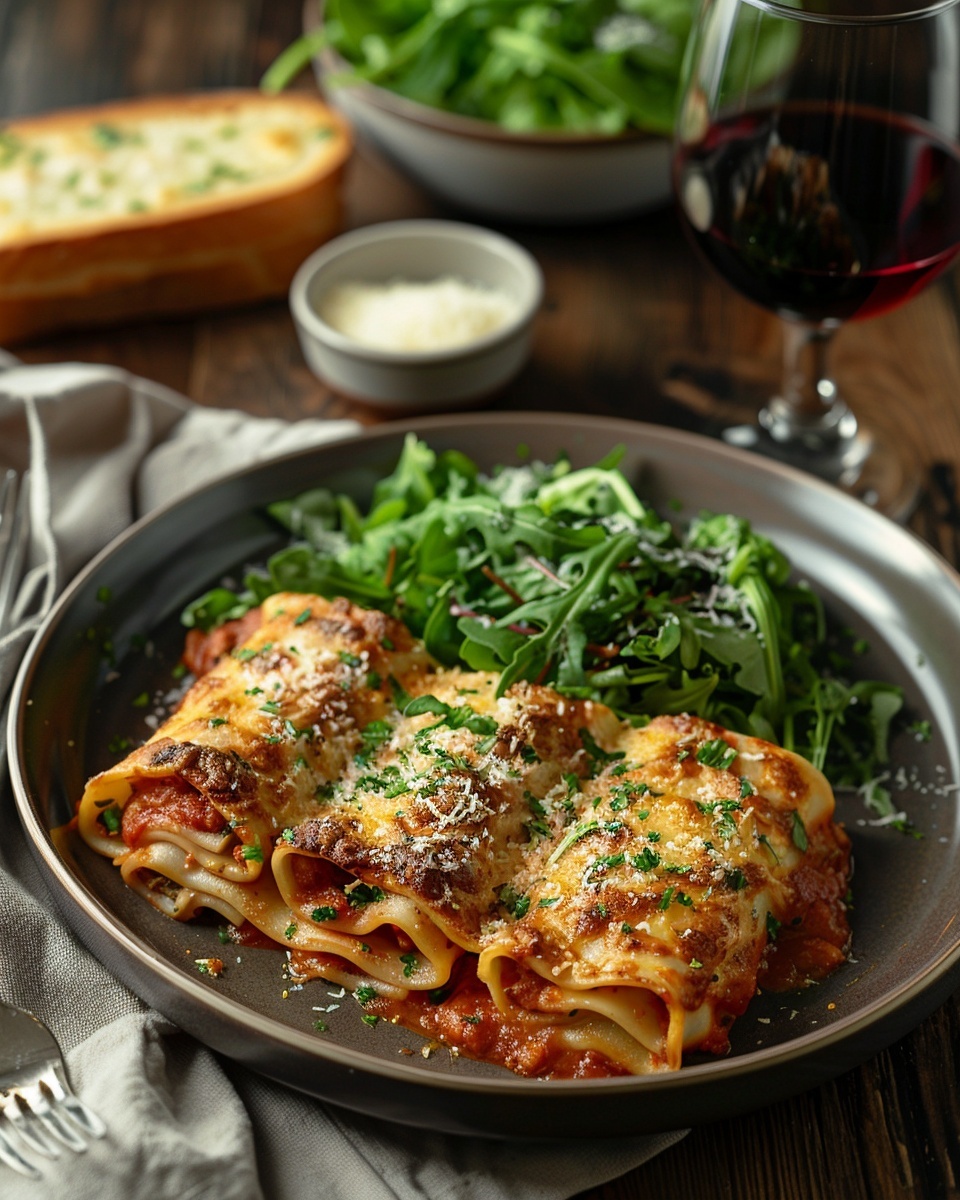
Welcome to My Kitchen: The Magic of Lasagna Rolls
Last Tuesday, I watched my eight-year-old nephew try to serve himself a piece of traditional lasagna at dinner. The whole thing slid apart on his plate, creating a messy pile of noodles and cheese. He looked up at me with sauce all over his fingers and said, “Why can’t food just stay together?” That moment stuck with me because I realized he had a point. What if lasagna could be easier to serve, prettier to look at, and just as delicious?
Welcome to my kitchen, where we’re diving into the wonderful world of lasagna rolls! These little bundles of joy are exactly what my nephew needed that night. They’re a fun and tasty twist on the traditional lasagna we all know and love. Instead of layering everything in a big pan and hoping for the best when you cut into it, you roll each portion individually. The result? Perfect servings every single time.
I’ve been making lasagna rolls for about five years now, and they’ve completely changed how I think about this classic Italian dish. In this article, I’ll cover everything from classic recipes to innovative variations that’ll make your taste buds dance. Whether you’re curious about lasagna rolls with spinach, want to try fried lasagna rolls, or need guidance on how to roll lasagna rolls without them falling apart, I’ve got you covered.
What Are Lasagna Rolls?
Let me break this down in the simplest way possible. Lasagna rolls are basically traditional lasagna turned into individual servings. Instead of building layers in a casserole dish, you spread your filling onto cooked lasagna noodles, roll them up like a little burrito, and place them seam-side down in a baking dish. Then you top them with sauce and cheese before baking.
The main difference between lasagna rolls and regular lasagna comes down to structure and presentation. Traditional lasagna stacks flat layers of noodles, sauce, cheese, and filling on top of each other. When you cut into it, you’re hoping each piece holds together. With rolls, each person gets their own neat spiral of pasta filled with all the good stuff. No messy cuts, no layers sliding apart, and no fighting over who gets the corner piece.
I discovered these gems when I was hosting a dinner party and wanted something that looked impressive but wasn’t too complicated. Lasagna rolls delivered on both counts. They sat beautifully on the plate, and my guests loved having their own individual portions. Since then, they’ve become my go-to for both everyday meals and special occasions.
Here’s why lasagna rolls work so well for any situation:
- They’re easy to portion control – perfect if you’re watching your intake or feeding kids
- They look fancy enough for company but simple enough for a Tuesday night
- You can make them ahead and freeze them individually
- They heat up beautifully without getting soggy
- Everyone gets an equal amount of filling in every bite
The versatility of lasagna rolls really shines when you start playing with different fillings and sauces. I’ve made spinach lasagna rolls with white sauce that taste like a creamy dream. My husband loves easy lasagna roll ups with meat for Sunday dinners. During the holidays, I’ll make chicken lasagna rolls with a garlic cream sauce that disappears in minutes. You can check out lasagna rolls Pioneer Woman style for hearty, classic versions, or go lighter with Skinnytaste lasagna rolls that cut calories without sacrificing flavor.
Some of my favorite filling combinations include:
- Classic ricotta, mozzarella, and meat sauce
- Spinach and three-cheese with marinara
- Buffalo chicken with ranch drizzle
- Roasted vegetables with pesto
- Sausage and mushroom with alfredo sauce
The sauce options are just as exciting. Red marinara is traditional and always delicious. White sauce (alfredo or bechamel) creates a rich, creamy dish. You can even use pesto for something different. I once tried making fried lasagna rolls at a family gathering, and they were gone before I could grab seconds. Crispy on the outside, gooey on the inside – they were like mozzarella sticks on steroids.
How to Roll Lasagna Rolls
Let me tell you about the first time I tried making these. I cooked the noodles perfectly, mixed up a gorgeous ricotta filling, and then promptly watched three noodles tear apart as I tried to roll them. I nearly gave up and just threw everything into a regular lasagna pan. But I’m stubborn, so I figured out what I was doing wrong. Now I can share those lessons with you.
Step 1: Choose the Right Noodles
This is critical. You need regular lasagna noodles, not the no-boil kind. The no-boil noodles are meant to absorb moisture from the sauce while baking, which means they stay stiff and will crack when you try to roll them. Regular lasagna noodles become pliable when cooked, making them perfect for rolling.
Step 2: Cook the Noodles Properly
Boil your lasagna noodles in heavily salted water according to package directions. Here’s the trick: you want them al dente, maybe even slightly firmer than you’d normally cook pasta. They’ll soften more in the oven, so starting with noodles that have a little bite helps prevent mushiness later. Add a tablespoon of olive oil to the cooking water to keep them from sticking together.
Step 3: Cool and Prepare the Noodles
Drain the noodles and immediately lay them flat on a clean kitchen towel or a baking sheet lightly greased with olive oil. Don’t stack them or they’ll stick together. Let them cool for about five minutes until they’re comfortable to handle. Pat them dry with paper towels if they’re too wet. Excess water will make your filling slide around.
Step 4: Set Up Your Rolling Station
Before you start rolling, get organized. Have your filling ready in a bowl with a spoon. Spread a thin layer of sauce in your baking dish – this prevents the rolls from sticking to the bottom. Keep a damp towel nearby to wipe your hands between rolls.
Step 5: Fill and Roll
Lay one noodle on your work surface. Spread about three to four tablespoons of filling evenly over the noodle, leaving about half an inch clear at one end. Don’t overfill – this is a mistake I made early on. Too much filling squishes out the sides when you roll, creating a mess. Start at the filled end and gently roll the noodle up like a sleeping bag. The motion should be firm but gentle.
Step 6: Place in the Baking Dish
Place each roll seam-side down in your prepared baking dish. This keeps them from unrolling during baking. Pack them snugly together but not so tight that they stick to each other.
Tips for Perfect Rolls Every Time:
- If a noodle tears, don’t panic – overlap the torn edges slightly when rolling and it’ll hold together fine
- Cold filling can make noodles brittle, so use room temperature filling
- Work with one noodle at a time and keep the others covered with a damp towel
- Use a light touch – you’re guiding the noodle, not wrestling it
- If you’re making Skinnytaste lasagna rolls or any lighter version, the lower-fat cheese can be slippery, so drain any excess liquid from your filling before using it
The importance of using the right type of lasagna noodles can’t be overstated. I learned this the hard way when I tried to use fresh pasta sheets. They were too delicate and fell apart. Whole wheat noodles can work but tend to be more fragile, so handle them extra carefully. Standard white lasagna noodles are your best bet, especially when you’re learning how to roll lasagna rolls for the first time.
Once you’ve mastered the basic rolling technique, you’ll find it becomes second nature. I can now roll a dozen lasagna rolls in about ten minutes while chatting with my kids about their day. It’s actually quite relaxing once you get the hang of it.


Popular Variations of Lasagna Rolls
Now that you’ve got the rolling technique down, let’s talk about the really fun part – what goes inside those rolls. This is where you can let your creativity run wild and adapt these to whatever your family loves or whatever’s sitting in your fridge on a Wednesday night.
Spinach Lasagna Rolls
I’ll be honest with you – I used to hide vegetables in my kids’ food like I was running some kind of covert operation. Then I discovered spinach lasagna rolls, and suddenly spinach became the star of the show instead of something I had to sneak past the picky eaters. There’s something about the way spinach blends with creamy ricotta that just works.
For the filling, you’ll want to start with fresh spinach if you can find it, though frozen works perfectly fine too. I usually grab a ten-ounce package of frozen chopped spinach because it’s already prepped and honestly tastes just as good. The key is squeezing out every last drop of water from that spinach. I’m talking really wringing it out like you’re mad at it. Excess water will make your filling soupy and your rolls will be a disaster.
Mix your well-drained spinach with about fifteen ounces of ricotta cheese, one beaten egg, a cup of shredded mozzarella, half a cup of grated Parmesan, and season it with garlic powder, salt, pepper, and a pinch of nutmeg. That nutmeg might seem weird, but trust me on this – it brings out something magical in the spinach and cheese combination. My Italian grandmother taught me that trick years ago.
Here’s where it gets interesting. While you can absolutely use traditional marinara sauce with spinach rolls, spinach lasagna rolls with white sauce take this dish to another level entirely. The creamy white sauce complements the earthiness of the spinach in a way that red sauce just can’t match. For a simple white sauce, melt four tablespoons of butter in a saucepan, whisk in four tablespoons of flour until it smells slightly nutty, then slowly add three cups of warm milk while whisking constantly. Season with salt, pepper, and a bit of garlic powder. The sauce should coat the back of a spoon when it’s ready.
The health benefits of adding spinach are actually pretty impressive. You’re getting loads of iron, vitamin K, vitamin A, and folate. My doctor was thrilled when I told her I’d been making these weekly. One cup of spinach has almost all your daily vitamin K needs, and it’s great for bone health. Plus, spinach is one of those vegetables that actually becomes more nutritious when cooked because the heat breaks down the oxalic acid and makes the iron and calcium more available to your body. Funny enough, that means frozen spinach that’s been blanched might actually be better for you than raw.
When I serve these, I like to pair them with something simple like garlic butter noodles on the side for anyone who wants extra carbs, or just a crisp green salad dressed with lemon vinaigrette to cut through the richness.
Chicken Lasagna Rolls
Chicken lasagna rolls were a happy accident in my kitchen. I had leftover rotisserie chicken one night and was planning to make regular lasagna rolls with beef, but my grocery bag had ripped in the parking lot and my ground beef had gone rolling under someone’s car. Rather than drive back to the store, I shredded that chicken and hoped for the best. It turned out to be one of my family’s favorite versions.
The flavor profile of chicken is obviously lighter than beef or sausage, which means you can get creative with your seasonings without overwhelming the dish. I like to season my shredded chicken with Italian herbs, but sometimes I’ll go a totally different direction. Buffalo chicken lasagna rolls with a drizzle of ranch? Absolutely incredible. Chicken mixed with sun-dried tomatoes and basil? Yes, please. The mild flavor of chicken is like a blank canvas.
For a basic easy lasagna roll ups with chicken recipe, you’ll need about three cups of cooked, shredded chicken. Mix it with ricotta cheese (about fifteen ounces), an egg, some shredded mozzarella, minced garlic, and whatever herbs you’re feeling that day. I usually go with basil and oregano. Sometimes I’ll throw in some chopped fresh spinach too because why not sneak in more vegetables?
The sauce options for chicken rolls are endless. Traditional marinara works great, but this is where a creamy alfredo sauce really shines. You could even use a lighter option if you’re watching calories. By the way, if you’re looking for inspiration on creamy pasta dishes, checking out something like chicken alfredo pasta can give you ideas for flavor combinations that translate beautifully to lasagna rolls.
When it comes to pairing options and side dishes, I find that chicken rolls pair beautifully with roasted vegetables – asparagus, Brussels sprouts, or roasted cherry tomatoes all work wonderfully. A simple arugula salad with lemon dressing cuts through the richness nicely. Sometimes I’ll make pesto pasta as a side because the bright, herby flavor complements the creaminess of the rolls without competing with them.
One thing I’ve learned is that chicken dries out easily, so don’t overbake these. Once the cheese is melted and bubbly and the rolls are heated through (usually about twenty-five to thirty minutes), you’re done. I also recommend using dark meat chicken or a mix of dark and white meat because it stays moister than breast meat alone.
Skinnytaste Lasagna Rolls
Let me tell you about January 2019. I’d made my usual New Year’s resolution to eat healthier, and by January 3rd, I was already staring longingly at my lasagna pan. That’s when I discovered Skinnytaste lasagna rolls, and suddenly healthy eating didn’t feel like punishment anymore.
The concept of healthier lasagna rolls is simple – you swap out higher-fat ingredients for lighter versions without sacrificing flavor. Instead of full-fat ricotta, you use part-skim. Replace regular mozzarella with part-skim mozzarella. Use lean ground turkey or chicken instead of beef. Load up on vegetables to bulk up the filling without adding many calories. The result is a dish that satisfies your comfort food craving while keeping things reasonable on the nutrition front.
Here’s a reliable recipe for skinnytaste lasagna rolls that I make at least twice a month. Brown one pound of lean ground turkey (I use ninety-three percent lean) with diced onions, garlic, and Italian seasoning. Let it cool slightly, then mix with fifteen ounces of part-skim ricotta, one egg, a cup of part-skim mozzarella, and a generous handful of fresh spinach that you’ve chopped up. Season well with salt, pepper, and red pepper flakes if you like some heat.
Use a good quality marinara sauce – homemade if you have time, but a jar of sauce with no added sugar works great too. I look for sauces with simple ingredients and around sixty to seventy calories per half cup. Spread a thin layer in your baking dish, arrange your rolls, top with more sauce, and sprinkle with just a bit more cheese. Bake at three hundred seventy-five degrees for about thirty minutes.
The nutritional value of this lighter version is actually impressive. Each roll comes in around two hundred to two hundred fifty calories depending on how generous you are with the cheese. You’re getting a good amount of protein from the turkey and cheese – usually around twenty grams per serving. The spinach adds fiber, vitamins, and minerals. It fits beautifully into a balanced diet because you’re getting protein, vegetables, and whole grain carbs if you use whole wheat noodles.
What I love about this approach is that you don’t feel deprived. The rolls are still creamy, cheesy, and satisfying. My husband, who’s definitely not a “diet food” kind of guy, requests these versions now. He actually prefers the lighter turkey filling to heavy beef because it doesn’t leave him feeling sluggish afterward.
Here’s the thing about making healthier lasagna rolls – you can gradually lighten them up. Start by just using lean meat. Then next time, swap the ricotta for part-skim. Eventually, you can add more vegetables to the filling. Small changes add up without shocking your taste buds. I also find that using flavorful additions like roasted garlic, fresh herbs, or a splash of white wine in your meat sauce makes up for any richness you’ve removed by cutting fat.
Sometimes I’ll throw in other proteins too. Shrimp pasta has inspired me to make shrimp and spinach lasagna rolls with a light lemon cream sauce, which sounds fancy but takes less than an hour from start to finish. The possibilities really are endless once you start thinking about lasagna rolls as a vehicle for whatever flavors you love.


Special Occasion Lasagna Rolls
There are certain dishes that deserve to be celebrated, you know? Not everything needs to be quick and practical. Sometimes you want to pull out all the stops and make something that’ll have people talking about your cooking for weeks. That’s where these special occasion versions come in.
Pioneer Woman Lasagna Rolls
I have a confession to make. I’ve been watching The Pioneer Woman on Food Network since my first apartment, back when my biggest cooking achievement was not burning boxed mac and cheese. There’s something about Ree Drummond’s approach to cooking that just feels like home – comforting, generous, and never pretentious. So when I stumbled across her take on lasagna rolls Pioneer Woman style, I knew I had to try them.
What struck me about her version was how she manages to make something impressive without overthinking it. She doesn’t fuss with fancy ingredients you can’t pronounce. Instead, she focuses on making classic flavors shine through proper technique and good quality basics. Her recipe leans heavily into that hearty, satisfying quality that makes you want seconds even when you’re completely full.
Here’s what sets the Pioneer Woman’s version apart – she uses a combination of ground beef and Italian sausage in her filling. That sausage adds a depth of flavor that straight ground beef just can’t match. The fennel and herbs in Italian sausage bring something special to every bite. I remember making these for my mom’s birthday last year, and my uncle, who’s notoriously picky about Italian food, went back for thirds. He still asks me when I’m making “those fancy roll things” again.
For the lasagna rolls Pioneer Woman recipe, start by browning one pound of ground beef and half a pound of Italian sausage (I remove the casings first) with diced onions and plenty of minced garlic. Season with salt, pepper, dried basil, and oregano. Once it’s cooked through and smelling amazing, drain any excess fat and let it cool for about ten minutes. This cooling step is important – if you mix hot meat with your cheese, the ricotta can get runny and weird.
In a large bowl, combine two cups of ricotta cheese, two beaten eggs, one and a half cups of shredded mozzarella, three-quarters cup of grated Parmesan, and a handful of chopped fresh parsley. Once your meat has cooled down, fold it into this cheese mixture. The combination of three different cheeses gives you layers of flavor – the creaminess of ricotta, the melt of mozzarella, and the sharp bite of Parmesan.
Now here’s one of her special tricks that I absolutely swear by. Before you add your final sauce layer, she recommends mixing your marinara with just a bit of heavy cream. Maybe a quarter cup of cream to three cups of sauce. This creates what she calls a “pink sauce,” and it’s the perfect bridge between red and white sauce. It adds richness without being too heavy, and the slight creaminess complements the meat and cheese beautifully. I was skeptical the first time, thinking it seemed unnecessary, but after tasting it, I’ll never go back.
Assemble your rolls as usual – spread the filling on each cooked noodle, roll them up, place them seam-side down in a baking dish. Pour that creamy pink sauce over everything, making sure each roll is covered. Top with extra mozzarella and Parmesan, because more cheese is never wrong. Cover with foil and bake at three hundred fifty degrees for thirty-five minutes, then remove the foil and bake for another ten minutes until the cheese on top is golden and bubbly.
The other thing I love about this approach is how well it scales up. Making these for a crowd? Double the recipe and use a big roasting pan. They stay hot for a while, they travel well to potlucks, and they look gorgeous on a serving platter. I’ve brought these to church suppers, family reunions, and neighborhood gatherings, and the pan always comes home empty.
Fried Lasagna Rolls
Okay, let’s talk about something completely indulgent and maybe a little bit crazy. Fried lasagna rolls are not something you make for a regular Tuesday dinner. These are for game day, for birthdays, for when you want to absolutely blow people’s minds. The first time I made these was for my husband’s thirty-fifth birthday party, and I’m pretty sure they were more popular than the actual birthday cake.
The concept is simple but brilliant – you take everything you love about lasagna rolls, coat them in breadcrumbs, and fry them until they’re golden and crispy on the outside while staying melty and gooey on the inside. They’re basically giant mozzarella sticks, but with way more personality. The crispy exterior gives way to that tender pasta, rich cheese, and whatever filling you’ve chosen. Every bite is a textural adventure.
Here’s how you make fried lasagna rolls that’ll disappear faster than you can make them. Start by making your lasagna rolls as normal – I prefer a simple filling for fried versions because you want the focus on that crispy coating. Mix ricotta, mozzarella, Parmesan, an egg, and some Italian seasoning. You can add cooked ground beef or sausage if you want, but honestly, the cheese-only version is incredible. Roll them up and here’s the key – you need to refrigerate them for at least an hour, preferably two. This firms everything up and makes them much easier to handle during the breading and frying process.
While your rolls are chilling, set up your breading station. You’ll need three shallow dishes. In the first, put about a cup of all-purpose flour seasoned with salt, pepper, and garlic powder. In the second, beat three or four eggs with a splash of milk. In the third, combine two cups of Italian-style breadcrumbs with half a cup of grated Parmesan cheese. Some people like to use panko breadcrumbs for extra crunch, and that works great too. I’ve done it both ways and they’re both delicious, just slightly different textures.
When your rolls are nice and cold, take them out and work with one at a time. Roll it in the flour, shaking off any excess. Then dip it in the egg mixture, making sure it’s completely coated. Finally, press it into the breadcrumb mixture, turning it to coat all sides. The key word here is “press” – you really want those breadcrumbs to stick. Place the breaded roll on a baking sheet and repeat with the remaining rolls. Once they’re all breaded, pop them back in the fridge for another thirty minutes. This double-chilling step helps the coating stay on during frying.
For frying, you’ve got options. The traditional method is deep frying in a heavy pot or Dutch oven with about three inches of vegetable oil heated to three hundred fifty degrees. A thermometer is really helpful here – too hot and the outside burns before the inside heats through, too cool and they’ll be greasy. Carefully lower each roll into the hot oil using tongs or a slotted spoon. Don’t overcrowd the pot – I usually do two or three at a time. Fry for about three to four minutes, turning occasionally, until they’re deep golden brown all over. Remove them to a paper towel-lined plate.
If deep frying seems intimidating or you just don’t want to deal with all that oil, you can absolutely pan-fry these. Heat about half an inch of oil in a large skillet over medium heat and fry the rolls, turning them every couple minutes to brown all sides. It takes a bit longer, maybe six to eight minutes total, but the results are nearly as good. You could even try air frying them, though I’ll admit I haven’t perfected that method yet. The few times I’ve tried, they came out good but not quite as satisfyingly crispy.
Now, the dipping sauces are where you can really have fun. Warm marinara is the classic choice and it’s always a winner. I like to simmer mine with a little extra garlic and fresh basil right before serving. Alfredo sauce is incredible with these – that creamy, garlicky richness against the crispy coating is just heaven. Ranch dressing works surprisingly well, especially if you’ve added some Italian sausage to your filling. I’ve also done a balsamic reduction drizzled over the top, which sounds fancy but is just balsamic vinegar simmered until it’s syrupy and sweet.
For serving ideas, I like to arrange them on a big platter with small bowls of different sauces scattered around. Garnish with fresh basil leaves and a sprinkle of Parmesan. They’re finger food, so provide lots of napkins. These are best served immediately while they’re still hot and crispy, though I’ll confess that even when they’ve sat for twenty minutes and cooled down a bit, people still devour them.
The protein content in fried lasagna rolls is actually pretty substantial, thanks to all that cheese and any meat you’ve added to the filling. Each roll can have fifteen to twenty grams of protein depending on your filling choices, which is more than you might expect from something that tastes like pure indulgence.
One warning – these are rich. Like, really rich. I usually plan on two rolls per person as an appetizer, or three if they’re the main event. Serve them with a crisp salad or some roasted vegetables to balance things out. Last time I made them, I paired them with a simple arugula salad dressed with lemon juice and olive oil, and the peppery brightness of the greens was the perfect counterpoint to the fried richness.
By the way, if you’re looking for more creative ways to play with pasta, exploring other pasta and noodles recipes might spark some ideas for unique filling combinations or sauce pairings you haven’t thought of yet.
The beautiful thing about lasagna rolls in all their forms is that they adapt to whatever occasion you’re celebrating. Whether you’re making the hearty, crowd-pleasing Pioneer Woman version for a family gathering or going completely over the top with crispy fried rolls for a party, you’re working with a canvas that welcomes creativity and personal touches. I’ve found that once you master the basic technique, you’ll start seeing possibilities everywhere – leftover taco meat becomes Mexican-style lasagna rolls, leftover Thanksgiving turkey becomes cranberry and turkey rolls with sage cream sauce. The rolling technique stays the same, but the flavors can go anywhere your imagination takes you.
So here’s my encouragement to you: start with one of the recipes I’ve shared here, master it, and then start experimenting. Try different cheeses, different proteins, different sauces. Make them your own. These lasagna rolls have brought so much joy to my table over the years, not just because they taste incredible, but because they’ve given me a framework for creativity in the kitchen. I hope they do the same for you.
FAQs
How do you keep lasagna rolls from falling apart?
The secret is all in the preparation of your noodles and not overfilling them. Cook your lasagna noodles until they’re al dente, then lay them flat on a greased surface to cool. Don’t stack them or they’ll stick together. When you’re filling them, use about three to four tablespoons of filling per noodle and leave half an inch at one end clear. Roll them gently but firmly, and always place them seam-side down in your baking dish. If a noodle tears, overlap the torn parts slightly when rolling and it’ll hold together just fine once it bakes.
What is the best type of cheese to use for lasagna rolls?
The classic combination that never fails is ricotta, mozzarella, and Parmesan. Ricotta provides creaminess and acts as a binder when mixed with egg. Mozzarella gives you that gorgeous melt and stretch factor. Parmesan adds a sharp, salty depth that rounds everything out. I typically use whole milk ricotta for the best texture, part-skim mozzarella to keep things from getting too greasy, and freshly grated Parmesan rather than the pre-grated stuff. You can absolutely experiment with other cheeses like fontina, provolone, or even goat cheese, but that three-cheese base is your best starting point.
Can lasagna rolls be made ahead of time?
Absolutely, and this is one of my favorite things about them. You can assemble the rolls completely, place them in your baking dish with sauce, cover tightly with plastic wrap and then foil, and refrigerate for up to twenty-four hours before baking. Just add about ten extra minutes to your baking time since they’re going in cold. You can also freeze them for up to three months. Freeze them in a disposable aluminum pan, well wrapped, and you can bake them straight from frozen – just cover with foil and add about twenty to thirty minutes to the baking time. Let them thaw in the fridge overnight if you prefer, then bake as usual.
How long do lasagna rolls need to bake?
In a preheated oven at three hundred seventy-five degrees, covered lasagna rolls typically need twenty-five to thirty minutes, then another five to ten minutes uncovered to brown the cheese on top. The total time is usually thirty-five to forty minutes. You’ll know they’re done when the sauce is bubbling around the edges, the cheese on top is melted and starting to brown, and a knife inserted into the center of a roll comes out hot. If you’re baking them straight from the refrigerator, add an extra ten minutes. The exact time can vary depending on your oven and how tightly you’ve packed your rolls, so keep an eye on them.
Are lasagna rolls suitable for vegetarians?
Yes, lasagna rolls are incredibly vegetarian-friendly. Simply skip any meat in the filling and load up on vegetables instead. Spinach and ricotta is a classic combination that’s completely vegetarian. You can also use sautéed mushrooms, roasted vegetables like zucchini and bell peppers, or even butternut squash puree mixed with sage and ricotta. Just make sure your marinara sauce doesn’t contain meat and check that your Parmesan is made without animal rennet if you’re strictly vegetarian. These vegetable-based versions are every bit as satisfying as meat versions.
Can you use no-boil lasagna noodles for lasagna rolls?
I really don’t recommend it. No-boil noodles are designed to absorb moisture from sauce while baking, which means they stay rigid until they’re in the oven. When you try to roll them, they’ll crack and break. You need the flexibility that comes from boiled regular lasagna noodles. Those traditional noodles become pliable when cooked, making them perfect for rolling without tearing. It’s one of the few times in cooking where taking the extra step to boil your pasta really makes a difference. Trust me, I learned this lesson the hard way so you don’t have to.
What’s the best way to reheat leftover lasagna rolls?
The oven is definitely your best option for reheating lasagna rolls while maintaining their texture. Preheat your oven to three hundred fifty degrees, place the rolls in a baking dish with a splash of water or extra sauce to keep them from drying out, cover with foil, and heat for about twenty minutes until warmed through. The microwave works in a pinch, but the noodles can get a bit rubbery. If you’re microwaving, use a lower power setting and cover the dish with a damp paper towel. Individual rolls reheat beautifully, which is another reason why these are so great for meal prep.
How many lasagna rolls does one box of noodles make?
A standard box of lasagna noodles contains about sixteen noodles, though this can vary by brand. I always cook the entire box even if my recipe calls for less, because a few noodles inevitably tear or stick together. You’ll realistically get about twelve to fourteen usable rolls from one box. That’s enough to fill a nine-by-thirteen-inch baking dish nicely, feeding about four to six people depending on appetites and what else you’re serving. I find that most adults eat two to three rolls as a main course.
Can you make lasagna rolls without ricotta cheese?
Yes, you can definitely make them without ricotta. Cottage cheese is a common substitute – just drain it well and maybe blend it in a food processor for a smoother texture. You could also use a mixture of cream cheese and mozzarella, though the flavor will be slightly different and richer. Some people make them with just mozzarella and Parmesan, which gives you a stretchier, less creamy filling that’s still delicious. I’ve even used goat cheese mixed with a little cream cheese for a tangy variation. The key is having something creamy enough to bind your filling together and stay moist during baking.
What should I serve with lasagna rolls?
Lasagna rolls are rich and hearty, so I like to serve them with something light and fresh to balance the meal. A simple green salad with a bright vinaigrette is classic and always works. Garlic bread is traditional but adds even more carbs, so I usually do that only when I’m really going all out. Roasted or steamed vegetables like broccoli, asparagus, or green beans are perfect. A Caesar salad is another crowd-pleaser that pairs beautifully with the Italian flavors. Sometimes I’ll just do sliced tomatoes with fresh basil, olive oil, and balsamic vinegar for something super simple that cuts through the richness.