
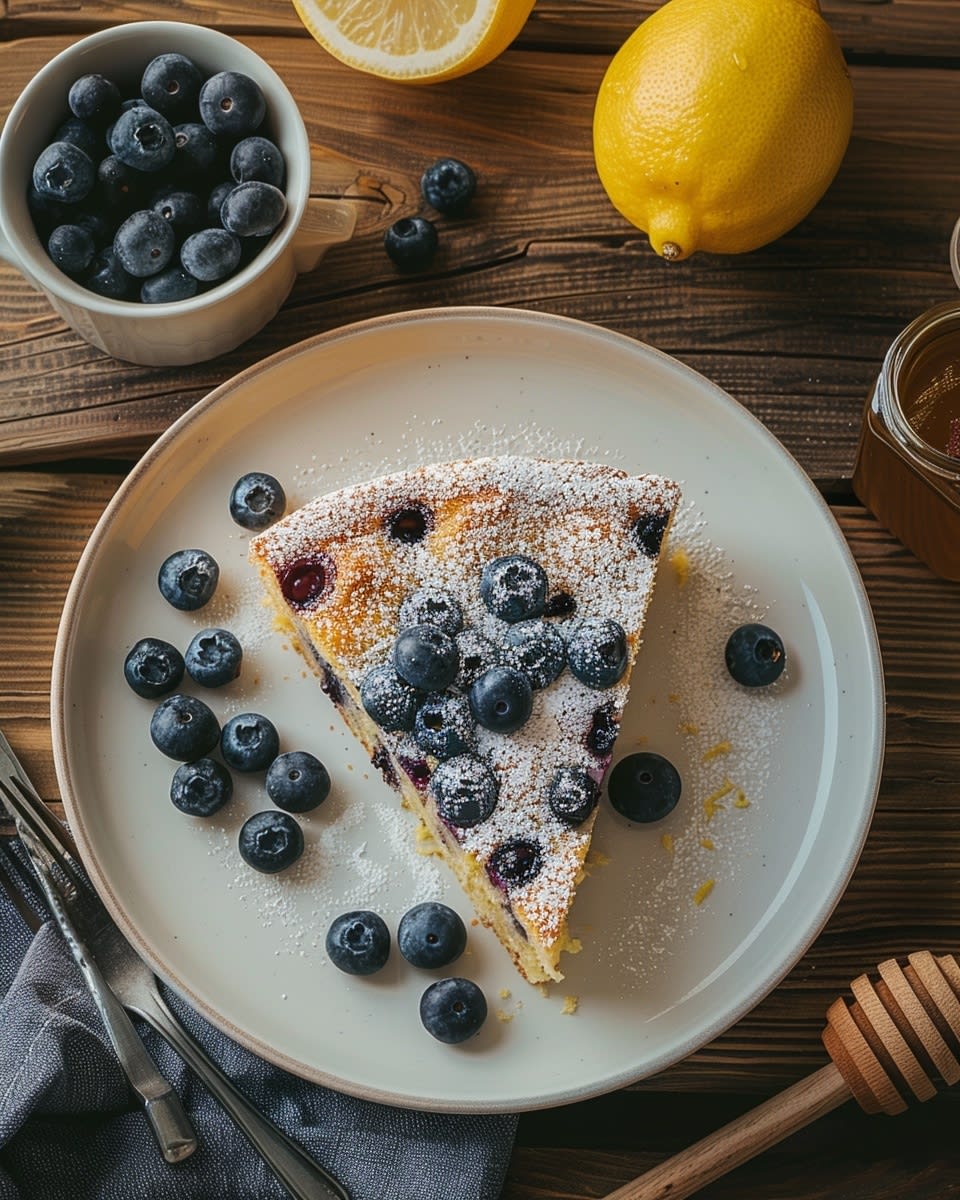
Why You’ll Love This Lemon Blueberry Yogurt Cake
I still remember the first time my neighbor brought over a slice of her famous lemon blueberry cake. One bite, and I was hooked. The tangy lemon mixed with sweet bursts of blueberries created pure magic. When I learned her secret ingredient was yogurt, I knew I had to make my own version.
This lemon blueberry yogurt cake brings together three simple ingredients that work beautifully as a team. Fresh lemon adds a bright, zingy flavor that wakes up your taste buds. Plump blueberries burst with sweetness in every slice. And the yogurt? It creates a tender, moist crumb that melts in your mouth.
You can enjoy this cake any season of the year. Serve it warm with morning coffee or as an afternoon snack with tea. It makes a light dessert after dinner or a treat to share at potlucks. The fresh, bright flavors feel perfect for spring and summer, but I’ve made this lemon yogurt cake on cold winter days too. Those sunny flavors bring warmth when you need it most.
Using yogurt in baking isn’t just about taste. This simple swap adds real health benefits to your cake. Yogurt brings protein and calcium to the mix. It also contains probiotics that support gut health. The natural acidity helps activate baking soda, making your cake rise beautifully. Greek yogurt works especially well if you want extra protein. Regular yogurt creates a lighter texture. Both options give you a healthier treat than cakes made with only butter or oil.
The moisture from yogurt keeps this cake fresh for days. I’ve noticed cakes made with yogurt stay soft much longer than traditional recipes. You won’t deal with dry, crumbly slices by day three. This blueberry yogurt cake actually tastes better the next day after the flavors have time to blend.
What You’ll Need: Ingredients and Equipment
Good baking starts with the right ingredients. For this lemon blueberry yogurt cake, I always use fresh items whenever possible. The difference in taste is worth it.
Here are your ingredients:
- Fresh lemons – You’ll need about 2-3 lemons for both zest and juice
- Fresh or frozen blueberries – 1 to 1.5 cups work perfectly
- Plain yogurt or Greek yogurt – 1 cup for moisture and tang
- All-purpose flour – 2 cups as the base
- Granulated sugar – 1 cup for sweetness
- Eggs – 3 large eggs at room temperature
- Butter or oil – Half cup for richness
- Baking powder and baking soda – For the perfect rise
- Salt – Just a pinch to balance flavors
- Vanilla extract – 1 teaspoon for depth
If you’re looking at a blueberry yogurt bundt cake style, you might want to increase the recipe by half. Bundt pans are bigger and need more batter to fill properly.
Fresh ingredients make a huge difference in the final result. Fresh lemons give you bright, clean citrus notes that bottled juice can’t match. The oils in lemon zest pack incredible flavor. Fresh blueberries burst when you bite into them. Frozen berries work fine though, especially when fresh ones cost too much or aren’t in season. Just don’t thaw them first. Toss frozen berries straight into your batter.
Equipment you’ll need:
- Mixing bowls – At least two, one large and one medium
- Measuring cups and spoons – For accuracy
- Bundt pan or loaf pan – A 9-inch pan works best
- Whisk and rubber spatula – For mixing and folding
- Microplane or zester – To get fine lemon zest
- Electric mixer – Stand mixer or hand mixer both work
- Cooling rack – Essential for proper cooling
I prefer a bundt pan for this recipe. The center tube helps the cake bake evenly. You get that beautiful presentation too. A blueberry lemon pound cake loaf works great if you only have loaf pans. The baking time will change slightly with different pan shapes.
Make sure your pan is well-greased. I use butter and a light dusting of flour. You can also try baking spray with flour already in it. Nothing feels worse than a stuck cake that breaks when you try to remove it.
Creating the Perfect Batter
Making the batter for this lemon blueberry yogurt cake follows a simple pattern. Take your time with each step. Rushing leads to mistakes.
Start with your dry ingredients. Whisk together flour, baking powder, baking soda, and salt in a medium bowl. Set this aside. The whisking breaks up any lumps and spreads the leavening agents evenly. This small step prevents pockets of baking powder in your finished cake.
Now work on your wet ingredients. Cream the butter and sugar together until light and fluffy. This takes about 3-4 minutes with an electric mixer. The mixture should look pale and feel airy. Add eggs one at a time. Beat well after each egg. This builds structure in your cake.
Add the vanilla extract and lemon zest now. The zest smells amazing at this point. Mix in the yogurt next. Your batter might look a bit curdled. Don’t worry. This is normal when you combine yogurt with butter. Everything will come together soon.
Time to combine wet and dry ingredients. Add your flour mixture in three parts. Alternate with lemon juice. Start and end with flour. Mix on low speed or stir by hand. Stop as soon as you don’t see dry flour anymore. This is important. Over-mixing creates tough, dense cake. The yogurt helps keep things tender, but you still need a gentle hand.
Yogurt plays a key role in texture. The acid in yogurt reacts with baking soda to create air bubbles. These bubbles make your cake rise and stay light. The fat and protein in yogurt coat flour proteins. This limits gluten development. Less gluten means a softer, more tender crumb. The blueberry yogurt bundt cake stays moist for days because of this.
Now for the tricky part – adding blueberries. Toss your berries with a tablespoon of flour first. This coating helps them stay suspended in the batter instead of sinking to the bottom. Gently fold the blueberries into your batter using a rubber spatula. Use a motion that cuts down through the center, sweeps across the bottom, and brings batter up the side.
Fold carefully. You want to distribute berries evenly without crushing them. If berries break, they’ll turn your batter purple. The cake will still taste good, but it won’t look as pretty. Do about 8-10 folds total. Some streaks of flour are fine. The batter will finish mixing as you pour it into the pan.
I learned this folding technique from my grandmother. She made the best blueberry bread every summer. She told me to treat berries like they’re made of glass. Gentle hands make all the difference. Her advice works for this lemon blueberry loaf style too.
Pour your batter into the prepared pan. Tap the pan gently on the counter a few times. This releases air bubbles that might create holes in your cake. Smooth the top with your spatula if needed. Your batter is ready for the oven.


Baking Your Lemon Blueberry Yogurt Cake to Perfection
With your batter ready, the real transformation begins in the oven. Preheat your oven to 350°F (175°C). This temperature works perfectly for most lemon blueberry yogurt cake recipes. Some ovens run hot or cold, so knowing your oven matters.
I learned this the hard way years ago. My first blueberry yogurt bundt cake came out burned on the edges and raw in the middle. Turns out my oven temperature was off by 25 degrees. An oven thermometer costs just a few dollars and saves so much frustration. I keep one hanging on my oven rack now.
Place your cake pan on the center rack. This position gives even heat from all sides. The baking time depends on your pan size and shape. A standard 9-inch bundt pan takes about 45-55 minutes. A blueberry lemon pound cake loaf in a 9×5 inch pan needs 55-65 minutes. Smaller loaf pans bake faster, around 40-45 minutes.
Here’s the thing about baking times. They’re guidelines, not rules. Your oven, pan material, and even humidity affect how quickly cakes bake. Dark pans absorb more heat and bake faster. Glass pans hold heat differently than metal ones. I always start checking my cakes about 10 minutes before the recipe says they should be done.
Watch for visual clues while your cake bakes. The edges will pull away slightly from the pan sides. The top should turn golden brown and spring back when you touch it lightly. Your kitchen will smell absolutely amazing. That lemon-blueberry scent tells you good things are happening.
The toothpick test is your best friend. Insert a wooden toothpick or cake tester into the thickest part of the cake. For bundt pans, this means the area farthest from the center tube. The toothpick should come out clean or with just a few moist crumbs. Wet batter means it needs more time. A few crumbs are actually perfect. They show moisture without being underbaked.
Sometimes you’ll hit a blueberry and get purple on your toothpick. That doesn’t mean your cake isn’t done. Try a different spot. I usually test in two or three places to be sure. This lemon yogurt cake should feel firm but not hard when you press gently on top.
If the top browns too quickly before the inside finishes baking, tent foil loosely over the pan. This slows down surface browning while the center continues to cook. I’ve had to do this with several lemon blueberry yogurt cake healthy versions that use whole wheat flour. The darker flour colors the top faster.
By the way, if you’re making a banana blueberry yogurt cake variation, add about 5-10 minutes to your baking time. The moisture from mashed bananas needs extra time to set. The principles stay the same though.
The Cooling Process That Makes or Breaks Your Cake
When your cake tests done, resist every urge to flip it out right away. I know waiting feels impossible when something smells that good. But patience here prevents disaster.
Remove the pan from the oven and set it on a wire cooling rack. Let it sit undisturbed for 15-20 minutes. This cooling period isn’t random. The cake needs time to firm up. Heat makes cake structure fragile. A hot cake breaks apart easily. Those 15 minutes let the proteins and starches set properly.
Steam also needs to escape during this time. As the cake cools, moisture redistributes throughout. This is when the yogurt really does its magic. The cake becomes more tender and moist as it rests. I’ve noticed this same effect when I make treats like simple banana oat cookies too. Cooling time matters for texture.
After 15-20 minutes, run a thin knife or offset spatula around the edges. Get into every curve and crevice of a bundt pan. Slide the knife down to the bottom, keeping it pressed against the pan. This releases any stuck spots. For the center tube, run your knife around that too.
Place your cooling rack on top of the cake pan. Hold both firmly and flip everything over in one confident motion. Lift the pan straight up slowly. Your blueberry yogurt bundt cake should release beautifully. If it sticks in one spot, gently tap the pan bottom. Most times it drops right out.
Here’s a trick I picked up from watching lemon blueberry yogurt cake Ina Garten style recipes. If your cake seems really stuck, place a warm damp towel over the inverted pan for a minute. The gentle steam helps release stubborn spots without damaging your cake.
Let the cake cool completely on the rack. This takes at least an hour, sometimes two for larger cakes. Complete cooling matters for clean slicing. Warm cake crumbles and tears. Cool cake cuts into perfect slices. If you’re planning to glaze your lemon blueberry cake, it absolutely must be cool. Glaze will slide right off warm cake and pool at the bottom.
Funny enough, I learned about proper cooling when I tried making brown butter chocolate chip cookies years ago. Those needed cooling time too. The principle applies across all baking. Temperature changes continue to cook and set your baked goods even after they leave the oven.
Making Your Cake Look as Good as It Tastes
Now comes the fun part. A plain cake tastes wonderful, but a few simple touches make it special enough for any occasion.
A classic powdered sugar dusting works beautifully. Wait until your cake is completely cool. Place a fine mesh sieve over the cake and add a few tablespoons of powdered sugar. Tap the side gently to create an even coating. The white sugar contrasts prettily with the golden cake and purple berry streaks. This takes literally 30 seconds and looks elegant.
For something fancier, make a lemon glaze. Mix two cups of powdered sugar with three to four tablespoons of fresh lemon juice. Stir until smooth. The consistency should be thick but pourable, like honey. Drizzle this over your cooled cake. Let it cascade down the sides naturally. Some parts will have more glaze, some less. That’s what makes it look homemade and appealing.
I like adding lemon zest to my glaze too. Those little yellow flecks tell people exactly what flavor to expect. Sometimes I throw in a tiny pinch of salt. It balances the sweetness and makes the lemon flavor pop even more.
Fresh berries on top add color and freshness. Arrange a handful of blueberries in the center ring of a bundt cake. Add thin lemon slices cut into quarters. Maybe some fresh mint leaves if you have them. These garnishes cost almost nothing but make your lemon blueberry loaf look bakery-worthy.
Whipped cream turns this into a proper dessert. Make fresh whipped cream by beating heavy cream with a tablespoon of sugar until soft peaks form. Add a bit of vanilla extract or lemon zest to the cream. Serve each slice with a generous dollop. The cool cream against the tender cake creates a wonderful contrast. This presentation reminds me of how I serve chocolate strawberry cups with extra whipped cream on the side.
In the UK, blueberry yogurt cake often gets served with clotted cream or crème fraîche instead of regular whipped cream. The tanginess complements the lemon perfectly. Greek yogurt on the side works too. It echoes the yogurt inside the cake and keeps things lighter.
For a fancier presentation similar to what you’d see in a lemon blueberry loaf Martha Stewart feature, try a cream cheese frosting. Beat eight ounces of softened cream cheese with half a cup of butter. Add three cups of powdered sugar and a tablespoon of lemon juice. Spread this over the cooled cake. It’s richer than glaze but still has that tangy element.
Serving This Versatile Cake for Any Occasion
The beauty of this lemon blueberry yogurt cake is how it fits different moments throughout your day. I’ve served it more ways than I can count.
For breakfast or brunch, slice it thick and serve it plain. The yogurt inside makes it feel almost healthy enough for morning. Pair it with hot coffee or tea. The bright flavors wake you up as well as caffeine does. When I have guests for weekend brunch, I set out the whole cake with butter on the side. People love spreading a thin layer of butter on a warmed slice.
As an afternoon snack, this cake really shines. It’s substantial enough to satisfy hunger without being too heavy. I keep slices in my fridge and grab one when I need an energy boost. It pairs wonderfully with afternoon tea, just like no-bake oat bars work for quick snacks.
This cake transitions beautifully to dessert. Serve it with vanilla ice cream or that whipped cream I mentioned. Add some fresh berries on the plate. Suddenly your simple blueberry bread becomes an impressive dinner party finale. The lemon keeps it from feeling too rich after a big meal.
For potlucks and gatherings, this cake travels well. The yogurt keeps it moist even if it sits out for a few hours. Slice it beforehand or let people cut their own pieces. Either way works. I’ve brought this lemon yogurt cake to summer picnics, holiday parties, and church socials. It always disappears fast.
Kids love it too, believe it or not. The blueberries make it fun and colorful. Even picky eaters who claim they don’t like “fancy” desserts will eat this. My nephew, who survives mainly on chicken nuggets, asks for this cake every time he visits.
You can even pack slices in lunchboxes. Wrap them individually in plastic wrap or parchment paper. They hold up well and make lunch feel special. Way better than store-bought snack cakes.
The lemon blueberry yogurt cake healthy angle makes it easier to justify eating cake more often. Yes, it has sugar. But it also has yogurt, eggs, and fruit. The protein and nutrients count for something. I never feel guilty enjoying a slice.
However you choose to serve your cake, remember that presentation matters less than the love you put into baking it. Even a simple slice on a paper plate tastes amazing when made with care. The combination of tangy lemon, sweet blueberries, and tender yogurt crumb creates something truly special every single time.


The Healthier Side of This Lemon Blueberry Yogurt Cake
Let’s be honest. Most of us don’t think about health when we picture cake. But this lemon blueberry yogurt cake healthy version actually brings some good stuff to the table along with that delicious taste.
The yogurt itself is the star when we’re talking nutrition. Every cup of yogurt adds probiotics to your cake. These are the beneficial bacteria that support your digestive system. Now, I’m not saying this cake will fix all your gut health issues. The high baking temperature does kill some of those probiotics. But yogurt still adds protein, calcium, and B vitamins that survive the heat just fine.
Here’s something I found interesting. Using yogurt actually reduces the amount of butter or oil you need. Traditional pound cakes call for two full sticks of butter or more. This recipe uses about half that amount because yogurt provides moisture and richness. You’re getting fewer calories from saturated fats and more nutrition from the yogurt. If you want to learn more about fat types in baking, check out information on unsaturated fats and how they compare to saturated ones. That knowledge helps when you’re adjusting recipes.
Greek yogurt bumps up the protein even more. A single serving of this cake made with Greek yogurt can have 5-6 grams of protein. Regular cake? Maybe 2-3 grams at most. That extra protein helps you feel satisfied longer. I’ve noticed I don’t get that sugar crash after eating this cake like I do with traditional versions.
The blueberries add their own benefits too. These little berries pack antioxidants, vitamin C, and fiber. Fresh berries give you the most nutrients, but frozen ones still count. Blueberries have been linked to better heart health and brain function. Again, I’m not claiming this is health food. But if you’re going to eat cake anyway, why not pick one with some actual nutrients?
One cup of blueberries in this recipe means each slice gets a good handful of fruit. That’s more than most people eat in a typical day. My kids certainly don’t complain about getting their fruit this way instead of me nagging them to eat an apple.
Now let’s talk about adapting this recipe for different dietary needs. The basic recipe works for many people, but some need modifications. I’ve tested quite a few variations over the years.
For a gluten-free version, swap the all-purpose flour with a good gluten-free baking blend. Look for one that already includes xanthan gum. Bob’s Red Mill and King Arthur both make reliable versions. Use the same amount as the original recipe calls for. The texture will be slightly different, a bit more delicate maybe, but still delicious. I’ve made this swap for my friend who has celiac disease. She couldn’t tell much difference honestly.
You can also try almond flour for a lower-carb option, though you’ll need to adjust the ratios. Almond flour absorbs liquid differently. Use about 2.5 cups of almond flour for every 2 cups of regular flour. Add an extra egg to help bind everything. The cake will be denser and more moist. Some people actually prefer this texture for their lemon yogurt cake.
Want to cut the sugar? I’ve successfully reduced it to 3/4 cup without major problems. The cake tastes less sweet obviously, but the lemon and blueberry flavors come through stronger. You could try a sugar substitute like erythritol or monk fruit sweetener. Use a 1:1 replacement ratio. These don’t caramelize quite the same way, so your cake won’t brown as much. The texture might be a touch different too. Worth experimenting though.
For dairy-free needs, coconut yogurt works surprisingly well. So does almond milk yogurt. The texture stays tender and moist. Use dairy-free butter or coconut oil instead of regular butter. I made this version for my cousin who’s vegan. She used flax eggs instead of chicken eggs. Mix one tablespoon ground flaxseed with three tablespoons water for each egg. Let it sit five minutes to thicken. Her blueberry yogurt bundt cake turned out great, though a bit denser than the original.
Here’s a fun twist. Try a banana blueberry yogurt cake by adding one mashed ripe banana to the batter. Reduce the yogurt to 3/4 cup to compensate for the extra moisture. The banana adds natural sweetness so you can cut the sugar a bit. This version tastes almost like banana bread met blueberry muffins and had a cake baby. My husband actually prefers this variation.
How This Recipe Compares to Famous Versions
If you’ve been looking at lemon blueberry cake recipes online, you’ve probably seen some big names attached to similar recipes. Let me break down how this version stacks up.
The lemon blueberry loaf Martha Stewart recipe is beautiful and classic. Martha’s version uses sour cream instead of yogurt. Sour cream has more fat, which makes an incredibly tender crumb. But it’s also richer and heavier. Her recipe calls for more butter too. The result is closer to a traditional pound cake. Delicious, yes. But not quite as light or as guilt-free as this yogurt version.
Martha also uses a simple glaze and often adds poppy seeds to her lemon blueberry loaf. That’s a nice touch if you want extra visual interest and a slight crunch. I’ve borrowed that idea a few times for variety.
Then there’s the lemon blueberry yogurt cake Ina Garten style. Ina’s approach focuses on really good ingredients and straightforward techniques. She’s big on using full-fat yogurt for maximum flavor. Her recipes typically call for more lemon zest than mine. If you love intense lemon flavor, add an extra tablespoon of zest following her lead. Ina also often bakes in rectangular pans instead of bundt pans. Makes slicing easier for serving a crowd.
The traditional blueberry lemon pound cake loaf that you find in American bakeries is usually denser than this recipe. True pound cakes get their name from using a pound each of butter, sugar, eggs, and flour. That ratio creates an incredibly rich, tight crumb. This yogurt version feels lighter in comparison. Some people prefer that density though. My father-in-law definitely does. He says cake should “have some weight to it.”
In the UK, blueberry yogurt cake recipes often include less sugar overall. British baking tends toward less sweet treats compared to American versions. They might also use self-raising flour instead of adding baking powder separately. The flavor profile stays similar, but the sweetness level differs. If you’re used to British cakes, you might want to reduce the sugar in this recipe by a quarter cup.
One thing I notice across all these variations is the versatility of the base concept. Whether you call it blueberry bread, a loaf, or a bundt cake, the combination of yogurt, lemon, and blueberries just works. Each baker brings their own style to it.
By the way, if you’re someone who loves exploring different dessert recipes, this cake serves as a great foundation for experimentation. Once you master the basic version, the possibilities really open up.
Creative Twists and Flavor Variations
After making this lemon blueberry yogurt cake dozens of times, I’ve played around with it quite a bit. Here are some variations that worked really well.
Try different citrus combinations. Replace half the lemon with lime or orange. Blueberry-orange is an underrated flavor pairing. The orange adds sweetness while lemon adds tang. You get more complexity. Or go full lime for a tropical vibe. Lime and blueberry reminds me of summer in the best way.
Swap the berries entirely. Raspberries work beautifully in this recipe. So do blackberries. Mixed berries create a gorgeous marbled effect when you slice the cake. I’ve done strawberries too, though you need to dice them small. Cranberries work for holiday baking if you add a bit more sugar to balance their tartness.
Add spices for depth. A quarter teaspoon of cardamom transforms this into something special. The floral notes complement lemon perfectly. Ginger works too, especially if you’re using the banana blueberry yogurt cake variation. A tiny pinch of black pepper sounds weird but actually enhances the lemon flavor. Don’t knock it until you try it.
Layer in some crunch. Sprinkle the top with coarse sugar before baking for a crispy crust. Or fold in half a cup of chopped nuts. Almonds and pecans both work nicely. The texture contrast makes each bite more interesting. My brother always requests the version with toasted pecans mixed in.
Make it boozy for adults. Add two tablespoons of limoncello to your glaze instead of all lemon juice. Or brush the warm cake with lemon syrup made from equal parts sugar, water, and vodka. The alcohol bakes off mostly, but the flavor stays behind. This feels fancy enough for dinner parties.
You could also try a streusel topping. Mix flour, brown sugar, cold butter, and a pinch of cinnamon. Sprinkle this over the batter before baking. It creates a coffee cake style top layer that’s irresistible. The lemon yogurt cake becomes even more perfect for breakfast this way.
Here’s something I stumbled on by accident. I once forgot to add vanilla extract. The cake still tasted great, but different. More purely lemon and blueberry. Now sometimes I skip the vanilla on purpose when I want those two flavors to really shine. Small changes like that teach you a lot about how flavors interact.
I’m still discovering new ways to make this cake my own. That’s the beauty of having a solid base recipe. You can trust the structure and play with the details.
Whatever version you decide to bake, remember that the basic principles stay the same. Don’t overmix. Use quality ingredients when possible. Give yourself grace if the first attempt isn’t perfect. Even a slightly imperfect homemade blueberry yogurt bundt cake tastes better than anything from a box mix. The love and effort you put in always shows in the final result. Happy baking, and I hope your kitchen fills with that amazing lemon-blueberry scent soon.
Frequently Asked Questions
What makes the Lemon Blueberry Yogurt Cake so special?
This cake stands out because of the yogurt, which creates an incredibly moist and tender crumb that stays fresh for days. The combination of bright lemon and sweet blueberries gives you balanced flavors that work for any time of day. Unlike traditional cakes that rely heavily on butter, this version uses yogurt for moisture and adds protein and calcium. The result is lighter, healthier, and just as delicious as conventional recipes. Plus, it’s versatile enough to serve as breakfast, snack, or dessert.
Can I use frozen blueberries instead of fresh ones?
Absolutely yes, frozen blueberries work perfectly in this recipe. Don’t thaw them before adding them to your batter though. Frozen berries go straight from freezer to batter. Toss them with a tablespoon of flour first to help them stay suspended instead of sinking. Frozen berries might release a bit more juice, which can create slight purple streaks in your cake. This doesn’t affect taste at all, just appearance. I use frozen berries all the time, especially in winter when fresh ones cost too much.
How can I make this cake gluten-free?
Replace the all-purpose flour with a quality gluten-free baking blend that includes xanthan gum. Use the exact same measurement as the original recipe calls for. Bob’s Red Mill 1-to-1 Baking Flour or King Arthur Measure for Measure work really well. The texture will be slightly more delicate, but the flavor stays the same. You might need to add an extra minute or two to the baking time. Test with a toothpick to make sure the center is fully baked. I’ve served the gluten-free version to guests who couldn’t tell the difference.
Is this cake suitable for people with lactose intolerance?
You can adapt it easily for lactose intolerance using dairy-free substitutes. Replace regular yogurt with coconut yogurt or almond milk yogurt using the same amount. Swap the butter for dairy-free butter or coconut oil. The texture and flavor will be slightly different but still delicious. Coconut yogurt adds a subtle tropical note that actually complements the lemon nicely. Many of my dairy-free friends have made this successfully. Just check that your baking powder doesn’t contain any hidden dairy ingredients, though most brands are naturally dairy-free.
How long does the cake stay fresh?
This cake stays moist and fresh for 4-5 days at room temperature when stored properly. Cover it tightly with plastic wrap or keep it in an airtight container. The yogurt keeps the crumb tender much longer than traditional cakes. In the refrigerator, it lasts up to a week, though cold storage can dry it out slightly. Let refrigerated slices come to room temperature or warm them briefly in the microwave. For longer storage, wrap individual slices in plastic wrap and freeze for up to three months. Thaw frozen slices overnight in the fridge or at room temperature for a few hours.
Can I substitute the yogurt with another ingredient?
Yes, several substitutes work depending on what you have available. Sour cream is the closest replacement and works at a 1:1 ratio. It makes the cake even richer. Greek yogurt can replace regular yogurt, though it creates a slightly denser texture. Buttermilk works too, but reduce the amount to 3/4 cup since it’s thinner. Mashed banana or applesauce can substitute for yogurt in a pinch, though they’ll change the flavor profile noticeably. For dairy-free options, coconut yogurt or cashew yogurt work well. Each substitute brings its own character to the final cake.
How do I store the leftover cake?
At room temperature, keep the cake covered with plastic wrap, aluminum foil, or in an airtight container. It stays perfect for 4-5 days this way. Don’t refrigerate unless your kitchen is very warm or humid, as cold storage can dry out the texture. If you must refrigerate, wrap it very tightly in plastic wrap. For the freezer, slice the cake first, wrap individual pieces in plastic wrap, then place them in a freezer bag. This way you can grab single servings as needed. Frozen cake keeps for up to three months without losing quality.
Can I make this cake in a loaf pan instead of a bundt pan?
Definitely, a loaf pan works great for this recipe. Use a standard 9×5 inch loaf pan and grease it well. The baking time will increase to about 55-65 minutes since loaf pans are deeper. Check for doneness with a toothpick in the center. The cake won’t have that pretty bundt shape, but it slices beautifully and the flavor stays identical. Some people actually prefer loaf pan cakes because they’re easier to slice evenly. You can also use two smaller loaf pans and reduce the baking time to about 40-45 minutes.
Why did my blueberries sink to the bottom?
Blueberries sink when the batter is too thin or when you don’t coat them in flour first. Always toss your berries with a tablespoon of flour before folding them into the batter. This coating helps them stay suspended. Using frozen berries without thawing also helps since they’re firmer. Make sure your batter is thick enough to support the berries. If your batter seems runny, it might be overmixed or your yogurt was too thin. Greek yogurt works better than very liquid yogurt for keeping berries in place.
Can I double this recipe for a larger crowd?
Yes, this recipe doubles easily if you need to feed more people. Use two bundt pans or bake in a large sheet pan instead. Keep in mind that baking times vary with pan size. Two bundt pans bake in the same time as one. A sheet pan might bake faster, around 35-40 minutes, since the batter spreads thinner. Watch carefully and test for doneness with a toothpick. I’ve doubled this recipe many times for church gatherings and family reunions. Just make sure your mixing bowl is big enough to handle the larger amount of batter comfortably.
Ingredients
Equipment
Method
- Mixez le lait, la crème épaisse, le mélange à gâteau en velours rouge, le cacao en poudre et l'extrait de vanille dans un mixeur pendant 30-45 secondes jusqu'à ce que le mélange soit lisse.
- Versez le mélange dans un pichet ou un bol et réfrigérez pendant au moins 30 minutes.
- Remuez le mélange refroidi et versez-le soigneusement dans des verres à shot, en les remplissant aux trois quarts.
- Garnissez chaque shot de crème fouettée et saupoudrez de sucre rouge ou de mini pépites de chocolat.
- Servez immédiatement et profitez-en !