
Introduction
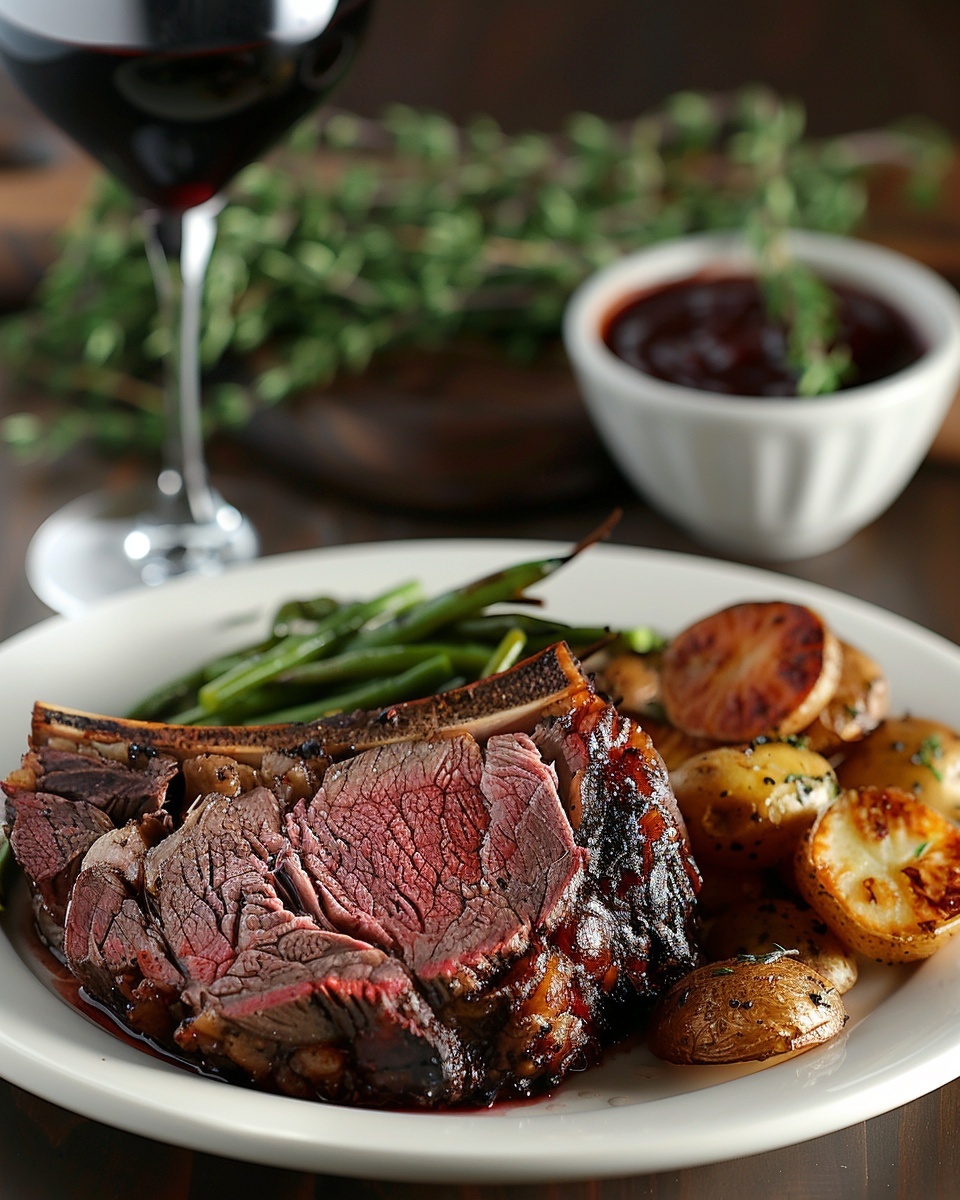
I’ll never forget the first time I pulled a perfectly roasted prime rib from my oven. The golden-brown crust crackled under my knife, and the aroma filled every corner of my kitchen. My family gathered around the table with wide eyes, and I knew I’d created something special. That moment turned me into someone who genuinely loves cooking roast prime rib, and I’ve been perfecting my technique ever since.
There’s something magical about this dish that gets my heart racing every time I prepare it. The sizzle, the smell, the anticipation of slicing into that beautiful roast—it never gets old. I’m excited to share everything I’ve learned about preparing this classic centerpiece with you today.
Roast prime rib stands out as the ultimate showstopper for holidays and special occasions. When you place this magnificent roast on your dining table, conversations stop. Cameras come out. Your guests know they’re in for something memorable. It’s not just dinner—it’s an experience that brings people together.
Whether you’re new to roast prime rib or looking to perfect your technique, I’ve got everything you need to know right here. I’ll walk you through each step with clear instructions and honest tips from my own kitchen adventures.
Why Roast Prime Rib is Worth the Effort
Let me be honest with you. Preparing a roast prime rib of beef takes time, attention, and yes, a bit of money. But here’s the thing—it’s absolutely worth every minute and every dollar you invest.
This cut comes from the rib section of the cow, which is naturally tender and richly marbled with fat. That marbling is what makes prime rib so incredibly juicy and flavorful. When you cook it right, the fat melts through the meat and creates a buttery texture that practically melts on your tongue. No other roast quite compares to this level of tenderness.
The quality of prime rib roast for sale at your local butcher or grocery store reflects its premium status. You’re getting one of the finest cuts available. The price tag might make you pause, but remember—you’re feeding a crowd with an unforgettable meal that will have everyone talking for months.
This roast naturally becomes the centerpiece of any gathering. I’ve served it at Christmas dinners, anniversary celebrations, and even a graduation party. Each time, it draws people to the table like nothing else can. The presentation alone impresses your guests before they even take their first bite.
The versatility is another reason I love this dish. You can season it simply with salt and pepper, or go bold with herb crusts and garlic rubs. You can cook it fast and hot, or low and slow. Each method brings out different qualities in the meat.
You might wonder: What is the secret of cooking a prime rib roast? I’ll give you a quick preview—it’s all about temperature control and letting the meat rest properly. But don’t worry, I’ll break down all the techniques later in this guide so you can master them step by step.
The leftovers (if you’re lucky enough to have any) are just as amazing as the main meal. I’ve made sandwiches, hash, and even prime rib tacos that rival the original dinner. This roast keeps on giving.
Choosing the Right Cut
Walking into a butcher shop or the meat section of your grocery store can feel overwhelming. I remember staring at different cuts, unsure which one would work best. Let me simplify this decision for you.
The first big choice is between bone-in and boneless options. Both have their advantages, and I’ve cooked plenty of each over the years.
Bone-in roasts look dramatic and traditional. The bones act as a natural rack, lifting the meat off the pan and helping it cook more evenly. They also add flavor during the roasting process. Many people believe bone-in roasts stay juicier, and I tend to agree from my experience.
A boneless prime rib roast offers different benefits. It’s easier to carve, which matters when you’re serving a large group and don’t want to struggle with bones at the table. The boneless rib roast recipe also cooks a bit faster since the bones aren’t there to slow down heat transfer. If you’re nervous about carving in front of guests, going boneless takes that pressure off.
I use both types depending on the occasion. For a formal holiday meal where presentation matters most, I go bone-in. For a casual family dinner where easy serving is the priority, I choose the boneless prime rib roast recipe approach.
When you’re looking at prime rib roast for sale, pay attention to the marbling. You want to see white streaks of fat running through the red meat. More marbling means more flavor and tenderness. Don’t be afraid to ask the butcher to show you different options.
The color matters too. Look for bright red meat, not brown or gray. Fresh prime rib should smell clean and slightly sweet, never sour or off-putting.
Now let’s talk about size. A good rule of thumb is to plan for about one pound per person if you’re serving bone-in, or about three-quarters of a pound per person for boneless. This accounts for both the bone weight and the fact that people tend to eat heartily when prime rib is on the menu.
Many people ask me how to cook a small prime rib roast when they’re not feeding a huge crowd. Here’s my advice: buy at least a three-rib roast even for smaller groups. Anything smaller becomes tricky to cook properly without drying it out. You’ll end up with great leftovers, which is never a bad thing.
Small roasts (three to four ribs) work perfectly for four to six people. Medium roasts (five to six ribs) handle eight to ten guests comfortably. Large roasts (seven ribs or more) can feed twelve or more people.
Don’t feel pressured to buy more than you need just because the butcher has a certain size in stock. Most butchers will cut a roast to your preferred size if you ask in advance. I always call ahead when I’m planning something specific.
If you’re buying from a grocery store rather than a butcher, look for USDA Prime or Choice grades. Prime has the most marbling and costs more, but Choice still delivers excellent results and fits most budgets better.
One final tip about selection: let the roast sit at room temperature for about two hours before cooking. This helps it cook more evenly from edge to center. I pull mine from the fridge first thing in the morning if I’m cooking dinner that evening.


Preparing Your Roast Prime Rib for Maximum Flavor
Once you’ve got your perfect roast picked out, the real fun begins. Preparing your prime rib properly makes the difference between a good roast and one that has your guests asking for your secrets. I’ve learned this through trial and error, and believe me, I’ve made my share of mistakes along the way.
The first thing I do is pat the entire roast completely dry with paper towels. This might seem like a small detail, but moisture on the surface prevents that gorgeous crust from forming. I spend a good minute or two making sure every surface is dry as can be.
Now let’s talk about the prime rib roast rub. This is where you can really make the dish your own. My go-to rub is dead simple: coarse kosher salt, freshly cracked black pepper, and minced garlic. I use about one tablespoon of salt per rib, which sounds like a lot but trust me on this. The salt creates an incredible crust and seasons the outer layer perfectly.
I massage the rub into every inch of the meat, getting into all the nooks and crannies. Sometimes I add fresh rosemary and thyme to the mix, especially during the holidays when those herbs remind me of festive dinners. The aroma of rosemary hitting that hot beef is something I look forward to every single time.
Here’s something I discovered by accident a few years back: applying your rub the night before and letting the roast sit uncovered in the fridge creates an even better crust. The salt draws out moisture overnight, which then gets reabsorbed along with the seasonings. The surface dries out slightly, which helps with browning. I call it my secret weapon, though it’s really just patience doing its thing.
Some folks prefer wet marinades, and I’ve experimented with those too. A mixture of Worcestershire sauce, soy sauce, olive oil, and garlic makes a fantastic marinade if you’ve got the time. Let the roast sit in it for at least four hours or overnight. Just remember to pat it dry again before it goes in the oven, or you’ll steam the meat instead of roasting it.
For special occasions, I sometimes create a compound butter with fresh herbs, garlic, and a touch of Dijon mustard. I spread this all over the roast about halfway through cooking. It melts into the crust and creates this incredible flavor that pairs beautifully with the beef. Speaking of special occasions, this technique works wonderfully alongside other holiday favorites like holiday stuffing that can roast in the oven while your prime rib rests.
By the way, scoring the fat cap in a crosshatch pattern helps the seasonings penetrate and allows excess fat to render out during cooking. I make shallow cuts about an inch apart, being careful not to cut into the actual meat. This simple step makes a visible difference in the final crust.
Understanding Temperature for Slow Roasted Prime Rib
Temperature is where most people get nervous, and I totally understand why. The question I hear most often is: Is it better to cook prime rib at 325 or 350? The answer isn’t as straightforward as you might hope because both temperatures work beautifully for different reasons.
When I cook at 325 degrees, I get more even cooking throughout the roast. The meat heats gradually, which means less of a gray band around the edges and more of that perfect pink center we’re all after. The slow roasted prime rib recipe approach at this temperature takes longer, but the results are incredibly consistent. I use this method when I’m not in a rush and want maximum control.
Cooking at 350 degrees speeds things up noticeably. You’ll shave off maybe 15 to 20 minutes per rib compared to the lower temperature. The crust develops a bit more color and texture at this higher heat. I choose this temperature when I’m working with a smaller roast or when my timing is tighter. The trade-off is a slightly larger gray band around the edges, though honestly, most people won’t even notice.
Here’s my honest take after years of cooking both ways: for roasts larger than four ribs, I stick with 325. For smaller roasts, 350 works just fine. The difference isn’t dramatic enough to stress over, which is good news for all of us.
Funny enough, some recipes suggest starting high to get a good sear, then dropping the temperature way down. I’ve done this method, and it works great too. You blast the roast at 450 or 500 degrees for about 15 minutes to develop that crust, then drop it to 325 for the remainder. The initial high heat creates amazing color and flavor on the outside.
Mastering Cooking Times and Techniques
Everyone always asks me: How long does it take for a prime rib roast? I wish I could give you one magic number, but it depends on several factors. The size of your roast, your target doneness, and even your specific oven all play a role.
For a medium-rare finish, which is what I recommend and what most prime rib roast recipe food network guides suggest, plan on about 15 to 20 minutes per pound at 325 degrees. A four-pound roast takes roughly an hour to an hour and 20 minutes. A seven-pound roast needs about two hours or a bit more.
The thing is, these are estimates. The only way to really know when your roast is done is with a meat thermometer, and this tool is absolutely non-negotiable. I insert mine into the thickest part of the meat, making sure it’s not touching bone or fat. For medium-rare, I pull the roast when it hits 120 to 125 degrees internally. It’ll climb another 5 to 10 degrees while resting, landing you right in that perfect 130-degree zone.
Medium doneness requires pulling the roast at 130 to 135 degrees. Personally, I think anything past medium starts sacrificing the tenderness that makes prime rib special, but everyone has their preferences. Some of my family members insist on well-done meat, and I’ve learned not to judge too harshly, though I might sneak an extra slice of the medium-rare for myself.
The resting period is probably the most important step that people skip. After pulling your roast from the oven, tent it loosely with foil and let it sit for at least 20 minutes, preferably 30. This allows the juices to redistribute throughout the meat instead of running all over your cutting board. I’ve rushed this step before when hungry guests were hovering, and I instantly regretted watching all those delicious juices escape.
During holiday meals when I’m juggling multiple dishes, I actually use this resting time strategically. While the prime rib sits, I finish up side dishes and pour glasses of Christmas eggnog for guests to enjoy during the anticipation.
The Game-Changing Prime Rib 500 Rule
Let me introduce you to what might be the best prime rib roast recipe ever in terms of simplicity. The prime rib 500 rule took me a while to trust, but once I tried it, I became a believer. What is the prime rib 500 rule? It’s a method that makes cooking prime rib almost foolproof.
Here’s how it works: you multiply the exact weight of your roast by five, and that’s how many minutes you cook it at 500 degrees. Then you turn off the oven completely and leave the roast inside without opening the door for two hours. That’s it. No temperature adjustments, no basting, no stress.
I was skeptical the first time I heard about this method. Cooking at 500 degrees seemed reckless, and turning off the oven felt wrong. But I gave it a shot with a smaller roast just in case things went sideways. A four-pound roast meant 20 minutes at 500 degrees, then the oven goes off for the two-hour wait.
When I finally opened that oven door, I couldn’t believe my eyes. The crust was dark and crusty, exactly what I wanted. The interior was perfectly medium-rare from edge to center. The method works because the initial blast creates the crust, and the residual heat gently brings the interior to the perfect temperature without overcooking the edges.
The key is not opening the oven door during those two hours. I know it’s tempting, and every fiber of your being wants to peek, but resist. Opening the door releases heat and ruins the magic. Set a timer, distract yourself by preparing appetizers for your guests, and trust the process.
This method works best for roasts between three and six pounds. Anything larger might not cook through properly with just the residual heat. For those bigger roasts, I stick with the traditional low-and-slow approach.
One thing to note: your kitchen will get smoky during that initial high-heat phase, especially if your roast has excess fat. Open a window, turn on your exhaust fan, and maybe warn anyone in the house that things might get a bit hazy for a few minutes. It’s worth it.
The confidence I’ve gained from mastering this technique has made me brave enough to take on prime rib for even the fanciest occasions. When you know you can nail it every single time, cooking for important dinners becomes enjoyable rather than nerve-wracking. I’ve even started hosting Valentine’s Day dinners featuring prime rib alongside lighter desserts like chocolate fondue for a perfectly balanced special meal.


Serving Suggestions and Pairings That Elevate Your Roast Prime Rib
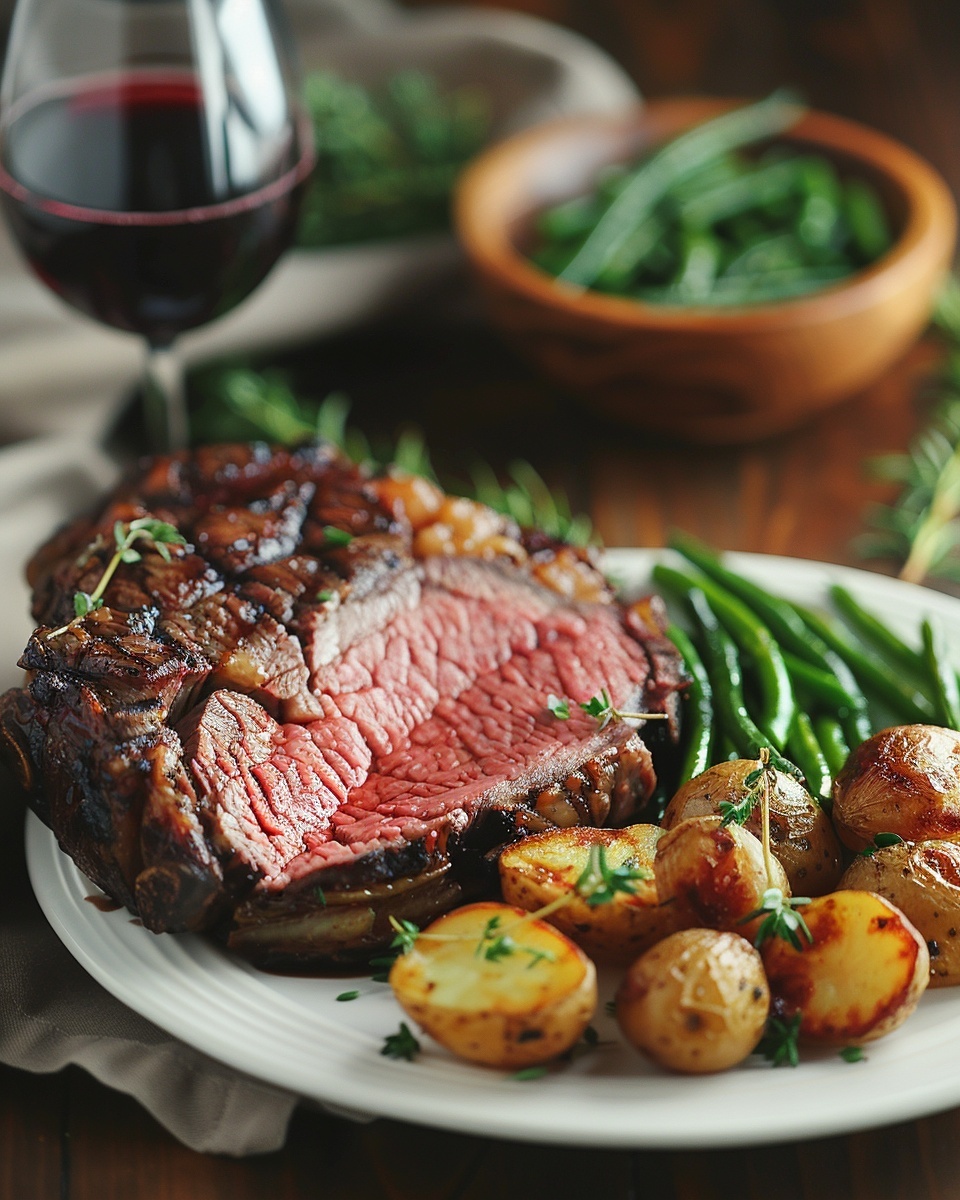
Once you’ve nailed the cooking process, it’s time to think about what goes alongside your beautiful roast prime rib of beef. I’ve learned over the years that the sides can make or break the whole meal. You’ve invested time and money into this showstopper, so the supporting cast needs to shine without stealing the spotlight.
My absolute favorite pairing is creamy horseradish sauce. I make mine from scratch by mixing sour cream, prepared horseradish, a squeeze of lemon juice, and a pinch of salt. The sharp, tangy kick cuts through the richness of the beef perfectly. I remember one Christmas when my uncle declared my horseradish sauce was “spicier than his mother-in-law’s attitude,” and we all laughed so hard we nearly fell off our chairs. It’s been a family legend ever since.
A classic au jus is another must-have on my table. I collect all those beautiful drippings from the roasting pan, skim off most of the fat, and add a splash of red wine and beef broth. Let it simmer for a few minutes, and you’ve got liquid gold for dipping. Some people thicken theirs into a gravy, which is delicious too, but I prefer the lighter consistency of au jus that doesn’t coat your tongue too heavily.
For sides, roasted vegetables work wonderfully because they can cook right alongside your meat during the resting period. I toss carrots, Brussels sprouts, and small potatoes with olive oil, salt, and herbs, then roast them at 400 degrees while the prime rib rests. The timing works out perfectly, and your oven stays put to good use.
Yorkshire pudding is traditional with prime rib for good reason. These puffy, golden popovers soak up all those meat juices beautifully. I make mine in a muffin tin using the fat drippings from the roast pan. They’re impressive but surprisingly easy once you get the hang of them. The key is getting your pan screaming hot before adding the batter.
Creamy mashed potatoes are another winning choice. I go heavy on the butter and cream because if we’re already indulging in prime rib, why hold back now? Sometimes I fold in roasted garlic or horseradish for an extra layer of flavor. My grandmother always said that mashed potatoes are the pillow that the prime rib rests on, and she wasn’t wrong.
A fresh green salad provides a nice contrast to all that richness. I keep mine simple with mixed greens, a light vinaigrette, shaved Parmesan, and maybe some toasted walnuts. The acidity and crunch wake up your palate between bites of beef. It’s about balance, and your stomach will thank you for including something lighter on the plate.
Wine pairing deserves its own conversation. A bold Cabernet Sauvignon is my go-to choice. The tannins in the wine complement the fat in the meat beautifully. I’ve also had great success with Merlot and Syrah. Here’s the thing though—drink what you enjoy. I’ve served prime rib with beer-loving friends who were perfectly happy with their craft IPAs, and nobody complained.
By the way, don’t forget about the presentation. I slice the prime rib on a large wooden cutting board at the table so everyone can see those gorgeous pink slices. The first slice always gets a round of “oohs” and “ahhs” from my guests, and I’ll admit, that reaction never gets old. It’s theater as much as it is dinner.
Troubleshooting Common Prime Rib Roast Issues
Let me be real with you for a minute. I’ve had my share of prime rib disasters over the years. There was the time I overcooked a roast because I trusted the oven timer instead of my thermometer. My guests were polite, but I could tell the meat was chewier than it should’ve been. We live and learn, right?
If you accidentally overcook your boneless prime rib roast, don’t panic. The mistake is made, but you can salvage the situation. Slice it thinner than you normally would—thin slices make overcooked meat more palatable. Serve it with extra au jus or sauce to add moisture back. I’ve also chopped up overcooked prime rib and turned it into a delicious hash the next morning with potatoes and onions. Nobody needs to know it wasn’t planned that way.
Underseasoning happens more often than people admit. If you slice into your roast and realize you went too light on the salt, make a finishing salt with coarse sea salt mixed with fresh herbs and a bit of garlic powder. Sprinkle it over each slice as you plate them. You can also offer additional seasoned butter on the side that guests can add to their portions. Problem solved without making a big deal about it.
Uneven doneness is tricky but manageable. If your roast is more done on the ends and rare in the middle, slice it strategically. Serve the end pieces to guests who prefer medium or medium-well, and reserve the center slices for those who love it rare. I always ask my guests their preference before plating, which gives me flexibility to work with whatever I’ve got.
Sometimes your crust doesn’t develop the way you hoped. Maybe your roast was too wet when it went in, or your oven didn’t get hot enough. If this happens and you catch it early enough, crank up your broiler for the last few minutes of cooking. Watch it like a hawk though—broilers work fast and can go from perfect to burnt in seconds. I learned this lesson the hard way when I walked away to answer the phone and came back to a smoking oven.
What if your roast is cooking faster or slower than expected? Ovens vary wildly in their actual temperature versus what the dial says. This is why that meat thermometer is your best friend. If your roast is racing toward done-ness too quickly, you can tent it with foil to slow down the browning and drop your oven temperature by 25 degrees. If it’s taking forever, bump up the heat slightly and be patient.
One mistake I see often is not letting the roast come to room temperature before cooking. If you put a cold roast straight from the fridge into the oven, the outside will overcook before the inside gets up to temperature. If you forget this step, add about 15 to 20 minutes to your expected cooking time and keep a close eye on your thermometer.
Funny enough, I once had a roast that just wouldn’t come up to temperature no matter how long I cooked it. Turns out my oven’s heating element was failing. After an hour past my expected cook time, I cranked it up to 400 degrees and finally got it across the finish line. It worked out fine, but now I always check that my oven is heating properly before starting an important roast.
Making Your Prime Rib Experience Memorable
Creating a memorable meal goes beyond just the food itself. I’ve found that the atmosphere, the company, and the little details matter almost as much as nailing that perfect medium-rare center. When I’m planning a prime rib dinner, I think about the whole experience from start to finish.
Lighting matters more than you’d think. Dimmed lights or candles create a special ambiance that tells your guests this is a celebration. I remember one New Year’s Eve dinner where we lost power halfway through the meal, and we ended up finishing by candlelight. It turned into one of the most memorable dinners we’d ever had, with everyone laughing and sharing stories in that warm glow.
Music sets the mood too. I usually put on some jazz or classical music at a low volume in the background. Nothing too intense or distracting, just something that fills the silence without demanding attention. The right soundtrack makes conversation flow more naturally.
When it comes to maintaining a focus on quality ingredients and clean eating principles, choosing a well-sourced prime rib from a trusted butcher makes a difference not just in flavor but in how you feel about serving it. Knowing where your meat comes from adds another layer of satisfaction to the meal.
I always carve at the table, which I mentioned earlier, but it’s worth emphasizing. This isn’t just about showing off—though I won’t lie, there’s a bit of pride involved. It’s about bringing everyone together around the anticipation of that first slice. The conversations that happen during those few minutes of carving are often the ones people remember most.
Don’t rush the meal itself. Prime rib deserves to be savored slowly, with good conversation between bites. I’ve noticed that when I plan a prime rib dinner, it naturally extends longer than regular weeknight meals. People linger at the table, pour another glass of wine, and enjoy each other’s company. That’s exactly what I’m after.
Take photos before you slice into the roast. I know it might seem silly, but you’ll want to remember these moments. I have a whole album on my phone of prime rib dinners from over the years, and flipping through them brings back wonderful memories of the people who gathered around my table.
Throughout the year, I find that special occasion cooking like mastering prime rib connects beautifully with other celebratory meals. If you’re building your confidence with impressive dishes for important gatherings, exploring more options in the holidays and special events category can help you develop a full repertoire of showstopper recipes that’ll have you hosting with confidence year-round.
Final Thoughts on Your Prime Rib Journey
The beauty of cooking roast prime rib is that it gets easier and more enjoyable each time you do it. Your first attempt might feel nerve-wracking, and that’s completely normal. By your third or fourth time, you’ll find yourself making small adjustments based on your preferences and feeling confident about the whole process. The journey from nervous beginner to comfortable host happens faster than you’d expect, and every roast teaches you something new about timing, seasoning, or technique. So grab that thermometer, pick out a beautiful cut of meat, and don’t be afraid to make this incredible dish your own. You’ve got everything you need right here to succeed.
Frequently Asked Questions About Roast Prime Rib
Is it better to cook prime rib at 325 or 350?
Both temperatures work beautifully, and your choice depends on your priorities. Cooking at 325 degrees gives you more even cooking throughout with less of a gray band around the edges, making it ideal for larger roasts and when you’re not rushed. At 350 degrees, you’ll get a slightly better crust and shave off about 15-20 minutes per rib, which works great for smaller roasts or when timing is tight. I personally use 325 for roasts larger than four ribs and 350 for smaller ones. The difference in final results is minimal enough that you shouldn’t stress too much about which one you choose. Trust your thermometer regardless of which temperature you pick.
What is the prime rib 500 rule?
The prime rib 500 rule is a simple method where you multiply your roast’s exact weight by five to get your cooking time in minutes at 500 degrees. After that initial high-heat period, you turn off the oven completely and leave the roast inside for two hours without opening the door. For example, a four-pound roast cooks for 20 minutes at 500 degrees, then sits in the turned-off oven for two hours. The initial blast creates a beautiful crust while the residual heat gently brings the interior to perfect medium-rare. This method works best for roasts between three and six pounds and eliminates most of the guesswork from cooking prime rib.
How long does it take for a prime rib roast?
Cooking time varies based on size and desired doneness, but plan on about 15-20 minutes per pound at 325 degrees for medium-rare. A four-pound roast typically takes 60-80 minutes, while a seven-pound roast needs about two hours or slightly more. These are estimates, and the only reliable way to know when your roast is done is by using a meat thermometer. Pull your roast at 120-125 degrees internal temperature for medium-rare, as it’ll rise another 5-10 degrees during the resting period. Always add at least 20-30 minutes of resting time to your schedule, which is just as important as the actual cooking time.
What is the secret of cooking a prime rib roast?
The biggest secret is temperature control combined with proper resting. Use a reliable meat thermometer and pull your roast at the right internal temperature rather than relying on cooking times alone. Let your roast sit at room temperature for about two hours before cooking so it heats evenly from edge to center. Season generously with salt, creating a flavorful crust that everyone will rave about. Most importantly, resist the temptation to skip the resting period—letting your roast rest for 20-30 minutes after cooking allows the juices to redistribute, ensuring every slice is tender and juicy rather than dry.
Should I sear my prime rib before roasting?
Searing isn’t strictly necessary, but it does create additional flavor and a beautiful crust. Some cooks prefer to start with a high-temperature blast at 450-500 degrees for 15 minutes, then drop to 325 for the remainder of cooking. Others sear the roast in a hot pan on the stovetop before transferring it to the oven. I’ve tried both methods and gotten great results, though I’ve also made fantastic prime rib without any initial sear by simply roasting at a consistent temperature. If you’re short on time or want to simplify the process, skip the sear and focus on getting the temperature right—you’ll still end up with an impressive roast.
Can I cook a frozen prime rib roast?
You can, but I strongly recommend against it if you have any other option. A frozen roast will cook extremely unevenly, with the outside potentially overcooking before the inside even thaws completely. If you absolutely must cook from frozen, you’re looking at roughly 50% longer cooking time, and you won’t be able to season the meat properly beforehand. The best approach is to thaw your roast in the refrigerator, which takes about 24 hours for every five pounds of meat. Plan ahead and give yourself plenty of thawing time. If you’re in a pinch, you can submerge the wrapped roast in cold water, changing the water every 30 minutes until thawed.
How do I store and reheat leftover prime rib?
Store leftover prime rib tightly wrapped in plastic wrap or in an airtight container in the refrigerator for up to four days. For reheating, the oven method works best to maintain quality—place slices in a baking dish with a bit of au jus or beef broth, cover with foil, and warm at 250 degrees until heated through. This usually takes about 20-30 minutes and keeps the meat from drying out. You can also reheat individual portions in the microwave at 50% power in short bursts, though this method is less forgiving. Honestly, I think leftover prime rib makes incredible sandwiches served cold or at room temperature, so consider that option too.
What’s the difference between prime rib and ribeye?
Prime rib and ribeye come from the same section of the cow, but they’re prepared differently. Prime rib is a large roasting cut that includes the bone and several ribs, cooked as one piece and then sliced. Ribeye refers to individual steaks cut from that same rib section, which are typically grilled or pan-seared. When you slice a cooked prime rib, you’re essentially creating ribeye steaks. The meat quality and marbling are similar, but the cooking method and presentation differ significantly. Prime rib is a slow-roasted showpiece for feeding a group, while ribeye steaks are quick-cooking individual portions.
Do I need to tie my boneless prime rib roast?
Tying your boneless prime rib roast helps it maintain a uniform shape during cooking, which promotes even heating throughout. Without tying, the roast can spread out or cook unevenly in thicker versus thinner areas. I use kitchen twine to tie the roast at roughly two-inch intervals, being careful not to tie so tightly that I squeeze the meat. Most butchers will do this for you if you ask when purchasing. If you forget and your roast isn’t tied, it’ll still cook fine—just keep a closer eye on the temperature in different spots and expect slightly less uniform results when you slice it.
Can I make prime rib ahead of time for a party?
You can prepare certain elements ahead, though the actual roasting should happen on the day you’re serving. Season your roast the night before and let it sit uncovered in the fridge—this actually improves the crust. Make your horseradish sauce and prep your sides a day early. After cooking and slicing your prime rib, you technically can reheat it, but you’ll lose that perfect texture and some of those delicious juices. If timing is really tight, consider cooking the roast earlier in the day, letting it rest for an extended period, and serving it at room temperature with warm au jus. This isn’t ideal, but it’s better than trying to reheat sliced meat and easier than cooking it while guests arrive.
Roast Prime Rib
Ingredients
Equipment
Method
- Allow the prime rib to sit at room temperature for 2 hours before cooking.
- Pat the roast completely dry with paper towels to ensure a good crust.
- Season the roast generously with kosher salt, black pepper, and minced garlic, massaging into the meat.
- Optionally, apply fresh rosemary and thyme or marinate using Worcestershire, soy sauce, olive oil, and garlic.
- Score the fat cap in a crosshatch pattern.
- Preheat the oven to 325°F (or 350°F depending on size).
- Place the prime rib in a roasting pan and cook for approximately 15-20 minutes per pound for medium-rare.
- Use a meat thermometer, aiming for 120-125°F before removing from the oven.
- Tent the roast loosely with foil and let rest for at least 20-30 minutes before slicing.
- Prepare accompanying sauces and sides during the resting period.