
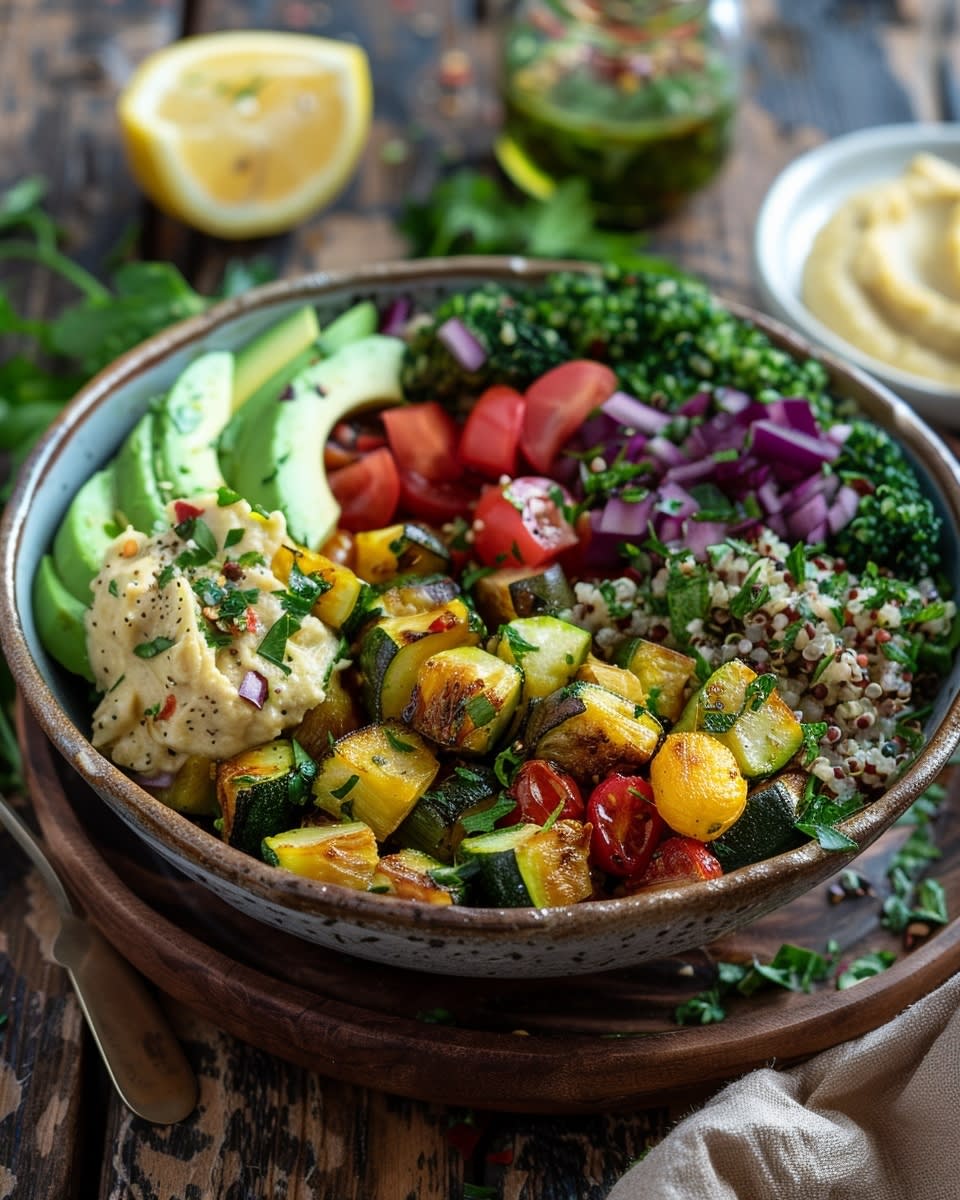
Last Tuesday, I opened my fridge to find a random assortment of vegetables staring back at me. A lonely sweet potato, some Brussels sprouts, half a cauliflower, and a bunch of carrots that needed using up fast. Instead of letting them go to waste, I decided to create something that has now become my weekly staple: a roasted vegetable buddha bowl. That dinner turned out so good that I made it again the next night, and the night after that.
The best part? My family actually asked for seconds. When your kids willingly eat their vegetables without complaint, you know you’ve struck gold.
A roasted vegetable buddha bowl offers everything I want in a meal. It’s healthy, colorful, filling, and tastes amazing. These bowls have saved me countless times when I needed something quick but didn’t want to sacrifice nutrition or flavor. They work for lunch prep, weeknight dinners, or even when you’re trying to impress guests with minimal effort.
I’m going to share my detailed recipe and all the tips I’ve learned through trial and error. By the end, you’ll know exactly how to create your own perfect bowl.
What is a Roasted Vegetable Buddha Bowl?
A buddha bowl is basically a one-bowl meal packed with different food groups. The name supposedly comes from the way the ingredients are piled high, resembling Buddha’s round belly. Some people say it refers to the balance and mindfulness of eating a complete, nourishing meal. Either way, the concept is simple: take one large bowl and fill it with grains, roasted vegetables, protein, and a tasty sauce.
The origins of buddha bowls trace back to the macro bowl movement in California during the 1970s. Health-conscious eaters wanted complete meals that included all the necessary nutrients in proper portions. Today’s buddha bowls follow the same principle but with more creative freedom and flavor combinations.
What makes these bowls special is their structure. A typical healthy buddha bowl includes:
- A grain base – quinoa, brown rice, farro, or any whole grain you prefer
- Roasted vegetables – usually 3-5 different types for variety and nutrition
- A protein source – chickpeas, tofu, chicken, eggs, or tempeh
- Fresh elements – leafy greens, sprouts, or raw vegetables for crunch
- Healthy fats – avocado, nuts, or seeds
- A flavorful sauce – tahini, peanut sauce, or any dressing that ties everything together
Each component plays a role in creating a balanced meal. The grains provide sustained energy through complex carbohydrates. The vegetables deliver vitamins, minerals, and fiber. Protein keeps you full and supports muscle health. Healthy fats help your body absorb nutrients and keep your brain functioning well.
I love that you can adjust every element based on your dietary needs or what’s sitting in your pantry. Vegan? Skip the chicken and double up on chickpeas. Low-carb? Replace the grains with cauliflower rice. Allergic to nuts? Use seeds instead. The flexibility is endless.
The star of any buddha bowl is the vegetables. Using fresh, seasonal produce makes a huge difference in both taste and nutrition. In fall, I load up on butternut squash, Brussels sprouts, and beets. Summer calls for zucchini, bell peppers, and cherry tomatoes. Winter brings root vegetables like parsnips, turnips, and carrots. Spring means asparagus, radishes, and snap peas.
Seasonal vegetables aren’t just tastier. They’re also more affordable and packed with nutrients at their peak. Your local farmers market becomes your best friend when creating these bowls. I’ve discovered vegetables I never knew existed just by browsing the market stalls.
Roasting enhances the natural flavors of vegetables in a way that steaming or boiling never could. The high heat causes a chemical reaction called caramelization. The natural sugars in vegetables brown and develop deeper, sweeter, more complex flavors. Those crispy edges on roasted Brussels sprouts? That’s caramelization doing its magic.
Roasting also creates different textures. The outside gets crispy while the inside stays tender. This contrast makes every bite interesting. Even people who claim to hate vegetables often change their minds after trying properly roasted ones. The transformation is remarkable.
I follow the minimalist baker roasted vegetables approach because it strips away unnecessary steps. The method is straightforward: cut vegetables into similar sizes, toss with oil and seasonings, spread on a baking sheet without overcrowding, and roast at high heat. That’s it. No fancy techniques or equipment needed.
The key is not overcomplicating things. When I first started making roasted veggie buddha bowls, I tried elaborate seasoning blends and complicated cooking methods. They didn’t taste better than simple olive oil, salt, pepper, and garlic powder. Sometimes the simplest approach wins.
Temperature matters more than you might think. I roast most vegetables at 425°F. This high heat ensures proper caramelization without drying everything out. Lower temperatures make vegetables soggy instead of crispy. Higher temperatures risk burning before the insides cook through.
Spacing is another crucial factor. When vegetables crowd together on the pan, they steam instead of roast. Steam creates moisture, which prevents that crispy exterior we’re after. I use two baking sheets if needed rather than cramming everything onto one. The extra dish to wash is worth the improved results.
Different vegetables need different roasting times. Dense vegetables like potatoes and carrots take 30-40 minutes. Softer vegetables like zucchini or bell peppers only need 20-25 minutes. I either roast them separately or add quicker-cooking vegetables to the pan halfway through. This ensures everything finishes at the same time with the perfect texture.
One trick I learned from making these bowls weekly: cut your vegetables slightly larger than you think you should. They shrink during roasting, and tiny pieces can burn or dry out. Aim for 1-2 inch pieces for most vegetables. Brussels sprouts I halve, cauliflower I break into florets, and sweet potatoes I cube into chunky pieces.
The beauty of a root vegetable buddha bowl is how satisfying and grounding it feels. Root vegetables are earthy, naturally sweet, and incredibly filling. They provide steady energy that lasts for hours. During busy weeks, I meal prep a big batch of roasted root vegetables and build different bowls throughout the week.


How to Make a Perfect Roasted Vegetable Buddha Bowl
Now that you understand what makes these bowls work, let’s get into the actual process of building one from scratch.
Selecting the Right Vegetables
Here’s the thing about picking vegetables for your bowl—there’s really no wrong answer, but some choices definitely work better than others. I’ve learned this through plenty of trial and error, including one unfortunate incident involving overly watery eggplant that turned my entire bowl into a soggy mess.
For a solid roasted vegetable buddha bowl recipe, I typically choose vegetables from different color families. This isn’t just about making your bowl Instagram-worthy, though that’s a nice bonus. Different colors indicate different nutrients. Orange and red vegetables pack vitamin A and antioxidants. Dark greens bring iron and calcium. Purple vegetables contain anthocyanins that fight inflammation.
My go-to combination includes sweet potatoes for that natural sweetness and filling carbohydrates. They’re forgiving too—hard to overcook and they stay tender inside while getting crispy edges. Brussels sprouts add a slightly bitter contrast and those amazing caramelized outer leaves. Carrots bring color and a mild sweetness that kids usually tolerate. Red onions provide depth and become almost candy-like when roasted. Bell peppers contribute a slight smokiness and satisfying crunch.
When shopping, I look for vegetables that feel heavy for their size, which usually means they’re fresh and full of moisture. Avoid anything with soft spots, wrinkles, or discoloration. The skin should look vibrant, not dull. For leafy greens that you’ll add raw at the end, make sure the leaves are crisp and not wilted.
Funny enough, I’ve noticed that smaller farmers market vegetables often have better flavor than their larger supermarket cousins. Those giant, perfectly uniform carrots don’t taste like much. Give me the weird, knobby, small ones any day. They’re sweeter and have actual carrot flavor.
Seasonal shopping saves money and improves taste dramatically. In autumn, I build my root vegetable buddha bowl around parsnips, turnips, and beets. Winter means leaning heavily on cabbage, kale, and winter squash. Spring brings lighter options like asparagus and radishes. Summer opens up tomatoes, zucchini, and eggplant options.
One trick I picked up from my neighbor who’s an incredible cook: don’t be afraid to mix in some raw vegetables at the end. A handful of arugula, some thinly sliced cucumber, or shredded purple cabbage adds freshness and textural variety that roasted vegetables alone can’t provide.
Preparing and Roasting Vegetables
The preparation phase is where most people either set themselves up for success or create extra work. I wash and dry all my vegetables thoroughly first. This seems obvious, but wet vegetables don’t roast properly—they steam. I actually use a salad spinner for smaller items and pat larger vegetables completely dry with kitchen towels.
Cutting consistency matters more than I initially realized. When pieces are roughly the same size, they finish cooking at the same time. Nothing’s worse than biting into a crunchy, undercooked carrot while the rest of your vegetables are perfect. I aim for pieces about one to two inches, though I cut denser vegetables like sweet potatoes slightly smaller than softer ones like bell peppers.
The roasted veggie buddha bowl food network approach taught me about proper seasoning distribution. I toss vegetables in a large bowl with olive oil—about two tablespoons per baking sheet worth of vegetables. Then I add salt, pepper, and usually garlic powder. Sometimes I throw in smoked paprika for depth or cumin for an earthy warmth. The key is coating everything evenly before it hits the pan.
I preheat my oven to 425°F and line baking sheets with parchment paper. This prevents sticking and makes cleanup easier, which matters when you’re making these bowls regularly. The vegetables get spread in a single layer with space between pieces. Overcrowding is the enemy of crispiness.
Roasting times vary, but most vegetables need about 25-35 minutes. I flip everything halfway through with a spatula. Those first-timer mistakes I made included not flipping, which resulted in one perfectly roasted side and one pale, sad side. Brussels sprouts and cauliflower need the full time to develop those dark, crispy edges. Softer vegetables like zucchini or bell peppers go in for the last 20 minutes only.
By the way, if you’re roasting multiple pans, rotate their positions halfway through. The top rack gets hotter than the bottom in most ovens. This ensures even cooking across all your vegetables.
Adding Protein and Grains
A vegetable bowl recipe becomes a complete meal when you add protein and grains. Without them, you’ll feel hungry again within an hour, trust me. I learned this the hard way after eating vegetable-only bowls and wondering why I was raiding the pantry by 9 PM.
For grains, quinoa remains my favorite because it cooks quickly and provides complete protein on its own. Brown rice offers a nuttier flavor and chewier texture. Farro brings an almost pasta-like quality that’s really satisfying. Sometimes I use cauliflower rice when I want something lighter or I’m watching my carb intake. Each grain brings different nutrients and textures to your bowl.
I cook grains according to package directions, usually with a bit of salt and sometimes a splash of olive oil. Nothing fancy. While the vegetables roast, the grains simmer. Perfect timing means everything finishes around the same time.
For protein with roasted vegetables, chickpeas are phenomenal. I drain, rinse, and pat them dry, then toss with olive oil and spices before roasting them alongside the vegetables for the last 20 minutes. They get crispy and addictive. My kids eat them like popcorn.
Grilled chicken works beautifully if you’re not vegetarian. I often use leftover rotisserie chicken, shredded and warmed up. Saves time and tastes great. Hard-boiled or soft-boiled eggs add richness and protein without much effort. Greek yogurt chicken salad makes a delicious protein option too, adding creaminess to your bowl.
Tofu is underrated in these bowls. Press it well, cube it, toss with soy sauce and sesame oil, then bake until crispy. The texture transforms completely. Even tofu skeptics in my family request it now. Tempeh offers a nuttier, firmer alternative with even more protein.
For variety, I sometimes draw inspiration from other grain bowls like my quinoa black bean burrito bowl, which uses similar building blocks with Mexican flavors. The formula stays the same—just the seasonings change.
Creating the Perfect Sauce
This is where your bowl transforms from good to absolutely crave-worthy. The sauce for roasted vegetables and rice ties everything together, adding moisture, flavor, and richness that takes the meal to another level.
My most-used sauce is a simple tahini dressing. I whisk together tahini, lemon juice, minced garlic, a splash of water to thin it out, salt, and sometimes a tiny drizzle of maple syrup. The consistency should be pourable but not watery—think somewhere between honey and cream. This dressing complements nearly every vegetable combination and adds healthy fats and protein.
A zesty lemon vinaigrette works wonderfully for lighter, spring-inspired bowls. I combine fresh lemon juice, olive oil, Dijon mustard, minced shallot, salt, and pepper. The brightness cuts through richer vegetables like sweet potatoes. This pairs especially well with asparagus or snap peas. Similar citrus-forward flavors work great in dishes like lemon garlic shrimp and zucchini noodles.
For buddha bowl dressing ideas with more complexity, peanut sauce brings an Asian-inspired twist. I blend peanut butter, soy sauce, rice vinegar, sesame oil, ginger, garlic, and a touch of honey. It’s creamy, savory, and slightly sweet. Warning though—this sauce is dangerously good. You might find yourself eating it with a spoon.
Green goddess dressing adds herby freshness. Blend together Greek yogurt, fresh herbs like basil and parsley, lemon juice, garlic, and olive oil. It’s cooling and works particularly well with Mediterranean-inspired bowls.
Sometimes I go with a simple balsamic glaze. Just reduce balsamic vinegar in a small saucepan until it’s thick and syrupy. Drizzle over your finished bowl. The sweet-tangy flavor enhances roasted vegetables beautifully without overwhelming them.
The sauce quantity matters too. Too little and your bowl tastes dry. Too much and everything gets soggy. I aim for about three to four tablespoons per bowl, drizzled over the top so diners can mix it in as they eat. Keeping extra sauce on the side lets everyone customize to their preference.
When meal prepping, I store sauce separately from the assembled bowls. This prevents everything from getting mushy. Mason jars work perfectly for storing dressings throughout the week. Most sauces last five to seven days refrigerated. Just give them a good shake before using since ingredients often separate.
One unexpected discovery: the sauce you choose can completely change the bowl’s flavor profile. The same roasted vegetables taste completely different with tahini versus peanut sauce versus balsamic glaze. This means you can meal prep one big batch of roasted vegetables and create variety throughout the week just by switching sauces. I sometimes reference techniques from healthy turkey and sweet potato skillet for sauce inspiration, since similar flavor combinations work across different dishes.

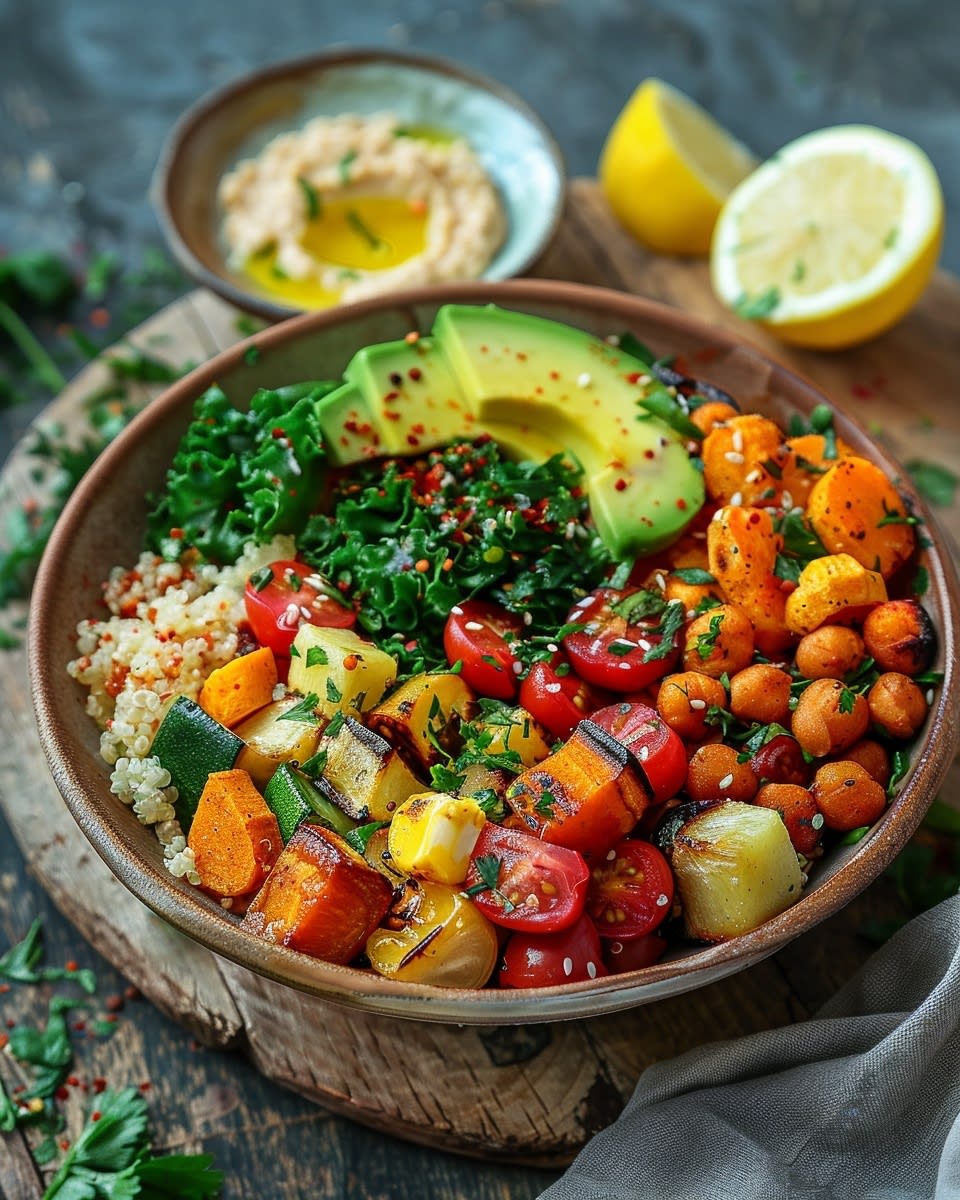

Health Benefits of a Roasted Vegetable Buddha Bowl
I’ll be honest—when I first started eating these bowls regularly, I wasn’t thinking much about the health benefits. I just wanted something that tasted good and didn’t require much thought. But after a few weeks, I noticed changes. More energy throughout the day. Fewer afternoon crashes. Better digestion. My skin looked clearer too, which was a nice surprise.
Turns out, a healthy buddha bowl delivers way more nutrition than I’d realized. We’re talking about a meal that naturally includes multiple servings of vegetables, whole grains, plant-based protein, and healthy fats. Most people struggle to get enough of any one of these categories, let alone all of them in a single meal.
The vegetables alone pack an incredible nutritional punch. Each color represents different phytonutrients and antioxidants. Those deep orange sweet potatoes? They’re loaded with beta-carotene, which your body converts to vitamin A for eye health and immune function. The dark leafy greens contain iron, calcium, and vitamin K for bone health. Purple cabbage and beets bring anthocyanins that fight inflammation and may protect against certain cancers.
Roasting actually preserves most nutrients better than you might think. Yeah, some vitamin C gets lost at high temperatures, but the trade-off is worth it. The cooking process makes certain nutrients more bioavailable, meaning your body can absorb them more easily. Lycopene in tomatoes becomes more accessible after cooking. The carotenoids in carrots and sweet potatoes also increase in availability when roasted with a bit of fat.
Speaking of fat, that olive oil you’re drizzling isn’t just for flavor. It’s essential for absorbing fat-soluble vitamins like A, D, E, and K. Without some healthy fat in your meal, you’d miss out on a huge portion of the vegetables’ nutritional value. This is why adding avocado, nuts, seeds, or an oil-based dressing makes your bowl more nutritious, not less.
The fiber content in a roasted vegetable buddha bowl is genuinely impressive. Between the vegetables, whole grains, and legumes, you’re easily getting 15-20 grams per bowl. Most Americans only get about half the recommended daily fiber intake, which is 25 grams for women and 38 grams for men. One bowl can get you more than halfway there.
Why does fiber matter so much? It slows down digestion, keeping you full for hours. It stabilizes blood sugar levels, preventing those energy spikes and crashes. It feeds the beneficial bacteria in your gut, which affects everything from mood to immune function. It keeps things moving through your digestive system smoothly. After dealing with digestive issues for years, I can personally attest to how much difference adequate fiber makes.
The protein component is crucial too, especially if you’re eating a mostly plant-based diet. Quinoa is one of the few plant foods that contains all nine essential amino acids, making it a complete protein. Chickpeas, lentils, and beans bring substantial protein along with additional fiber. Even the vegetables contribute small amounts. When you combine grains with legumes, you create complementary proteins that give your body everything it needs.
Here’s something I found interesting while researching nutrition for these bowls—the USDA’s eating patterns guidelines emphasize exactly this kind of meal composition. They recommend filling half your plate with fruits and vegetables, a quarter with whole grains, and a quarter with protein. Buddha bowls naturally follow this template. You don’t need to measure or count anything. The visual arrangement already creates balanced portions.
The anti-inflammatory benefits of this eating style shouldn’t be overlooked either. Chronic inflammation contributes to basically every modern disease—heart disease, diabetes, arthritis, even depression. The colorful vegetables in your bowl contain compounds that actively fight inflammation. Turmeric, if you add it as a seasoning, contains curcumin, one of the most potent anti-inflammatory substances found in food. Garlic, ginger, and leafy greens all contribute anti-inflammatory effects too.
Blood sugar management becomes way easier when you structure meals this way. The combination of fiber, protein, and healthy fats slows down the absorption of carbohydrates. This prevents those blood sugar spikes that leave you shaky and starving an hour later. My husband noticed this benefit immediately. He used to crash hard after lunch, needing multiple cups of coffee to function. Since switching to buddha bowls for lunch, his energy stays steady all afternoon.
Weight management happens almost naturally with these meals, though that wasn’t my primary goal. The high fiber and water content in vegetables creates volume without excessive calories. You get a huge, satisfying portion that fills you up without feeling heavy. The protein and healthy fats provide satiety that lasts. I stopped snacking constantly between meals once I started eating bowls like this regularly.
The beauty of a roasted vegetable buddha bowl recipe is how easily it adapts to any dietary requirement. Need it vegan? Use plant proteins like chickpeas, tofu, or tempeh. Going gluten-free? Stick with quinoa, rice, or other naturally gluten-free grains. Following a low-carb diet? Replace the grains with cauliflower rice or extra leafy greens. Managing diabetes? This meal structure already supports stable blood sugar. Dealing with high cholesterol? These bowls contain zero dietary cholesterol and tons of soluble fiber that actually helps lower cholesterol levels.
I’ve also found these bowls incredibly helpful for feeding a family with different dietary needs. My daughter went vegetarian last year. My husband tries to limit carbs. I need to watch my sodium intake. One base meal with customizable components makes everyone happy without cooking three separate dinners.
The gut health benefits deserve special mention. That diverse array of vegetables feeds different strains of beneficial gut bacteria. Research increasingly shows that gut health influences mental health, immune function, and even how well you sleep. The more variety in your diet, the more diverse and resilient your gut microbiome becomes. Each different vegetable essentially feeds different bacterial populations.
By the way, if you want to explore more nutritious meal options with similar health benefits, check out the collection of healthy recipes available, which feature ingredients and cooking methods that prioritize both flavor and nutrition.
Bone health gets a boost from these bowls too. The leafy greens provide vitamin K and calcium. If you add sesame seeds or tahini sauce, you’re getting even more calcium. The vitamin C from vegetables helps your body absorb iron from plant sources. Everything works together synergistically.
Mental clarity improved for me after eating these meals regularly. The omega-3 fatty acids from walnuts or flax seeds, the B vitamins from whole grains, the antioxidants from colorful vegetables—they all support brain function. I used to get brain fog in the afternoons that made work difficult. That’s mostly disappeared now.
The hydration factor is something people rarely mention. Vegetables contain tons of water, especially ones like zucchini, bell peppers, and tomatoes. This contributes to your daily fluid intake in a way that pure water can’t quite replicate because the water in food comes packaged with electrolytes and nutrients.
One last thing that really surprised me—these bowls can actually improve your relationship with food. There’s something psychologically satisfying about seeing all those colors and components arranged in a bowl. You slow down and actually taste your food instead of mindlessly shoveling it in. Mindful eating leads to better digestion and more satisfaction from smaller portions.
Making these bowls a regular part of your routine isn’t just about physical health either. The act of preparing real food from whole ingredients feels good. It’s a form of self-care that pays dividends immediately and long-term.
Frequently Asked Questions
What are the best vegetables for a roasted vegetable buddha bowl?
The best vegetables are ones that roast well and provide color variety. My top picks include sweet potatoes for natural sweetness and filling carbs, Brussels sprouts for those crispy caramelized edges, carrots for color and mild flavor, red onions for depth, cauliflower for texture, and bell peppers for crunch. Beets, butternut squash, zucchini, and broccoli also work beautifully. Choose at least three different colors to maximize nutritional variety. Dense vegetables like root vegetables hold up best to roasting and provide that satisfying, hearty quality these bowls are known for.
Can I use any type of grain in a buddha bowl?
Absolutely, and each grain brings unique benefits. Quinoa cooks quickly and provides complete protein with all essential amino acids. Brown rice offers a nutty flavor and chewy texture with excellent fiber content. Farro has an almost pasta-like quality and contains protein and magnesium. Wild rice adds a dramatic look and earthy taste. Bulgur wheat cooks in just minutes and works great for Mediterranean-style bowls. Cauliflower rice serves as a low-carb alternative that still provides volume. You can even mix grains for variety—half quinoa and half brown rice creates nice textural contrast.
How do I make a simple and tasty sauce for my buddha bowl?
My go-to versatile sauce takes five minutes to make. Whisk together three tablespoons of tahini, juice from half a lemon, one minced garlic clove, two tablespoons of water to thin it, a pinch of salt, and optionally a teaspoon of maple syrup. Adjust the water until you reach a pourable but not watery consistency. This tahini dressing complements nearly any vegetable combination and adds healthy fats and creaminess. Store it in a jar in the fridge for up to a week and shake well before each use since the ingredients naturally separate.
Is a roasted vegetable buddha bowl a good option for meal prep?
These bowls are actually perfect for meal prep, which is why I make them every Sunday. Roast a big batch of vegetables and cook your grains ahead of time, then store them separately in airtight containers. They’ll last four to five days in the refrigerator. Keep the sauce separate and add it just before eating to prevent sogginess. I prep the roasted vegetables and grains on Sunday, then quickly assemble bowls throughout the week by adding fresh greens and protein. You can eat them cold or warm up the vegetables and grains for two minutes in the microwave.
Can I add other ingredients to my buddha bowl for extra flavor?
Definitely, and this is where you can get creative. Toasted nuts or seeds like pumpkin seeds, sunflower seeds, or sliced almonds add crunch and healthy fats. Fresh herbs like cilantro, parsley, or basil bring brightness. Pickled vegetables like pickled red onions or sauerkraut add tangy contrast. Avocado contributes creaminess and additional nutrients. Dried fruit like cranberries or raisins can add sweet pops of flavor. Microgreens, sprouts, or fresh spinach provide freshness. Even a squeeze of fresh lemon juice right before eating brightens everything up.
How long does it take to roast vegetables for a buddha bowl?
Most vegetables need between 25 and 35 minutes at 425 degrees Fahrenheit. Dense vegetables like sweet potatoes, carrots, and beets require the full time or even up to 40 minutes. Medium-density vegetables like Brussels sprouts, cauliflower, and broccoli typically need 25-30 minutes. Softer vegetables like bell peppers, zucchini, and cherry tomatoes only need 20-25 minutes. I flip everything halfway through for even browning. If you’re roasting multiple types, start with the densest vegetables and add the softer ones partway through. This timing allows everything to finish simultaneously with perfect texture.
What protein options work best in a buddha bowl?
The protein options are incredibly flexible depending on your dietary preferences. Crispy roasted chickpeas are my favorite—just drain, dry, toss with oil and spices, then roast for 20-25 minutes until crunchy. Grilled or baked tofu works wonderfully when pressed well and marinated. Hard-boiled eggs add richness without much effort. Grilled chicken or leftover rotisserie chicken provides lean protein. Tempeh offers a nutty, firm option with even more protein than tofu. Lentils or black beans work great too. For a complete vegan protein, combine quinoa with any legume since they create complementary amino acids together.
Can I make a buddha bowl without grains?
Yes, and many people do this for low-carb or keto diets. Replace the grain base with cauliflower rice, which you can roast alongside your other vegetables or quickly sauté. Spiralized zucchini noodles make another great grain-free base. You can also just use more leafy greens like a bed of arugula, spinach, or mixed greens. Some people use shredded cabbage as a crunchy base. Without the grains, you might want to increase your protein and healthy fats to keep the meal satisfying. Add extra avocado, nuts, seeds, or a larger portion of chickpeas or chicken to compensate.
What’s the best way to store leftover buddha bowls?
Storage technique makes a huge difference in quality. Store each component separately in airtight containers if possible—vegetables in one container, grains in another, protein separately, and definitely keep the sauce in its own jar. This prevents everything from getting mushy and lets you mix and match components throughout the week. If you must store an assembled bowl, keep the dressing separate and add fresh greens right before eating since they wilt quickly. Properly stored components last four to five days refrigerated. The vegetables and grains freeze well too if you want to prep even further ahead.
How can I add more flavor to my roasted vegetables?
Seasoning makes or breaks roasted vegetables. Beyond basic salt and pepper, try garlic powder, smoked paprika, cumin, or curry powder before roasting. Tossing vegetables in olive oil mixed with balsamic vinegar adds sweet-tangy depth. Fresh herbs like rosemary or thyme can go on heartier vegetables before roasting. After roasting, finish with a squeeze of fresh lemon juice, a drizzle of good olive oil, or a sprinkle of flaky sea salt. Nutritional yeast adds a cheesy flavor that’s especially good on Brussels sprouts and cauliflower. Don’t be shy with seasonings—vegetables can handle bold flavors.
Trust me when I say these bowls will become one of your most reliable meals once you get the hang of them. Start simple, experiment with flavors you enjoy, and don’t stress about making everything perfect. The whole point is nourishing yourself with real food that actually tastes good.
Ingredients
Equipment
Method
- Préchauffez le four à 425°F (220°C).
- Lavez et séchez tous les légumes soigneusement.
- Coupez les légumes en morceaux de 1 à 2 pouces pour une cuisson uniforme.
- Dans un grand bol, mélangez les légumes avec l'huile d'olive, le sel, le poivre, la poudre d'ail et les épices optionnelles.
- Étalez les légumes en une seule couche sur les plaques de cuisson recouvertes de papier sulfurisé, en évitant de les surcharger.
- Rôtissez les légumes pendant 25 à 40 minutes, en les retournant à mi-cuisson pour une cuisson uniforme.
- Pendant ce temps, faites cuire le quinoa ou le grain choisi selon les instructions du paquet.
- Pour ajouter des protéines, mélangez les pois chiches avec de l'huile d'olive et assaisonnements, rôtissez-les avec les légumes pendant les 20 dernières minutes.
- Préparez la sauce de votre choix (ex. vinaigrette tahini, vinaigrette au citron).
- Une fois tous les composants cuits, assemblez le bol en superposant les grains, les légumes rôtis, les pois chiches et les feuilles vertes fraîches. Arrosez de sauce et dégustez !