
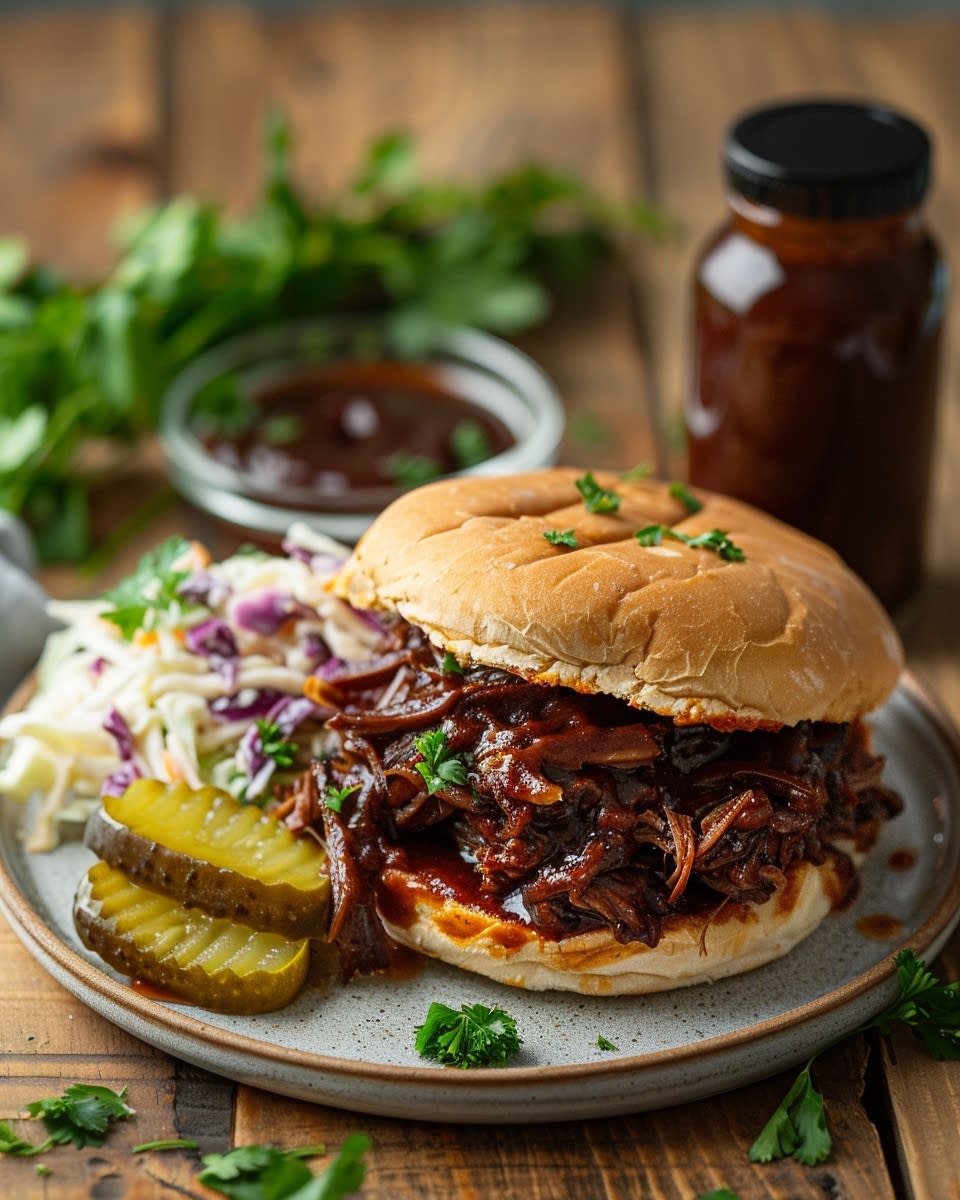
I’ll never forget the first time I threw a chunk of beef into my slow cooker and came home to the most amazing smell. My kids actually ran to the kitchen instead of their video games. That’s the magic of a Slow Cooker BBQ Pulled Beef Sandwich. It turns an ordinary day into something special without you lifting a finger for hours.
This recipe has saved me countless times. Whether I’m hosting a crowd of hungry relatives or juggling soccer practice and homework help, my slow cooker does the heavy work. You just season the meat, pour in some sauce, and let time work its magic. Eight hours later, you’ve got tender, falling-apart beef that makes everyone think you spent all day cooking.
The best part? Slow cookers make tough cuts of meat incredibly tender. The low, steady heat breaks down all those fibers that would normally need hours of babysitting on the stove. Plus, all those flavors have time to get friendly with each other. The result is beef so juicy and flavorful that store-bought sandwiches can’t compete.
I love serving these sandwiches at family gatherings. They’re casual enough that nobody feels stuffy, but impressive enough that people ask for the recipe. On busy weeknights, I can start dinner before work and come home to a meal that’s already done. No last-minute panic. No drive-through runs. Just good food waiting for you.
Ingredients You’ll Need for Your Slow Cooker BBQ Pulled Beef Sandwich
Let’s talk about what goes into this amazing sandwich. I keep my ingredient list simple because great food doesn’t need to be complicated. Here’s everything you’ll need:
The Beef
- 3 to 4 pounds of beef chuck roast
- 1 tablespoon of olive oil (for searing, if you have time)
- Salt and black pepper to taste
The Flavor Builders
- 1 large onion, sliced thin
- 4 cloves of garlic, minced
- 1 tablespoon of smoked paprika
- 1 tablespoon of brown sugar
- 1 teaspoon of cumin
- 1 teaspoon of chili powder
The Liquids
- 1 and a half cups of your favorite BBQ sauce
- Half a cup of beef broth
- 2 tablespoons of apple cider vinegar
- 1 tablespoon of Worcestershire sauce
For Serving
- 8 to 10 burger buns or sandwich rolls
- Coleslaw (optional but highly recommended)
- Pickles, onion rings, or your favorite toppings
What Are the Best Cuts of Beef for Pulled Beef?
This question comes up every single time I share this recipe. Not all beef cuts work well for shredding. You need something with enough fat and connective tissue to stay moist during those long cooking hours.
Chuck roast is my top choice. It has the perfect balance of meat, fat, and connective tissue. When it cooks low and slow, all that tough stuff melts into pure tenderness. The meat pulls apart with just a fork, and it stays juicy even if you accidentally leave it cooking a bit too long.
Brisket comes in second place. It makes incredible pulled beef, but it costs more and can dry out if you’re not careful with timing. If you find a good sale, grab it. Just keep an eye on the liquid levels in your slow cooker.
Bottom round roast works in a pinch. It’s leaner than chuck, so you might need to add a bit more broth. The texture won’t be quite as rich, but it still shreds nicely and tastes great with BBQ sauce.
Avoid sirloin or other lean cuts. They turn tough and stringy in the slow cooker. Those cuts are better for quick cooking methods like grilling or pan-searing. Save your money and stick with chuck.
When you’re at the butcher counter, look for a roast with good marbling. Those white streaks of fat aren’t your enemy. They’re flavor gold. During cooking, that fat melts and keeps everything moist. Don’t trim it off before cooking. You can always skim excess fat from the sauce later if you want.
Choosing Quality BBQ Sauce
The BBQ sauce can make or break this sandwich. I’ve tried dozens of brands over the years, and I’ve learned what works.
Start with a sauce you actually like eating straight. I know that sounds obvious, but people often buy whatever’s on sale. If you wouldn’t dip a chicken nugget in it, don’t cook with it. The slow cooker concentrates flavors, so a mediocre sauce becomes even more mediocre.
I prefer sauces with some thickness to them. Thin, vinegary sauces can make the beef too tangy and watery. Look for something that clings to a spoon. Kansas City-style sauces work beautifully because they’re thick and sweet with a bit of smoke.
Check the ingredient list. Real tomato paste or puree should be near the top. Avoid sauces where corn syrup is the first ingredient. They taste flat and overly sweet without any depth.
You can absolutely make your own BBQ sauce if you’re feeling ambitious. I do this sometimes when I have extra time. But honestly, a good store-bought sauce works just fine for busy days. Save your energy for other parts of the meal.
One trick I love: mix two different BBQ sauces together. Combine a sweet sauce with a spicy one, or a smoky sauce with a tangy one. This creates layers of flavor that taste complex and homemade. My favorite combo is half Sweet Baby Ray’s and half a chipotle BBQ sauce.
Stay away from sauces with chunks of vegetables or big pieces of garlic. They don’t break down well in the slow cooker and create weird textures. Smooth sauces work best for pulled beef.
The amount of sauce matters too. You need enough to keep the beef moist and flavorful, but not so much that you’re making beef soup. I use about a cup and a half for a 3-pound roast. You can always add more at the end if you want a saucier sandwich.


Preparing the Beef for Your Slow Cooker BBQ Pulled Beef
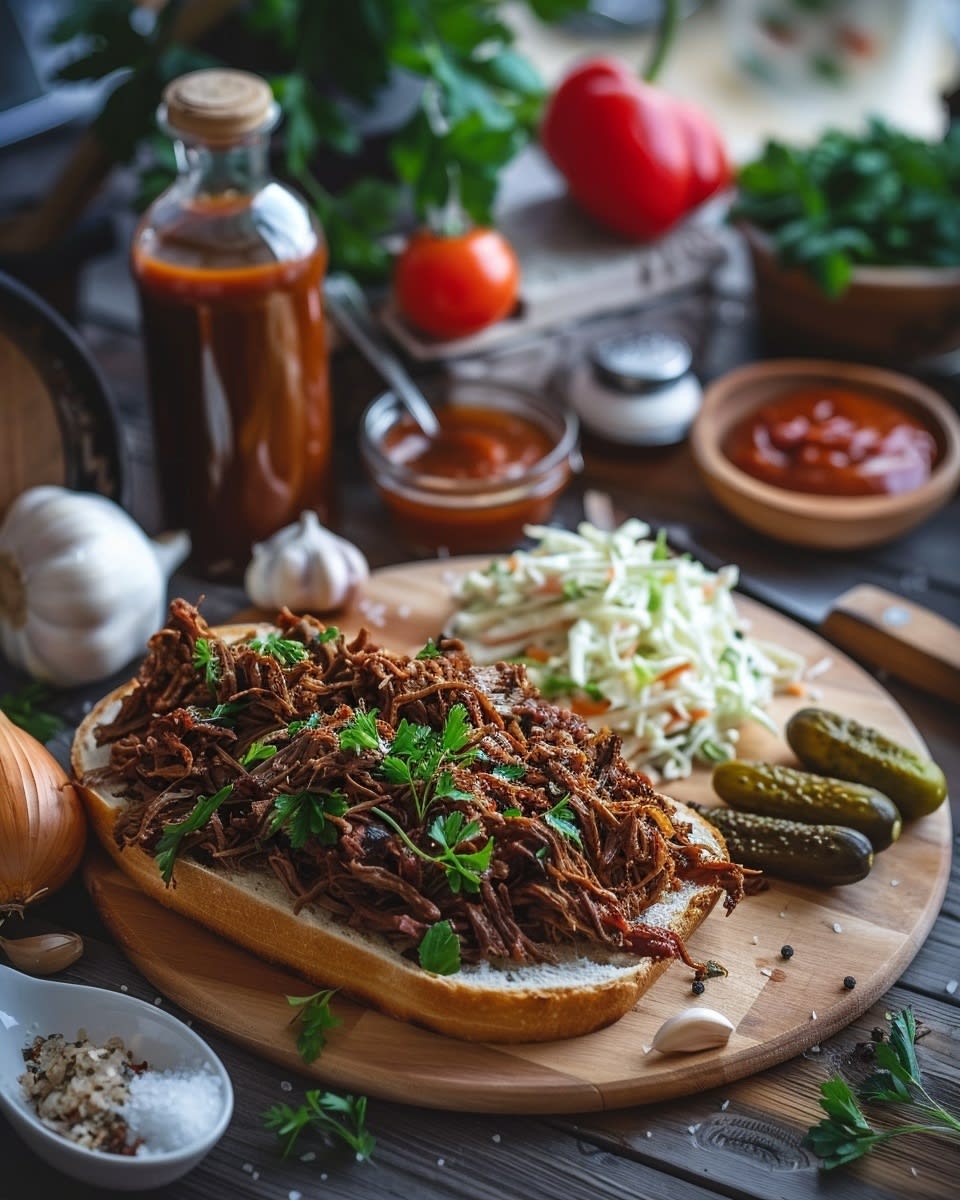
Now that you’ve got your sauce picked out, let’s get that beef ready for its long, slow transformation. This part takes maybe fifteen minutes tops, but it sets up everything that follows.
First things first: take your chuck roast out of the fridge about thirty minutes before you start. Cold meat doesn’t sear well if you’re doing that step, and room temperature beef cooks more evenly. I usually pull mine out while I’m having my morning coffee and getting the kids ready for school.
Here’s where people get nervous about trimming. You’ll see big chunks of fat on the outside of most chuck roasts. I trim off the really thick pieces, anything thicker than about a quarter inch. But I leave a good fat cap on there. Think of it like a built-in basting system. As it melts, it flavors everything below it. My mother-in-law used to trim every speck of fat, and her beef always came out dry. I finally convinced her to leave some on, and she called me the next day saying it was the best batch she’d ever made.
Pat the beef dry with paper towels. This seems like a small thing, but wet meat won’t brown properly. It just steams instead. Even if you’re skipping the searing step, drying the surface helps the seasonings stick better.
Cut your roast into three or four big chunks if it’s huge. Smaller pieces have more surface area for the seasonings and sauce to work their magic. They also shred easier at the end. I learned this the hard way after wrestling with a massive five-pound roast that wouldn’t fit on my cutting board when it was time to shred it.
How Do You Season Beef for Slow Cooking?
Seasoning for slow cooker recipes is different than seasoning for quick-cooking methods. You need to be more generous because those flavors have hours to mellow out and distribute.
Salt is your best friend here. I use about a tablespoon of kosher salt for a three-pound roast. That sounds like a lot, but remember, this is seasoning the entire inside of the meat, not just the outside. Sprinkle it all over every surface of those beef chunks.
Pepper comes next. Freshly ground black pepper makes a difference you can actually taste. I go through about a teaspoon or so, maybe more if I’m feeling spicy. Don’t be shy.
The spice rub goes on after the salt and pepper. Mix your smoked paprika, brown sugar, cumin, and chili powder in a small bowl. This is your flavor foundation. Press it into the meat with your hands, really massage it in there. The brown sugar helps create a bit of a crust if you sear the meat, and it balances the heat from the chili powder.
Some people marinate their beef overnight. Honestly? I’ve done side-by-side tests, and I can’t tell much difference with slow cooker recipes. The long cooking time does so much of that flavor-penetrating work that marinating feels redundant. Save that technique for grilled steaks. For slow cooker pulled beef, a good dry rub applied right before cooking works perfectly fine.
If you want to add depth, sear the seasoned beef chunks in a hot skillet with a bit of olive oil. Two minutes per side, just until you get some brown color. This creates those caramelized bits that add complexity. But real talk? On busy mornings, I skip this step completely. The difference is nice but not essential. The beef still turns out fantastic without searing, especially once it’s swimming in BBQ sauce.
After years of making beef dishes like garlic butter steak bites, I’ve learned that proper seasoning means tasting as you go whenever possible. Obviously you can’t taste raw beef, but you can taste your spice mix. Rub a tiny bit on your finger and taste it. Too salty? Add more spices. Too bland? Add more salt. You’re the boss of your own kitchen.
Slow Cooking Techniques for Perfect Pulled Beef
Alright, your beef is seasoned and ready. Let’s talk about the actual cooking process, because this is where the magic happens.
Layer your sliced onions on the bottom of the slow cooker. They create a flavorful cushion that keeps the beef from sitting directly on the hot surface. Plus, they basically melt into the sauce and add sweetness. Throw your minced garlic in there too.
Place your seasoned beef chunks on top of the onions. Don’t stack them too high. They should mostly fit in a single layer, or at least not be piled up like a meat tower. Air needs to circulate around them somewhat, even in a slow cooker.
Mix your BBQ sauce, beef broth, apple cider vinegar, and Worcestershire sauce in a bowl. Pour this mixture over and around the beef. The liquid level should come about halfway up the sides of the meat. Not covering it completely, not leaving it high and dry. Just halfway.
Here’s the thing about slow cooker settings: low is your friend for pulled beef. High heat works faster, sure, but it doesn’t give the connective tissue enough time to properly break down. You end up with beef that’s technically cooked but still chewy. Low heat takes longer but produces that fall-apart tenderness everyone loves.
Cook on low for eight to ten hours. I know that’s a wide range, but it depends on your specific slow cooker and the size of your beef chunks. My ancient slow cooker runs hot, so eight hours is plenty. My sister’s newer model runs cooler, and she needs the full ten hours.
If you’re home during the cooking, give everything a gentle stir around the halfway point. This redistributes the sauce and helps everything cook evenly. But don’t obsess over it. One of the best things about slow cookers is that you can literally walk away and forget about them.
The beef is done when it shreds easily with two forks. You should be able to pull it apart without any real effort. If you’re meeting resistance, give it another hour. There’s no prize for rushing this process.
How Long Should I Cook Beef in a Slow Cooker?
This question drives people crazy because there’s not one perfect answer. Cooking time varies based on several factors, and understanding them helps you adjust for your situation.
The size of your beef chunks matters most. Smaller pieces cook faster than larger ones. If you’ve cut your roast into two-inch chunks, they might be perfect at seven hours. Big four-inch chunks might need the full ten hours or even a bit more.
Your slow cooker’s temperature also plays a role. Not all slow cookers heat the same way. Older models tend to run hotter than newer ones, oddly enough. If you’re using a new slow cooker for the first time, check your beef earlier than you think you need to. Better to check early and let it cook longer than to end up with overcooked mush.
The shape of your slow cooker changes things too. Wide, shallow slow cookers expose more surface area to heat, so they cook faster. Tall, narrow ones cook more slowly. My round slow cooker takes about an hour longer than my sister’s oval one, even though they’re the same brand.
For foolproof results, use a meat thermometer. Internal temperature should hit at least 190 degrees Fahrenheit, but honestly, for pulled beef, you want it closer to 200-205 degrees. At that temperature, the collagen has fully broken down into gelatin, and the meat practically shreds itself. This technique works great for other beef recipes too, like when I make my ground beef dishes that need perfect doneness.
Don’t worry about overcooking too much. Beef chuck is forgiving. I’ve accidentally left it cooking for twelve hours before, and it was still delicious. It was a bit more shredded than usual, almost like beef hash, but still moist and flavorful. The sauce and fat content protect it from drying out.
If you need to speed things up, you can cook on high for four to five hours. The texture won’t be quite as perfect, but it works when you’re in a time crunch. I do this sometimes when I forget to start dinner before leaving for work. By the way, this is why having backup dinner ideas helps, like quick options such as sheet pan meals that come together fast.
Once your beef is tender enough to shred, transfer it to a big cutting board. Use two forks to pull it apart, working with the grain. The meat should separate into long, juicy strands. Discard any big pieces of fat you find, though most of it will have melted into the sauce by now.
Return the shredded beef to the slow cooker and stir it into all that beautiful sauce. Let it sit on warm for another fifteen to twenty minutes. This lets the shredded pieces soak up even more flavor. Some people skip this step and serve immediately, but I think those extra minutes make a real difference.
Taste the beef and adjust the seasoning if needed. Sometimes I add a splash more vinegar for brightness, or a spoonful of brown sugar if it tastes too tangy. A pinch of salt can wake up all the flavors if things taste flat. This is your last chance to make it perfect before serving, so take a minute to get it right.
If your sauce seems too thin, you have options. Leave the slow cooker on high with the lid off for twenty minutes to let some liquid evaporate. Or transfer everything to a pot on the stove and simmer it down. I usually add a tablespoon of tomato paste and stir it in, which thickens things up nicely without changing the flavor much. These tricks also work for soups and stews, like the healing soup recipes I make when someone’s under the weather.


Assembling Your Perfect Slow Cooker BBQ Pulled Beef Sandwich
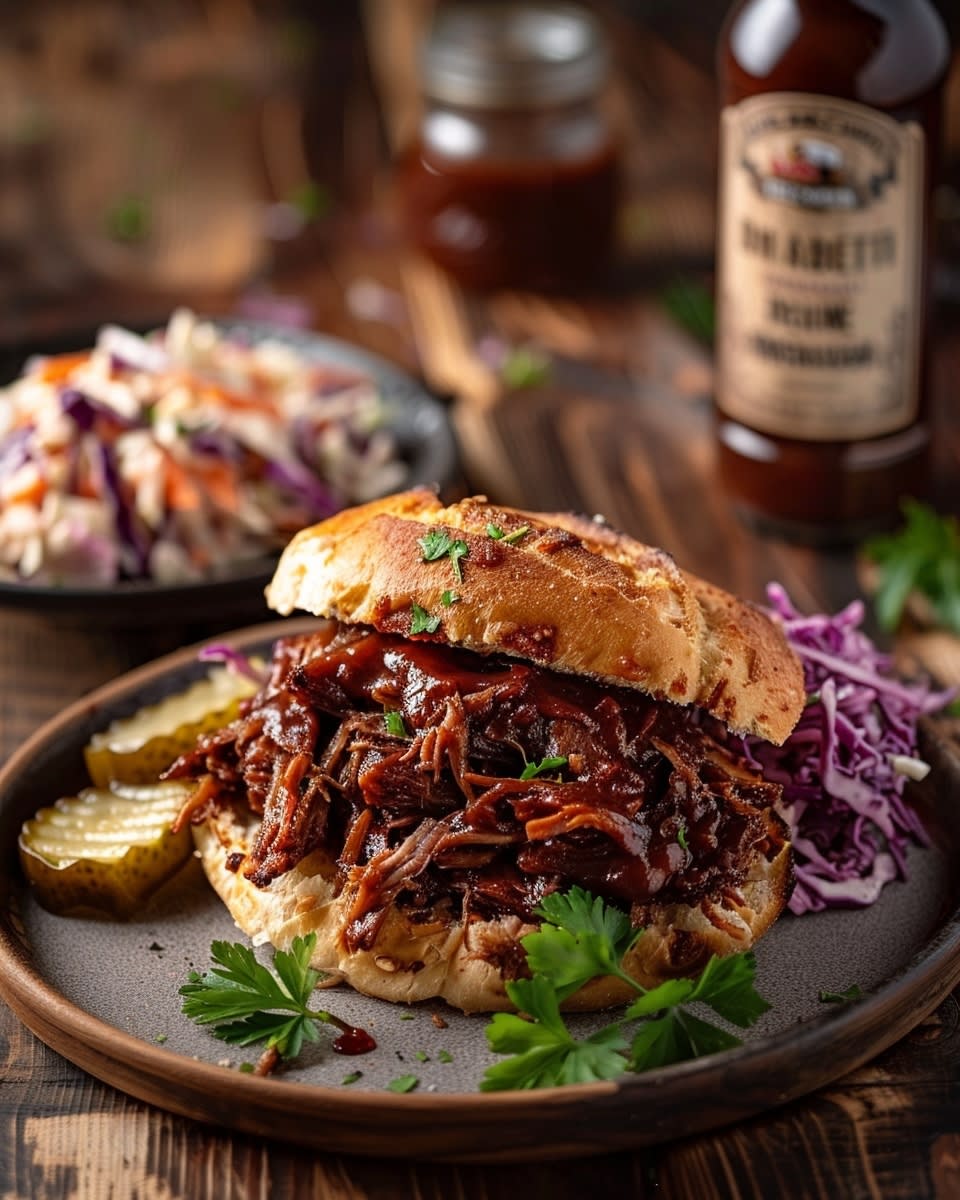
Here’s where everything comes together, literally. You’ve got this amazing pile of tender, sauce-covered beef, and now it’s time to turn it into sandwiches that’ll make people genuinely happy. The assembly matters more than you might think. I’ve seen people put incredible beef on terrible bread and wonder why their sandwich falls apart halfway through eating it.
Start by toasting your buns. This step is non-negotiable in my kitchen. Untoasted buns get soggy within minutes from all that sauce. I brush the cut sides with a tiny bit of butter and toast them face-down in a skillet for about two minutes, or I’ll stick them under the broiler for thirty seconds. You want them golden and slightly crispy. This creates a barrier that keeps the bread from turning into mush.
Use a slotted spoon to scoop the beef onto the bottom bun. Let some of that excess sauce drip back into the slow cooker. You want the beef well-coated but not swimming. Too much sauce makes the sandwich messy and impossible to eat without ten napkins. I usually pile about half a cup of pulled beef on each sandwich, maybe a bit more if I’m feeding teenage boys.
This is where things get fun. The basic beef sandwich is delicious on its own, but toppings take it to another level. My absolute favorite addition is coleslaw right on top of the beef. The cool, crunchy slaw against the warm, tender beef creates this perfect contrast. The acidity in the coleslaw dressing cuts through the richness of the BBQ sauce. I make a simple slaw with shredded cabbage, a bit of carrot, mayo, vinegar, and a pinch of sugar. Nothing fancy, but it makes such a difference.
Pickles are another game-changer. I use dill pickle chips, about four or five per sandwich, arranged right on top of the beef. The tangy crunch wakes up your taste buds between bites. My brother-in-law thinks I’m crazy for this, but sometimes I use bread-and-butter pickles instead. The sweetness plays really nicely with smoky BBQ flavors.
Fried onion strings add an incredible texture element. You can buy them pre-made in a can, or if you’re feeling ambitious, make your own. Just dredge thin onion slices in seasoned flour and fry them until crispy. They add this satisfying crunch that makes every bite interesting.
Cheese isn’t traditional on pulled beef sandwiches, but rules are meant to be broken. A slice of sharp cheddar or pepper jack melted over the hot beef brings a whole new dimension. I’ll sometimes put the assembled sandwich under the broiler for just a minute to melt the cheese and warm everything through. The cheese gets gooey and blends with the sauce in the most incredible way.
Jalapeños work if you like heat. Fresh slices give you a bright, vegetal spice, while pickled ones add tang along with the burn. I keep a jar of pickled jalapeños in my fridge specifically for sandwiches like this. My kids won’t touch them, but my husband and I load them on.
A thin slice of red onion adds bite and color. I soak mine in cold water for ten minutes first to mellow out that sharp onion punch. This trick came from my grandmother, who did it for every sandwich she ever made. The onions stay crisp but lose that overwhelming raw onion flavor that can take over everything else.
Some people put BBQ sauce directly on the bun before adding the beef. I’m not a huge fan because it makes everything even messier, but it does intensify the BBQ flavor. If you do this, use a thick sauce and spread it thin, like you would mustard. Just a flavor layer, not a puddle.
Ranch dressing might sound weird, but hear me out. A light drizzle on the top bun before closing the sandwich adds creaminess and a subtle tang that doesn’t compete with the BBQ sauce. It’s especially good if your BBQ sauce is on the spicier side.
Once you’ve added your toppings, put the top bun on and press down gently. The sandwich should compress slightly but not squish sauce out the sides. If sauce is running everywhere, you’ve used too much. Scoop some off and save it for dipping later.
Cut the sandwich in half at an angle. This isn’t just for looks, though it does make everything prettier. Cutting creates a cleaner eating experience and lets you see all those beautiful layers you’ve built. Plus, it’s easier to pick up and maneuver half a sandwich than a whole one when you’re dealing with this much filling.
Serve immediately while everything’s warm. These sandwiches don’t benefit from sitting around. The bread starts absorbing moisture, toppings get warm and wilted, and the magic fades a bit. That said, I’ve eaten plenty of these cold from the fridge the next day, and they’re still pretty darn good.
What Kind of Bread is Best for a Pulled Beef Sandwich?
The bread can make or break your pulled beef sandwich experience. I’ve tried everything from hot dog buns to fancy artisan bread, and here’s what actually works in real life.
Brioche buns are my number one choice. They’re sturdy enough to hold all that saucy beef without falling apart, but they’re also soft and slightly sweet. That little bit of sweetness complements BBQ sauce perfectly. The egg-enriched dough also makes them more resilient to moisture. I can find brioche buns at pretty much any grocery store now, usually near the regular hamburger buns.
Kaiser rolls come in second. They have a firmer crust that holds up well, and the interior is soft enough to be pleasant to eat. The seeds on top add a nice texture element. My only complaint is that they can be a bit thick, which means you’re eating more bread relative to beef. If you find thinner kaiser rolls, grab them.
Regular hamburger buns work fine, especially the bigger, premium ones. Look for buns labeled as bakery-style or artisan. They’re usually a bit larger and have better structure than the cheap, squishy ones. Remember to toast them, though. Regular hamburger buns absolutely need that toasted barrier, or they’ll disintegrate.
Potato buns are fantastic. They’re soft but surprisingly strong, and they have this subtle sweetness that works well with BBQ flavors. Martin’s potato rolls are the gold standard if you can find them. They’re what a lot of restaurants use for their premium sandwiches, and there’s a reason for that.
Pretzel buns bring a fun twist. The chewy texture and salty exterior create an interesting contrast with the sweet BBQ sauce. They’re sturdy as heck too, so you never have to worry about structural failure. My only hesitation is that the pretzel flavor can sometimes compete with the beef rather than support it. Try them and see what you think.
Ciabatta rolls are hit or miss. They’re sturdy and have great flavor, but the holes in the bread let sauce leak through. If you use ciabatta, look for rolls that have a tighter crumb structure. And definitely toast them well.
Texas toast is an underrated option. Two thick slices of white bread, toasted crispy, make an excellent vehicle for pulled beef. You’re basically making an open-faced sandwich situation. It’s messier to eat, but the bread-to-beef ratio ends up perfect, and you can really taste the meat. This is what I make when I run out of proper buns and can’t be bothered to run to the store.
Skip the fancy artisan breads with lots of grains and seeds. They compete with the beef rather than showcasing it. Save your rustic sourdough and whole grain breads for other sandwiches. Pulled beef needs a softer, more neutral bread that lets the meat be the star.
Whatever bread you choose, size matters. You want a bun that’s proportional to your beef pile. Too small, and you’re eating mostly beef with a little bread. Too big, and you’re just eating a bread sandwich with some beef in there somewhere. The bun should frame the beef, not overwhelm it or get lost entirely.
Fresh bread beats day-old bread every single time. If your buns are starting to get stale, this isn’t the right use for them. Stale bread soaks up moisture too fast and gets gummy instead of staying structural. Use fresh bread and toast it properly, and you’re ninety percent of the way to sandwich success.
By the way, if you’re interested in exploring more ways to work with beef beyond sandwiches, I’ve got plenty of beef recipes that showcase different cuts and cooking methods that might inspire your next dinner.
One more thing about assembly that I learned the hard way: keep the components separate until you’re ready to eat if you’re making these for a party. Set out the toasted buns, the beef in the slow cooker on warm, and all your toppings in separate bowls. Let people build their own sandwiches. This prevents soggy bread disasters and lets everyone customize their sandwich exactly how they like it. Some people go heavy on coleslaw, others want extra pickles, and that’s okay. My nephew literally just eats the beef on a bun with nothing else, and that’s fine too. When you’re thinking about balanced meals, the USDA provides helpful information about energy intake and nutritional balance that can guide your side dish choices to round out the meal.
The sandwich bar approach also makes serving a crowd so much easier. No standing in the kitchen making thirty sandwiches while your guests wait. Everything’s ready, and people help themselves. It’s casual and fun, and honestly, isn’t that what good food is supposed to be about?
Your slow cooker BBQ pulled beef sandwich is more than just dinner. It’s the kind of meal that brings people together around the table, starts conversations, and creates those random weeknight memories that stick around. Making good food doesn’t require fancy techniques or expensive ingredients. It just takes a little time, the right approach, and beef that’s been loved slowly for hours. Now you’ve got everything you need to make sandwiches that’ll have people asking when you’re making them again.
Frequently Asked Questions
What are the best cuts of beef for pulled beef?
Chuck roast is hands-down the best choice for pulled beef because it has the ideal ratio of fat, meat, and connective tissue that breaks down beautifully during slow cooking. Brisket works wonderfully too, though it costs more and requires careful attention to liquid levels to prevent drying out. Bottom round roast can work in a pinch if you add extra broth, but it won’t be quite as rich. Avoid lean cuts like sirloin because they become tough and stringy. Look for roasts with good marbling, those white fat streaks, which melt during cooking and keep everything moist and flavorful.
How do you season beef for slow cooking?
Season generously because flavors mellow and distribute over those long cooking hours. Start with about a tablespoon of kosher salt for a three-pound roast, coating all surfaces. Add freshly ground black pepper, then massage in your spice rub with brown sugar, smoked paprika, cumin, and chili powder. Press the seasonings into the meat with your hands so they really stick. Unlike quick-cooking methods, you don’t need to marinate overnight because the slow cooker does that flavor-penetrating work for you. If you have time, sear the seasoned beef for added depth, but on busy days, skip it without guilt.
How long should I cook beef in a slow cooker?
Cook on low for eight to ten hours for the most tender, fall-apart results. The exact time depends on your specific slow cooker model, the size of your beef chunks, and the shape of your cooker. Older slow cookers tend to run hotter than newer models, so check earlier if you’re using a new one. The beef is ready when it shreds easily with two forks and reaches an internal temperature of 200-205 degrees Fahrenheit. If you’re in a rush, you can cook on high for four to five hours, though the texture won’t be quite as perfect. Chuck roast is forgiving, so even if you accidentally go an hour over, it’ll still be delicious.
What kind of bread is best for a pulled beef sandwich?
Brioche buns are the top choice because they’re sturdy enough to handle saucy beef while being soft and slightly sweet. Kaiser rolls and potato buns also work wonderfully because they have good structure and won’t fall apart. Regular hamburger buns are fine if you choose the larger, bakery-style ones and definitely toast them. Pretzel buns bring a fun, chewy texture with a salty exterior that contrasts nicely with sweet BBQ sauce. Avoid fancy artisan breads with lots of grains and seeds because they compete with the beef flavor rather than supporting it. Whatever you choose, always toast it to create a moisture barrier that prevents sogginess.
Can I make pulled beef ahead of time?
Absolutely, and it actually tastes even better the next day after the flavors have had more time to blend together. Cook your beef completely, shred it, mix it with the sauce, and let it cool to room temperature. Store it in an airtight container in the fridge for up to four days, or freeze it for up to three months. When you’re ready to serve, reheat it gently on the stovetop or in the slow cooker on low. Add a splash of beef broth if it seems dry after reheating. This make-ahead approach is perfect for parties or meal prep, taking all the stress out of entertaining.
How do I keep the beef from drying out in the slow cooker?
Make sure you have enough liquid in the slow cooker, with the sauce and broth coming about halfway up the sides of the meat. Don’t trim all the fat off your chuck roast because it melts during cooking and keeps everything moist. Avoid cooking on high heat, which can dry out the meat before the connective tissue properly breaks down. If you’re going to be gone longer than ten hours, add an extra half cup of broth before you leave. Resist the urge to keep opening the lid to check on things because each time you do, you release heat and moisture. Once the beef is shredded, let it sit in the sauce on warm for fifteen minutes to really soak up those flavors.
What sides go well with pulled beef sandwiches?
Classic coleslaw is perfect because the cool, crunchy texture and tangy dressing balance the rich, warm beef. Potato salad or crispy french fries are crowd favorites that feel natural with BBQ sandwiches. Baked beans add sweetness and work really well with BBQ flavors without being too heavy. A simple green salad with a light vinaigrette cuts through the richness and adds freshness to the meal. Corn on the cob, whether grilled or boiled, brings summery vibes that pair beautifully with BBQ. For something lighter, cucumber salad or pickled vegetables add crunch and acidity that cleanse your palate between bites.
Can I use a different sauce besides BBQ sauce?
Yes, pulled beef is incredibly versatile and takes well to different flavor profiles. Try using a mixture of beef broth, soy sauce, and ginger for an Asian-inspired version that’s amazing on rice or in lettuce wraps. Italian-style works beautifully with crushed tomatoes, garlic, and Italian herbs served on crusty rolls with provolone. A Mexican approach using chipotle peppers, cumin, and lime juice creates fantastic filling for tacos or burritos. You can even go with a simple gravy made from the cooking liquid thickened with a flour slurry for a more traditional pot roast vibe. The slow cooking method works regardless of which flavor direction you choose.
What should I do with leftover pulled beef?
Leftover pulled beef is like finding treasure in your fridge because it transforms into so many different meals. Use it as a topping for loaded baked potatoes or nachos with cheese, sour cream, and jalapeños. Stir it into mac and cheese for an incredibly indulgent dinner that kids love. Make quesadillas by putting the beef and cheese between tortillas and pan-frying until crispy. Add it to scrambled eggs or omelets for an amazing breakfast that’ll fuel your whole morning. You can also use it in fried rice, on pizza, or mixed into pasta with a bit of extra sauce. The possibilities really are endless, which is why I always make extra.
Do I need to sear the beef before putting it in the slow cooker?
Searing adds a layer of caramelized flavor and creates those browned bits that contribute complexity to the final dish. That said, it’s absolutely not required, especially for recipes where the meat will be swimming in BBQ sauce for hours. I’ve done side-by-side comparisons, and while seared beef has slightly more depth, unseared beef still produces fantastic results once everything’s finished cooking. On busy mornings, skip the searing step without any guilt. Save that extra fifteen minutes for making coffee or getting the kids ready for school. The convenience of slow cooker meals shouldn’t be sabotaged by adding steps that only create marginally better results.
Ingredients
Equipment
Method
- Retirez le rôti de boeuf du réfrigérateur 30 minutes avant la cuisson.
- Coupez les morceaux de graisse très épais tout en laissant un bon chapeau de gras.
- Essuyez le boeuf avec des serviettes en papier.
- Coupez le rôti en trois ou quatre gros morceaux.
- Assaisonnez le boeuf avec du sel et du poivre noir.
- Dans un petit bol, mélangez le paprika fumé, le sucre brun, le cumin et la poudre de chili; frottez-le sur la viande.
- Disposez les oignons tranchés et l'ail haché au fond de la mijoteuse.
- Placez les morceaux de boeuf assaisonnés sur les oignons.
- Dans un bol, mélangez la sauce BBQ, le bouillon de boeuf, le vinaigre de cidre de pomme et la sauce Worcestershire; versez sur le boeuf.
- Cuire à basse température pendant 8 à 10 heures.
- Une fois cuit, effilochez le boeuf avec deux fourchettes.
- Remettez le boeuf effiloché dans la mijoteuse et mélangez avec la sauce; laissez reposer sur chaud pendant 15-20 minutes.
- Grillez les petits pains et assemblez les sandwiches avec le boeuf effiloché et les garnitures désirées.